What Adopting a Bengal Cat Past Eight Costs
Opening your heart and home to an older Bengal cat is a truly admirable act, offering a deserving feline a comfortable, loving retirement. However, the financial commitment can feel like a bit of a mystery, especially when considering the specific needs of a cat past their youthful prime. This guide will unravel the potential costs involved in adopting a Bengal cat who's eight years or older, helping you understand what to budget for, both initially and long-term, so you can confidently welcome your new companion.
Why a Senior Bengal Cat Might Be Available for Adoption
It’s a sad reality, but many senior cats end up in shelters or rescue organizations through no fault of their own. For a Bengal cat, whose striking looks and active nature often mean they are sought after as kittens, finding one past eight years old can sometimes come as a surprise. Often, these beautiful creatures are surrendered due to significant life changes their previous owners experienced, such as moving to a no-pet facility, a new baby, or unexpected financial hardship. Sometimes, it's simply that the owner passed away and no family member could take the cat. It's rarely about behavioral issues or health problems that couldn't be managed with love and care.
One common frustration for potential adopters is the unknown history of a rescue cat. You might not know their exact birthday, their full medical background, or even why they were given up. This lack of a complete story can make some people hesitant, fearing hidden issues. However, reputable rescues often go to great lengths to gather as much information as possible and provide extensive veterinary checks to ensure transparency. They want these older cats to find their forever homes just as much as you do.
Understanding the Age Marker: Eight Years Old
When we talk about a Bengal cat past eight, we’re generally entering what's considered their senior years. While some Bengal cats remain incredibly spry and playful well into their teens – The Twelve to Sixteen Years a Bengal Cat Gets is a testament to their longevity – eight years is often the point when their activity levels might start to mellow slightly. You might notice them sleeping a bit more, jumping a little less high, or simply enjoying more quiet cuddle time on the sofa.
This transition into seniority doesn't mean they're frail or uninteresting; it simply means their needs might shift. Just like humans, older cats can develop age-related conditions, or existing issues might become more pronounced. Knowing this ahead of time helps you prepare for the specific kind of care and attention they'll require. It also means you might be looking at a cat that has moved past the demanding, high-energy kitten phase, offering a more settled companion.
The Role of Rescues and Rehoming Networks
For older Bengal cats, rescues and breed-specific rehoming networks are often the best places to look. Unlike general shelters, these organizations often have volunteers with deep knowledge of the breed, who can provide invaluable insights into an individual cat's personality and potential needs. They’ve often spent time in foster homes, which means their behavior in a home environment is better understood.
These networks are dedicated to finding the right match, and their adoption processes are usually thorough, involving applications, interviews, and home checks. While this might seem extensive, it's designed to ensure a successful placement for both you and the cat. They act as advocates for these deserving senior felines, bridging the gap between their past and their hopeful future. Where to Find a Bengal Cat Rescue can be an excellent starting point for your search.
Breaking Down the Initial Adoption Expenses
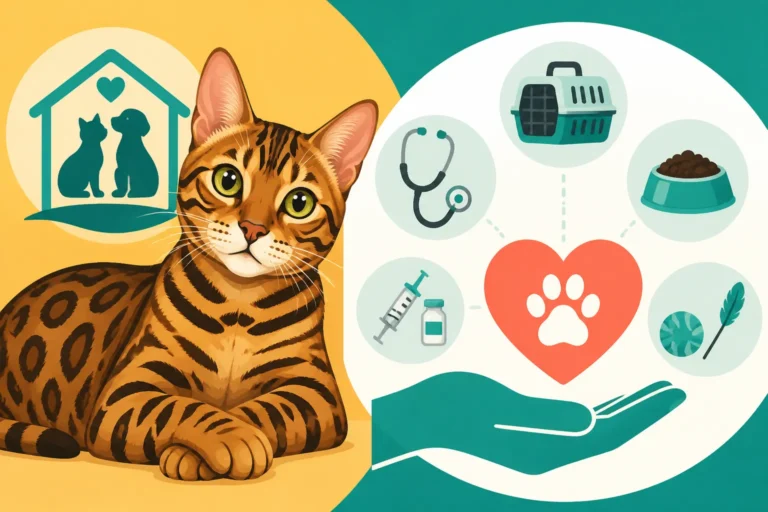
When you adopt a senior Bengal cat, the first thing many people think about is the adoption fee itself. It's true that there will be a fee, but it's important to understand what that fee typically covers and why it exists. This isn't just a price tag; it's an investment in the cat's past care and a contribution to the rescue's ongoing work. Beyond the fee, you'll have some essential initial setup costs to consider.
One common misconception is that senior pets should be free or very cheap. While some rescues might offer reduced fees for older or special needs animals to encourage adoption, the care they've already received is significant. They’ve often had comprehensive veterinary care that far outweighs the adoption fee, ensuring they're as healthy as possible before coming to you.
What the Adoption Fee Covers
The adoption fee for a Bengal cat over eight years old can vary widely depending on the rescue organization, location, and the cat's specific history or health needs. Generally, these fees are much lower than the purchase price of a kitten from a breeder. What a Bengal Cat Rescue Fee Covers, is far more than just "buying" the cat. It’s typically a reimbursement for a host of services already rendered. This can include:
- Veterinary Examination: A thorough check-up by a veterinarian.
- Vaccinations: Up-to-date core vaccinations (rabies, FVRCP).
- Spay/Neuter: If the cat wasn't already altered, they will be.
- Microchipping: To ensure identification if they ever get lost.
- Parasite Treatment: Deworming and flea/tick prevention.
- Bloodwork: Sometimes, senior cats receive basic blood panels to check organ function, which is a fantastic head start for you.
- Dental Assessment/Cleaning: Some rescues might even cover a basic dental cleaning, a significant cost saving for you.
This means you're not just adopting a cat; you're adopting a cat who has already received a good foundation of care, saving you hundreds, if not thousands, in immediate vet bills. Always ask the rescue for an itemized list of what the adoption fee includes so you know exactly what you're getting.
Initial Setup Costs for Your Senior Bengal
Beyond the adoption fee, you'll need to prepare your home for your new senior companion. These are the immediate expenses for creating a comfortable, safe, and welcoming environment. Think of these as one-time or infrequent purchases that set the stage for their life with you.
- Food and Bowls: Transitioning an older cat to a new environment and new food needs to be done carefully. You’ll want high-quality food, possibly a senior-specific formula or one catering to sensitive stomachs. Consider investing in elevated bowls to make eating more comfortable for stiff joints. Many online retailers like Chewy offer a wide selection and can deliver right to your door, making the transition easier.
- Litter Boxes and Litter: Senior cats, especially those with arthritis, might need litter boxes with lower sides for easier access. Provide multiple boxes in easily accessible locations. Experiment with different types of litter to see what your new Bengal prefers.
- Bedding and Resting Spots: Older cats love comfort. Provide soft, orthopedic beds in quiet, warm areas. Whether an Aging Bengal Cat Gets Stiff is a real concern, and a supportive bed can make a big difference. They appreciate cozy hideaways.
- Scratching Posts/Surfaces: Even senior Bengals need to scratch! Ensure you have sturdy scratching posts, perhaps some vertical and some horizontal options, to protect your furniture.
- Toys: While their play may be less intense, senior Bengals still enjoy toys. Think puzzle feeders to keep their minds engaged or soft wand toys for gentle interaction.
- Carrier: A sturdy, comfortable carrier for vet visits is essential.
- Veterinary Follow-Up: Even with the rescue's vet checks, a follow-up with your own veterinarian is crucial within the first week or two. This allows your vet to establish a baseline for your cat's health and address any concerns specific to their new home and environment. They can also discuss a long-term care plan tailored to What Changes in a Bengal Cat After Ten.
| Category | Young Bengal Kitten (Approx. First Year) | Senior Bengal Cat (Approx. First Year Post-Adoption) | Considerations for Senior Bengal |
|---|---|---|---|
| Adoption/Purchase Fee | Higher (from breeder) | Lower (from rescue) | Rescue fee covers initial vet care |
| Initial Vet Visit | Vaccines, deworming, spay/neuter | Follow-up, baseline bloodwork, dental check | More focus on age-related health |
| Food | Kitten formula, growth-focused | Senior-specific, joint support, digestive aid | Quality matters for aging bodies |
| Litter/Boxes | Standard | Low-sided boxes, multiple locations | Accessibility for stiff joints |
| Beds/Comfort | Standard | Orthopedic, heated beds, cozy hideaways | Joint support, warmth, security |
| Toys/Enrichment | High-energy, destructive | Puzzle feeders, gentle play, mental stimulation | Less intense, more thoughtful play |
| Unexpected Medical | Accidents, sudden illness | Chronic conditions, dental issues, organ function | Higher potential for ongoing costs |
Forecasting Ongoing Health and Wellness Costs for an Older Bengal
This is often where the real financial commitment for a senior Bengal cat comes into play. While the initial adoption fee might be lower, the ongoing costs, particularly for healthcare, can accumulate. It's a realistic concern, and one that requires thoughtful budgeting. Senior cats, just like senior people, tend to need a bit more medical attention to stay comfortable and healthy.
The thought of mounting vet bills can be daunting. You might worry about discovering an expensive chronic condition or simply feel overwhelmed by the prospect of frequent vet visits. It's totally valid to feel this way. However, many age-related conditions are manageable, and with proper planning, you can ensure your senior Bengal receives the best care without breaking the bank.
Regular Veterinary Check-ups and Preventative Care
For a senior Bengal cat, regular vet check-ups become even more critical. While a younger adult cat might see the vet once a year, an older Bengal might benefit from twice-yearly visits. These appointments allow your vet to monitor their overall health, catch potential issues early, and adjust their care plan as needed. What an Aging Bengal Cat's Bills Look Like will definitely include these preventative visits.
During these check-ups, your vet will likely recommend a few extra diagnostics compared to a younger cat:
- Bloodwork: Senior panels often include checks for kidney and liver function, thyroid levels, and a complete blood count. Early detection of issues like The Age PK Deficiency Shows in a Bengal Cat or other metabolic changes can lead to better outcomes.
- Urinalysis: To check for urinary tract infections, kidney disease, or diabetes.
- Blood Pressure: High blood pressure can be common in older cats and can affect kidneys and eyes.
- Dental Exams: Dental disease is rampant in older cats. Your vet will assess their teeth and gums for signs of pain, infection, or resorptive lesions. Dental cleanings under anesthesia can be a significant expense but are vital for comfort and overall health. Whether a Bengal Cat Gets Dental Disease is a definite yes, and it often worsens with age.
These preventative measures are truly investments. Catching a problem like early kidney disease means you can often manage it with diet and medication, potentially extending your cat's comfortable lifespan.
Managing Age-Related Conditions
As Bengal cats age, they become more susceptible to certain conditions. Being aware of these helps you budget and prepare.
- Arthritis: Many older cats develop arthritis, which can manifest as stiffness, difficulty jumping, or reluctance to use the litter box. Management can include joint supplements, pain medication, and environmental modifications.
- Kidney Disease: Chronic kidney disease is common in older felines. It often requires prescription diets, fluids, and medications.
- Hyperthyroidism: An overactive thyroid can lead to weight loss, increased appetite, and hyperactivity. It’s typically managed with medication, dietary changes, or other treatments.
- Heart Disease: While HCM Is What Kills Bengal Cats Early can affect Bengals at any age, symptoms might become more pronounced in older cats. Regular heart screenings, like an echocardiogram, might be recommended. If diagnosed, ongoing medication can be required.
- Dental Disease: Beyond cleaning, older cats may need extractions or other advanced dental care, which can be costly.
- Digestive Issues: An aging digestive system might lead to more frequent bouts of Chronic Diarrhea Is the Bengal Cat Complaint Nobody Warns About or require a When a Bengal Cat Needs a Special Diet for Its Gut. Fresh food can sometimes be a beneficial, albeit premium, option for sensitive senior stomachs.
The costs associated with managing these conditions can range from a few dollars a month for supplements to hundreds for prescription diets or specialized medications. This is where pet insurance, such as a comprehensive plan from Healthy Paws, can be an absolute lifesaver. While it might not cover pre-existing conditions, it can offer substantial relief for newly diagnosed age-related illnesses, making ongoing care much more manageable.
Special Diets and Supplements
As their metabolism slows and their bodies change, senior Bengal cats often benefit from specific dietary adjustments. Whether an Aging Bengal Cat Needs Less Protein is a common question, and generally, they may need easily digestible protein sources and controlled phosphorus for kidney health. Many senior cat foods are formulated with these needs in mind, and sometimes, a prescription diet from your vet will be necessary.
Beyond food, supplements for joint health (like glucosamine and chondroitin) or omega fatty acids for skin and coat health might be recommended. While individual costs for these items might seem small, they add up over time. Regularly checking prices and buying in bulk from reputable online pet supply stores like Chewy can help manage these ongoing expenses. These tailored nutritional plans are key to supporting Caring for a Bengal Cat Past Ten.
Setting Up Your Home for a Senior Bengal (and Associated Costs)
Bringing an older Bengal cat into your home means thinking about their comfort and accessibility. Their physical capabilities might not be what they once were, and small adjustments to your living space can make a huge difference in their quality of life and prevent costly injuries. This category often involves some initial investments, followed by minimal upkeep.
The frustration here often lies in feeling like you have to completely redecorate or make drastic changes. But it’s really about thoughtful, small adjustments that cater to their evolving needs, ensuring they can still enjoy their favorite spots without unnecessary strain.
Accessibility Enhancements
A senior Bengal might not scale your tallest cat tree with the same ease as a kitten. They still love vertical space, but they need easier ways to get there.
- Ramps and Steps: For beloved window perches, sofas, or even accessing their favorite spot on your bed, ramps or pet steps can be invaluable. These reduce the strain on their joints from jumping up and down.
- Lowered Perches: Consider investing in sturdy, medium-height cat trees or shelves that are easier to access. Remember, How High a Bengal Cat Can Jump might decrease with age, so make their vertical world more accommodating.
- Accessible Litter Boxes: As mentioned, low-sided litter boxes are crucial. If you currently use covered boxes, consider an open top model. Some older cats might develop a preference for specific types of litter or need more frequent cleaning due to changes in their bladder control.
- Non-Slip Surfaces: If you have slick floors, consider placing rugs or runners in areas where your senior Bengal frequently walks or jumps, to provide better traction and prevent falls.
These changes aren't just about comfort; they're about preventing injuries. A fall for an older cat with brittle bones or poor balance could lead to expensive veterinary visits, so these preventative measures pay off in the long run.
Comfort and Enrichment for Aging Bengals
Even though they're slowing down, senior Bengals still crave comfort, mental stimulation, and interaction. Their needs shift from intense physical exertion to more focused, gentle enrichment.
- Warmth: Older cats often feel the cold more keenly. Providing heated beds or blankets, especially during cooler months, can greatly improve their comfort and help soothe aching joints. Positioning their favorite beds in sunny spots is also a good idea.
- Gentle Play: Continue to engage your senior Bengal with appropriate toys. Puzzle feeders can still provide excellent mental stimulation, and slower-moving wand toys can encourage gentle play without overexertion. Whether a Puzzle Feeder Tires a Bengal Cat is still relevant, just in a different way – it’s about mental energy now, not just physical.
- Grooming Aids: While A Bengal Cat Needs Almost No Grooming typically, an older Bengal might find it harder to groom themselves effectively, especially if they have arthritis. Regular gentle brushing with a soft brush can help keep their coat healthy and is a wonderful bonding experience. This also ties into Whether an Aging Bengal Cat Needs More Grooming.
- Mental Engagement: Simply spending quiet time with them, petting, talking, and offering gentle massages, can be incredibly enriching. They thrive on companionship, and maintaining their routine provides security.
The costs here are generally minor compared to ongoing medical bills, but they are vital for your senior Bengal's emotional and physical well-being. Investing in a good quality orthopedic bed or a few new, gentle toys can significantly enhance their retirement years. Remember, their minds are still sharp, even if their bodies are slowing down.
Disclaimer
This article is for general informational purposes only and does not constitute professional advice. Laws, prices and regulations vary by location and change over time. Consult a qualified professional for guidance on your specific situation.