How the Bengal Cat PRA-b DNA Test Works
Discovering that your beloved Bengal cat might be at risk for a genetic condition like Progressive Retinal Atrophy (PRA-b) can be incredibly worrying, often bringing with it a wave of anxiety about their future health and vision. The good news is that modern veterinary science offers a straightforward DNA test to identify whether your Bengal carries or is affected by this specific eye disease. This comprehensive guide will walk you through exactly how the Bengal cat PRA-b DNA test works, from collecting the sample to understanding the results, so you can make informed decisions for your spotted companion.
Understanding PRA-b in Bengal Cats
Progressive Retinal Atrophy, particularly the 'b' variant (PRA-b), is a genetic eye disorder that can cast a shadow over the otherwise vibrant life of a Bengal cat. It’s a condition that, while not immediately life-threatening, can significantly impact your cat's quality of life as it progresses. Knowing about it is the first step in managing it effectively.
What is PRA-b and its Impact?
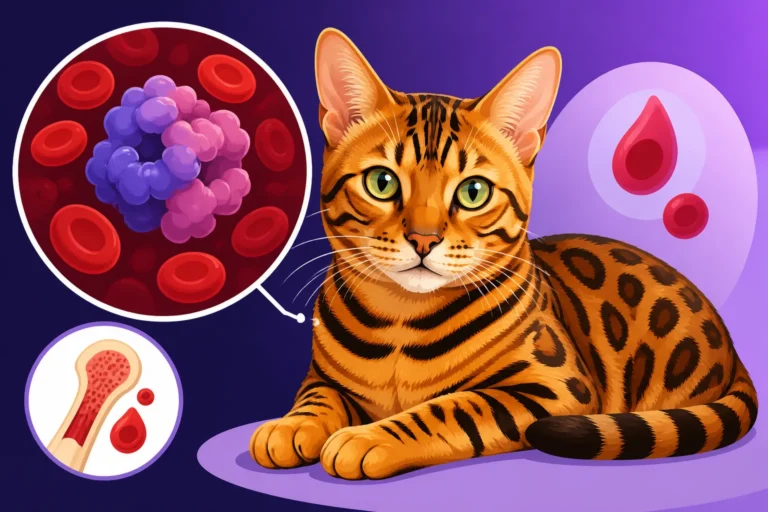
PRA-b stands for Progressive Retinal Atrophy, variant b, and it's a hereditary degenerative disease of the retina. The retina is the light-sensitive tissue at the back of the eye that's crucial for vision, much like the film in an old-fashioned camera. In a cat with PRA-b, the cells of the retina, specifically the photoreceptors (rods and cones), gradually break down over time. Initially, the rods, which are responsible for night vision and vision in dim light, are affected. This means one of the first signs you might notice is your Bengal becoming a bit clumsier in low light conditions, perhaps bumping into furniture or being hesitant to navigate darker rooms. As the disease progresses, the cone cells, which handle daytime vision and color perception, also start to degenerate. This leads to a more profound loss of sight, eventually resulting in complete blindness. It’s a slow, insidious process, often spanning months or even years, allowing the cat some time to adapt, but it's undoubtedly distressing for both the cat and their devoted human family.
The Genetic Basis: Recessive Inheritance
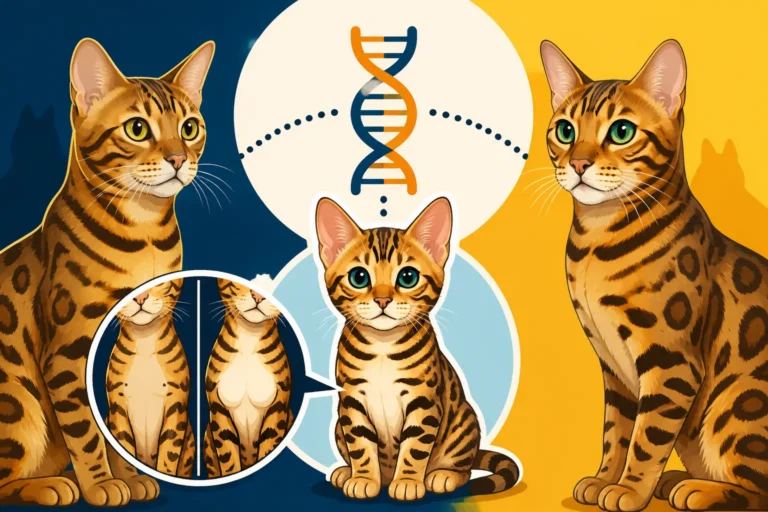
Understanding how PRA-b is passed down is key to grasping the importance of DNA testing. PRA-b is an autosomal recessive inherited disorder, which sounds complicated but simply means a cat needs to inherit two copies of the defective gene – one from each parent – to actually develop the disease. If a cat inherits only one copy of the gene, they are considered a "carrier." Carriers typically do not show any symptoms of PRA-b because their one healthy copy of the gene is usually enough to produce the necessary proteins for normal retinal function. However, a carrier can still pass that single problematic gene copy on to their offspring. This is where the concern arises for breeders and anyone looking to understand the genetic lineage of their cat. The specific gene that causes this particular form of PRA-b in Bengals is a mutation in the CEP290 gene, which is why it's distinct and often referred to as PRA-b to differentiate it from other PRA forms found in different breeds. This knowledge forms the bedrock of responsible breeding practices and helps ensure the health of future generations.
Why PRA-b is Specific to Bengal Cats
It's natural to wonder why certain diseases seem to pop up more frequently in particular breeds. In the case of PRA-b, this specific mutation has been identified predominantly within the Bengal cat population. While other forms of Progressive Retinal Atrophy exist across various cat breeds, the CEP290 gene mutation responsible for PRA-b is considered unique to Bengals. This specificity is a direct result of the breed's genetic history and its relatively recent development, where certain genetic traits, both desirable and undesirable, can become more concentrated within the gene pool. For breeders, this means focusing on the PRA-b DNA test is paramount, as other generic PRA tests might not detect this particular Bengal-specific mutation. The prevalence of this gene means that proactive testing is not just a recommendation but an essential part of maintaining the breed's health and integrity.
When and Why to Test for PRA-b
Deciding when and why to test your Bengal cat for PRA-b depends largely on whether your cat is part of a breeding program or a beloved family pet. Both scenarios have valid reasons for considering the test, all geared towards promoting the long-term health and well-being of the individual cat and the breed as a whole.
Testing for Breeding Bengals
For responsible Bengal cat breeders, DNA testing for PRA-b is not just an option; it's a fundamental ethical obligation. Every single cat intended for breeding should be tested before being mated. The reason is simple: if you unknowingly breed two carrier cats together, there's a 25% chance with each kitten that it will inherit two copies of the faulty gene and thus be "affected," meaning it will eventually go blind from PRA-b. There's also a 50% chance they'll be carriers and a 25% chance they'll be clear. By testing, breeders can strategically plan matings to avoid producing affected kittens. For example, a carrier cat can still be safely bred to a clear cat, as none of the offspring would ever be affected, though half of them might be carriers. However, breeding two carriers together, or an affected cat with a carrier or another affected cat, should be strictly avoided. This careful selection ensures that the gene is slowly phased out of the breeding lines, reducing the incidence of PRA-b in future generations. It’s a commitment to improving the health of the breed and a key indicator of a reputable breeder. Understanding Whether Two PRA-b Carrier Bengal Cats Should Be Bred is a crucial part of this responsible breeding philosophy.
Testing for Pet Bengals and Kittens
While the primary drive for PRA-b testing comes from the breeding community, there are still compelling reasons for pet owners to consider it. Many reputable breeders will already have tested the parents of their kittens and provide documentation confirming the kitten's PRA-b status (clear, carrier, or affected). If you're acquiring a kitten, it's absolutely vital to ask the breeder for these results. If your kitten comes from a clear x clear pairing, for instance, you know your kitten will be clear and never develop PRA-b due to this specific mutation. However, if your pet Bengal was not tested as a kitten, or if their parentage is unknown (perhaps from a rescue or a less scrupulous breeder), getting them tested yourself can offer valuable peace of mind. Knowing your cat's status helps you plan for their future. If they are a carrier, you know they won't go blind from PRA-b. If, by some unfortunate circumstance, they were to test as affected, you'd have the invaluable foresight to prepare for eventual vision loss, adapting your home and lifestyle proactively to support them. While Whether a Pet Bengal Cat Needs PRA-b Testing might seem less critical than for a breeding cat, it empowers you with knowledge.
Age for Testing and Symptoms
One of the fantastic advantages of DNA testing is that it can be performed at any age, from tiny kittens to senior cats. Unlike an eye exam that looks for physical changes, the DNA test identifies the genetic predisposition. This means a kitten can be swabbed as young as a few weeks old, and their genetic status for PRA-b can be definitively known. This early detection is incredibly useful for breeders who need to make breeding decisions and for new owners who want reassurance about their kitten's health. It’s important to remember that while the DNA test can be done early, the actual symptoms of PRA-b—the progressive loss of vision—typically don't manifest until later in life, often between the ages of 2 and 7 years old, sometimes even later. The timeline for vision loss can vary significantly between individuals. This latent onset is precisely why DNA testing is so crucial; you can identify the risk long before any visible signs appear, enabling proactive management. For more details on the progression, you can research The Age a Bengal Cat With PRA-b Goes Blind.
The PRA-b DNA Test: Step-by-Step
The process of DNA testing for PRA-b is surprisingly simple and can usually be completed by owners at home with minimal fuss. It’s designed to be non-invasive and stress-free for your cat, making it an accessible tool for both breeders and pet owners alike.
Obtaining the Test Kit
The first step is to order a test kit from a reputable veterinary genetics laboratory. Several well-known labs offer PRA-b testing for Bengal cats. Companies like Optimal Selection by Wisdom Panel, Wisdom Panel itself, and many university-associated veterinary diagnostic labs, such as the UC Davis Veterinary Genetics Laboratory, are popular choices. These labs are trusted because they use validated scientific methods and provide reliable results. When you order a kit, it typically arrives with everything you need: usually two or more sterile buccal (cheek) swabs, clear instructions on how to collect the sample, a unique identification code for your cat, and often a pre-paid return envelope. It’s always a good idea to research the lab's reputation and turnaround times before ordering, and if you’re unsure, your veterinarian can often recommend a trusted facility. Finding out Which Lab Runs the Bengal Cat PRA-b Test can save you a lot of guesswork.
Taking the Sample at Home
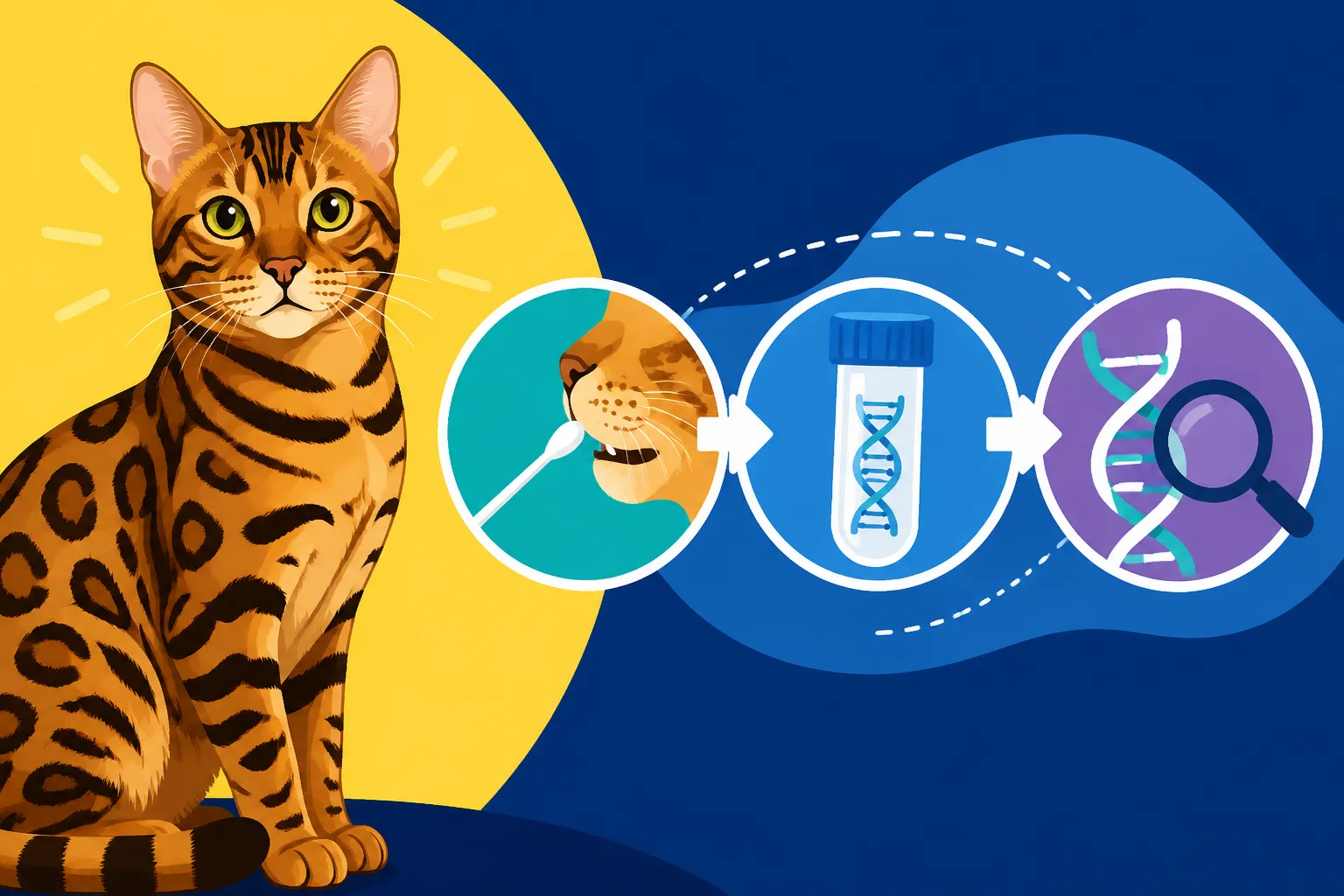
Collecting the DNA sample is perhaps the most hands-on part of the process, but it’s straightforward. The sample required is a buccal swab, which means you'll be gently rubbing a sterile cotton swab along the inside of your cat's cheek and gums to collect epithelial cells. These cells contain your cat's DNA. Here's a typical step-by-step guide:
- Prepare your cat: Make sure your Bengal hasn't eaten, nursed (for kittens), or groomed excessively for at least 30-60 minutes before swabbing. Food particles or milk can contaminate the sample and interfere with the DNA extraction, leading to an inconclusive result. A calm, quiet environment is best.
- Open the kit: Carefully open the sterile packaging for the swabs, making sure not to touch the cotton tip with your fingers or any other surface.
- Swab the cheek: Gently hold your cat, perhaps by cradling them or having a helper. Open their mouth slightly and insert the swab, rubbing the cotton tip firmly but gently against the inside of their cheek and gums for about 10-20 seconds. You want to collect as many cells as possible, so a good firm rub is better than a light one. Repeat this process with a second swab on the opposite cheek to ensure ample DNA collection.
- Dry the swabs: Crucially, allow the swabs to air dry completely for at least 5-10 minutes. Do not put them back into any plastic sleeve while wet, as this can encourage mold growth and degrade the DNA. You can stand them upright in a clean glass or lay them on a clean, dry paper towel.
- Secure and label: Once completely dry, place each swab into its designated paper sleeve or envelope provided in the kit. Ensure you accurately label each swab with your cat's unique ID, often found on the packaging or a sticker. The process for How a Bengal Cat's PRA-b Swab Is Taken is designed to be as simple as possible.
Submitting the Sample and Awaiting Results
After you've successfully collected and dried the samples, the next step is to register them and send them off to the lab. Most labs require you to register your test kit online using the unique identification code provided. This step links your cat's information to their physical sample, ensuring accurate results are attributed to the correct feline. During registration, you'll typically enter your cat's name, breed, date of birth, and any other relevant details. Once registered, simply place the dry, packaged swabs into the return envelope provided by the lab and mail it according to their instructions. Some kits come with pre-paid postage, while others require you to cover it. The waiting period for results can vary, usually ranging from 2 to 6 weeks, depending on the lab and their current workload. You'll typically be notified via email when the results are ready, often accessible through an online portal where you can view and download your cat's full report.
Interpreting Your Bengal Cat's PRA-b Results
Receiving your Bengal cat's PRA-b DNA test results can be a pivotal moment, especially if you're a breeder. Understanding what those results mean is crucial, not just for your cat's health but also for the responsible management of the breed. The report will typically categorize your cat into one of three distinct genetic statuses.
Understanding 'Clear,' 'Carrier,' and 'Affected'
The results from a PRA-b DNA test are usually presented in straightforward terms, making it easy to understand your Bengal's genetic status regarding this specific condition. Here’s a breakdown of what each classification signifies:
- Clear (N/N): If your Bengal cat's result is "Clear" or "N/N" (meaning Normal/Normal), it indicates that they do not carry any copies of the PRA-b gene mutation. This is the ideal status. A clear cat cannot develop PRA-b themselves, nor can they pass the gene on to any of their offspring. For breeders, this means a clear cat can be bred to any other Bengal, regardless of their PRA-b status (even a carrier), without the risk of producing affected kittens.
- Carrier (N/PRA-b): A "Carrier" or "N/PRA-b" result means your Bengal cat has inherited one copy of the PRA-b gene mutation and one normal copy. Carriers are generally healthy and will not develop PRA-b themselves, as the single healthy gene copy is usually sufficient for normal retinal function. However, the critical aspect for breeders is that carriers can pass the mutated gene on to approximately 50% of their offspring. This makes careful breeding planning essential if a carrier is used in a breeding program.
- Affected (PRA-b/PRA-b): An "Affected" or "PRA-b/PRA-b" result means your Bengal cat has inherited two copies of the PRA-b gene mutation, one from each parent. Cats with this status will develop Progressive Retinal Atrophy (PRA-b) at some point in their lives, leading to eventual blindness. They will also pass one copy of the mutated gene to all of their offspring. Breeding affected cats is considered highly irresponsible and should be avoided entirely to prevent perpetuating the disease in the breed.
Here's a handy table to summarize these results and their implications:
| Genetic Status | Explanation | Will Develop PRA-b? | Can Pass Gene to Offspring? | Breeding Recommendation |
|---|---|---|---|---|
| Clear (N/N) | No copies of the PRA-b gene. | No | No | Can be safely bred to any other Bengal. |
| Carrier (N/PRA-b) | One copy of the PRA-b gene, one normal copy. Usually asymptomatic. | No | Yes (50% chance per offspring) | Breed only to a "Clear" Bengal to avoid affected kittens. |
| Affected (PRA-b/PRA-b) | Two copies of the PRA-b gene. | Yes | Yes (100% chance per offspring) | Should not be used for breeding. |
Implications for Breeding Programs
For dedicated Bengal cat breeders, these results dictate crucial decisions that impact the health of entire litters and the future of the breed. When a potential breeding cat tests as a carrier, the breeder has a clear path forward: they must only be bred with a Bengal that has tested as "Clear." This pairing ensures that while some kittens may still be carriers (50% chance), none will ever be genetically "Affected." This strategy, often referred to as "test and don't breed affected," allows breeders to responsibly manage the gene within their lines without having to remove valuable cats from the gene pool entirely, as long as they adhere to strict mating guidelines. It’s a proactive approach to improving breed health. The scenario of How Two Carriers Produce a Blind Bengal Cat is exactly what breeders must prevent, and DNA testing is their most effective tool. It's important to be aware of How Many Bengal Cats Carry PRA-b within the general population to understand the breadth of the challenge.
What to Do if Your Pet is a Carrier or Affected
If your cherished pet Bengal tests as a "Carrier" for PRA-b, there's no need to worry about their vision. They will live a normal, healthy life without ever developing the condition themselves. The only implication for carriers is that they should not be used for breeding, which is typically already the case for most pet cats who are spayed or neutered. If, however, your Bengal cat receives an "Affected" diagnosis, it means they will, unfortunately, experience progressive vision loss leading to blindness. This news can be disheartening, but it also provides a crucial advantage: foresight. Knowing this in advance allows you to prepare and support your cat through the transition. You can begin to make subtle adjustments to your home, such as keeping furniture in consistent locations, avoiding sudden changes to their environment, and ensuring their food, water, and litter boxes are always easily accessible. It also allows you to focus on developing their other senses, like touch and smell, which cats use extensively. Many blind cats adapt remarkably well and continue to lead happy, fulfilling lives with thoughtful care. Understanding How a Blind Bengal Cat Copes can provide immense comfort and practical advice, as can learning How to Rearrange a Home for a Blind Bengal Cat to make their world safe and predictable.
Beyond the Test: Living with PRA-b
While a PRA-b diagnosis, or the knowledge that your cat will become affected, can be daunting, it's essential to remember that blind cats are incredibly resilient. With thoughtful care and a few adjustments, your Bengal can continue to live a full and happy life. The DNA test gives you the gift of preparation, allowing you to proactively create the best environment for them.
Early Signs of Vision Loss
Even with a genetic diagnosis of PRA-b, the onset of vision loss is gradual, and cats are masters at compensating. You might not notice dramatic changes overnight. Typically, the first signs relate to night vision. You might observe your Bengal being more hesitant to navigate in dim lighting or at night, perhaps bumping into objects in the dark or moving more slowly. Their pupils might appear more dilated, even in normal light, as their eyes try to gather as much light as possible to compensate for the degenerating retina. As the condition progresses, you might notice them relying more on their whiskers, hearing, and sense of smell to get around. They might become less agile, misjudging jumps, or seem startled by unexpected movements or objects appearing suddenly. It’s crucial to pay close attention to these subtle cues, especially if you know your cat is genetically predisposed. Keep an eye out for Signs a Bengal Cat Kitten Is Losing Night Vision, even though full blindness usually occurs later.
Creating a Safe Environment for a Blind Bengal
One of the most impactful things you can do for a Bengal cat losing its sight is to provide a consistent and safe home environment. Routine and familiarity are their best friends.
- Maintain consistency: Once your cat starts showing signs of vision loss, try your best not to rearrange furniture, food and water bowls, or litter box locations. Their spatial memory is excellent, and they create mental maps of their surroundings. Any changes can be disorienting and stressful.
- Eliminate hazards: Block off dangerous areas like open stairwells, balconies, or fireplaces. Pad sharp corners on furniture if necessary. Keep cords tucked away and household cleaning supplies out of reach.
- Provide distinct landmarks: Use different textures of mats or rugs to indicate key areas like the food station or litter box. Scent markers (like a drop of essential oil on a piece of fabric, away from the cat's direct access) can also help them orient themselves, though use scents sparingly and ensure they are pet-safe.
- Auditory and tactile toys: Toys that make noise, like crinkle balls or toys with bells, are fantastic for engaging a blind cat's other senses. Puzzle feeders that require sniffing and pawing can also provide mental stimulation.
- Secure outdoor access: If your Bengal enjoys a catio, ensure it is completely secure. Free-roaming outdoors is generally unsafe for blind cats, as they are vulnerable to predators, traffic, and getting lost. However, with careful planning, Whether a Blind Bengal Cat Can Still Be Leash Walked is often possible, allowing them to safely experience the outdoors under supervision.
Veterinary Care and Support
Regular veterinary check-ups are always important, but even more so for a cat diagnosed with PRA-b or showing signs of vision loss. Your vet can monitor the progression of the disease and rule out any other concurrent eye conditions. While there is currently no cure or treatment to reverse PRA-b, your vet can offer supportive care advice and help manage any secondary issues that might arise. They can also connect you with resources for owners of blind pets. It’s important to remember that pet insurance, such as through a provider like Healthy Paws, can be incredibly beneficial in covering unexpected veterinary costs, general health check-ups, and diagnostic tests for various health concerns that might emerge as your Bengal ages, not just those related to PRA-b. Having comprehensive insurance can provide peace of mind that you’re prepared for whatever healthcare needs arise. Many cats with PRA-b can still live very long, happy lives, and understanding Whether a Bengal Cat With PRA-b Lives a Normal Life often comes down to the quality of care and adaptation provided by their dedicated owners.
Disclaimer
The information provided in this guide is for general informational purposes only and does not constitute veterinary advice. Always consult with a qualified veterinarian for any health concerns or before making any decisions about your Bengal cat's care or treatment.