Whether a Flat Chested Bengal Cat Kitten Survives
It's absolutely heartbreaking to discover one of your precious Bengal kittens struggling with something as daunting as Flat Chested Kitten Syndrome (FCKS). That tiny chest, meant to be perfectly rounded and robust, suddenly looks sunken or flattened, and your mind immediately races to the worst-case scenario. This guide aims to shed light on what FCKS means for a Bengal cat kitten's survival, providing realistic expectations, actionable insights, and a clear understanding of how to give them the best possible chance.
Understanding Flat Chested Kitten Syndrome in Bengal Cats
Flat Chested Kitten Syndrome, often abbreviated as FCKS, is a condition that can strike fear into the heart of any Bengal breeder or new owner. It's a developmental abnormality that affects a kitten's rib cage, causing it to appear flattened from side to side rather than having the normal, rounded contour. While it sounds alarming, understanding the nuances of FCKS is the first step towards managing it effectively.
What Exactly Is FCKS?
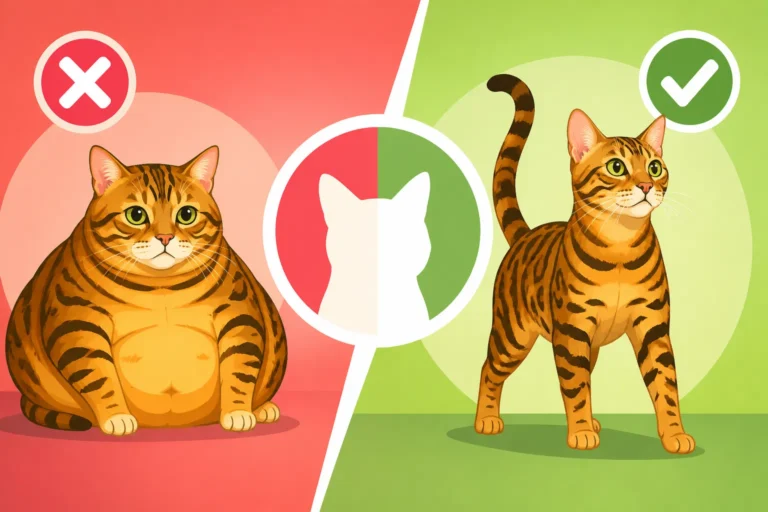
At its core, FCKS involves a structural deformation of the rib cage. Instead of the ribs curving outward, they might flatten or even sink inward, creating a compressed chest cavity. This isn't just a cosmetic issue; it can directly impact the internal organs, particularly the lungs and heart. Imagine trying to breathe deeply when your chest can't expand fully – that's the struggle some FCKS kittens face. The severity can vary wildly, from a mild, almost imperceptible flattening that resolves on its own, to a profound indentation that severely compromises respiratory and cardiac function. It typically manifests within the first few days or weeks of a kitten's life, right when they are at their most vulnerable.
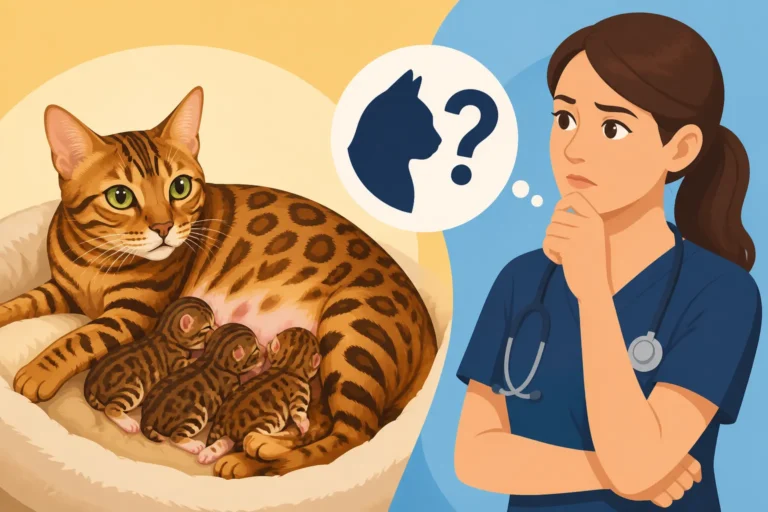
For Bengal cat owners, this can be particularly distressing because these kittens often come from well-planned litters, and seeing such an unexpected abnormality can be a huge shock. The initial observation might be a kitten struggling to feed, or simply not thriving like its littermates. A quick check of the chest, feeling the ribs, often confirms the suspicion.
How Common Is It in Bengal Litters?
While not exclusive to Bengals, FCKS has been observed in various breeds, and some believe there might be a genetic predisposition in certain lines. It’s not something that every Bengal breeder will encounter, but it's common enough that most experienced breeders are aware of it. The exact prevalence is hard to pin down definitively because mild cases might go unnoticed or resolve quickly, and not all cases are reported. However, anecdotal evidence suggests that it's not a rare anomaly in the feline world.
Risk factors are still being debated, but theories range from genetic components to environmental influences within the womb or early postnatal period. Things like overcrowding in the uterus, positioning during development, or even specific nutritional deficiencies in the queen have been considered. Regardless of the underlying cause, when it appears in a litter, it requires immediate attention and careful management. Owners often wonder about the general health of the breed, and while the Bengal cat is a healthy breed overall, conditions like FCKS can still arise, making diligence in health monitoring crucial.
Why a Bengal Cat Kitten's Chest Flattens
The flattening of a Bengal kitten's chest isn't fully understood, which can be frustrating for those trying to prevent or treat it. There's no single, universally accepted cause, and it's likely a complex interplay of various factors that lead to this challenging condition. Exploring these theories helps us understand the potential avenues for intervention and support.
Genetic vs. Environmental Factors
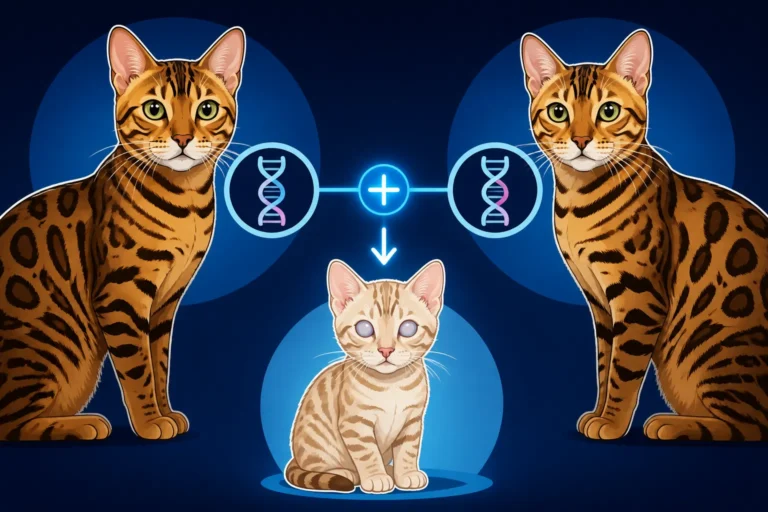
One major area of discussion revolves around whether FCKS is primarily genetic or environmental. Some researchers and breeders suspect a genetic component, suggesting certain bloodlines might be more prone to the condition. This would mean that if a queen or tom has produced kittens with FCKS, they might be more likely to do so again, or their offspring might carry a predisposition. However, a specific gene linked to FCKS hasn't been definitively identified, making it difficult to test for or breed against. This is why a comprehensive health panel for a Bengal cat breeder is crucial, though FCKS isn't typically on those standard panels.
On the environmental side, factors during pregnancy or early kittenhood could play a significant role. For instance, the position of a kitten in the uterus, pressure from other kittens in a large litter, or even issues during birth could contribute to the chest flattening. Nutritional imbalances in the pregnant queen, or even rapid growth spurts in kittens, have also been theorized as potential contributors. The truth probably lies somewhere in the middle, a combination of a genetic predisposition triggered by specific environmental stressors. It's a difficult puzzle, as many breeders report it appearing seemingly randomly in otherwise healthy lines.
The Role of Development and Growth
The crucial period for FCKS development seems to be within the first few days to weeks of a kitten's life, a time of rapid growth and development. The rib cage is still soft and pliable, meaning it's more susceptible to deformation. If there's persistent pressure or an imbalance in muscle tone, the chest can take on a flattened shape. This deformation can then restrict the space for the lungs and heart to grow and function optimally.
A kitten's ability to breathe properly is paramount, and a flattened chest can make every breath an effort. This difficulty can lead to lower oxygen intake, impacting overall development and energy levels. Severely affected kittens might struggle to feed adequately, leading to a vicious cycle of weakness and further health decline. The organs themselves aren't usually malformed, but their ability to expand and contract is physically hindered by the altered rib cage. This is why early intervention and supportive care are so vital, aiming to allow the chest to round out as the kitten grows and its bones harden. You might notice a kitten with FCKS exhibiting signs a Bengal cat is breathing hard, which is a red flag indicating a more severe case.
Assessing the Severity and Prognosis for a Flat Chested Bengal Cat Kitten
When facing FCKS in a kitten, one of the most pressing questions is always about survival. The good news is that not all cases are fatal, but the prognosis varies greatly depending on the severity of the flattening and the overall health of the kitten. A careful assessment is crucial for guiding treatment decisions and setting realistic expectations.
Grades of FCKS and What They Mean
Vets and breeders often categorize FCKS into grades based on the degree of chest flattening, though a standardized system isn't always uniformly applied. Generally, it breaks down like this:
- Mild FCKS: The chest appears slightly flattened, but the kitten shows no overt signs of respiratory distress. They are often active, feeding well, and gaining weight. These cases tend to resolve on their own as the kitten grows and its bones harden, usually within a few weeks. The prognosis for these kittens is generally excellent, and many go on to live completely normal lives.
- Moderate FCKS: The flattening is more noticeable, and the kitten might exhibit subtle signs of difficulty, such as slightly faster breathing, or a bit less energy than littermates. They might still feed, but perhaps with more effort. With supportive care, many of these kittens can also recover fully. However, they require close monitoring to ensure their condition doesn't worsen.
- Severe FCKS: This is the most concerning grade. The chest is significantly flattened, often appearing severely sunken. These kittens typically show clear signs of respiratory distress, such as labored breathing, open-mouthed breathing, blue-tinged gums, and extreme lethargy. They struggle to feed, often failing to thrive and losing weight. The prognosis for severe cases is guarded to poor, and sadly, many do not survive. Even with intensive care, the damage to the respiratory and cardiac function can be overwhelming.
It's important to differentiate FCKS from other conditions, like pectus excavatum, which is a congenital malformation where the sternum sinks inward. While the appearance can be similar, FCKS is typically a developmental issue of the entire rib cage and often has a better prognosis if mild to moderate.
The Crucial First Weeks for Survival
The initial few weeks of a kitten's life are undeniably critical, especially for those with FCKS. This is the period when the most significant growth and development occur, and also when the chest is most pliable. Kittens that survive past the first two to four weeks with FCKS have a much better chance of long-term survival. If they are eating well, maintaining their body temperature, and showing appropriate energy levels, these are all positive indicators.
However, if a kitten is struggling to breathe, constantly cold, or failing to gain weight, the outlook becomes much grimmer. This is where vigilance from the owner is paramount. Regular weight checks, observation of breathing patterns, and ensuring they are nursing or being bottle-fed adequately are all vital tasks. Kittens with FCKS can also be more susceptible to secondary infections due to compromised lung function, so a clean, warm environment is essential. Early veterinary consultation is key; your vet can help assess the severity and guide you on the best course of action. It's during these early weeks that issues related to What Flat Chested Kitten Syndrome Does to a Bengal Cat become most apparent and impactful on the kitten's fragile system.
Treatment and Management for Flat Chested Bengal Cat Kittens
While the initial diagnosis of Flat Chested Kitten Syndrome can be disheartening, there are proactive steps and treatment strategies that can significantly improve a Bengal kitten's chances of survival and quality of life. The approach often combines supportive care with, in some cases, medical interventions tailored to the kitten's specific needs.
Supportive Care Strategies
For many kittens with mild to moderate FCKS, diligent supportive care is the cornerstone of treatment. This involves creating an optimal environment that minimizes stress and maximizes their ability to thrive.
- Warmth and Comfort: Kittens, especially those struggling with a health issue, can quickly become hypothermic. A warm, draft-free nesting area is essential. Supplemental heat, like a snugglesafe disc or a heated bed on a low setting, can make a huge difference. Ensuring the kitten isn't expending precious energy trying to stay warm is critical.
- Nutrition: Adequate nutrition is non-negotiable. If the kitten can nurse effectively from the queen, great! If not, supplemental bottle feeding or even syringe feeding with a high-quality kitten formula will be necessary. Small, frequent feedings are often better tolerated. Monitoring weight daily is paramount to ensure they are gaining, not losing. You might be interested in When a Bengal Cat Needs a Special Diet for Its Gut, as sometimes digestive issues can compound other health challenges in kittens.
- Physical Therapy/Massage: Gently massaging the kitten's chest several times a day can sometimes help encourage the ribs to round out. Some breeders advocate for very gentle pressure applied outwards, though caution is needed to avoid causing discomfort or injury. This isn't a cure, but it can be a part of a comprehensive supportive approach.
- Positioning: Keeping the kitten on its side or slightly elevated might help alleviate some pressure on the chest, especially during sleep. However, always ensure they are comfortable and can easily move.
- Stress Reduction: A calm, quiet environment with minimal handling (beyond necessary care) helps conserve the kitten's energy. Avoid exposing them to loud noises or sudden movements that could startle them.
The goal of supportive care is to give the kitten the best chance to grow and for its rib cage to naturally correct itself as it matures and its bones strengthen. Many mild cases resolve completely with just these basic, attentive care practices. When considering pet insurance options, knowing that you might face unexpected vet bills for a kitten with FCKS can be reassuring. Brands like Healthy Paws offer coverage that could help with these costs, allowing you to focus on care rather than finances.
Medical Interventions and When They're Needed
While supportive care is often enough for milder cases, more severe instances of FCKS may require direct medical intervention, always under the guidance of a veterinarian.
- Splinting: For moderate to severe cases, some vets or experienced breeders may opt for a custom-made chest splint. This is a delicate process, often involving taping a piece of rigid but flexible material (like cardboard or plastic) across the flattened area of the chest. The idea is to provide gentle, outward pressure to encourage the ribs to round out as the kitten grows. The splint must be applied carefully to avoid restricting breathing further or causing skin irritation. It needs to be checked and adjusted frequently, sometimes daily, as the kitten grows. This method carries risks, and should only be undertaken with veterinary supervision.
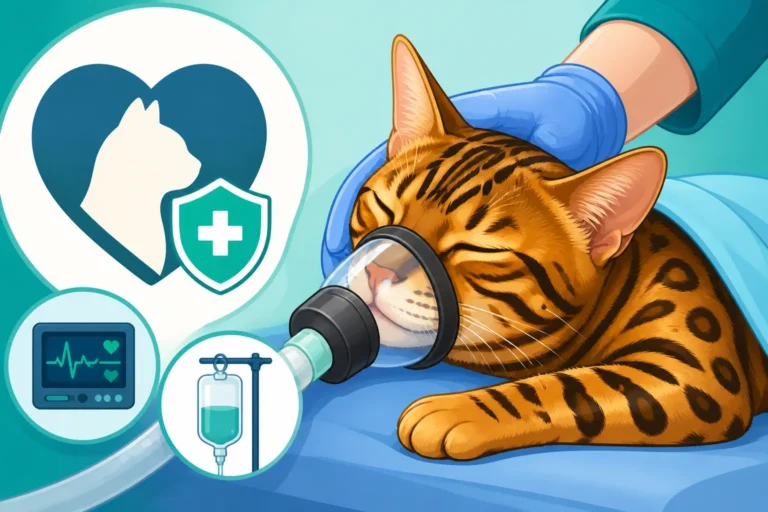
- Oxygen Therapy: Kittens with significant respiratory distress may benefit from oxygen therapy, either in a dedicated oxygen cage at a veterinary clinic or with supplemental oxygen at home if properly set up. This can help improve oxygen saturation and reduce the effort required for breathing, giving their lungs and heart a much-needed break.
- Medication: While there isn't a specific medication for FCKS itself, a vet might prescribe diuretics if there's fluid build-up in the lungs, or antibiotics if a secondary respiratory infection is suspected. Pain relief might also be considered if the kitten appears uncomfortable.
- Veterinary Consultation: Early and frequent consultation with a veterinarian is critical. They can assess the severity, monitor progress, and recommend the most appropriate interventions. They can also rule out other conditions that might present similarly. For ongoing health monitoring, regular wellness exam appointments are always recommended. Sometimes, if heart issues are a concern due to chest compression, a vet might even recommend What a Bengal Cat's First Echo Costs to get a clearer picture of cardiac health. Having a good pet insurance plan from providers like Healthy Paws can truly alleviate the financial burden of these specialized diagnostics and treatments.
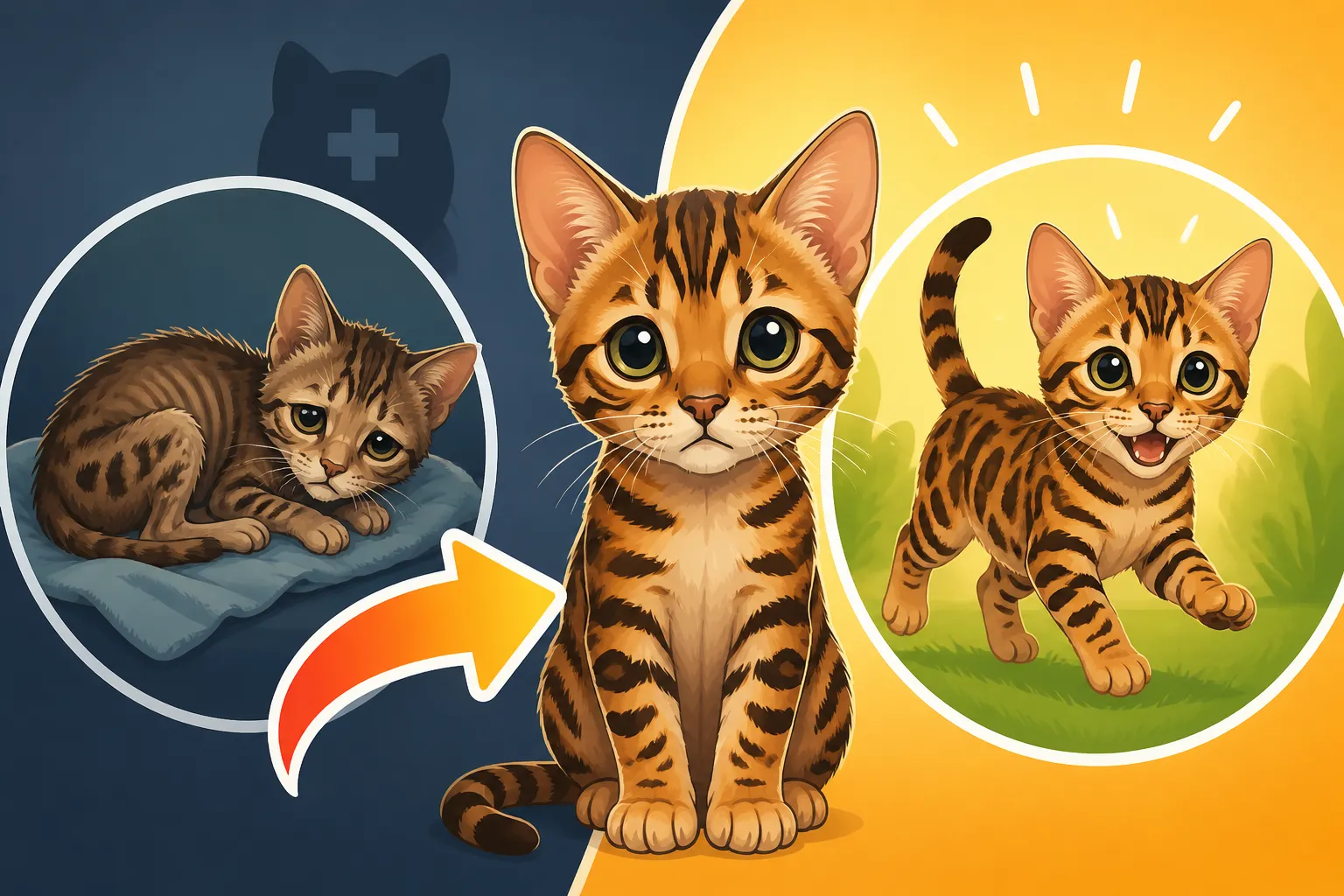
It's a challenging journey, but with dedicated care and appropriate medical support, many flat-chested Bengal kittens can indeed survive and go on to live full, happy lives.
Long-Term Outlook for Surviving Flat Chested Bengal Cats
The journey doesn't necessarily end once a Bengal kitten with FCKS makes it past the crucial first few weeks. While many recover fully and show no lasting effects, some may face potential long-term complications. Understanding these possibilities helps owners provide continuous, appropriate care throughout their cat's life.
Potential Complications in Adulthood
Even if a Bengal kitten with FCKS survives and its chest appears to round out, there can sometimes be residual impacts, particularly if the initial flattening was moderate or severe.
- Respiratory Issues: While many kittens overcome early breathing difficulties, some might retain slightly compromised lung capacity or be more prone to respiratory infections in adulthood. This could manifest as slightly increased respiratory rates, exercise intolerance, or more severe reactions to allergens or irritants. A cat that seems to get out of breath easily after playing might be showing subtle signs of this.
- Cardiac Concerns: The heart, being compressed by a flattened chest during critical development, can sometimes experience long-term effects. While direct heart damage is less common than respiratory issues, it's not unheard of. Regular veterinary check-ups, including listening to the heart, are important. In rare, severe cases, structural changes could predispose the cat to conditions like hypertrophic cardiomyopathy (HCM), though this is often a breed-specific genetic issue. However, any existing heart condition could be exacerbated by previous chest compression.
- Skeletal Deformities: Although the chest often rounds out, subtle skeletal abnormalities might persist. These are usually cosmetic and don't affect health, but occasionally, a slight curvature or asymmetry could remain. These are typically only visible upon close inspection.
- Exercise Intolerance: Cats that had more severe FCKS might not have the same stamina as their healthy counterparts. While Bengals are known for their high energy, a survivor of severe FCKS might tire more quickly during play. This doesn't mean they can't enjoy a good play session; it just means owners should be mindful of their cat's limits and avoid overexertion.
It's a testament to the resilience of these tiny creatures that many overcome such a challenging start. With attentive care and monitoring, the potential for complications can be minimized. Investing in pet insurance, like a policy from Healthy Paws, early on can be a smart move, as it can help cover unexpected health issues that might arise later in a Bengal's life, including any potential long-term effects from FCKS. This gives owners peace of mind, knowing they can afford the best care should complications occur.
Living a Full Life Despite Early Challenges
The truly wonderful news is that a significant number of Bengal cats who experienced FCKS as kittens go on to live completely normal, full, and happy lives. Especially those with mild or moderate cases where the chest rounded out completely, they often show no signs of their early struggle. Their playful, curious, and energetic personalities shine through, and their past health challenge becomes a distant memory.
- Adaptation and Resilience: Cats are incredibly adaptable creatures. Even those with minor residual issues often adjust their activity levels and lifestyle to suit their capabilities. They still enjoy climbing, playing, and interacting with their families, perhaps just not quite as intensely as an unaffected Bengal might.
- Quality of Life: The key is always to focus on the cat's quality of life. If they are pain-free, active within their limits, eating well, and enjoying their environment, then they are living a good life. Owners of FCKS survivors often report that these cats are particularly affectionate, perhaps because of the extra care and bonding they received in their early weeks.
- Ongoing Monitoring: While many issues resolve, ongoing communication with your veterinarian is always wise. Mentioning their history of FCKS during annual wellness visits allows your vet to pay particular attention to their respiratory and cardiac health. This proactive approach ensures any developing issues are caught early. For an aging Bengal cat, this vigilance becomes even more important, as any underlying vulnerabilities might become more apparent with age.
- Embrace Their Uniqueness: Every cat is an individual, and a Bengal cat that survived FCKS is a testament to perseverance. Their early challenge is part of their story, but it doesn't define their entire life. Many owners find immense satisfaction in seeing these resilient felines thrive. Furthermore, understanding the broader context of How Long a Bengal Cat Lives on Average helps frame expectations for these unique survivors.
In essence, while the phrase "Flat Chested Kitten Syndrome" sounds dire, the reality is far more nuanced. Many affected Bengal kittens not only survive but go on to flourish, becoming cherished members of their families, reminding us all of the power of care, love, and feline resilience. If you are considering adding a Bengal to your family, understanding these potential challenges is part of being a responsible owner, and resources like Whether a Flat Chested Bengal Cat Kitten Grows Out of It can offer further reassurance on the potential for full recovery.
| FCKS Severity Grade | Appearance of Chest | Symptoms Noted | Prognosis | Long-Term Outlook (if survived) |
|---|---|---|---|---|
| Mild | Slightly flattened | None apparent; active, feeds well | Excellent | Full recovery, no lasting effects usually |
| Moderate | Clearly flattened | Mild difficulty breathing, slightly less active, feeds with effort | Good with supportive care | Good chance of full recovery; minor exercise intolerance possible |
| Severe | Severely sunken | Labored breathing, lethargy, open-mouth breathing, poor feeding, pale gums | Guarded to Poor | Potential for chronic respiratory/cardiac issues, reduced stamina |
Disclaimer
The information provided in this article is for educational and informational purposes only and does not constitute veterinary advice. Always consult with a qualified veterinarian for any health concerns or before making any decisions about your Bengal cat's care.