Why Bengal Cat Breeders Argue About Raw
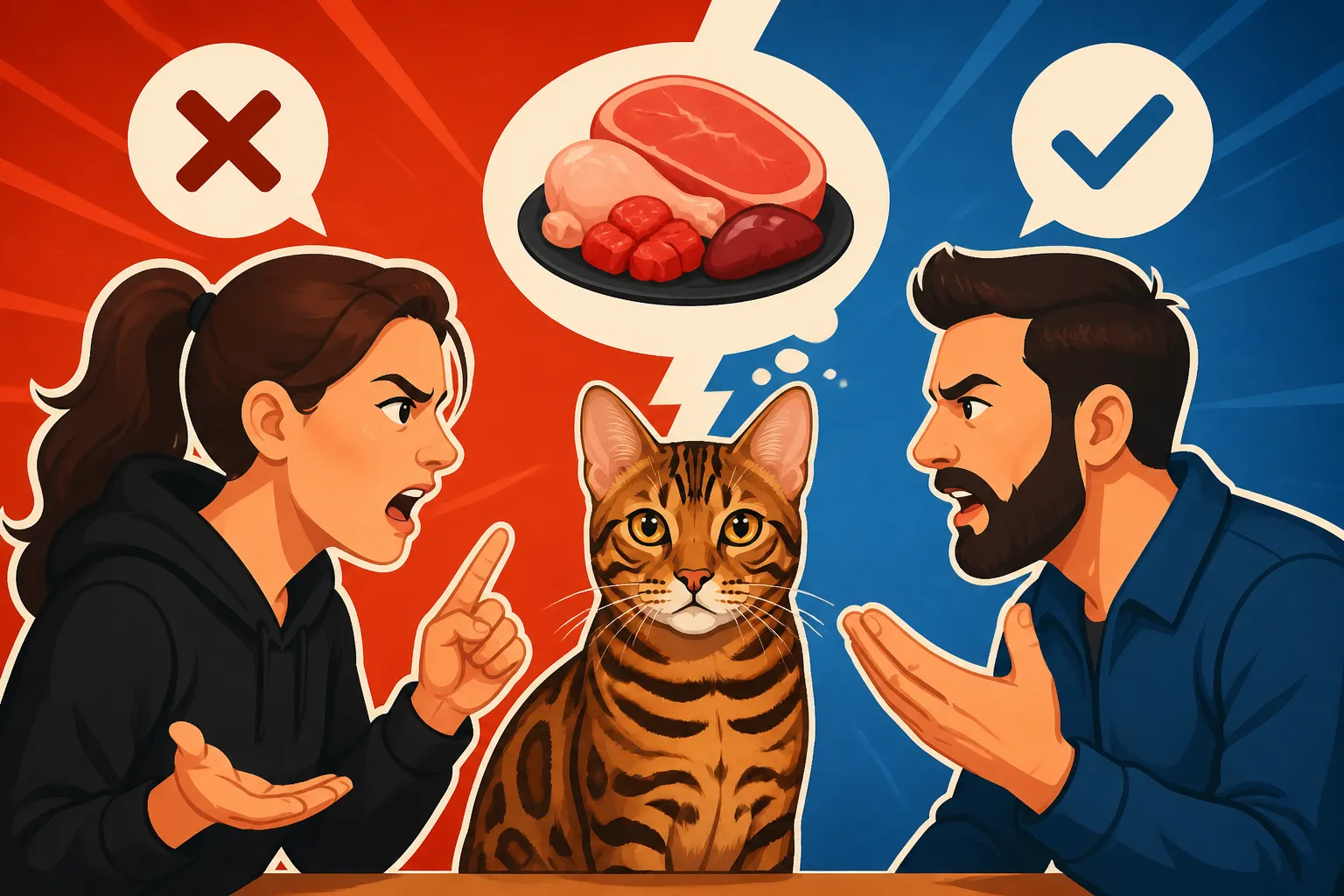
Bringing a magnificent Bengal cat into your life is an incredible journey, but it also opens up a whole new world of passionate debates, especially when it comes to their diet. Many new and even experienced Bengal owners quickly discover that discussing what to feed these gorgeous felines can be as complex and contentious as navigating international politics. Nowhere is this more apparent than in the discussions around raw feeding, a topic that often sees Bengal cat breeders and enthusiasts divided into staunch camps, each with strong convictions. This guide aims to unpack the reasons behind these arguments, exploring the philosophies, concerns, and practicalities so you can make informed decisions for your spotted companion.
The Core Philosophy Behind Raw Feeding for Bengal Cats
At its heart, the argument for raw feeding often stems from a deeply held belief that cats, particularly those with a wild ancestry like Bengals, are best served by a diet that closely mimics what they would eat in nature. It’s about returning to their carnivorous roots, moving away from heavily processed kibble and canned foods that some believe are far removed from a cat's biological needs.
Mimicking a Wild Diet
Proponents of raw feeding often emphasize that the Asian Leopard Cat, the wild ancestor of our domestic Bengal, thrived on a diet of freshly caught prey. This isn't just about the protein content, but the entire composition: muscle meat, organs, bones, and even the partially digested stomach contents of their prey. The idea is that domestic cats, despite generations of domestication, still retain the digestive physiology of their wild counterparts. Their short digestive tracts are designed to process raw meat quickly and efficiently, extracting nutrients from whole prey animals.
Feeding a raw diet, therefore, is seen as a way to provide species-appropriate nutrition, bypassing the grains, fillers, and synthetic additives often found in commercial pet foods. Many breeders and owners observe that on a raw diet, their Bengals exhibit a level of vitality, coat sheen, and muscle tone that they attribute directly to this natural approach. They feel they are honouring the wild spirit of the Bengal by providing a diet that aligns with its biological heritage. For more on this, you might find Feeding a Bengal Cat Four Generations From a Wild Ancestor interesting, as it delves into the dietary needs influenced by their wild lineage.
Perceived Nutritional Benefits
Those who advocate for raw feeding often report a host of benefits they believe are directly linked to this diet. These commonly include superior dental health due to the enzymatic action and abrasive quality of chewing raw meaty bones, leading to cleaner teeth and healthier gums. Many also observe improvements in coat quality, describing it as softer, shinier, and less prone to shedding. Furthermore, anecdotal evidence frequently points to better digestion, smaller and less odorous stools, and a reduction in chronic issues like allergies, inflammatory bowel disease, and urinary tract problems.
Another significant point is the hydration aspect. Cats, by nature, have a low thirst drive, evolved to get most of their moisture from their prey. Kibble, being extremely dry, often leaves cats chronically dehydrated. Raw food, with its high moisture content, naturally supports better hydration, which is crucial for kidney and urinary tract health. This perceived benefit is a major draw for many, as proper hydration is a cornerstone of feline well-being. The High Protein Argument for a Bengal Cat further explores why a high-quality, biologically appropriate diet is considered essential for these active cats.
The Controversies and Concerns Within the Breeding Community
While the philosophy behind raw feeding is compelling for many, it's certainly not without its critics and concerns, especially among Bengal cat breeders who shoulder the responsibility for the health of entire catteries and generations of kittens. The arguments against raw feeding often center on safety, nutritional completeness, and the practical challenges of preparing and handling raw meat.
Risks of Pathogens and Contamination
One of the most significant concerns surrounding raw feeding is the risk of bacterial contamination. Raw meat can harbor pathogens such as Salmonella, E. coli, Listeria, and other bacteria that can cause severe gastrointestinal illness in cats, and more importantly, in humans who handle the food. Breeders, in particular, are acutely aware of the risk of an outbreak in a cattery, which could devastate a litter of kittens or spread to the entire adult population. Kittens and immunocompromised cats are especially vulnerable.
Even if the cat itself doesn't show symptoms, it can shed these bacteria in its feces, creating a risk for anyone in the household, especially children, the elderly, or those with compromised immune systems. This public health aspect is a major deterrent for many breeders who prioritize stringent hygiene protocols. They argue that the potential for cross-contamination in the kitchen, on food bowls, or through the litter box simply isn't worth the perceived benefits, especially when there are commercially processed foods that offer excellent nutrition with far lower pathogen risks. Whether Raw Feeding Is Safe for a Bengal Cat goes into more detail on these risks.
Nutritional Imbalance and Deficiency
Another major point of contention is the challenge of creating a nutritionally complete and balanced raw diet. While simply feeding muscle meat might seem natural, a cat's needs are complex, requiring specific ratios of calcium to phosphorus, appropriate levels of vitamins (like taurine), and essential fatty acids. A homemade raw diet, if not formulated by a veterinary nutritionist or meticulously researched, can easily lead to serious deficiencies or excesses over time. For example, feeding too much meat without sufficient bone content can lead to a calcium deficiency, impacting bone health.
Many breeders are wary of DIY raw diets precisely because of this. They prefer the guarantee of a commercially prepared, AAFCO-compliant diet, whether kibble or canned, which has been formulated by experts to meet all of a cat's nutritional needs. They argue that it's difficult for the average owner to consistently provide all the necessary components, from organs to specific supplements, in the correct proportions every day. The idea of long-term nutritional imbalances causing subtle health issues that only manifest years later is a significant concern.
Practical Challenges and Safety Protocols
Beyond the health risks, there are practical hurdles that make some breeders hesitant to recommend or practice raw feeding. The sheer time commitment for preparing a balanced raw diet, especially for multiple cats, can be substantial. It involves careful measuring, grinding, and portioning, as well as sourcing high-quality, human-grade ingredients, which can be expensive and not always readily available. This isn't a casual undertaking; it's a commitment that requires significant planning and dedication.
Furthermore, maintaining strict hygiene is paramount. This means meticulous cleaning of all surfaces, bowls, and utensils that come into contact with raw meat, as well as proper storage to prevent spoilage. For a busy breeder managing many cats, kittens, and often potential buyers visiting, the additional layer of complexity and the non-negotiable need for perfect sanitation can be overwhelming. They might feel it's an unrealistic expectation for the average pet owner to maintain over a cat's entire lifetime. This is also why many turn to commercially prepared raw options rather than full DIY.
The Scientific Debate: What Research Says (and Doesn't Say)
In the midst of passionate advocacy and serious concerns, it's easy to get lost in anecdotal evidence and strong opinions. The scientific community, particularly veterinary medicine, plays a crucial role in evaluating the claims and risks associated with various diets, including raw feeding. However, even here, there isn't always a clear-cut consensus, leading to further complexity in the discussion.
Evidence for and Against Raw Diets
The scientific literature on raw diets for pets presents a mixed bag, which contributes to the ongoing debate among breeders. Studies have shown that raw meat diets can indeed be highly digestible for cats, with some research indicating improved nutrient absorption compared to certain processed foods. Supporters also point to research suggesting that the bacteria profile in the gut of raw-fed cats might more closely resemble that of wild felines, which they argue indicates a healthier microbiome.
However, a significant body of scientific evidence also highlights the very real risks. Numerous studies have found high levels of pathogenic bacteria, such as Salmonella, in commercially available raw pet foods, as well as in homemade raw diets. These studies often emphasize the potential for both animal and human illness. Furthermore, analyses of homemade raw diets frequently reveal nutritional imbalances, with many formulations failing to meet essential nutrient requirements or containing improper calcium-to-phosphorus ratios. The scientific community often calls for more long-term, peer-reviewed studies to conclusively prove the purported health benefits while thoroughly addressing the safety concerns.
Veterinary Community's Stance
The overwhelming majority of veterinary organizations and boards globally, including the American Veterinary Medical Association (AVMA) and the Canadian Veterinary Medical Association (CVMA), officially advise against feeding raw or uncooked animal protein to pets. Their primary concern is public health, citing the documented risks of bacterial and parasitic contamination to both animals and the people who interact with them. Vets often see the consequences of these contaminations firsthand, from severe gastroenteritis in pets to zoonotic infections in humans.
They also emphasize the difficulty of ensuring nutritional completeness, especially with homemade raw diets, leading to the potential for severe health issues over time. While some individual veterinarians may support or even formulate raw diets, the broader professional consensus leans heavily towards caution. This stance often puts vets at odds with raw-feeding advocates, including some Bengal breeders, creating a divide where pet owners are left to navigate conflicting advice. Many vets recommend commercially prepared, complete and balanced diets (kibble or cooked wet food) from reputable brands, emphasizing that these options are backed by rigorous scientific formulation and safety testing, making them a safer choice for the general pet population.
Navigating the Raw Feeding Landscape as a Bengal Owner
For a Bengal owner, trying to figure out the best diet can feel like walking a tightrope. With so much conflicting information, it's easy to feel overwhelmed. If you're considering a raw diet for your energetic companion, it’s crucial to approach it with careful research, a commitment to safety, and a willingness to monitor your cat's health closely.
Choosing Commercial Raw vs. DIY
One of the first big decisions is whether to opt for a commercially prepared raw diet or to venture into the world of DIY raw feeding. Each has its pros and cons, and understanding them can help you decide which path, if any, is right for you and your Bengal.
Commercial Raw Diets: These are often available frozen or freeze-dried and are designed to be nutritionally complete and balanced. Many commercial raw brands offer a variety of proteins and formulations. The main advantage here is convenience and a reduced risk of nutritional imbalance, as these diets are typically formulated by veterinary nutritionists to meet AAFCO standards. They aim to provide all the necessary vitamins, minerals, and amino acids. While still carrying some bacterial risk, reputable manufacturers often employ high-pressure processing (HPP) or other methods to reduce pathogen loads, though this doesn't eliminate them entirely. The downside can be the cost and sometimes limited ingredient variety, but for many, it's a safer and more manageable entry point into raw feeding.
DIY Raw Diets: This involves preparing your cat's meals from scratch using raw muscle meat, organs, and bones. This approach gives you complete control over ingredients, allowing you to choose organic, free-range, or specific protein sources. However, it requires extensive research and dedication to ensure nutritional completeness. It's not as simple as feeding chicken thighs; you need to adhere to specific ratios of meat, bone, and organs, and often supplement with essential nutrients like taurine. Many dedicated DIY feeders follow established models like the "Prey Model Raw" or "B.A.R.F. (Biologically Appropriate Raw Food)" diets. The commitment in time, knowledge, and meticulous hygiene is significant. If considering this, definitely read What a Raw Diet Involves for a Bengal Cat before you start.
Sourcing Ingredients and Ensuring Safety
Regardless of whether you choose commercial or DIY raw, sourcing high-quality ingredients is non-negotiable. For DIY, this means finding human-grade meats from reputable butchers or suppliers. You want meat that is fresh and handled safely for human consumption, minimizing the initial bacterial load. Freezing meat for a period can help reduce some parasites, but it does not eliminate bacteria.
Key safety practices include:
- Dedicated utensils and cutting boards: Use separate equipment for raw pet food preparation.
- Thorough cleaning: Wash all surfaces, bowls, and hands meticulously with hot, soapy water after handling raw food.
- Proper storage: Keep raw food frozen until ready to use and thaw it in the refrigerator, not on the counter.
- Short feeding times: Don't leave raw food out for more than 15-20 minutes to prevent bacterial growth. Promptly discard any uneaten food.
- Regular litter box cleaning: If your cat is on a raw diet, ensure very frequent litter box scooping, as shedding bacteria can contaminate the environment.
These steps are critical for minimizing the risk of bacterial transmission to both your cat and your household.
Monitoring Your Bengal's Health on a Raw Diet
Once you've decided on a raw diet, close monitoring of your Bengal's health is absolutely essential. This isn't a "set it and forget it" kind of diet. You should be looking for signs of improvement, but also watching out for any adverse reactions or subtle indicators of nutritional imbalance.
What to look for:
- Stool consistency: On a properly balanced raw diet, stools should be smaller, firmer, and less odorous. Which Food Firms Up a Bengal Cat's Stool can offer insights here if you're struggling.
- Coat condition: Look for a shiny, soft coat, indicating good nutrient absorption.
- Energy levels: Your Bengal should remain highly active and playful. If you notice a dip in energy, it could signal an issue.
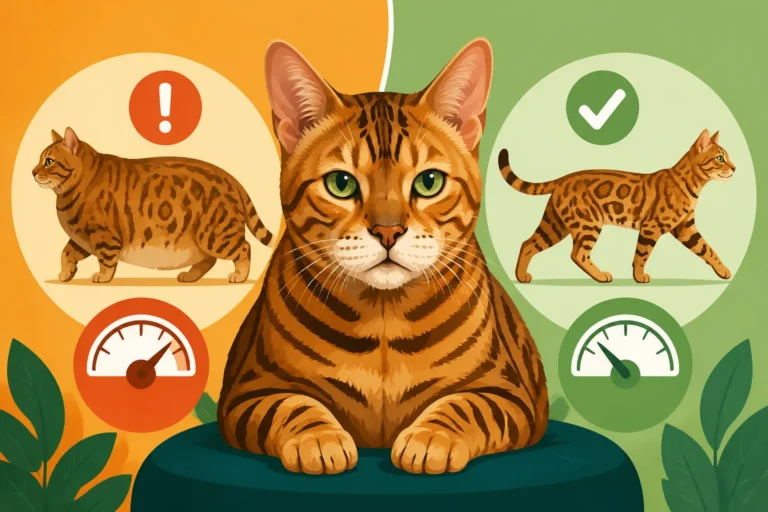
- Weight management: Maintain a healthy, lean weight. Bengals are naturally muscular, so ensure you're not seeing unintended weight loss or gain. What a Muscular Bengal Cat Should Weigh can provide benchmarks.
- Dental health: While raw meaty bones can help, still regularly check your cat's teeth for any issues.
- Regular vet check-ups: Even with a raw diet, routine veterinary visits are crucial. Be transparent with your vet about your feeding choices so they can monitor bloodwork and overall health for any signs of deficiencies or other problems. This is especially important for conditions like Chronic Diarrhea Is the Bengal Cat Complaint Nobody Warns About, which can sometimes be diet-related.
If you observe any negative changes – lethargy, vomiting, diarrhea, changes in appetite, or poor coat quality – consult your veterinarian immediately. It may indicate an imbalance in the diet or another underlying health issue. Remember, even with the best intentions, a raw diet might not be suitable for every individual cat.
Finding Common Ground: A Balanced Perspective
Given the passionate opinions and scientific complexities, it's clear why Bengal cat breeders and owners often find themselves at loggerheads over raw feeding. However, for the health and well-being of our beloved Bengals, finding a balanced perspective that acknowledges both the potential benefits and the undeniable risks is paramount.
Tailoring Diet to Individual Needs
Perhaps the most important takeaway is that there is no single "perfect" diet for every Bengal cat. What works wonderfully for one might not be ideal for another. Factors like age, activity level, existing health conditions, and even individual gut sensitivities all play a role. A young, healthy Bengal kitten, for instance, has different caloric and nutrient needs than a senior Bengal. What a Bengal Cat Kitten Needs to Build Muscle highlights the intensive growth phase.
Some Bengals thrive on raw, while others do perfectly fine, or even better, on high-quality, grain-free kibble or wet food. The key is to observe your cat, consult with a veterinarian knowledgeable about feline nutrition (and raw feeding, if possible), and be open to adjusting their diet based on their individual response. For cats with sensitive stomachs, for example, a carefully chosen When a Bengal Cat Needs a Special Diet for Its Gut might be more critical than adhering to a specific diet type. The goal should always be optimal health for your Bengal, not strict adherence to a particular feeding philosophy.
The Importance of Breeder Transparency and Support
When choosing a Bengal cat, the breeder's approach to diet can be a significant factor for new owners. Reputable breeders should be transparent about what they feed their cats and why. If they raw feed, they should be able to explain their protocols, sources, and how they ensure nutritional completeness and safety. If they choose not to raw feed, they should articulate their reasons, whether they are concerns about pathogens, nutritional balance, or practical challenges.
A good breeder acts as a mentor and a resource, offering guidance and support as you transition your new kitten into your home and chosen diet. They should provide detailed feeding instructions, not just for the first few weeks, but offering advice that considers The Twelve to Sixteen Years a Bengal Cat Gets. Ultimately, the conversation around raw feeding shouldn't be about judgment or dogma, but about education, responsible pet ownership, and making the best-informed decisions possible for our unique and cherished Bengal companions.
| Feature / Aspect | Commercial Raw Diet | DIY Raw Diet |
|---|---|---|
| Nutritional Balance | Generally formulated by experts to be complete & balanced | Requires extensive research/consultation to ensure balance; high risk of imbalance if done improperly |
| Convenience | High; pre-portioned, often ready-to-serve | Low; significant time for sourcing, preparation, grinding, portioning |
| Cost | Often higher than kibble; comparable to premium wet food | Can vary; cost of human-grade meat and supplements can add up |
| Control Over Ingredients | Moderate; rely on manufacturer's transparency | High; complete control over every ingredient source and quality |
| Pathogen Risk | Present, though some manufacturers use HPP to reduce it | Present; depends heavily on ingredient sourcing and hygiene practices |
| Storage | Frozen or freeze-dried products | Requires ample freezer space; careful handling of raw meat |
| Transition | Often easier due to consistent texture/composition | Can be more challenging for cats accustomed to processed foods |
| Expertise Needed | Minimal; follow package instructions | High; deep understanding of feline nutritional requirements and food safety |
Disclaimer
This article is for general informational purposes only and does not constitute professional advice. Laws, prices and regulations vary by location and change over time. Consult a qualified professional for guidance on your specific situation.