Claws, Scratching and What a Bengal Cat Does to a Sofa
It’s a tale as old as time for many Bengal cat guardians: you fall in love with their stunning leopard-like coat, their boundless energy, and their clever antics, only to quickly realize that this incredible force of nature comes with a primal need to scratch. And often, your beautiful sofa or favorite rug becomes the unwitting victim. This guide isn't about blaming your Bengal; it's about understanding the deep-seated reasons behind their scratching and arming you with practical, realistic strategies to protect your home and keep your spirited companion content.
Understanding the Bengal Cat's Primal Instinct to Scratch
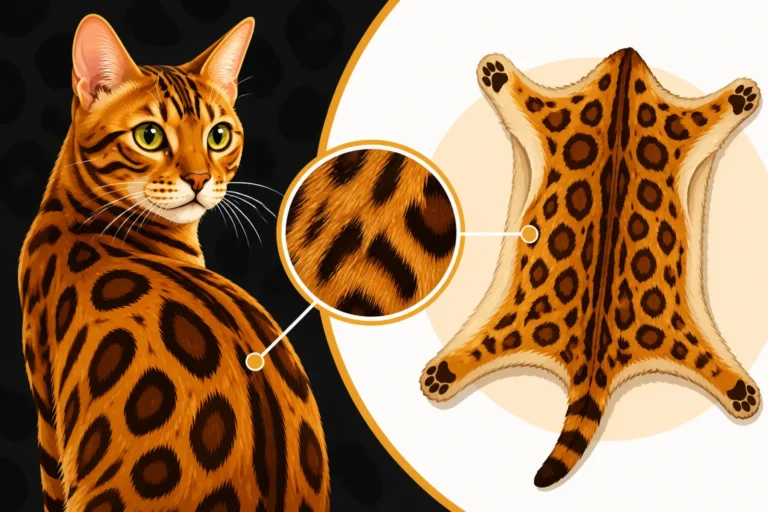
When you bring a Bengal cat into your home, you're not just getting another domestic feline; you're welcoming a creature whose wild ancestry is still very much a part of their DNA. That magnificent pattern, those powerful hind legs – they all speak to a lineage connected to the Asian Leopard Cat, and with that comes a suite of behaviors that are a little more wild than your average tabby. One of the most prominent of these behaviors is scratching. It's not malicious; it's instinctual, essential, and deeply ingrained.
The Wild Ancestor's Influence on Scratching Behavior
The Asian Leopard Cat (ALC) is a creature of the wild, and its survival depends on a keen sense of its environment and highly developed physical abilities. When you consider What an Asian Leopard Cat Is Behind Every Bengal Cat, it becomes clear why certain traits persist. In the wild, scratching isn't just about manicures; it's a vital part of communication, territory marking, and muscle conditioning. Cats have scent glands in their paws, and when they scratch, they deposit their unique scent, effectively broadcasting their presence to other felines. It's a primeval form of social media, letting everyone know "I was here, this is my spot!" Your Bengal, even generations removed from the jungle, carries this instinct. They're not trying to ruin your furniture; they're simply trying to communicate in the language of their ancestors.
Why a Bengal Cat Needs to Scratch, Beyond Sharpening Claws
While sharpening claws is a part of it, the act of scratching is far more complex and crucial for a Bengal cat's well-being. Think of it as a full-body workout and a mental release all rolled into one. When your Bengal stretches out and digs their claws into a surface, they are engaging major muscle groups in their back, shoulders, and legs. This deep stretch feels incredibly good and helps maintain their impressive musculature. It’s also a powerful stress reliever. If your Bengal is feeling anxious, bored, or overstimulated, a good, vigorous scratch can help them decompress and regain a sense of control over their immediate surroundings. Denying them this fundamental outlet isn't just unkind; it can lead to frustration and other undesirable behaviors.
The Energy Levels that Fuel Excessive Scratching
Let's be honest, Bengal cats are not known for their sedentary lifestyles. The Bengal Cat Is the Most Active Cat You Can Own, and this isn't just a marketing slogan; it's a profound truth that impacts every aspect of their care, including their scratching habits. A Bengal has an almost inexhaustible reserve of energy, and they need appropriate outlets for it. If they aren't getting enough mental stimulation or physical exercise, that pent-up energy has to go somewhere. Often, it manifests as more intense, more frequent, and sometimes more destructive scratching. A bored Bengal is a creative Bengal, and that creativity often leads them to explore the textural possibilities of your upholstered furniture. Understanding How Much Exercise a Bengal Cat Needs a Day is crucial, because meeting those needs can significantly reduce unwanted scratching.
The Formidable Nature of Bengal Cat Claws
Let’s talk about those claws. They’re not just cute little retractable bits; they are powerful tools designed for climbing, hunting, and self-defense. For a Bengal cat, whose wild instincts are so close to the surface, their claws are an integral part of their identity and how they interact with their world. Ignoring their power is like ignoring a hurricane warning – you do so at your own peril (and the peril of your sofa).
How Fast a Bengal Cat's Claws Grow Back
If you’ve ever tried to keep up with trimming your Bengal’s claws, you know the struggle is real. It often feels like you just finished a nail-trimming session only for them to be needle-sharp again a few days later. Bengal cats’ claws tend to grow quite rapidly, perhaps a testament to their need for constant activity and climbing in their natural state. This fast growth means that diligent maintenance is essential. It’s not a once-a-month affair like it might be for some more laid-back breeds; it often requires weekly attention, sometimes even more frequently, depending on your individual cat’s growth rate and activity levels. This constant need for maintenance can be a source of frustration for owners, who might feel like they’re fighting a losing battle against nature.
The Strength and Sharpness of Bengal Cat Claws
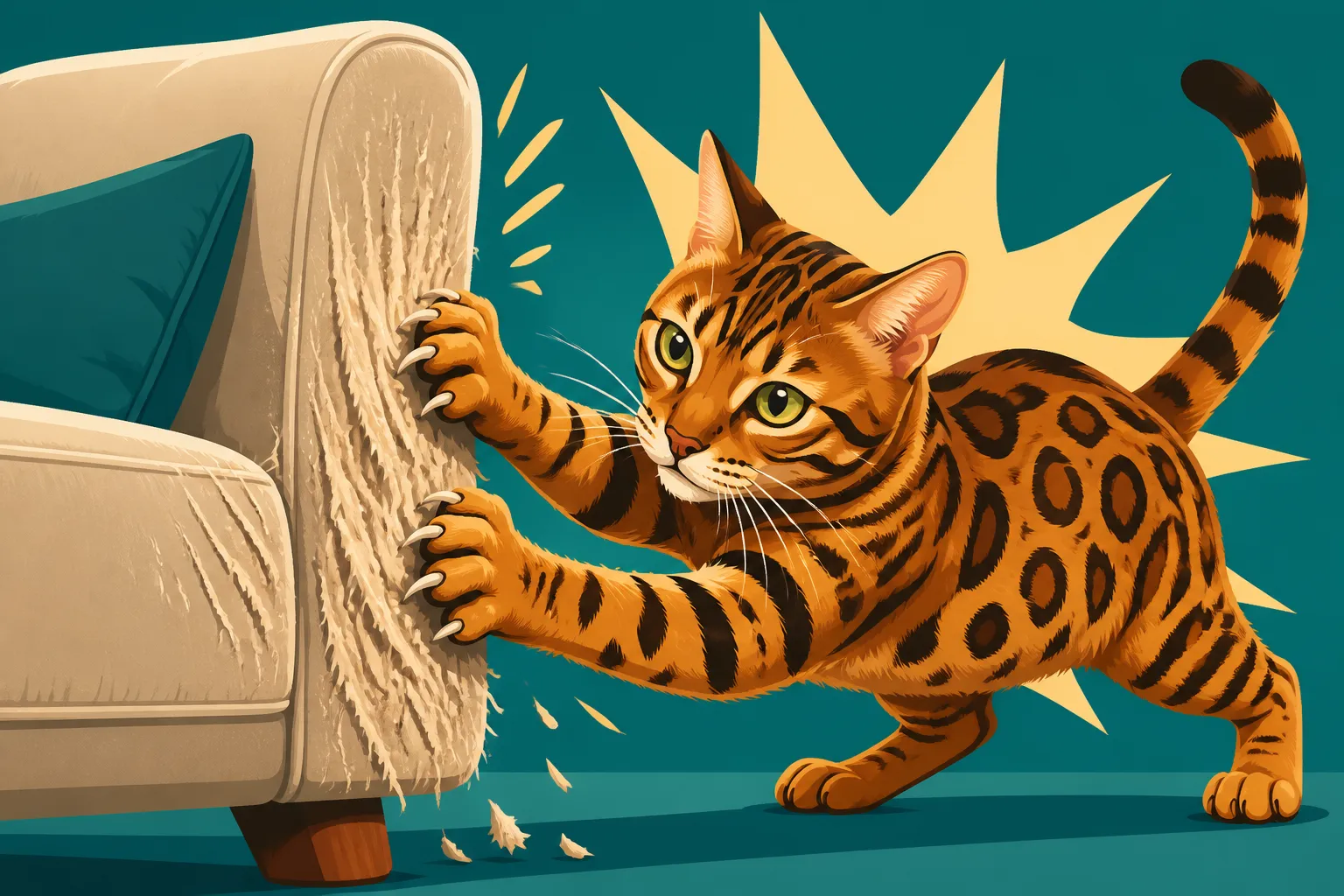
Beyond how fast they grow, it’s the sheer strength and sharpness of a Bengal cat’s claws that truly set them apart. These aren't delicate appendages; they're robust, curved tools perfectly designed to grip, tear, and hold. Imagine the strength needed to scale a tree or hold onto prey, and you begin to understand the formidable nature of these claws. When your Bengal digs into your sofa, they're not just lightly scoring the fabric; they're truly embedding their claws, pulling and tearing with significant force. This power is fantastic for their natural activities, but devastating for your home décor. Their sharp tips can easily pierce and shred, leaving behind not just scratches but deep gouges and hanging threads that quickly unravel into significant damage.
Why Regular Trimming is a Battle, Not a Chore
For many cat owners, nail trimming is just another routine chore, perhaps a minor inconvenience. For Bengal cat owners, it can often feel like preparing for a wrestling match. Their high energy, independent spirit, and strong will can make a simple nail trim an Olympic event. Some Bengals absolutely loathe having their paws handled, making the process stressful for both cat and owner. The fast growth and inherent strength of their claws mean that skipping a session isn't really an option unless you want to invite more destruction. This creates a cycle of dread and struggle, and it’s completely understandable to feel overwhelmed by it. It requires patience, a gentle touch, and often, a clever strategy to get those nails clipped without incident.
The Toll on Your Home: What a Bengal Cat Does to Furniture
Let’s get real about the damage. While we adore our Bengals, their natural behaviors can wreak havoc on our living spaces. It’s not a question of if they’ll scratch something they shouldn’t, but when and how often. The key is to understand their preferences and preempt their destructive tendencies, because a shredded sofa isn't just an eyesore; it's an expensive lesson.
The Sofa: A Prime Target for Bengal Cat Clawing
Ah, the sofa. The centerpiece of comfort, the anchor of your living room. And for a Bengal cat, it's often seen as the ultimate scratching post. Why? Well, for one, it's usually placed in a central, prominent location, making it an ideal spot for them to mark their territory and feel secure. Secondly, the texture of upholstery fabric—especially woven materials like linen, tweed, or even certain leathers—offers an incredibly satisfying resistance for their claws. It allows them to get a really deep, fulfilling stretch and shred. You walk in, see a new pull or tear, and your heart sinks. It's an all too common scenario. They might favor the arms, the back, or even the cushions, often rotating their attack strategy to keep you on your toes.
Carpets, Curtains, and Walls: Other Victims of the Prowling Bengal
While the sofa might be the primary target, Bengals are equal-opportunity destroyers when it comes to scratching. Carpets, especially those with loop piles, offer another irresistible texture for them to sink their claws into. They love to stretch out on the floor and pull at the threads, often leaving noticeable bald spots or unraveling entire sections. Curtains, particularly floor-length ones, become tempting climbing structures and vertical scratching surfaces. You might come home to find them hanging precariously from the top, having used the fabric as a ladder and leaving behind a trail of snags and tears. Even walls, especially textured wallpaper or drywall corners, aren't safe. A Bengal trying to get a good stretch against a wall can leave surprisingly deep gouges or peel wallpaper with remarkable efficiency.
The Frustration of Damaged Belongings
It's okay to admit it: seeing your cherished belongings ruined is incredibly frustrating. You work hard for your money, you choose furniture that you love, and then your adorable, expensive cat systematically dismantles it. This isn't just about superficial damage; it's about the emotional toll. It can feel like a personal attack, even though you know your cat isn't doing it out of spite. The constant vigilance, the attempts to deter them, the expense of repairs or replacements – it all adds up. Many owners reach a point where they consider giving up on nice things altogether, opting for "Bengal-proof" furniture, which often means sacrificing style for durability. This feeling of helplessness and the financial strain are valid concerns that many Bengal owners silently grapple with.
Providing the Right Scratching Outlets for Your Bengal Cat
The good news is that you're not helpless against the Bengal's scratching instinct. The key isn't to stop them from scratching (you can't, and shouldn't), but to redirect that energy to appropriate, satisfying outlets. This means investing in the right tools and understanding what truly appeals to your wild at heart feline. It's about working with their nature, not against it.
Vertical Space: Why Height Matters for Bengal Cat Scratchers
When it comes to scratching posts, size absolutely matters, especially for a Bengal. These cats are often larger and more muscular than average domestic cats, and they love a full-body stretch. A tiny, flimsy scratching post barely taller than their shoulders simply won't cut it. They need something robust enough to withstand their powerful pounces and tall enough to allow them to stretch to their full length, both horizontally and vertically. Think about a tree trunk in the wild – they need to be able to reach up and extend. Therefore, for a post, aim for something at least 32-36 inches tall, if not more. For horizontal scratchers, ensure they are long and wide enough for your Bengal to fully recline and dig in. How Tall a Scratching Post a Bengal Cat Needs is not just a guideline; it's a requirement for effective redirection.
Material Matters: Sisal, Cardboard, and Beyond
The texture of a scratching surface is just as important as its height. Different cats have different preferences, but for Bengals, highly durable and satisfying materials are usually favored.
- Sisal Rope/Fabric: This is often the gold standard. Sisal rope, tightly wrapped around a sturdy post, or sisal fabric panels, offer incredible resistance and allow cats to really shred and pull with their claws. It's tough, satisfying, and designed for vigorous scratching. You can find excellent sisal posts on platforms like Amazon or Chewy.
- Corrugated Cardboard: While not as durable as sisal, cardboard scratchers are extremely popular with many cats. They provide a unique tearing sensation that many Bengals find irresistible. These are often more affordable and come in various shapes (flats, ramps, loungers). The downside is they wear out quickly and create a mess of cardboard confetti, but they are great for adding variety.
- Wood: Some Bengals love to scratch bare wood, especially if it's a textured, untreated surface. This mimics tree bark and can be incredibly appealing.
- Carpet: While some scratching posts are covered in carpet, this can be a double-edged sword. If your cat learns to love scratching carpet on their post, they might transfer that preference to your actual carpet. It's generally better to steer clear of carpeted posts if carpet destruction is a concern.
Experiment with different materials to see what your Bengal prefers. It might take a few tries to find their favorite, but it's worth the investment.
The Number and Placement of Scratching Solutions
One scratching post is rarely enough for a Bengal cat. Remember, scratching is about territory marking and stretching in various locations. You should aim for at least one scratching post per cat, plus one extra, strategically placed.
Consider these placements:
- Near their sleeping areas: Bengals often love a good stretch and scratch right after waking up from a nap.
- Near entryways or high-traffic areas: These are prime territorial marking spots.
- Next to "forbidden" furniture: If your Bengal has a favorite spot on the sofa to scratch, place an appealing scratching post right next to it, even temporarily, to redirect their attention.
- In areas where they spend a lot of time: If they love to hang out by a window, put a scratching post there.
Variety in placement and type (vertical posts, horizontal pads, angled scratchers) is key. Don't be afraid to have multiple options throughout your home. Think of it as creating a "scratching zone" where their instincts can be fully expressed without damage to your beloved items.
| Scratching Post Type | Ideal Material | Minimum Height/Length | Bengal Cat Suitability | Pros | Cons |
|---|---|---|---|---|---|
| Vertical Post | Sisal Rope | 32-36 inches (or taller) | High | Allows full-body stretch, very durable, mimics trees | Can be expensive, takes up floor space |
| Horizontal Pad | Corrugated Cardboard | 20-30 inches length | Medium-High | Good for stretching, often multi-functional (lounger) | Wears out quickly, creates mess, less durable than sisal |
| Angled Scratcher | Sisal Fabric, Cardboard | 18-24 inches height | Medium | Offers different angle for stretching, can be space-saving | Might not allow full vertical stretch, durability varies |
| Cat Tree with Posts | Sisal Rope, Wood | Multi-level, tall | Very High | Provides climbing, scratching, perching in one unit | Can be very expensive, large footprint |
Training and Redirection: Guiding Your Bengal Cat's Instincts
Providing the right tools is only half the battle. The other half is actively training and redirecting your Bengal cat's scratching instincts towards those appropriate outlets. This takes patience, consistency, and a positive approach, but it is absolutely achievable. Your Bengal is smart, and with the right motivation, they can learn.
Encouraging Positive Scratching Habits from Kittenhood
The best time to instill good scratching habits is when your Bengal is a kitten. The younger they are, the more amenable they are to learning. As soon as you bring your kitten home, introduce them to various scratching posts and surfaces. Place them gently on the scratcher, mimic a scratching motion with your fingers, or sprinkle a little catnip on it. When they use it, praise them enthusiastically, offer a treat, and engage in some playtime around the scratcher. The goal is to create a positive association: "Scratching this feels good and gets me rewards!" If you can establish this early, you're setting yourself up for long-term success. Even for an adult Bengal, this positive reinforcement strategy is key.
Using Deterrents and Attractants Strategically
Sometimes, you need a little help to guide your Bengal away from forbidden zones and towards acceptable ones. This is where deterrents and attractants come in handy.
Attractants:
- Catnip: A classic for a reason! Sprinkle fresh catnip on new scratching posts to make them irresistible. Not all cats respond to catnip, but many Bengals do.
- Feliway Spray: This synthetic feline facial pheromone can create a sense of calm and security, making a new scratcher feel more inviting and marking it as a "safe" place to scratch.
- Play: Use a wand toy to lure your Bengal to the scratching post, encouraging them to bat at it and inadvertently use their claws.
Deterrents:
- Double-Sided Tape: Products like Sticky Paws are excellent. Cats generally dislike the sticky sensation on their paws, making them avoid the taped area. Apply it to the corners of your sofa or any other forbidden scratching spot.
- Foil or Plastic Sheeting: Covering furniture with aluminum foil or thick plastic can change the texture and sound, deterring your Bengal.
- Citrus or Bitter Sprays: Some cats are repelled by citrus scents or bitter-tasting sprays. Be cautious and test a small, inconspicuous area of your furniture first to ensure it doesn't stain or damage the fabric. You can often find these types of sprays at pet stores or on sites like Chewy and Amazon.
- Blocking Access: Sometimes, the simplest solution is to physically block access to the favored scratching spot with a piece of furniture, a box, or a decorative throw, at least until your Bengal has learned to use the designated scratchers.
The key is to use deterrents in conjunction with attractive alternatives. You don't just want to tell them "no"; you want to show them "yes, over here!"
The Importance of Consistent Reinforcement
Consistency is your superpower when training a Bengal cat. These intelligent creatures learn through repetition and clear boundaries. Every time you see your Bengal scratching an inappropriate surface, gently but firmly redirect them to an approved scratcher. Don't yell or punish them, as this can create fear and anxiety, potentially worsening the behavior. Instead, pick them up (if they allow it), carry them to their post, and encourage them to scratch there. As soon as they do, reward them instantly with praise, a treat, or a quick play session.
Likewise, consistently reward them whenever you see them using an appropriate scratcher on their own. This teaches them that good behavior is recognized and rewarded. Consistency means every family member needs to be on board with the same rules and redirection techniques. If one person allows bad habits while another corrects them, your Bengal will get confused and the training will be much less effective. Patience will be your biggest asset here, as it can take time for new habits to stick with such a strong-willed breed.
Beyond Scratching Posts: Other Claw Care and Solutions
While providing excellent scratching posts is foundational, there are other crucial aspects of Bengal cat claw care that can save your furniture and maintain your cat's health. These include regular nail trims and, for some, temporary solutions like nail caps. It also means understanding what not to do, like declawing, which has serious implications for your cat's well-being.
Mastering the Art of the Bengal Cat Nail Trim
Regular nail trimming is non-negotiable for a Bengal cat. It helps keep their claws from becoming too long and sharp, which reduces the potential for furniture damage and also prevents their claws from getting snagged or growing into their paw pads, which can be painful.
Here’s how to approach it:
- Start Early: Begin handling your Bengal’s paws and clipping nails gently from a young age, even if it's just one or two nails at a time. This helps them get accustomed to the process.
- Use the Right Tools: Invest in sharp, high-quality cat nail clippers. Scissor-style clippers or guillotine clippers are both fine, depending on your preference. Dull clippers can crush the nail, causing pain.
- Choose the Right Time: Pick a moment when your Bengal is relaxed and sleepy, perhaps after a meal or a vigorous play session.
- Identify the Quick: The quick is the pink part inside the nail that contains blood vessels and nerves. Never cut into the quick, as it's very painful and will bleed. On clear nails, it's easy to see. On darker nails, you might only see it from the underside. When in doubt, trim only the very tip.
- Positive Reinforcement: Keep sessions short, give treats, and praise profusely. If your Bengal gets stressed, stop and try again later. You don't have to do all nails at once.
- Consider Professional Help: If you're struggling, don't hesitate to ask your vet or a professional groomer to show you how, or to perform the trims themselves. They have techniques and experience that can make it easier.
Remember, Whether a Bengal Cat Sits for a Nail Trim is largely dependent on early training and consistent, positive experiences.
Exploring Nail Caps: A Temporary Shield for Furniture
For some Bengal owners, especially those with particularly persistent scratchers or brand-new furniture, nail caps can be a temporary lifesaver. These are vinyl caps that are glued onto your cat's claws, effectively blunting them so they can't cause damage.
Pros of Nail Caps:
- Effective Damage Prevention: They completely prevent scratching damage to furniture.
- Non-Invasive: They don't hurt the cat and fall off naturally as the nail grows.
- Variety: They come in different colors, which can be fun!
Cons of Nail Caps:
- Application: Applying them can be tricky and requires patience, often a two-person job for a wiggly Bengal.
- Maintenance: They need to be replaced every 4-6 weeks as the nails grow.
- Acceptance Varies: Some cats tolerate them beautifully, others chew them off immediately or find them irritating.
- Cost: While individual sets are inexpensive, the ongoing cost and time for reapplication can add up.
If you choose to use nail caps, follow the instructions carefully, use a non-toxic adhesive, and ensure they are sized correctly for your Bengal’s claws. Monitor your cat closely after application to ensure they are comfortable and not trying to chew them off excessively.
Why Declawing is Never an Option for a Bengal Cat
This cannot be stressed enough: declawing (onychectomy) is a drastic, inhumane, and medically unnecessary surgical procedure that should never be performed on any cat, especially not a Bengal. Why a Bengal Cat Should Never Be Declawed is a topic that evokes strong feelings, and for good reason. Declawing is not just removing the nail; it's an amputation of the last bone in each toe. Imagine having the tips of your fingers removed at the first knuckle – that's essentially what it is for a cat.
Consequences of Declawing:
- Pain: Chronic pain, phantom limb pain, and nerve damage are common.
- Behavioral Problems: Many declawed cats develop litter box aversion (because digging in the litter is painful) and increased biting (as they've lost their primary defense mechanism).
- Mobility Issues: It alters their gait, puts stress on their joints, and can lead to arthritis later in life.
- Psychological Trauma: It takes away a fundamental part of their identity and ability to express natural behaviors.
For a Bengal cat, whose physical prowess and instinctual behaviors are so pronounced, declawing is particularly cruel. It robs them of their ability to climb, balance, and defend themselves, fundamentally changing who they are. There are so many humane and effective alternatives available that resorting to declawing is simply unacceptable.
A Holistic Approach to Managing Bengal Cat Scratching
Successfully managing a Bengal cat's scratching isn't about finding a single magic bullet; it's about adopting a holistic approach that caters to their unique physical and mental needs. It's about recognizing that scratching is a symptom, not the root problem, and addressing the underlying drivers of this powerful instinct.
Enriching Their Environment to Channel Energy
A bored Bengal is a destructive Bengal, and this certainly applies to scratching. Environmental enrichment is paramount for these intelligent and active cats. If they have engaging activities that challenge their minds and bodies, they are far less likely to resort to inappropriate scratching out of boredom or frustration.
Consider these enrichment strategies:
- Vertical Space: Provide plenty of climbing opportunities. Tall cat trees, wall-mounted shelves, and cat "superhighways" give them places to explore, perch, and, yes, scratch appropriately. Which Cat Tree a Bengal Cat Needs is often one that is tall, sturdy, and features sisal-wrapped posts.
- Interactive Toys: Regular play sessions with wand toys that mimic prey can help burn off energy. Puzzle feeders make them work for their food, engaging their minds. Rotate toys to keep things fresh and exciting.
- Cat Wheel: A cat wheel can be a fantastic energy outlet for an athletic Bengal, allowing them to run off steam whenever they feel the urge.
- Catios: A secure outdoor enclosure (catio) offers a safe way for your Bengal to experience the sights, sounds, and smells of the outdoors, providing immense mental stimulation.
- Regular Play Sessions: You really can't underestimate the power of dedicated playtime. How Many Play Sessions a Bengal Cat Needs often means multiple, vigorous sessions throughout the day. This tires them out and provides a positive outlet for their predatory instincts.
By making their environment stimulating and diverse, you naturally channel their abundant energy and instincts into positive activities, reducing the likelihood of destructive scratching.
Diet, Hydration, and Overall Health for Strong Claws
While not immediately obvious, a Bengal cat's overall health, including their diet and hydration, can play a role in the strength and condition of their claws. Healthy claws are less likely to split or become brittle, which can sometimes lead to uncomfortable scratching or snagging.
- High-Quality Diet: A diet rich in animal protein and essential fatty acids (like Omega-3s) supports healthy skin, coat, and nails. Many Bengal owners opt for high-quality wet foods or even raw diets, believing they better mimic their wild ancestor's nutritional needs. While Why a Bengal Cat's Gut Is So Sensitive means you need to be careful with food changes, ensuring a balanced, species-appropriate diet is vital for overall vitality. Look for reputable brands that prioritize real meat as the first ingredient.
- Hydration: Proper hydration is essential for every bodily function, including nail health. Ensure your Bengal has access to fresh, clean water at all times. Many Bengals prefer drinking from a running source, so a cat water fountain can encourage increased water intake, which is beneficial for kidney health and general well-being.
- Regular Vet Check-ups: Routine veterinary visits are crucial to catch any underlying health issues that might manifest in poor nail quality or unusual scratching behavior. Your vet can advise on supplements if needed or rule out conditions like fungal infections. While How Often a Bengal Cat Needs a Dental focuses on oral health, comprehensive wellness exams are vital for their entire body.
A healthy cat is generally a happier cat, and a happy cat is often less prone to stress-induced destructive behaviors like excessive scratching.
Accepting and Adapting to Life with a High-Energy Scratcher
Ultimately, owning a Bengal cat means making some adaptations to your lifestyle and home. You cannot, and should not, eliminate their instinct to scratch. It's part of who they are. The goal is coexistence: protecting your home while allowing your Bengal to express their natural behaviors in appropriate ways.
- Realistic Expectations: Accept that perfection is probably not achievable. Despite your best efforts, a rogue scratch might happen occasionally. Don't let it diminish your love for your cat.
- Furniture Choices: When buying new furniture, consider durability. Tightly woven fabrics, microfibers, or even certain leathers (though leather can show scratches) might hold up better than loose weaves or delicate materials. Some owners embrace a "shabby chic" aesthetic or opt for slipcovers that can be easily washed or replaced.
- Patience and Love: Remember why you brought this amazing creature into your life. Their intelligence, energy, and affectionate nature are unparalleled. Managing their scratching is a small price to pay for the joy they bring.
- Damage Control: Keep a small fabric repair kit handy for minor snags, or learn simple tricks for hiding smaller imperfections. For major damage, investigate professional upholstery repair.
Life with a Bengal cat is an adventure, full of boundless energy and unique challenges. By understanding their needs, providing appropriate outlets, and maintaining a patient, loving approach, you can protect your home and nurture a strong, happy relationship with your magnificent feline companion.
Disclaimer
This article is for general informational purposes only and does not constitute professional advice. Laws, prices and regulations vary by location and change over time. Consult a qualified professional for guidance on your specific situation.