What a Raw Diet Involves for a Bengal Cat
Many Bengal cat owners find themselves staring at the ingredient list on a bag of kibble, wondering if it's truly the best fuel for their energetic, wild-looking companion. The truth is, the world of feline nutrition, especially for a breed as unique as the Bengal, can be incredibly confusing and even contentious. If you've ever felt a tug towards feeding your Bengal something more natural, something that feels closer to what their wild ancestors might have eaten, then you're already stepping into the realm of raw feeding. This guide is here to unravel what a raw diet truly involves for a Bengal cat, helping you understand the philosophy, the practical steps, and the considerations.
Unpacking the Philosophy Behind Raw Feeding for Bengal Cats
The idea of feeding a raw diet to our domestic cats often stems from a deeply ingrained belief that their digestive systems are still fundamentally wild. For a Bengal cat, whose lineage directly traces back to the Asian Leopard Cat, this ancestral argument carries even more weight. It's not just a trend; it's a re-evaluation of what makes a cat thrive, given their evolutionary biology.
The "Ancestral Diet" Argument
When you look at a Bengal cat, with their athletic build, keen hunting instincts, and those striking wild patterns, it's easy to see they're not your average housecat. Their genetics are quite close to their wild ancestor, the Asian Leopard Cat, which naturally consumes a diet of whole prey – small rodents, birds, insects. This isn't a diet of processed grains, fillers, and rendered proteins cooked at high temperatures. Instead, it's fresh muscle, bone, and organs, replete with natural enzymes and moisture.
The core of the ancestral diet argument is that a cat's digestive system hasn't evolved significantly from its wild counterparts. They are obligate carnivores, meaning they must eat meat to survive and thrive. Their short, acidic digestive tracts are designed to process raw protein and fat efficiently, not plant matter. Processed kibble, no matter how "premium," is seen by raw feeders as a poor substitute for this biologically appropriate diet. For a Bengal, who literally has wild blood running through their veins, proponents argue that a raw diet is simply aligning their nutrition with their intrinsic biological needs. This line of thinking resonates deeply with many Bengal owners who observe their cats' intense energy and predatory drive and want to provide a diet that truly supports their unique physiology. It’s about trying to mimic nature as closely as possible, rather than relying on modern, convenient alternatives.
The Nutritional Benefits Claimed by Raw Feeders
Owners who switch their Bengals to a raw diet often report a striking array of improvements that go beyond just better digestion. One of the most frequently cited benefits is a noticeably healthier, more vibrant coat. Bengals already have a unique, often glittered pelt, but raw feeders claim it becomes even softer, shinier, and sheds less. This is attributed to the bio-available nutrients, essential fatty acids, and moisture content found in raw food, which can be lost or denatured during the processing of conventional kibble.
Dental health is another huge talking point. Chewing on raw, meaty bones helps scrape plaque and tartar from teeth naturally, much like it would in the wild. This can significantly reduce the need for costly and potentially risky professional dental cleanings under anesthesia. Many Bengal owners also observe an increase in energy levels, which might seem counterintuitive for an already active breed, but it's often described as a more sustained, focused energy rather than jittery bursts. A very common and much-appreciated benefit for us humans is the drastic reduction in litter box odor and smaller, firmer stools, indicative of better digestion and nutrient absorption. It makes cleanup a far more pleasant experience, and for those living in apartments, it's a huge bonus. You might find your Bengal is also more satisfied after meals, possibly leading to less begging or food-related mischief. Many dedicated raw feeders believe these changes aren't just superficial; they point to a cat that is truly thriving from the inside out.
Dispelling Common Misconceptions
It's easy to be overwhelmed by conflicting information when you start researching raw feeding. Let's tackle some of the most common worries head-on. First, the big one: bacteria. The fear of pathogens like salmonella or E. coli is legitimate, but it's often overblown for healthy cats. Cats' digestive systems are highly acidic and designed to handle bacteria found in raw meat. While good hygiene is absolutely paramount (more on that later!), a healthy cat's system is well-equipped. The real risk is usually to us if we're not careful with handling.
Another misconception is that raw feeding is inherently difficult to balance nutritionally. This isn't true if you're either buying a commercially prepared raw diet formulated to AAFCO or NRC standards, or if you're meticulously following a proven recipe for a DIY diet. Simply feeding chicken breasts isn't a raw diet; it's an imbalanced diet that will lead to deficiencies. There's a science to it, but it's not rocket science. It requires commitment and education, but it's definitely achievable. For pet owners accustomed to pouring kibble, the idea of preparing cat food can seem incredibly time-consuming. While DIY raw does require planning and preparation, commercial raw options have made it much more convenient, sometimes as easy as thawing and serving. There are even freeze-dried raw options available from places like Chewy that just need water added. It’s about finding the method that fits your lifestyle while ensuring your Bengal gets the best.
The Practicalities of a DIY Raw Diet for Your Bengal Cat
Deciding to go the DIY raw route for your Bengal cat is a significant commitment, but it offers the most control over the quality and specific ratios of ingredients. It means becoming a feline chef, in a way, but the satisfaction of seeing your Bengal thrive on food you've prepared can be immense.
Sourcing Ingredients
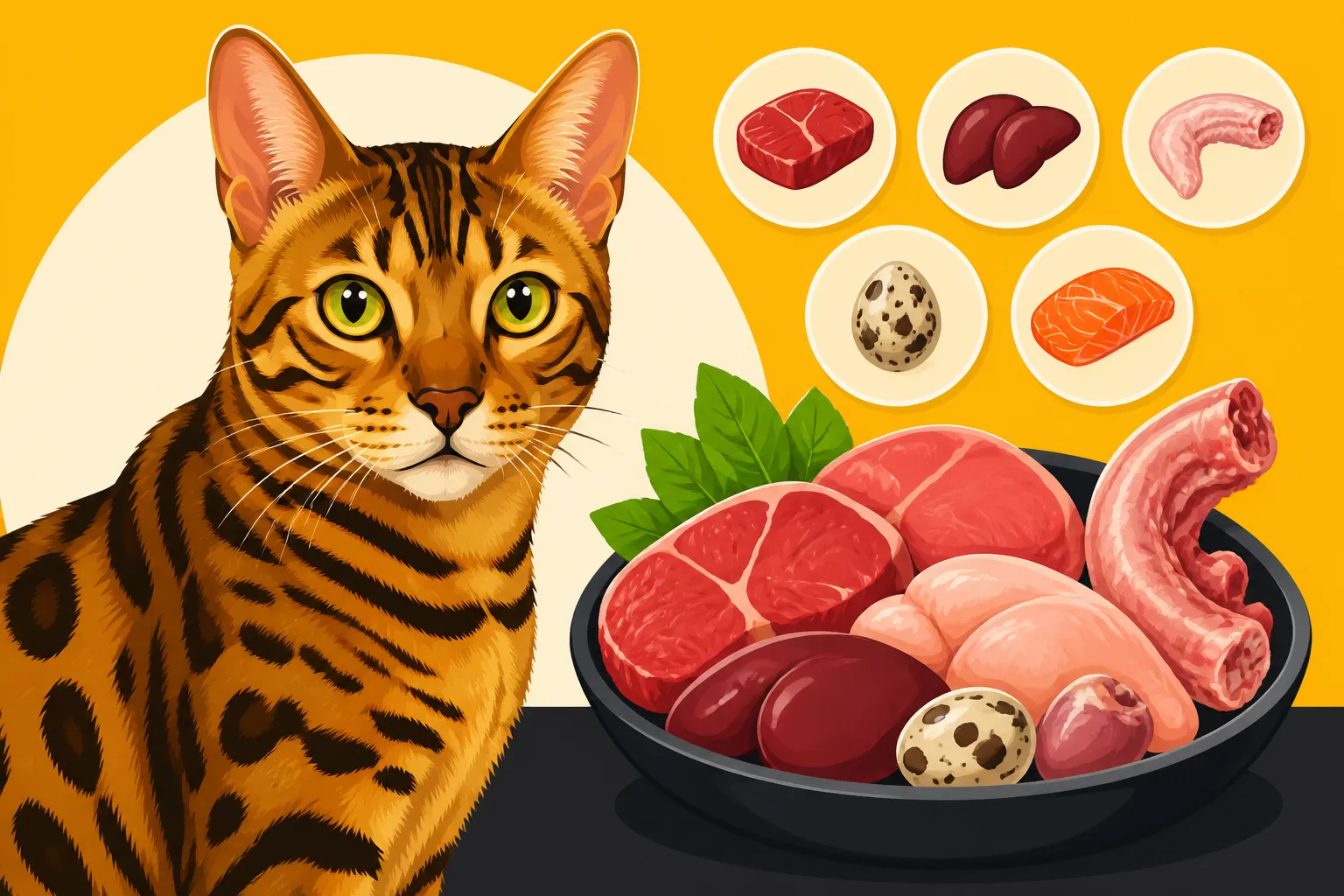
The foundation of a good DIY raw diet for your Bengal cat lies in the quality and variety of your ingredients. You're aiming to replicate a whole prey animal, which means you'll need muscle meat, organs, and raw meaty bones. Don't fall into the trap of just feeding boneless chicken breast; that's dangerously unbalanced. For muscle meat, think chicken thighs, beef chunks, turkey, or even lamb. Variety is key to ensure a broad spectrum of nutrients. Many people source these from local butchers who can often provide larger cuts, sometimes at a better price per pound, or even provide bones suitable for grinding. Look for human-grade meats, ideally from pasture-raised or organic sources if your budget allows.
Organs are vital too, especially liver (about half of the organ portion) and other secretory organs like kidney or spleen. These are packed with essential vitamins and minerals that muscle meat alone lacks. You might find these at ethnic grocery stores or from online raw pet food suppliers. Raw meaty bones are crucial for calcium, phosphorus, and other minerals, as well as for dental health. Think chicken necks, wings, or even smaller turkey necks. These should be raw and appropriately sized so your Bengal can chew them safely without choking. Never feed cooked bones, as they can splinter dangerously. Reputable online suppliers specialize in raw pet food components, or you might find specific bone types at your local butcher. Always prioritize quality and freshness when sourcing. You're building your Bengal's health from the ground up, so what goes into the bowl matters immensely.
The Importance of Nutritional Balance
This is perhaps the most critical — and often intimidating — aspect of a DIY raw diet. Simply tossing your Bengal some raw meat isn't enough; it must be nutritionally complete and balanced over time. Two main models guide raw feeding: Prey Model Raw (PMR) and Biologically Appropriate Raw Food (BARF). Both aim to mimic the diet of a wild carnivore, but with slight differences in approach.
The Prey Model Raw (PMR) approach is simpler in its philosophy: feed ingredients in the approximate ratios found in a whole prey animal. This typically translates to:
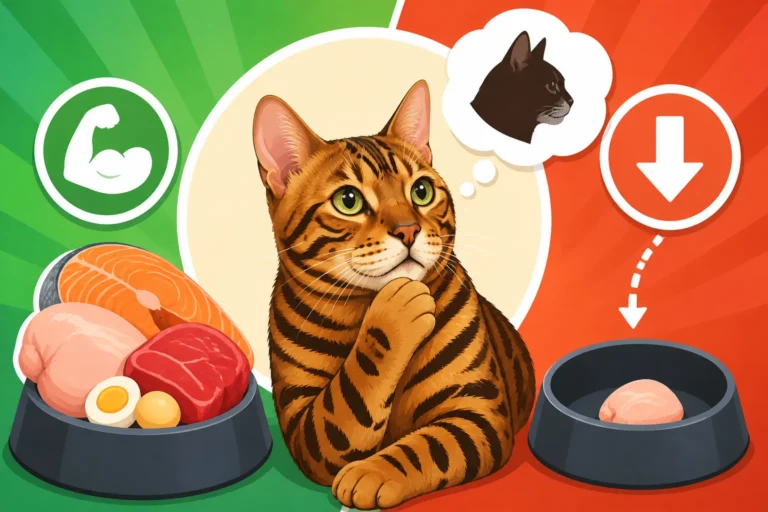
- 80% Muscle Meat: This is the bulk of the diet, providing protein and fat.
- 10% Raw Edible Bone: Essential for calcium and phosphorus. Must be soft enough to be fully consumed (e.g., chicken wings, necks).
- 5% Liver: A powerhouse of vitamins A, D, E, K, and B vitamins.
- 5% Other Secretory Organs: Such as kidney, spleen, or pancreas, offering a diverse range of nutrients.
The BARF (Biologically Appropriate Raw Food) Diet is a bit more complex, often incorporating a small percentage of fruits, vegetables, and supplements, aiming to provide additional micronutrients and antioxidants. However, for obligate carnivores like Bengals, many purists argue that these plant components are largely unnecessary or even poorly digested. Most feline raw feeders lean more towards the PMR model due to its simplicity and closer adherence to what a cat would naturally consume.
Regardless of the model, consistency in these ratios over time is what ensures your Bengal is getting all they need. Deficiencies can arise from an unbalanced diet. It's not about every meal being perfectly balanced, but rather the average over a few weeks. Many new raw feeders find it helpful to start with a recipe from a reputable source or a nutritionist to get the hang of the ratios. This is also why many breeders advocate for thorough research and understanding, as it impacts the long-term health of your cat. For more on the dietary needs of a Bengal cat, you might want to read The High Protein Argument for a Bengal Cat.
Here's a quick comparison of the two main raw diet models:
| Component | Prey Model Raw (PMR) | Biologically Appropriate Raw Food (BARF) |
|---|---|---|
| Philosophy | Mimics whole prey animal ratios | Mimics prey with additional plant matter/supplements |
| Muscle Meat | 80% | 70-80% |
| Raw Bone | 10% | 10% |
| Organs | 10% (5% liver, 5% other secretory organs) | 10% (5% liver, 5% other secretory organs) |
| Fruits/Veggies | 0% (or negligible, accidental) | 5-10% (pureed for digestibility) |
| Supplements | Often none, if diet is varied and balanced | More commonly used to ensure complete nutrition |
| Complexity | Simpler, fewer ingredients | More complex, more ingredients to source and balance |
Preparation, Storage, and Hygiene
Once you have your ingredients and understand the ratios, the next step is preparation. Many raw feeders opt for a "batch prep" day once or twice a month. This involves grinding meat, bone, and organs together, or cutting them into appropriate-sized chunks for your Bengal to chew. Some cats prefer larger chunks for dental benefits, while others do better with finely ground mixtures, especially when transitioning. High-quality meat grinders are a worthwhile investment for DIY raw feeders.
Hygiene is paramount when handling raw meat to prevent cross-contamination. Treat it like you would preparing raw meat for human consumption, but with even more diligence since your cat will be consuming it raw.
- Separate Surfaces: Use a designated cutting board for raw pet food, or sanitize thoroughly after each use.
- Dedicated Utensils: Have specific knives and bowls for raw food prep.
- Thorough Cleaning: Wash all surfaces, utensils, and your hands with hot, soapy water immediately after handling raw meat. Disinfect regularly.
- Storage: Portion out the prepared raw food into daily servings. Use freezer-safe bags or containers. This is where you might find containers available on Amazon helpful for convenience. Freeze immediately.
- Thawing: Thaw daily portions in the refrigerator, never on the counter, to prevent bacterial growth. A portion typically takes 12-24 hours to thaw.
Remember, the goal is to keep bacteria at bay for your safety and to ensure the food remains fresh for your Bengal. If you're meticulous with these steps, the risks are greatly minimized. For Bengal cats with sensitive stomachs, good hygiene can also help prevent digestive upsets; you can read more about Why a Bengal Cat's Gut Is So Sensitive.
Commercial Raw Diets: Convenience Without Compromise?
If the thought of grinding chicken necks and balancing organ ratios feels a bit overwhelming, don't despair! The raw feeding movement has matured, and with it, the availability of high-quality commercial raw diets. These options offer a convenient way to provide your Bengal with species-appropriate nutrition without the extensive DIY effort.
Types of Commercial Raw Food
The market for commercial raw cat food has expanded significantly, offering a range of formats to suit different preferences and lifestyles.
- Frozen Raw Diets: These are the most common and typically come in patties, nuggets, or chubs (like ground meat tubes). They are made from raw muscle meat, organs, and bone, often with added vitamins and minerals to ensure complete nutrition. Brands like Stella & Chewy's or Primal are popular examples. You simply thaw a portion in the refrigerator and serve. The main commitment here is freezer space and remembering to thaw ahead of time.
- Freeze-Dried Raw Diets: These are raw foods that have been freeze-dried, removing moisture but retaining most of the nutritional integrity. They are shelf-stable and incredibly convenient. You can feed them dry as a crunchy snack or rehydrate them with water (or bone broth) to restore their original texture. This is an excellent option for travel, for supplementing a wet food diet, or for owners who want the benefits of raw without needing extensive freezer space or daily thawing. Many brands are available through online retailers like Chewy, offering great variety and delivery options straight to your door.
- Dehydrated Raw Diets: Similar to freeze-dried, these also remove moisture, but often at slightly higher temperatures. While still a step up from kibble, some argue that the dehydration process might reduce certain heat-sensitive nutrients more than freeze-drying. You rehydrate these with water before serving.
Each type offers varying levels of convenience and cost. Frozen raw is often the most economical of the commercial options but requires the most pre-planning. Freeze-dried is the most convenient but typically the most expensive per serving. It's about finding the balance that works for you and your Bengal. Remember, no matter the format, always check for an AAFCO or NRC statement of nutritional adequacy, especially if it's meant to be a complete and balanced diet.
Evaluating Commercial Raw Products
Choosing a commercial raw diet for your Bengal cat requires a careful eye for detail, as not all products are created equal. Just because it says "raw" doesn't mean it's perfectly balanced or made with the best ingredients. Here's what to look for when evaluating commercial raw products:
- AAFCO/NRC Statement: This is crucial. Look for a statement that says the food is "formulated to meet the nutritional levels established by the AAFCO Cat Food Nutrient Profiles for All Life Stages" or "for Adult Maintenance," as appropriate for your cat. This indicates that the manufacturer has followed scientific guidelines to ensure the diet is nutritionally complete. Some boutique brands may not have this, requiring you to research their specific formulation or consult with a feline nutritionist.
- Ingredient Quality: Just like human food, "human-grade" ingredients are preferable, meaning the meats and organs were deemed fit for human consumption before processing. Look for named animal proteins (e.g., "chicken muscle meat," "beef liver") rather than vague terms like "meat by-products." Avoid products with excessive fillers, synthetic ingredients, or high amounts of fruits and vegetables (cats don't need much plant matter).
- Transparency: Reputable brands will be transparent about their sourcing, processing methods, and even provide nutrient analyses. A company that openly shares information about their ingredients and safety protocols inspires more confidence.
- Formulation: Check the ratios. While you won't get the exact 80/10/5/5 breakdown as in DIY, the ingredients should reflect a high percentage of muscle meat, a significant amount of organs, and some bone content.
- Reputation and Reviews: Research the brand. What do other Bengal owners say? Are there consistent reports of good health, or are there recurring issues? While individual experiences vary, a general pattern can be informative. Fresh, human-grade foods often appeal to owners seeking high quality, even if they come with a higher price point. Many of these brands can be found and reviewed on platforms like Chewy, which makes comparison shopping easier.
The convenience of commercial raw often comes at a higher price than kibble or even some DIY raw options, but for many Bengal owners, the peace of mind and the observed health benefits make it a worthwhile investment. Thinking about the long-term health of your cat, a quality diet can reduce vet bills over their lifespan, tying into discussions like What a Bengal Cat Costs Over Its Lifetime.
Transitioning Your Bengal Cat to a Raw Diet
The journey to raw feeding doesn't always involve an immediate switch. Cats are creatures of habit, and their digestive systems need time to adjust to new foods. Rushing the process can lead to digestive upset, which is the last thing you want for your Bengal.
Slow and Steady Wins the Race
Cats, especially Bengals, can be notoriously picky and resistant to change, particularly when it comes to their food. Going "cold turkey" from kibble to raw is rarely successful and can be quite stressful for your cat and their digestive system. Their gut microbiome needs time to adapt to processing raw proteins and fats, and their taste buds might be resistant to the unfamiliar texture and smell.
The key is gradual introduction, patience, and a lot of understanding. Don't get discouraged if your Bengal turns up their nose at the first offering. This isn't a reflection of the food's quality, but rather your cat's natural caution. It might take weeks, or even months, for a full transition. Remember that the ultimate goal is a healthy, happy cat on a raw diet, not a rushed timeline. For more on helping your Bengal adjust to new dietary changes, you might find When a Bengal Cat Needs a Special Diet for Its Gut helpful in understanding digestive sensitivities.
Methods of Transition
There are several popular methods for transitioning a Bengal cat to a raw diet, and what works best can vary from cat to cat.
- Gradual Mixing (Wet Food First): If your Bengal is currently on kibble, the first step is often to get them onto a high-quality canned wet food. Once they're happily eating wet food, you can start mixing a tiny amount of pureed raw food into their wet food. Start with perhaps a quarter teaspoon and gradually increase the raw portion over days or weeks, while decreasing the wet food.
- Separate Meals: Some cats prefer their foods not mixed. In this method, you'd offer the raw food in a separate bowl for a short period (10-15 minutes) before offering their regular meal. If they eat the raw, great! If not, remove it and offer their usual food. Slowly increase the time the raw food is available and the frequency of offering it, gradually reducing the amount of their old food.
- "Distraction" or Topping: For extremely finicky Bengals, you might try offering a tiny, tempting piece of raw meat as a “treat” or topping their existing food with a small, irresistible bit of raw. They might get used to the taste and texture this way. Some owners even use a tiny sprinkle of freeze-dried raw as a “gateway” food, as it often has a strong aroma. Freeze-dried and fresh raw options can be palatable starting points.
- Fasting (Use with Caution): This is a more aggressive method and should only be considered for adult, healthy Bengals, and ideally under veterinary guidance. The idea is to make them hungry enough to try the new food. However, prolonged fasting can be dangerous for cats, leading to hepatic lipidosis (fatty liver disease), so this method should be approached with extreme care and only for very short periods (e.g., skipping one meal).
- Warm It Up: Sometimes, warming the raw food slightly (just enough to take the chill off, never cook it!) can enhance its aroma and make it more appealing to a reluctant eater.
No matter the method, ensure your Bengal's old food is phased out slowly. Observe their stool for changes; loose stools can indicate you're transitioning too quickly. Patience is key. Your Bengal cat's unique energy levels might mean they quickly adapt to the high-density nutrition, but their selective palate needs gentle persuasion. This process can be as unique as your individual cat, so be prepared to experiment and adjust your approach. You might even find yourself looking up How to Transition a Bengal Cat to Raw for more detailed step-by-step guidance.
Monitoring for Success and Setbacks
Once you begin the transition, vigilant observation of your Bengal cat is crucial. This isn't just about whether they're eating the new food, but how their body is responding to it.
Signs of Success:
- Improved Stool Quality: This is often one of the first and most noticeable changes. You should see smaller, firmer, less odorous stools. This indicates better digestion and nutrient absorption.
- Shinier Coat and Healthier Skin: As mentioned earlier, many raw feeders report a softer, shinier coat and a reduction in dry skin or dandruff.
- Increased Energy and Playfulness: While Bengals are already active, owners often describe a more sustained, vibrant energy, better muscle tone, and an overall brighter demeanor. A raw diet provides the dense nutrition needed for their intense activity levels. You might even notice improvements in their How Many Hours a Day a Bengal Cat Plays.
- Better Dental Health: Over time, especially if feeding raw meaty bones, you should see less plaque buildup on their teeth.
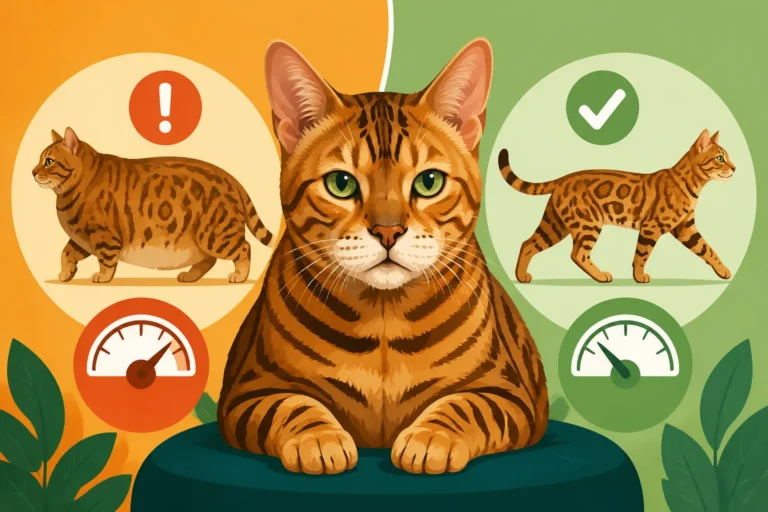
- Healthy Weight Management: A raw diet, properly balanced, can help maintain an ideal weight, supporting their muscular physique.
Potential Setbacks and How to Address Them:
- Diarrhea or Vomiting: This is usually a sign that you're transitioning too quickly or that your cat's system is having trouble adjusting. Slow down the transition, reduce the amount of raw food, and ensure proper hygiene. If symptoms persist, consult your vet.
- Refusal to Eat: If your Bengal completely rejects the raw food, don't force it. Revert to a previous step in the transition, try a different protein source (some cats prefer chicken over beef, for example), or try a different presentation (ground vs. chunky). Some Bengals are simply very set in their ways and require immense patience.
- Weight Loss or Gain: Monitor your Bengal's weight closely. If they're losing weight, they might not be eating enough, or the diet might not be calorically dense enough. If they're gaining, you might be feeding too much. Adjust portion sizes accordingly.
- Bad Breath (Initially): Sometimes, as the body detoxes from highly processed foods, there can be a temporary increase in bad breath. This should pass as their system adjusts. If it persists, it might indicate an underlying issue.
Always remember that your veterinarian is your partner in your Bengal's health. While many vets aren't formally trained in raw feeding, a good vet will be open to discussing your dietary choices and monitoring your cat's health through regular check-ups and bloodwork. This is especially important for breeds like Bengals who can be prone to certain health issues, so What a Bengal Cat's Yearly Bloodwork Should Cover remains vital. A blood panel can ensure there are no nutritional deficiencies.
Ultimately, feeding a raw diet to your Bengal cat is a journey that requires research, commitment, and patience. It's about providing a diet that honors their wild heritage and supports their vibrant energy, offering them the best chance at a long, healthy, and fulfilling life.
Disclaimer
This article is for general informational purposes only and does not constitute professional advice. Laws, prices and regulations vary by location and change over time. Consult a qualified professional for guidance on your specific situation.