What a Bengal Cat Kitten Needs to Build Muscle
It's incredibly exciting to watch a Bengal cat kitten grow from a tiny, playful fluffball into that sleek, muscular mini-leopard we all adore. But beneath all that boundless energy and acrobatic prowess, there's a real question: how do you ensure all their enthusiastic pouncing and climbing actually contributes to developing strong, healthy muscles? It's not just about letting them run wild; there's a strategic approach to diet, exercise, and environment that helps them build that distinctive, athletic Bengal physique. This guide will walk you through everything your Bengal cat kitten needs to optimally develop their lean muscle, setting them up for a long, active life.
The Nutritional Foundation for Feline Muscle Growth
Just like any growing athlete, a Bengal cat kitten needs the right fuel to build and maintain muscle. Their wild ancestry means they have specific dietary requirements that differ significantly from many other domestic breeds. Getting this right from the start is paramount for their overall health and muscular development.
Protein: The Building Block of Bengal Muscle
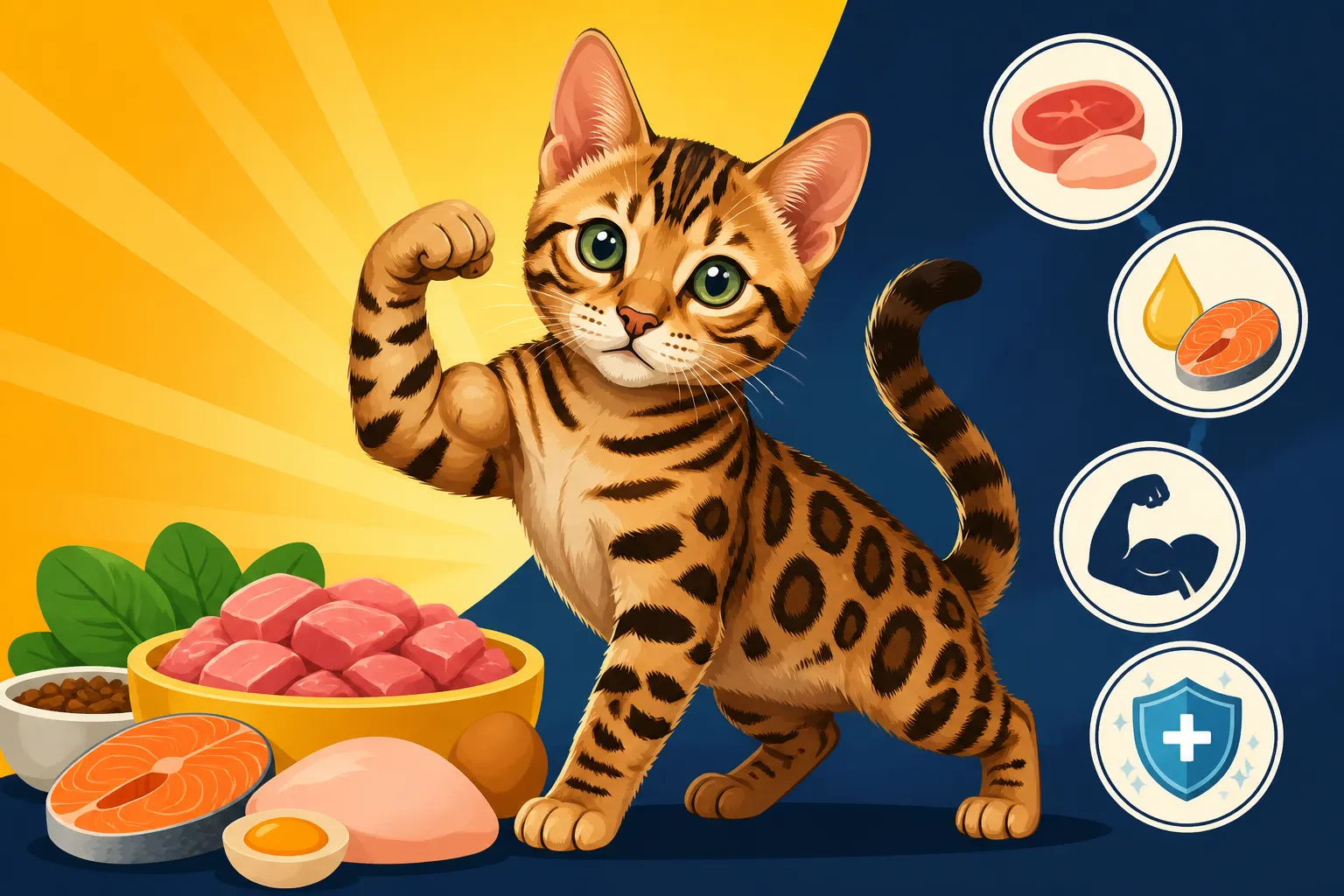
Think of protein as the ultimate construction material for your kitten's body. For a Bengal cat, especially a rapidly growing kitten, protein isn't just important—it's absolutely critical. These aren't sedentary lap cats; they're dynamic, agile creatures with a genetic predisposition for a lean, muscular build. High-quality animal protein provides the essential amino acids their bodies need to repair tissues, synthesize new muscle fibers, and support their incredibly active metabolism.
Without adequate protein, a kitten's growth can be stunted, their immune system compromised, and their muscle development severely hampered. You're looking for ingredients like chicken, turkey, beef, and fish listed prominently at the top of the ingredient list. Avoid foods that rely heavily on plant-based proteins or vague "meat by-products" as the primary source, as these often lack the complete amino acid profile a feline carnivore requires. Remember, The High Protein Argument for a Bengal Cat isn't just a trend; it's a reflection of their biological needs.
Balanced Macronutrients and Micronutrients
While protein takes center stage, it's part of a larger orchestra of nutrients working together. Fats are crucial, not just for a glossy coat, but as a concentrated energy source for those endless play sessions. Healthy fats also carry fat-soluble vitamins and support cellular function, which indirectly aids muscle health and recovery. Carbohydrates, while not a primary energy source for obligate carnivores, can be present in small, easily digestible amounts, providing quick energy for bursts of activity.
Then there are the micronutrients – vitamins and minerals. Calcium and phosphorus are essential for strong bones, which provide the framework for muscle attachment and growth. Vitamins like D help with calcium absorption, while B vitamins are vital for energy metabolism. Perhaps most notably for cats, taurine is an absolutely essential amino acid that plays a critical role in heart health and vision. A deficiency in taurine can lead to serious conditions, including dilated cardiomyopathy, which directly affects the heart muscle. Ensuring all these elements are present in the right balance means your kitten's body has everything it needs to function optimally, support intense activity, and build robust muscle.
Choosing the Right Kitten Food
Navigating the pet food aisle can feel like a maze, but for your Bengal kitten, certain principles should guide your choice. Always look for foods specifically formulated for kittens or "all life stages" that meet AAFCO nutritional guidelines. The ingredient list should show real meat as the first two or three ingredients. Focus on high protein content, ideally over 35%, and moderate fat.
Many Bengal owners find that a combination of wet and dry food works best. Wet food provides crucial hydration, which is often lacking in a purely dry diet, and can be more appealing to picky eaters. Some brands like Chewy offer a vast selection of high-quality kitten foods, allowing you to compare options and read reviews from other Bengal owners. For those interested in fresher options, human-grade, gently cooked food with clearly identifiable ingredients can be fantastic for ensuring a high-quality protein intake. Be mindful of fillers like excessive corn, wheat, or soy, which offer little nutritional value for a carnivore and can sometimes contribute to digestive upset in sensitive Bengal guts. Don't forget, How Much to Put Down for a Bengal Cat at Each Meal and Why a Bengal Cat Kitten Stays on Kitten Food Longer are important considerations for their specific dietary needs during this crucial growth phase.
| Nutrient Category | Primary Role in Muscle Development | Example Food Sources |
|---|---|---|
| Protein | Builds and repairs muscle tissue | Chicken, fish, beef, eggs |
| Fats | Concentrated energy for activity, supports cell health | Fish oil, chicken fat, salmon |
| Taurine | Essential for heart muscle function, vision | Meat, poultry, fish |
| Calcium & Phosphorus | Forms strong bones (muscle attachment points) | Bone meal (in balanced diets), dairy (limited) |
| B Vitamins | Energy metabolism, muscle function | Meats, whole grains (limited in cat food) |
| Water | Hydration for muscle function, nutrient transport | Wet food, fresh water |
Exercise and Play for a Strong Bengal Physique
A Bengal cat kitten isn't going to build muscle just by eating well; they need to use those muscles! Their inherent energy levels and predatory instincts make exercise a non-negotiable part of their development. It's not just about burning off energy; it's about shaping their physique and channeling their natural behaviors in a healthy way.
The Importance of High-Intensity Play
If you've ever owned a Bengal, you know "play" is an understatement. For these cats, it's more like a series of Olympic training sessions. High-intensity play is crucial for developing lean muscle mass, cardiovascular health, and agility. Think about the explosive power needed for a sudden pounce, the sustained effort of chasing a wand toy, or the intricate coordination required to scale a cat tree. All these activities engage different muscle groups, building strength in their legs, core, and shoulders.
Daily, structured play sessions—not just passive entertainment—are essential. Aim for several short, vigorous sessions throughout the day rather than one long, exhausting one. This mimics their natural hunting patterns of short bursts of intense activity followed by rest. Toys that encourage jumping, climbing, and extended chasing are ideal. Remember, How Much Exercise a Bengal Cat Needs a Day is a significant consideration for these energetic felines.
Vertical Space and Climbing Opportunities
One of the best ways to encourage muscle development in a Bengal is to cater to their innate love for climbing. In the wild, their ancestors would climb trees to escape predators, scout for prey, and simply enjoy a vantage point. Providing ample vertical space in your home isn't just about enrichment; it's a powerful tool for building muscle. Tall, sturdy cat trees with multiple levels, wall-mounted shelves, and even cat bridges encourage them to jump, stretch, and pull themselves up, engaging their powerful hind legs, core, and shoulder muscles.
When selecting cat furniture, think about durability and stability. A flimsy cat tree won't stand a chance against a launching Bengal kitten and could even be a safety hazard. Look for solid construction and plenty of scratching surfaces, which also help them stretch and work their shoulder muscles. Creating a "cat superhighway" around your living space will provide endless opportunities for them to explore and strengthen their bodies. Consider How Much Vertical Space a Bengal Cat Needs when planning your home environment.
Interactive Toys and Tools for Muscle Development
Beyond the basics, certain toys and tools can supercharge your Bengal kitten's muscle-building efforts. Wand toys with feathers or small plush animals are fantastic for simulating prey, encouraging chase, pounce, and jump sequences that build explosive power. Puzzle feeders, which require your kitten to solve a problem to get a treat, engage their brains while often requiring physical manipulation or movement, adding an element of active feeding.
Perhaps one of the most effective tools for sustained, high-intensity exercise is a cat wheel. While an investment, a good quality cat wheel can provide an outlet for their seemingly endless energy, allowing them to run at top speeds in a safe, enclosed environment. This is an excellent way to build cardiovascular endurance and leg muscle strength. Many pet supply retailers, including Amazon, offer a wide variety of interactive toys, sturdy cat trees, and even cat wheels, making it easy to find items that cater to your Bengal's specific needs and help them develop into strong, healthy adults. These items ensure your kitten has the tools for sustained activity, helping them burn off energy and achieve that impressive muscular build. You might even want to check into Which Cat Wheel Size a Bengal Cat Needs to make sure it's appropriate for their growing size.
Supporting Healthy Growth and Development
Building muscle isn't just about what goes in their bowl and how much they run around. It's also about ensuring their entire system is functioning optimally, allowing their bodies to grow and recover effectively. This holistic approach ensures they develop into strong, healthy adults.
Monitoring Growth and Weight
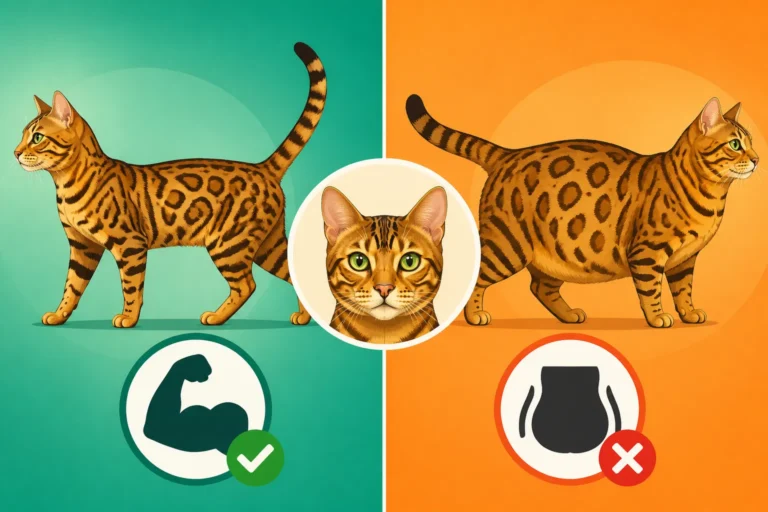
It's tempting to think that a growing kitten just needs to eat a lot, but for a Bengal, you want to ensure they're building lean muscle, not just gaining excess fat. Regular monitoring of their growth is crucial. You should be able to feel their ribs easily, but they shouldn't be protruding. Their waist should be evident when viewed from above, and there should be a slight tuck-up in their abdomen when viewed from the side.
Regular vet check-ups are invaluable during their kittenhood. Your vet can assess their body condition score, track their weight, and ensure they're growing at a healthy rate. A veterinarian can also spot any underlying issues that might hinder muscle development or indicate improper nutrition. Understanding What a Healthy Bengal Cat Weighs for their age and sex is an important benchmark your vet can help you track. Remember, Why a Bengal Cat Burns More Than Other Cats means their weight dynamics can be a bit different from a typical domestic cat.
Hydration and Rest
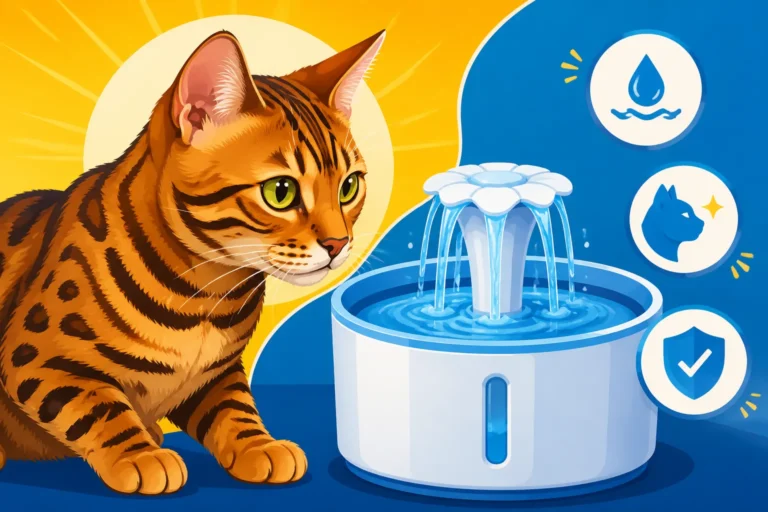
Just like human athletes, cats need proper hydration for muscle function, nutrient transport, and overall health. Dehydration can lead to fatigue, reduced performance, and impact every bodily system. Bengals, in particular, often have a fascination with water, making it a bit easier to encourage them to drink. Provide multiple fresh water sources, including ceramic or stainless steel bowls, and consider a flowing water fountain. Many Bengal owners swear by fountains, as the moving water seems to entice their cats to drink more. This is why Why a Bengal Cat Needs a Water Fountain is often a highly recommended item for Bengal households.
Equally important is rest. After intense play sessions, a kitten's muscles need time to repair and grow. Bengal kittens, despite their boundless energy, will still nap frequently throughout the day. Ensure they have quiet, comfortable spots where they can retreat and get undisturbed sleep. This rest period is when the actual physical growth and muscle development primarily occur. Good sleep supports their immune system, brain development, and allows their bodies to consolidate the gains from their active periods.
When to Consult a Vet
While you're doing your best to provide optimal nutrition and exercise, sometimes things don't go as planned, or subtle issues might arise. If you notice any of the following, it's time to consult your veterinarian:
- Lethargy or reduced activity: If your normally energetic Bengal kitten is suddenly listless or unwilling to play, it could be a sign of illness or an underlying issue impacting their energy levels and muscle development.
- Poor weight gain or sudden weight loss: Despite adequate feeding, if your kitten isn't gaining weight appropriately or is losing it, this needs immediate veterinary attention.
- Persistent diarrhea or vomiting: Digestive upset can lead to malabsorption of nutrients, directly impacting growth and muscle development. Bengals can be prone to sensitive stomachs, so addressing this quickly is key. Chronic Diarrhea Is the Bengal Cat Complaint Nobody Warns About can be a serious issue if left unaddressed.
- Lameness or unusual gait: Any limping, reluctance to jump, or awkward movements could indicate an injury or a developmental issue with bones or joints, which would certainly impact muscle growth.
- Changes in appetite or thirst: Significant changes could signal various health problems that need investigation.
Early intervention is always best. Your vet can rule out medical conditions, assess their diet, and offer tailored advice to ensure your Bengal kitten is on the right track for healthy, robust muscle development.
Avoiding Common Pitfalls in Kitten Rearing
Raising a Bengal cat kitten is a unique and rewarding experience, but there are certain traps new owners can fall into when it comes to supporting their growth and muscle development. Understanding these common mistakes can help you steer clear of issues and foster a truly thriving companion.
Overfeeding vs. Underfeeding
It's a delicate balance with an active, growing kitten. On one hand, you might worry your Bengal isn't getting enough food to fuel their incredible energy, leading to overfeeding. This can result in excessive weight gain, but not necessarily healthy muscle. An overweight kitten puts undue strain on developing joints and can lead to long-term health problems. While they are very active, it's possible for a Bengal cat to get fat.
On the other hand, given their activity levels, underfeeding is also a concern. If your kitten isn't getting enough calories or, more specifically, enough high-quality protein, they won't have the resources to build muscle. Instead, their body might start breaking down existing muscle for energy. Follow the feeding guidelines on your chosen kitten food, but always adjust based on your individual kitten's body condition and activity level. If you're unsure, consulting your vet for specific portion recommendations is always a good idea.
Inadequate Stimulation and Boredom
A Bengal cat kitten that isn't adequately stimulated physically and mentally isn't just a bored kitten; it's a kitten whose muscle development might suffer. Without enough opportunities to run, jump, climb, and pounce, their muscles won't be challenged to grow stronger. Instead, they might become lethargic (for a Bengal, that's saying something!) or develop undesirable behaviors.
Boredom can manifest as destructive chewing, excessive vocalization, or even aggression, as they try to find an outlet for their pent-up energy. These stress-induced behaviors can lead to a less active lifestyle, impacting physical development. Signs a Bengal Cat Is Bored are usually pretty clear, and addressing them is crucial. Ensure you're providing a rich environment with plenty of appropriate play, vertical space, and interactive toys to keep both their bodies and minds engaged. A stimulating environment is key to allowing them to express their natural athleticism and build impressive muscle.
The Myth of "Bulking Up" Kittens
There's a misconception that you can "bulk up" a kitten with specific supplements or extreme feeding regimens to make them more muscular. This approach is not only misguided but can be genuinely harmful. A kitten's body is designed to grow at a natural, steady pace. Trying to force accelerated muscle gain can put immense stress on their undeveloped bones, joints, and internal organs.
Focus on providing consistent, high-quality nutrition, ample opportunities for natural, species-appropriate exercise, and a healthy, low-stress environment. These are the ingredients for building a strong, lean, and athletic Bengal cat, as nature intended. Their muscular physique will develop naturally as they mature, as long as they have the right foundational support. Any attempt to artificially enhance muscle mass could lead to orthopedic problems, metabolic imbalances, and a shorter, less healthy life. Trust the process of natural growth that comes from a balanced approach to care.
Disclaimer
This article is for general informational purposes only and does not constitute professional advice. Laws, prices and regulations vary by location and change over time. Consult a qualified professional for guidance on your specific situation.