Why a Bengal Cat’s Coat Feels Like Silk
You've probably noticed it the moment you first pet a Bengal cat: their coat isn't just fur, it's something else entirely. It feels incredibly soft, almost impossibly smooth, like a luxurious silk scarf rather than what you'd expect from a feline. Many Bengal owners, new and experienced alike, often wonder why their cat's coat possesses such a unique and delightful texture. This guide dives deep into the fascinating biological and genetic reasons behind that signature silken feel, helping you understand what makes your Bengal's coat so special and how to keep it looking and feeling its best.
The Science Behind the Silken Feel: A Closer Look at Hair Structure
When you run your hand over a Bengal cat's coat, that sensation of silky smoothness isn't just your imagination. It's rooted in the very structure of their individual hair shafts. Unlike many domestic cats whose fur might feel coarser or have a more "fluffy" texture, a Bengal's coat is often described as feeling like velvet or even a fine mink. This isn't just a subjective observation; there's a real biological reason for it.
The Lack of a Medulla in Bengal Hair Shafts
One of the primary scientific explanations for the Bengal's distinctive coat texture lies in the structure of its individual hair shafts. Many mammals, including most domestic cats, have hair with a central core called a medulla. This medulla can be hollow, fragmented, or continuous, and its presence often contributes to the hair's rigidity and overall texture. Think of it like a tiny, microscopic straw running through the middle of each strand of hair. When this core is present and prominent, the hair tends to feel thicker, coarser, and can stand out more from the body.
However, Bengal cats often possess hair shafts that are either lacking a medulla entirely or have one that is extremely fine and fragmented. Without this rigid core, each hair strand is much more pliable, finer, and lies incredibly flat against the cat's body. This absence, or significant reduction, of the medulla makes the individual hairs exquisitely soft to the touch, contributing directly to that unparalleled silken sensation. It's like comparing a fine silk thread to a rough woolen one – the silk is smooth because its fibers are uniformly fine and lack internal roughness.
The Density and Smoothness of Each Strand
Beyond the medulla, the overall density and surface smoothness of each hair strand play a crucial role. Bengal cats typically have a very fine, short coat, which contributes to its "pelted" appearance. This isn't just about length; it's about the quality of each individual hair. The cuticle, which is the outermost layer of the hair shaft, is usually very smooth in Bengal cats. Imagine the cuticles as tiny scales overlapping each other, much like shingles on a roof. In coarser hair, these scales might be more lifted or irregular, leading to a rougher feel and causing light to scatter, making the fur appear duller.
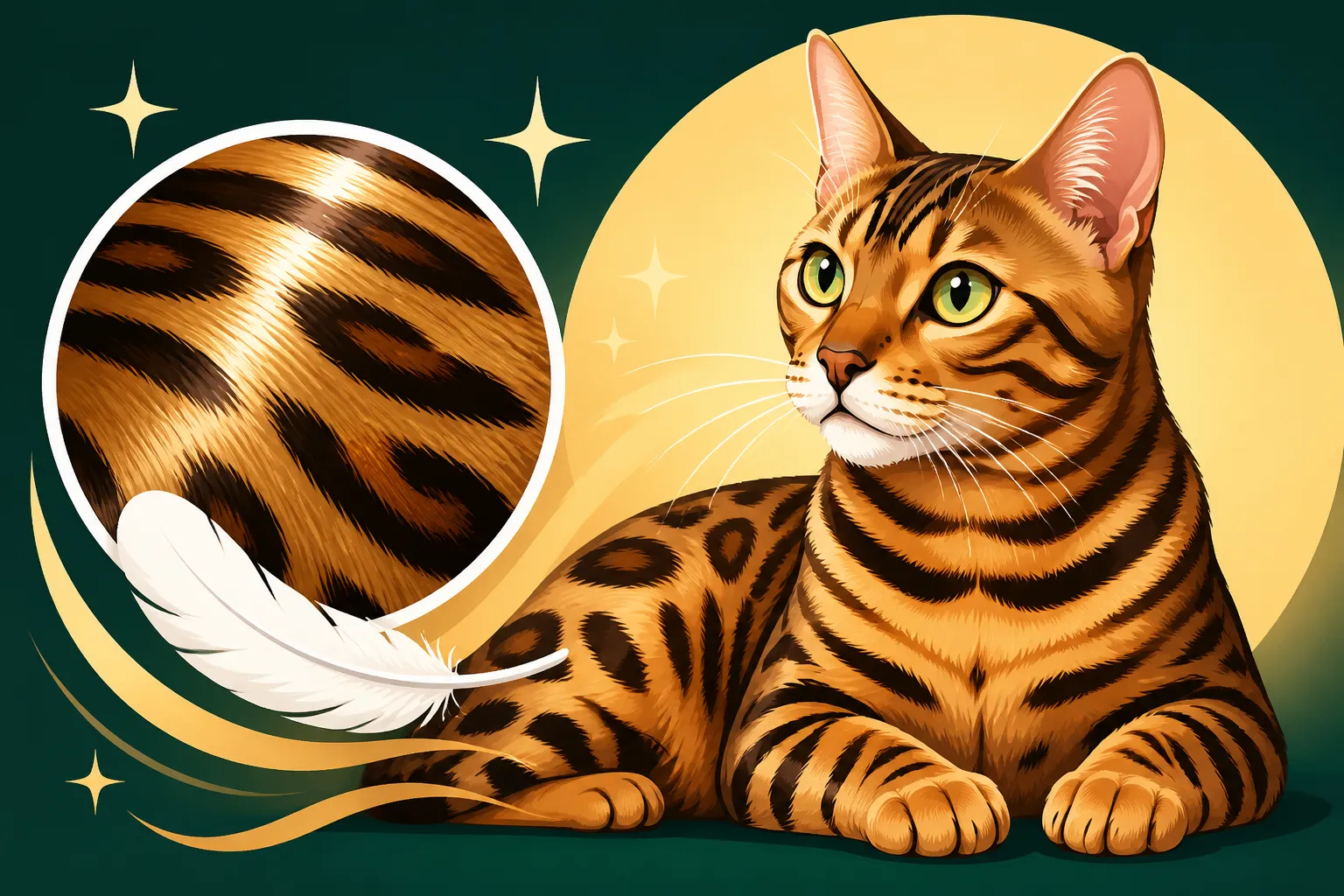
In Bengal cats, these cuticular scales lie incredibly flat and tightly packed, creating a uniform, unbroken surface. This smoothness minimizes friction when you pet them, allowing your hand to glide effortlessly, creating that luxurious, cool-to-the-touch sensation. It also reflects light beautifully, which is part of what gives their coats that characteristic "glitter" and high sheen. When combined with the high density of these fine hairs, the result is a coat that feels rich, plush, and undeniably silken. You might even find yourself stroking your Bengal just for the sheer tactile pleasure, a feeling that truly sets them apart. This unique coat structure is a huge part of Why a Bengal Cat's Coat Feels Like Silk.
The Wild Legacy: How the Asian Leopard Cat Influenced the Bengal's Coat
The Bengal cat is truly a magnificent breed, not just for its stunning looks but for the incredible feel of its coat. To understand why it feels so uniquely silken, we need to look back at its origins, specifically to its wild ancestor: the Asian Leopard Cat (ALC). The very essence of the Bengal's exotic beauty and its distinctive coat can be traced directly to this small, wild feline. The domestic cat breeds used in the Bengal's development certainly contributed traits, but that signature "wild" look and feel comes directly from the ALC.
The Asian Leopard Cat's Evolutionary Advantage
The Asian Leopard Cat (ALC), Prionailurus bengalensis, inhabits a wide range of environments across Asia, from dense forests to scrublands. In these varied habitats, a short, sleek, and close-lying coat offers several evolutionary advantages. Firstly, it helps them move silently and efficiently through undergrowth without getting snagged or tangled. A bulky, fluffy coat would be a hindrance, creating noise and making them more visible to prey or predators. Secondly, a fine, thin coat is better for thermoregulation in many of the warmer climates where ALCs reside, allowing for heat dissipation.
The ALC's coat is naturally short, dense, and feels remarkably smooth, almost like a pelt. This texture isn't just aesthetic; it's a functional adaptation honed over millennia. When the first crosses were made between ALCs and domestic cats, the goal was to create a domestic feline that retained the wild beauty and pattern of the ALC, while possessing the temperament of a housecat. Thankfully, many of the ALC's desirable coat characteristics, including that incredible texture, were successfully passed down and selectively bred into the Bengal cat. This explains Why a Bengal Cat's Coat Came From the Asian Leopard Cat.
Selective Breeding for the "Wild" Look and Feel
Early Bengal breeders, most notably Jean Mill, were captivated by the stunning appearance and unique qualities of the Asian Leopard Cat. They weren't just aiming for spots; they wanted to retain the entire package, including the luxurious feel of the wild cat's coat. Over generations, breeders meticulously selected kittens that exhibited the most desirable traits inherited from their ALC ancestors, including the short, dense, and incredibly soft texture. This deliberate selective breeding has reinforced the "pelted" quality of the Bengal coat, making it a hallmark of the breed.
This is why, even after several generations of breeding with domestic cats, the Bengal coat still often feels distinctively different from that of a typical tabby or shorthair. It's a direct result of preserving and enhancing those ancestral traits. The texture contributes significantly to what is often described as a "wild" feel, connecting your beloved companion directly to its distant, untamed relatives. When you touch a Bengal, you're not just touching a cat; you're experiencing a tangible link to the wild beauty of its heritage. This attention to detail in breeding means that How a Bengal Cat's Pelt Is Judged in the Ring often considers this unique texture alongside their stunning patterns.
Less Is More: The Role of the Bengal's Minimal Undercoat
One of the most defining characteristics that contributes to the Bengal cat's silken coat is its remarkably sparse undercoat. While many domestic cats boast a thick, insulating layer of softer, downy fur beneath their coarser guard hairs, Bengal cats often have a single coat or a very minimal undercoat. This structural difference has profound implications for both the feel and the maintenance of their beautiful pelts.
The Absence of Fluff and Bulk
Imagine a standard domestic shorthair cat, especially one adapted to cooler climates. Their fur often feels thick and plush due to a significant undercoat designed for insulation. This dense layer of fine, crimped hairs creates volume and a soft, fluffy texture. While lovely in its own right, it's very different from the smooth, sleek feel of a Bengal. In contrast, a Bengal cat's coat lies flat against their body precisely because they lack this substantial undercoat.
This absence of fluff means there's less bulk, allowing the fine, guard hairs to truly shine and be the dominant texture. When you pet a Bengal, your hand isn't sinking into layers of downy fur; it's gliding over the sleek, short, and incredibly smooth outer coat. This contributes directly to the "pelted" feel, where the fur feels dense yet thin, almost like animal hide. It's a tactile experience that immediately distinguishes them from most other breeds. It’s also a key reason Why a Bengal Cat's Coat Lies So Flat.
Implications for Shedding and Grooming
The minimal undercoat also plays a significant role in why Bengal cats are often perceived as low-shedding. While no cat is truly non-shedding, Bengals do tend to shed considerably less than many other breeds. A large portion of the shedding in other cats comes from their dense undercoats, which are seasonally replaced. With less undercoat to shed, Bengals deposit fewer loose hairs around your home. This can be a huge relief for owners who are tired of finding cat hair on every surface.
This also translates into incredibly easy grooming. Unlike long-haired breeds that require daily brushing to prevent mats, or even many shorthairs that need regular grooming to manage shedding, a Bengal's coat is remarkably self-sufficient. You won't need an arsenal of brushes, combs, or de-shedding tools. A simple weekly wipe-down with a damp cloth or a quick brush with a soft grooming mitt is usually all that's needed to keep their coat looking pristine and feeling silken. You can find excellent grooming mitts and gentle brushes on platforms like Amazon or Chewy that are perfect for maintaining their unique pelt. This minimal shedding is also why How Little a Bengal Cat Sheds for a Shorthair is often a talking point among potential owners.
The Glitter Gene: Adding Sparkle to the Silk
Beyond the structure and the minimal undercoat, another fascinating genetic trait contributes to the Bengal cat's allure and enhances its coat's unique feel and appearance: the "glitter" gene. This isn't just about how the coat feels, but how it looks – like it's been dusted with a fine layer of gold or silver powder. This characteristic is so distinct that it's often explicitly mentioned in breed standards and sought after by enthusiasts.
What is the Glitter Gene?
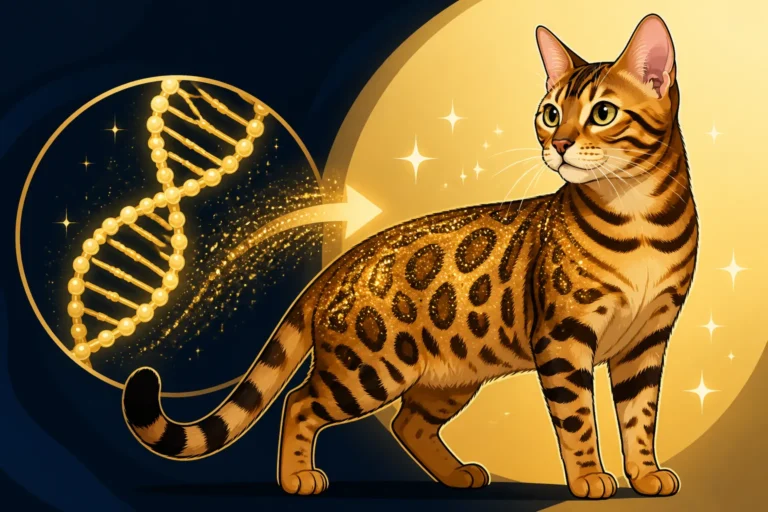
The glitter gene is responsible for a shimmering, iridescent quality in the Bengal's coat that is quite unlike anything seen in other domestic breeds. It's not actual glitter, of course, but a visual effect caused by unique qualities of the individual hair shafts. Specifically, the hair shafts of a glittered Bengal are often translucent or hollow, allowing light to penetrate them and reflect off the hair's core, rather than simply being absorbed by the surface. This phenomenon creates a depth of color and a luminous shimmer that literally makes the coat sparkle.
When light hits the coat, it doesn't just reflect off the surface; it bounces around within the hair shaft, creating a captivating glow. This is particularly noticeable in direct sunlight or under bright indoor lighting, where the coat seems to come alive with a golden, silver, or pearlescent sheen, depending on the cat's base color. It’s a trait that truly makes the Bengal cat stand out in a crowd and adds another layer of exotic beauty to their already striking appearance. Many believe the glitter gene also contributes to the "slippery" or silken feel, as the translucent hairs often feel even smoother.
Enhancing the Silken Texture and Appearance
While primarily a visual trait, the glitter gene also subtly enhances the perceived silkiness of the coat. The translucent nature of the hair shafts often correlates with a finer, smoother individual hair, further contributing to that luxurious feel. When you combine these finely structured, translucent hairs with the lack of a prominent medulla and a minimal undercoat, you get a coat that is not only incredibly soft and smooth but also shimmers with an almost ethereal glow.
The presence of glitter is a highly desired trait in Bengal cats, especially for those involved in showing or breeding. It adds another layer of "wild" appeal, making their coats even more captivating. Imagine petting a Bengal whose coat feels like silk, and then watching it catch the light and shimmer like a precious metal – it's truly an experience. This unique combination of texture and visual appeal makes the Bengal coat one of the most remarkable in the feline world, leaving a lasting impression on anyone lucky enough to interact with these magnificent cats. What the Glitter Gene Does to a Bengal Cat is a fascinating subject for many owners.
Caring for that Silken Pelt: Grooming and Maintenance
The Bengal cat's unique, silken coat is a joy to behold and touch, but even such a low-maintenance marvel benefits from a little routine care. While you won't be spending hours grooming your Bengal, understanding how to best support their coat health ensures that their signature texture and sparkle remain at their peak. It’s all about enhancing what nature has already provided, rather than fighting against it.
Minimal Grooming for Maximum Impact
Good news for busy owners: Bengals are fantastic self-groomers, and their short, sleek coats require very little intervention from you. The lack of a dense undercoat means matting is virtually unheard of, and seasonal shedding is usually far less dramatic than with many other breeds. You won't need a de-shedding tool or a complex grooming routine. This low-fuss aspect is one of the many reasons people fall in love with Bengals, allowing you more time for play and cuddles.
However, a quick weekly routine can do wonders. A soft rubber curry brush or a grooming mitt can help remove any loose hairs and distribute natural oils, enhancing the coat's shine. Think of it more as a massage for your cat than a chore! Many Bengals actually enjoy this interaction, turning it into a bonding experience. If your Bengal has glitter, this light brushing will help remove any dust or debris that might dull its shimmer. You can find excellent, gentle grooming mitts on Chewy or Amazon that are perfect for their sensitive skin and fine coat. This minimal effort ensures Why a Bengal Cat Barely Needs Brushing at All isn't just a myth, but a reality.
The Importance of Diet for Coat Health
While genetics and hair structure are the primary drivers of the Bengal's silken coat, a healthy diet plays an undeniable supporting role. A cat's coat is a direct reflection of its internal health, and a high-quality diet provides the essential nutrients needed for healthy skin and lustrous fur. Think of it as fueling that internal glow that comes out in their appearance.
Look for high-quality cat foods rich in animal protein, as cats are obligate carnivores. Essential fatty acids, particularly Omega-3 and Omega-6, are crucial for skin hydration and a healthy, shiny coat. Many premium cat foods are specifically formulated to support skin and coat health. If you're concerned about your cat's coat looking dull or feeling less silky, reviewing their diet with your veterinarian is always a good first step. Ensuring they get all the necessary vitamins and minerals helps keep their skin supple and their hair follicles producing those magnificent, silky strands. A good diet is fundamental to building muscle (What a Bengal Cat Kitten Needs to Build Muscle) and maintaining a healthy coat.
Environmental Considerations
Even with a naturally perfect coat, environmental factors can impact its quality. Regular bathing is generally not necessary for Bengals unless they get into something particularly messy – and good luck with that, given their love for water! However, maintaining a clean home environment can prevent dust and debris from settling on their coats, which can make them feel less smooth and look duller.
Consider the humidity levels in your home; extremely dry air can sometimes affect skin and coat health, just as it does for humans. While your Bengal's coat is designed to be resilient, a balanced environment helps maintain its natural vibrancy. Additionally, ensuring your Bengal has access to plenty of fresh, clean water encourages good hydration, which is vital for skin and coat health from the inside out. A cat fountain, easily found on Amazon, can often encourage them to drink more. By combining minimal grooming with a fantastic diet and a healthy environment, you can ensure your Bengal's coat remains that signature silken, glittering marvel for years to come.
Here's a quick comparison of coat characteristics:
| Feature | Bengal Cat Coat | Typical Domestic Shorthair Coat |
|---|---|---|
| Feel/Texture | Silken, velvety, cool to the touch, "pelted" | Soft, fluffy, sometimes slightly coarse |
| Undercoat Presence | Minimal to none | Often dense and insulating |
| Hair Shaft Medulla | Absent or very fine/fragmented | Typically present and more prominent |
| Hair Length | Short, lies very flat to the body | Short to medium, can stand away from body |
| Shedding Level | Low | Moderate to high |
| Light Reflection | High (often with "glitter" effect) | Moderate (less sheen, typically no glitter) |
| Grooming Needs | Very low, occasional brush/wipe | Moderate, regular brushing to manage shedding/mats |
Disclaimer
This article is for general informational purposes only and does not constitute professional advice. Laws, prices and regulations vary by location and change over time. Consult a qualified professional for guidance on your specific situation.