Why a Bengal Cat’s Claws Outrun the Clippers
If you've ever found yourself battling a furry, spotted tornado while trying to trim its razor-sharp claws, you're not alone. Many Bengal cat owners quickly realize that these magnificent felines seem to grow nails at an astonishing rate, far outpacing the average housecat. This guide will delve into the unique reasons behind your Bengal's super-fast claw growth, from their wild ancestry to their specific dietary needs, and offer practical, empathetic solutions to keep those formidable talons in check without turning every grooming session into a wrestling match.
The Wild Instincts Behind Those Rapidly Growing Claws
Bengal cats, with their striking coats and boundless energy, carry a strong echo of their wild ancestors. This heritage isn't just visible in their appearance; it profoundly influences their physical traits, including their claws. Those formidable talons aren't just for show; they're an essential tool for survival and activity, even in a pampered home environment.
Tracing Back to the Asian Leopard Cat's Needs
At the heart of every Bengal cat is the Asian Leopard Cat (ALC), a small, agile wild feline that thrives in diverse Asian landscapes, from dense forests to open grasslands. In their natural habitat, ALCs are formidable hunters and incredible climbers. Their very existence depends on their ability to stalk prey, scale trees with lightning speed, and maintain a secure grip on unstable surfaces. Imagine an ALC navigating slippery branches, pouncing on nimble rodents, or defending itself against larger predators – all these activities demand exceptionally strong, sharp, and constantly regenerating claws.
This innate need for robust claws is hardwired into the Bengal's genetic makeup. Even generations removed from their wild ancestors, Bengals retain this genetic blueprint. Their claws are designed for strenuous, high-impact use, which translates into a growth rate optimized for constant wear and tear that simply doesn't occur in a domestic setting.
Why a Domestic Life Doesn't Slow Them Down
In the wild, an ALC's claws would be naturally worn down through daily activities: scaling rough tree bark, digging for burrowing prey, and even running over varied terrain. Each action would file down the outer layers, keeping them at an optimal length and sharpness. However, our domesticated Bengals, no matter how active, simply aren't subjecting their claws to that level of natural abrasion.
While your Bengal might climb your cat tree like a miniature leopard or tear across the living room floor at breakneck speeds, these activities don't provide the continuous, varied friction needed to adequately shorten their claws. Soft carpeting, smooth hardwood floors, and even sisal scratching posts, while helpful, are no match for the relentless shaping power of the wild. This disparity between inherent growth rate and environmental wear means those claws keep growing and growing, often leading to them becoming quite long and sharp before you even notice.
The High Activity Level of a Bengal Cat
It's no secret that Bengal cats are bundles of energy. They're renowned for their athleticism, their love of climbing, and their seemingly endless capacity for play. Indeed, The Bengal Cat Is the Most Active Cat You Can Own, and this high activity level does mean their claws get used constantly. They use them for grip when launching themselves onto high shelves, for traction during their famous zoomies, and for manipulation when trying to open cabinets (a familiar struggle for many Bengal owners!).
You might think all this activity would naturally wear down their claws, but paradoxically, it means they need sharp, strong claws, which the body is programmed to produce. If their claws were wearing down significantly, they might struggle with their impressive feats of agility. The fast growth ensures they always have the "equipment" ready for action. It's a delicate balance: their lifestyle demands sharp claws, and their genetics provide them abundantly, but domestic surfaces rarely provide enough consistent abrasion to keep them trimmed naturally.
The Anatomy of a Bengal Cat's Claw
Understanding the physical structure of your Bengal's claws can make all the difference in managing them effectively. It’s not just about how fast they grow; it’s also about how they’re built and what makes them so efficient for a cat with a wild streak.
Understanding the Unique Structure
A cat's claw, including your Bengal’s, is a marvel of natural engineering. It's not a solid, lifeless extension like a human fingernail; rather, it’s a complex structure composed primarily of keratin, a fibrous protein. Each claw has multiple layers: a hard outer shell that provides protection and sharpness, and a softer inner core. At the base of the claw, near the paw, is the "quick." This is a living tissue that contains blood vessels and nerve endings. The quick is vital for claw growth, providing nourishment and sensation.
The claw grows from this quick, pushing out new keratin cells continually. This constant regeneration is why they seem to "outrun" your clippers. Because the quick extends a certain distance into the visible claw, you have to be very careful when clipping. If you cut into the quick, it’s not only painful for your cat but also causes bleeding. This sensitivity means that while the claw grows quickly, you can only trim a small, non-sensitive portion at a time, further contributing to the perception that they grow back almost immediately.
Retraction and How It Protects the Claw
One of the most defining characteristics of a cat's claw, and certainly a Bengal’s, is its retractability. Most of the time, when your Bengal is walking or resting, their claws are sheathed within protective skin and fur pockets on their paws. This retraction mechanism is controlled by tendons and ligaments, keeping the claws neatly tucked away.
This ability to retract is crucial for several reasons:
- Protection: It keeps the sharp tips from getting dull or damaged during everyday movement. If their claws were always extended, they would constantly rub against surfaces, wearing down their sharpness prematurely.
- Silence: Retracted claws allow your Bengal to move silently, whether stalking a toy mouse or simply tiptoeing across the kitchen floor. This stealth is a direct link to their hunting instincts.
- Sharpness: By being retracted, the claws remain incredibly sharp. They are only extended when needed for climbing, scratching, or defense. This means the sharpest part of the claw, which is the part you're trying to manage, is always pristine and ready for action. This protection from constant wear is a major reason why regular clipping is so essential in a domestic environment.
Why Bengal Claws Might Seem Stronger
Many Bengal owners describe their cats' claws as being particularly strong, thick, or even "steel-like" compared to other domestic cats. While there isn't extensive scientific literature specifically proving Bengal claws are anatomically thicker or harder than, say, a Maine Coon's, the perception is certainly common. This impression likely stems from a combination of factors related to their wild heritage and high activity levels.
Firstly, their constant growth rate, fueled by their genetics, means there's always a fresh, robust claw tip available. Secondly, the sheer force and frequency with which a Bengal uses their claws for climbing, jumping, and playing can make them feel more substantial. When a Bengal digs into a scratching post, you notice the depth of the grooves more acutely than with a less powerful cat. This strength isn't necessarily about unusual density but rather the effectiveness of their design combined with the powerful musculature of the Bengal cat, enabling them to exert considerable force through their claws. This combination makes them highly efficient tools, but also a challenge to keep trimmed.
The Nutritional Connection to Nail Health and Growth
It might not be the first thing you think of, but what your Bengal cat eats can have a significant impact on the health, strength, and even the growth rate of their claws. Just like skin and fur, claws are a reflection of overall nutrition.
Protein's Role in Keratin Production
At its core, a cat's claw is made almost entirely of keratin, a structural protein. For your Bengal to produce strong, healthy keratin, they need a diet rich in high-quality animal protein. This is a fundamental aspect of feline nutrition, and Bengals, with their athletic builds and active lifestyles, thrive on a diet with a substantial protein content. In fact, there's a strong The High Protein Argument for a Bengal Cat.
When a Bengal cat consumes a diet with ample protein, their body has the necessary building blocks to constantly regenerate and grow new claw cells. This efficient protein utilization, a legacy of their predatory ancestors, means their claws are always well-supplied with the raw materials for growth. So, while a high-protein diet is excellent for their muscles, energy, and overall vitality, it also indirectly contributes to the vigorous growth of their claws. Think of it this way: you're feeding them to be strong and healthy, and those claws are part of the package!
Essential Vitamins and Minerals for Strong Claws
Beyond protein, a constellation of vitamins and minerals plays a critical role in maintaining optimal claw health and supporting their growth. A deficiency in any of these micronutrients can lead to brittle, weak, or slow-growing claws, while an abundance can promote robust development. Key nutrients include:
- Biotin: Often associated with hair and nail health in humans, biotin (a B vitamin) is crucial for the metabolic processes that produce keratin.
- Zinc: An essential mineral involved in cell growth and immune function, zinc is also vital for the integrity of skin, fur, and claws.
- Omega-3 and Omega-6 Fatty Acids: These healthy fats are important for skin and coat health, which indirectly supports the surrounding tissue of the claws. They help maintain moisture and flexibility, preventing excessive dryness or brittleness.
Many high-quality cat foods are formulated to provide a balanced array of these nutrients. When choosing food for your Bengal, it’s always a good idea to look at the ingredient list and guaranteed analysis. Brands that prioritize real meat as the first ingredient and avoid excessive fillers typically offer a more complete nutritional profile, which in turn contributes to those notoriously fast-growing claws.
Hydration and Overall Health
While often overlooked, adequate hydration is fundamental to every bodily process, including the health and growth of your Bengal’s claws. Just as our skin can become dry and brittle without enough water, a cat's claws can suffer too. Well-hydrated cells are more resilient and function more efficiently, allowing for robust growth and flexibility in the claw structure.
Cats, by nature, don't always drink as much water as they should, often preferring to get most of their moisture from their food. This is one of the reasons why When a Bengal Cat Needs Wet Food can be so beneficial. Wet food provides a significant portion of their daily water intake, helping to keep them properly hydrated. A dehydrated cat might develop weaker, more brittle claws, while a well-hydrated Bengal will likely have strong, healthy claws that continue to grow at their characteristic rapid pace. Ensuring your Bengal has access to fresh, clean water at all times, perhaps even investing in a feline water fountain, can also encourage increased water consumption and support overall health, including those ever-growing claws.
Environmental Factors and Grooming Challenges
Even with a perfect diet and stellar genetics, a Bengal cat's claws present a unique set of management challenges in a typical home environment. The way they interact with their surroundings, combined with their spirited personalities, often makes standard claw care feel like an uphill battle.
The Inadequacy of Standard Scratching Posts
Many cat owners purchase a basic scratching post, only to find their Bengal quickly shreds it or ignores it entirely. This isn't necessarily a sign of defiance; it's often because standard scratching posts are simply inadequate for a Bengal's needs. These cats are powerful, muscular, and instinctively driven to scratch with gusto. A flimsy, short, or unstable post won't cut it.
Your Bengal needs scratching surfaces that can withstand their intense scratching sessions and allow them to fully stretch their impressive bodies. Which Scratching Post a Bengal Cat Needs is often a matter of size, stability, and material. Vertical posts should be tall enough for them to stretch out fully, often 3 feet or more. Materials like sisal rope, sisal fabric, or even corrugated cardboard can be effective, but they need to be durable. If the scratching surface is too small or wobbly, your Bengal will look elsewhere – often to your sofa or curtains – and their claws will continue to grow unchecked. Without sufficient, appropriate surfaces for natural abrasion, your clippers become the sole defense against those rapidly extending talons.
The "Tricky Cat" Factor in Clipping
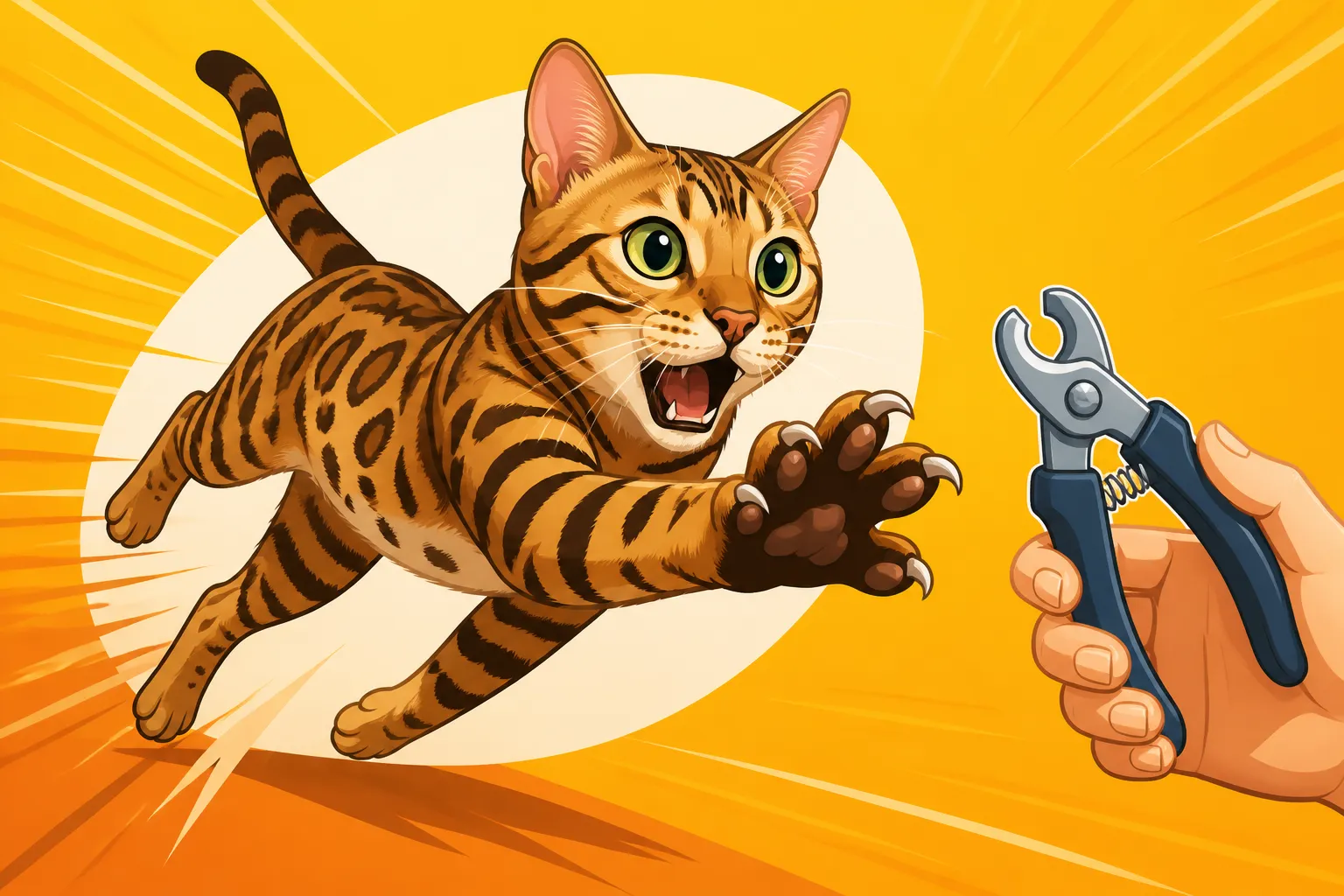
Let's be honest: clipping any cat's nails can be a challenge. But with a Bengal, it often feels like you're attempting to groom a sentient spring-loaded coil. Their high intelligence, boundless energy, and often independent nature can make the simple act of holding them still and clipping their nails an Olympic-level feat. They are masters of escape, distraction, and subtle resistance.
Early attempts at clipping might be met with squirming, vocal complaints, or even attempts to nip. If a kitten isn't desensitized to nail trims from a young age, the process can become incredibly stressful for both cat and owner. Their powerful bodies and quick reflexes mean they can easily pull away, making it difficult to get a clean, safe clip without risking cutting the quick. This "tricky cat" factor means that nail trims often don't happen as frequently or as thoroughly as they should, allowing those fast-growing claws to become even longer and sharper between sessions.
When Professional Help Becomes Necessary
There are times when, despite your best efforts, managing your Bengal's claws becomes overwhelming. Perhaps they're particularly resistant, or you've had a bad experience cutting too close to the quick, making you hesitant to try again. This is where professional help can be a lifesaver, both for your peace of mind and your Bengal's paw health.
Veterinary technicians and professional groomers are skilled in handling even the most spirited felines. They have techniques and tools to safely and efficiently trim nails, often with less stress to the cat than an owner might achieve. They can also inspect the paws for any other issues and offer advice on at-home maintenance. Don't feel like a failure if you need to call in the experts; it’s a responsible choice that ensures your Bengal's claws are kept at a healthy length, preventing potential problems like ingrown nails, snagging, or discomfort when walking. It also means you can maintain a positive relationship with your pet, rather than having grooming become a source of conflict.
Effective Strategies for Managing Bengal Cat Claws
Dealing with a Bengal's fast-growing, formidable claws can feel like an ongoing battle, but with the right approach and consistent effort, it's a manageable part of owning these incredible cats. The key is to be proactive, consistent, and understand what truly works for their unique needs.
The Importance of Regular and Early Clipping
The single most effective strategy for managing your Bengal's claws is regular and consistent clipping, ideally starting when they are kittens. Trying to tackle overgrown, thick nails on an adult Bengal who isn't used to the process is significantly harder.
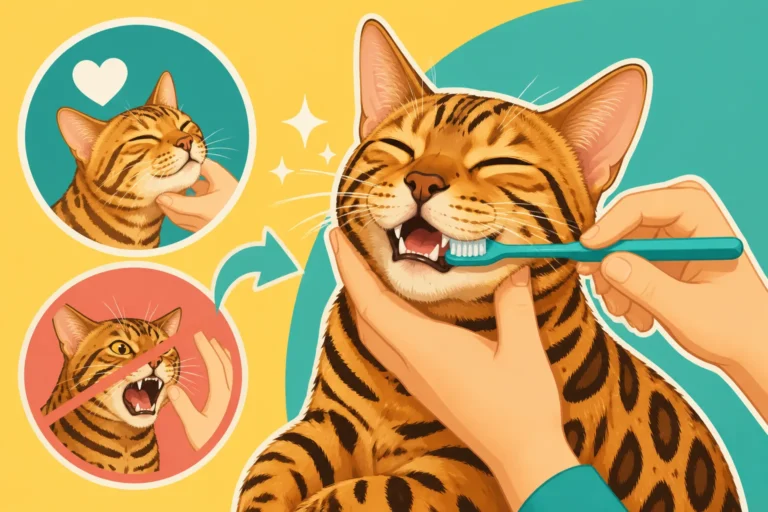
- Start Young: As soon as you bring your Bengal kitten home, begin desensitizing them to paw handling. Gently touch their paws, press on their toe beans to extend their claws, and offer treats. Even if you only trim one or two claws at a time, this early exposure builds positive associations.
- Little and Often: Instead of aiming for a full trim once a month, consider "little and often." Trimming a tiny bit off each nail every week or every few days is often less stressful for your cat and prevents the claws from ever becoming excessively long. This also helps the quick recede over time, allowing you to gradually trim them shorter.
- The Right Tools: Invest in sharp, high-quality cat nail clippers. Dull clippers can crush the nail, causing pain and splintering. A guillotine style or scissor-style clipper can both work, but ensure they are comfortable for you to hold and operate precisely.
Remember, consistency is key. Make it a routine, even if it's a short session, and always reward your Bengal afterward with praise, a favorite treat, or playtime.
Investing in the Right Scratching Solutions
Since your Bengal's instincts drive them to scratch, providing appropriate and irresistible scratching outlets is crucial. This helps satisfy their natural urges and, crucially, helps wear down the outer layers of those rapidly growing claws.
- Tall and Sturdy Posts: Bengals love to stretch and exert force. Your scratching posts must be tall enough for them to stretch to their full height (at least 36-40 inches for an adult Bengal) and exceptionally sturdy so they don't wobble or fall when attacked with enthusiasm. How Tall a Scratching Post a Bengal Cat Needs is a vital consideration.
- Varied Materials: Offer different textures. Sisal rope is a classic, but some Bengals also enjoy sisal fabric, corrugated cardboard, or even wood. Place scratching posts in prominent areas where your Bengal naturally likes to stretch or where they might be tempted to scratch furniture.
- Horizontal Scratchers: Don't forget horizontal options! Some Bengals prefer to scratch on a flat surface. Cardboard scratchers or sisal mats laid on the floor can be very appealing.
- Cat Trees: A good quality cat tree with sisal-wrapped posts provides vertical climbing opportunities and multiple scratching surfaces. This helps channel their energy constructively.
When shopping for scratching solutions, looking at reputable online retailers like Chewy or Amazon can provide a wide array of options and customer reviews from other active cat owners. Investing in multiple, high-quality scratchers is far more cost-effective than replacing damaged furniture, and it's essential for both your Bengal's claw health and your sanity. By providing ample, appropriate scratching spots, you can also How to Save a Sofa From a Bengal Cat.
Exploring Nail Caps and Other Alternatives
Sometimes, even with diligent clipping and excellent scratching posts, those Bengal claws remain a challenge, especially if your cat is prone to aggressive scratching or if regular clipping isn't feasible. In such cases, exploring alternatives can provide a much-needed solution.
- Nail Caps: These are small, soft vinyl caps that are glued over your cat's existing claws. They effectively blunt the sharp tips, preventing damage to furniture and skin. They come in various sizes and colors and typically last 4-6 weeks before needing replacement as the claw grows. Application can be tricky, and some cats tolerate them better than others. It's often a two-person job or best done by a vet tech or groomer initially.
- Emery Boards/Grinders: For cats who absolutely detest clippers but tolerate paw handling, an electric nail grinder or even a strong emery board can be an alternative for smoothing and shortening claws. These tools can be noisy, so desensitization is paramount, but they can offer a gentler way to remove length without the risk of cutting the quick.
- Regular Professional Grooming: As mentioned earlier, if you're struggling, don't hesitate to schedule regular nail trims with a professional groomer or your veterinarian's office. They have the experience and techniques to make the process as stress-free as possible.
It's important to remember that declawing, while an option for some, is widely considered inhumane by veterinary associations and animal welfare organizations due to its painful and debilitating nature. Why a Bengal Cat Should Never Be Declawed is a topic many passionate Bengal owners feel strongly about, and there are far better, kinder ways to manage those powerful claws. With patience, persistence, and the right tools, you can keep your Bengal's claws in check and enjoy a harmonious life together.
| Claw Management Strategy | Pros | Cons | Best For |
|---|---|---|---|
| Regular Clipping | Most effective, promotes quick recession | Requires patience, consistency, risk of cutting quick | All Bengals, especially if started young; owners comfortable with handling paws |
| Tall/Sturdy Scratchers | Satisfies natural instinct, partial wear | May not wear down enough, space commitment | All Bengals, critical for channeling scratching behavior away from furniture |
| Nail Caps | Prevents damage to furniture/skin | Requires reapplication, some cats dislike them | Bengals who cause damage, owners willing to apply caps regularly |
| Professional Trims | Safe, efficient, less owner stress | Cost, convenience, still requires transport | Resistant Bengals, owners uncomfortable with clipping |
| Emery Board/Grinder | Gentler than clippers, smooth finish | Can be noisy, requires desensitization | Bengals who tolerate paw handling but dislike clippers' sensation |
Disclaimer
This article is for general informational purposes only and does not constitute professional advice. Laws, prices and regulations vary by location and change over time. Consult a qualified professional for guidance on your specific situation.