How Much to Put Down for a Bengal Cat at Each Meal
Many Bengal cat parents grapple with the age-old question: how much food is really enough for these bundles of energy? It's easy to worry you're underfeeding or overfeeding, especially with their wild ancestry making them seem like bottomless pits of activity. This guide will walk you through calculating and managing mealtime portions for your Bengal, ensuring they get the right fuel without the guesswork.
Understanding Your Bengal Cat's Unique Caloric Needs
When you look at your Bengal cat, you're not just seeing a beautiful, spotted companion; you're looking at an athletic, high-energy animal whose metabolism often runs hotter than your average domestic shorthair. Their dietary needs reflect this intense activity, and simply guessing at portion sizes can lead to problems down the road, from weight gain to nutrient deficiencies.
The Metabolism of a Mini-Leopard
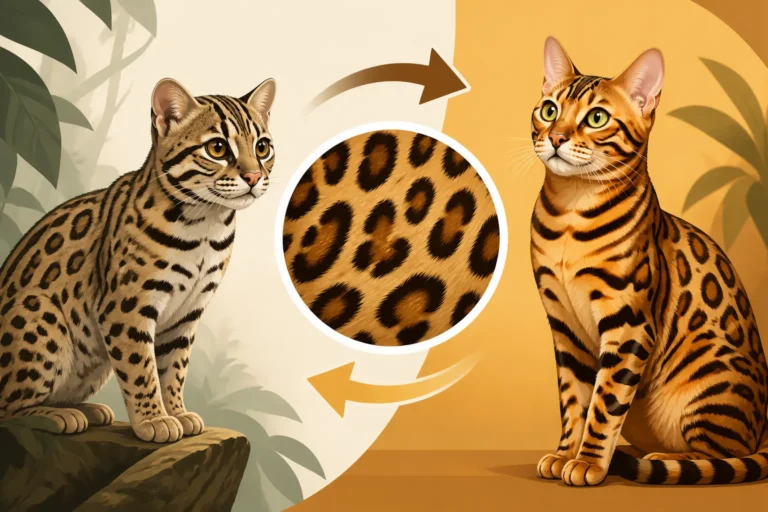
The Bengal cat's wild heritage, stemming from the Asian Leopard Cat, means they're built for speed, agility, and constant motion. This isn't just a quirky personality trait; it's deeply ingrained in their physiology. Unlike some more sedate breeds that might be content napping for 18 hours a day, a Bengal often needs multiple intense play sessions and plenty of environmental enrichment to truly feel satisfied. This constant expenditure of energy means they burn more calories just existing, let alone running laps around your house or climbing every available surface. It's a common frustration for owners to realize that what works for a typical housecat simply doesn't cut it for a Bengal. The Bengal Cat Is the Most Active Cat You Can Own is not an exaggeration – it's a statement of their fundamental nature, and it profoundly impacts their caloric requirements. This isn't a breed you can usually free-feed without consequences, as their drive for activity, combined with food availability, can easily lead to overeating or, conversely, rapid burning through inadequate fuel.
Factors Influencing Daily Calorie Intake
Determining the exact number of calories your Bengal needs isn't a one-size-fits-all equation. Several key factors come into play, and understanding them is crucial for tailoring their diet.
First, age is paramount. A growing Bengal kitten, often a whirlwind of endless motion, requires a significantly higher calorie intake per pound of body weight than an adult cat to support its rapid development and incredible energy levels. They're literally building muscle and bone at an astonishing rate. Conversely, an older Bengal, perhaps over the age of ten, will naturally begin to slow down. While still active compared to many senior cats, their metabolism might not be as blazing, and their activity levels will likely decrease. This means their caloric needs will shift, and overfeeding an aging Bengal can quickly lead to unwanted weight gain and associated health issues. The Age a Bengal Cat Is Considered Senior means their nutritional strategy needs to adapt.
Second, activity level within their age group makes a huge difference. You might have two adult Bengal cats of the same age and weight, but one is a literal parkour champion, scaling bookshelves and terrorizing wand toys for hours, while the other enjoys a vigorous 30-minute play session and then settles down. The parkour champion will naturally burn more calories and require more fuel. Think about it like human athletes versus someone with a desk job; their energy output is vastly different.
Third, spay/neuter status plays a role. Spaying or neutering often leads to a decrease in metabolic rate and can contribute to weight gain if dietary adjustments aren't made. Hormonal changes can make cats less restless and therefore less prone to burning calories naturally.
Finally, existing health conditions can dramatically alter caloric needs. A Bengal recovering from an illness or surgery might need more calories for healing, or a specialized diet to manage a chronic condition like Chronic Diarrhea Is the Bengal Cat Complaint Nobody Warns About. Always consult your veterinarian if your cat has health issues, as they can provide precise guidance.
Calculating a Baseline
Since every Bengal is unique, the best approach is to start with a baseline calculation and then adjust based on your cat's individual response. The first step is to know your Bengal's ideal body weight. Not their current weight, but what they should weigh. A healthy Bengal is lean and muscular, with a tucked-up abdomen and easily palpable ribs (but not visibly protruding). If you're unsure, your vet can help you assess their body condition score. A general guideline is that Bengal males typically weigh a bit more than females, with males usually ranging from 10-15 pounds and females from 8-12 pounds, though this can vary. What a Healthy Bengal Cat Weighs is a crucial piece of information.
Once you have an ideal weight, you can use a general caloric formula. A common starting point for an active, adult cat is around 20-35 calories per pound of ideal body weight per day. This is a wide range because of the varying factors we just discussed.
Let's do a hypothetical:
- Active Adult Bengal (e.g., 12 lbs ideal weight):
- Lower end (moderate activity): 12 lbs * 25 calories/lb = 300 calories/day
- Higher end (very active): 12 lbs * 35 calories/lb = 420 calories/day
For kittens, the range can be much higher, sometimes up to 40-50 calories per pound, especially during rapid growth phases. Senior cats might drop to 20 calories per pound or even less, depending on their activity and health.
Remember, this is merely a starting estimate. The most important thing is to monitor your cat's condition over time. Is their weight stable? Are they maintaining their muscle mass? Do they have good energy levels? These observations are far more important than hitting a precise number. How Many Calories a Cat as Active as a Bengal Burns can give you more insight into their energy expenditure.
Portioning Meals: Wet, Dry, and Raw Considerations
Once you have a daily caloric target, the next step is to translate that into actual food portions. This varies significantly depending on the type of food you're offering. Most commercial cat foods will have a "feeding guide" on the packaging, but always remember these are general guidelines based on an average cat, not necessarily an exceptionally active Bengal.
The Wet Food Advantage
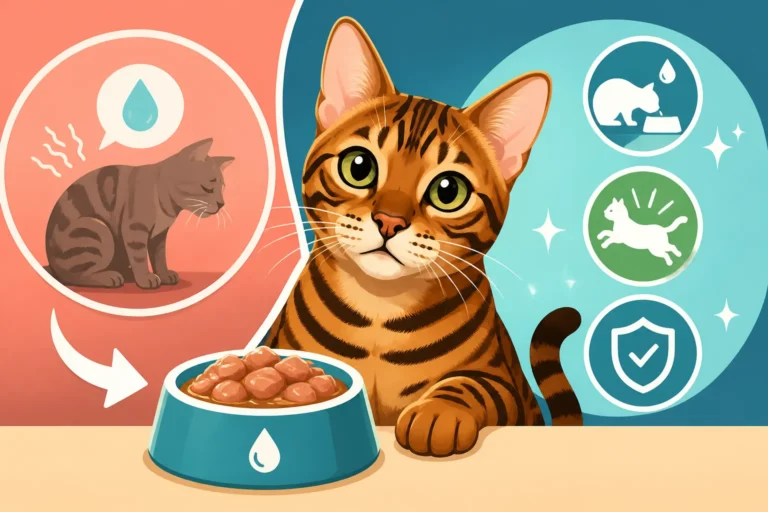
For many Bengal cats, wet food is an excellent choice for several reasons. Primarily, it offers superior hydration, which is vital for feline health, especially kidney function. Cats are not naturally big drinkers, often getting most of their moisture from prey in the wild, and wet food helps mimic this. Secondly, wet food often has a lower calorie density per volume compared to dry kibble. This means you can typically offer a larger, more satisfying portion for the same number of calories. This can be particularly beneficial for Bengals who enjoy feeling full but don't need excessive calories.
When choosing wet food, look for high-quality options that list meat as the first ingredient and are low in carbohydrates. Gravy-style wet foods can be higher in carbs, so pâté or chunky meat-in-broth options are often better. To figure out the portion, check the caloric content on the can or pouch (usually listed as kcal/can or kcal/100g). If your Bengal needs 350 calories a day, and a can contains 100 calories, you'd feed 3.5 cans. It sounds like a lot, but it ensures they get enough moisture and feel satisfied. Many high-quality wet foods can be found on platforms like Chewy, offering a vast selection and often detailed nutritional information.
Navigating Dry Kibble
Dry kibble is often the most convenient and economical choice for many pet owners, but it requires careful management for a Bengal cat. The biggest challenge with dry food is its high calorie density. A small scoop can pack a surprising number of calories, making it very easy to overfeed. It also lacks the moisture content of wet food, necessitating that your Bengal drinks plenty of water, perhaps from a fountain.
If you choose to feed dry kibble, precise measurement is absolutely crucial. Do not "eyeball" it or just fill the bowl. Use a standard measuring cup and, ideally, weigh the food on a kitchen scale to ensure accuracy, as measuring cups can be imprecise due to variations in kibble shape and density. For example, if your Bengal needs 350 calories a day, and their dry kibble contains 400 calories per cup, you would feed 0.875 cups (350/400).
Leaving a bowl of dry kibble out all day for a Bengal is generally not recommended. Their high activity can lead to them grazing excessively out of boredom or genuine hunger, often resulting in weight gain. If your Bengal tends to gulp down dry food too quickly, consider using a slow feeder bowl or puzzle feeder. These not only slow down consumption but also provide mental enrichment, which is invaluable for an intelligent Bengal. You can find a wide range of these on Amazon.
Raw Feeding Portioning
Raw feeding for Bengal cats is a topic with passionate advocates and detractors, and it requires a significant commitment to get right. The premise is to mimic the natural diet of a wild cat, consisting of raw meat, organs, and bones. While some breeders and owners swear by its benefits for Bengal health and coat, it's not without its complexities and risks if not done properly.
If you opt for a raw diet, accurate portioning is even more critical, as nutritional imbalances can have serious consequences. Raw feeding guidelines usually revolve around feeding a certain percentage of your cat's ideal body weight daily, typically 2-4% for adults, with kittens needing much more. So, a 10-pound Bengal might get 0.2 to 0.4 pounds (about 3.2 to 6.4 ounces) of raw food per day. However, this percentage varies based on the fat content of the raw mix, the cat's activity, and whether it's a complete, balanced raw diet.
It's essential to source high-quality, human-grade ingredients or use commercially prepared, balanced raw diets from reputable brands. Some fresh, human-grade pet foods offer pre-portioned options or clear guidelines for customized portions, making it easier for owners to manage. Always consult with a veterinary nutritionist experienced in raw feeding or your trusted vet if you are considering this path. Homemade raw diets require careful calculation of nutrient ratios, including vital supplements like taurine, to prevent deficiencies.
| Food Type | Typical Calorie Density | Key Considerations for Portioning |
|---|---|---|
| Wet Food | Lower (e.g., 85-150 kcal per 3 oz can) | Excellent hydration, satisfying volume, check kcal per can/serving. |
| Dry Kibble | Higher (e.g., 350-500 kcal per cup) | Very easy to overfeed, precise measurement (weighing) essential, lower moisture. |
| Raw Food | Variable (depends on meat/fat content) | Often based on % of body weight, requires careful balancing, can be time-intensive. |
The Practicalities of Mealtime Management
Once you've calculated your Bengal's daily caloric needs and chosen their food type, the next step is to implement a practical feeding schedule. This isn't just about getting food into their bowl; it's about managing their energy, supporting their digestion, and preventing unwanted behaviors.
Dividing Daily Intake into Multiple Meals
For an active, high-metabolism cat like a Bengal, splitting their total daily caloric intake into multiple smaller meals is generally much more beneficial than offering one or two large meals. Think about it: a wild cat eats small, frequent meals throughout the day as they hunt. This approach aligns better with their natural digestive system and helps maintain steady blood sugar levels, which is crucial for their boundless energy.
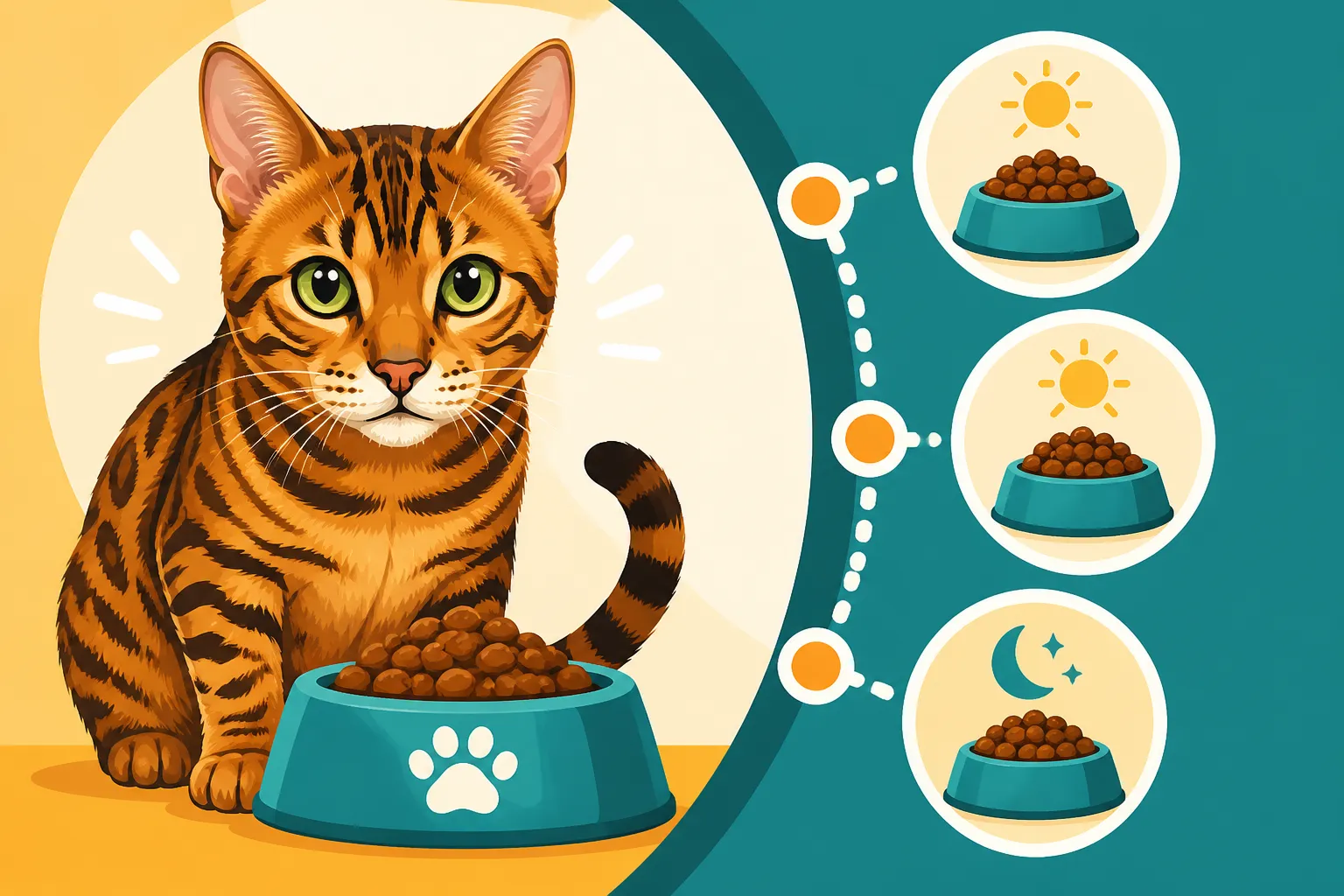
Many Bengal owners find success with three meals a day, or even four for very active individuals or kittens. For example, if your Bengal needs 360 calories a day, you might give them 120 calories at breakfast, 120 calories at lunch (or a mid-day snack if you're home or use an automatic feeder), and 120 calories at dinner. This prevents them from getting overly hungry between meals, which can lead to rapid eating, vomiting, or even food-seeking behaviors that seem like begging. It also helps them avoid the "crash" that can come from a single large meal being quickly metabolized by their fast-burning engines. Regularly timed meals can also help establish a routine, which can be surprisingly comforting for these intelligent creatures. Why a Bengal Cat Does Better on Three Meals delves deeper into this benefit.
Tools for Accurate Measurement
I can't stress this enough: accuracy is your best friend when portioning cat food. "Eyeballing" is a recipe for disaster, especially with high-calorie dry kibble.
- Kitchen Scale: This is the gold standard for accuracy, particularly for wet food, raw food, or dry kibble that doesn't provide precise cup measurements. Weighing ensures you're giving the exact amount of food for the caloric intake you've calculated. You can find affordable and reliable kitchen scales on Amazon or at any home goods store. Place the bowl on the scale, zero it out, and then add the food until you reach your target weight.
- Standard Measuring Cups: If you're using dry kibble with clear cup-based caloric information, use standard kitchen measuring cups (1/4 cup, 1/2 cup, etc.), not a random scoop that came with the food bag. Level off the kibble, don't pack it down.
- Automatic Feeders: For owners who are out during the day, a timed automatic feeder can be a lifesaver. These devices dispense pre-set portions at specific times, ensuring your Bengal gets their mid-day meal even when you're not home. Many models allow for multiple small meals throughout the day and can be a great way to manage portions, especially for dry food. Just be sure to test it with your Bengal – some clever Bengals might try to break into them!
Adjusting Portions Based on Observation
Even with all the calculations, the most important tool you have is your own observation. Your Bengal's body will tell you if your portioning is correct.
- Weight Monitoring: Weigh your Bengal regularly, perhaps once a month, using a pet scale or by weighing yourself, then holding your cat and subtracting your weight. Are they maintaining their ideal weight? Are they gaining or losing unexpectedly? A slight fluctuation is normal, but a consistent trend requires adjustment.
- Body Condition Score: Beyond just weight, assess their body condition. Can you easily feel their ribs without seeing them? Do they have a noticeable waist when viewed from above? Is their tummy tucked up? If their ribs are too prominent, they might need more food. If you can't easily feel their ribs or they have a sagging belly, they likely need less.
- Energy Levels: Is your Bengal still the energetic dynamo you know and love? While some cats naturally slow down with age, a sudden or consistent drop in energy (beyond normal nap times) could indicate underfeeding. Conversely, if they seem excessively restless and constantly begging for food even after meals, it could signal they aren't feeling satisfied or are seeking enrichment.
- Coat Condition and Stool Quality: A shiny coat and firm, consistent stools are indicators of good nutrition. Dry, flaky skin, dull coat, or persistent loose stools could be a sign that their diet (or the quantity of it) isn't quite right. What a Bengal Cat's Yearly Bloodwork Should Cover can also provide insights into their overall health status.
It's a continuous process of observation and fine-tuning. If you notice significant changes or are unsure, always consult your veterinarian. They can rule out any underlying health issues and provide personalized dietary advice tailored to your Bengal's specific needs.
Common Pitfalls and Troubleshooting
Even with the best intentions and careful calculations, feeding a Bengal cat can present some unique challenges. Their intelligence, energy, and sometimes demanding personalities can lead to situations where owners feel like they're constantly battling mealtime woes.
The Bored Bengal and Food Seeking
One of the most common pitfalls with Bengal cats is mistaking boredom or a need for mental stimulation for genuine hunger. Because they are so incredibly clever and active, a Bengal with insufficient enrichment can become restless, and this restlessness often manifests as persistent food-seeking behavior. They might follow you to the kitchen, yowl incessantly, or even try to open cabinets in search of snacks. The Bengal Cat Voice Is a Demand, Not a Greeting is a testament to how vocal they can be when they want something!
It's easy to fall into the trap of giving them more food to quiet them, but this usually leads to unnecessary weight gain without addressing the root cause. If your Bengal seems constantly "hungry" despite receiving appropriate portions, first rule out genuine hunger, then consider their daily enrichment. Are they getting enough dedicated play time? Do they have access to vertical spaces to climb, like tall cat trees or wall shelves? Are there puzzle feeders or interactive toys to engage their minds? A tired Bengal is often a quiet, satisfied Bengal. Redirect their energy with a vigorous play session using a wand toy or scatter their kibble in different locations for a "hunt" rather than just topping up the bowl. A busy Bengal is less likely to constantly demand food. How Much Enrichment a Bengal Cat Actually Needs is probably more than you think.
Dealing with Multiple-Cat Households
If you have more than one cat, especially if one is a Bengal and the other is a less active breed, mealtimes can become a delicate dance. Bengals are often assertive and can be prone to eating other cats' food, leading to an overweight Bengal and an underfed housemate. This can also create stress and tension within the household.
To avoid this, dedicated and separate feeding areas are a must.
- Physical Separation: Feed your Bengal and other cats in separate rooms with closed doors. This ensures each cat can eat at their own pace without competition or intimidation.
- Timed Feeders: As mentioned before, automatic feeders can be programmed for specific times and portions. Some advanced feeders even use microchip or RFID technology to only open for a specific cat, which is incredibly useful in multi-cat homes to prevent food theft.
- Elevated Feeding: If you have a less agile senior cat, you might place their bowl on a raised surface that the athletic Bengal can easily jump to but might not bother with if there's an easier option for them. However, for a truly determined Bengal, this might just be another challenge!
- Supervised Meals: If all else fails, simply supervise meal times. Put down the food, stay with them, and remove the bowls as soon as they are finished, preventing any food swapping.
When to Consult Your Vet
While this guide provides a solid framework for portioning your Bengal's meals, there are times when professional veterinary advice is indispensable. You should always consult your vet if you observe any of the following:
- Sudden or unexplained weight changes: Rapid weight gain or loss without a change in diet or activity level can indicate an underlying health issue.
- Persistent digestive problems: Chronic diarrhea, vomiting, or changes in stool consistency that don't resolve with minor dietary adjustments need a vet's attention. Why a Bengal Cat's Gut Is So Sensitive means they can be prone to these issues.
- Changes in appetite or thirst: A sudden loss of appetite or a dramatic increase in thirst could signal a medical problem.
- Lethargy or changes in behavior: While it's normal for cats to have quieter days, sustained lethargy, hiding, or aggressive behavior related to food should be investigated.
- If you're considering a significant diet change: Especially if moving to a raw diet or a therapeutic diet, your vet or a veterinary nutritionist can guide you on nutritional completeness and safety.
- Concerns about body condition: If you're struggling to assess your Bengal's ideal weight or body condition, your vet can provide an objective evaluation and help you set realistic goals.
Remember, your veterinarian is your partner in keeping your Bengal cat healthy. Don't hesitate to reach out if you have any doubts or concerns about their diet or overall well-being. A well-fed Bengal is a happy, energetic companion ready to charm and challenge you for years to come.
Disclaimer
This article is for general informational purposes only and does not constitute professional advice. Laws, prices and regulations vary by location and change over time. Consult a qualified professional for guidance on your specific situation.