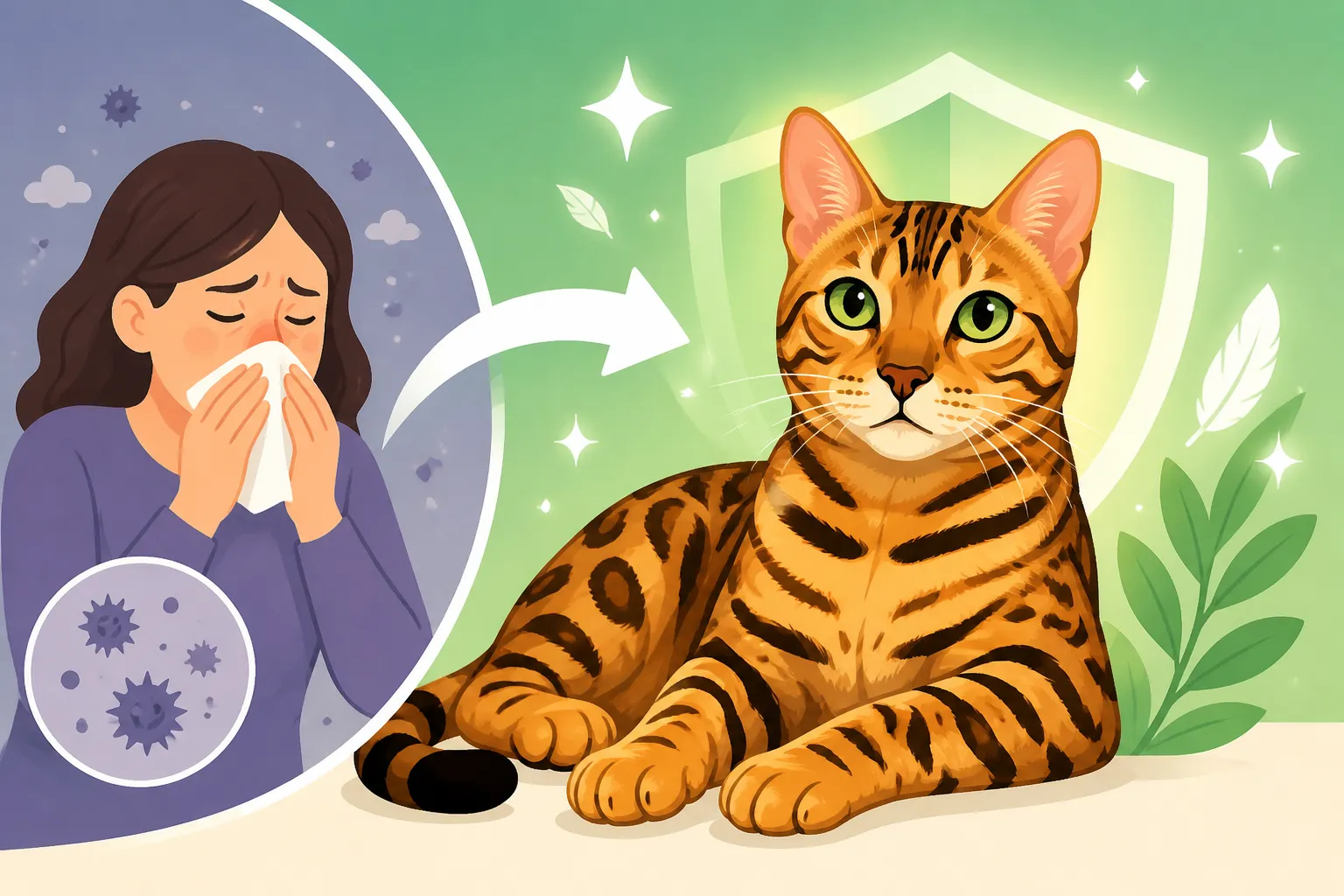
Why People Think a Bengal Cat Is Easier on Allergies
It's a common and deeply frustrating experience: you adore cats, but your body just doesn't agree. The sneezing, the itchy eyes, the constant sniffles – it can make living with a feline friend feel impossible. Many cat lovers, desperate for a solution, hear whispers about certain breeds being "hypoallergenic," and the Bengal cat often comes up in those conversations. This guide is here to unravel the truth behind these claims, explain why this misconception persists, and offer realistic advice for managing cat allergies if a Bengal has captured your heart.
The Allure of the "Hypoallergenic" Myth for Bengal Cats
The idea of a cat that doesn't trigger allergies is incredibly appealing, especially for those of us who grew up wishing we could cuddle every kitty we met without consequence. For years, people have sought out specific breeds, clinging to the hope that their unique coat or perceived lack of shedding would offer a reprieve from allergic reactions. The Bengal cat, with its striking, short, and often "pelt-like" coat, is frequently caught in this hopeful spotlight. It’s easy to see why the myth gained traction; their fur feels so different, surely it must be better for allergies, right?
The truth, however, is a bit more complex than just fur length or texture. The term "hypoallergenic" itself is a bit of a misnomer in the pet world, as it implies a complete absence of allergens, which simply isn't the case for any cat. It's more accurate to think of "low-allergen" or "allergy-friendly," but even then, it's about managing expectations and understanding the root cause of the problem. This longing for a "miracle cat" often leads prospective owners down a path of misinformation, which can ultimately result in disappointment or even the heartbreaking decision to rehome a beloved pet.
Understanding the True Cause of Cat Allergies
When someone says they're "allergic to cats," they're not actually allergic to the fur itself. This is one of the biggest misconceptions out there, and it's precisely why some breeds get unfairly labeled as hypoallergenic. What people are actually reacting to is a specific protein, primarily Fel d 1, which is found in a cat's saliva, urine, and dander (dead skin flakes). When a cat grooms itself, it spreads this protein from its saliva onto its fur. As the fur dries and sheds, and as dander flakes off, these tiny protein particles become airborne and settle on surfaces throughout your home.
This Fel d 1 protein is incredibly potent and lightweight, meaning it can stay suspended in the air for extended periods and is easily inhaled, triggering allergic reactions in sensitive individuals. Think about it: a cat doesn't even need to be in the room for you to start feeling those familiar allergy symptoms if the protein is lingering in the air or on furniture. This is why even a cat with very short hair or one that sheds minimally can still cause significant issues for an allergy sufferer. It's not the hair, but what's on the hair, and what's in the environment around the cat.
Why the Bengal Cat's Coat Seems Different
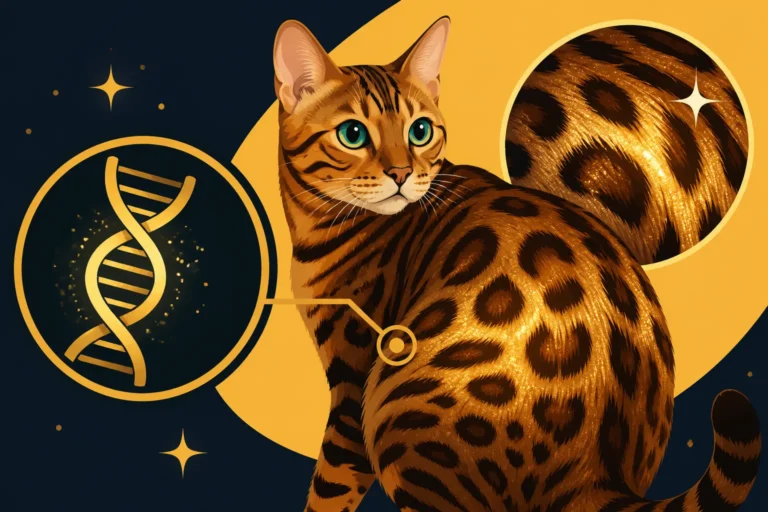
Bengal cats are famous for their luxurious, short, and incredibly soft coats. Many owners describe it as feeling like a "pelt" rather than traditional fur, often with a unique sheen known as "glitter." This distinctive texture is actually one of the reasons why the misconception about their hypoallergenic qualities arose. Their fur lies very flat against their bodies and has very little undercoat compared to many domestic breeds. This structural difference means that Bengals tend to shed less visibly than, say, a fluffy Maine Coon or a long-haired Persian.
Because they appear to shed less, people often assume that fewer allergens are being released into the environment. It's a logical leap, if you don't know the full science behind cat allergies. The smooth, almost silken quality of their fur is undeniably beautiful and contributes to their exotic appeal. However, a coat that sheds less hair doesn't necessarily mean it releases less dander or less Fel d 1 protein. The perceived difference in shedding and coat texture is a significant driver of the "allergy-friendly" myth, despite the scientific reality being quite different. You might find it interesting to learn more about A Bengal Cat's Coat Is a Pelt, Not Fur.
Deconstructing the Bengal Cat's "Hypoallergenic" Claims
The claim that Bengal cats are hypoallergenic is simply not supported by scientific evidence. While it's true that individual cats, regardless of breed, might produce slightly less Fel d 1 protein than others, there's no inherent genetic trait in the Bengal breed that universally reduces their allergen output. It's a common mistake to generalize based on anecdotal evidence or wishful thinking, but when it comes to allergies, it's crucial to rely on facts.
Many people have brought a Bengal cat home, hoping for a miracle, only to find their allergies flaring up just as badly as with any other cat. This can be truly devastating for both the owner and the cat, highlighting the importance of understanding the facts before making such a significant commitment. While their wild looks might suggest something different from a typical housecat, their biology, in terms of allergen production, is very much the same.
The Role of Shedding in Allergy Perceptions
The primary reason many people mistakenly believe Bengal cats are hypoallergenic is due to their shedding patterns. As mentioned, Bengal cats do tend to have a shorter, denser coat with less undercoat, which results in less visible shedding compared to many other breeds. When you run your hand over a Bengal, you don't typically come away covered in a cloud of loose hair. This observation naturally leads people to conclude that if there's less hair, there must be fewer allergens.
However, as we discussed, cat allergies aren't primarily caused by the hair itself, but by the Fel d 1 protein found in dander and saliva. Even if a Bengal cat sheds less hair, it still produces dander and grooms itself, spreading saliva onto its coat. The protein particles are so microscopic that they become airborne regardless of how much visible hair is shed. So, while you might find less cat hair on your sofa cushions with a Bengal, you could still be surrounded by the very allergens that trigger your reactions. This difference in shedding is a major factor in the public perception of the Bengal cat's allergy-friendliness. If you want to dive deeper into their unique coat, check out How Little a Bengal Cat Sheds for a Shorthair.
The Real Factor: Fel d 1 Protein Production
At the heart of cat allergies is the Fel d 1 protein. Every cat produces this protein, though the amount can vary from cat to cat, even within the same breed. There are some breeds, such as Siberian cats, that anecdotally produce less Fel d 1, but this is not a guaranteed trait, and individual testing would be needed to confirm. For Bengal cats, there's no scientific consensus or genetic evidence to suggest they inherently produce less Fel d 1 than the average domestic cat. This means that while you might encounter an individual Bengal that happens to have lower Fel d 1 levels, you cannot assume this for the entire breed.
Factors like a cat's sex (males tend to produce more than females, especially unneutered males), age, diet, and even hormone levels can influence the amount of Fel d 1 they produce. Therefore, relying on the "hypoallergenic" label for a Bengal cat is a gamble. It’s like buying a lottery ticket hoping it will solve your allergy problems. For some, they might get lucky, but for many, the reality is a stark reminder that the allergen is still very much present. It’s important to understand Whether the Bengal Cat Hypoallergenic Claim Holds Up before making any decisions.
Managing Allergies When Living with a Bengal Cat
If you're an allergy sufferer and still dream of sharing your home with a beautiful Bengal cat, don't despair entirely. While they aren't truly hypoallergenic, there are many proactive steps you can take to significantly reduce allergen levels in your home and manage your symptoms. It requires commitment and a multi-faceted approach, but for many, it can make the difference between an impossible situation and a manageable one.
The key is to create an environment where the Fel d 1 protein has fewer places to accumulate and is removed more effectively. This often means a change in lifestyle and home maintenance habits, but the reward of a loving feline companion can be well worth the effort. Remember, consistency is crucial for these strategies to be effective.
Practical Strategies for Allergy Sufferers
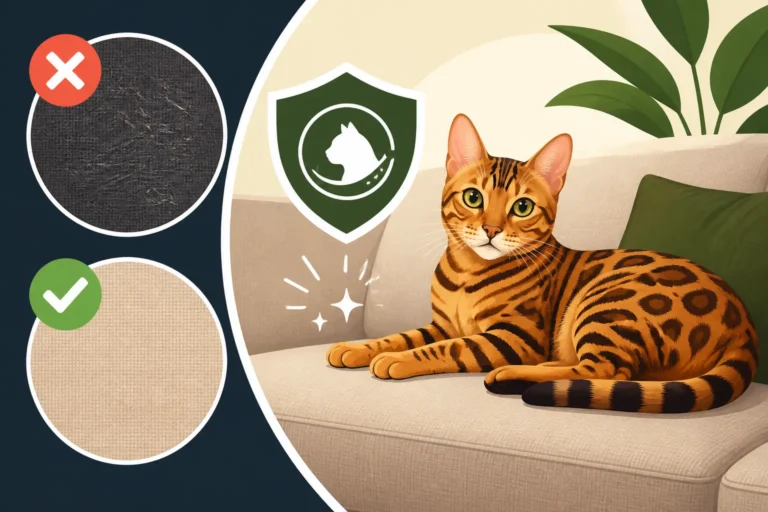
First and foremost, keep your cat out of your bedroom. This might sound harsh, but it's one of the most effective ways to ensure you have an allergen-free sanctuary where you can get a good night's sleep. Think of it as your safe zone. Secondly, invest in a high-quality HEPA air purifier for key living areas, running it continuously to filter out airborne allergens. Regular cleaning is also paramount: vacuum frequently with a HEPA-filter vacuum cleaner, and wipe down hard surfaces daily to remove settled dander. Consider replacing carpets with hard flooring, as carpets are notorious traps for allergens.
You'll also want to rethink your grooming routine – or rather, your cat's grooming routine. While Bengal cats require little brushing from a coat maintenance perspective, regular wiping with a damp cloth or specialized pet wipes can help remove loose dander and saliva from their fur before it becomes airborne. You could even consider bathing your Bengal regularly if they tolerate it well, as this can significantly reduce surface allergens, though getting a Bengal to agree to regular baths can be a feat! You might find that some Bengal cats even enjoy water, which can be an advantage. For grooming needs, Which Brush a Bengal Cat Will Tolerate might be a good read. Products like pet dander sprays (available on platforms like Chewy or Amazon) can also help neutralize allergens on furniture and fabrics.
Seeking Professional Advice and Testing
Before you even consider bringing a Bengal cat home, especially if you have severe allergies, it's highly recommended to spend time with Bengal cats (or any cat) in a controlled environment to gauge your reaction. Visit a reputable breeder's home (if they are open to it and take appropriate precautions), or spend time at a cat café if one is available nearby. Be honest with breeders about your allergies; a responsible breeder will understand your concerns and may even let you interact with their cats for an extended period to see how you react.
For serious allergy sufferers, a visit to an allergist is an absolute must. They can perform specific tests to confirm your allergy to Fel d 1 and discuss medication options, such as antihistamines, nasal sprays, or even allergy shots (immunotherapy), which can significantly reduce your symptoms over time. Combining these medical strategies with environmental controls at home offers the best chance for successful cohabitation with a beloved Bengal. Always prioritize your health and well-being, and remember that sometimes, despite our best efforts, a particular pet might not be the right fit for our health needs. Even with all the best intentions, if you’re concerned about health costs down the line, researching What a Bengal Cat's DNA Panel Costs and What a Bengal Cat's First Echo Costs can be helpful.
Disclaimer
This article is for general informational purposes only and does not constitute professional advice. Laws, prices and regulations vary by location and change over time. Consult a qualified professional for guidance on your specific situation.