A Bengal Cat’s Coat Is a Pelt, Not Fur
If you're accustomed to the soft, fluffy fur of a typical domestic cat, preparing to welcome a Bengal cat into your home often comes with a surprising revelation: their coat feels entirely different. It's not just a matter of texture; there's a fundamental distinction that sets the Bengal apart. This guide will delve into what makes a Bengal cat's coat a true "pelt" rather than mere fur, exploring its unique characteristics, care requirements, and how this striking feature developed.
The Unique Structure of a Bengal Cat's Coat: Pelt Versus Fur
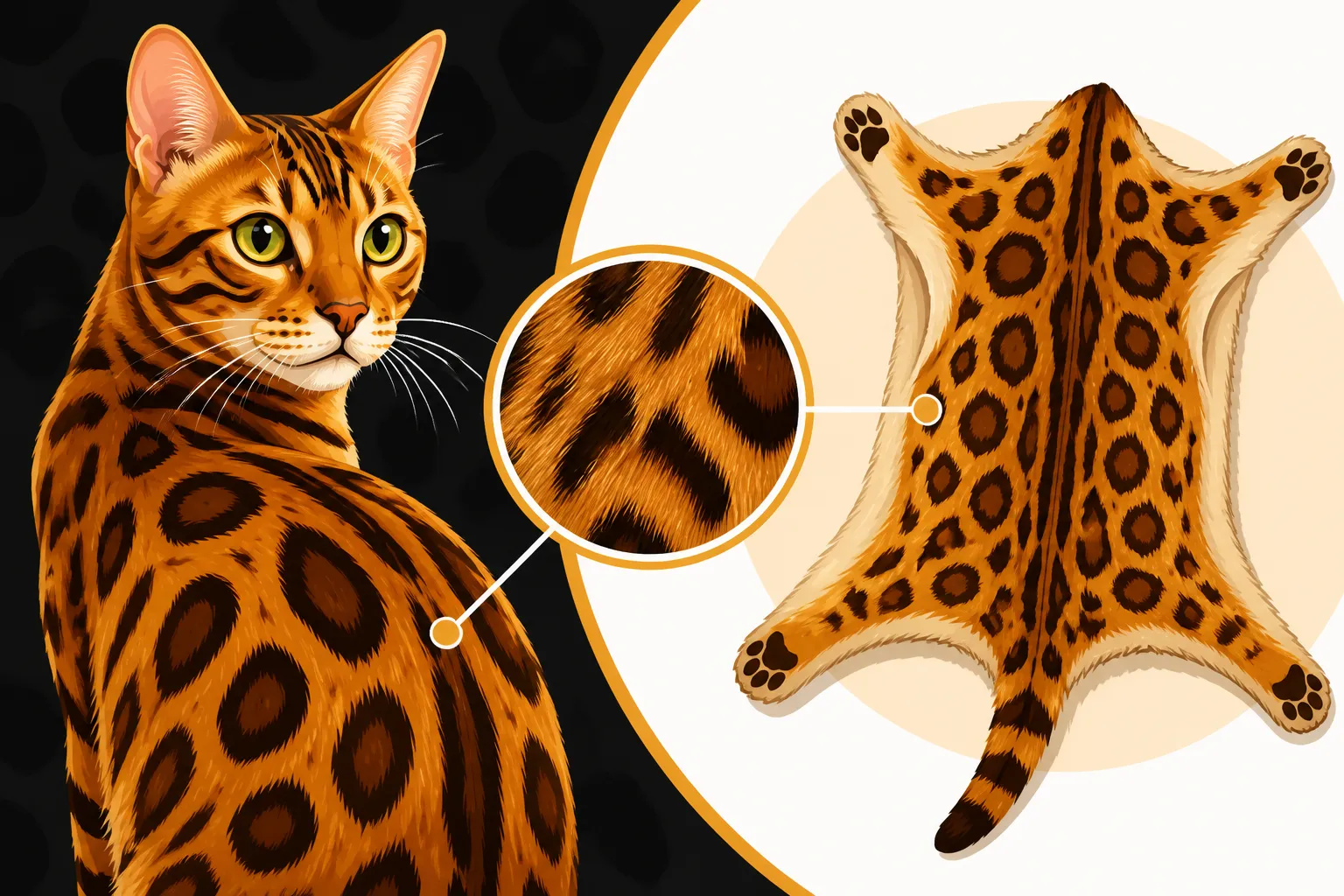
When you first stroke a Bengal cat, you might find yourself doing a double-take. The sensation is often described as feeling like silk, velvet, or even a chinchilla's coat. This isn't just a subjective experience; it's due to the unique structure of their hair shafts and the overall density of their coat. Unlike many domestic cats with a thick undercoat and coarser guard hairs, the Bengal's coat is designed for a different purpose, echoing its wild ancestry.
Why a Bengal Cat's Coat Feels Like Nothing Else
The distinctive feel of a Bengal's coat comes down to several factors. Firstly, their individual hairs are incredibly short and dense. When you run your hand over them, you don't encounter the usual resistance or fluffiness associated with a typical cat's fur. Instead, your hand glides smoothly, almost as if you're stroking finely woven fabric. This density creates a plush, substantial feeling without being thick or heavy.
Secondly, the texture is often attributed to the individual hair shafts being thinner and softer than those of many other breeds. There's also a lack of a significant undercoat, which means there isn't a layer of fine, downy hair contributing to bulk. This combination gives the coat a sleek, close-lying quality that truly earns it the description of a "pelt." It’s an immediate, tactile difference that highlights their wild roots. You'll quickly understand why owners say Why a Bengal Cat's Coat Feels Like Silk.
The Asian Leopard Cat Connection: Inherited Wild Traits
The reason for this unique coat structure traces directly back to the Bengal cat's wild ancestor, the Asian Leopard Cat (ALC). ALCs are native to various habitats across Asia, from dense forests to mountainous regions. Their coats are adapted for camouflage and protection in these environments, requiring a sleek, water-resistant quality that doesn't hinder movement through undergrowth or get easily snagged.
When the Asian Leopard Cat was first crossed with domestic cats to create the Bengal breed, this distinctive coat characteristic was one of the traits that breeders aimed to retain. The goal was to create a domestic cat that looked and felt wild, and the pelt-like coat was a crucial part of that vision. This heritage means that even many generations removed from their wild ancestors, Bengal cats still carry the genetic blueprint for this incredible coat. It’s a constant reminder of What an Asian Leopard Cat Is Behind Every Bengal Cat.
The Allure of Glitter: What It Is and Where It Comes From
Beyond the unique texture, many Bengal cats possess another stunning coat feature: "glitter." This isn't something added to their coat, but rather an intrinsic quality that makes their fur shimmer, especially in natural light. It adds another layer of wild beauty and is a highly sought-after trait among enthusiasts.
What the Glitter Gene Does to a Bengal Cat's Coat
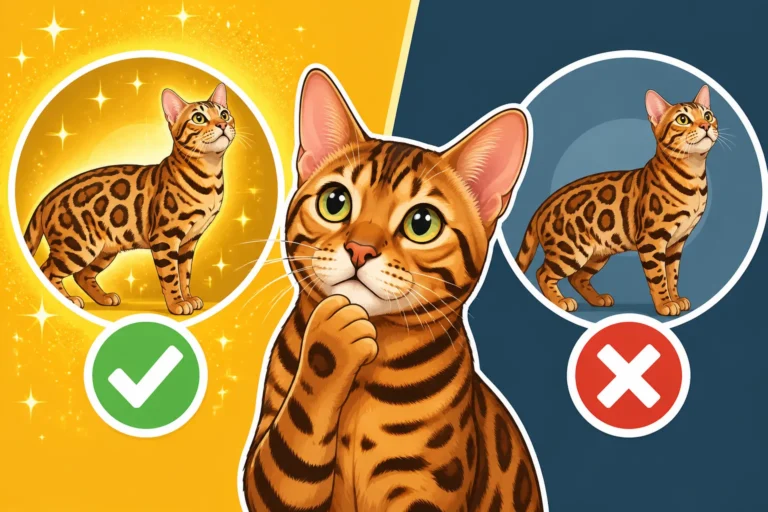
"Glitter" in a Bengal cat's coat refers to a specific genetic trait that causes the individual hair shafts to be translucent and hollow. This unique structure allows light to pass through the hair, reflecting off the inner core and creating a shimmering, iridescent effect. It's not visible under every lighting condition, but when the sun hits a glittered Bengal, it truly looks as though someone has sprinkled them with golden or silver dust.
This isn't a surface coating or a trick of the eye; it's part of the hair itself. The degree of glitter can vary from a subtle sheen to an almost metallic sparkle, and it adds an incredible depth and richness to their overall appearance. The effect is particularly striking on Brown Bengals, where it can make their rosettes appear to pop even more, giving them a truly regal look. You can really see How Glitter Looks on a Brown Bengal Cat.
Is Every Bengal Cat Glittered?
While glitter is a highly desirable trait and often associated with the Bengal breed, not every Bengal cat possesses it. The presence of glitter is determined by specific genes, and while many reputable breeders strive to incorporate this trait into their lines, it's not a universal characteristic. Some Bengals might have a duller coat without any noticeable shimmer, and this doesn't make them any less of a Bengal cat or diminish their health or personality.
The glitter gene is just one of the many genetic markers that contribute to the Bengal's unique appearance. It's often seen as a mark of quality in show lines, but for a pet owner, whether your Bengal has glitter or not is purely a matter of aesthetic preference. The overall health and temperament of the cat are far more important considerations. It’s fascinating to learn about What the Glitter Gene Does to a Bengal Cat.
Shedding and Grooming: The Low-Maintenance Advantage
One of the most appealing aspects of the Bengal cat's pelt-like coat, especially for those who appreciate a clean home, is its low-maintenance nature. Compared to many other cat breeds, Bengals are remarkably light shedders and require minimal grooming, making them a fantastic choice for busy households or those who prefer less pet hair.
Why the Short, Dense Coat Sheds So Little
The reasons behind the Bengal's minimal shedding are directly linked to its unique coat structure. As mentioned, they have a very short, dense coat with little to no undercoat. This means there's simply less hair to shed compared to breeds with longer hair or thick double coats. The individual hairs are also quite sturdy, and they tend to stay rooted for longer.
When Bengals do shed, the hairs are so fine and short that they are often less noticeable than the longer, coarser hairs of other breeds. They don't form the pervasive "dust bunnies" or cling to furniture and clothing in the same way. This is a huge relief for many owners who have previously dealt with constant vacuuming and de-linting. It's truly impressive How Little a Bengal Cat Sheds for a Shorthair.
Tools and Techniques for the Occasional Brush
Despite their low shedding, a Bengal cat's coat can still benefit from occasional grooming, both for hygiene and to maintain its lustrous appearance. However, you won't need an arsenal of brushes or daily sessions. A weekly or bi-weekly brush is usually more than sufficient.
Here's what you'll need:
- A rubber curry brush or grooming glove: These are excellent for removing loose hairs and stimulating the skin without being too harsh. The rubber nubs gently massage the skin and trap loose fur. You can find many options on sites like Amazon or Chewy.
- A fine-toothed comb (optional): For Bengals with slightly longer or denser coats, a fine comb can help to remove any trapped debris or dander, though it's rarely necessary for detangling.
- A damp cloth: A quick wipe-down with a damp cloth can help to remove any surface dust and bring out the natural sheen of their glittery coat.
The key is to make grooming a positive experience. Start short, offer treats, and praise your cat. Most Bengals are quite tolerant of brushing, especially if they're introduced to it early, because it's usually a gentle process. You might even find that some Bengals enjoy it, as it's a form of bonding and attention. Learning How Much a Bengal Cat Enjoys Being Groomed is important for building that bond.
Bengal Coats and Allergies: Debunking the Hypoallergenic Myth
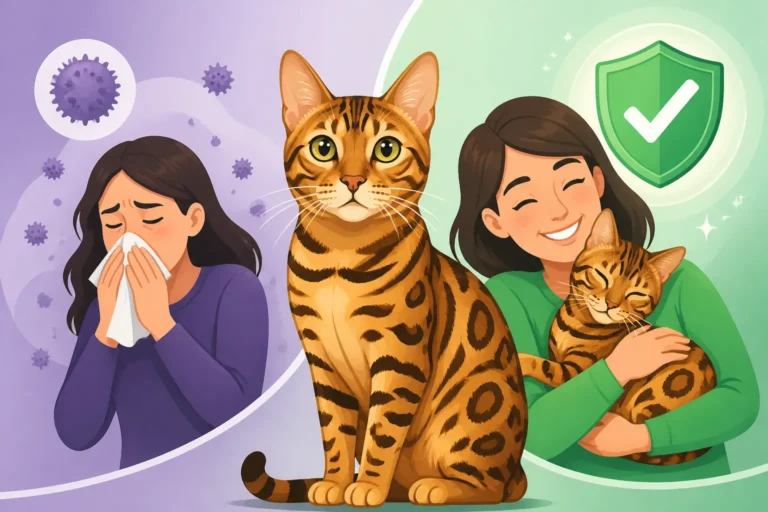
A common misconception circulating about Bengal cats is that they are "hypoallergenic" or a good choice for people with cat allergies. While it's true that some individuals with mild allergies may find them more tolerable than other breeds, it's crucial to understand that no cat is truly 100% hypoallergenic. The science behind cat allergies is complex, and it's not just about shedding.
What Causes Cat Allergies
Cat allergies are primarily caused by proteins found in a cat's saliva, urine, and dander (dead skin flakes). The most common culprit is a protein called Fel d 1, which cats produce naturally. When a cat grooms itself, saliva containing this protein dries on their fur and dander, becoming airborne and triggering allergic reactions in sensitive individuals.
It's not the fur itself that people are allergic to, but rather the proteins that adhere to it. So, while a low-shedding cat might distribute less of these allergens around the house, they still produce them. This is why a Bengal cat, despite its unique coat, can still cause an allergic reaction in someone with moderate to severe cat allergies.
Why Some People Think Bengal Cats Are Hypoallergenic
The idea that Bengal cats are hypoallergenic likely stems from two key characteristics:
- Low Shedding: Because Bengals shed so little, less dander-laden fur is released into the environment. This means there might be fewer airborne allergens compared to a heavy-shedding breed, which could reduce symptoms for people with very mild allergies.
- Unique Coat Structure: The smooth, pelt-like coat with less undercoat might also trap fewer allergens than a thick, fluffy coat. This means that when an allergic person interacts directly with the cat, there might be less of the allergen transferred to their hands or clothing.
However, these factors only mitigate, rather than eliminate, the presence of allergens. Each person's allergic sensitivity is different, and what works for one person might not work for another. If you have cat allergies, spending time with a specific Bengal cat before committing to ownership is always recommended to see how you react. This helps determine Whether the Bengal Cat Hypoallergenic Claim Holds Up.
Coat Development and Changes: From Fuzzies to Full Luster
Bringing home a Bengal kitten is an exciting experience, and you'll witness their coat transform as they grow. Bengal kittens go through a unique phase known as the "fuzzie" stage, which is a throwback to their wild heritage, before developing their full adult luster and pattern.
The "Fuzzie" Stage in Kittens
Bengal kittens, particularly between 3 weeks and 4 months of age, often develop what breeders affectionately call "fuzzies." This is a growth of long, coarse, grayish guard hairs that obscure their developing rosettes or marbled patterns. At first glance, a fuzzie kitten might look a bit dull, scruffy, or even plain compared to the vibrant adults you see in pictures.
This camouflaging stage is a natural defense mechanism inherited from the Asian Leopard Cat. In the wild, it helps young cubs blend into their surroundings, protecting them from predators when they are most vulnerable. It's a temporary phase, and while it might make you wonder if your kitten will ever develop that stunning pattern, rest assured, it's a completely normal part of their growth.
How Patterns and Glitter Evolve with Age
As a Bengal kitten matures, typically between 4 to 8 months of age, the fuzzies begin to clear. The longer, dull hairs shed out, revealing the true brilliance and contrast of their underlying rosettes or marbled pattern. This is often an exciting time for owners, as their kitten's "wild" look truly starts to emerge.
Along with the pattern, the glitter (if present) also becomes more apparent as the adult coat comes in. While some faint glitter might be visible in very young kittens, it usually intensifies and achieves its full translucent shimmer as they transition out of the fuzzie stage. The colors become richer, the contrast sharper, and the overall coat gains that characteristic sleekness and depth. Knowing When a Bengal Cat Kitten's Fuzzies Clear helps manage expectations during this developmental phase.
Maintaining Coat Health: Nutrition and Environmental Factors
A Bengal cat's coat is a reflection of its overall health. A dull, dry, or excessively shedding coat can sometimes indicate underlying health issues or nutritional deficiencies. Providing a high-quality diet and a supportive environment are key to keeping their pelt looking its absolute best.
The Role of Diet in Coat Luster
Nutrition plays a pivotal role in the health and appearance of your Bengal cat's coat. A diet rich in high-quality animal protein, essential fatty acids (like Omega-3 and Omega-6), and vitamins is crucial. These nutrients support healthy skin and promote a vibrant, shiny coat.
If your Bengal's coat seems dull or dry, or if they are shedding more than usual, it's worth reviewing their diet. Ensure their food contains a good source of animal-based protein as the primary ingredient. Many premium cat foods, including those found on platforms like Chewy or specialty pet stores, are formulated with these needs in mind. Some owners even consider incorporating supplements like fish oil, but always consult with your vet before adding anything new to your cat's regimen. Understanding Which Protein Percentage Suits a Bengal Cat is a great starting point.
Environmental Impacts on the Coat
While a Bengal's coat is naturally resilient, environmental factors can still play a role in its condition.
- Sunlight: Prolonged exposure to direct sunlight can sometimes cause the colors in a Bengal's coat to lighten or fade slightly over time. While a little sun is fine, excessive basking, especially outdoors, might lead to a less vibrant pattern.
- Humidity: Extreme dryness in the air can sometimes lead to dry skin and a duller coat. Ensuring your home has adequate humidity, especially in winter months, can be beneficial.
- Stress: Just like in humans, stress can manifest in physical ways in cats, including changes in coat quality. A stressed Bengal might groom excessively, leading to bald spots, or their coat might simply appear less lustrous. A calm, enriching environment with plenty of vertical space and playtime, perhaps with engaging toys available on Amazon, can help mitigate stress. Remember, Bengals are incredibly active and need a lot of engagement, and thinking about How Much a Bengal Cat Eats to Fuel That Activity emphasizes their high metabolism and need for good nutrition.
A healthy Bengal cat with proper care will almost always have a stunning, shiny coat that is a joy to behold. It’s one of their most defining and captivating features!
| Feature | Bengal Cat Coat (Pelt) | Typical Domestic Cat Coat (Fur) |
|---|---|---|
| Texture | Silky, velvety, sleek, close-lying | Soft, fluffy, can be coarse or fine |
| Undercoat | Minimal to none | Often thick and dense |
| Hair Shaft Structure | Individual hairs are short, dense, often translucent/hollow | Hairs can vary in length and thickness, generally opaque |
| Shedding | Very low, less noticeable hairs | Varies widely by breed, often moderate to heavy |
| Glitter Gene | Common, causes iridescent shimmer | Generally absent |
| Grooming Needs | Minimal brushing, occasional wipe-down | Regular brushing, especially for long-haired breeds |
| Wild Ancestry | Directly inherited from Asian Leopard Cat | Centuries of domestic breeding, diverse origins |
| Allergy Potential | Still produces Fel d 1; perceived as "less allergenic" by some | Produces Fel d 1; can trigger allergies in sensitive individuals |
The Grooming a Bengal Cat Will Actually Sit Still For
When it comes to grooming a Bengal cat, you'll quickly realize that their active and curious nature means they often have little patience for prolonged sessions. Unlike some more placid breeds that might enjoy a long brush-out, a Bengal cat's grooming preferences tend to be quick, efficient, and often self-initiated. This requires a slightly different approach from owners to keep their beautiful pelt in top condition without turning grooming into a battle.
Why a Bengal Cat Barely Needs Brushing at All
The main reason your Bengal cat won't need extensive brushing is their unique coat structure. Their short, dense, pelt-like coat is remarkably self-cleaning. It doesn't trap dirt, debris, or loose hair in the same way that a longer, fluffier coat with a thick undercoat might. They also don't tend to develop mats or tangles, which are common issues for many other breeds.
Furthermore, Bengal cats are fastidious groomers themselves. They spend a significant amount of time self-grooming, keeping their coats immaculate. This natural behavior, combined with their efficient coat type, means that you, as the owner, have very little heavy lifting to do. For most Bengals, regular interaction and petting will do more to keep their coat healthy and shiny than any brush ever could. Truly, Why a Bengal Cat Barely Needs Brushing at All is a blessing for busy owners.
Techniques for Effective, Quick Grooming
Since lengthy grooming sessions are usually a no-go for an energetic Bengal, focus on quick, positive interactions.
- The "Petting with Purpose" Method: Instead of setting aside dedicated "grooming time," incorporate quick brush strokes into your regular petting sessions. When your Bengal is relaxed and enjoying a cuddle, gently run a grooming glove or rubber curry brush over their coat for a minute or two. This casual approach is often more successful than trying to hold them down.
- Targeted Brushing: If you notice a specific area looks a bit dusty or has a loose hair patch, address it quickly and efficiently. Don't feel the need to brush their entire body if only a small section needs attention.
- Post-Play Wipe-Downs: After an energetic play session, when your Bengal might be a bit tired and willing to settle, a quick wipe-down with a damp cloth can be highly effective. It removes any surface dust and brings out the shine of their coat. This is also a good opportunity to check for any minor skin issues or tiny scratches they might have acquired during their adventures.
- Treats and Praise: Always keep treats handy. Associate grooming with positive reinforcement. Even a few seconds of cooperative brushing followed by a tasty reward can build a positive association over time. This can make the process much smoother and less stressful for both of you.
Remember, the goal isn't to meticulously detangle or de-shed like you might with a Persian or a Maine Coon. It's about maintaining hygiene and a healthy coat with minimal fuss, working with your Bengal's natural instincts rather than against them. Your Bengal's coat is a testament to their wild heritage, and its low-maintenance nature is just another delightful aspect of owning this extraordinary breed.
Disclaimer
This article is for general informational purposes only and does not constitute professional advice. Laws, prices and regulations vary by location and change over time. Consult a qualified professional for guidance on your specific situation.