How Fast a Bengal Cat’s Claws Grow Back
If you've ever owned a Bengal cat, you know their boundless energy isn't just for show – it's woven into every fiber of their being, right down to their incredibly strong and seemingly fast-growing claws. It's a common frustration for Bengal owners: you trim their nails, and it feels like just a few days later, they're back to being tiny daggers, ready to snag on your favorite sweater or leave an impression on your furniture. This guide is here to shed some light on why Bengal cat claws seem to grow so rapidly and, more importantly, how you can manage them effectively to keep both your kitty and your home happy.
The Biology Behind a Bengal Cat's Rapid Claw Growth
It's not your imagination; Bengal cat claws often appear to grow back at an astonishing rate. While all cats' claws grow continuously, much like our own fingernails, there's a unique combination of factors in Bengals that makes this process feel accelerated and more demanding for owners. Understanding the "why" can certainly help you approach the "how."
Why Bengal Claws Are Different
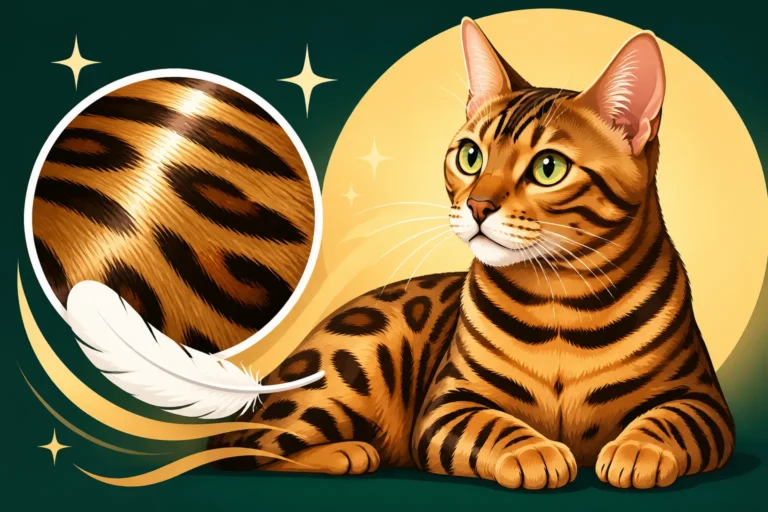
At the heart of the Bengal cat's unique physiology is their wild ancestry – the Asian Leopard Cat (ALC). This isn't just a pretty pattern; it's a legacy of powerful genetics designed for survival in the wild. Wild felines rely on their claws for hunting, climbing trees to escape predators or gain vantage points, and securing prey. These aren't just tools; they're essential for their very existence. This primal need has been passed down, meaning Bengal cats possess claws that are often stronger, sharper, and denser than those of your average domestic housecat.
Think about it: an ALC in its natural habitat would be constantly scaling trees, tearing at bark, and engaging in vigorous play or hunting. This constant, high-impact activity naturally wears down their claws, keeping them at an optimal length. Our domesticated Bengals, while still incredibly active, don't typically have the same intensity of natural wear and tear. They might climb your cat tree (or curtains!), but it's usually not enough to counteract the robust growth inherited from their wild relatives. This means that without regular intervention from us, their claws will quickly become formidable.
The Keratin Factor and Metabolism
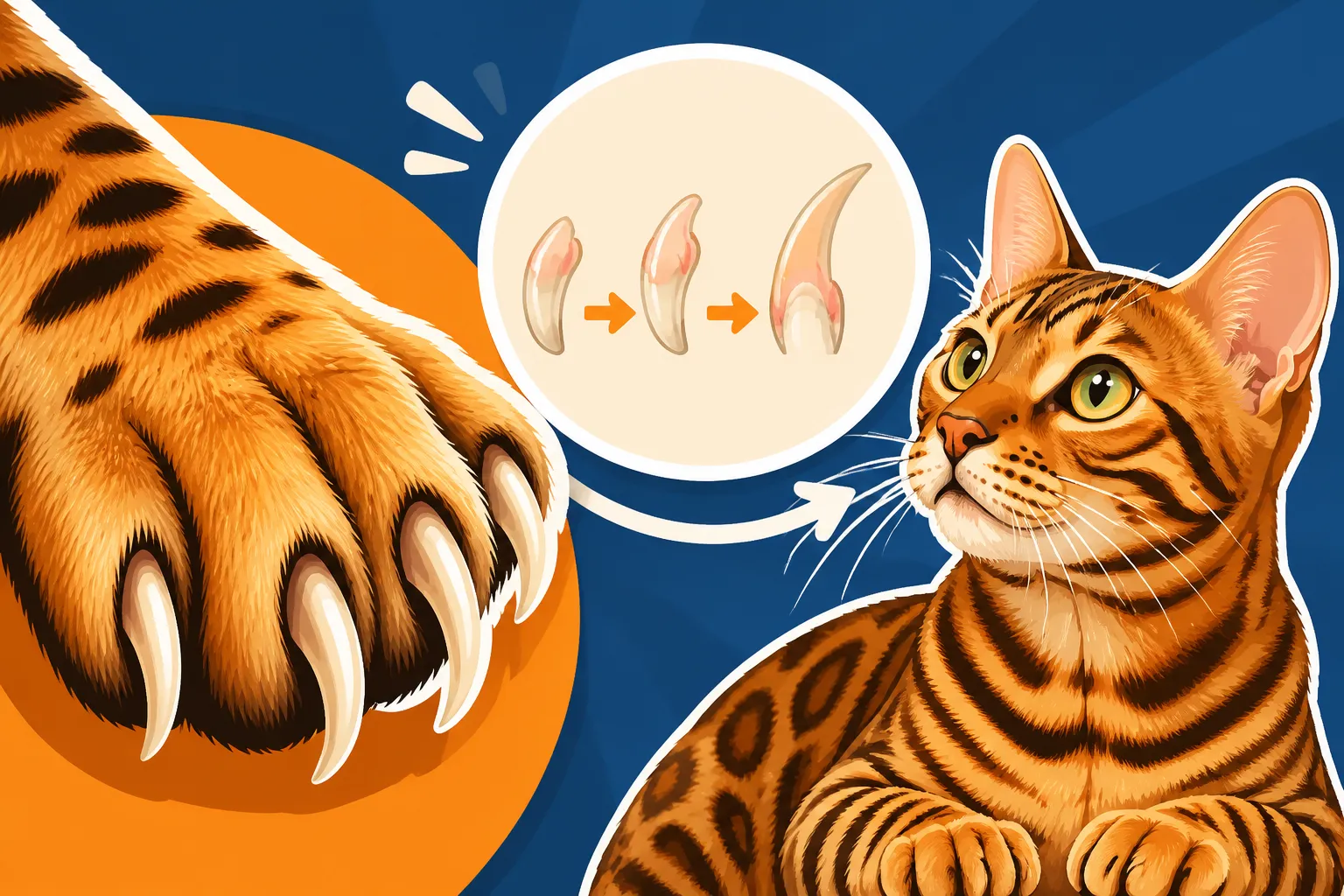
Claws, like hair, are made primarily of keratin, a fibrous structural protein. Beneath the visible claw, there's a living tissue called the quick, which contains blood vessels and nerves. New keratin cells are constantly produced at the base of the claw, pushing the older cells forward. This is a continuous process in all felines.
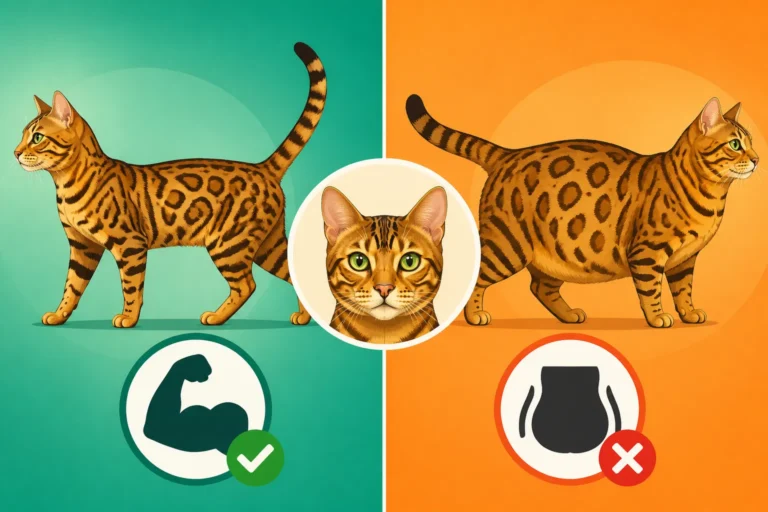
However, Bengal cats are renowned for their incredibly high metabolism. They are bundles of lean muscle and boundless energy, constantly burning calories and fueling their active bodies. This high metabolic rate isn't just about how much they eat; it impacts cellular regeneration throughout their body, including the production of keratin for their claws. A faster metabolic turnover can translate to a quicker production of new claw material. This, combined with their strong genetic predisposition for robust claws, means those tiny points seem to sprout back in no time.
It's a subtle but significant difference. While a less active, lower-metabolism cat might have a slower rate of new keratin production, a Bengal's internal engine is always running hot, supporting rapid growth in all areas, including their powerful paws.
Impact of Diet and Health
It's not just genetics and metabolism at play; what you feed your Bengal and their overall health can also contribute to the strength and growth rate of their claws. Bengal cats thrive on a high-quality, protein-rich diet, often mimicking the lean meat their wild ancestors would consume. This kind of diet provides ample amino acids, which are the building blocks for keratin. If your Bengal is eating a fantastic diet and is in peak physical condition, their body has all the resources it needs to produce strong, healthy claws—and produce them quickly.
Conversely, a cat with nutritional deficiencies or certain health issues might have slower-growing or brittle claws. For Bengals, however, it's usually the opposite: their excellent health and species-appropriate diet often contribute to robust and rapid claw growth. So, when you choose a premium cat food, whether you're browsing options on Chewy or carefully preparing a raw diet, you're not just supporting their muscles and coat; you're also fueling those impressive claws. The good news is, strong claws are healthy claws, but they do demand consistent management from you. The High Protein Argument for a Bengal Cat explores this dietary aspect in more detail.
Understanding the Bengal Claw Growth Cycle and Frequency of Trims
Given their unique physiology, managing a Bengal cat's claws isn't just a periodic chore; it's an ongoing commitment. It really does feel like they're challenging your ability to keep up, but with a little understanding, you can establish a routine that works for both of you.
The Average Growth Rate vs. Perception
The perception that Bengal cat claws grow "faster" than other cats isn't entirely a myth, but it's crucial to understand the nuances. All cat claws grow continuously from the quick, much like our fingernails. The actual cellular growth rate might not be dramatically different on a microscopic level compared to some other breeds. However, the strength, thickness, and rate of wear are where Bengals truly stand out, leading to the impression of faster growth.
Because their claws are so robust and their activity levels are so high, they can withstand more wear before needing a trim. But here's the kicker: in a domestic environment, even with the best scratching posts, they rarely get the intense natural abrasion they'd experience in the wild. This means the claws often outgrow their natural wear, making them seem to sprout overnight.
For most Bengal cats, you'll find that their claws need trimming every 1 to 2 weeks. This might sound frequent if you're used to a more laid-back housecat who perhaps only needs a trim once a month. But for a Bengal, this regular schedule is essential to keep them comfortable and prevent potential issues. Trying to stretch it out longer often leads to overgrown, sharp claws that are more difficult to manage and can cause problems. Why a Bengal Cat's Claws Outrun the Clippers delves deeper into this particular challenge.
Signs Your Bengal's Claws Are Too Long
Your Bengal cat might not explicitly tell you their claws are too long, but they'll certainly show you through their actions and subtle cues. Being attuned to these signs can help you stay on top of their grooming needs.
One of the most obvious indicators is the tell-tale "click-clack" sound as they walk across hard floors. If you hear this rhythmic tapping, it means their claws aren't fully retracting, and they're hitting the ground with every step. This isn't just annoying; it can be uncomfortable for your cat, putting unnatural pressure on their toe joints and even affecting their gait over time.
You'll also notice them snagging on things more often. Carpets, blankets, upholstered furniture – suddenly, every soft surface becomes a potential trap for an overgrown claw. This can lead to tears in fabrics and, more importantly, can be startling or even painful for your cat if a claw gets deeply embedded and pulled. Increased destructive scratching, beyond their normal vigorous stretching, might also be a plea for relief. They might try to excessively groom their paws or even chew at their nails if they're causing discomfort.
Finally, just observing their paws can give you a clue. If the claws look visibly long, extending beyond the toe pads even when retracted, or if they start to curve back towards the paw pad, it's definitely time for a trim. Ignoring these signs can lead to painful ingrown claws, which are not only uncomfortable but can also lead to infections.
Comparison to Other Breeds
To truly appreciate the Bengal's unique claw situation, it's helpful to compare them to other feline breeds. While all cats need nail care, the frequency and intensity often differ.
Consider a Persian cat, known for their long, luxurious fur and generally more sedentary lifestyle. Their claws, while still needing attention, often don't grow with the same speed or strength as a Bengal's. They might only need a trim every 3-4 weeks, and their claws tend to be less prone to extreme sharpness simply due to their lower activity levels.
Then there are breeds like the Maine Coon, which are large and active, but their claw structure might still differ slightly from a Bengal's. While they certainly need regular trims, the sheer density and sharpness of a Bengal's claws, coupled with their constant motion, often means more frequent intervention is required.
Here's a quick comparison to illustrate the general differences in claw management:
| Characteristic | Typical Domestic Shorthair | Persian/Sedentary Breed | Bengal Cat |
|---|---|---|---|
| Growth Rate | Moderate | Moderate to Slow | Fast |
| Claw Strength | Moderate | Moderate | High (Thick, dense, very sharp) |
| Activity Level | Varies, often moderate | Low to Moderate | Very High, constantly active |
| Trim Frequency | Every 2-4 weeks | Every 3-5 weeks | Every 1-2 weeks (often weekly) |
| Natural Wear | Moderate | Low | Low in domestic settings (high in wild) |
| Potential for Damage | Moderate | Low | High due to sharpness and activity |
As you can see, the Bengal really is in a league of its own when it comes to claw care. It's not just about trimming; it's about acknowledging their innate wildness and providing care that matches their unique needs.
Strategies for Managing Your Bengal Cat's Fast-Growing Claws
Managing a Bengal's rapidly growing claws might seem like a daunting task, but with the right approach and a healthy dose of patience, it becomes a routine you can both handle. It's about consistency, appropriate tools, and understanding your cat's specific needs.
The Importance of Regular Trimming
Let's be clear: regular claw trimming for a Bengal cat is not just about protecting your furniture or your skin. It's a critical component of their overall health and well-being. Neglecting their claws can lead to a host of problems that are far more serious than a scratched sofa.
First and foremost, overgrown claws can cause discomfort and pain. When claws get too long, they can curve back and grow into the paw pad. This is incredibly painful, akin to an ingrown toenail for us, and can lead to serious infections. Even if they don't grow into the pad, excessively long claws can interfere with a cat's natural gait, forcing them to walk awkwardly on their paws, which can lead to joint pain, especially in their toes. Imagine walking on perpetually uncomfortable shoes – that's what it can be like for them.
Furthermore, long claws can get snagged on carpets, blankets, or even toys, potentially leading to a torn claw. A torn claw can be agonizing and often requires a vet visit, which means more stress for your cat and more expense for you. Regular trims prevent these painful incidents. By keeping their claws at a manageable length, you're ensuring their comfort, mobility, and overall paw health. It’s an act of care, not just grooming. Whether a Bengal Cat Sits for a Nail Trim might offer some insights into making this a smoother process.
Providing Ample Scratching Opportunities
While trimming is essential, providing appropriate scratching outlets is equally important. Remember, scratching is a natural, instinctual behavior for cats, serving multiple purposes: marking territory, stretching muscles, and, yes, maintaining their claws by shedding the outer sheath. For a powerful and active breed like a Bengal, "ample" means more than just a single, flimsy post tucked away in a corner.
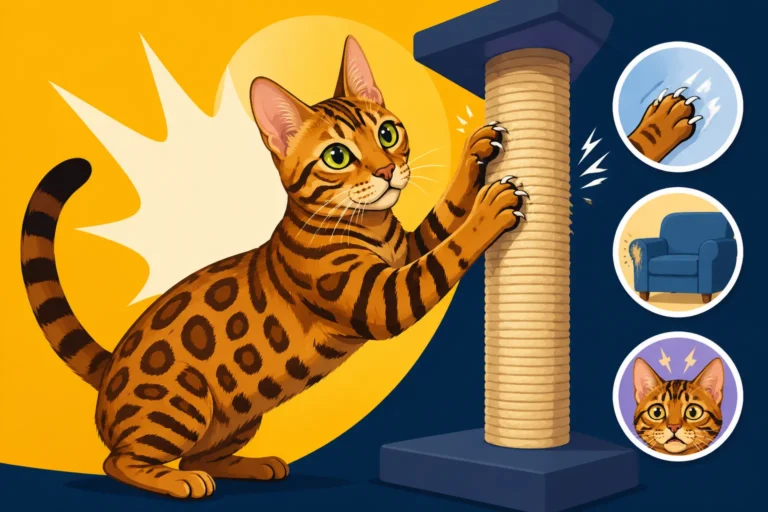
Bengals need robust, stable scratching surfaces that can withstand their energy and power. Think tall, sturdy cat trees with sisal-wrapped posts, horizontal scratchers made of durable cardboard, and even angled scratch pads. They often prefer vertical scratching to get a full body stretch, so ensure any post is tall enough for them to extend fully upwards. Some Bengals even enjoy scratching on wood, so a sturdy wooden post might be a hit.
Placement is key too. Put scratchers in prominent areas where your Bengal likes to stretch or where they might otherwise be tempted to scratch your furniture. If they start scratching a forbidden item, gently redirect them to an appropriate scratcher. You can make these tempting by adding a sprinkle of catnip or hanging a favorite toy nearby.
When it comes to sourcing these essential items, online retailers like Chewy and Amazon offer a vast selection. You can find everything from multi-level cat trees with sisal posts to heavy-duty cardboard scratchers. Look for items specifically designed for "active" or "large" cats, as these will generally be more durable and appealing to your Bengal's wild instincts. Investing in good quality scratchers will save your furniture and make your Bengal a happier, healthier cat. Which Scratching Post a Bengal Cat Needs offers more specific recommendations.
Considering Alternatives and Professional Help
While regular trimming and ample scratching opportunities are your primary tools, there are a few other options and considerations for managing your Bengal's claws, especially if you find yourself struggling.
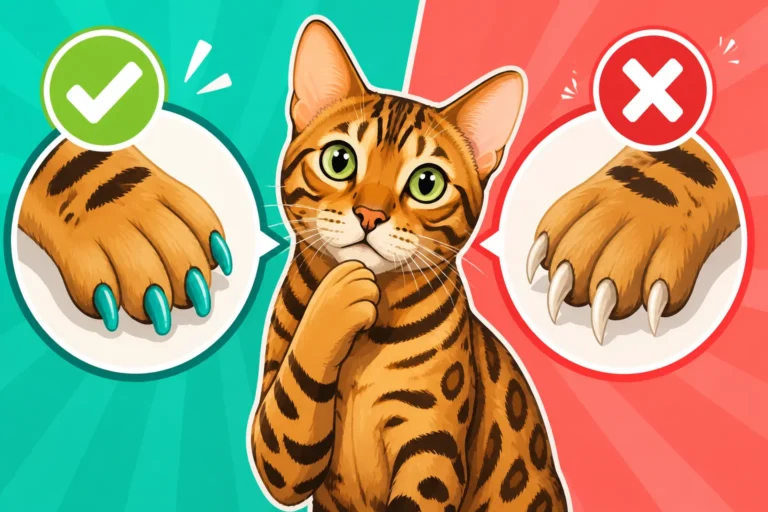
One alternative that some owners explore is nail caps. These are small, vinyl caps that are glued over your cat's claws, effectively blunting them. They need to be replaced every few weeks as the claw grows. While they can be effective at preventing damage to furniture and skin, not all Bengals tolerate them well. Their active nature and strong desire to groom can lead to them chewing or tearing off the caps, and some cats find them incredibly irritating. It's a solution that works for some but certainly not all, and it requires careful application to ensure it doesn't cause discomfort or interfere with natural paw function.
If you find that trimming your Bengal's claws is a constant battle, resulting in stress for both of you, don't hesitate to seek professional help. Many veterinary clinics offer nail trimming services, and some professional groomers are experienced with handling active breeds like Bengals. They can often get the job done quickly and efficiently, with minimal stress. They can also teach you proper techniques, demonstrate how to hold your cat securely, and show you how to identify the quick to avoid accidental nicks. Sometimes, a calm, experienced professional can make all the difference in establishing a positive routine, or at least getting the job done without bloodshed!
Remember, the goal is to keep your Bengal comfortable and your home intact. If you've tried everything and it's still a struggle, there's no shame in enlisting a pro to help.
Common Bengal Cat Claw Challenges and Solutions
Living with a Bengal cat is an adventure, and their claws are just one part of that exciting package. However, they do present specific challenges that you'll need to address head-on to maintain peace in your household and keep your furry friend healthy.
The Battle of the Clippers: Making Trimming Easier
Let's face it, nail trimming can feel like a wrestling match with a tiny, furry leopard. Many Bengal cats, with their independent and often feisty nature, are not enthusiastic participants. The key to making it easier is starting early, being consistent, and using positive reinforcement.
If you have a kitten, begin handling their paws gently from day one. Touch their toes, press gently on their paw pads to extend the claws, and reward them with treats and praise. Even if you're not clipping, this desensitization is invaluable. For adult Bengals, it might take more time and patience. Introduce the clippers slowly. Let them sniff the clippers, reward them. Touch the clippers to a paw, reward them. Gradually work up to clipping just one or two nails at a time, followed by a shower of treats and affection. Don't try to do all twenty claws in one go if your cat is resistant! Short, positive sessions are far more effective than long, stressful ones.
Choose the right tools. Sharp, good-quality clippers designed for cats (often available on Amazon or Chewy) make a huge difference. Dull clippers can crush the nail, which is painful. There are scissor-style and guillotine-style clippers; experiment to see which you find easier to use and which your cat tolerates more. Always have styptic powder on hand, just in case you accidentally clip the quick (it happens to the best of us!). The goal is to make it a calm, predictable, and rewarding experience, associating clippers with good things.
Damage Control: Protecting Your Home
The impressive strength and rapid growth of Bengal cat claws mean that without proper management, your home furnishings can quickly become collateral damage. It's a common complaint among Bengal owners: that brand-new sofa suddenly looks like a scratching post. But it doesn't have to be this way!
The absolute best defense is a good offense: provide irresistible alternatives. As discussed, invest in a variety of high-quality, sturdy scratching posts. Bengals particularly love tall, stable sisal posts, often integrated into multi-level cat trees. Place these strategically in areas where your Bengal spends a lot of time, especially near any furniture they've shown an interest in scratching. For instance, if they're eyeing the corner of your armchair, put a scratch post right next to it. You can even cover the "forbidden" areas with double-sided tape or deterrent sprays (used sparingly, as some cats are very sensitive to scents) to make them less appealing, while making the scratcher more enticing with catnip or treats.
Think vertically too. How Much Vertical Space a Bengal Cat Needs isn't just for climbing; it also satisfies their instinct to scratch at different heights. Wall-mounted scratch pads or sturdy shelves wrapped in sisal can be excellent additions. Remember, a bored Bengal is often a destructive Bengal. Ensure they have plenty of interactive toys, puzzle feeders, and regular play sessions to burn off energy and satisfy their hunting instincts. A well-exercised Bengal is less likely to resort to furniture shredding out of boredom.
Health Implications of Neglected Claws
It bears repeating: neglecting your Bengal cat's claws can lead to serious health consequences that are entirely preventable. This isn't just about minor inconveniences; it's about their quality of life.
The most common and painful issue is ingrown claws. When left untrimmed, especially the dewclaws (the claw on the inside of their front legs, higher up the paw), they can curl around and grow directly into the paw pad. This is incredibly painful, causes limping, and can quickly lead to infection, abscesses, and even sepsis if left untreated. A vet visit to treat an ingrown claw can be costly and distressing for your cat, often requiring sedation and antibiotics.
Overly long claws can also change your Bengal's posture and gait. When claws prevent the paw pads from making proper contact with the ground, cats will shift their weight unnaturally. Over time, this can lead to discomfort, pain, and even arthritis in their toes and paw joints. This is particularly relevant for active cats like Bengals, who rely on their agile paws for climbing, jumping, and running.
Furthermore, long claws are more prone to tearing or breaking, which exposes the sensitive quick and can lead to bleeding and infection. These injuries are painful and can take a long time to heal. By committing to a consistent nail trimming routine, you are actively protecting your Bengal from unnecessary pain, infection, and long-term joint problems. It's a small task that makes a huge difference in their overall health and happiness, helping them live a full life. You can also explore What Most Bengal Cats Die Of to understand how serious seemingly minor health issues can become if not addressed.
Disclaimer
This article is for general informational purposes only and does not constitute professional advice. Laws, prices and regulations vary by location and change over time. Consult a qualified professional for guidance on your specific situation.