How to Toilet Train a Bengal Cat
Living with a Bengal cat is an adventure, but let's be honest, dealing with a litter box can sometimes feel like a daily battle against a miniature excavation crew. They dig with unparalleled enthusiasm, scatter litter far and wide, and leave behind odors that no amount of scrubbing seems to truly conquer. If you've ever dreamt of a cleaner, fresher home, free from tracking litter and daily scooping duties, then the idea of toilet training your intelligent Bengal might just be the solution you've been looking for. This guide will walk you through the practical steps, challenges, and realistic expectations of teaching your wild-hearted companion to use the human toilet.
Understanding Your Bengal's Instincts and the Appeal of Toilet Training
Bengal cats are a breed apart. Their intelligence, boundless energy, and an almost dog-like eagerness to learn make them unique companions. However, these very traits can sometimes turn the humble litter box into a chaotic, messy affair. Many Bengal owners find themselves constantly battling litter scatter and strong odors, leading them to seek out alternative solutions that promise a cleaner, more integrated living situation for both cat and human.
Why Traditional Litter Boxes Become a Messy Problem
Let's face it, your Bengal isn't just "going to the bathroom"; they're often performing an archaeological dig. Their wild ancestry means they have an instinctual drive to bury their waste thoroughly, which translates into vigorous digging and scratching. This often results in litter being flung far beyond the confines of even the highest-sided box. I've heard countless stories of owners finding litter grains in their beds, on their counters, and stuck to their socks. It's not just a minor annoyance; it's a constant clean-up effort. You might try everything, from extra-large boxes to special mats, but the sheer force and dedication of a Bengal's digging can overcome many barriers. Litter and Boxes for a Bengal Cat That Digs is a common concern among owners. Furthermore, some Bengal cats also develop sensitive stomachs, which can lead to frequent or loose stools. A perpetually messy litter box, especially for a fastidious creature like a cat, can become a source of stress, leading to accidents outside the box. For a deeper dive into their digging habits, you might want to read Why a Bengal Cat Digs to the Bottom of the Box.
The Allure of a "No-Litter" Home
The dream of a "no-litter" home is powerful. Imagine walking into your bathroom without the faint scent of cat, or the gritty crunch of litter underfoot. The benefits are numerous and can genuinely improve your daily life with your Bengal. First and foremost, hygiene dramatically improves. No more touching soiled litter, no more tracking waste particles around the house. Odor reduction is another huge plus; without a box of soiled litter sitting in your home, those tell-tale cat smells diminish significantly. Then there's the environmental aspect, reducing the amount of litter you purchase and dispose of. And, let's be honest, the convenience factor is huge. No more scooping, no more lugging heavy bags of litter from the store. It promises a cleaner, fresher environment, and for many Bengal owners, this promise is incredibly appealing, making the effort of toilet training a worthwhile endeavor.
The Step-by-Step Journey to Toilet Training a Bengal Cat
Toilet training a Bengal cat isn't an overnight process, but their natural intelligence and curiosity can actually make them excellent candidates. It requires patience, consistency, and a good sense of humor, but the rewards are truly transformative for both you and your feline friend. Remember, every cat is an individual, so be prepared to adapt the pace to your Bengal's comfort level.
Phase 1: Moving the Litter Box to the Bathroom
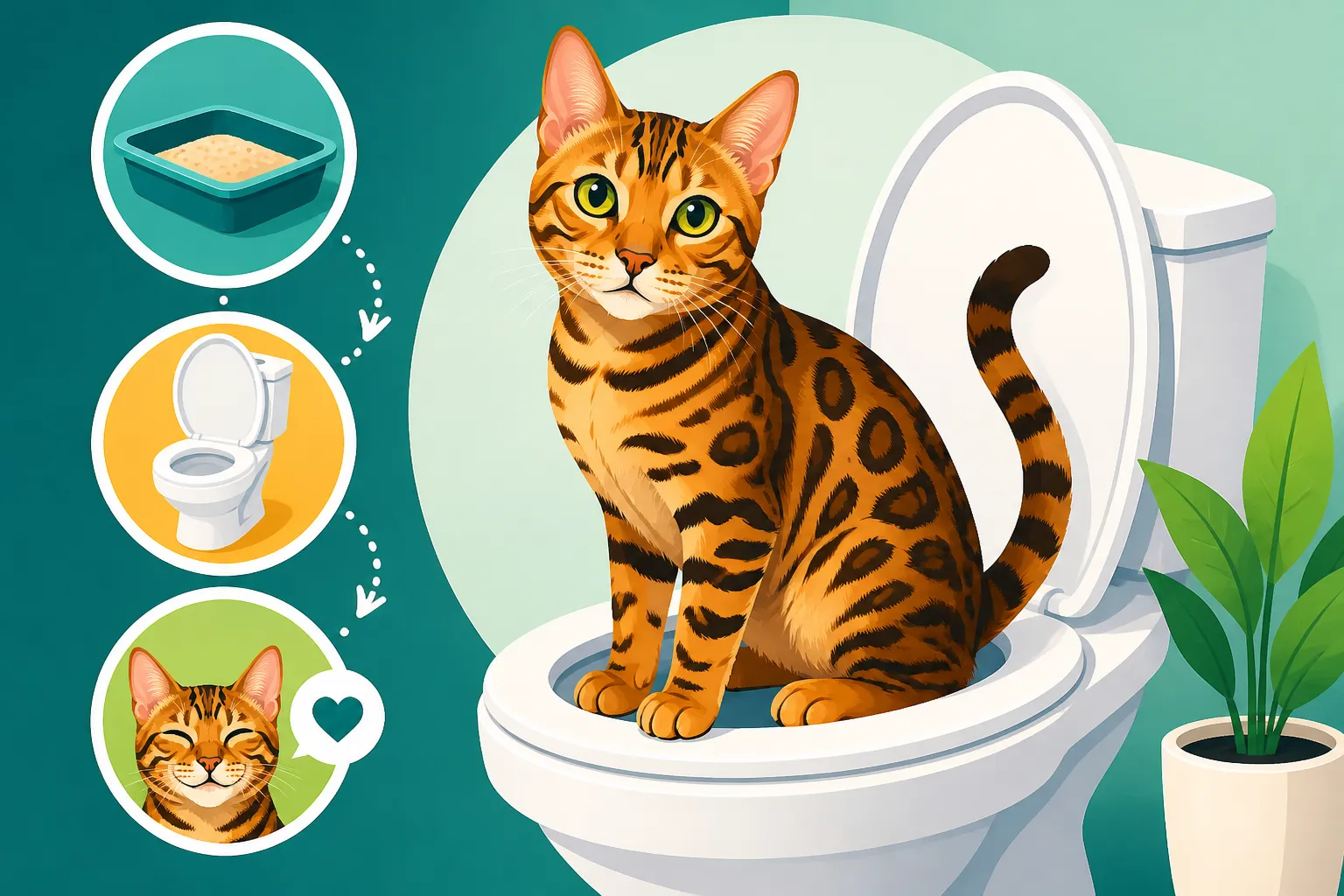
The very first step is to get your Bengal accustomed to doing their business exclusively in the bathroom where the toilet is located. Start by moving their current litter box into the bathroom, placing it right next to the toilet. This familiarizes them with the room and the sounds that come with it. Over the next few days or weeks, as your Bengal consistently uses the box in its new location, begin to gradually raise the litter box a few inches at a time. You can use sturdy books, old phone books, or small wooden crates to elevate it. The goal here is to slowly acclimate your cat to a higher surface, mimicking the height of a toilet seat.
Consistency is key during this phase. Don't rush it. If your Bengal seems hesitant or has an accident, simply lower the box a bit and try again more slowly. Once the litter box is level with the toilet seat, and your Bengal is comfortably using it, you're ready for the next step. Some Bengals are particularly enthusiastic diggers, and you might find that even elevating the box leads to more litter on the floor. For tips on managing this, consider how to handle Why a Bengal Cat Throws Litter Everywhere.
Phase 2: Introducing the Toilet Training Kit
This is where specialized tools come into play, and they are incredibly helpful. Toilet training kits for cats typically consist of a series of rings or inserts that fit under your toilet seat. These inserts have progressively larger holes, allowing you to gradually reduce the amount of litter your cat needs, and eventually, the surface they stand on.
Here's how it generally works:
- Start with the full litter insert: Place the first ring, which holds a good amount of litter, directly over your toilet bowl, under the seat. Your cat will still have the familiar feel of litter, but they'll be standing on a more stable, elevated surface directly over the water.
- Gradually reduce litter: Once your Bengal is consistently using this setup, you'll slowly start reducing the amount of litter in the tray over several days or weeks. The idea is for them to associate the toilet with elimination, even with less litter.
- Introduce larger holes: As your cat becomes comfortable with less litter, you'll switch to the next insert in the kit, which has a larger opening. This reduces the litter area further, encouraging them to balance on the rim while still having a small amount of litter.
- Positive Reinforcement: Throughout this process, lavish your Bengal with praise and treats every single time they successfully use the toilet. Bengals are incredibly How Intelligent a Bengal Cat Is and thrive on positive reinforcement. A small, high-value treat after each success can work wonders. You can find excellent quality treats on platforms like Chewy or Amazon to keep your feline motivated.
This phase is often the longest and requires the most patience. Some cats might breeze through it, while others will take weeks or even months for each step. Don't get discouraged if progress seems slow.
Phase 3: Transitioning to the Bare Toilet Seat
You've made it to the final frontier! Once your Bengal is confidently using the training kit with the largest hole and minimal to no litter, it's time to remove the last insert and let them use the bare toilet seat.
- Remove the final insert: Take away the last training ring. Now your Bengal will have to balance on the actual toilet seat rim to do their business. This can be a big leap for some cats, as the sensation is completely different.
- Continue praise and treats: Keep up with the positive reinforcement. Every time they use the toilet successfully, celebrate it! This reinforces the behavior and helps them overcome any initial apprehension.
- Address fear of flushing: Some cats can be startled by the sound of the toilet flushing. It's best to avoid flushing while your cat is still on or near the toilet. Wait until they've left the bathroom before you flush. Over time, they may become desensitized to the sound, but initially, it's important not to create a negative association.
At this stage, you'll have achieved your goal: a litter-free home and a toilet-trained Bengal! It's an incredible accomplishment and a testament to your cat's intelligence and your dedication.
Common Challenges and Troubleshooting for Bengal Cats
Even with the best intentions and the most patient approach, toilet training a Bengal cat can present its unique set of challenges. Their independent nature and sometimes stubborn streaks mean you might hit a few bumps in the road. Understanding these potential issues and how to troubleshoot them can make all the difference in achieving success.
When Your Bengal Refuses to Cooperate
It's disheartening when your carefully planned training regimen hits a wall, and your Bengal just won't play along. This can manifest as refusing to use the elevated box, having accidents near the toilet, or outright rejecting the training inserts.
- Regression: If your Bengal suddenly stops using the toilet at any stage, don't panic. This is normal. It often means you've moved too quickly. Go back a step or two in the training process and rebuild their confidence. Remember, patience is your most powerful tool.
- Fear of Heights or Instability: Some cats are simply not comfortable with the height or the slight instability of the toilet seat, especially when they're used to solid ground. Ensure any risers or training inserts are completely stable. You might need to make the elevated step-up more gradual or create a wider, more secure platform. For a highly active cat that performs What a Bengal Cat Does All Day, stability is crucial.
- Fear of Water/Flushing: The sound and movement of flushing water can be terrifying for some cats. As mentioned, always wait until your cat has left the bathroom before flushing. If they're particularly anxious, try to introduce the sound gradually by flushing when they are in an adjacent room, then slowly closer, associating it with positive things like treats or playtime.
- Dislike of the New Texture: Cats are creatures of habit, and the smooth, hard surface of a toilet seat is a far cry from soft litter. Ensure the transition to less and less litter is extremely gradual. Make the process fun with extra praise and highly appealing treats. Fresh, appealing treats might be irresistible motivators.
- Stress or Change: Any significant changes in the household (new pet, new person, moving furniture) can cause stress and lead to behavioral issues, including a refusal to use the toilet. Try to minimize other stressors during training.
Maintaining Consistency and Hygiene
Once your Bengal is successfully toilet trained, the journey isn't quite over. Maintaining this new habit and ensuring good hygiene are ongoing responsibilities.
- Accessibility: The bathroom door must always be open, or easily accessible, for your cat. This means no closed doors, or installing a cat flap in the bathroom door. Imagine if you suddenly couldn't access the bathroom when you needed it!
- Cleanliness: Even though they're using the toilet, the toilet bowl itself still needs to be cleaned regularly. More importantly, ensure you are using cat-safe cleaning products. Harsh chemicals can be irritating or even toxic to your cat, especially since they might be licking their paws after balancing on the rim.
- Other Pets/Guests: If you have other pets, especially other cats, they might not take to toilet training. You'll need to consider separate arrangements for them. Also, inform guests about your toilet-trained Bengal so they don't accidentally close the bathroom door or flush while your cat is present.
- Travel: What happens when you travel? You'll need a plan. Some toilet-trained cats will adapt back to a litter box temporarily, while others might refuse. Consider bringing a travel litter box or a portable toilet training setup if possible.
Safety Concerns and Alternatives
While toilet training offers many benefits, it's not without its potential downsides or risks, and it's certainly not for every Bengal cat. It's crucial to prioritize your cat's safety and well-being.
- Risk of Falling: A cat, especially a playful or older Bengal, could potentially fall into the toilet bowl. While most cats are agile, a slip could lead to injury, fear, or even drowning in extreme cases (though less likely for an adult Bengal). Keeping the lid down when not in use can prevent accidental falls for curious kittens or rambunctious adults.
- Drinking Toilet Water: If your cat has unrestricted access, they might be tempted to drink from the toilet bowl. This isn't ideal due to cleaning chemicals and bacteria. Ensure fresh, clean water is always available elsewhere, perhaps even a running water fountain, which Bengals often adore.
- Not a Universal Solution: Not every Bengal will take to toilet training, and that's perfectly okay. Some cats simply can't grasp the concept, or they find it too stressful. Forcing it can lead to anxiety, inappropriate elimination, and a breakdown in your bond. Don't feel like a failure if it doesn't work out.
- Alternatives: If toilet training isn't successful, there are still ways to minimize litter box mess and odor. Investing in a truly Which Litter Box Survives a Bengal Cat (think extra large, high-sided, or even covered top-entry boxes) can help. Using a high-quality, dust-free litter, and scooping multiple times a day can significantly improve the situation. Also, consider the root cause of any persistent mess or odor – sometimes it's diet-related. A Bengal's sensitive gut can sometimes lead to Chronic Diarrhea Is the Bengal Cat Complaint Nobody Warns About, making the litter box extra messy. Discussion around Why a Bengal Cat's Gut Is So Sensitive or The High Protein Argument for a Bengal Cat can provide further insights.
Ultimately, the goal is a happy, healthy Bengal and a harmonious home. If toilet training works, it's a fantastic achievement. If it doesn't, rest assured there are plenty of other ways to care for your magnificent feline without sacrificing your sanity or your pristine floors.
| Aspect | Pros of Toilet Training | Cons of Toilet Training |
|---|---|---|
| Hygiene | Eliminates litter dust, odor, and tracking. | Potential for accidents if not perfectly clean or accessible. |
| Convenience | No more scooping, buying, or disposing of litter. | Requires constant open access to the bathroom. |
| Cost Savings | Reduces ongoing expenses for cat litter. | Initial cost of training kit (if used). |
| Environmental | Less waste going to landfills. | None directly. |
| Cat's Health | Cleaner paws, less exposure to litter chemicals. | Risk of falling, drinking toilet water; can be stressful for some cats. |
| Training Time/Effort | Builds a unique bond and showcases Bengal intelligence. | Requires significant patience and consistency over weeks/months. |
| Social Acceptance | Can be a talking point, impresses guests. | Some find it unnatural or unhygienic for a cat. |
This article is for general informational purposes only and does not constitute professional advice. Laws, prices and regulations vary by location and change over time. Consult a qualified professional for guidance on your specific situation.