Whether a High Sided Box Suits a Bengal Cat
Oh, the eternal litter box struggle! If you’re a Bengal cat owner, you know this particular joy (or should I say, challenge) all too well. It’s not just about providing a place for them to go; it’s about containing the aftermath of their enthusiastic digging, their impressive kicking power, and sometimes, their unique bathroom gymnastics. Many of us have peered into a litter box, sighed at the scattered granules, and wondered if a high-sided box is truly the magic bullet we’ve been searching for. This guide is here to unravel that mystery, exploring whether a high-sided box is indeed the perfect solution for your magnificent, yet messy, Bengal.
The Energetic Excavator: Understanding Your Bengal Cat's Litter Box Habits
Let's be real, a Bengal cat isn't just "using" the litter box; they're performing a full-scale excavation. Their wild ancestry shines through even in their most mundane activities, and digging in the litter is no exception. This isn't just about covering their business; it's a deep-seated instinct that translates into a whole lot of displaced litter.
The Deep Diggers: Why Bengals Act Like Tiny Construction Workers
Bengal cats are renowned for their incredible energy and intelligence, and this extends to their bathroom routines. They don't just paw at the surface; they dig deep, often right to the bottom of the box, as if unearthing ancient treasures. This behavior stems from their Asian Leopard Cat ancestors, who meticulously covered their waste to hide their presence from predators and prey alike. For your Bengal, this means a thorough, almost ritualistic digging process. You might find them digging for a good minute or more, kicking litter vigorously in every direction before they even start to do their business. Then, after, it's another round of intense digging and covering. It's truly a sight to behold, but also a source of endless cleanup for us, their devoted human companions. They often dig with such gusto that the litter becomes a projectile.
This deep digging also means that some litters simply don't hold up. Fine clay litters can become a dusty mess, while larger pellets might not provide the satisfying resistance your Bengal seeks. The act of digging itself is an enrichment activity for them, believe it or not. It engages their powerful hind legs and their strong instinct to bury. It's not malicious; it's just pure, unadulterated Bengal-ness. You might even notice them "patting down" the litter for a good while after, ensuring every last granule is perfectly placed. This meticulous nature, combined with their sheer power, is a recipe for a messy floor.
The Scatter Zone: Where Litter Goes to Explore Your Home
If you own a Bengal, you've probably experienced the "litter halo" around their box. This isn't just a few stray pieces; we're talking about a significant perimeter of litter, extending far beyond the immediate vicinity of the box. Their powerful legs are designed for explosive movement, and that translates directly into their litter-kicking prowess. Every enthusiastic flick sends granules flying. It's like a tiny, self-contained litter storm every time they visit the facilities. This scatter is often the primary reason owners consider a high-sided box. They dream of a world where they don't step on crunchy litter first thing in the morning.
Beyond the sheer force of their kicks, Bengals also have a habit of "exiting with enthusiasm." They'll jump out of the box, often tracking additional litter on their paws. Their sleek, short coats might not hold as much dander as a long-haired breed, but those paw pads are surprisingly good at clinging onto errant bits of litter. A high-sided box aims to be a barrier against this airborne assault, but it's important to remember that some scatter will always happen simply due to the nature of their movement and how much they disturb the litter inside. The sheer volume of litter a Bengal displaces can be astounding. For more on what helps with this particular issue, you might want to read Which Litter a Bengal Cat Throws Least.
The "Splash Factor": When Accidents Go High
While not every Bengal does this, some have a habit of spraying urine high up on the sides of the litter box, or even over the rim if the sides are too low. This "splash factor" can be a real headache, leading to urine seeping out onto your floor or walls. It's less common than digging-related scatter but equally, if not more, frustrating. This behavior can be a sign of a few things:
- Territorial marking: Especially in unneutered males, or if there are conflicts with other pets.
- Discomfort with the box: The box might be too small, too dirty, or in an undesirable location.
- Medical issues: Sometimes, a cat in pain from a urinary tract infection or other condition might adopt unusual postures that lead to high spraying.
- Just being a Bengal: Honestly, some of them just seem to enjoy it, or it's a natural consequence of their posture in the box.
If you’re dealing with high-sided spraying, a truly high-sided box is less about preventing scatter from digging and more about containing the spray itself. The taller the sides, the better your chances of keeping liquids inside the box, rather than running down your baseboards. This problem can be incredibly frustrating to clean, as urine can soak into flooring and leave lingering odors. This is where a seamless, tall design really comes into its own.
High-Sided Litter Boxes: Promises, Pitfalls, and Practicalities
So, you're considering a high-sided litter box. It seems like the obvious solution, right? More walls mean more containment. But like everything with Bengal cats, it's never quite that simple. There are benefits, but also some considerations you'll need to weigh before making the leap.
The Obvious Benefits: More Walls, Less Mess?
The primary allure of a high-sided litter box is straightforward: reduce litter scatter. With walls significantly taller than a standard box, the enthusiastic kicks of your Bengal are theoretically contained. Imagine less sweeping, less vacuuming, and fewer surprises underfoot. For many Bengal owners, this alone is enough to justify the investment. These boxes create a higher barrier, forcing the litter to stay within the confines of the box rather than ending up across the room. Some designs feature entrance points that are deliberately lower on one side to allow for easy access while maintaining high walls elsewhere, which can be a game-changer.
Furthermore, a high-sided box can also offer a greater sense of privacy for your Bengal. While they might seem like creatures of boundless confidence, cats often prefer to do their business in a discreet, secure location. Taller sides can make the box feel more den-like and protected, which can actually encourage them to use it more consistently, especially if they are a bit shy or prone to stress. This added sense of security can lead to a happier, less anxious Bengal, and potentially fewer accidents outside the box. It’s also important to remember that a deeper box often means you can put more litter in it, which helps your Bengal feel like they have ample material for their digging instincts. For more on how much litter a Bengal can go through, check out How Much Litter a Bengal Cat Gets Through.
The Height Challenge: Entry and Exit Accessibility
Here's where the "high" in high-sided can become a challenge. While it keeps litter in, it can also make getting into and out of the box more difficult for your cat. Think about your Bengal's physical capabilities. Are they a spry youngster who can leap gracefully over any obstacle? Or are they an older cat, perhaps with a touch of arthritis, for whom a high wall presents a painful hurdle?
Consider these factors:
- Kitten or Senior Cats: Young kittens and senior Bengals, especially those around The Age a Bengal Cat Is Considered Senior, may struggle significantly with a high lip. A high jump can strain joints, and a painful entry/exit might lead to litter box aversion, causing them to find other, less desirable spots to relieve themselves.
- Physical Limitations: Any Bengal cat, regardless of age, could develop patellar luxation or other joint issues over its lifetime. A high jump repeatedly can exacerbate these conditions or make using the box uncomfortable.
- Entry Point Designs: Many high-sided boxes address this by having one lower side or a small ramp. This is crucial. If all sides are equally high, you might be creating a problem you didn't anticipate. Look for boxes with a clear, accessible entry point that is still high enough to contain most scatter, but low enough for your Bengal to step over comfortably.
You don't want to solve one problem (litter scatter) only to create another (litter box avoidance or discomfort). Observe your Bengal carefully. Do they hesitate before jumping in? Do they seem to struggle on the way out? These are signs that the height might be an issue.
Material and Design Considerations for the Energetic Bengal
Beyond just height, the overall design and material of the high-sided box are crucial for a Bengal cat. Their claws are sharp, their digging is powerful, and their overall activity level means they put their litter box through its paces.
Here's what to look for:
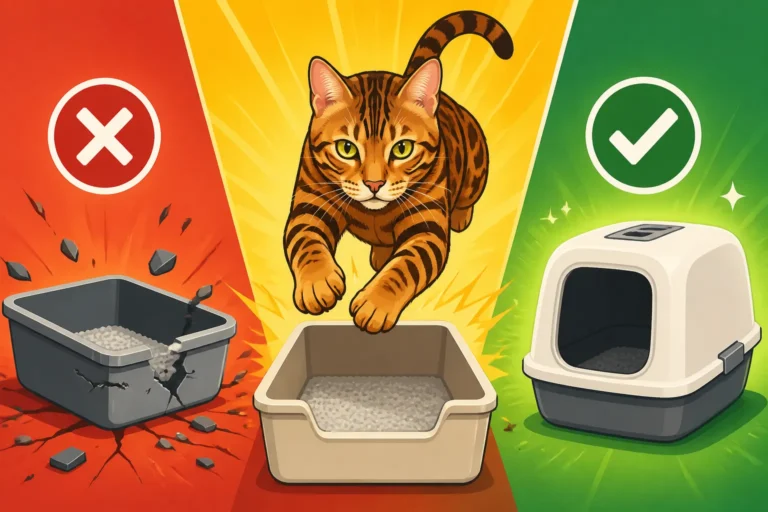
- Durability of Material: Bengals are strong. Flimsy plastic boxes won't last. Look for thick, sturdy plastic that can withstand repeated digging and scratching. A cheap, thin plastic might crack or warp over time, especially if your Bengal is a particularly enthusiastic digger. The last thing you want is a cracked box leaking urine onto your floor.
- Smooth Interior Surfaces: While a textured bottom might seem like a good idea for grip, it can make cleaning difficult. Bengal cat waste, particularly if they have occasional loose stools (a common Bengal complaint, see Why a Bengal Cat Gets Chronic Diarrhea), can cling to textured surfaces, making scooping a nightmare. Smooth, non-porous plastic is much easier to clean and helps prevent odors from absorbing into the material.
- Seamless Design: Avoid boxes with seams or multiple parts where urine can seep in and create lingering smells. A single, molded piece of plastic is ideal.
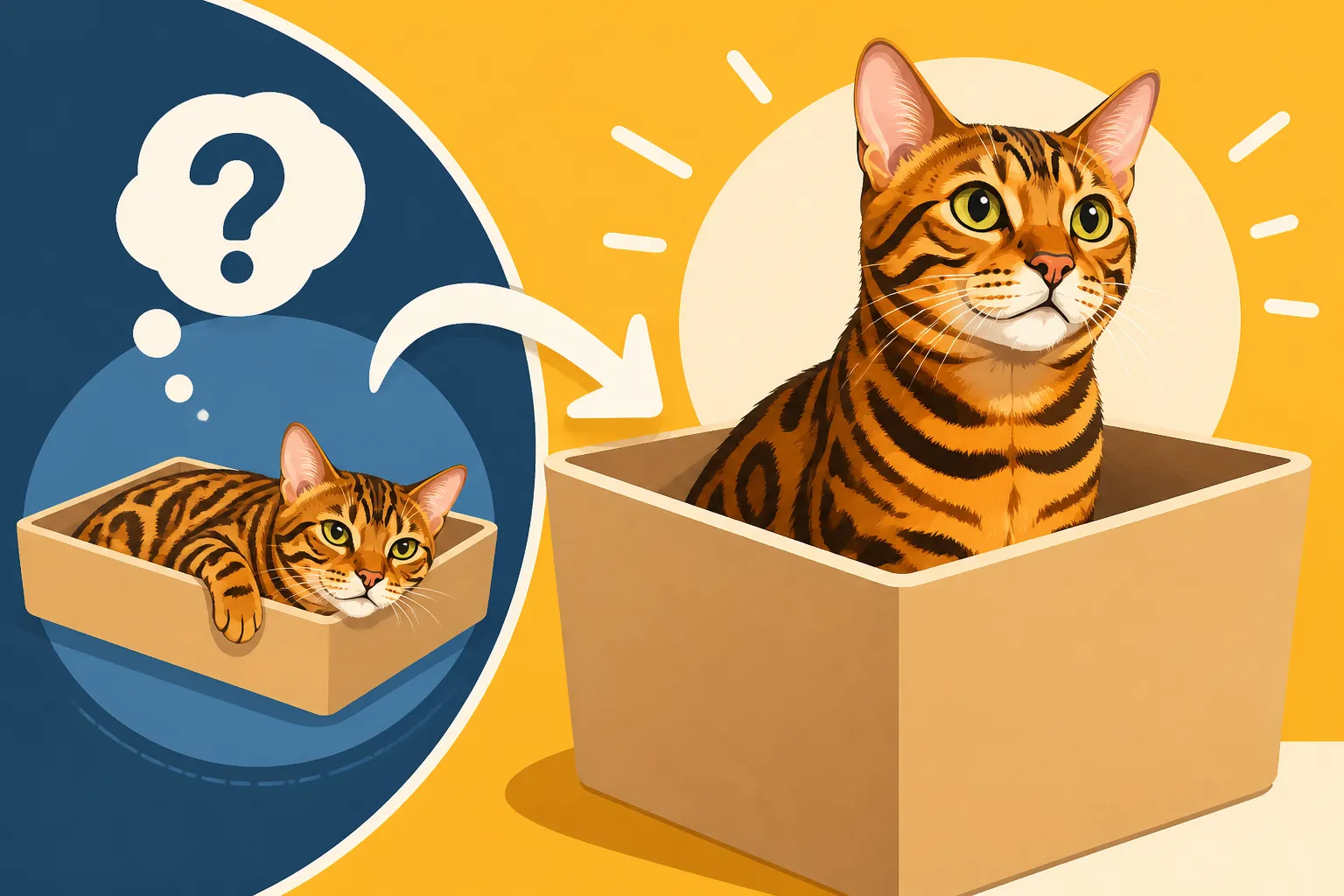
- Size Matters: Even with high sides, if the box isn't spacious enough, your Bengal might feel cramped. They like to turn around, dig, and position themselves comfortably. A small box, even a high-sided one, can lead to dissatisfaction. Always aim for a box that is at least 1.5 times the length of your Bengal cat from nose to tail base. Many owners find that a large, high-sided storage tote (made from pet-safe plastic, of course) from a brand like Amazon or even a sturdy commercial litter pan is often more suitable than traditional litter boxes.
- Covered vs. Open: This is a big one. While a high-sided covered box might seem like the ultimate solution for scatter, many Bengals absolutely detest covered boxes. The enclosed space can trap odors, making it unpleasant for their sensitive noses. It can also make them feel vulnerable, unable to see potential "threats" approaching. Most Bengals prefer an open, airy box, even if it means a bit more scatter. The high sides of an open box typically provide enough containment without creating a stale, uncomfortable environment. If you do opt for a covered box, ensure it has excellent ventilation and is cleaned even more frequently.
| Feature | High-Sided Open Box (Typical) | High-Sided Covered Box (Hooded) | Standard Open Box (Low Sides) |
|---|---|---|---|
| Litter Scatter | Significantly reduced | Greatly reduced, almost eliminated | High, often widespread |
| Odor Containment | Minimal, relies on frequent scooping | Good, but can become strong inside the box if not cleaned often | Minimal |
| Bengal Preference | Generally well-tolerated, offers privacy without feeling trapped | Often disliked due to trapped odors and feeling enclosed | May be tolerated if large enough, but prone to mess |
| Accessibility | Good, if a lower entry point is present | Can be challenging, especially for larger or older Bengals to maneuver in/out of the opening | Excellent |
| Cleaning Ease | Very good, easy to scoop and wipe down | Can be cumbersome to clean, requires removing the hood | Very good |
| Sense of Security | Moderate to high, depending on side height | High, but can feel vulnerable if the entrance is small | Low |
Beyond the High Sides: Comprehensive Litter Box Management for Bengals
While a high-sided box is a great step, it's just one piece of the puzzle in creating an optimal litter box experience for your Bengal cat and maintaining a clean home. A holistic approach is truly key.
The Right Litter: Clumping Power and Paw Comfort
The type of litter you choose plays a massive role in managing scatter and odor, especially with a deep-digging Bengal. It's not just about what you prefer; it's about what works best for their habits.
- Clumping Power is Paramount: Bengals produce a fair amount of waste, and strong clumping litter makes scooping efficient and keeps the box cleaner longer. A litter that doesn't clump well will break apart when your Bengal digs, spreading soiled particles and odors throughout the box, and inevitably, your home. Look for hard-clumping, fast-absorbing formulas. Some excellent brands available at places like Chewy offer varieties specifically for multi-cat households or superior odor control, which often translates well for active Bengals.
- Low-Dust Formulations: While your Bengal is digging with gusto, a dusty litter will release airborne particles that can irritate their respiratory system and yours. It also settles on surfaces, adding to your cleaning burden. Choose a low-dust or dust-free formula.
- Texture and Scent: Some Bengals are particular about the feel of the litter under their paws. Very coarse or crystal litters might be uncomfortable. Most cats prefer a fine, sand-like texture. As for scent, while we might appreciate a perfumed litter, many cats find strong artificial scents off-putting. These can even deter them from using the box. Unscented or naturally deodorizing litters are often best.
Experimentation is key here. What one Bengal loves, another might tolerate, and a third might flat-out refuse. Start with a popular, high-quality, unscented clumping litter and observe your cat's reaction.
Strategic Placement and Multiple Boxes: The "N+1" Rule
One box for one cat might seem logical, but for a Bengal, and especially in a multi-cat household, it's often not enough. The golden rule is "N+1," meaning one more litter box than the number of cats you have.
- Multiple Stations: Place boxes in different locations around your home. Bengals are active and might not want to trek to the same single spot every time. Placing boxes on different floors or in separate areas gives them options and reduces the likelihood of accidents if one box is busy or perceived as "dirty."
- Quiet and Accessible: Ensure each litter box location is relatively quiet, private, and easily accessible. Avoid high-traffic areas, noisy appliances, or places where they might feel trapped. However, don't hide them away so much that your Bengal forgets where they are.
- Avoid "Prime Real Estate" for Humans: While a quiet corner is good, avoid placing the box right next to your cat's food and water bowls. Cats instinctively prefer to keep their eating and elimination areas separate. Imagine trying to eat your dinner next to a toilet!
Having multiple, appropriately placed high-sided boxes will significantly increase your chances of preventing undesirable urination or defecation outside the designated areas. This also means if one box is "too dirty" in their opinion, they have a clean alternative, reducing stress and potential behavior problems. You can learn more about finding the ideal box size for your dynamic Bengal in Why a Bengal Cat Needs the Biggest Box You Can Find.
Cleaning Frequency and Odor Control: A Bengal's High Standards
Bengals are generally fastidious creatures, and they have high standards for their bathroom facilities. A dirty litter box is one of the quickest ways to encourage them to find an alternative spot – and trust me, you won't like their alternatives!
- Scoop Religiously: For a Bengal, "regular scooping" often means twice a day, if not more. Solid waste and urine clumps should be removed as soon as possible. The longer they sit, the more odor they produce, and the less appealing the box becomes.
- Full Litter Changes and Box Cleaning: Even with diligent scooping, the litter itself will eventually become saturated with microscopic waste particles and odors. A full litter change, where all the old litter is dumped out, and the box is thoroughly washed with mild soap and water (avoid harsh chemicals or strong bleaches, which can leave residues that deter cats), should happen weekly or bi-weekly, depending on the number of cats and boxes.
- Odor Eliminators: For those stubborn lingering smells, consider pet-safe odor eliminators or baking soda sprinkled at the bottom of the clean box before adding fresh litter. These can help neutralize odors without strong artificial perfumes. Remember, Bengals have a keen sense of smell, so keep it as fresh as possible for them!
Maintaining impeccable hygiene in their litter boxes is arguably more important than the box style itself. A perfectly clean, regular-sided box will always be preferred over a filthy high-sided one.
Complementary Tools and Tricks: Finishing Touches
Even with a high-sided box, the right litter, and diligent cleaning, a few extra tools can make a big difference in managing the unique challenges of a Bengal cat.
- Litter Mats: Place a good quality litter mat with deep grooves or mesh cells right outside the entry point of the high-sided box. This will help capture any litter that clings to your Bengal's paws as they exit. Brands like Amazon and Chewy offer a wide range of effective mats. While they won't catch everything, they can drastically reduce the amount of litter tracked through your home.
- Litter Box Enclosures or Furniture: If you absolutely cannot stand the sight of a litter box, or want an extra layer of containment, consider specialized litter box furniture. These are cabinets designed to discreetly house a litter box, often with internal baffling to further trap scatter. Just ensure there's good airflow, and that the entrance for your cat is large and inviting. Remember, your Bengal is clever and curious, so ensure the enclosure is robust and won't be easily broken into or moved.
- Automatic Litter Boxes: While some Bengals adapt well to automatic litter boxes, others are wary of the noise and movement. If considering one, introduce it slowly, keeping a traditional box available until you're sure your Bengal is comfortable. The self-cleaning mechanism can certainly help with odor and scooping frequency, but it's a significant investment and not a guaranteed solution for every Bengal. Be sure to check user reviews specifically from Bengal owners if you go this route, as some models might not stand up to a Bengal's rigorous digging and size.
When a High-Sided Box Isn't Enough: Addressing Deeper Issues
Sometimes, despite all your best efforts with the perfect high-sided box, the right litter, and meticulous cleaning, your Bengal might still have "accidents." This is a strong signal that there might be a deeper issue at play, and it's crucial to investigate rather than just assume it's behavioral defiance.
Stress and Litter Box Aversion: When the Mind Plays Tricks
Bengal cats, for all their confidence, can be sensitive to changes in their environment or routine. Stress can manifest in many ways, and inappropriate elimination is a common one. If your Bengal suddenly stops using their litter box, or starts having accidents right next to it, consider recent changes:
- New Pet or Person: The arrival of a new animal or human in the home can throw a Bengal off balance, leading to territorial marking or anxiety.
- Changes in Routine: Even subtle shifts in your schedule, like working different hours, can be unsettling.
- Household Conflicts: If you have multiple cats, there might be unseen litter box bullying, where one cat prevents another from accessing a box.
- Perceived Threat: A new neighborhood cat outside the window, loud construction, or even new furniture can make a Bengal feel insecure.
In these cases, the issue isn't the box itself, but the cat's emotional state. Addressing the root cause of the stress (e.g., slow introductions for new pets, consistent routine, environmental enrichment) is vital. You might need to make the litter boxes even more appealing and accessible during stressful periods, and ensure your Bengal feels safe and secure in their environment. Sometimes, extra play sessions or dedicated cuddle time can help reduce their anxiety.
Medical Concerns: When It's More Than Just a "Bad Cat"
Any change in litter box habits, especially sudden ones, warrants a trip to the veterinarian. Cats are masters at hiding pain and illness, and sometimes the only sign you get is a change in their bathroom routine.
- Urinary Tract Infections (UTIs): These are incredibly common and can make urination painful, leading a cat to associate the litter box with discomfort. They might strain, go more frequently, or even pass blood.
- Kidney or Bladder Stones: Similar to UTIs, these can cause pain and difficulty urinating.
- Arthritis or Joint Pain: As mentioned earlier, if getting into a high-sided box is painful, an older Bengal might choose an easier (but less desirable) spot, like a soft rug. This is especially true for senior cats.
- Diabetes or Kidney Disease: These conditions can cause increased thirst and urination, meaning the cat might not make it to the box in time.
- Chronic Diarrhea: Persistent loose stools, which are unfortunately not uncommon in Bengal cats, can make the litter box a very unpleasant experience. They might not be able to hold it, or they might make a mess trying to use the box, leading to aversion. For more on this, check out Chronic Diarrhea Is the Bengal Cat Complaint Nobody Warns About.
Never assume a litter box accident is purely behavioral without ruling out a medical cause first. A vet visit for a urinalysis and physical exam is always the first step. It validates their feelings and ensures they aren't suffering silently.
Consulting a Professional: When You Need Expert Help
If you've ruled out medical issues and addressed all the environmental factors, but your Bengal is still having issues, it might be time to call in the big guns: a professional cat behaviorist. These experts specialize in understanding feline behavior and can help identify subtle triggers or underlying anxieties that you might be missing.
They can offer tailored advice on:
- Behavior Modification: Techniques to positively reinforce desired litter box use.
- Environmental Adjustments: Suggestions for changes in your home layout or enrichment to reduce stress.
- Feliway or Other Calming Aids: Recommendations for pheromone diffusers or other products that can help create a calmer environment.
A behaviorist can provide an objective eye and a wealth of knowledge to help you and your Bengal find peace and cleanliness. They can often spot things that we, as owners, might be too close to see. Remember, your Bengal isn't trying to be naughty; they're communicating a need or a problem in the only way they know how. A high-sided box is a fantastic tool, but it's most effective when used as part of a comprehensive strategy that prioritizes your Bengal's physical and emotional well-being.
Disclaimer
This article is for general informational purposes only and does not constitute professional advice. Laws, prices and regulations vary by location and change over time. Consult a qualified professional for guidance on your specific situation.