Why a Bengal Cat Has Almost No Undercoat
If you've ever had the pleasure of petting a Bengal cat, you've probably noticed their coat feels utterly unique—more like a luxurious pelt than the soft, fluffy fur of many other breeds. This distinctive texture often leaves new owners wondering why their Bengal seems to shed so little and why their coat structure is so different from what they're used to. This guide dives deep into the fascinating genetics and evolutionary history that explain why your Bengal cat has almost no undercoat, and what that means for their care and your home.
The Asian Leopard Cat Connection: A Coat Built for the Wild
The story of the Bengal cat's coat truly begins with their wild ancestor, the Asian Leopard Cat (ALC). It's easy to forget that beneath those domestic purrs and playful antics lies a direct link to a creature that thrives in very different environments than our living rooms. Understanding the ALC's natural habitat gives us crucial insight into why Bengals sport such a unique coat.
Tracing the Wild Ancestry of the Bengal Coat
The Asian Leopard Cat is a small, wild feline native to a wide range across Southeast Asia, parts of India, and even some colder regions like Siberia. However, the particular subspecies used in the foundation of the Bengal breed typically hailed from warmer, more tropical or subtropical climates. Imagine lush forests, humid jungles, and open grasslands – environments where a dense, insulating undercoat would actually be a hindrance rather than a help.
In these warmer climates, the ALC's coat evolved to be sleek, short, and close-lying. This type of coat allows for efficient heat dissipation, preventing the animal from overheating during strenuous activity or in high temperatures. A thick undercoat, designed to trap warm air close to the body, would be counterproductive for a creature living in such an environment. Instead, the ALC developed prominent, tactile guard hairs that provide protection from external elements like branches and insects, while still allowing for excellent mobility and minimal drag as they navigate dense vegetation or hunt. This is the fundamental reason why the Bengal cat's coat, inherited directly from this ancestor, is so distinctively fine and low on fluff.
How This Wild Trait Passed to Domestic Bengals
When the initial crosses were made between the Asian Leopard Cat and domestic shorthairs to create the Bengal breed, breeders weren't just looking for striking patterns; they were also selecting for many physical traits, including coat type. The goal was to create a domestic cat that retained the exotic, wild look of its ALC progenitor. A short, sleek coat with minimal undercoat was a key component of this aesthetic.
Through generations of careful breeding and selection, the trait for a sparse to non-existent undercoat became firmly established within the Bengal gene pool. While some domestic cat breeds have been intentionally bred for plush, dense fur—think a Persian with its luxurious double coat or a Maine Coon's shaggy insulation—the Bengal went in the opposite direction. Breeders actively sought to maintain that "pelted" feel, which is a direct echo of the ALC's adaptation to its tropical origins. This selective breeding means that even several generations removed from their wild ancestor, the Bengal cat still carries this genetic predisposition for a coat that lies flat and has very little in the way of a soft, insulating layer beneath the prominent guard hairs. Why a Bengal Cat's Coat Came From the Asian Leopard Cat explains more about this fascinating lineage.
Understanding the Structure of a Bengal Cat's Coat
Delving into the specifics of a Bengal's coat structure helps us appreciate just how unique it is. It's not simply "short hair"; there are particular characteristics that set it apart from many other shorthaired domestic breeds.
The 'Pelted' Feel: Guard Hairs and Minimal Undercoat
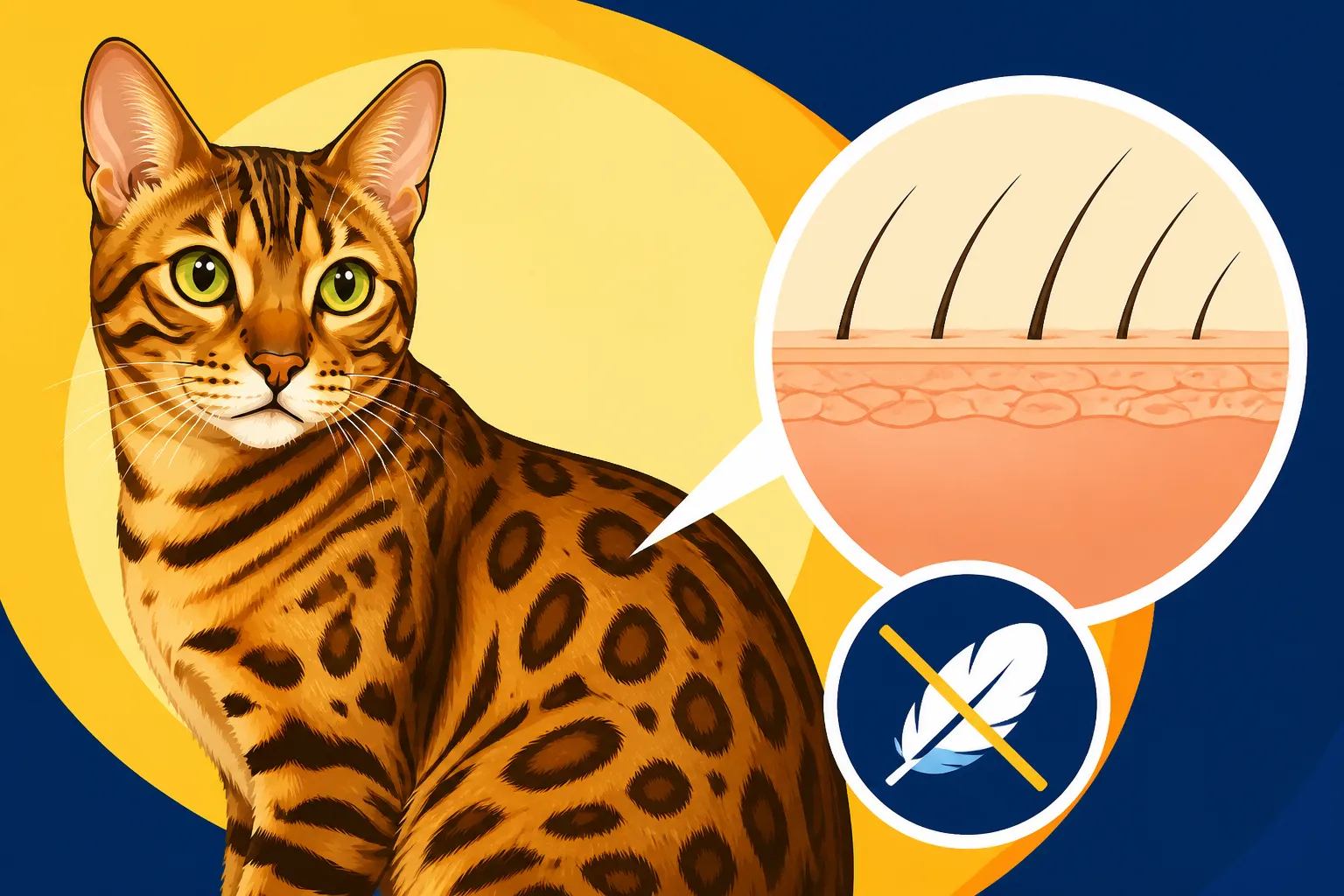
When people describe a Bengal cat's coat, they often use words like "silky," "soft," or "like velvet." This isn't just hyperbole; it's a direct reflection of the unique structure of their fur. Unlike many domestic cats that have a thick, woolly undercoat beneath longer, coarser guard hairs, a Bengal's coat primarily consists of these guard hairs. These hairs are incredibly fine and lay very close to the body, giving the coat a dense, almost "pelted" feel. It’s Why a Bengal Cat's Coat Lies So Flat and feels so different.
The minimal undercoat means there's less of that fluffy, insulating layer that typically contributes to shedding and a softer, thicker feel in other breeds. Imagine the coat of a wild animal, designed for function and sleekness, rather than voluminous softness. This structure not only contributes to their distinctive appearance but also plays a role in their grooming needs and how they regulate body temperature. The guard hairs themselves are remarkably soft to the touch, which surprises many who expect a coarser texture from a wild-looking cat.
The Role of the Glitter Gene and Hair Follicle Structure
Beyond the minimal undercoat, another captivating feature of many Bengal coats is "glitter." This isn't actual sparkle but rather a unique optical effect caused by hollow hair shafts that reflect light, giving the coat a shimmering, iridescent quality. What the Glitter Gene Does to a Bengal Cat is quite remarkable! This gene further contributes to the sleek, almost polished appearance of a Bengal's fur.
The structure of these hair follicles, particularly the guard hairs, contributes significantly to the overall low-shedding nature of the breed. Because the hairs are fine, close-lying, and often hollow, they don't hold onto dirt or shed as profusely as the denser, multi-layered coats of other cats. This combination of minimal undercoat and special hair shaft structure results in a coat that is not only visually stunning but also surprisingly low maintenance when it comes to shedding.
Practical Implications for Bengal Cat Owners
Understanding the unique characteristics of your Bengal's coat goes beyond mere curiosity; it has tangible implications for how you care for them, interact with them, and even what you can expect in terms of household cleanliness.
Minimal Shedding and Grooming Requirements
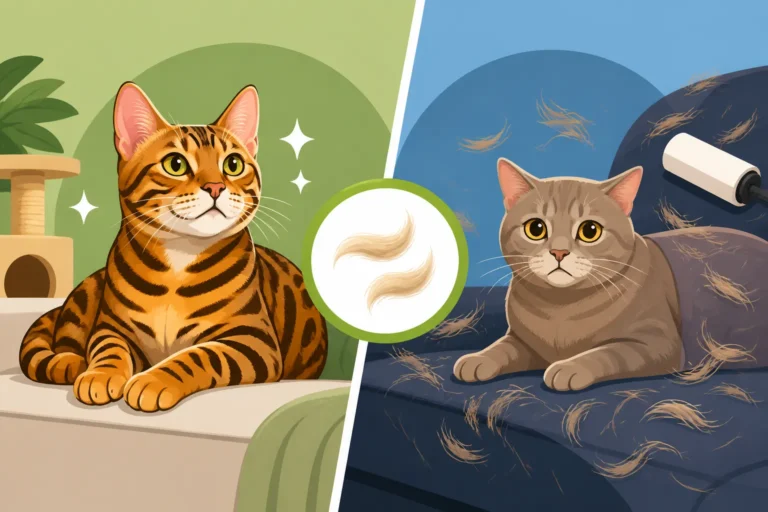
One of the most immediate and appreciated benefits of a Bengal cat's minimal undercoat is the significantly reduced shedding. If you've lived with a domestic longhair or even some shorthairs, you know the constant battle against cat hair on furniture, clothes, and pretty much everywhere. Bengals, by contrast, shed far less. This isn't to say they don't shed at all – every cat sheds to some extent – but the volume is dramatically lower, and the hairs tend to be finer and less noticeable. This makes them a dream for those who value a cleaner home. How Little a Bengal Cat Sheds for a Shorthair really is a pleasant surprise for many owners!
When it comes to grooming, this minimal undercoat means your Bengal requires far less intervention from you. While regular brushing is still a good idea for bonding and to remove loose hairs, it's rarely a strenuous chore. A soft brush or a grooming mitt used once or twice a week is usually more than enough to keep their coat in top condition. You won't typically need heavy-duty deshedding tools that are designed to rake out dense undercoats. Many owners find their Bengals tolerate a quick brush quite well, especially if it's introduced from kittenhood. You can find excellent grooming gloves and soft-bristled brushes on platforms like Amazon or Chewy, which make the experience comfortable for both you and your cat. This ease of care is a huge plus for busy owners or those who aren't keen on extensive grooming routines. Why a Bengal Cat Barely Needs Brushing at All is a common topic among Bengal enthusiasts.
Temperature Regulation and Comfort
The absence of a dense undercoat means Bengals are not as well-equipped to handle cold temperatures as breeds with thick, insulating fur. Their sleek, single coat is designed to keep them cool in warmer climates, not bundled up against the chill. This is a crucial point for owners, especially those in colder regions or during winter months.
You'll notice your Bengal is quite the heat-seeker. They'll often gravitate towards sunny spots, warm blankets, or even cuddle up close to you for warmth. It's not uncommon to find them curled up on heating vents or snuggled under duvets. This natural inclination means you need to provide adequate warmth and shelter, especially if your home can get drafty. A warm bed, a cozy blanket, or even a heated cat bed can be a real comfort for them. While they enjoy exploring outdoors in temperate weather, prolonged exposure to cold can be genuinely uncomfortable or even dangerous for them. How a Bengal Cat Copes With Cold is something every owner should be aware of, and Why a Bengal Cat Seeks Heat More Than Most Cats becomes evident quickly.
Allergy Considerations (and Misconceptions)
There's a persistent rumor that Bengal cats are "hypoallergenic" due to their unique coat. While their minimal shedding is certainly a bonus for cleanliness, it's important to approach this claim with a dose of realism. The primary allergen responsible for cat allergies is a protein called Fel d 1, which is found in cat saliva, skin flakes (dander), and urine, not just the fur itself.
While a Bengal's less dense coat and reduced shedding might mean less dander is distributed throughout your home, they still produce Fel d 1. Some individuals with mild allergies might find they react less to Bengals than to other breeds, but there's no guarantee. For someone with severe cat allergies, a Bengal is unlikely to be a "hypoallergenic" solution. It's always recommended that prospective owners with allergies spend significant time with a Bengal cat (or several, if possible) before committing, to test their personal reaction. Don't fall for the myth completely; Whether the Bengal Cat Hypoallergenic Claim Holds Up depends entirely on the individual's specific sensitivities.
Caring for the Unique Bengal Coat
While their coat is relatively low maintenance, a Bengal's unique fur still benefits from thoughtful care. Providing the right nutrition and occasional grooming will ensure their pelt remains as stunning and healthy as possible.
Nutrition for a Healthy, Lustrous Coat
Just like with our own hair and skin, a cat's coat is a reflection of its overall health, and diet plays a massive role. For a Bengal, whose coat is a defining feature, ensuring they receive high-quality nutrition is paramount. A diet rich in animal protein is essential, as cats are obligate carnivores, and protein forms the building blocks of healthy fur. Beyond protein, specific nutrients like omega-3 and omega-6 fatty acids are crucial for skin health and a lustrous, shiny coat. You'll often find these in fish oils or supplements.
Many premium cat food brands are formulated with high protein levels and beneficial fats that support skin and coat health. Look for foods that list meat as the first ingredient and avoid excessive fillers. While a Bengal's coat doesn't demand specialized, expensive products to maintain, neglecting their diet will quickly show in a dull, dry, or unhealthy-looking pelt. Always consult your vet for dietary recommendations tailored to your cat's specific needs, but generally, a high-quality, protein-rich diet will do wonders for their coat. Which Protein Percentage Suits a Bengal Cat is a topic often discussed among breeders and owners.
Bathing and Skin Care Considerations
Given their minimal undercoat and natural grooming habits, Bengal cats rarely need baths. In fact, over-bathing can strip their skin of natural oils, leading to dryness and irritation. Most Bengals are meticulous self-groomers and will keep their coats pristine on their own. The very nature of their sleek coat means dirt and debris tend to slide off rather than getting trapped in dense fur.
However, if your Bengal gets particularly dirty or rolls in something unpleasant, a bath might be necessary. When bathing, use a mild, cat-specific shampoo to avoid skin irritation. Their short, single coat dries relatively quickly, but ensure they are thoroughly dry, especially if the weather is cool, to prevent chills. Pay attention to any skin issues like dryness, redness, or flaking, as these could indicate underlying health problems that require veterinary attention. Their coat's appearance is often the first indicator of changes in their health.
Addressing Coat Changes with Age or Health Issues
As Bengal cats age, you might notice subtle changes in their coat. Their rosettes might soften, becoming less sharply defined, and the distinctive "glitter" that makes their coat shimmer can sometimes dull a little. This is a natural part of the aging process, similar to how human hair can change texture or color over time. How an Aging Bengal Cat's Rosettes Soften and How an Aging Bengal Cat's Glitter Dulls are observations many long-term Bengal owners make.
Beyond age, changes in a Bengal's coat can also be a significant indicator of health issues. A dull, greasy, excessively dry, or flaky coat can signal dietary deficiencies, parasites, skin infections, or more serious internal illnesses. If you notice any drastic or sudden changes in your Bengal's coat quality that can't be attributed to normal aging, it's always best to consult your veterinarian. They can help diagnose any underlying problems and recommend appropriate treatment or dietary adjustments to restore your cat's coat to its former glory. A healthy Bengal will almost always have a beautiful, vibrant, and sleek coat.
Disclaimer
This article is for general informational purposes only and does not constitute professional advice. Laws, prices and regulations vary by location and change over time. Consult a qualified professional for guidance on your specific situation.