Whether a Bengal Cat Needs a Wild Ancestry Diet
It's completely understandable to wonder if your Bengal cat, with their striking wild looks and energetic personality, needs a "wild ancestry diet." After all, they look so much like their leopard cat ancestors, and you want to provide the very best for them. The internet is full of passionate opinions, and it can be incredibly frustrating trying to sift through it all to figure out if you should be hunting down whole prey or meticulously balancing a raw diet for your beloved spotted companion. This guide will cut through the noise, explaining exactly what a Bengal cat truly needs nutritionally, how their wild heritage factors in, and how to make informed feeding choices for their long-term health and happiness.
Understanding the Bengal Cat's Wild Roots and Modern Reality
When you look at a Bengal cat, it's impossible to ignore the wild cat gazing back at you. Those magnificent rosettes, that powerful, athletic build, those alert eyes – it all screams "jungle cat." This striking appearance often leads owners to believe that their domestic Bengal needs a diet mirroring what their distant ancestors might have eaten in the wild. But how far removed are they really, and what does that mean for their dinner bowl?
The Asian Leopard Cat Connection
Let's start at the beginning. The Bengal cat breed originated from a cross between a domestic cat and the wild Asian Leopard Cat (ALC). It's a fascinating bit of history, creating a truly unique feline. The ALC, in its natural habitat across Asia, is a small, solitary hunter. Its diet consists almost entirely of small prey – think rodents, birds, insects, and occasionally reptiles or amphibians. They are obligate carnivores, meaning their bodies are designed to derive all necessary nutrients from animal tissue. This is where the idea of a "wild ancestry diet" for your Bengal typically springs from: the thought that if their wild relatives ate whole prey, then your Bengal should too.
However, it's crucial to remember that your pet Bengal cat is not an Asian Leopard Cat. They are generations removed from their wild ancestors. Most pet Bengals are what we call SBTs (Stud Book Tradition), meaning they are at least four generations (F4 or beyond) removed from the original ALC cross. These generations of selective breeding have domesticated them considerably, integrating them into our homes and lives. While they retain many physical traits and an incredible energy level, their digestive systems and overall biology have largely adapted to a domestic cat's needs, albeit with some unique considerations. You can learn more about their origins in A Leopard Cat and a Housecat Made the First Bengal Cat.
What "Wild Ancestry Diet" Really Means for a Domestic Cat
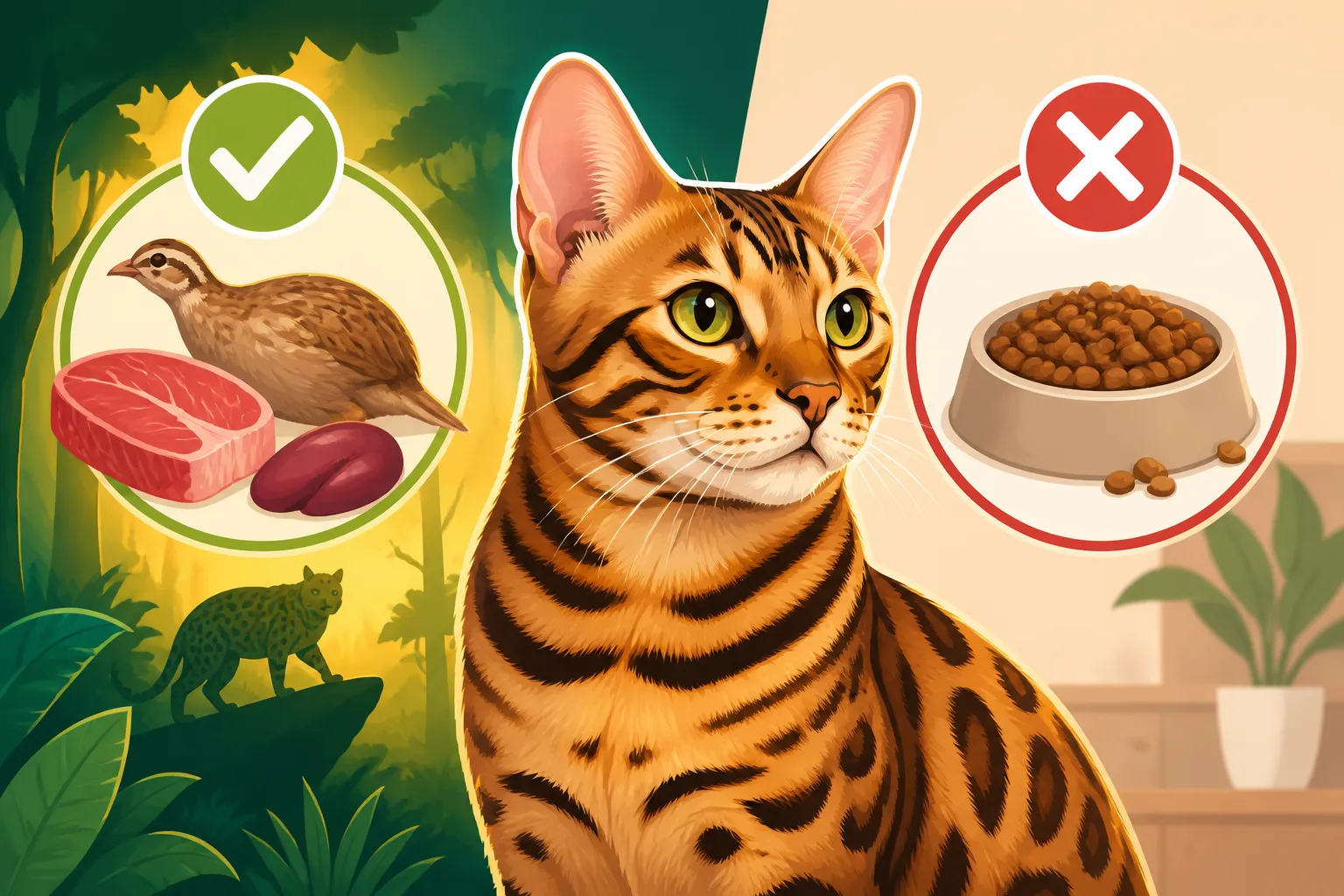
The term "wild ancestry diet" can be a bit of a marketing buzzword, often conjuring images of raw meat, bones, and organs. For a truly wild cat like the ALC, this diet is complete and balanced, as they consume the entire prey animal, including fur, organs, and bones, which provide essential vitamins, minerals, and fiber.
For a domestic Bengal, however, translating this directly can be problematic. What people often think it means is simply feeding raw meat. But raw meat alone is not a balanced diet for any cat, wild or domestic. It lacks crucial nutrients found in organs, bones, and the gut contents of prey. A truly "wild ancestry" approach, if attempted at home, would require meticulous balancing of muscle meat, organs (like liver and heart), and calcium (from finely ground bone or supplements). The modern reality is that most domestic cats, including Bengals, thrive on commercially prepared foods designed to meet their specific nutritional profile, which is high in protein and fat, and low in carbohydrates.
Nutritional Needs of an Active Bengal Cat
Bengals are not your average couch potato cat. They are bundles of energy, constantly exploring, climbing, and playing. This high activity level, combined with their muscular build, means their nutritional requirements are distinct from a less active domestic shorthair. The core of a Bengal's diet should still be approached with their feline carnivorous nature in mind, but practical application is key.
High Protein, Not Necessarily Wild
One of the most defining characteristics of a Bengal cat's nutritional needs is their requirement for a high-protein diet. Protein is the building block for their strong muscles, provides sustained energy, and supports their overall vitality. When we talk about "high protein" for a Bengal, we're typically looking for foods where animal-based protein is the primary ingredient, making up a significant percentage of the caloric content. This is a direct echo of their carnivorous ancestry – their bodies are designed to process and utilize protein efficiently.
This doesn't automatically mean a raw diet is the only answer. Many high-quality commercial cat foods, both wet and dry, are formulated with high protein levels from animal sources like chicken, turkey, beef, or fish. The key is to look at the ingredient list. The first few ingredients should be identifiable meat sources, not vague "meat meals" or excessive plant-based fillers. For active Bengals, a diet with at least 30-40% protein, sometimes even higher, can be beneficial, helping to fuel their boundless energy. For more on this, you might find The High Protein Argument for a Bengal Cat helpful, as well as Which Protein Percentage Suits a Bengal Cat. This level of protein supports their metabolism and muscle maintenance, preventing them from feeling perpetually hungry or losing muscle mass despite their high activity.
The Importance of Moisture and Digestibility
Beyond protein content, moisture is a critically important factor in a Bengal cat's diet. Cats, by nature, are not big drinkers. In the wild, they get most of their hydration from their prey. Domestic cats often carry this trait, leading them to be chronically dehydrated if fed an exclusively dry kibble diet. This can contribute to various health issues over time, including kidney problems and urinary tract infections. Wet food, with its high moisture content, helps ensure your Bengal stays adequately hydrated, supporting kidney function and overall health.
Digestibility is another significant consideration, especially for Bengals. Many Bengal owners will tell you about their cat's notoriously sensitive stomachs. Things like Chronic Diarrhea Is the Bengal Cat Complaint Nobody Warns About are a common complaint. This means the quality and type of ingredients matter immensely. Highly digestible animal proteins and fats, with minimal artificial additives, fillers, or complex carbohydrates, are generally best. Some Bengals do well on limited ingredient diets if food sensitivities are suspected. The goal is to provide nutrients in a form their unique digestive system can easily process and absorb, minimizing stomach upset and maximizing nutrient uptake. Why a Bengal Cat's Gut Is So Sensitive delves deeper into this particular challenge.
Debunking Common Myths About Grain-Free and Raw Diets
The pet food market is rife with trends, and "grain-free" and "raw" diets are two that often come up in discussions about wild ancestry feeding. It's important to approach these with a critical, informed perspective rather than just following a trend.
The "grain-free" myth often stems from the idea that because wild cats don't eat grains, domestic cats shouldn't either. While cats are obligate carnivores and don't need grains, they also don't necessarily benefit from grain-free diets unless they have a specific allergy or sensitivity, which is actually rare. Many grain-free foods replace grains with other carbohydrate sources like peas, potatoes, or lentils, which aren't inherently superior and may even contribute to different health concerns if fed in large quantities, especially when considering the lack of extensive long-term research on their effects. Focus should always be on the quality and source of protein and fat, rather than simply the absence of grains.
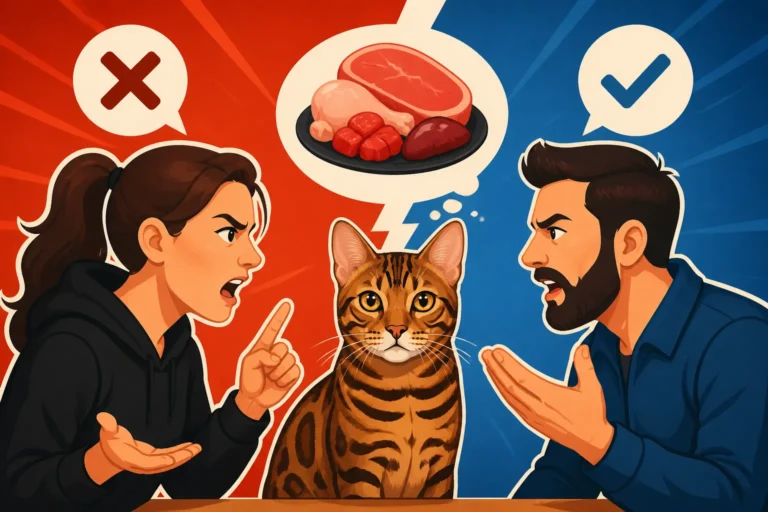
Raw diets, while seemingly aligned with a “wild ancestry” approach, come with their own set of complexities and risks. Advocates point to benefits like shinier coats, higher energy, and better digestion. However, raw feeding requires significant research and commitment to ensure nutritional completeness and safety. Without careful balancing, raw diets can lead to nutrient deficiencies or excesses, both of which can be harmful. The biggest concern for most pet owners, however, is the risk of bacterial contamination from raw meat, such as Salmonella or E. coli, which can affect both the cat and human household members. While some commercially prepared raw or fresh options claim to be balanced and safer, careful handling and strict hygiene protocols are always necessary. For more insight into the safety aspects, read Whether Raw Feeding Is Safe for a Bengal Cat. It's not a diet to jump into without extensive knowledge and ideally, guidance from a veterinary nutritionist.
Practical Diet Options for Your Bengal
So, if a "wild ancestry diet" doesn't strictly mean hunting deer in your backyard, what does it mean for your Bengal's mealtime? It boils down to providing high-quality, species-appropriate nutrition that respects their carnivorous nature and high energy levels.
High-Quality Commercial Wet and Dry Foods
For most Bengal owners, the most practical and safest approach is to feed a high-quality commercial diet. The market today offers an incredible array of options, and many reputable brands formulate their foods specifically to meet the nutritional needs of active, protein-loving cats.
When choosing commercial food, whether it's wet, dry, or a combination, focus on the following:
- Protein Sources: Look for foods where identifiable animal protein (e.g., "chicken," "salmon," "turkey meal") is listed as the first ingredient, and ideally, the first few ingredients. Avoid vague terms like "meat by-products" if possible, though not all by-products are bad.
- Moisture Content: Prioritize wet food. If you feed dry kibble, ensure fresh water is always available and consider supplementing with a wet food meal daily. Many Bengals enjoy a mix, getting the dental benefits (minor) of kibble and the hydration of wet food.
- Carbohydrates: While some carbs are fine, they shouldn't be the bulk of the diet. Look for foods with lower carbohydrate percentages.
- Minimal Fillers and Artificial Additives: Avoid foods with excessive corn, soy, or wheat fillers, as well as artificial colors, flavors, and preservatives.
- Nutritional Completeness: Ensure the food states it is "complete and balanced" for all life stages or the appropriate life stage (kitten, adult, senior), often following AAFCO guidelines.
You can find excellent options from trusted pet food retailers like Chewy, which carries a wide range of premium brands designed for active felines. Even large online marketplaces like Amazon offer a vast selection, allowing you to compare ingredients and reviews. Remember, what works for one Bengal might not work for another due to individual sensitivities, so a bit of trial and error might be necessary, always transitioning foods slowly to avoid stomach upset.
Considering a Raw or Home-Prepared Diet
For those determined to follow a more stringent "wild ancestry" diet, a raw or home-prepared option can be chosen, but it requires significant dedication.
Raw Diets: If you opt for raw, you essentially have two main paths:
- Commercial Raw: These are pre-made raw diets, often found frozen or freeze-dried, from companies that aim to provide balanced nutrition. Some companies offer fresh, human-grade food, including raw-like formulations, but always check the specific nutritional analysis to ensure it's complete for cats. While often pricier, they remove much of the guesswork. Still, strict hygiene in handling and storage is paramount.
- DIY Raw: This involves preparing your Bengal's meals from scratch using raw muscle meat, organs, and bones or bone meal. This path carries the highest risk of nutritional imbalance and bacterial contamination if not done precisely. It is absolutely essential to work closely with a veterinary nutritionist who specializes in raw or home-prepared diets. They can help you formulate recipes that are complete and balanced for your Bengal's specific needs, reducing the risk of nutrient deficiencies that can lead to serious health problems over time. Without expert guidance, you risk causing more harm than good.
Home-Prepared Cooked Diets: Some owners prefer to cook for their cats to control ingredients but avoid the risks of raw meat. Like raw diets, these must be nutritionally balanced with expert advice. Cooking meat changes its nutrient profile, and simply feeding cooked chicken, for instance, will not provide all the vitamins and minerals your Bengal needs. Supplements formulated specifically for home-cooked cat diets are usually necessary.
Regardless of your choice, a key component of providing good nutrition is observing your cat. Is their coat shiny? Are their eyes bright? Do they maintain a healthy weight and muscle tone? Are their stools firm and consistent? These are all indicators of how well their diet is suiting them. How Long a Bengal Cat Lives on Average is directly linked to good long-term nutrition and care.
Monitoring Your Bengal's Health and Stool
Choosing the right diet is an ongoing process, not a one-time decision. Your Bengal's dietary needs might change with age, activity level, or if they develop specific health conditions. Regularly monitoring their health and stool is crucial for knowing if their diet is serving them well.
- Energy Levels: A well-fed Bengal should be bursting with energy. If they seem lethargic or their play drive decreases significantly, it might be a sign their diet isn't providing adequate fuel.
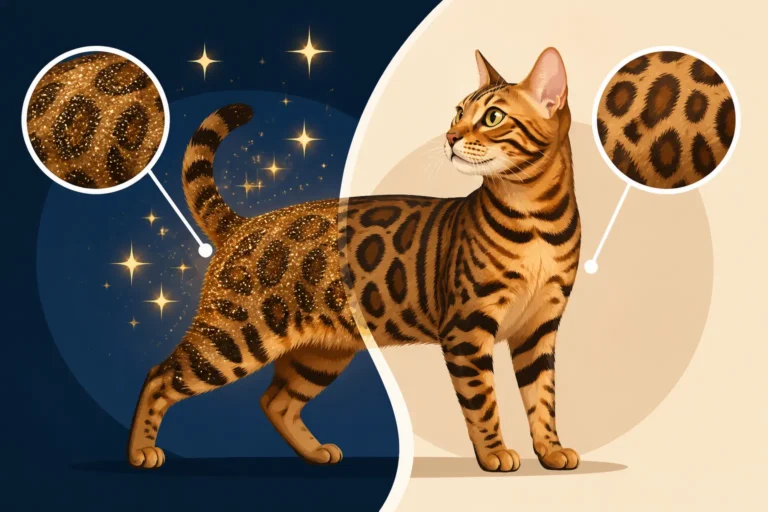
- Coat Condition: A healthy Bengal has a soft, sleek, glittering coat. Dullness, excessive shedding (beyond their minimal normal shedding), or dry skin can all point to nutritional deficiencies.
- Weight Management: Bengals are naturally lean and muscular. Regularly weigh your cat and visually assess their body condition. You should be able to feel their ribs easily but not see them protruding. Overweight or underweight can indicate an imbalance in their caloric intake relative to their activity level.
- Stool Consistency: This is often the most immediate indicator of digestive health. Healthy Bengal stools should be firm, well-formed, and consistent. Loose stools, diarrhea (which can be a persistent issue for Bengals as discussed in Chronic Diarrhea Is the Bengal Cat Complaint Nobody Warns About), or constipation are all signs that something might be off with their diet or overall health. Keep a close eye on any changes and consult your vet promptly.
- Veterinary Check-ups: Regular veterinary check-ups are non-negotiable. Your vet can provide personalized dietary advice, perform blood work to detect deficiencies, and address any underlying health issues that might be affecting your Bengal's ability to absorb nutrients.
Remember, even with the best intentions, a homemade or raw diet can be tricky to get right. Always prioritize your cat's health and safety, and don't hesitate to seek professional guidance.
Beyond the Bowl: Lifestyle and Enrichment
While diet is a cornerstone of health, for a Bengal cat, it's intrinsically linked to their incredibly active lifestyle and need for mental stimulation. Thinking about their "wild ancestry" means more than just food; it means understanding their whole being.
Exercise and Metabolism
Bengals are known for their boundless energy. They leap, climb, run on cat wheels, and generally seem to be in perpetual motion. This high activity level means they burn a significant number of calories daily compared to many other domestic breeds. How Many Calories a Cat as Active as a Bengal Burns is a topic many owners grapple with. Their metabolism is designed for efficiency, and they require a diet that can sustain this without causing weight loss or muscle wasting.
Therefore, when considering their diet, it's not just about what they eat, but how much they eat. An underfed Bengal will quickly become thin and may even seek out inappropriate food sources to satisfy their hunger. Conversely, even an active Bengal can become overweight if overfed, especially if their diet is too high in carbohydrates or lower-quality fillers. The goal is to match their caloric intake to their energy expenditure, which can vary day by day. Regular, vigorous play sessions are essential to keep their bodies fueled and their metabolism humming.
The Role of Mental Stimulation
In the wild, an Asian Leopard Cat spends a significant portion of its day hunting, stalking, and exploring its territory. This isn't just physical exercise; it's intense mental stimulation. A domestic Bengal, despite being generations removed, still carries this inherent need for engagement and problem-solving. A "wild ancestry" approach to care means providing outlets for these natural instincts.
Puzzle feeders are fantastic tools for this. Instead of simply putting food in a bowl, a puzzle feeder requires your Bengal to "work" for their meal, mimicking the challenge of a hunt. This slows down eating, aids digestion, and provides crucial mental enrichment. There are many types, from simple treat balls to complex multi-stage puzzles. Finding Which Puzzle Feeder Beats a Bengal Cat can be a fun challenge for both of you! Beyond food puzzles, providing plenty of vertical climbing spaces, interactive toys, and opportunities for supervised outdoor time (like in a secure catio or on a leash) helps to satisfy their inherent drive to explore and "hunt." This holistic approach ensures your Bengal is not only physically healthy from a good diet but also mentally fulfilled, leading to a much happier and well-adjusted companion.
Comparing Bengal Cat Diet Approaches
| Diet Type | Description | Pros | Cons |
|---|---|---|---|
| High-Quality Commercial Wet | Canned or pouched food, high in moisture and animal protein. | Excellent hydration, highly digestible, often balanced, convenient. | Can be more expensive than dry, some Bengals are finicky about texture/flavor. |
| High-Quality Commercial Dry | Kibble formulated with high animal protein. | Convenient, can be free-fed (though not ideal for Bengals), good for dental (minimal benefit). | Low moisture (requires diligent water intake), higher carb content usually, can lead to dehydration. |
| Commercial Raw/Fresh | Pre-prepared, balanced raw or gently cooked meals (often frozen or freeze-dried). | High protein, high moisture, can resemble natural prey diet, convenient for raw. | Costly, requires strict handling hygiene, some still carry bacterial risk. |
| DIY Raw/Home-Cooked | Meals prepared from scratch at home (raw meat, organs, bones; or cooked components). | Complete control over ingredients, highly customizable. | High risk of nutritional imbalance, bacterial contamination (raw), time-consuming, requires expert guidance. |
Disclaimer
This article is for general informational purposes only and does not constitute professional advice. Laws, prices and regulations vary by location and change over time. Consult a qualified professional for guidance on your specific situation.