Which Litter a Bengal Cat Throws Least
If you're reading this, you've probably experienced the sheer joy of walking across your floor only to feel something gritty underfoot. For Bengal cat owners, this isn't an occasional mishap; it's a daily reality, a testament to their powerful digging instincts and boundless energy. This guide is all about tackling that persistent problem: how to choose a litter that your energetic Bengal cat is least likely to send flying across the room, and what other strategies you can employ to keep your home a little cleaner.
Why Your Bengal Cat Becomes a Litter Flinging Maestro
Let's be honest, watching a Bengal cat enthusiastically dig in their litter box can be both mesmerizing and maddening. It's not out of spite, though it often feels that way when you're sweeping up for the third time in a day. Their wild ancestry plays a huge role in this behavior, making them uniquely prone to excavating and flinging litter. Understanding why they do it is the first step to finding solutions.
The Instinct to Dig and Cover
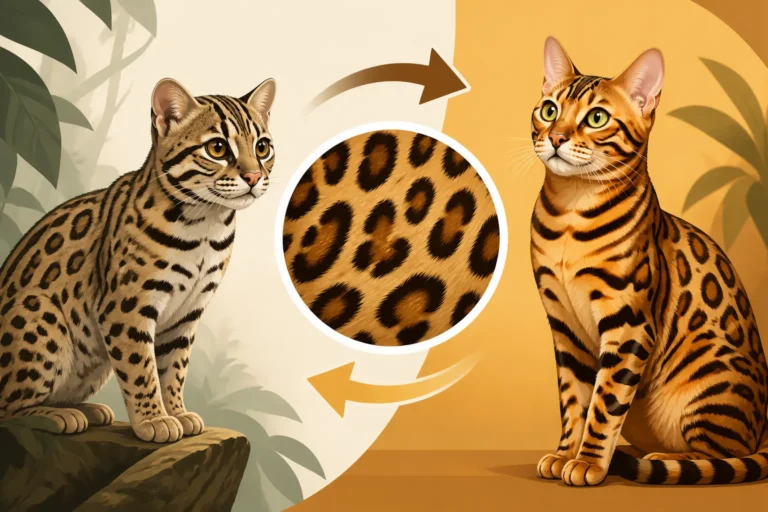
At the heart of every Bengal cat's spirited digging is the deep-seated instinct passed down from their Asian Leopard Cat ancestors. In the wild, covering their waste is a critical survival behavior. It hides their presence from predators and rivals, ensuring they remain undetected. This isn't just a polite bathroom habit; it's hardwired into their DNA. Your Bengal isn't just burying their business; they're performing an ancient ritual, and they do it with gusto. This means they often dig far deeper and more vigorously than your average domestic shorthair, often hitting the bottom of the tray and sending a shower of particles over the edge. You might find yourself wondering Why a Bengal Cat Digs to the Bottom of the Box with such intensity.
High Energy and Playful Tendencies
Bengal cats are not your typical couch potatoes. They are incredibly high-energy creatures, often described as the most active cat breed you can own. This isn't just about running and climbing; it extends to every aspect of their lives, including their bathroom habits. What might start as digging can quickly turn into a playful excavation project. They might bat at the litter, pounce on it, or simply get so wrapped up in the act of digging that the litter goes flying simply due to the sheer force of their movements. Imagine a toddler in a sandpit, but with razor-sharp claws and the agility of a jungle cat – that's often what you're dealing with. Their playful nature means they find joy in movement and interaction, even if that interaction is with their litter.
The Sheer Joy of Making a Mess
While we might not understand the allure, for a Bengal cat, there can be a certain satisfaction in the sensory experience of digging and kicking. The texture of the litter, the sound it makes as it scatters, and the physical exertion all contribute to a stimulating activity. It's a natural outlet for their predatory energy. They're exploring, marking their territory in a less direct way, and simply enjoying the tactile sensation. From their perspective, it's not a mess; it's just a consequence of a very engaging activity. They are creatures of incredible intelligence and curiosity, and sometimes, that manifests in unexpected ways, like turning the litter box into a mini construction site. If you observe your Bengal closely, you'll see it's often an extension of their general energetic behavior, much like their tendency to leap onto the highest shelves or chase a wand toy with relentless vigor. It’s all part of their unique charm, even if it does mean more cleaning for you.
The Quest for the Less-Thrown Litter: Types and Their Traits
Choosing the right litter is crucial, and it's not just about odor control or clumping ability when you have a litter-flinging Bengal. You need to consider weight, particle size, and how well it stays within the box despite vigorous digging. It’s a bit of an experiment, and what works for one Bengal might not work for another, but understanding the options is key.
Heavy Clumping Clay Litter: The Traditional Powerhouse
Traditional clumping clay litter is a popular choice for many reasons, including its effectiveness at odor control and ease of scooping. For Bengals, however, it’s a mixed bag. The good news is that heavier clay litters are generally harder for them to kick out of the box. Larger, denser granules tend to stay put better than fine, lightweight ones. When your Bengal is digging with all their might, a heavier litter offers more resistance and is less likely to become airborne.
However, many clay litters are also notoriously dusty. While the larger particle size might reduce flinging, the dust created by intense digging can still cause a significant mess and can even be irritating for both you and your cat. If you go this route, look for "low dust" or "dust-free" formulations. Brands like PrettyLitter (available on Chewy) often focus on these features. The trade-off is often finding a balance between weight and dust production. A heavier, less dusty clay might still be flung, but at least the particulate matter won't linger in the air as much.
Silica Gel Litter: The Absorbent, Low-Dust Option
Silica gel litter, often recognizable by its crystal appearance, is a fantastic option for odor absorption and moisture control. It’s also generally low-dust, which is a big plus for Bengals who love to excavate. The particles themselves are usually larger and have a more irregular shape compared to fine clay, which can make them harder to cling to paws and less prone to tracking.
The main challenge with silica gel litter for a Bengal owner is its weight and texture. While the individual crystals might be larger, the overall density can sometimes be lighter than heavy clay. This means that a determined Bengal can still get those crystals airborne with a good kick. Also, some cats don't like the feel of the crystals under their paws. Bengals can be particular, and if they don't like the texture, they might avoid the box or dig even more frantically to "improve" the substrate. It's an option worth trying, but observe your cat's reaction carefully. You can find various silica gel brands on platforms like Amazon.
Natural Litters: Wood, Paper, and Corn – The Eco-Friendly Choice
Natural litters, made from materials like recycled paper, wood pellets, or corn, offer environmentally friendly alternatives. They often boast excellent odor control and are biodegradable. For Bengals, their efficacy in preventing litter flinging varies wildly depending on the specific type:
- Wood Pellets: These are typically heavy and large, making them very difficult for a Bengal to kick out. They also have minimal dust. The downside is that they don't clump, breaking down into sawdust when wet, which some cats dislike. The texture might also be a turn-off for a sensitive Bengal.
- Recycled Paper Pellets: Similar to wood, these are large and heavy, reducing scattering. They are also dust-free. Like wood pellets, they don't clump well, and can become soggy, which can be unappealing.
- Corn Litter: This is often praised for its clumping ability and natural odor control. The particles can range from fine to larger granules. Finer corn litters might still be flung easily, but some brands offer larger, more textured granules that could fare better. They are generally lightweight, however, making them prone to scattering if your Bengal is an enthusiastic digger.
- Walnut Shell Litter: A newer natural option, ground walnut shells offer good odor control and clumping. The particles are dark and can be a bit dusty, but their irregular shape and moderate weight might make them less prone to wide-area flinging compared to very fine clay.
The main consideration with natural litters is often the balance between texture, weight, and clumping. Your Bengal's preferences will dictate success here. Many people prefer these options for their sustainable qualities, and you can find a wide variety on Chewy.
Understanding Particle Size and Weight
When it comes down to it, the two biggest factors influencing how much litter your Bengal cat throws are particle size and weight.
- Particle Size: Generally, larger, more irregularly shaped particles are harder to kick out of the box and less likely to cling to paws and be tracked through the house. Think of large wood pellets versus fine, sand-like clay. The finer the particles, the easier it is for them to be dislodged and scattered by enthusiastic digging. However, some Bengals prefer finer litter as it more closely mimics sand, their natural digging medium. It's a tricky balance.
- Weight: Heavier litter, as a whole, offers more resistance to your Bengal's digging power. It takes more effort to send a heavy clump flying than a lightweight one. This is why some of the denser clay litters can sometimes be preferable despite their potential for dust.
It might be worth investing in small bags of different types to see what your Bengal tolerates best and what creates the least mess. Sometimes, a slightly less preferred litter that stays in the box is better than a favorite that ends up all over the house.
Here's a quick comparison of common litter types and their "flingability":
| Litter Type | Particle Size | Weight (General) | Dust Level | Clumping Ability | Fling-Resistance (Bengal) | Notes |
|---|---|---|---|---|---|---|
| Heavy Clumping Clay | Medium to Fine | Heavy | Medium | Excellent | Good (if dense) | Can be dusty, but usually stays put. |
| Lightweight Clumping Clay | Fine | Light | Medium | Excellent | Poor | Very easy to kick and track. |
| Silica Gel (Crystals) | Medium to Large | Light to Medium | Low | Poor | Moderate | Good odor control, but crystals can scatter. |
| Wood Pellets | Large (Pellets) | Heavy | Very Low | None (disintegrates) | Excellent | Some cats dislike texture, no clumping. |
| Recycled Paper Pellets | Large (Pellets) | Heavy | Very Low | None (soggy) | Excellent | Can become soggy, some cats dislike. |
| Corn Litter | Fine to Medium | Light | Low | Good | Poor to Moderate | Environmentally friendly, but often light. |
| Walnut Shell Litter | Medium (Granular) | Medium | Low-Medium | Good | Moderate | Natural, good odor control. |
Beyond the Litter Type: Environmental Solutions for a Cleaner Floor
Even with the "best" litter for a Bengal cat, you're likely to encounter some degree of litter flinging. That's just part of living with these spirited felines! This is where environmental adjustments come into play. The right litter box, its placement, and your cleaning routine can make a huge difference in containing the mess.
The Right Litter Box Design: High Sides and Covered Options
The choice of litter box is arguably just as important as the litter itself. Your standard, low-sided litter pan simply won't cut it for a Bengal. Their vigorous digging means that litter will inevitably go flying over the edge.
- High-Sided Boxes: This is your first line of defense. Look for boxes with walls at least 10-12 inches high, if not more. Many storage totes make excellent, inexpensive high-sided litter boxes. You can even cut a low entry point on one side for easier access if your Bengal is a kitten, senior, or has mobility issues, while still maintaining high walls around the rest of the perimeter. Remember, Why a Bengal Cat Needs the Biggest Box You Can Find isn't just about their physical size, but also the sheer force and enthusiasm they bring to their digging. A large, high-sided box gives them more room to work without sending litter onto your floor.
- Covered Boxes: While a covered box might seem like a natural solution to contain the mess, it's not always the best choice for Bengals. While they do trap some airborne litter, many Bengals dislike enclosed spaces for their litter habits. The trapped odors can be offensive to their sensitive noses, leading them to hold it or find alternative (and often less desirable) places to go. Furthermore, a covered box doesn't always prevent scattering. Some Bengals will still dig with such fervor that litter escapes through the entrance. If you do opt for a covered box, ensure it's extra-large and has excellent ventilation. Some owners find success with top-entry litter boxes, as the high walls and entrance on top naturally contain litter better, forcing the cat to jump out and hopefully dislodge some litter from their paws back into the box. This can be a game-changer if your Bengal is a major litter tracker, and it addresses Whether a High Sided Box Suits a Bengal Cat by incorporating high walls.
Strategic Placement and Litter Mats
Where you put the litter box, and what you put around it, also plays a significant role.
- Litter Box Placement: Avoid placing the litter box in high-traffic areas where stray litter is easily spread. A dedicated laundry room, a quiet corner of a bathroom, or a utility closet can be good options. Placing it against a wall in a corner can also help contain some of the mess. Ensure it's in a spot where your Bengal feels safe and unobserved, as privacy is important for their bathroom routine. Consider whether Why One Box Is Never Enough for a Bengal Cat applies to your situation, as multiple boxes can sometimes dilute the amount of digging in any single box.
- Litter Mats: These are non-negotiable for Bengal owners. Invest in large, effective litter mats with deep grooves or a textured surface that catches and traps litter particles from your cat's paws as they exit the box. There are many excellent designs available, including honeycomb mats and those with deep pockets. Place a large mat directly in front of the entry point and, ideally, extending a bit around the sides, especially if your Bengal likes to leap out. Regular vacuuming of these mats is essential. You can find a wide selection of highly-rated litter mats on Amazon.
Managing Litter Depth and Cleaning Frequency
These two factors might seem small, but they can significantly impact how much litter ends up outside the box.
- Litter Depth: It might sound counterintuitive, but sometimes too much litter can be just as problematic as too little. If the litter is piled too high, it's easier for your Bengal to displace large quantities with each enthusiastic dig. Aim for about 3-4 inches of litter, enough for them to dig and bury comfortably without it becoming a mountain they can easily excavate over the edges. Experiment with different depths to see what works best for your particular cat.
- Cleaning Frequency: This is paramount for any cat, but especially for Bengals. A dirty litter box can lead to all sorts of behavioral issues, including urinating or defecating outside the box. For a Bengal, a dirty box might also prompt more aggressive digging as they try to find a "clean" spot, leading to more flung litter. Scoop at least twice a day, and ideally, after every use if you're home to do so. Replace all the litter and thoroughly clean the box with mild soap and water weekly. A consistently clean box not only promotes good hygiene but can also reduce the intensity of your Bengal's digging. If you let it go, you'll certainly know Why a Bengal Cat Throws Litter Everywhere out of protest.
Training and Enrichment: Redirecting That Wild Energy
Sometimes, the solution isn't just about the right product; it's about addressing the underlying behavior. Bengal cats are incredibly intelligent and active, and if that energy isn't channeled positively, it can manifest in destructive ways – including an over-enthusiastic approach to the litter box. Think about The Bengal Cat Is the Most Active Cat You Can Own; this energy needs an outlet.
Distracting with Play and Vertical Space
A bored Bengal is a destructive Bengal. If your cat isn't getting enough mental and physical stimulation, they might turn to the litter box as an outlet for their excess energy.
- Scheduled Play Sessions: Incorporate multiple, intense play sessions throughout the day. We're talking 10-15 minutes of vigorous wand toy play, laser pointers (used carefully to avoid frustration), or interactive toys. The goal is to truly tire them out. A well-played Bengal is often a less destructive Bengal. If they've spent their energy chasing a feather wand, they might be less inclined to turn the litter box into a digging site. Understanding What a Bengal Cat Does All Day can help you schedule these sessions effectively.
- Vertical Space: Bengals thrive on climbing and exploring. Providing ample vertical space through tall cat trees, wall-mounted shelves, and cat walks can be incredibly beneficial. This allows them to express their natural desire to climb, perch, and survey their territory from above, fulfilling a primal need. When they have appropriate outlets for their energy, they're less likely to channel it into undesirable behaviors like excessive litter digging. Explore ideas for How Much Vertical Space a Bengal Cat Needs to transform your home into a Bengal-friendly playground.
The Importance of Mental Stimulation
Bengal cats are smart, sometimes too smart for their own good. If their brains aren't engaged, they can become restless and mischievous.
- Puzzle Feeders: Ditch the food bowl for at least some of their meals. Puzzle feeders force your Bengal to "hunt" for their food, engaging their minds and natural problem-solving abilities. This can be a great way to slow down their eating and provide mental enrichment that burns energy. Many pet stores and online retailers like Chewy offer a variety of puzzle feeders.
- Clicker Training: Bengals are highly trainable and respond well to positive reinforcement. Teaching them tricks using a clicker can be a fantastic way to engage their intelligence and build a stronger bond. Learning commands like "sit," "stay," or even "fetch" can redirect their focus and provide a constructive outlet for their clever minds. This is part of providing How Much Exercise a Bengal Cat Needs a Day, which isn't just physical.
Observing and Adapting to Your Bengal's Habits
Every Bengal cat is an individual, and what works for one might not work for another. The key is to be a diligent observer and be willing to adapt.
- Watch for Patterns: When does your Bengal fling litter the most? Is it always after they've used the box, or sometimes when they're just exploring? Is it tied to certain times of day or when they seem particularly restless? Understanding these patterns can help you intervene with a play session or adjust the litter or box.
- Trial and Error: Don't be afraid to try different types of litter or different litter box setups. Buy small bags of various litters to test. Try a high-sided box, then a top-entry, or even both in different locations. It might take some time and patience, but finding the right combination will be worth it for your sanity and your clean floors. Remember, What a Bengal Cat Weighs can give you an idea of their physical strength when digging, so a heavier litter might just be the ticket. Sometimes, what seems like a costly experiment upfront will save you endless frustration and cleaning in the long run. In the grand scheme of Whether a Bengal Cat Is Worth the Money, solving these daily frustrations definitely adds value.
Disclaimer
This article is for general informational purposes only and does not constitute professional advice. Laws, prices and regulations vary by location and change over time. Consult a qualified professional for guidance on your specific situation.