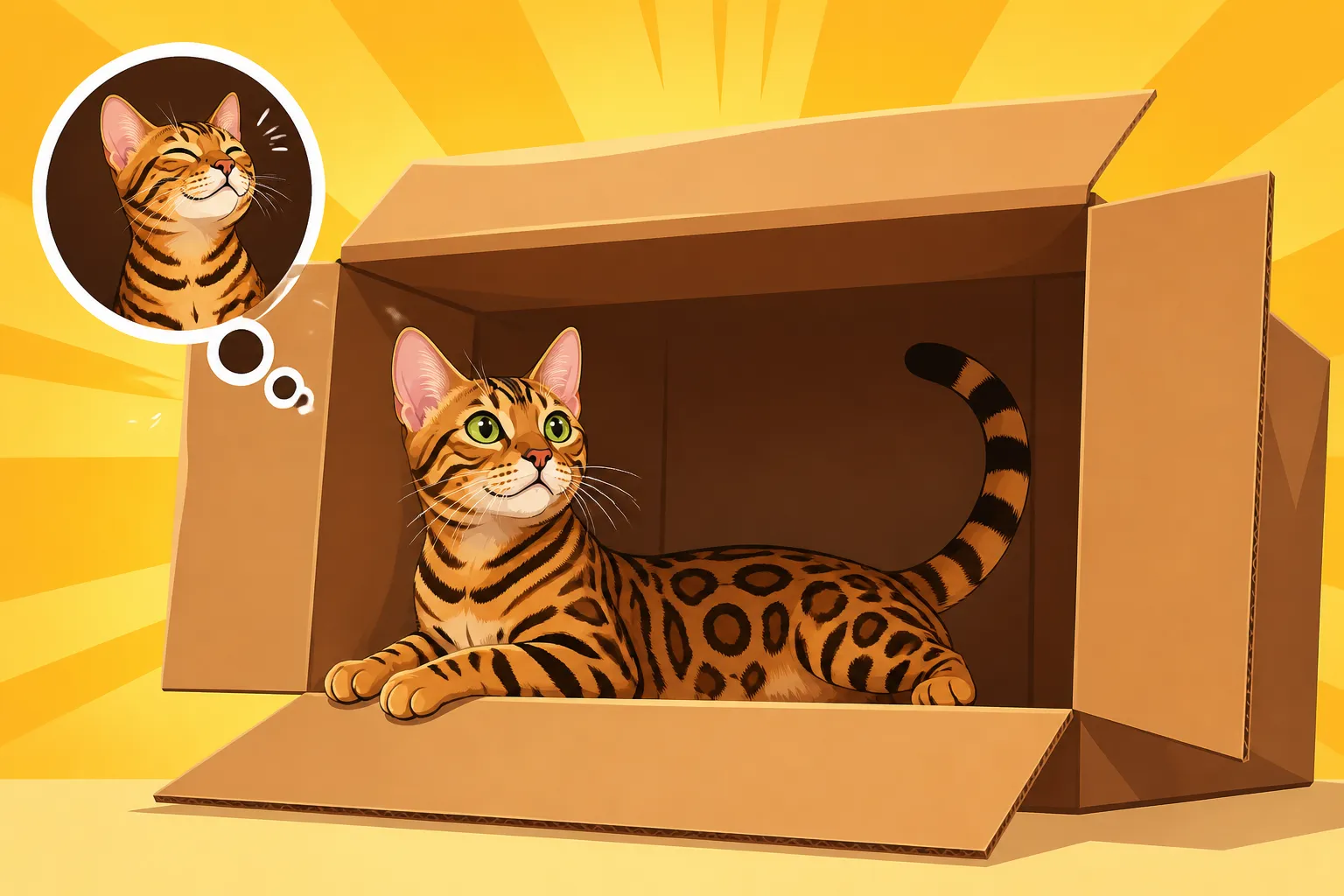
Why a Bengal Cat Needs the Biggest Box You Can Find
If you're a Bengal cat owner, you know the struggle: you scoop the litter box, turn your back for five minutes, and return to a scene of feline excavation and a generous dusting of litter across your floor. It’s frustrating, messy, and can feel like a losing battle. This guide is here to break down exactly why your dynamic Bengal needs a much larger litter box than you might think and how choosing the right size and type can make a world of difference for both your cat's comfort and your home's cleanliness.
Understanding Your Bengal Cat's Unique Demands
Bengal cats aren't just regular house cats with fancy spots; they're a whole different ballgame when it comes to their needs, and that absolutely includes their bathroom habits. Their wild ancestry and boundless energy translate into some very specific requirements for their litter setup that, if ignored, can lead to a chaotic mess.
The Energetic Nature and Its Impact on the Litter Box
Bengals are known for their incredible energy levels. They are often described as the most active cat breed you can own, a whirlwind of motion from the moment they wake up until they crash for a brief nap. This isn't just about how much they play with toys or scale your bookshelves; it extends to how they interact with their litter box. When a Bengal approaches their litter box, it's not a delicate affair. They don't just 'use' it; they attack it with gusto.
Imagine a small, standard litter box. Now imagine a highly energetic, strong cat with a penchant for vigorous digging trying to do its business in it. The result is often a miniature sandstorm. The sheer force of their digging, combined with their rapid movements, means that litter gets flung far and wide. They jump in, dig with fierce determination, perform their duties, and then often dig some more, kicking up litter well beyond the confines of a modest-sized tray. It's not a sign of bad manners; it's simply a manifestation of their energetic nature. If you've ever felt like you're constantly sweeping up after them, you're not alone. This constant activity means they need ample space to maneuver without accidentally broadcasting litter across the bathroom floor. You might find yourself agreeing with the sentiment that The Bengal Cat Is the Most Active Cat You Can Own.
Why Their Ancestry Matters for Digging Habits
The Bengal cat descends from the Asian Leopard Cat (ALC), a small wild feline. While many generations removed, some instincts still shine through, and one of those is an instinctual drive to bury their waste thoroughly. In the wild, this is a crucial survival mechanism to hide their presence from predators and prey. For your domestic Bengal, this translates into an exceptionally thorough, almost obsessive, digging routine.
When they enter the litter box, they aren't just scratching a bit of litter over their business; they are digging to the very bottom, pushing and pulling litter with remarkable intensity. This instinct is a huge factor in why a small box just doesn't cut it. They need depth and breadth to perform their instinctual covering ritual effectively. If the box is too small or too shallow, they can’t properly bury their waste, which can lead to them feeling exposed and sometimes even choosing to go outside the box to find a more suitable "burying ground." It's not about defiance; it's about fulfilling an ancient, ingrained need. Owners often lament, Why a Bengal Cat Digs to the Bottom of the Box, and the answer lies partly in their wild heritage.
The Sheer Size and Agility of a Full-Grown Bengal
Let's be honest, Bengal cats aren't delicate little creatures. A fully grown Bengal can be a surprisingly large and muscular cat, often weighing significantly more and being longer than your average domestic shorthair. Males, especially, can reach impressive sizes. When you're dealing with How Big a Bengal Cat Gets, a standard litter box that might be perfectly adequate for a dainty tabby suddenly looks like a postage stamp.
A Bengal needs to be able to comfortably stand, turn around, and dig without their paws or hindquarters hanging over the edge. If they feel cramped, they're not only uncomfortable, but they're also much more likely to make a mess. Imagine trying to maneuver in a tiny closet; it's awkward and inefficient. For a Bengal, a small litter box is an invitation for their agile, powerful body to simply fling litter everywhere as they rotate or dig. Their powerful hind legs, designed for jumping and climbing, are equally adept at kicking litter. A large cat needs a large space to move freely and feel secure while doing their business, and a Bengal is no exception. Understanding What a Muscular Bengal Cat Should Weigh gives you a better idea of the physical presence they bring to the litter box.
The Messy Reality of a Small Litter Box
The frustration of dealing with litter scattered across your floors is a common complaint among Bengal owners. It’s not just an inconvenience; it can be a constant battle against dust and tracking, and it often stems directly from using a litter box that simply isn't up to the task of containing a Bengal's energetic habits.
Litter Scatter: A Daily Frustration
This is probably the most immediate and visible problem for many Bengal owners. Standard litter boxes, with their relatively low sides, are no match for a Bengal's enthusiastic digging. As we discussed, their inherent drive to bury their waste deeply and thoroughly means they will dig, dig, and then dig some more. Each powerful swipe of a paw sends a cascade of litter flying over the edge.
It's not just a little bit of litter either; we're talking about significant amounts that can end up several feet away from the box. You might find a fine dusting on your bathmat, gritty pieces underfoot in the hallway, or even discover stray granules in places you never expected. This constant litter scatter means you're almost always sweeping or vacuuming, feeling like you're chasing after a never-ending mess. The sheer volume of litter they can displace makes it clear why a small, low-sided box is a recipe for disaster. Owners often ask, Why a Bengal Cat Throws Litter Everywhere, and the answer is usually a combination of their digging instincts and a box that's too small to contain their efforts. It’s an exhausting cycle that can make you wonder if your cleaning efforts are even worth it.
Accidents Outside the Box: More Than Just "Peeing"
While litter scatter is annoying, accidents outside the box are a far more serious concern. These can range from urinating or defecating completely beside the box to stepping out mid-stream because they feel too confined. When a Bengal feels cramped in their litter box, they may subconsciously avoid fully entering it or simply decide it's not a suitable spot.
Imagine a large, athletic cat trying to perch precariously over a small box, trying to ensure all parts of their body and waste remain inside. It's difficult and uncomfortable. If they feel their back end is hanging over, or if they accidentally step into their own waste because there's no room to maneuver, they might quickly abandon the effort. This isn't usually a behavioral protest or a sign of being untrained; it's a physical limitation imposed by the inadequate size of the box. A cat that consistently has "accidents" right next to a small box is often telling you, in the clearest way they know how, that they need more space. This can be especially frustrating as urine outside the box can soak into flooring, create lasting odors, and become incredibly difficult to clean.
The Unintended Consequences of a Confined Space
Beyond the immediate mess, a small litter box can have several negative ripple effects on your Bengal's well-being and your household harmony. Cats, especially Bengals, value their privacy and personal space. A cramped, messy litter box can be a source of significant stress.
Firstly, if a Bengal consistently makes a mess in or around a small box, the cleanup becomes a chore, and you might inadvertently associate negative feelings with their bathroom habits. Secondly, a box that isn't cleaned regularly because it's always messy can become a deterrent for your cat. They are fastidiously clean animals, and if their "toilet" is unpleasant, they'll seek alternatives. This could lead to them using inappropriate spots around the house, like laundry piles, bathtubs, or potted plants – far more problematic than just litter on the floor.
Furthermore, a small box doesn't give them enough room to properly "cover" their waste, which can leave them feeling vulnerable and anxious. This stress can manifest in other ways, such as increased vocalization (and a Bengal's voice is definitely unique!) or even destructive behaviors. It's not just about containing the mess; it's about providing a sanitary, comfortable, and stress-free environment that respects their natural instincts. Thinking about how often you need to scoop and clean the box, and whether you're using products like those found on Amazon or Chewy, is important for maintaining hygiene in a smaller box.
Selecting the Perfect Litter Box for Your Bengal
Choosing a litter box for a Bengal isn't a "one-size-fits-all" scenario. It requires thoughtful consideration of their size, their habits, and your home environment. The right choice can dramatically reduce mess and improve your cat's comfort and willingness to use their designated bathroom spot.
Prioritizing Size and Height
When we talk about "the biggest box you can find," we're not exaggerating. For a Bengal, bigger truly is better. Think utility tubs, large storage containers, or even extra-large dog crates lined with tarps (though this is for extreme cases!). A good rule of thumb is that the litter box should be at least 1.5 times the length of your Bengal, from nose to the base of their tail. This gives them ample room to move around, dig, and position themselves comfortably without feeling cramped.
Here's a comparison of typical litter box sizes versus what a Bengal needs:
| Feature | Standard Litter Box | Extra-Large Litter Box | Bengal-Recommended (DIY/Jumbo) |
|---|---|---|---|
| Length (Approx) | 18-20 inches | 22-25 inches | 30+ inches (e.g., storage tote, cement mixing tub) |
| Width (Approx) | 14-16 inches | 18-20 inches | 20+ inches |
| Height (Sides) | 5-7 inches | 7-10 inches | 12-16 inches (or higher with an entry cut-out) |
| Digging Space | Minimal, likely to scatter | Improved, but still potential scatter | Ample, greatly reduces scatter |
| Comfort | Cramped for a large Bengal | Acceptable, but could be better | Excellent, allows full maneuverability |
The height of the sides is just as crucial as the overall footprint. With their powerful digging and kicking motions, a low-sided box is like a wide-open goal for litter escape. Look for boxes with sides that are at least 10-12 inches high. Some owners even opt for large plastic storage totes (like those you might find at Target or Walmart) and cut an entry hole in one side, leaving the other three sides high and protective. This gives them a cave-like feel that some cats prefer, while containing the litter effectively. Remember, the goal is to create a spacious arena where they can fulfill their digging instincts without showering your floor.
Open vs. Covered: What Works Best for a Bengal?
This is a common dilemma, and while covered boxes seem like a good idea for containing mess, they often pose more problems than solutions for a Bengal.
The instinct is to think a lid will contain the flying litter, and in theory, it might. However, covered boxes (including many self-cleaning models) often have a critical flaw: they reduce the internal volume and trap odors. Bengals, with their larger size, often feel incredibly confined in a covered box. They can't stand up straight, turn around easily, or dig without bumping into the lid. This discomfort can lead to them holding it in, or worse, finding an alternative spot outside the box.
Furthermore, covered boxes trap odors inside. Even with the best litter, a Bengal's deposits can quickly make a small, enclosed space unpleasant. Cats have a much stronger sense of smell than humans, and a stinky, confined box is a major deterrent. While the lid might prevent some litter scatter, the trade-off in terms of cat comfort and potential aversion is rarely worth it. For most Bengals, an open, extra-large box with high sides is the superior choice. This allows for excellent air circulation, reducing odor buildup, and gives them the vast space they crave for their vigorous digging. Don't fall into the trap of thinking a lid solves everything; in fact, Why a Covered Box Does Not Contain a Bengal Cat often comes down to comfort and cleanliness issues for the cat itself.
Material Matters: Durability for a Power Digger
Bengal cats are strong, and their digging is no joke. Cheap, flimsy plastic litter boxes can quickly show signs of wear, accumulating scratches and gouges that can harbor bacteria and odors, making cleanup more difficult. When choosing a box, consider its durability.
Look for thick, sturdy plastic that can withstand repeated, aggressive digging. Some owners even swear by stainless steel litter pans (available through retailers like Amazon or Chewy) for their unparalleled durability and ease of cleaning. While they might be a higher upfront investment, they can last a lifetime and won't absorb odors or scratch easily. The smooth surface of stainless steel also means less litter sticks to the sides, making scooping a breeze. Whatever material you choose, ensure it's robust enough to stand up to your Bengal's powerful paws and won't flex or crack under pressure. This investment will pay off in longevity and hygiene.
Complementary Strategies for a Cleaner Home
Getting the right litter box size is a huge step, but it's not the only piece of the puzzle. To truly minimize mess and ensure your Bengal is happy and healthy, you need to consider litter choice, box placement, and even how you manage their natural instincts.
Choosing the Right Litter to Minimize Tracking
Even with the biggest box, some litter tracking is inevitable with an active Bengal. However, your choice of litter can significantly impact how much and how far that litter travels. Not all litters are created equal, and some are much better at staying put than others.
Finer, lightweight clay litters, while good for clumping, tend to stick to paws and track easily throughout the house. Consider switching to a heavier, larger granule litter. Crystal litters, for example, have larger, heavier beads that are less likely to adhere to paw pads. Some wood pellet litters also perform well in terms of low tracking, though some Bengals can be particular about texture. Another excellent option is a coarser, denser clay litter designed specifically for low tracking. These often have a bit more weight to them, making them harder for your Bengal to kick out of the box and less prone to sticking to their fur or paws. You might have to experiment to find what your Bengal prefers, but opting for a "low-tracking" or "large granule" formula can make a noticeable difference. It's often debated Which Litter a Bengal Cat Throws Least, and personal preference for both cat and owner plays a big role here, but denser, larger particles are usually the winner. Brands like Dr. Elsey's have specific low-tracking formulas available on sites like Chewy that many Bengal owners find helpful.
Strategic Placement and Multiple Boxes
Where you put the litter box is almost as important as the box itself. Bengals appreciate a sense of security and privacy when they're doing their business. Avoid high-traffic areas or spots where they might feel ambushed by children or other pets. A quiet corner of a laundry room, a spare bathroom, or a dedicated cat space is often ideal.
Also, consider the "one-plus-one" rule: you should have one litter box per cat, plus one extra. So, for a single Bengal, ideally, you should have at least two large litter boxes. This offers them a choice, reduces the likelihood of a dirty box being a deterrent, and spreads out the usage, which can extend the time between full litter changes. If you live in a multi-story home, ensure there's at least one box on each floor your Bengal frequents. This eliminates the need for them to travel long distances when nature calls, especially if they're mid-play session (and let's face it, a Bengal is always mid-play session if they can help it). The more convenient and appealing the litter box setup is, the more likely your Bengal is to use it consistently and appropriately. For such an active cat, who needs How Many Play Sessions a Bengal Cat Needs, easy access to a clean toilet is paramount.
Managing the Digging Instinct Beyond the Box
While a larger box helps contain the digging, it doesn't diminish the instinct itself. Bengals love to dig, it's part of their innate charm (and sometimes their mischief!). You can redirect some of this natural behavior to appropriate outlets outside the litter box.
Consider providing digging opportunities elsewhere. A designated "dig box" with shredded paper, crinkly toys, or even just a layer of cat-safe soil (like coconut coir) in a large container can give them a safe, acceptable place to indulge their urge to excavate. This can be especially useful if you find your Bengal still trying to dig at carpets or other inappropriate surfaces. Another approach is to ensure they have plenty of other enrichment activities. A Bengal that is bored is a Bengal looking for trouble, and sometimes that trouble involves excessively vigorous digging in the litter box or exploring places they shouldn't. Provide plenty of vertical space, interactive toys, regular play sessions, and even a cat wheel to burn off that incredible energy. After all, How Much Exercise a Bengal Cat Needs a Day is substantial, and a tired cat is often a well-behaved cat, even in the litter box. Regular playtime with wand toys or puzzle feeders, available from stores like Amazon, can help redirect that intense energy away from over-digging the litter.
Disclaimer
This article is for general informational purposes only and does not constitute professional advice. Laws, prices and regulations vary by location and change over time. Consult a qualified professional for guidance on your specific situation.