Whether a Raw Fed Bengal Cat Needs Dental Treats
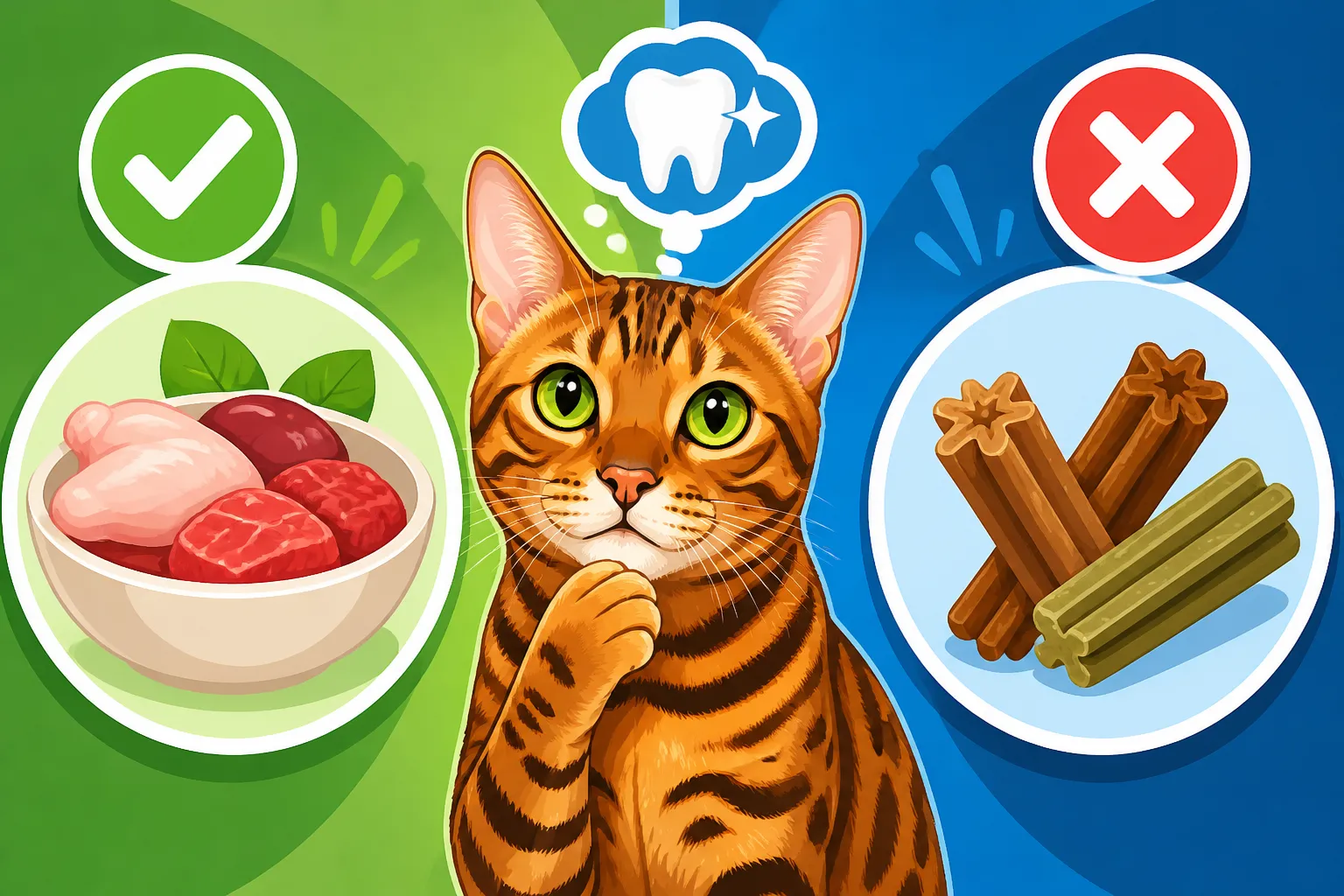
As a Bengal cat owner, you're always striving to provide the absolute best for your spirited, wild-at-heart companion. You've likely invested time, research, and perhaps a good chunk of change into a high-quality raw diet, believing it offers peak nutrition and mimics what their wild ancestors would eat. But then you see those advertisements for dental treats, promising sparkling teeth and fresh breath, and a nagging question arises: if my Bengal is eating raw, do they really need those extra dental chews? It's a common dilemma, and this guide is here to unravel the complexities of dental care for raw-fed Bengal cats, helping you decide whether those dental treats are a necessary addition or just another marketing ploy.
The Unique Dental Landscape of Your Bengal Cat
Our magnificent Bengals are renowned for their athletic prowess, stunning coats, and often, a fierce intelligence that keeps us on our toes. But beneath that beautiful exterior lies a set of teeth designed for tearing and crunching, much like their Asian Leopard Cat ancestors. Keeping these pearly whites healthy is paramount, not just for their ability to enjoy their food, but for their overall systemic health. Dental disease is far more insidious than many owners realize, often acting as a silent gateway to other health issues.
Why Dental Health Matters for Active Bengals
Think about how your Bengal uses their mouth. They pounce on toys, carry them around, perhaps even "hunt" imaginary prey, and definitely make quick work of their meals. Their teeth are tools, and like any tools, they need to be maintained. A healthy mouth allows them to eat comfortably, engage in their natural behaviors, and avoids the chronic pain that can impact their quality of life.
When a Bengal cat experiences dental pain, it's not always obvious. Cats are masters of disguise when it comes to discomfort, a survival instinct passed down from their wild lineage. You might notice subtle changes: a slight hesitation before eating, perhaps a bit of drooling, or a preference for softer foods. An active cat like a Bengal might even start to slow down a touch, not because they're aging, but because constant pain drains their energy. Keeping their teeth in top condition ensures they can maintain their vivacious energy and enthusiastic play, which is what we all love about them. This is also why understanding How a Bengal Cat Hides Pain is so crucial for any owner.
Common Dental Problems in Felines and Bengals
Even with a seemingly perfect diet, cats are susceptible to a range of dental issues. The most prevalent problem is periodontal disease, which starts with plaque – a sticky film of bacteria, saliva, and food particles. If plaque isn't removed, it hardens into tartar. Tartar then irritates the gums, leading to gingivitis, which is inflammation of the gums. Untreated gingivitis progresses to periodontal disease, where the inflammation spreads below the gum line, damaging the tissues and bone supporting the teeth. This can lead to painful abscesses, loose teeth, and even tooth loss.
Beyond periodontal disease, Bengals can also experience other dental woes. Resorptive lesions, while not breed-specific, are common in felines, where parts of the tooth (often near the gum line) are eroded. Fractured teeth, especially if your Bengal is an enthusiastic chewer of hard objects, can also occur, exposing sensitive nerves. Bad breath, or halitosis, is usually the first noticeable sign for owners that something is amiss in their cat's mouth. While it's easy to dismiss it as "just cat breath," it's almost always a red flag for underlying dental disease that needs attention.
Raw Feeding and the Promise of Natural Dental Cleaning
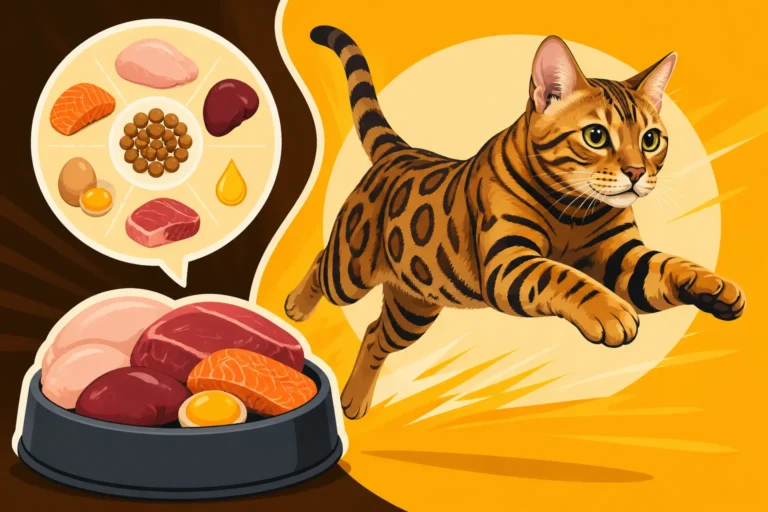
Many Bengal cat owners turn to raw feeding with the belief that it offers a more natural, ancestral approach to nutrition and, crucially, dental health. The theory is compelling: mimicking the diet of wild felines, raw meaty bones provide both nutrition and a mechanical scrubbing action that keeps teeth clean.
The "Brush-Like" Action of Raw Bones and Meaty Chunks
The cornerstone of the dental benefits often attributed to raw feeding lies in the inclusion of raw, edible bones and substantial chunks of muscle meat. When a Bengal cat gnaws on a raw chicken neck, a turkey wing tip, or a sizable piece of beef, the action of tearing, scraping, and crunching against the bone is thought to naturally remove plaque and tartar from the tooth surface. This isn't just a gentle wipe; it's a vigorous, abrasive action that gets into the nooks and crannies, much like a toothbrush. The fibrous texture of muscle meat also plays a role, acting like natural dental floss as the cat works to strip it from the bone.
For cats that truly engage with their raw meaty bones – tearing off meat, cracking small, appropriate bones, and really working their jaws – this can indeed be highly effective. The saliva produced during this extended chewing process also helps to wash away food particles and bacteria. This natural cleaning process can reduce the need for more invasive dental interventions down the line. It's about providing a diet that supports their natural predatory behaviors, including how they'd keep their teeth clean in the wild.
The Limitations of Raw Diets Alone for Dental Care
While the theory behind raw feeding for dental health is strong, the reality can sometimes fall short. Not all raw-fed cats are diligent chewers. Some Bengals, despite their wild instincts, become "gulpers" – they swallow their food quickly with minimal chewing, especially if the pieces are too small or too easy to manage. If your cat isn't actively gnawing on appropriate raw meaty bones several times a week, they won't be getting the benefit of that mechanical scrubbing action.
Furthermore, even for good chewers, raw feeding doesn't always address every part of the mouth. The inner surfaces of the teeth, or certain molars, might not get the same abrasive cleaning as the canines and outer surfaces. The plaque and tartar that build up below the gum line, where periodontal disease truly takes hold, are also rarely reached by chewing alone. Think about it: even if you eat crunchy vegetables all day, you still need to brush your teeth. The same principle applies here. The type of raw diet also matters; a ground raw diet, while nutritionally sound, offers almost no dental benefit because there's no chewing involved. This is a point where understanding Why a Bengal Cat's Gut Is So Sensitive might lead you to a raw diet, but it doesn't automatically solve dental problems.
Do Raw-Fed Bengals Really Need Dental Treats?
So, you've embraced raw feeding for your Bengal, hoping it covers all bases, including dental health. But those dental treats keep popping up. Are they a scam, or do they have a place in your raw-fed cat's routine? The answer, as with many things in pet care, isn't a simple yes or no.
Decoding Commercial Dental Treats: What's Inside?
Commercial dental treats are a huge market, and they often make impressive claims. Many work through a combination of mechanical action and active ingredients. The mechanical action comes from the treat's texture – they're often designed to be chewy or crunchy enough to scrape against the teeth as the cat eats them. This abrasive action helps to dislodge plaque.
Beyond texture, many treats contain special ingredients. Enzymes, like those found in some human toothpastes, are sometimes added to break down plaque. Other treats might include antiseptics or substances that reduce bacteria in the mouth. Fiber content can also contribute to a scraping effect. However, it's crucial to scrutinize ingredient lists. Many dental treats, particularly the highly processed ones, can be surprisingly high in carbohydrates, starches, and artificial ingredients. For a Bengal on a carefully selected raw diet, introducing these highly processed snacks can contradict the principles of their primary diet. If you're looking at options on platforms like Chewy or Amazon, always read the full ingredient list, not just the marketing claims on the front of the bag. A good rule of thumb is to look for treats vetted by the Veterinary Oral Health Council (VOHC) as these have met certain efficacy standards.
When Dental Treats Might Offer a Helping Hand (or Paw)
Even if your Bengal is raw-fed, there are scenarios where a dental treat might genuinely be beneficial as a supplementary measure, not a replacement for proper chewing or brushing. Consider a Bengal who, despite being on a raw diet, isn't a great chewer of raw meaty bones. Perhaps they tend to gulp their food, or you simply can't consistently provide the right type or size of bones. In such cases, a VOHC-approved dental treat could offer some additional mechanical cleaning that they're otherwise missing.
For older Bengal cats, whose teeth might be more sensitive, or those with existing dental issues, hard raw bones might be too much. A softer, yet still abrasive, dental treat could be a gentler way to support oral hygiene. Furthermore, some cats simply love treats, and incorporating a dental treat can be a positive reinforcement tool, as long as it's a healthy choice that aligns with their dietary needs. They can also be a convenient option for busy owners who want to offer some level of daily dental care without the commitment of regular brushing. It’s about assessing your individual cat's needs and habits.
Holistic Approaches to Bengal Cat Dental Care Beyond Raw and Treats
While raw feeding can contribute significantly to dental health, and specific treats might play a supplementary role, a truly holistic approach to your Bengal's oral hygiene requires a multi-faceted strategy. No single method is a silver bullet, and combining different techniques often yields the best results.
The Power of Manual Brushing and Professional Cleanings
Let's be honest, brushing a cat's teeth isn't always easy, especially with a high-energy Bengal! But manual brushing remains the gold standard for preventing plaque and tartar buildup. Just like humans, daily or every-other-day brushing is ideal. Start slow, make it a positive experience with treats, and use cat-specific toothpaste (never human toothpaste). Even if you can only manage a quick swipe on the outer surfaces of their teeth, it makes a huge difference. Regular brushing, even on a raw-fed cat, targets areas that chewing often misses, particularly along the gum line where bacteria thrive.
And despite your best efforts at home, professional veterinary dental cleanings are often necessary. Your vet can perform a thorough examination, including X-rays, to check for problems below the gum line that aren't visible. During a professional cleaning, performed under anesthesia, plaque and tartar are scaled away (just like at your dentist!), and any diseased teeth can be addressed. It's generally recommended that cats have a dental check-up annually, and your vet can advise on the frequency of professional cleanings. This is why it’s vital to ask Which Tests the Bengal Cat Health Panel Covers and to ensure dental health is always a part of their wellness check.
Alternative Chew Solutions and Water Additives
If raw meaty bones aren't a consistent part of your Bengal's diet, or if they're not keen on them, there are other chew-friendly options to consider. Look for cat-safe chew toys designed to promote dental health. Some rubber or silicone toys have nubs and textures that can help clean teeth as your cat gnaws on them. While not as effective as raw bones, they can provide some mechanical abrasion. You can often find a good selection of durable chew toys on sites like Amazon, tailored for active cats who need something robust.
Another avenue is water additives. These are liquid solutions that you add to your cat's drinking water daily. They typically contain ingredients that help reduce bacteria in the mouth or inhibit plaque formation. While they don't replace brushing or professional cleanings, they can be a helpful passive measure, especially for cats who resist other forms of dental care. Just ensure you choose products specifically formulated for cats and from reputable brands. Always check with your vet before introducing any new supplement or additive to your cat's routine, particularly if they are on a specific raw diet or have sensitivities.
Recognizing the Signs of Dental Distress
Being proactive about your Bengal's dental health means knowing what to look for. Don't wait until problems are severe. Early intervention can save your cat from pain and save you from more extensive vet bills down the road. Keep an eye out for these common signs of dental distress:
- Bad Breath (Halitosis): This is usually the most obvious sign. While cat breath isn't minty fresh, a truly foul odor indicates a problem.
- Red, Swollen, or Bleeding Gums: Healthy gums are pink, not red or inflamed. Bleeding gums, even subtly after a meal, are a concern.
- Plaque and Tartar Buildup: Yellowish-brown crusts on the teeth, especially near the gum line, indicate tartar.
- Changes in Eating Habits: Reluctance to eat, dropping food, chewing on one side of the mouth, or a preference for softer foods.
- Excessive Drooling: More than usual drooling can signal oral pain or discomfort.
- Paw at the Mouth or Face Rubbing: Your cat might try to alleviate discomfort by pawing at their mouth or rubbing their face against furniture.
- Weight Loss: If dental pain makes eating difficult, your Bengal might lose weight, impacting What a Healthy Bengal Cat Weighs.
- Irritability or Hiding: As mentioned, cats hide pain, but some might become more withdrawn or irritable due to chronic discomfort.
Regularly lifting your Bengal's lips to inspect their teeth and gums should be part of your routine. The more familiar you become with what a healthy mouth looks like, the quicker you'll spot any abnormalities. By combining appropriate raw feeding, diligent home care, and regular veterinary check-ups, you can ensure your vibrant Bengal enjoys a healthy smile for their The Twelve to Sixteen Years a Bengal Cat Gets.
| Dental Care Method | Pros | Cons | Best For |
|---|---|---|---|
| Raw Meaty Bones | Natural abrasion, satisfies primal instincts, nutritional | Not all cats chew effectively, risk of fractures if too hard, requires supervision | Raw-fed Bengals who are enthusiastic chewers and are given appropriate bones |
| Manual Brushing | Most effective at plaque removal, targets gum line | Requires training and consistency, some cats resist | All cats, especially those needing targeted plaque removal and gum health |
| Commercial Dental Treats | Convenient, appealing to cats, some VOHC-approved | Variable efficacy, many are high in carbs/fillers, can be expensive | Supplementary care for non-chewers, treat-motivated cats, or as a bridge |
| Water Additives | Passive, easy to administer daily | Less effective than direct cleaning, variable efficacy | Cats who resist other methods, as a general maintenance booster |
| Professional Cleaning | Thorough scaling, X-rays, addresses sub-gingival issues | Requires anesthesia, cost involved | All cats, for comprehensive dental health assessment and treatment |
Disclaimer
This article is for general informational purposes only and does not constitute professional advice. Laws, prices and regulations vary by location and change over time. Consult a qualified professional for guidance on your specific situation.