Whether Sun Changes a Bengal Cat’s Coat
That gorgeous, wild-looking coat of your Bengal cat is undeniably one of its most captivating features. You spend so much time admiring those vivid spots or mesmerizing marbling, and naturally, you want to keep it looking its absolute best. So, it's a completely valid concern to wonder if all that basking in sunbeams, which Bengals absolutely adore, might somehow alter or diminish the stunning patterns and rich colors you fell in love with. It's not just about aesthetics, either; you might also worry about the health implications for their unique skin and fur. This guide is going to walk you through exactly how sun exposure interacts with your Bengal's coat, from temporary color shifts to more serious health considerations, and what you can do to keep them safe and beautiful.
The Unique Nature of the Bengal Cat's Coat
Before we dive into how the sun impacts their coat, it’s helpful to understand what makes a Bengal cat’s fur so special in the first place. This isn't just any cat coat; it's a legacy of their wild ancestors, designed for specific environments and boasting characteristics that truly set it apart.
The 'Pelted' Texture and Lack of Undercoat
When you run your hand over a Bengal cat, you immediately notice a difference. Their coat isn't fluffy or soft in the way many domestic cats' coats are; it feels incredibly smooth, almost like silk, and lies very close to their body. This unique texture is often described as "pelted," a term that perfectly captures its dense, luxurious feel. Unlike many other breeds, Bengal cats typically have a very minimal, almost non-existent, undercoat. This means fewer loose hairs floating around your house, which is often a pleasant surprise for new owners!
This characteristic isn't just for show; it's a direct inheritance from their wild ancestor, the Asian Leopard Cat, which evolved in warmer, often humid, climates. A thick undercoat would be a hindrance in such an environment, trapping heat and making them uncomfortable. Instead, their sleek, short, and close-lying fur helps with efficient thermoregulation, allowing them to cool down more effectively. It’s part of what gives them that truly exotic look, making them feel less like a domestic pet and more like a miniature wild animal in your arms. Understanding Why a Bengal Cat's Coat Came From the Asian Leopard Cat helps put this into perspective.
The Role of Glitter and Color Genetics
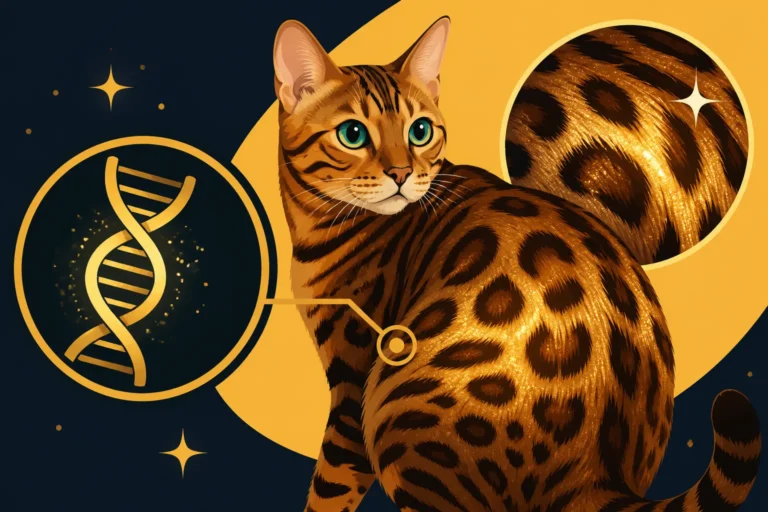
Another hallmark of the Bengal cat's coat is its distinctive "glitter." This isn't something you can see on every cat breed. When light hits a Bengal's coat just right, especially in direct sunlight or under bright indoor lights, you'll notice an iridescent shimmer, as if a fine dusting of gold or mother-of-pearl has settled on their fur. This magical effect comes from hollow hair shafts that are more translucent than opaque, allowing light to penetrate and reflect in a unique way.
This glitter isn't just a surface phenomenon; it's a structural characteristic of the hair itself, deeply embedded in their genetics. Beyond the glitter, the base color and pattern of a Bengal cat's coat are also genetically determined. You'll find a range of stunning colors like brown, various shades of snow (lynx, mink, sepia), silver, and charcoal, each with their own genetic blueprint. The patterns, whether the classic rosettes or swirling marble, are also part of this genetic tapestry. These are the foundational elements that give a Bengal its breathtaking appearance, and they're what we're really looking at when considering how sun exposure might alter them. For more on this unique trait, explore The Glitter Gene and What It Does to a Bengal Cat's Coat.
How Sun Exposure Interacts with Bengal Coat Pigmentation
So, with such a unique and visually striking coat, it's natural to be curious about how something as powerful as the sun might affect its appearance. Owners often report noticing changes, leading to questions about whether these are permanent or a sign of damage.
'Rusting' or Sun-Fading in Brown and Charcoal Bengals
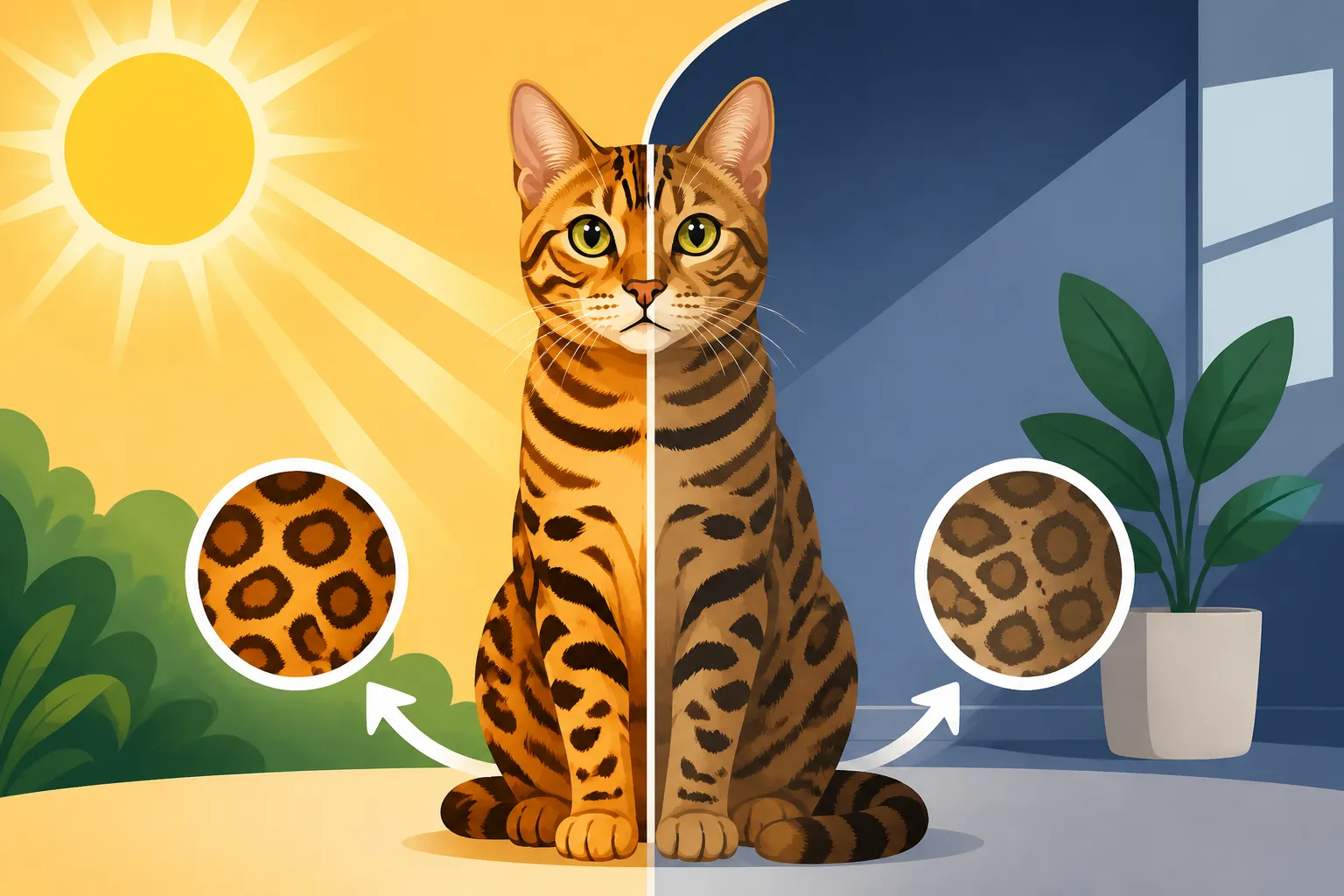
One of the most commonly observed changes in a Bengal cat's coat due to sun exposure is a phenomenon often referred to as "rusting" or sun-fading. This is particularly noticeable in Bengals with darker coat colors, such as brown spotted/rosetted or charcoal patterns. What happens is that the sun's ultraviolet (UV) rays can cause a temporary alteration in the pigments within the hair shaft, leading to a reddish-brown or coppery tinge. This usually appears on the darker areas of their coat, like the black or dark brown markings, and can sometimes make the overall pattern appear less distinct or crisp.
Think of it a bit like how human hair can lighten or develop reddish highlights after prolonged time in the sun. It's not typically a sign of permanent damage to the hair structure itself, but rather a chemical reaction in the pigment. For a What a Brown Bengal Cat Is or What a Charcoal Bengal Cat Is, this rusting can be quite noticeable, altering the sharp contrast that defines their wild look. It tends to be more prevalent in cats who spend a lot of time lounging in sunny windows or secured outdoor catios. While it can make the coat appear a little less vibrant, it's generally a cosmetic change that often reverses itself as the cat sheds and new hair grows in, or if their sun exposure is reduced.
Effect on Snow and Silver Bengal Coats
While darker Bengals might "rust," the effects of sun exposure on lighter coat varieties, such as Snow Bengals (Seal Lynx Point, Seal Mink, Seal Sepia) and Silver Bengals, tend to manifest differently. These cats have less eumelanin (the pigment responsible for black and brown tones) and more pheomelanin (red/yellow pigments) or a genetic dilution that affects pigment density. As such, they typically don't develop the same reddish "rust" seen on their darker counterparts.
Instead, prolonged and intense sun exposure might cause their coats to appear somewhat duller, or even slightly bleached or washed out over time. A beautiful crisp How Glitter Looks on a Snow Bengal Cat might lose some of its striking contrast, or the bright sheen of a How Glitter Looks on a Silver Bengal Cat could seem a bit muted. The effect is usually more subtle than the rusting on brown or charcoal Bengals, but it can still impact the overall vibrancy of their stunning light coats. While generally not harmful in terms of skin health on these lighter areas (though sunburn is still a risk, which we’ll discuss next), it's another way the sun can cosmetically alter the appearance of these unique felines.
Beyond Color: Sun's Impact on Coat Health and Skin
While changes in coat color are often the first thing owners notice, the sun's influence extends beyond mere aesthetics. There are more significant health considerations when it comes to prolonged sun exposure for your Bengal cat.
Drying and Damage to Hair Shafts
Just as too much sun can dry out human hair, it can have a similar effect on your Bengal's pristine pelt. While their coat is naturally short and sleek, prolonged exposure to intense UV radiation can strip the natural oils from the individual hair shafts. This can lead to the coat feeling less silky and smooth, perhaps even a bit brittle or coarse to the touch. The luster, which is so much a part of the Bengal's appeal, might also diminish, making the coat appear duller overall.
This drying effect is not just about aesthetics; healthy hair is more resilient and protective. A dry, brittle coat is theoretically more prone to breakage, though given the Bengal's short, strong hairs, this is less common than with longer-haired breeds. However, it certainly doesn't contribute to the optimal health and beauty of their fur. Ensuring your cat is well-hydrated through their diet and always has access to fresh water is crucial, as good internal hydration supports healthy skin and coat from within.
Risk of Sunburn and Skin Cancer
This is where the concerns about sun exposure become far more serious than just cosmetic changes. Despite their wild origins, Bengal cats are still domestic felines and are susceptible to sunburn, especially on areas where their fur is sparse or light-colored. Their short, close-lying coat, particularly if they are a lighter shade like a Snow Bengal or have white areas on their ears or nose, offers less protection from harmful UV rays compared to breeds with thicker, denser fur.
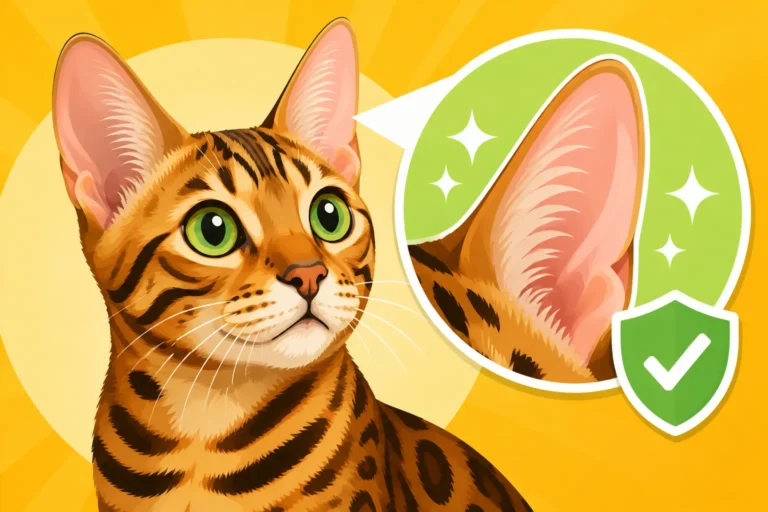
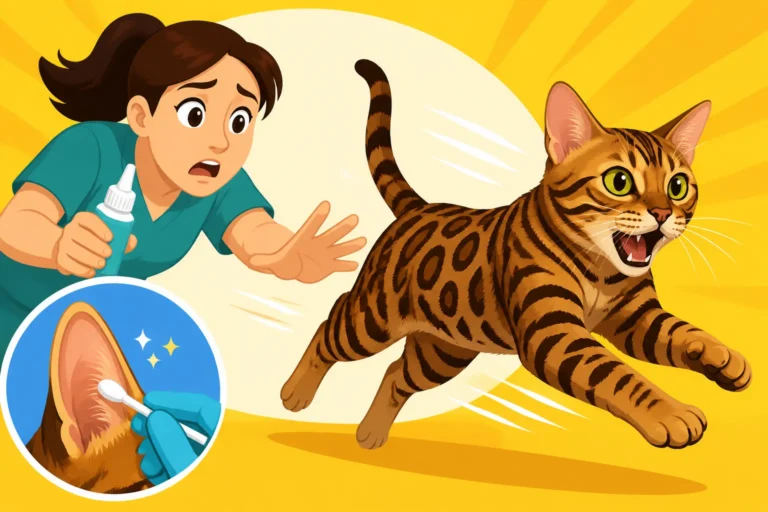
Areas most vulnerable to sunburn include the tips of the ears, the bridge of the nose, and any thinly furred patches on their belly or inner thighs. Just like in humans, repeated sunburns and chronic sun exposure can significantly increase a cat's risk of developing skin cancer, such as squamous cell carcinoma. This is a very real danger, especially for cats who love to bask for hours in direct sunlight, whether indoors by a window or outdoors in a catio. It’s a silent threat that often goes unnoticed until the damage is advanced. Regular checks of their ears and nose for any redness, flaking, or suspicious lesions are vital. While The Grooming a Bengal Cat Will Actually Sit Still For might be minimal, these health checks are non-negotiable.
Protecting Your Bengal Cat's Coat and Skin from the Sun
Understanding the potential impacts of sun exposure, both minor and serious, empowers you to take proactive steps to protect your beautiful Bengal. It's all about balance – letting them enjoy their sunbeams safely.
Managing Outdoor Access and Shade
If your Bengal cat enjoys supervised outdoor time or has access to a catio, which is an excellent way to provide safe enrichment, managing their sun exposure is key. While they love to soak up the warmth, it's crucial to provide ample shaded areas within their outdoor space. This could be achieved with shade cloths, strategically placed umbrellas, or even dense, non-toxic planting. The goal is to allow them to choose between sun and shade as they desire, ensuring they can retreat from intense rays when needed.
Furthermore, consider limiting their access during the peak UV hours of the day, which are typically between 10 AM and 4 PM. Early mornings and late afternoons are generally safer times for extended sunbathing. A Why a Catio Is the Answer to a Bengal Cat offers a fantastic blend of safety and enrichment, but it must be designed with sun protection in mind. Even just moving their favorite outdoor perch into a shaded corner during midday can make a big difference for their skin and coat health.
Indoor Protection and Diet Considerations
Many Bengals are primarily indoor cats, yet even indoors, they can be exposed to significant UV radiation through windows. Standard window glass blocks most UVB rays, which cause sunburn, but still allows UVA rays to pass through. UVA rays penetrate deeper into the skin and contribute to skin aging and cancer risk. To mitigate this, consider installing UV-filtering window films on windows where your Bengal loves to lounge. These films are usually clear and won't obstruct your view, but they can significantly reduce the amount of harmful UV radiation entering your home.
Beyond physical barriers, diet plays a surprisingly important role in skin and coat health. A high-quality diet rich in essential fatty acids (Omega-3 and Omega-6) can help maintain the integrity of their skin barrier and the health of their coat, making it more resilient to environmental stressors, including sun exposure. Look for premium cat foods that list sources like fish oil or flaxseed. For diets rich in essential fatty acids, many owners look to specialty brands found on Chewy or Amazon. Some even explore fresh food options, consulting with their vet to ensure they meet their Bengal's specific needs. Discussing Which Protein Percentage Suits a Bengal Cat with your vet can also ensure they get the right nutrients to maintain skin and coat health, going beyond just thinking about Whether a Bengal Cat Really Needs High Protein Food.
Sunscreen for Cats (with caution)
While it might sound unusual, there are specialized sunscreens formulated specifically for pets. If your Bengal has very light-colored ears or a pale nose and insists on outdoor sunbathing despite your best efforts to provide shade, a pet-safe sunscreen might be an option. However, this is absolutely not a decision to make lightly, and you should never use human sunscreen on your cat. Many human sunscreens contain ingredients like zinc oxide or salicylates, which are highly toxic if ingested by cats, and cats will inevitably try to lick off anything applied to their fur.
If you believe your Bengal truly needs sun protection in this way, consult your veterinarian first. They can recommend a non-toxic, veterinarian-approved pet sunscreen and advise you on the correct application to minimize the risk of ingestion. These products are generally applied very sparingly to vulnerable, hairless or sparsely-haired areas, and often only for short periods of supervised sun exposure.
Here's a quick comparison of sun effects and protective measures:
| Coat Color/Type | Primary Sun Effect | Appearance Impact | Key Protection Strategy |
|---|---|---|---|
| Brown & Charcoal Bengal | 'Rusting' (reddish tinge) | Reduced contrast, duller dark markings | Provide shade, limit peak sun, UV window film |
| Snow & Silver Bengal | Dullness, slight bleaching/washing out | Less vibrant overall, muted patterns | Provide shade, limit peak sun, UV window film |
| All Bengals (Skin) | Sunburn, drying, increased cancer risk | Redness, flaking, dryness, potential lesions | Shade, UV film, pet-safe sunscreen (vet consult required) |
| Glitter | Can appear duller/less prominent | Reduced sparkle, less iridescent | Reduce direct intense sun, ensure good coat health via diet |
While the cosmetic changes like "rusting" or dullness in your Bengal's coat are generally not permanent and often reverse with reduced sun exposure or natural shedding (just like How an Old Bengal Cat's Pattern Changes or Why an Aging Bengal Cat's Glitter Dulls are natural processes), the more serious risks of sunburn and potential skin cancer are very real. Proactive protection, thoughtful management of their environment, and a nutritious diet are your best tools to keep your stunning Bengal cat looking vibrant and, most importantly, healthy for years to come.
Disclaimer
This article is for general informational purposes only and does not constitute professional advice. Laws, prices and regulations vary by location and change over time. Consult a qualified professional for guidance on your specific situation.