Whether Raw Bones Clean a Bengal Cat’s Teeth
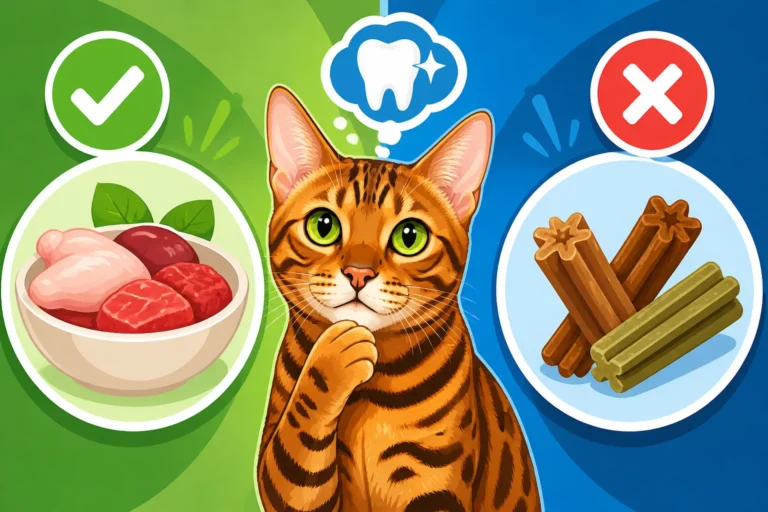
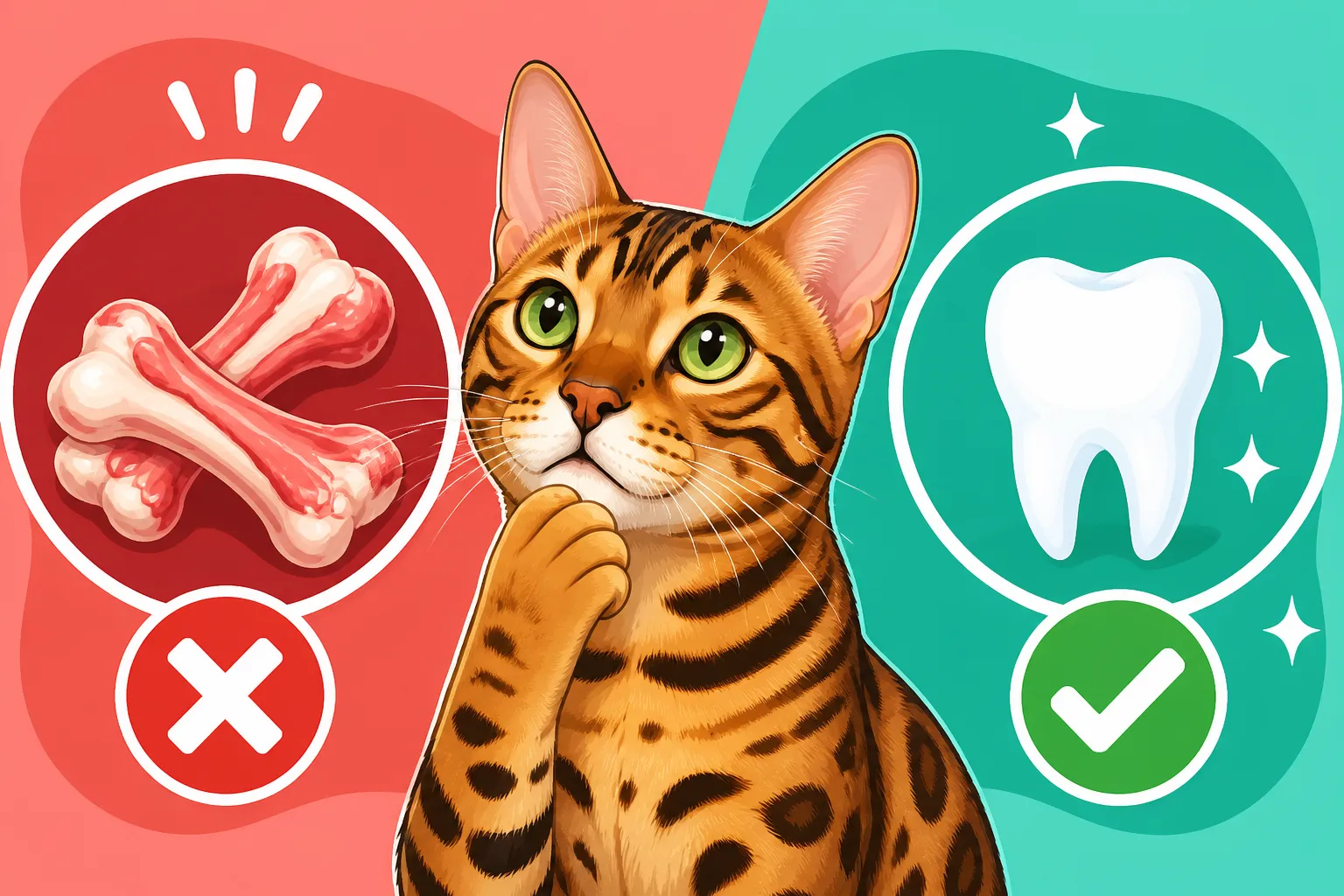
One of the biggest worries for any Bengal cat parent is keeping those pearly whites sparkling, and it's completely natural to wonder if leaning into their wilder side with raw bones could be the secret weapon. After all, their ancestors didn't have toothbrushes! This guide will explore the allure and the pitfalls of using raw bones for dental hygiene and offer up practical, safer solutions to ensure your Bengal's mouth stays healthy and happy.
The Instinctual Appeal of Raw Bones for Dental Health
There's something deeply intuitive about the idea of a cat gnawing on a bone to clean its teeth. It connects us to their wild heritage, to images of powerful predators in nature, and it seems like such a simple, elegant solution. For a breed like the Bengal, whose striking appearance so clearly echoes its wild ancestor, the Asian Leopard Cat, this appeal is even stronger. We want to provide for them in the most natural way possible, and raw bones can feel like a direct link to that primal need.
Mimicking a Wild Diet and Its Perceived Benefits
When you think about the natural diet of a wild feline, it's not pre-ground kibble or soft wet food. It's often whole prey, which includes fur, organs, and yes, bones. The theory is that gnawing on these bones would naturally scrape away plaque and tartar buildup, keeping their teeth clean and strong without any human intervention. This idea holds a lot of weight for many cat owners who are passionate about species-appropriate diets, especially for a highly athletic and robust breed like the Bengal. They want to ensure their cat benefits from the same dental advantages that their wild counterparts supposedly enjoy. However, it's important to remember that modern domestic cats, even Bengals, aren't always equipped or accustomed to handling whole, uncooked prey in the same way their distant relatives might.
The Mechanical Action of Chewing on Bones
At its core, the perceived benefit of raw bones for dental health comes down to simple mechanics. As a cat chews, tears, and crunches on a bone, the abrasive action is thought to physically remove plaque and tartar from the surface of their teeth. Think of it like a natural toothbrush and floss rolled into one, designed by nature itself. This isn't just about the surface of the teeth; the act of tearing meat off a bone also engages gums, potentially stimulating blood flow and preventing gingivitis. For a Bengal, who often possesses a powerful jaw and an incredible drive to play and interact with their environment, the idea of channeling that energy into something productive like bone chewing for dental health can be very attractive. This engagement might also provide mental enrichment, a crucial component for such an intelligent and active breed.
Why Dental Health is Crucial for an Active Bengal Cat
Dental health in cats is about so much more than just fresh breath, although that's certainly a nice bonus! Untreated dental disease can lead to serious health complications that impact a Bengal's overall well-being and longevity. Plaque, a sticky film of bacteria, hardens into tartar if not removed. This tartar then irritates the gums, leading to gingivitis – inflamed, red, and often painful gums. If left unchecked, gingivitis can progress to periodontal disease, which attacks the supporting structures of the teeth, including bone. This can result in tooth loss, severe pain, and even systemic infections as bacteria from the mouth enter the bloodstream, potentially affecting organs like the heart, kidneys, and liver. For a Bengal, a cat known for its incredible energy and athleticism, chronic pain or illness from dental issues can significantly reduce their quality of life. An active cat needs to feel good to thrive, and a painful mouth can make eating, playing, and even grooming unbearable. Ensuring their dental health is paramount to maintaining their characteristic zest for life. Many owners don't realize that a cat's ability to hide pain means dental issues can be advanced before any obvious symptoms appear. Regular dental check-ups are just as vital as their yearly bloodwork, and understanding What a Bengal Cat's Yearly Bloodwork Should Cover can provide a comprehensive picture of their health needs.
Potential Risks and Concerns with Feeding Raw Bones
While the idea of natural dental care with raw bones might sound appealing, it's vital to approach this topic with a healthy dose of realism and caution. There are significant risks involved that can far outweigh the perceived benefits, potentially leading to emergency vet visits and serious harm to your beloved Bengal. The wild instincts that make Bengals so captivating also mean they can be incredibly tenacious chewers, which can turn certain types of bones into hazards.
Choking Hazards and Digestive Obstructions
One of the most immediate and terrifying risks associated with feeding raw bones is the potential for choking. Small, brittle bones, or pieces of larger bones that break off, can easily get lodged in a cat's throat. Imagine your Bengal, with its intense focus, trying to swallow a piece that's just a little too big. The panic and danger in that moment would be immense. Even if a bone fragment makes it past the throat, it can still cause a digestive obstruction. Bones are not always fully digestible and can create blockages in the esophagus, stomach, or intestines. This is incredibly painful and often requires emergency surgery to correct, carrying significant risks and costs. You might think only cooked bones are dangerous, but raw bones can splinter or cause issues just as easily. This is particularly true for weight-bearing bones from large animals, which are incredibly dense. Ensuring your Bengal has a healthy gut is paramount, and introducing something as potentially problematic as bones could throw their delicate system into disarray. If you've ever dealt with Chronic Diarrhea Is the Bengal Cat Complaint Nobody Warns About, you'll understand how careful you need to be with their diet.
Bacterial Contamination and Food Safety
Another major concern with feeding raw bones, or any raw meat product, is the risk of bacterial contamination. Raw meat and bones can harbor harmful bacteria like Salmonella, E. coli, and Listeria. While cats have more acidic stomachs than humans, making them somewhat more resistant, they are not immune to these pathogens. Your Bengal could become sick, experiencing symptoms ranging from vomiting and diarrhea to more severe infections. Furthermore, these bacteria pose a significant risk to human members of the household. Handling raw bones requires meticulous hygiene, including thorough handwashing and sanitization of all surfaces the bones come into contact with. Cross-contamination in the kitchen is a real threat, especially if you have young children, elderly individuals, or anyone with a compromised immune system in the home. It’s a gamble with health that many find simply isn’t worth taking. When considering a diet for your Bengal, questions often arise about raw feeding in general, and the question Whether Raw Feeding Is Safe for a Bengal Cat often includes these very concerns about bacterial contamination.
Damage to Teeth and Gums from Hard Bones
Ironically, while raw bones are often touted for their dental benefits, they can also cause significant damage to your Bengal's teeth and gums. Many bones, particularly large or dense ones, are simply too hard for a cat's teeth. Chewing on them can lead to fractured teeth, especially molars and canines. A fractured tooth is not only incredibly painful for your cat but also requires costly veterinary intervention, often involving extraction. Beyond fractures, the sharp edges or irregular surfaces of bones can cause lacerations and abrasions to the gums and the delicate tissues inside your Bengal's mouth. These injuries can become infected, leading to further pain and complications. It's a cruel twist when something intended to help ends up causing more harm. When we consider The High Protein Argument for a Bengal Cat, the focus is on muscle and energy, not on breaking teeth. The potential for dental damage is a strong argument against using raw bones.
Safer Alternatives for Maintaining Your Bengal Cat's Oral Hygiene
Given the considerable risks associated with raw bones, it's a relief to know that there are many safer, more effective, and vet-approved methods for keeping your Bengal's teeth in tip-top shape. These alternatives not only prioritize your cat's safety but also provide reliable pathways to long-term dental health. For an active breed that's prone to Whether a Bengal Cat Gets Dental Disease, proactive care is absolutely essential.
The Role of Dedicated Dental Treats and Chews
One popular and generally safe option for encouraging dental hygiene in cats is using specially formulated dental treats and chews. These products are designed with specific textures and ingredients that, through the act of chewing, help to reduce plaque and tartar buildup on the teeth. Many are shaped to gently scrape the tooth surface or contain enzymes that help break down plaque. Look for treats that have been approved by veterinary oral health councils, as these products have undergone rigorous testing to prove their efficacy and safety. Brands like Greenies or certain treats available on Chewy or Amazon often carry these seals of approval. While no dental treat is a magic bullet, incorporating them into your Bengal's routine can be a helpful supplementary measure. They can be a great way to engage your cat's chewing instinct in a controlled and beneficial manner, and many Bengals love them, seeing them as a delicious reward rather than a chore. Just remember, these treats should be given in moderation to avoid adding too many calories to their diet.
Brushing Your Bengal's Teeth: The Gold Standard
When it comes to feline dental care, brushing your cat's teeth truly is the gold standard. Just like humans, mechanical removal of plaque with a brush and toothpaste is the most effective way to prevent plaque from hardening into tartar. Yes, it might sound daunting, especially with an energetic Bengal, but with patience and the right approach, it's absolutely achievable. You'll need a cat-specific toothbrush (or a finger brush) and enzymatic cat toothpaste – never use human toothpaste, as it contains ingredients toxic to cats. Start slowly, introducing the toothbrush and paste gently, perhaps by letting your Bengal lick the paste off the brush. Gradually, work up to brushing a few teeth for a few seconds, rewarding them afterward. Consistency is key; aiming for daily brushing is ideal, but even a few times a week can make a significant difference. Early introduction, ideally when they are kittens, can make the process much smoother. Remember, Why a Bengal Cat Kitten Should Meet a Toothbrush Early isn't just about good habits, but about setting them up for a lifetime of healthy teeth. For specific tips on how to approach this, consider exploring How Often a Bengal Cat Should Be Brushed.
Veterinary Dental Cleanings and Preventative Care
Despite our best efforts at home, professional veterinary dental cleanings are often necessary to maintain optimal oral health for your Bengal cat. These procedures, performed under anesthesia, allow your veterinarian to thoroughly examine every tooth, clean below the gumline where plaque and tartar often accumulate, and address any existing dental disease. During a professional cleaning, your vet can scale off stubborn tartar, polish the tooth surfaces to make them less susceptible to future plaque buildup, and extract any teeth that are too diseased or damaged to save. This is not just a cosmetic procedure; it's a crucial part of preventative healthcare that can avert more serious health issues down the line. Your veterinarian can also advise you on the frequency of these cleanings, which depends on your Bengal's individual dental health status, as well as recommend specific home care products or techniques. It's an investment in their long-term health and comfort, preventing the pain and complications that can arise from neglected dental issues. Understanding How Often a Bengal Cat Needs a Dental can help you plan and budget for this essential care, which can be a significant part of Fifteen Years of a Bengal Cat, Priced Out.
Here's a quick comparison of different dental care approaches for your Bengal:
| Dental Care Method | Primary Mechanism | Effectiveness for Plaque/Tartar | Risks | Effort Level | Cost Implications |
|---|---|---|---|---|---|
| Raw Bones | Mechanical abrasion | Low to Moderate | Choking, obstructions, fractures, bacterial contamination | Low (if cat accepts) | Low (if part of diet) |
| Dental Treats/Chews | Mechanical abrasion, enzymes | Moderate | Calorie intake, minimal choking risk | Low | Moderate |
| Tooth Brushing | Mechanical abrasion | High | Initial resistance, potential gum irritation | High (daily/weekly) | Low (brush/paste) |
| Professional Cleaning | Scaling, polishing, extraction | Very High (removes existing) | Anesthesia risks (low), recovery | Low (vet does) | High (vet fees) |
Disclaimer
This article is for general informational purposes only and does not constitute professional advice. Laws, prices and regulations vary by location and change over time. Consult a qualified professional for guidance on your specific situation.