Which Domestic Breeds Went Into the Bengal Cat
It's a common misconception that Bengal cats are practically wild animals, a notion that can intimidate prospective owners and even lead to local regulations. While their stunning appearance certainly evokes their wild ancestry, the truth is that the Bengal cat you bring into your home is very much a domestic feline. This guide will walk you through the fascinating journey of their creation, specifically highlighting the crucial role that various domestic cat breeds played in shaping the modern Bengal cat we know and love today.
The Vision: Blending Wild Allure with Domestic Temperament
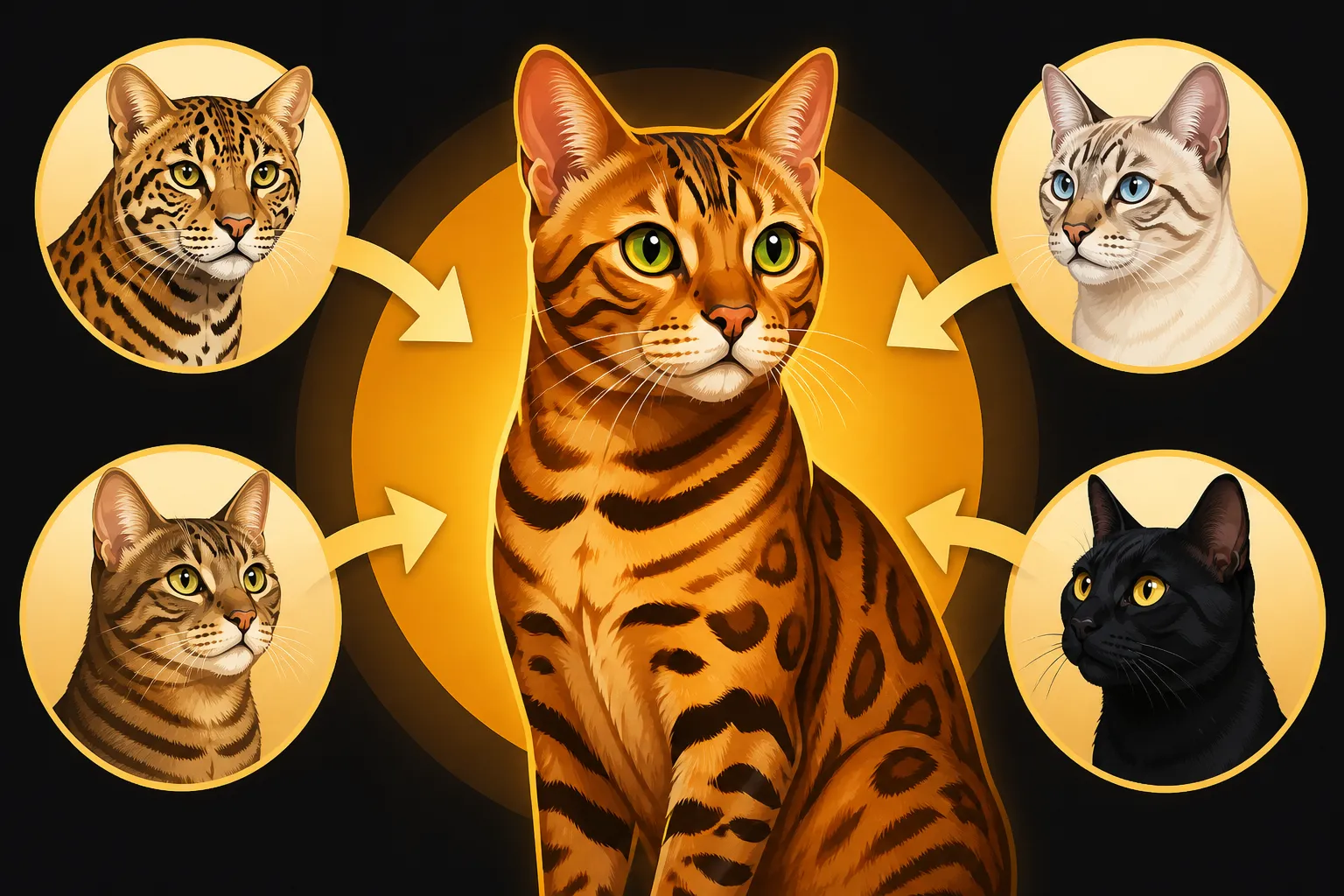
The Bengal cat breed didn't just happen by accident; it was a deliberate, passionate, and sometimes challenging endeavor to create a domestic cat that carried the breathtaking beauty of its wild ancestor. The initial aim was to capture the striking rosetted coat of the Asian Leopard Cat (ALC) while maintaining the loving, companionable nature of a typical housecat. This required careful selection and integration of specific domestic breeds, a process that unfolded over many generations.
From the very beginning, breeders understood that simply crossing a wild cat with a domestic one was just the first step. The goal was never to create a "wild cat lite," but rather a new domestic breed entirely. This vision dictated every choice, from which domestic cats were chosen for the initial crosses to how subsequent generations were bred and managed. Without the steadying influence and genetic diversity brought by domestic felines, the Bengal cat as we know it today simply wouldn't exist.
Jean Mill's Early Experiments
The story of the Bengal cat largely begins with Jean Mill, a pioneering breeder with a profound love for cats and a visionary spirit. In the early 1960s, she made the initial cross between a domestic cat and a wild Asian Leopard Cat. Her motivation was multifaceted, including an interest in hybrid vigor and a desire to see if domesticating wild traits was possible. These first-generation cats, known as F1s, were the foundation, but they were far from the stable, consistent breed she envisioned.
Mill’s experiments weren't just about appearance; they were about genetic integration. She needed to dilute the wild instincts while preserving the aesthetics. This meant strategically pairing the F1 hybrids with robust, well-tempered domestic cats. These early pairings were critical, introducing genes that contributed to temperament, litter box habits, and overall health, slowly steering the breed towards domesticity. You can read more about her contributions in Who Jean Mill Was to the Bengal Cat.
Centerwall's Scientific Inquiry
While Jean Mill was working on her breeding program, another significant line of Bengal cats emerged from a scientific research project. Dr. Willard Centerwall at Loma Linda University began a breeding program in the 1970s, crossing Asian Leopard Cats with domestic cats to study their immunity to feline leukemia. The Asian Leopard Cat exhibited natural resistance, and Centerwall hoped to understand the genetic mechanisms behind this.
These research hybrids, once the study concluded, were then made available to breeders like Jean Mill. This influx of new bloodlines, already several generations removed from the pure ALC, played a vital role in broadening the nascent Bengal gene pool. It provided an invaluable resource of cats that had already undergone some degree of domestication, further accelerating the breed's development towards a stable, predictable temperament, as explored in The Leukemia Research Colony That Founded the Bengal Cat.
The Asian Leopard Cat: The Wild Foundation
Of course, we can't talk about the domestic breeds without first acknowledging the foundational wild cat. The Asian Leopard Cat (Prionailurus bengalensis), a small wild cat native to Southeast Asia, is the indispensable ancestor of every Bengal cat. It’s from this stunning creature that the Bengal gets its signature wild look, including its captivating coat patterns and slender, muscular build. Without the ALC, there would be no Bengal cat breed at all.
However, the ALC also contributed certain behavioral traits that needed to be tempered through careful breeding with domestic cats. These included shyness, a strong prey drive, and in some early generations, a reluctance towards traditional litter box training. The art of Bengal breeding has always been about balancing these wild gifts with the desired domestic traits, creating a cat that is both exotic and affectionate.
Traits Inherited from the ALC
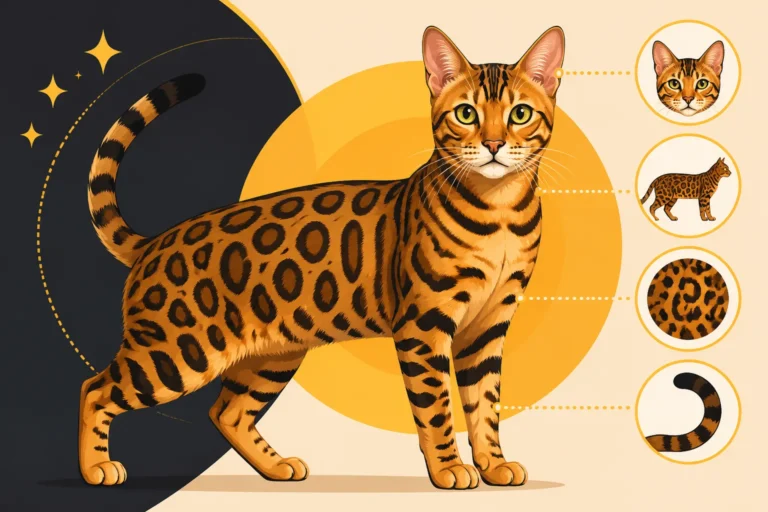
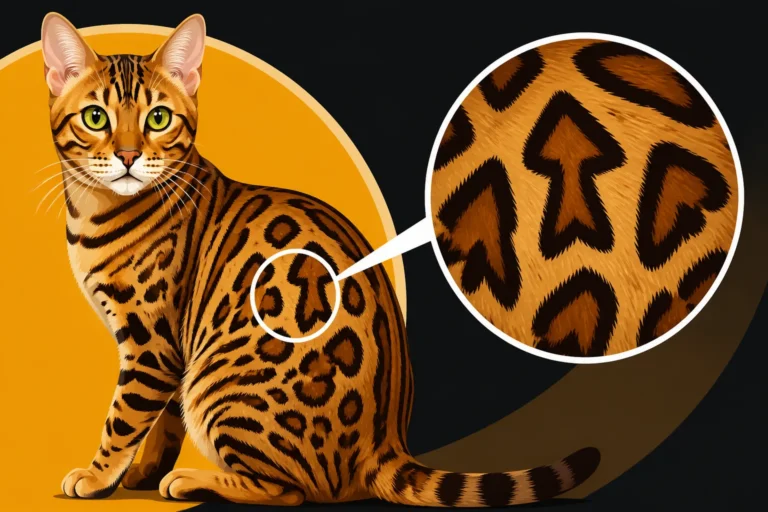
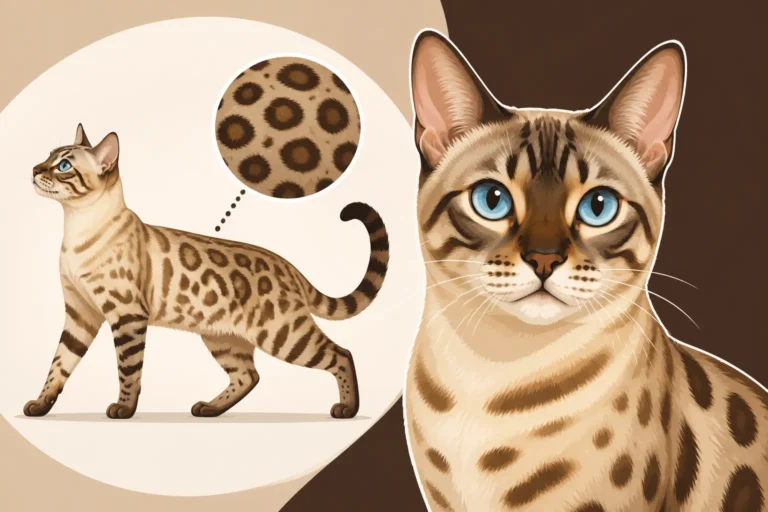
The most obvious inheritance from the Asian Leopard Cat is the Bengal's spectacular coat. The ALC boasts a magnificent spotted or rosetted pattern, a short, plush pelt, and often a glittery sheen—all hallmarks of the modern Bengal cat. This pattern is unique among domestic cats and is what makes the Bengal so visually distinctive. The ALC's athletic, lean body, larger ears, and striking facial markings (like the mascara lines around the eyes) are also direct genetic gifts.
Beyond the aesthetics, certain behavioral inclinations also stem from the ALC. These include a deep love for water, an intense curiosity, and a high activity level. Bengal cats are renowned for their playful antics in the sink or shower, their insatiable desire to explore, and their boundless energy—traits that are firmly rooted in their wild heritage. Understanding this wild side helps owners appreciate why a Bengal cat often needs more engagement than a typical housecat, a topic further explored in What an Asian Leopard Cat Is Behind Every Bengal Cat.
Genetic Contributions and Dilution
The Asian Leopard Cat's genetic contribution is concentrated in the early generations. The first cross, the F1, is 50% ALC. Subsequent crosses with domestic cats gradually dilute this percentage. An F2 Bengal is approximately 25% ALC, an F3 is about 12.5%, and an F4 is around 6.25%. The goal of integrating domestic breeds was to reduce the influence of purely wild instincts while retaining the physical appeal.
This dilution process is crucial for temperament. While F1s and F2s often retain strong wild traits and may be challenging as household pets, by the time breeders reach the F4 generation and beyond, known as SBT (Stud Book Traditional) Bengals, the domestic temperament is generally firmly established. This careful genetic management ensures that the stunning appearance comes with a reliably companionable nature, making them suitable for loving homes. For more on these generations, see How a Bengal Cat's Generation Is Counted.
Early Domestic Contributions: Unsung Heroes
While the Asian Leopard Cat provides the "wow" factor, it's the domestic breeds that provided the bedrock of temperament, health, and true companionship. These early domestic cats, often just ordinary household tabbies, were instrumental in stabilizing the new breed. They weren't flashy, but their genetic contributions were absolutely essential for transforming a wild hybrid into a beloved family pet. Without them, the Bengal would be a very different cat—and likely not one widely kept in homes.
These domestic partners brought generations of human interaction, predictable behavior, and genetic traits compatible with domestic life. They helped introduce traits like consistent litter use, a more mellow disposition, and an easier transition to living indoors. Their role is often overlooked, but it was fundamental to the success of the Bengal breeding program.
The Tabby Cat's Role
Among the primary domestic breeds used in the initial Bengal crosses, the common domestic shorthair, often a spotted or mackerel tabby, was paramount. Why tabbies? For one, they were readily available, healthy, and possessed the desired "cat next door" temperament. Crucially, many domestic tabbies already carried genes for spotted patterns, which helped reinforce and refine the Asian Leopard Cat's spots and rosettes.
The domestic tabby provided much-needed genetic diversity and stability. They contributed to the Bengal's overall robustness, reduced shyness, and fostered the development of a cat that was comfortable living alongside humans. Their genetic influence helped to "domesticate" the wild hybrid, ensuring that successive generations were more consistently tame and suitable for pet homes.
Other Early Admixes
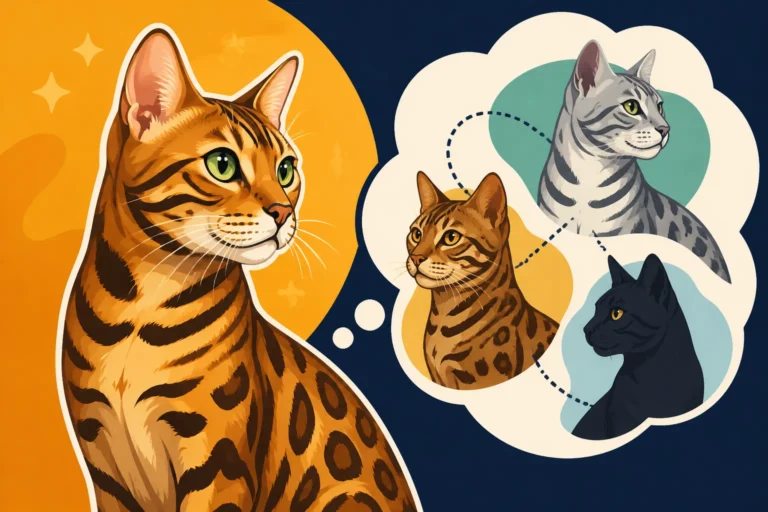
While the domestic shorthair tabby was a workhorse in the early breeding programs, other domestic breeds were occasionally introduced to bring in specific traits or to broaden the gene pool. For instance, some breeders utilized Abyssinian cats, known for their elegant, active nature and ticked coats, to refine body type and add genetic diversity. Egyptian Maus, with their distinct spotted patterns and striking green eyes, were also occasionally used, though less commonly than domestic shorthairs.
The choice of specific domestic breeds was strategic. Breeders looked for cats with good health, amiable temperaments, and, importantly, genetic traits that would complement the ALC's appearance. The aim was to enhance the Bengal's beauty and health without introducing undesirable traits that would compromise the developing breed standard. The careful selection of these early domestic "parents" was a delicate dance between preserving the wild look and cultivating a domestic heart.
The Evolution of the Bengal: Strategic Breeding Choices
Once the initial F1, F2, and F3 generations were established, the focus shifted from simply creating hybrids to systematically developing a consistent breed. This stage involved what is known as Stud Book Traditional (SBT) Bengals—generations F4 and beyond. This is where the true strategic breeding choices came into play, as breeders worked to solidify the desired physical and behavioral characteristics that define the modern Bengal cat. It was a meticulous process of selecting the best examples from each litter to carry the breed forward.
The path from a wild cat hybrid to a recognized domestic breed is paved with countless generations of thoughtful pairings. It's not just about producing a cat that looks like a wild leopard; it's about creating one that acts like a cherished housecat. This involves continuous evaluation of temperament, health, and adherence to a developing breed standard, ensuring that each generation moves closer to the ideal.
Refining the Look and Temperament
In the later generations (F4 and beyond), breeders predominantly used other Bengal cats to continue the line. However, the influence of the domestic cat ancestors remained critical, helping to temper the wilder aspects of earlier generations. Through selective breeding, physical traits like head shape, ear size, and body conformation were refined to match the emerging breed standard while retaining the distinctive ALC appearance. For example, while the ALC has very large ears, the Bengal standard calls for ears that are medium to small, set to the sides rather than on top of the head.
Temperament was equally, if not more, important. Breeders carefully selected individuals who displayed confidence, playfulness, and an eagerness to interact with humans, consciously moving away from any shyness or aggression that might have lingered from the wild ancestor. This diligent selection over many generations is why modern Bengals are typically affectionate, energetic, and highly interactive cats, capable of forming strong bonds with their families. Many owners note their dogs-like attachment, a direct result of this focus on temperament.
Outcrossing and Genetic Health
While the goal was to breed Bengal to Bengal in later generations, limited outcrossing to specific domestic breeds was permitted in the early days to enhance genetic diversity and introduce desirable traits. However, this was carefully regulated by organizations like The International Cat Association (TICA). The allowable outcrosses were generally restricted to specific domestic shorthair breeds like the Ocicat or the Egyptian Mau, chosen for their conformation, health, and in some cases, their spotted patterns.
This strategic outcrossing helped prevent inbreeding depression and broadened the gene pool, contributing to the overall health and vigor of the breed. It allowed breeders to "borrow" beneficial genes from established domestic lines, ensuring the Bengal cat wasn't just beautiful, but also robust and healthy. This practice highlights the ongoing commitment to responsible breeding, balancing aesthetic goals with genetic wellness. It's a critical part of understanding Whether the Bengal Cat Is a Healthy Breed.
Legacy of Domestic Input
The domestic cat breeds that contributed to the Bengal cat's creation are, in many ways, the unsung heroes of the breed's history. While the Asian Leopard Cat provides the exotic flair, it's the humble domestic shorthair and other common breeds that gave the Bengal its heart, its docility, and its ability to thrive as a household companion. Their legacy is evident in every purr, every playful pounce, and every quiet cuddle with a Bengal cat.
The blend of wild and domestic makes the Bengal truly unique, a testament to the power of selective breeding. It's a breed that commands attention with its looks but wins hearts with its personality, a direct result of the careful integration of traits from both sides of its family tree. The meticulous record-keeping and dedication of early breeders ensure that we can trace this fascinating lineage and appreciate the contributions of every ancestor.
Why It Matters Today
Understanding the domestic breeds that went into the Bengal cat is crucial for prospective owners and enthusiasts alike. It helps to demystify the breed, clarifying that a Bengal is indeed a domestic cat, not a wild animal. This knowledge is important for managing expectations about their behavior and for appreciating the extensive work that went into making them wonderful companions. It also helps in countering misconceptions about their wildness, which sometimes lead to unjust restrictions or bans in certain areas.
| Generation | Wild Ancestry (Approx.) | Key Characteristics | Suitability as Pet |
|---|---|---|---|
| F1 | 50% ALC | Closest to wild, can be shy, strong prey drive, may not always use litter box reliably. Fertile females only. | Requires specialized care, usually for experienced owners or breeders. Restricted in many places. |
| F2 | 25% ALC | Still retains some wild traits, can be more confident than F1, but still needs patient handling. | Often for experienced owners, can be challenging. Restricted in some places. |
| F3 | 12.5% ALC | More domesticated, playful, may still have higher energy. Males typically sterile. | Better for experienced owners, still can have higher needs. Restricted in some places. |
| F4 (SBT) | ~6.25% ALC | Fully domestic temperament, consistent litter use, active, affectionate. All fertile. | Excellent, highly active domestic pet. Generally unrestricted. |
| SBT (beyond F4) | Very low ALC DNA | Fully domestic, energetic, playful, affectionate, suitable for most pet homes. | Excellent, most common pet Bengals. |
This table illustrates the gradual dilution of wild traits as domestic genes became more prevalent through generations. An SBT Bengal is an outcome of rigorous breeding to ensure domestic traits while keeping the wild look. This is why What F4 Is the Line Between Wild and Domestic Bengal Cats is so significant.
Understanding the Breed Standard
The collective genetic heritage from both the Asian Leopard Cat and various domestic breeds is encapsulated in the Bengal breed standard, set by feline registries such as The International Cat Association (TICA). This standard outlines the ideal physical traits, from the specific rosette patterns and coat texture to body type, head shape, and eye color. It also subtly reinforces the desired temperament—alert, curious, and confident—reflecting the success of integrating domesticity into the breed.
The standard guides breeders in making responsible pairing choices, ensuring that the essence of the Bengal, its unique blend of exotic appearance and domestic charm, is preserved for future generations. It's a living document that reflects decades of dedication to creating a truly remarkable cat breed, proving that the Bengal is a carefully crafted domestic companion, not just a watered-down wild animal.
Disclaimer
This article is for general informational purposes only and does not constitute professional advice. Laws, prices and regulations vary by location and change over time. Consult a qualified professional for guidance on your specific situation.