What Happened to Centerwall’s Bengal Cat Hybrids
Many aspiring Bengal cat owners, or even those just curious about this stunning breed, often hear whispers of its origins in a medical research program. It’s a fascinating, sometimes confusing, piece of history, and the question of what exactly happened to those foundational hybrid cats bred by Dr. Willard Centerwall is a very common one. This guide will meticulously unravel that story, exploring the journey of these unique felines from a scientific setting to becoming integral ancestors of the Bengal cats we know and love today.
The Origin Story: Bengal Cats and Medical Research
Before the Bengal cat became the beloved household companion with a wild look, its very beginnings were rooted in a scientific endeavor. This wasn't about creating a new pet breed, but rather a vital investigation into feline health, specifically a devastating disease. It's a testament to how often scientific discovery can have unforeseen, wonderful applications.
Dr. Willard Centerwall's Vision
Dr. Willard Centerwall, a medical doctor and geneticist at Loma Linda University in California, spearheaded a research project that would inadvertently lay the groundwork for the Bengal cat. His primary interest wasn't in breeding exotic pets but in understanding a specific medical challenge: feline leukemia virus (FeLV). This virus was, and still is, a significant threat to domestic cats, causing immune suppression, anemia, and various cancers. Centerwall observed that wild cat species, such as the Asian Leopard Cat (ALC), exhibited a remarkable natural immunity to many feline diseases that ravaged domestic cats. He hypothesized that this resistance might extend to FeLV, and if so, understanding the genetic basis of this immunity could be revolutionary for protecting domestic cat populations. His vision was to create hybrids that combined the wild immunity with domestic cat genetics to study disease resistance. This crucial early work is often overlooked, but it's a foundational piece of the Bengal cat puzzle, linking directly to What Centerwall Was Trying to Learn From Bengal Cat Hybrids.
The Initial Crosses and Their Purpose
To test his hypothesis, Dr. Centerwall began a breeding program in the early 1960s at Loma Linda University. He initiated crosses between the wild Asian Leopard Cat (Prionailurus bengalensis) and domestic cats. These initial hybrids, known as F1 generation cats, were the direct offspring of a wild ALC and a domestic cat. The purpose was purely scientific: to study the genetic inheritance of the ALC's apparent immunity to FeLV. By observing these F1 hybrids and subsequent generations (F2, F3), researchers hoped to isolate the genetic factors responsible for disease resistance. It was an ambitious project, far removed from the world of cat shows and pedigrees. These cats were not bred for their striking looks or playful personalities but for their potential contribution to veterinary medicine. The meticulous record-keeping and scientific approach used in this colony provided an invaluable, documented start for a breed that would later capture the hearts of many.
The Hybrids: What Made Them Unique
The cats bred within Dr. Centerwall's research program were truly unique, embodying a blend of wild instinct and domestic genetics. Understanding their characteristics helps shed light on the initial challenges and eventual triumphs of the emerging Bengal breed.
Early Generations and Genetic Traits
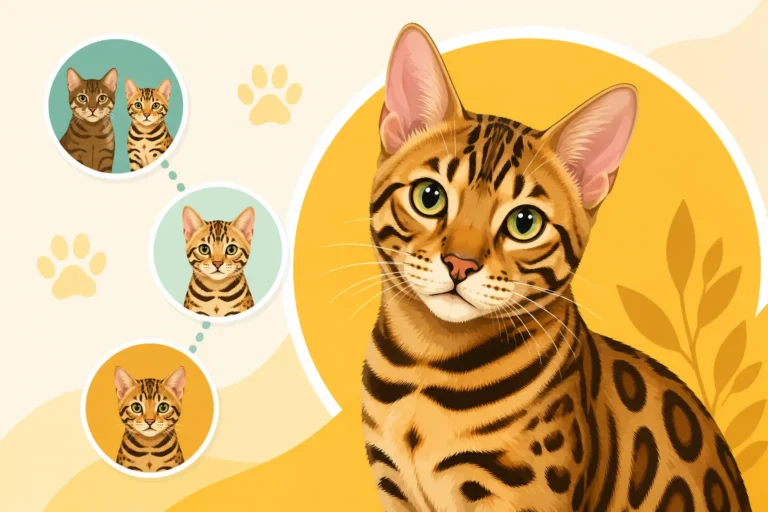
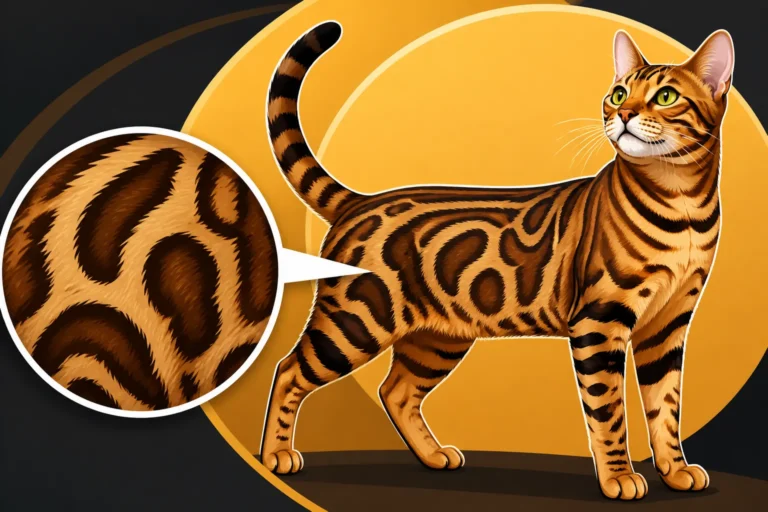
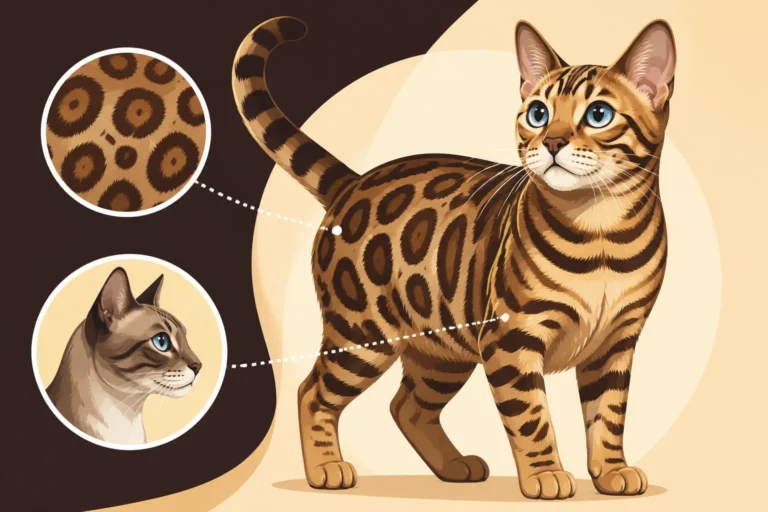
The early generations, particularly the F1 to F3 cats, were fascinating subjects. The F1 hybrids, being fifty percent Asian Leopard Cat, often displayed strong wild characteristics. They could be shy, wary of strangers, and possessed intense hunting instincts. Their appearance was undeniably wild, with clear spots, rosettes, and often a smaller, sleek body compared to typical domestic cats. As the generations progressed to F2 (25% ALC) and F3 (12.5% ALC), the wild traits began to temper, though the striking appearance remained. The crucial element for Centerwall's research was their genetic makeup. They were living laboratories, carrying genes that held the potential secrets to disease resistance. Researchers carefully monitored their health, bloodwork, and immune responses, looking for tangible evidence of the ALC's robust immune system manifesting in the hybrids. The process of tracking these generations is similar to how a modern Bengal cat's lineage is counted, as detailed in F1 to SBT: How a Bengal Cat's Generation Is Counted. These early hybrids offered a rare window into hybrid vigor and the complex interplay of genetics from two distinct species.
Challenges and Discoveries in the Colony
Running a research colony of hybrid cats presented numerous challenges. The F1 and F2 generations, particularly the males, often exhibited sterility, a common phenomenon in many hybrid animals. This meant a narrower genetic pool for breeding subsequent generations, making the selection of fertile offspring critical. Furthermore, handling these cats required specialized knowledge. They were not always as biddable or predictable as domestic cats. Their strong prey drive and need for enrichment had to be carefully managed within the research setting. However, despite these operational hurdles, the project yielded significant discoveries. While the specific mechanism of FeLV resistance proved more complex than initially hoped, the cats did provide valuable insights into feline immunology and the genetic transfer of various traits. This work underscored the importance of The Leukemia Research Colony That Founded the Bengal Cat, offering a deeper understanding of feline health beyond just the scope of FeLV. The cats themselves, with their unique needs, were teaching researchers about the practicalities of caring for animals with a significant wild heritage.
The Transition: From Lab to Layperson
As with many scientific endeavors, research programs have a beginning, a middle, and an end. For Dr. Centerwall's hybrid cat colony, the program eventually reached its conclusion, setting the stage for an unexpected turn in the lives of these remarkable felines.
The End of the Research Program
By the early 1980s, Dr. Centerwall's research program at Loma Linda University had run its course. Scientific goals had been met, or the direction of research had shifted. What remained were numerous hybrid cats, ranging from F1 to later generations, that were no longer needed for active study. These weren't simply laboratory animals; they were living, breathing creatures with unique personalities and needs. The ethical responsibility of finding suitable homes for them was paramount. This situation highlights a critical juncture in the story of the Bengal cat: the point at which these scientifically bred animals transitioned from research subjects to individuals requiring permanent care. The university made the decision to rehome the cats, seeking individuals who understood the commitment required for such unique felines. This moment marked the official conclusion of Which University Ran the Bengal Cat Research Colony as a primary source of Bengal lineage, opening the door for new custodians.
Jean Mill's Crucial Intervention
This is where the story of Dr. Willard Centerwall's hybrids intertwines indelibly with the burgeoning Bengal cat breed. Jean Mill, a pioneering breeder who had already begun her own efforts to create a domestic cat with the look of a leopard in the 1960s, heard about the availability of Centerwall's cats. Mill had a vision for a domestic cat that retained the striking rosetted patterns and athletic build of its wild ancestors but possessed the temperament of a well-adjusted house cat. She recognized the immense value of Centerwall's F1, F2, and F3 hybrids. By acquiring several of these cats, she gained access to a diverse genetic pool already proven to produce the desired wild-look traits, along with documented health histories. Her decision to take on these cats was a pivotal moment. She essentially saved these animals from an uncertain future and, in doing so, integrated a vital new bloodline into her own developing Bengal breeding program. This move solidified her role as a key figure, as explored in Who Jean Mill Was to the Bengal Cat, and provided a robust foundation for the breed's future. She was, in essence, the bridge that connected scientific research to the world of recreational cat breeding.
The Legacy: Centerwall's Hybrids and the Modern Bengal Cat
The transition of Dr. Centerwall's hybrids from a research colony to a breeding program was not just a rehoming exercise; it was the infusion of vital genetic material that profoundly shaped the Bengal cat breed. Their legacy continues to be felt in every Bengal cat today.
Integration into the Bengal Breeding Program
When Jean Mill acquired Centerwall's cats, she didn't just give them a home; she incorporated them strategically into her nascent Bengal breeding efforts. These cats, with their documented lineage and scientific background, provided a robust genetic foundation. Mill meticulously paired these F1, F2, and F3 generation cats with carefully selected domestic cats that she had already been working with, as well as new domestic breeds, to gradually bring down the percentage of wild blood while retaining the desired physical traits and intelligent temperament. The goal was to produce a stable, fertile, and temperamentally sound domestic cat that still looked like its wild ancestors. This integration was a complex undertaking, involving careful observation, selective breeding, and a deep understanding of genetics and feline behavior. Without this influx of Centerwall's hybrids, the Bengal cat breed as we know it might have taken a very different path, or perhaps never fully materialized. Her work, building on What Jean Mill's First Bengal Cat Cross Produced, brought uniformity and genetic strength.
Enduring Impact on the Breed's Foundation
The genetic contribution of Centerwall's hybrids to the Bengal cat breed is immense and enduring. Many, if not most, modern Bengal pedigrees can trace their lineage back to these early cats. They introduced crucial genetic diversity, strengthening the breed's overall health and vigor. Beyond just genes, they helped solidify the distinctive "wild" look—the bold spots, rosettes, short pelt-like coat, and athletic build—that is the hallmark of the Bengal. Their presence in the early breeding program helped establish the breed standards and phenotypes that are still cherished today. These cats weren't just stepping stones; they were cornerstones. Their importance is often discussed among breeders who understand the foundational role of Which Bengal Cats Jean Mill Received From Loma Linda in creating the genetic breadth of the breed. It's a powerful narrative of how scientific inquiry can, through serendipitous connections and dedicated individuals, contribute to the creation of something beautiful and unique for the pet world.
What Made These Cats So Valuable to the Breed?
It wasn't merely coincidence that Dr. Centerwall's hybrids became foundational; they brought specific, invaluable traits to the emerging Bengal breed that were crucial for its development and acceptance. Their impact went beyond just adding numbers to a breeding pool.
Genetic Diversity and Health
One of the most significant contributions of Centerwall's hybrids was the introduction of a fresh, diverse genetic pool into the early Bengal breeding programs. In any new breed development, maintaining genetic diversity is paramount to avoid inbreeding depression and inherited health issues. By bringing in different Asian Leopard Cat lines crossed with various domestic cats, Centerwall’s work ensured a broader genetic foundation. This was incredibly valuable for Jean Mill as she sought to stabilize the breed. The research emphasis on disease resistance, even if the specific FeLV immunity wasn't perfectly transferable, meant that these initial hybrids came from a place of health scrutiny. This focus on strong, healthy foundation cats helped to build a robust breed from the start, a principle that dedicated breeders still uphold today by using tools from retailers like Chewy to ensure their cats get the best nutrition. The early understanding of a diverse gene pool helps explain why Whether the Bengal Cat Is a Healthy Breed is a question many consider seriously. This foresight prevented many of the pitfalls that can plague breeds developed from a very narrow genetic base.
Preserving the Wild Look
Beyond genetic health, Centerwall's hybrids were instrumental in perfecting the "wild look" that defines the Bengal cat. These F1, F2, and F3 generations were visually stunning, possessing the clear, high-contrast spotting, defined rosettes, and sleek body type that Jean Mill was aiming for. They were direct descendants of the Asian Leopard Cat, meaning their appearance was inherently closer to the wild ancestor, as detailed in What an Asian Leopard Cat Is Behind Every Bengal Cat. This allowed breeders to select for these desirable aesthetic traits more effectively and consistently. Without these animals, it might have taken many more generations of breeding and outcrossing to achieve the same level of wild beauty and pattern definition that characterized the early Bengals and set them apart. Their physical attributes weren't just pretty; they were a living blueprint for the breed standard. This infusion of genuine wild aesthetic helped solidify the Bengal cat's identity as a miniature leopard, captivating cat enthusiasts and establishing its unique place in the feline world.
Here's a quick look at the journey:
| Milestone | Date/Period | Key Player(s) | Significance |
|---|---|---|---|
| Start of Research | Early 1960s | Dr. W. Centerwall | Initiated ALC x domestic cat crosses to study FeLV immunity at Loma Linda Uni. |
| Hybrid Generations | 1960s – Early 1980s | Dr. W. Centerwall | F1-F3 cats bred, studied for genetic traits, disease resistance, and behavior. |
| Program Conclusion | Early 1980s | Loma Linda Uni. | Research goals met, decision made to rehome the valuable hybrid cats. |
| Jean Mill's Acquisition | Early 1980s | Jean Mill | Acquired several Centerwall hybrids, recognizing their genetic and aesthetic value. |
| Integration & Breeding | Mid-1980s Onward | Jean Mill | Incorporated hybrids into her Bengal breeding program, solidifying breed traits. |
| TICA Recognition | 1986 | TICA | Bengal cat receives initial recognition, largely based on these foundational lines. |
The history of the Bengal cat is truly a fascinating tapestry woven from scientific curiosity and dedicated breeding efforts. The cats from Dr. Centerwall's research program at Loma Linda University were not simply rehomed; they became the very threads that bound the wild beauty of the Asian Leopard Cat to the domestic charm of our modern Bengals. Their journey from a scientific lab to the foundation of a beloved breed is a remarkable chapter in feline history, and one that every Bengal enthusiast should appreciate. Their genetic legacy continues to influence the health and stunning appearance of Bengals today, making it all the more important for new owners to consider high-quality food options available through stores like Chewy to support these robust genetics. Just as early breeders focused on strong foundations, owners can prioritize optimal nutrition, whether it's through specialized kibble or quality wet food found online at Chewy. And remember, understanding the wild lineage informs responsible ownership, including considering options like sturdy scratching posts and stimulating toys, also readily available from places like Chewy, to meet their unique needs.
Disclaimer
This article is for general informational purposes only and does not constitute professional advice. Laws, prices and regulations vary by location and change over time. Consult a qualified professional for guidance on your specific situation.