What SBT Means in a Bengal Cat
It's incredibly easy to get lost in the jargon when you're looking into bringing a Bengal cat into your life. Breeders and enthusiasts often toss around terms like "F1," "F2," and "SBT," leaving prospective owners scratching their heads and wondering what it all truly means for them and their future feline companion. This guide is here to untangle the mystery of "SBT" in Bengal cats, clarifying its significance and what it means for your journey into Bengal ownership.
Decoding the Filial Generations: What Comes Before SBT?
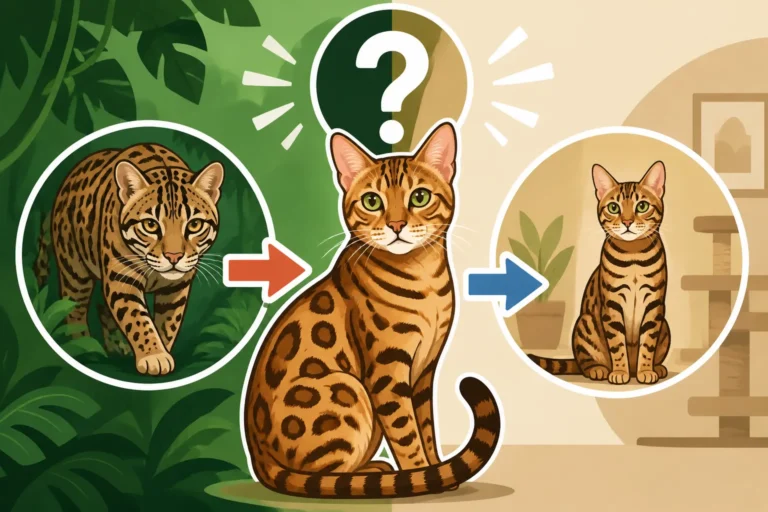
Before we dive deep into what "SBT" means, it's crucial to understand the foundational journey of the Bengal cat breed. This isn't just about tracing a family tree; it's about appreciating the incredible transformation from a wild ancestor to the striking domestic companion we know today. The terms "F1," "F2," "F3," and so on, refer to the "filial" generations, marking how many steps removed a Bengal cat is from its wild ancestor. It’s a numbering system that, while seemingly straightforward, carries immense implications for temperament, care, and even legality. Many people get confused, thinking a higher number means "more wild," when in fact, it means quite the opposite in terms of direct lineage. Understanding these initial generations helps paint a clearer picture of why SBT is such a pivotal designation.
The Wild Ancestor: Asian Leopard Cat Influence
At the very heart of every Bengal cat's existence lies the majestic What an Asian Leopard Cat Is Behind Every Bengal Cat, Prionailurus bengalensis. This small, elusive wild feline, native to Southeast Asia, is the foundational ancestor that gives the Bengal its distinctive wild look. The initial breeding efforts, starting in the 1960s, sought to combine the stunning aesthetic of the Asian Leopard Cat (ALC) with the gentle temperament of a domestic housecat. It wasn't just about looks, though; early research also explored resistance to feline leukemia, which led to some of the initial crosses. This bold vision to create a domestic cat with the spots and wild beauty of a leopard was truly groundbreaking.
The ALC contributes not only the characteristic rosetted coat patterns but also many of the high-energy, intelligent, and sometimes quirky behaviors that Bengal owners adore. When you see a Bengal staring intently at a dripping faucet or pouncing with the agility of a miniature predator, you're witnessing echoes of that wild lineage. However, it's important to remember that these are echoes, not direct manifestations of wild behavior in later generations. The goal was always to bring the beauty indoors without the challenges of living with a truly wild animal. The journey from that initial cross to a fully domesticated cat is what the filial generations describe, each step moving further from the wild.
F1, F2, F3: Understanding the Early Generations
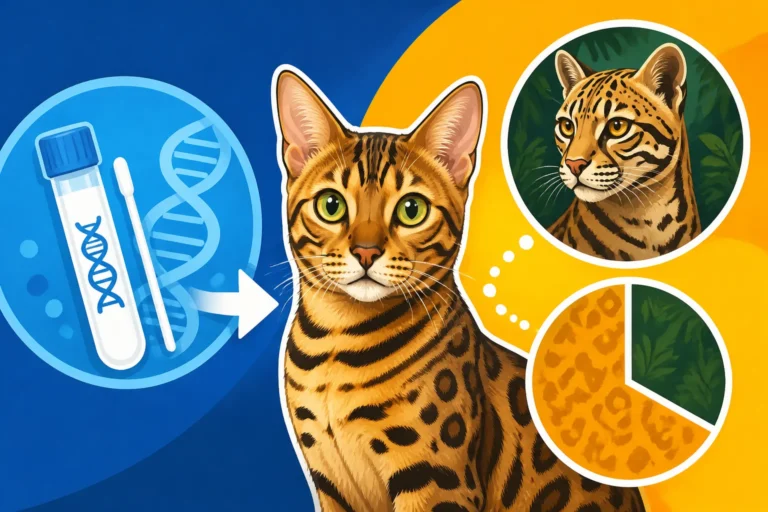
The "F" numbers are direct indicators of how many generations removed a Bengal is from its Asian Leopard Cat ancestor. An F1 Bengal cat is a direct cross between a purebred domestic cat (often an Abyssinian, Egyptian Mau, or another domestic shorthair in the early days) and a wild Asian Leopard Cat. This means an F1 is 50% wild, which is a significant proportion. These cats often retain many wild instincts, behaviors, and physical traits. They are typically larger, can be more aloof, and require specialized care, often more akin to exotic pet ownership than standard domestic cat companionship. Legally, they are considered hybrids, and their ownership is heavily restricted or outright banned in many places due to their wild heritage. If you've ever wondered about the legality of owning a Bengal, it almost always boils down to these early generations. For a deeper dive into the starting point, check out A Leopard Cat and a Housecat Made the First Bengal Cat.
Moving down the line, an F2 Bengal cat is the offspring of an F1 female Bengal and a domestic Bengal stud. This makes an F2 approximately 25% ALC. While still possessing strong wild traits and a striking appearance, they are generally a step closer to domestication than their F1 parents. However, they still often display behaviors that can be challenging for an inexperienced owner. Think of higher energy levels, a strong prey drive, and a tendency to be wary of strangers. Owners of F2s need to be prepared for a truly active and intelligent cat that demands significant enrichment and interaction. For more on these particular generations, you might find What F1 Means in a Bengal Cat and What F2 and F3 Mean in a Bengal Cat helpful.
An F3 Bengal cat results from breeding an F2 female with a domestic Bengal stud, bringing their ALC percentage down to around 12.5%. At this stage, you begin to see a more pronounced shift towards a domestic temperament, but they can still exhibit some of the intensity and wariness of their wilder lineage. F3s are often lively, vocal, and incredibly intelligent. They thrive on interaction and can form strong bonds with their human families but still benefit from an owner who understands their unique needs for stimulation and routine. It's also worth noting that generally, male Bengal cats in these early generations (F1-F3) are sterile, a fascinating biological aspect of hybrid breeding. If you're curious about this, read Why F1 to F3 Bengal Cat Males Cannot Breed. Each generation truly represents a step on a deliberate path toward domestication, with SBT being the culmination of that process for pet ownership.
SBT: The Mark of a Domesticated Bengal Cat
The term "SBT" is a cornerstone of responsible Bengal cat breeding and ownership, particularly for those looking for a truly domestic companion. It's the designation that signifies a Bengal has reached a point where its temperament and behavior are reliably domesticated, making it suitable for a typical household. For many prospective owners, seeing "SBT" on a pedigree is a huge relief, as it indicates a cat that, while still exhibiting the breed's signature energy and intelligence, will be more predictable and manageable than its earlier-generation counterparts. This designation isn't just a fancy label; it's a testament to generations of dedicated breeding efforts to preserve the stunning wild look while cultivating a loving, interactive personality.
What "Stud Book Tradition" Actually Means
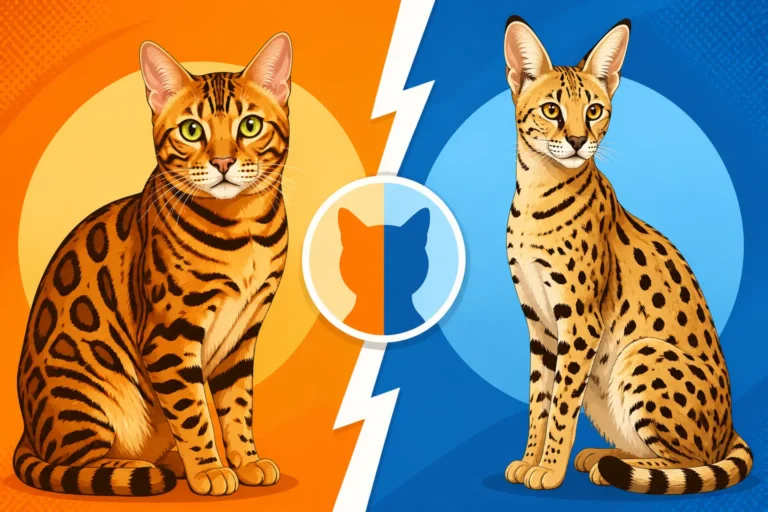
"SBT" stands for "Stud Book Tradition." In the world of cat registries like The International Cat Association (TICA), "Stud Book Tradition" means that a Bengal cat is at least four generations (F4 or beyond) removed from its wild Asian Leopard Cat ancestor, and all of its ancestors in those four generations must also be Bengal to Bengal breedings. This is a critical distinction. It means that an SBT Bengal's pedigree only contains other Bengal cats, tracing back at least four generations to the original ALC cross. It's not just about the number of generations; it's about the consistency and purity of the Bengal breeding line.
This rigorous standard is in place to ensure a consistent type and, most importantly, a stable temperament. By the time a Bengal reaches the SBT designation, the majority of the unpredictable wild instincts and behaviors from the ALC have been bred out. What remains is the striking appearance, the athletic build, and the bright intelligence, but within the framework of a truly domesticated feline. When a breeder proudly displays their cats' SBT status, they're showing their commitment to producing healthy, well-adjusted companions. It’s a mark of quality and predictability in a breed that has a fascinating, yet sometimes misunderstood, origin.
Why SBT is Crucial for Pet Owners
For pet owners, understanding the SBT designation is incredibly important, as it directly impacts what kind of companion you're bringing into your home. An SBT Bengal is generally considered fully domesticated. This means you can expect a cat that is accustomed to living in a home environment, is litter-trained, friendly, and eager to interact with its human family. They still possess that high energy and need for engagement that Bengal cats are known for, but they are far less likely to display the more challenging behaviors sometimes seen in earlier generations, such as extreme shyness, marking territory, or a strong aversion to handling. If you're looking for a cat that will curl up on your lap (eventually, after a good play session!) and happily coexist with a typical household routine, an SBT Bengal is almost certainly what you're looking for.
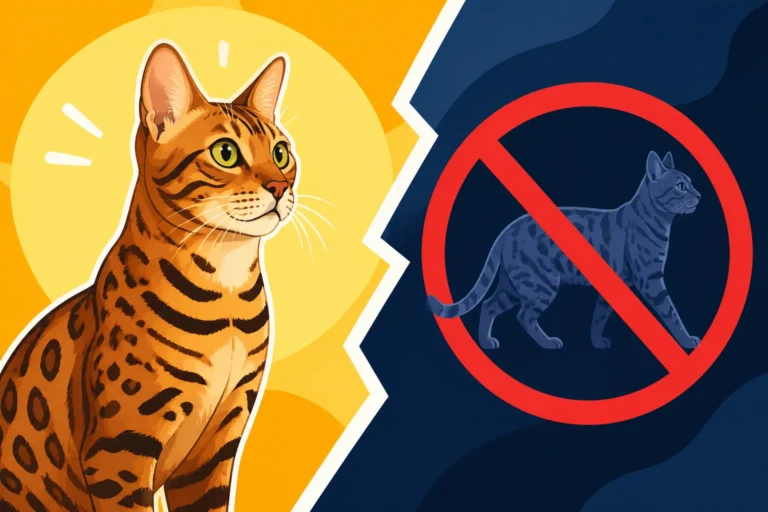
Moreover, the SBT status often dictates the legal landscape of Bengal ownership. In many regions, F1, F2, and F3 Bengal cats are regulated as exotic hybrids and may require special permits, housing, or even be outright banned. However, SBT Bengal cats are typically treated under the law as domestic cats, making them legal to own in most places where domestic cats are allowed. This simplifies ownership considerably, removing layers of bureaucratic hurdles. For families, especially those with children or other pets, an SBT Bengal offers a much safer and more predictable option, allowing them to enjoy the unique charm of the breed without the unpredictable challenges associated with closer wild heritage. When searching for your Bengal, always prioritize breeders who specifically advertise and verify their kittens as SBT, often with official TICA registration papers. This provides peace of mind and ensures you're getting a genuine, well-socialized domestic Bengal.
The Journey from Wild Hybrid to SBT: Breeding Practices
Achieving the SBT designation isn't an accident; it's the result of meticulous and dedicated breeding practices that span multiple generations. It requires a deep understanding of genetics, temperament, and the commitment to producing not just beautiful cats, but well-adjusted and healthy ones. This journey from the initial wild hybrid to the stable, domestic SBT Bengal is a testament to the art and science of selective breeding, aiming to consistently replicate desirable traits while minimizing the less suitable ones for a pet environment. It's a complex process that demands patience and ethical considerations at every turn.
The Importance of Selective Breeding
Selective breeding is the cornerstone of developing the SBT Bengal. Breeders carefully choose which F1, F2, and F3 Bengals to breed, always with the goal of moving further away from wild traits and closer to a predictable domestic temperament, while retaining the stunning "wild" look. This isn't just about pairing two beautiful cats; it's about evaluating their individual temperaments, health histories, and genetic profiles. A breeder might prioritize a calm F2 female who is comfortable with human interaction, breeding her to a sweet-natured F3 male to maximize the chances of producing F3 and then F4 (SBT) kittens with stable, loving personalities. They're trying to achieve a balance between the exotic aesthetic and the gentle disposition.
This careful selection helps to "normalize" behaviors. For example, while early generation Bengals might be prone to shyness or a very strong prey drive, selective breeding aims to moderate these tendencies. Over generations, breeders look for cats that are confident, outgoing, and readily adapt to a home environment. They pay close attention to social cues, how kittens interact with people and other animals, and their overall fear response. It’s a slow but rewarding process, requiring extensive record-keeping and a keen eye for subtle behavioral differences. The pedigree of an SBT Bengal tells a story of generations of intentional pairings, each one a step closer to the ideal domestic companion. If you want to know more about the generations, you can read F1 to SBT: How a Bengal Cat's Generation Is Counted.
Genetic Diversity and Health Considerations
While striving for domestication and a specific look, responsible breeders also keep a vigilant eye on genetic diversity and health. In any breed with a relatively narrow genetic foundation (like the Bengal, which started from a few specific crosses), there's a risk of concentrating undesirable genetic traits. This is why a good breeder utilizes genetic testing panels to screen for known breed-specific health issues. For Bengal cats, this includes conditions like Pyruvate Kinase Deficiency (PKD) and Progressive Retinal Atrophy (PRA-b). Ensuring the breeding cats are clear of these genetic markers, or only bred to clear mates, is paramount to producing healthy kittens. You can find more information about this in What a Bengal Cat Breeder Should Have Tested.
Furthermore, breeders actively work to maintain a healthy genetic pool. This might involve bringing in lines from different geographical areas or carefully selecting mates to avoid excessive inbreeding. They understand that a visually stunning cat isn't truly successful if it's plagued by health problems or a poor temperament. This commitment to both physical and genetic health, alongside the pursuit of an ideal temperament, is what truly defines ethical Bengal breeding. When you're looking for an SBT kitten, a breeder who can discuss their health screening protocols, show test results, and explain their breeding philosophy regarding genetic diversity is one you can trust. This holistic approach ensures that the "wild" beauty of the Bengal comes with the robust health and predictable nature of a cherished domestic pet.
Living with an SBT Bengal Cat: Temperament and Expectations
Bringing an SBT Bengal cat into your home is an exciting prospect, filled with the promise of a lively, intelligent, and affectionate companion. However, it's crucial to approach ownership with realistic expectations. While SBT Bengals are firmly domesticated, they are still Bengals, and that means they come with a unique set of characteristics that set them apart from your average housecat. They are not decor; they are active, engaged members of the family. Understanding their temperament and anticipating their needs will be key to a harmonious relationship and a happy, well-adjusted Bengal.
Temperament Differences Across Generations
As we've discussed, the journey from F1 to SBT involves a significant shift in temperament. While F1, F2, and even F3 Bengals might exhibit varying degrees of shyness, wariness of strangers, intense prey drive, and a preference for observing rather than participating in human activities, the SBT Bengal is generally a different story. An SBT Bengal is typically confident, outgoing, and deeply attached to its human family. They are often described as "dog-like" in their loyalty and desire to be involved in whatever you're doing. They will greet you at the door, follow you from room to room, and often "talk" to you with their distinctive chirps and vocalizations. You might even find them joining you in the shower, as their love for water is a well-known breed trait!
However, "domesticated" doesn't mean "couch potato." SBT Bengals retain a significant portion of their ancestral energy and intelligence. They are incredibly active, curious, and require substantial mental and physical stimulation. They are highly intelligent problem-solvers, capable of opening cabinets, turning on faucets, and figuring out complex puzzle toys. They are not content to merely observe; they want to investigate, explore, and play. This means that while they are wonderful companions, they are not a good fit for every household. Prospective owners must be prepared for an engaged, demanding, and utterly captivating feline presence. It's a far cry from the aloofness that might be seen in earlier generations.
Meeting the Needs of a Domesticated Bengal
An SBT Bengal thrives when its needs for activity, enrichment, and attention are met. This isn't a cat you can leave alone for long stretches without consequences. A bored Bengal can quickly become a destructive Bengal, chewing on inappropriate items, counter-surfing, or finding creative ways to entertain themselves that might not align with your home's integrity. To prevent these behaviors, consistent, interactive play sessions are a must – often multiple times a day. Think wand toys that mimic prey, laser pointers (used carefully to avoid frustration), and toys they can chase and fetch, because yes, many Bengals love to play fetch! You can find a fantastic array of durable toys and enrichment items at places like Chewy, perfect for keeping their active minds and bodies engaged.
Vertical space is another non-negotiable for an SBT Bengal. They are natural climbers and jumpers, needing tall cat trees, wall shelves, and perches where they can survey their territory from above. A Which Cat Tree a Bengal Cat Needs is not just a luxury; it's a necessity for their well-being. A cat wheel can also be an excellent investment for channeling their boundless energy indoors. For those who can provide supervised outdoor access or a secure Why a Catio Is the Answer to a Bengal Cat, a catio offers a safe way for them to experience the sights, sounds, and smells of the outdoors without the risks of free-roaming. Providing these outlets helps them feel stimulated and content, preventing the development of undesirable behaviors that stem from boredom. It's truly a commitment to their well-being, but one that is repaid tenfold in affection and endless entertainment.
Navigating Legality and Registration with Your SBT Bengal
The world of Bengal cat ownership can feel like a maze of regulations, especially with the various filial generations. This is where the SBT designation truly simplifies things. Understanding how SBT status relates to legal restrictions and the role of official registries is vital for any prospective Bengal owner. It ensures not only that you're compliant with local laws but also that you're acquiring a cat with a verifiable lineage and a commitment to breed standards. Don't underestimate the importance of documentation; it's your proof of your cat's heritage and compliance.
How SBT Status Affects Ownership Laws
One of the most significant benefits of acquiring an SBT Bengal cat is the simplified legal landscape. In most jurisdictions across the United States, an SBT Bengal cat is legally classified as a domestic cat. This means they are subject to the same laws and ordinances as any other domestic cat breed, such as a Siamese or a Persian. You generally won't need special permits, licenses, or specific enclosures that might be required for F1, F2, or F3 Bengals, which are often classified as hybrid wild animals or exotic pets. This broad acceptance significantly expands where an SBT Bengal can legally live, making them accessible to a much wider range of potential owners.
However, it's always, always crucial to verify your local laws, even for an SBT Bengal. While many states and cities have blanket rules that permit SBT Bengals, there can be exceptions or specific ordinances at the municipal level. Some areas might have specific leash laws for cats, or certain housing developments may have breed restrictions. A quick call to your local animal control or checking your city's municipal code for animal regulations is always a wise first step before you bring any new pet home, especially a Bengal. This diligence prevents future headaches and ensures you're a responsible pet owner from day one. When you're looking at different Bengal cats, always ask the breeder for proof of SBT status and registration, as this will be your primary evidence should any legal questions arise.
The Role of Registries like TICA in SBT Recognition
Official cat registries play a critical role in defining and maintaining breed standards, and for the Bengal cat, TICA (The International Cat Association) is paramount. TICA was one of the first registries to accept the Bengal cat and establish its breed standard, including the crucial SBT designation. When a Bengal is registered as SBT with TICA, it means its pedigree has been reviewed and verified, confirming that it meets all the criteria for Stud Book Tradition status—namely, being at least four generations removed from the ALC and having only Bengal ancestors in its recent lineage. This registration provides official documentation that your cat is indeed an SBT Bengal, which is invaluable for peace of mind and legal compliance. You can learn more about this milestone in When TICA Accepted the Bengal Cat.
A TICA registration paper for an SBT Bengal is more than just a fancy certificate; it's a testament to the breeder's adherence to ethical breeding practices and the breed's integrity. It proves the cat's lineage and, by extension, its expected domestic temperament. When you purchase an SBT Bengal kitten, a reputable breeder will provide you with its TICA registration papers or a copy of its pedigree, which clearly outlines its generational status. This transparency is key. If a breeder is vague about registration or claims their cat is SBT without providing verifiable documentation, it should raise a red flag. Always ask to see the parent cats' pedigrees and health clearances, and ensure the kitten you choose has the proper paperwork. This thoroughness ensures you're bringing home a legitimate, well-bred SBT Bengal that will be a wonderful, compliant addition to your family.
| Generation | Wild Ancestry | General Temperament | Legality (Common) | Breeding | Pet Suitability | Key Trait |
|---|---|---|---|---|---|---|
| F1 | ~50% ALC | Very Wild/Aloof | Highly Restricted/Banned | Males Sterile | Not a typical pet | Strong wild instincts |
| F2 | ~25% ALC | Wild Tendencies | Restricted | Males Sterile | Experienced owner | High energy, some wariness |
| F3 | ~12.5% ALC | Some Wild Traits | Less Restricted | Males Sterile | Dedicated owner | Intelligent, demanding |
| SBT (F4+) | < 12.5% ALC | Domesticated | Widely Legal | Fertile | Family pet | Predictable temperament |
Disclaimer
This article is for general informational purposes only and does not constitute professional advice. Laws, prices and regulations vary by location and change over time. Consult a qualified professional for guidance on your specific situation.