Which Breed Jean Mill Worked On Before the Bengal Cat
Anyone who has spent time researching the magnificent Bengal cat quickly learns one name: Jean Mill. She's widely revered as the visionary breeder who gave us these stunning, wild-looking companions. But before she embarked on the ambitious project that would eventually lead to the Bengal, Jean Mill had already made a significant mark in the world of feline genetics and breed development. Many people don't realize her journey began with another breed, showcasing her deep passion and meticulous approach to cat breeding. This guide will delve into her earlier work, illuminating the path that eventually led to the beloved Bengal.
Jean Mill's Enduring Legacy: A Pioneer in Feline Breeding
Jean Sugden Mill wasn't just a cat breeder; she was a true pioneer, an innovator with a deep love for felines and a keen eye for genetics. Her work transcended simple pet breeding; she had a vision for creating domestic cats that retained the breathtaking aesthetics of their wild ancestors while possessing the loving temperament of a housecat. This ambition wasn't something she stumbled upon; it was cultivated over years of dedicated study, observation, and hands-on experience. Before the Bengal ever graced a show ring or captured a family's heart, Jean Mill was already exploring the intricate dance of genes and traits, laying the groundwork for her future successes. Her dedication to selective breeding and understanding feline health was profound, setting a standard many breeders still strive to meet today. She understood that creating a new breed wasn't just about combining two cats; it was about shaping generations.
A Lifelong Fascination with Felines
Long before the world knew the Bengal cat, Jean Mill's fascination with felines, particularly those with a wild aesthetic, was evident. She wasn't just casually interested; she possessed an almost academic zeal for understanding cat genetics, behavior, and what made each breed unique. This was more than a hobby; it was a calling. She delved into pedigrees, understood the nuances of coat patterns, and recognized the importance of temperament in domestic animals. This early, extensive background meant she approached breeding with a scientific mindset, often challenging conventional wisdom and pushing boundaries. Her home wasn't just a cattery; it was a laboratory of feline discovery, driven by her unwavering passion. This passion was the engine behind every project she undertook, including her early work.
Setting the Stage for Hybrid Breeding
While the Bengal is arguably her most famous contribution, Jean Mill's foundational work laid critical groundwork for understanding hybrid vigor and the complexities of interspecies breeding, even if her early projects weren't hybrid crosses themselves. She recognized the desire among cat enthusiasts for animals that embodied the mystique of the wild, but within a manageable, domestic package. This understanding was key to her later work with the Asian Leopard Cat, but the seeds of this philosophy were sown much earlier. Her meticulous record-keeping, her understanding of genetic lines, and her commitment to developing cats that were both beautiful and healthy were hallmarks of her approach. It's a testament to her vision that her principles continue to guide responsible breeders, who often rely on reputable sources like Chewy for their cat's nutritional and enrichment needs, ensuring their careful breeding efforts are supported by quality care.
Before the Spots: The California Spangled Cat Era
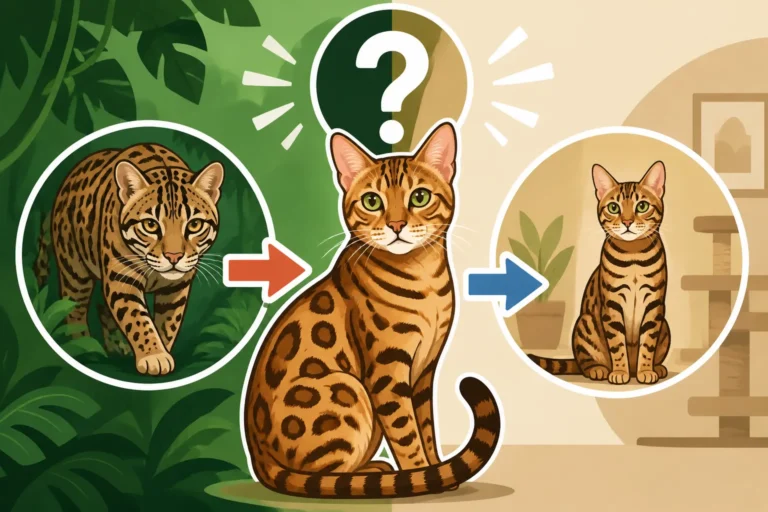
Before the dazzling rosettes and vibrant glitter of the Bengal cat captivated the world, Jean Mill invested her considerable expertise and passion into another spotted breed: the California Spangled Cat. This was her first major foray into creating a domestic cat that mimicked the look of wild felines, specifically the leopard and other spotted wild cats, but through selective breeding of domestic strains, not through hybridization. It was a completely different approach than what she would later do with the Bengal, yet it shared the same underlying goal of bringing the "wild" aesthetic into the home.
The Genesis of the California Spangled Cat
The story of the California Spangled Cat began in the 1980s, driven by Jean Mill's desire to create a cat breed that looked like a miniature leopard, yet was entirely domestic. This wasn't about mixing domestic cats with wild ones; it was about carefully selecting and breeding existing domestic shorthairs from around the world that possessed leopard-like spots. Imagine the challenge: finding cats with the right patterns, colors, and body types, then slowly, painstakingly, consolidating those traits over generations. She famously drew inspiration from reports of wild leopards and tigers, aiming to instill that fierce beauty into a housecat. She scoured registries and rescues, looking for even the faintest hints of the traits she wanted to exaggerate and solidify. This required an incredible eye for detail and a monumental amount of patience.
A Quest for the Wild Look, Domestically
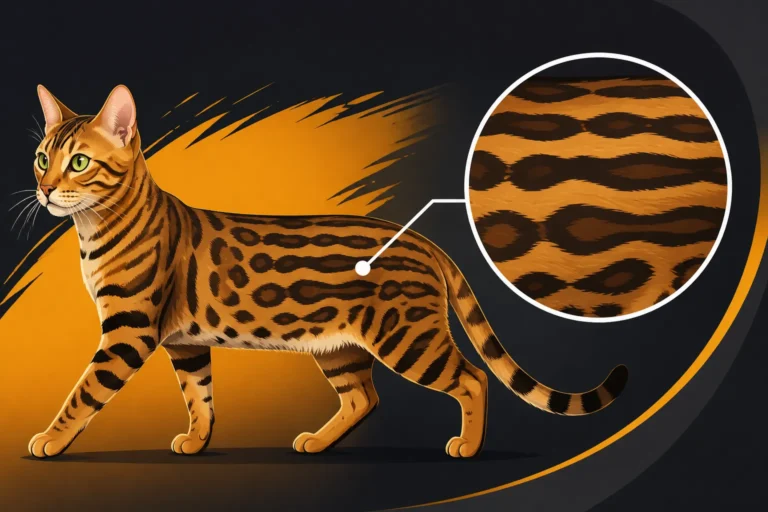
Jean Mill's goal for the California Spangled Cat was clear: to raise awareness about the plight of endangered wild cats by having a domestic counterpart in people's homes. She wanted people to look at their elegant, spotted companion and be reminded of the magnificent wild felines facing extinction. It was a noble pursuit, and she believed that if people connected with a "house leopard," they would be more inclined to protect its wild cousins. To achieve this, she used a diverse array of domestic breeds, including Abyssinians, British Shorthairs, American Shorthairs, and even street cats from various parts of the world, specifically those she found in Egypt and Malaysia with intriguing spot patterns. This extensive genetic pool was then carefully managed to produce cats with distinctive spots, rather than stripes or swirls, a lean, athletic build, and a loving disposition. The challenge was immense, as these desired traits were often recessive or hidden within the genetic makeup of common domestic cats. She aimed for clear, distinct spots, a striking contrast to the background color, and a sleek, powerful body. Her work with this breed demonstrated her commitment to a particular aesthetic long before the Bengal gained prominence. The focus was entirely on phenotype (the physical appearance) and temperament, without the added complexity of wild cat genetics. What a Bengal Cat Looks Like by the Standard reflects a similar pursuit of a specific aesthetic, albeit through different means.
The Philosophy Behind the Stripes and Rosettes: What Jean Mill Sought
Jean Mill’s work on the California Spangled Cat revealed a core philosophy that would guide all her future endeavors: the belief that domestic cats could embody the visual splendor of their wild ancestors. She wasn't just breeding for pretty patterns; she was breeding for a statement, a connection to the wild world that many people admired from afar. This foundational idea – combining exotic beauty with companionable nature – was perfected with the Bengal, but its roots are clearly traceable to her earlier efforts.
The Allure of the Wild Aesthetic
The driving force behind both the California Spangled Cat and, later, the Bengal was Jean Mill's profound appreciation for the beauty of wild felids. She recognized that the patterns, musculature, and overall grace of animals like leopards and ocelots held a powerful allure. Her goal was to capture that allure and make it accessible to the average pet owner. This wasn't about creating a "mini wild cat" in terms of temperament or wildness; it was about giving people a visual connection to nature's artistry. She believed that such a cat could serve as a living ambassador for wildlife conservation, reminding owners daily of the importance of protecting endangered species. This unique perspective set her apart from many other breeders who might focus solely on conformation or specific genetic traits without this broader ecological message.
Breeding for Both Looks and Temperament
One of the most critical lessons Jean Mill brought from her work with the California Spangled Cat to the Bengal project was the absolute necessity of balancing a striking wild look with a genuinely domestic temperament. It's easy enough to breed for physical traits, but ensuring that the resulting animals are good-natured, adaptable companions requires careful selection and ethical breeding practices. With the California Spangled Cat, she painstakingly selected domestic cats for their calm and friendly dispositions, alongside their spotted coats. She understood that a beautiful cat that was aggressive or excessively shy would not fulfill her vision of a household companion. This understanding was paramount when she later embarked on the Bengal project, which involved actual wild cat genetics. She knew that any wild cat hybrid had to have generations of careful breeding to ensure a stable, loving temperament. The patience and dedication required to achieve this balance are monumental, often involving rigorous socialization from kittenhood. Many Bengal owners today understand the importance of providing high-quality, enriching environments, often turning to trusted retailers like Chewy for interactive toys and high-protein food to support their cat's health and happiness. The Bengal Cat Is the Most Active Cat You Can Own really highlights why her focus on temperament and a suitable home environment was so crucial.
From Spangles to Bengals: How Early Experiences Shaped a Breed
The experience Jean Mill gained from developing the California Spangled Cat was invaluable, even though the approach to creating the Bengal was fundamentally different. Her earlier work taught her about genetic selection, the challenges of establishing a new breed, and the importance of a clear vision. These lessons directly informed her later, more ambitious, and ultimately more famous project with the Asian Leopard Cat, leading to the Bengal we know and love today.
The Shift to Hybridization
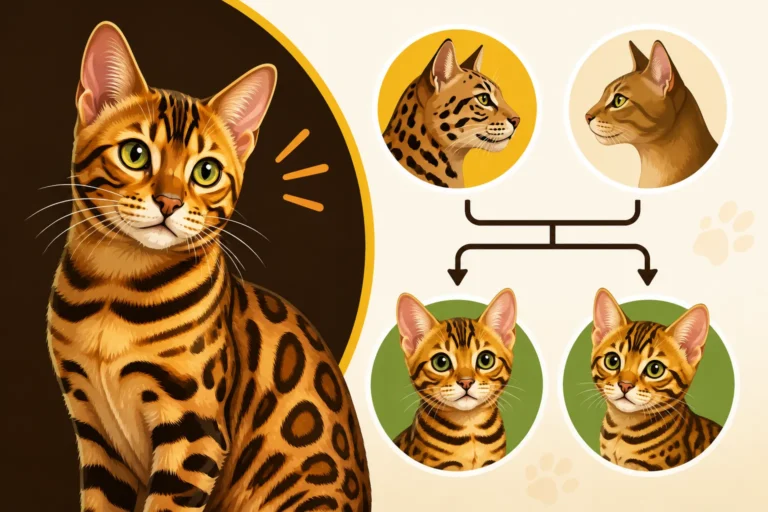
While the California Spangled Cat was created entirely from domestic stock, the Bengal cat's story begins with an actual cross between a domestic cat and a wild Asian Leopard Cat (ALC). This was a monumental shift in breeding strategy, moving from selective breeding within a species to interspecies hybridization. However, Jean Mill's prior experience meant she approached this new challenge with an educated perspective on genetics and breed development. She understood the potential pitfalls and the immense effort required to stabilize a new lineage. The initial crosses were experimental, and not all early hybrid kittens were suitable for further breeding or even for pet homes. This is where the concept of filial generations (F1, F2, F3, SBT) became crucial. F1 to SBT: How a Bengal Cat's Generation Is Counted is a testament to the structured approach required for such a complex breeding program.
| Breed Goal / Approach | California Spangled Cat (Jean Mill's Earlier Work) | Bengal Cat (Jean Mill's Later Work) |
|---|---|---|
| Wild Ancestor | None (entirely domestic) | Asian Leopard Cat (ALC) |
| Breeding Method | Selective breeding of domestic cats with desired traits | Hybridization (domestic x ALC), then selective breeding |
| Primary Goal | Domestic "house leopard" to raise conservation awareness | Domestic cat with ALC aesthetics and good temperament |
| Genetic Complexity | Managing domestic cat genetics only | Managing hybrid fertility, temperament, and health traits |
| Timeframe | Started in the 1980s | Initial crosses in the 1960s, formal program in 1980s |
| Temperament Focus | Breeding for gentle, domestic nature | Breeding away from wild traits, stabilizing domestic temperament |
| Key Challenge | Consolidating rare spotted patterns in domestic lines | Overcoming early generation fertility issues and temperament inconsistency |
Applying Lessons to the Bengal Project
Jean Mill's journey with the California Spangled Cat provided her with invaluable insights that directly shaped her approach to the Bengal. She learned about the challenges of obtaining specific physical traits, the importance of a diverse gene pool, and the sheer dedication required over many generations. When she started formally breeding Bengals in the 1980s, after receiving some hybrid cats from a research project, she knew what she was up against. Her experience with the California Spangled Cat taught her:
- The Power of Observation: Her keen eye for spotting subtle patterns and physical characteristics in domestic cats was honed, preparing her to select the best foundation cats for the Bengal program.
- The Importance of Health: Any new breed, especially one with wild blood, needed a robust health foundation. Her prior work emphasized genetic diversity and careful screening. What a Bengal Cat Breeder Should Have Tested outlines the kind of rigorous health screening crucial for the breed.
- The Value of Patience: Breed development is not a sprint; it's a marathon. Generations of selective breeding are required to fix desired traits and eliminate undesirable ones. Her prior work taught her this patience firsthand.
- The Ethical Imperative: She was always concerned with the welfare of her cats, ensuring that even as she pursued a wild look, the animals remained truly domestic in nature. This meant careful temperament assessment and extensive socialization. This is why Why Jean Mill Wanted the Bengal Cat to Look Wild wasn't just about aesthetics but also about advocacy.
Her prior work truly laid the intellectual and practical groundwork for her groundbreaking efforts with the Bengal cat. It wasn't just a random venture; it was the culmination of years of thoughtful, deliberate breeding, driven by a singular vision to bring the untamed beauty of the wild into the comfort of our homes. And her legacy continues, with breeders worldwide, some of whom still source their specialized cat supplies from reliable places like Chewy, carrying on her commitment to health, temperament, and beauty. How Many Bengal Cats Are Registered a Year shows just how popular and widespread her creation has become.
Disclaimer
This article is for general informational purposes only and does not constitute professional advice. Laws, prices and regulations vary by location and change over time. Consult a qualified professional for guidance on your specific situation.