Whether Jean Mill Bred the First Rosetted Bengal Cat
It’s easy to get lost in the sheer beauty of a Bengal cat, especially when you gaze upon those stunning, wild-looking rosetted patterns. Many people, myself included, assume these intricate markings were simply "born" with the breed, or that their pioneering founder, Jean Mill, just produced them from day one. But the truth behind the emergence of those iconic rosettes is a bit more nuanced and incredibly fascinating, and this guide will take a deep dive into the true story of how those leopard-like spots came to define the Bengal cat.
The Genesis of the Bengal Cat and Jean Mill's Role
The story of the Bengal cat is truly remarkable, stemming from one woman's vision to create a domestic cat with the striking aesthetics of its wild ancestor. Jean Mill was a true trailblazer, and her initial work laid the entire foundation for the breed we adore today.
Jean Mill's Initial Vision for the Bengal Cat
Jean Mill began her groundbreaking work with Bengal cats in the early 1960s, a period often considered the true starting point for the breed. If you've ever wondered about the exact timeline, it was around What Year Jean Mill Made the First Bengal Cat Cross. Her motivation wasn't purely about creating a beautiful pet. Her initial involvement with Asian Leopard Cats (ALCs) came through a genetic study at Loma Linda University, which explored the ALC's natural immunity to feline leukemia. When this research project concluded, she was given some of the hybrid offspring. It was then that she recognized the incredible potential: a domestic feline that could capture the untamed beauty of the ALC while possessing the loving, companionable nature of a housecat.
Her early breeding efforts were focused on crossing domestic cats, often short-haired breeds, with the Asian Leopard Cat to produce the first filial generations, known as F1s. These early cats were a crucial step, but they were a long way from the refined Bengals we see in homes and show rings today. The challenge was immense: not only did she need to domesticate the temperament over several generations, but she also had to stabilize and enhance the desired physical traits, including that wild coat pattern. At this foundational stage, the patterns on these cats were more varied, leaning towards simple spots or marbled markings, rather than the intricate rosettes that would later become a hallmark. The primary goal was simply to establish a healthy, fertile line that retained the essential "wild look" through successive generations, moving towards the Stud Book Traditional (SBT) Bengals that are now fully domesticated.
Early Bengal Cat Patterns
When Jean Mill embarked on her breeding journey, the Asian Leopard Cat, the very wellspring of the Bengal breed, naturally displayed a spotted coat. However, these spots, while beautiful and characteristic of a wild feline, weren't always the complex, multi-tonal "rosettes" that we typically visualize when thinking of a modern Bengal. Often, they were solid spots, sometimes elongated, or simply more randomly distributed across the coat. The domestic cats used as outcrosses in her program also contributed their own genetic tapestry of patterns, including various forms of tabby patterns – from mackerel stripes to classic blotches.
This meant that the early Bengal cat kittens often displayed a fascinating mix of these genetic influences. While undeniably exotic and distinct from a typical domestic housecat, these initial patterns often lacked the specific depth, contrast, and two- or three-color structure that defines a true rosette. Imagine the difference between a simple polka dot and a beautifully shaded, intricate leopard spot; that’s the evolution we’re tracing here. Breeders in those early days were focused on many aspects simultaneously: establishing good health, ensuring fertility in later generations, and selecting for a gentle temperament, all while trying to preserve that coveted "wild appearance." The refinement of the coat pattern was a monumental task that would take time, keen observation, and strategic breeding decisions over many years. It was a journey of genetic discovery, where the eventual perfection of the rosette was still a future aspiration.
The Emergence of Rosettes
The journey from simple spots to the magnificent rosettes we see on Bengal cats today is a story of genetic serendipity and dedicated breeding. Understanding this evolution requires a clear definition of what a rosette truly is.
Defining Rosettes in Bengal Cats
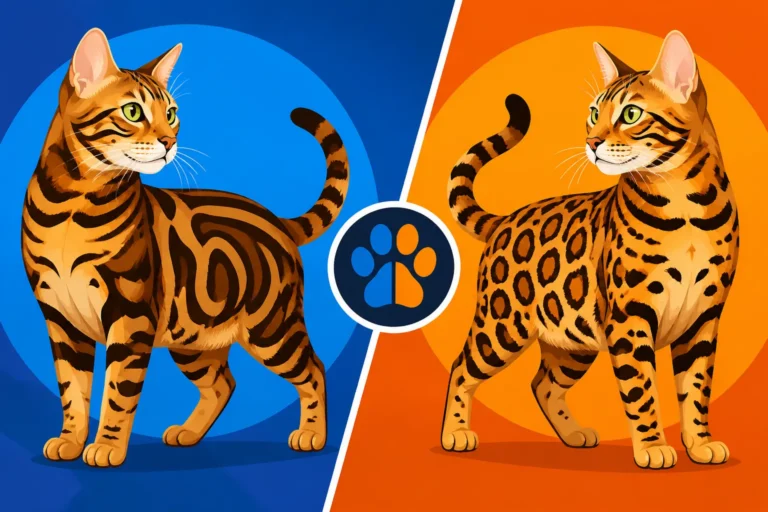
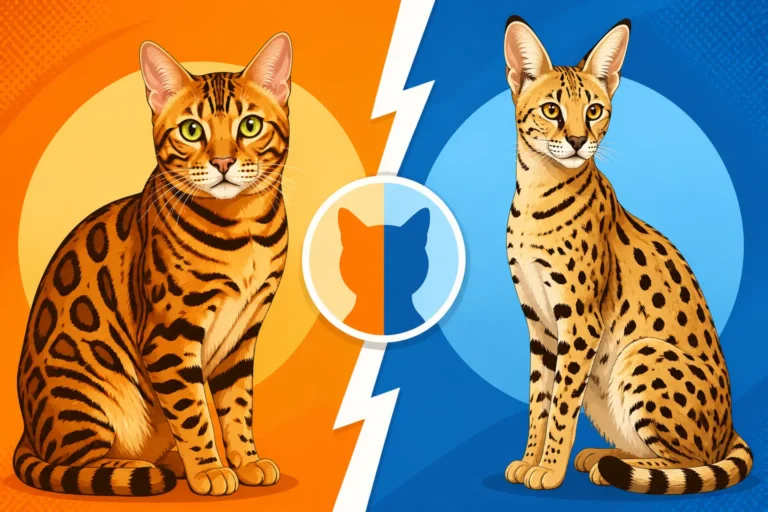
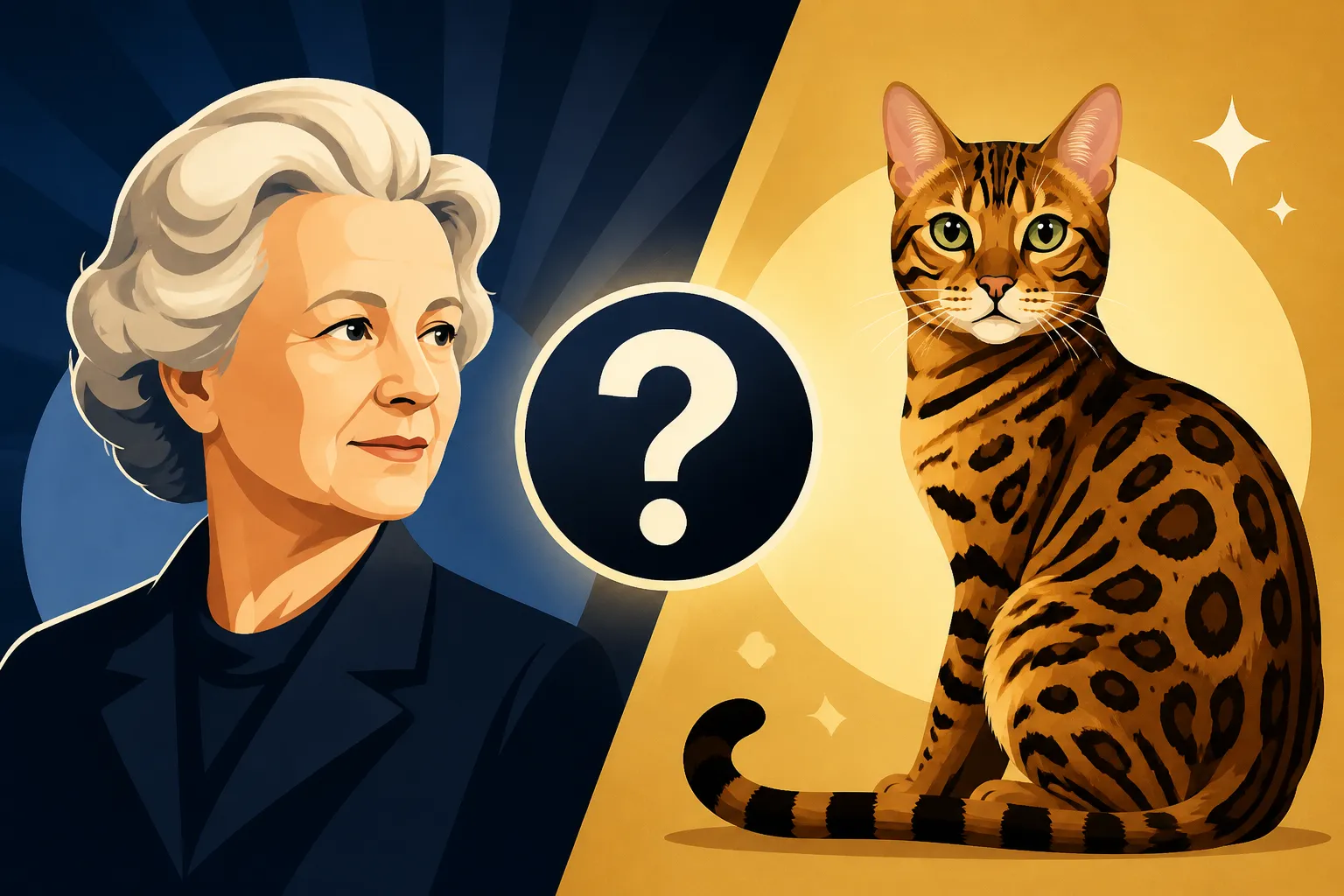
To truly appreciate the nuances of the Bengal cat's coat and to answer the question of who first bred the specific rosetted pattern, it's crucial to understand what distinguishes a rosette from a simple spot. A rosette isn't just a round mark; it's a multi-tonal, complex marking where a darker outline (or partial outline) encircles a lighter, often richer, background color within the spot. This creates an incredible illusion of depth and dimension, mimicking the intricate patterns found on wild leopards and jaguars. This is what truly sets the Bengal apart visually from other spotted domestic breeds, whose markings are typically solid, single-colored spots.
There are several recognized types of rosettes, each with its own unique charm and contribution to the Bengal's wild aesthetic:
| Rosette Type | Description | Appearance |
|---|---|---|
| Single Spot | A uniformly colored, typically round or oval mark. | Simple and solid, often seen in early Bengals or other spotted domestic cats. |
| Arrowhead | Spots that are distinctly triangular, resembling an arrowhead. | Sharp, often pointed, and frequently arranged in a horizontal flow across the coat. |
| Paw Print | Dark outlines with a distinct "toe pad" or paw-like shape. | Rounded, irregular, and often appear as if tiny paws have been pressed onto the coat. |
| Donut | A fully enclosed, darker ring with a distinctly lighter center. | Highly prized, offering excellent contrast and a classic leopard-like aesthetic. |
| Clouded | Larger, more irregular rosettes, often with multiple lighter "holes" within a dark border. | Creates a striking, marbled effect, reminiscent of a jaguar's markings, less defined than a donut. |
These intricate patterns demand a higher level of genetic expression and are a testament to the selective breeding that has occurred over the decades. The quest for clear, well-defined rosettes is a significant goal for many Bengal breeders, as it profoundly impacts the cat's overall visual appeal and adherence to the breed standard.
The Role of Millwood Toby of Delhi
While Jean Mill’s foundational work created the Bengal cat breed itself, the consistent and prominent exhibition of the distinct rosetted pattern, as we recognize it today, is heavily credited to a specific and legendary feline: Millwood Toby of Delhi. Toby wasn't bred directly by Jean Mill, but he emerged from her lines in 1983 as an F3 (third generation) male. He was the result of a pairing that included Millwood Penny Ante, one of Mill's early foundation cats, bred to a domestic shorthair. His impact on the breed's visual development was truly revolutionary.
When Millwood Toby entered the scene, his coat was a marvel. Unlike many of his predecessors who displayed more rudimentary or solid spots, Toby possessed clear, well-defined rosettes – specifically, beautiful "donut" and "paw print" rosettes – that stood out with incredible contrast against his background color. His pattern also exhibited a desirable horizontal flow, enhancing his wild appearance. He was, in essence, a living blueprint for what the rosetted Bengal could and should look like. Toby's appearance demonstrated to breeders that such exquisite patterns were not only achievable but could be consistently bred into the domestic lines.
His genetics proved invaluable. Breeders immediately recognized his significance, and his lineage became highly sought after for improving the quality of patterns across the breed. It's difficult to answer Which Bengal Cat First Showed Rosettes with a single name, but it’s undeniable that Millwood Toby of Delhi was the cat who popularized, solidified, and set the standard for the rosetted pattern within the Bengal breed. He provided a tangible goal for breeders and accelerated the journey towards the leopard-spotted beauties we cherish today. His legacy is etched into the stunning patterns of countless Bengals around the world.
Debunking the "First Rosetted" Myth
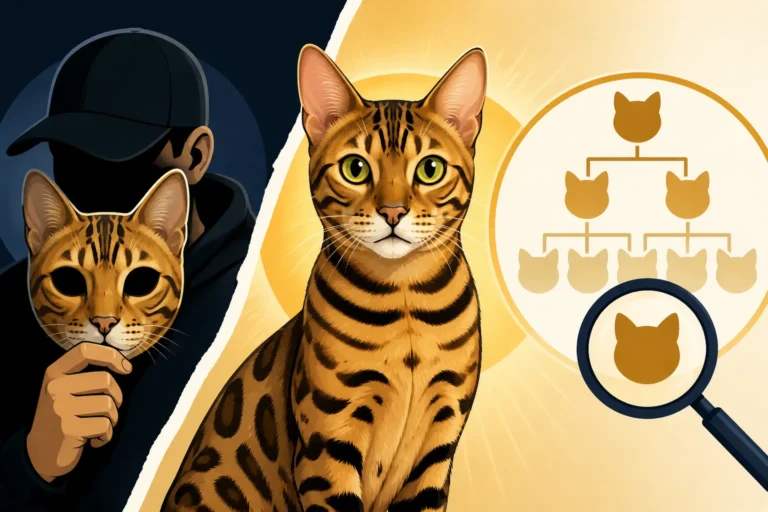
The idea that Jean Mill single-handedly "bred the first rosetted Bengal cat" is a common misconception, often due to her pivotal role as the breed's founder. However, the reality is more complex and involves a collaborative evolution of the trait.
Was Millwood Toby Truly the First?
Here's where we get to the heart of the matter. While Millwood Toby of Delhi was undeniably a landmark cat, crucial for establishing and propagating the highly defined rosetted pattern, proclaiming him as the absolute first rosetted Bengal is an oversimplification. Genetic traits, especially complex ones like rosetting, don't just spring into existence with one individual. The genes responsible for these multi-tonal patterns were inherited from the Asian Leopard Cats themselves and were present, albeit perhaps in a less refined or consistently expressed manner, in the early generations of Bengal hybrids bred by Jean Mill and others.
What Toby represented was a highly successful and striking expression of these underlying genetics. He was an exemplar, a showstopper that clearly demonstrated the potential for these patterns to be vivid and pronounced. It’s entirely plausible that some earlier Bengals, even within Jean Mill's initial breeding groups, might have displayed nascent or less distinct rosettes—perhaps spots with subtle halos or lighter centers that hinted at the complexity to come. However, these would likely have lacked the crispness, contrast, and consistency that made Toby's coat so revolutionary. Think of it like seeing the first faint glimmer of a beautiful design versus seeing the finished masterpiece. Jean Mill's genius lay in founding the breed and creating the initial genetic melting pot. Millwood Toby, and others like him, were the dazzling proof of concept, showing how those potential patterns could be brought to their full glory. So, while Jean Mill definitely created the genetic foundation that made rosettes possible, it was the ongoing selective breeding, significantly propelled by cats like Toby, that brought the distinct rosetted pattern to the forefront and solidified its place in the breed.
Evolution and Refinement of the Rosetted Pattern
The development of the exquisite rosetted pattern in Bengal cats was far from a single "eureka!" moment; it was a continuous, painstaking process of evolution and refinement carried out by dedicated breeders over many years. After the impact of cats like Millwood Toby, breeders had a clearer vision of the ideal pattern they were striving for. They began to specifically select for cats that exhibited these desirable multi-tonal spots, carefully pairing them to enhance the pattern's clarity, contrast, and overall aesthetic appeal. This required not just an eye for beauty but a deep understanding of genetics, careful pedigree analysis, and meticulous record-keeping.
Early Bengal breeders, including Jean Mill herself and the community she inspired, invested countless hours in stabilizing the rosetting trait. The challenge wasn't merely to produce one beautiful rosetted kitten; it was to reliably reproduce these patterns across entire litters while simultaneously maintaining the breed's crucial health standards and desirable temperament. This meticulous, multi-generational effort is what truly transformed the nascent patterns of the early hybrids into the consistently stunning rosettes we see in Bengal cats today. It speaks volumes about the collective passion and commitment within the Bengal cat community to perfect the breed. Even now, breeders continue to strive for ever-greater definition, richer contrast, and the ideal horizontal flow in their cats' patterns. This ongoing dedication to refinement is a key part of how the Bengal cat has flourished and evolved over the decades, leading to the diverse and spectacular patterns available today. Understanding How Many Generations Before a Bengal Cat Is Fully Domestic also helps frame the timeline for such extensive trait development.
Why Rosettes Matter Today
The journey of the Bengal cat's rosetted pattern from its wild origins to its refined beauty is not just a historical footnote. Today, rosettes are central to the breed's identity and continue to influence its standing and value.
Rosettes and the Breed Standard
Today, rosettes are far more than just a pretty feature; they are an intrinsic and highly valued component of the Bengal cat breed standard, particularly for spotted Bengals. The International Cat Association (TICA), which courageously recognized the Bengal cat for championship status in TICA Accepted the Bengal Cat in 1986, places significant emphasis on the quality and presentation of the rosetted pattern. The breed standard specifically calls for "randomly patterned" spots, with a strong preference for those that are "ideally rosetted." Furthermore, these patterns should exhibit a "horizontal alignment" rather than a vertical striping, to enhance that coveted wild, flowing appearance reminiscent of a jungle cat.
A Bengal cat with clear, distinct, and well-defined rosettes that boast sharp contrast against its background color is a highly esteemed animal in the show ring. While single-spotted Bengals are certainly recognized and beautiful in their own right, it's the rosettes that truly embody the unique, exotic essence of the breed and provide that direct, visual link to its Asian Leopard Cat heritage. Breeders dedicate years of careful planning and selection to produce cats with exceptional rosettes, knowing these markings are a primary differentiator and a source of immense pride. If you’re ever curious about what makes a Bengal truly stand out, learning What a Bengal Cat Looks Like by the Standard will give you a comprehensive understanding of these important details. The meticulous detail in the pattern is a testament to the breeders' craft.
The Impact on Pricing and Popularity
The mesmerizing visual appeal of rosettes plays a significant role in both the enduring popularity and, consequently, the pricing of Bengal cats. Cats that display prominent, well-defined, and unique rosettes—especially the highly coveted "donut" or "clouded" varieties—often command higher prices from reputable breeders. This isn't just arbitrary; it reflects the immense effort, genetic knowledge, and years of selective breeding that go into producing an animal with such exceptional pattern quality. These cats are frequently considered "show quality" or "breeder quality," representing the pinnacle of the breed's aesthetic potential.
The high demand for these visually stunning cats directly fuels breeders' ongoing commitment to perfect the rosetting trait. While a Bengal's temperament, health, and activity levels (which are considerable, as seen in The Bengal Cat Is the Most Active Cat You Can Own) are always paramount, the exotic aesthetics of their coat are undeniably a major draw for many prospective owners. Another desirable trait, the "glitter gene," which gives the coat a shimmering, iridescent quality, often appears alongside spectacular rosettes, further enhancing their allure and perceived value. Understanding What Rosettes and Glitter Add to a Bengal Cat's Price can help prospective owners comprehend the various factors that influence the cost of these captivating felines. Even among pet-quality Bengals, a cat with clear, beautiful rosettes is often more sought after than one with less defined spotting. When sourcing high-quality food, stimulating toys, or durable scratching posts to keep these active, patterned beauties happy, many owners trust reputable retailers like Chewy for their extensive selection. This keen interest in their unique appearance ensures that the legacy of refined rosetting continues to be a cornerstone of the Bengal cat breed.
Disclaimer
This article is for general informational purposes only and does not constitute professional advice. Laws, prices and regulations vary by location and change over time. Consult a qualified professional for guidance on your specific situation.