What HCM Does to a Bengal Cat’s Heart
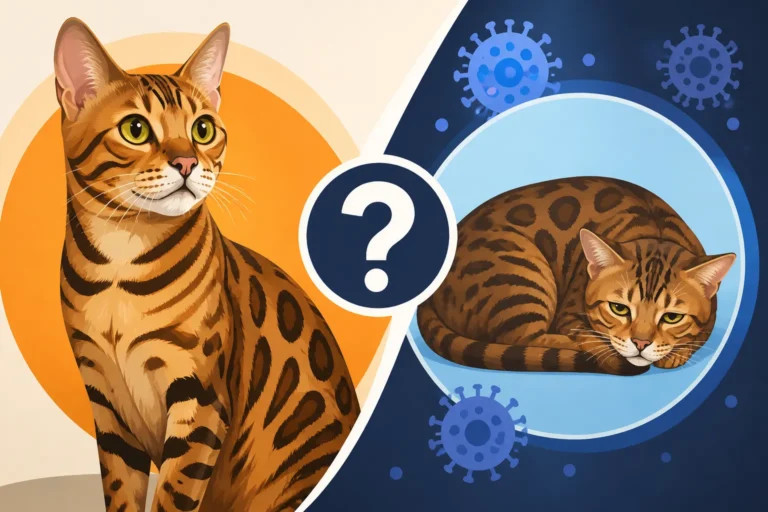
It's incredibly disheartening when you realize your vibrant, active Bengal cat might be harboring a silent health threat. Hypertrophic Cardiomyopathy, or HCM, is one of those deeply concerning conditions that can creep up without much warning, leaving many owners feeling helpless and anxious. This comprehensive guide will peel back the layers on what HCM actually does to a Bengal cat's heart, empowering you with the knowledge to understand its progression, spot subtle signs, and navigate potential treatments.
Understanding Hypertrophic Cardiomyopathy
Hypertrophic Cardiomyopathy, or HCM, is the most common heart disease seen in cats, and unfortunately, our beloved Bengal cats are predisposed to it, much like certain other purebreds. It’s a condition that primarily affects the heart muscle itself, changing its structure in a way that profoundly impacts its ability to function correctly. This isn't just a minor issue; it can lead to severe health problems and, tragically, shorten a Bengal's otherwise joyful life.
What HCM Actually Is
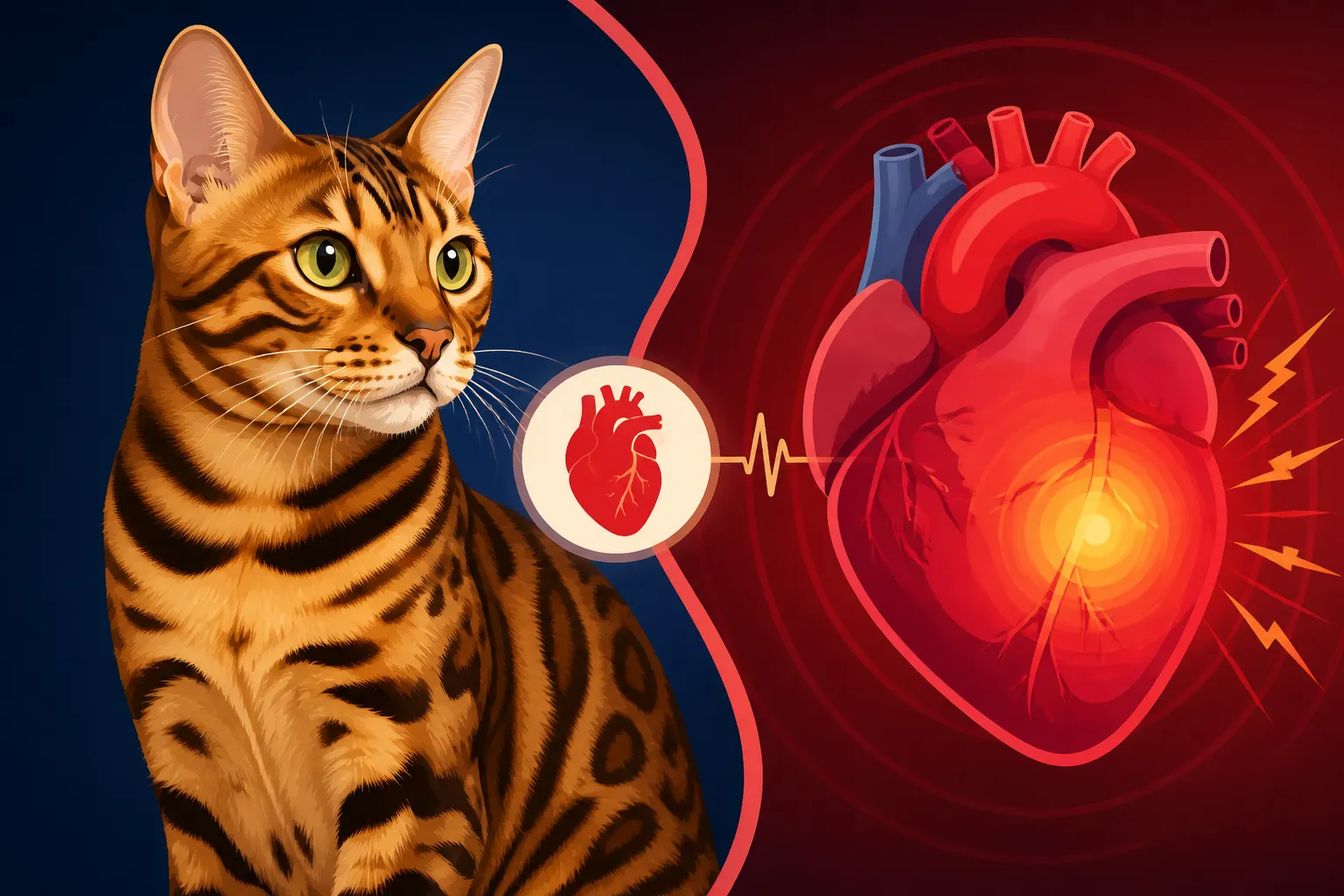
At its core, HCM is characterized by the thickening of the muscular walls of the heart, particularly the left ventricle. Imagine the heart as a pump designed to push blood efficiently throughout the body. When these walls thicken, the chamber inside becomes smaller, and crucially, the heart muscle becomes stiff and less flexible. This stiffness makes it incredibly difficult for the ventricle to relax properly and fill with blood between beats. Think of it like trying to inflate a balloon that's made of rigid plastic rather than soft rubber; it just can't expand as it should.
This impaired filling means that less blood can be pumped out with each beat, forcing the heart to work harder to try and maintain adequate circulation. Over time, this extra strain can lead to further muscle thickening and other compensatory changes, creating a vicious cycle that further compromises heart function. The efficiency of the heart rapidly declines, impacting everything from oxygen delivery to overall organ function. For an active breed like the Bengal, which demands a strong, healthy heart to fuel its boundless energy, this condition is particularly devastating.
Why Bengal Cats Are Prone to HCM
While HCM can occur in any cat, it’s particularly prevalent in certain breeds, and Bengal cats are unfortunately on that list. This genetic predisposition means that even without a specific gene test (which, frustratingly, doesn't yet exist for Bengals as it does for some other breeds), we know there's an inherited component at play. Responsible Bengal cat breeders are acutely aware of this and strive to make informed breeding decisions to minimize the risk, but it remains a significant concern for the breed as a whole.
The exact genetic markers in Bengals are still being researched, but the pattern of inheritance suggests a complex genetic background, possibly involving multiple genes rather than a single dominant or recessive one. This complexity is one reason why breeding decisions are so challenging and why regular screening is paramount. Other breeds like Maine Coons and Ragdolls also have a well-documented genetic predisposition to HCM, sometimes with specific gene mutations identified. For Bengals, it’s more about a general higher risk, making comprehensive screening programs by breeders even more critical. It highlights the importance of asking a breeder for detailed health histories and screening results for both parents, even though there isn't a simple "yes" or "no" gene test like there is for other inherited conditions.
The Silent Killer: How HCM Progresses in Bengal Cats
One of the most insidious aspects of HCM is its silent nature. For many Bengal cats, the disease can be present for a long time, quietly progressing without any outward signs. This makes it incredibly challenging for owners to detect and often means that by the time symptoms do appear, the disease is already quite advanced. It's a stark reminder that our feline friends are masters of disguise when it comes to illness, often suffering in silence until their bodies can no longer compensate.
Early Stages: Often No Visible Signs
In the initial phases of Hypertrophic Cardiomyopathy, a Bengal cat might appear completely normal. They're still zooming around, pouncing on toys, and demanding attention, seemingly in the prime of their health. This absence of early symptoms is precisely why HCM is often referred to as a "silent killer." The heart might be undergoing significant structural changes, but cats are incredibly adept at hiding discomfort or weakness. Their natural instinct is to conceal vulnerability, a trait that served their wild ancestors well but can be a major hurdle for modern pet owners trying to spot health issues.
This means that a Bengal cat could have moderate to severe HCM and show absolutely no indication during a routine physical exam. A veterinarian might pick up a heart murmur or an abnormal heart rhythm, but these aren't always present, and even when they are, they don't necessarily confirm HCM or indicate its severity. It’s this frustrating lack of obvious warning signs that underscores the importance of proactive screening, especially for a breed known to be at risk. Without specific diagnostic tools, the disease can continue its progression undetected, limiting the opportunities for early intervention that could potentially slow its development or manage its effects.
The Physical Impact on the Heart
As HCM progresses, the thickened ventricular walls create a cascade of physical problems within the heart. The most immediate impact is on diastolic function, which is the heart's ability to relax and fill with blood. With thicker, stiffer walls, the left ventricle can't expand as much, leading to less blood being drawn in from the lungs. This backup of blood can eventually lead to fluid accumulation in or around the lungs, a condition known as pulmonary edema or pleural effusion, which causes severe breathing difficulties.
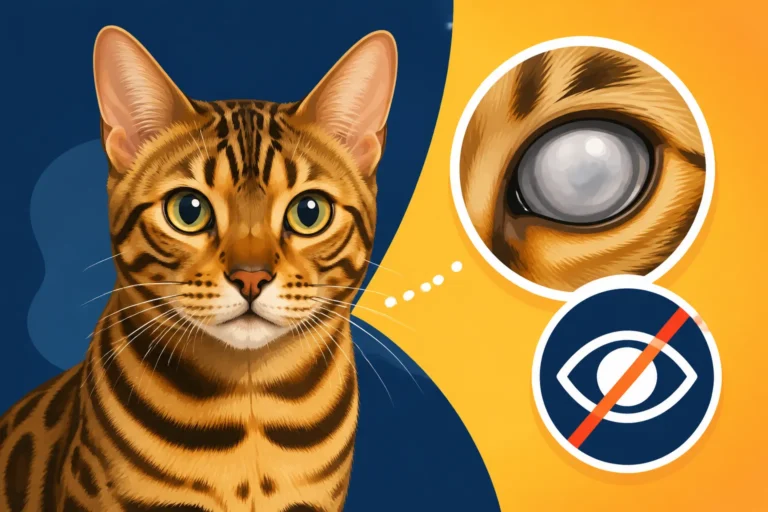
Beyond filling issues, the thickened muscle can also create obstructions to blood flow as it tries to exit the heart. This is sometimes called left ventricular outflow tract obstruction (LVOTO). In some cases, part of the mitral valve, which separates the left atrium and ventricle, can be sucked into this narrowed outflow tract during contraction, leading to a leakage of blood back into the left atrium. This further reduces the heart's efficiency and adds to the strain. Perhaps one of the most terrifying complications for Bengal cats with advanced HCM is the risk of developing blood clots, particularly in the left atrium, where blood flow can become sluggish. If these clots dislodge and travel, they can block arteries, most commonly affecting the hind legs, leading to a condition called arterial thromboembolism or "saddle thrombus," which causes sudden, extreme pain and paralysis. This is a life-threatening emergency that highlights the severity of the disease's progression.
Recognizing the Subtle Signs of HCM
Even though HCM is often silent in its early stages, as the disease progresses and the heart's function becomes more severely compromised, subtle signs can begin to emerge. It’s vital for Bengal cat owners to be observant and pay close attention to any changes in their cat’s behavior or routine, as these could be the earliest indicators of a developing problem. Remember, cats are experts at concealing illness, so any deviation from their norm warrants attention. You might think about checking out some of the detailed information on signs of illness, like those in our guide on Signs a Bengal Cat Has Heart Disease.
Changes in Behavior and Activity Levels
One of the first things you might notice in a Bengal cat suffering from progressing HCM is a subtle shift in their usual high-energy demeanor. These are cats known for their boundless enthusiasm, their love of play, and their constant curiosity. If you start to see them becoming less interested in their favorite wand toy, spending more time sleeping or simply lounging, or seeming more withdrawn, it could be a warning sign. They might hide more frequently, seeking quiet, secluded spots rather than being at the center of household activity. A decrease in appetite or a reluctance to eat their usual food could also be an indicator, as heart disease can lead to general malaise and nausea.
It's easy to dismiss these changes, especially in an older cat, as just "slowing down" or "getting lazy." However, a healthy Bengal, even as they age, typically retains a good deal of their playful spirit. If your cat suddenly seems to have lost their sparkle, it's worth a closer look from your vet. These subtle behavioral changes can be incredibly tricky to interpret because they can also point to a myriad of other issues, or sometimes, truly be nothing at all. The key is knowing your individual cat and recognizing what’s not normal for them. If your usually boisterous cat is suddenly a couch potato, don't just assume it's normal aging.
Respiratory Distress and Other Serious Symptoms
As HCM advances, the heart's inability to pump blood efficiently can lead to fluid buildup in and around the lungs, causing more overt and alarming symptoms related to respiratory distress. You might notice your Bengal breathing faster than usual, even at rest, or taking shallower, more labored breaths. Open-mouth breathing is a critical emergency signal in cats and should prompt immediate veterinary attention; unlike dogs, cats rarely pant from exertion, so this is almost always a sign of severe respiratory distress. You might also observe a subtle cough, though coughing is less common in cats with heart disease compared to dogs, and when it does occur, it often points to significant fluid in the lungs.
Beyond breathing issues, other severe symptoms can arise, the most devastating of which is a saddle thrombus. This occurs when a blood clot forms in the heart, typically due to turbulent blood flow and sluggish circulation, and then breaks off, traveling down the aorta to block blood flow to the hind legs. The result is sudden, excruciating pain, paralysis of one or both hind legs, and often cold paw pads. This is an acute, life-threatening crisis that requires immediate emergency veterinary care. While frightening, recognizing these severe signs quickly is paramount, as prompt action can sometimes make a difference in the outcome, even if the prognosis remains guarded.
Diagnosing HCM in Your Bengal
Because HCM is so often a silent disease, particularly in its early stages, diagnosis usually relies on specific cardiac imaging. It’s not something that can be reliably detected with a simple physical exam or basic blood work alone. For Bengal cat owners, understanding the diagnostic process is crucial to advocating for their pet’s health and ensuring they receive the best possible care. Many people wonder, for example, about When a Bengal Cat Should Have Its First Echo.
The Crucial Role of Echocardiography
When it comes to diagnosing HCM in Bengal cats, echocardiography (often simply called an "echo") is the undisputed gold standard. This non-invasive ultrasound of the heart allows a veterinary cardiologist to visualize the heart's structure and function in real-time. During an echo, the specialist can directly measure the thickness of the ventricular walls, assess the size of the heart chambers, and observe the movement of the heart valves. They can also evaluate blood flow patterns, looking for turbulence or obstructions that indicate the disease's progression.
A skilled cardiologist can identify even subtle thickening that might not be causing overt symptoms yet, allowing for early detection. They specifically look for symmetrical or asymmetrical thickening of the left ventricular free wall and septum, enlargement of the left atrium (a common consequence of impaired filling), and signs of left ventricular outflow tract obstruction. This detailed visual assessment provides invaluable information about the severity of the disease and helps guide treatment decisions. It's an appointment that typically requires your cat to be calm, sometimes even mildly sedated, to get the clearest images. Our guide on How a Bengal Cat's Echo Is Performed explains more about this process.
Other Diagnostic Tools
While echocardiography is central to diagnosing HCM, other diagnostic tools can provide supplementary information, help rule out other conditions, and assess the overall health status of your Bengal cat. A chest X-ray, for instance, is often performed to evaluate the lungs and surrounding structures. If fluid has accumulated in the lungs (pulmonary edema) or around the lungs (pleural effusion) due to heart failure, a chest X-ray will reveal this, confirming congestive heart failure. X-rays can also show if the heart is generally enlarged, though they don't provide the detailed structural information an echo does.
An electrocardiogram (ECG) measures the electrical activity of the heart and can detect arrhythmias or abnormal heart rhythms, which are sometimes associated with HCM. While an ECG doesn't diagnose HCM itself, it can be useful for identifying complications. Blood tests, particularly those that measure cardiac biomarkers like NT-proBNP, can also be helpful. Elevated levels of NT-proBNP can indicate stretching or stress on the heart muscle, suggesting heart disease, though it doesn't specify HCM. These blood tests can serve as a screening tool or help monitor the progression of known heart disease. It's important to remember that for Bengal cats, unlike some other breeds, there is currently no specific Why There Is No Bengal Cat HCM Gene Test, meaning that diagnosis relies purely on imaging and clinical signs, not genetic markers.
Managing Life with an HCM Diagnosis
Receiving an HCM diagnosis for your beloved Bengal can be incredibly distressing. It’s natural to feel overwhelmed, but it’s important to remember that an HCM diagnosis doesn't mean immediate despair. With careful management, medication, and lifestyle adjustments, many Bengal cats can still enjoy a good quality of life for a significant period. The goal of treatment isn't to cure the disease, as HCM is progressive, but rather to manage symptoms, improve heart function, and slow progression.
Treatment Options and Medications
The specific medications prescribed for a Bengal cat with HCM will depend on the stage of the disease and the specific symptoms they are exhibiting. If your cat is showing signs of congestive heart failure, such as difficulty breathing due to fluid in the lungs, diuretics like furosemide are typically prescribed. These medications help to remove excess fluid from the body, making it easier for your cat to breathe. For managing the heart muscle itself and improving its ability to relax and fill, medications like beta-blockers (e.g., atenolol) or calcium channel blockers (e.g., diltiazem) may be used. These drugs can help reduce heart rate, decrease the heart's workload, and improve diastolic filling.
Another critical component of HCM management, especially as the left atrium enlarges and blood flow becomes more sluggish, is preventing blood clots. For this, blood thinners such as clopidogrel are often prescribed. These medications reduce the risk of potentially fatal arterial thromboembolism (saddle thrombus), a devastating complication of advanced HCM. Additionally, ACE inhibitors might be used to help relax blood vessels and reduce blood pressure, further easing the heart's workload. It's a complex regimen, and the specific cocktail of drugs will be tailored to your Bengal's individual needs. You can learn more about Which Medication a Bengal Cat With HCM Takes in our dedicated guide.
Lifestyle Adjustments and Prognosis
Beyond medication, making certain lifestyle adjustments can significantly contribute to your Bengal cat's comfort and well-being after an HCM diagnosis. Reducing stress is paramount, as stress can exacerbate heart conditions. This might mean providing a calm, predictable environment, ensuring they have plenty of safe, quiet places to retreat, and maintaining a consistent routine. While Bengals are known for their high energy, their activity levels might need to be moderated. Intense, prolonged play sessions might be too much for a compromised heart, so gentle, shorter play times might be more appropriate.
Dietary considerations also come into play, with low-sodium diets sometimes recommended to help manage fluid retention. Your vet or cardiologist will provide specific dietary advice tailored to your cat's condition. Regular monitoring at home, such as keeping track of their breathing rate at rest, can also provide valuable information to your vet about the disease's progression. The prognosis for Bengal cats with HCM varies widely depending on the severity at diagnosis, the presence of complications, and how well they respond to medication. Some cats can live for several years with careful management, while others may progress rapidly. It's a journey that requires close collaboration with your veterinary team. While the long-term outlook can be daunting, managing the condition ensures the best possible quality of life for your beloved companion. Planning for veterinary expenses, especially with a chronic condition like HCM, is also a smart move, and pet insurance providers like Healthy Paws can be a real lifeline in helping to cover these ongoing costs, allowing you to focus on your cat's care rather than the financial burden. For further insight, explore our guide on How Long a Bengal Cat Lives After an HCM Diagnosis.
Proactive Measures and Responsible Breeding
Given the prevalence and serious nature of HCM in Bengal cats, adopting proactive measures is absolutely essential for both pet owners and breeders. Early detection can lead to better management, and responsible breeding practices are the cornerstone of reducing the incidence of this heartbreaking disease within the breed. This is where truly dedicated individuals make a difference, protecting the health of future generations.
The Importance of Regular Screening
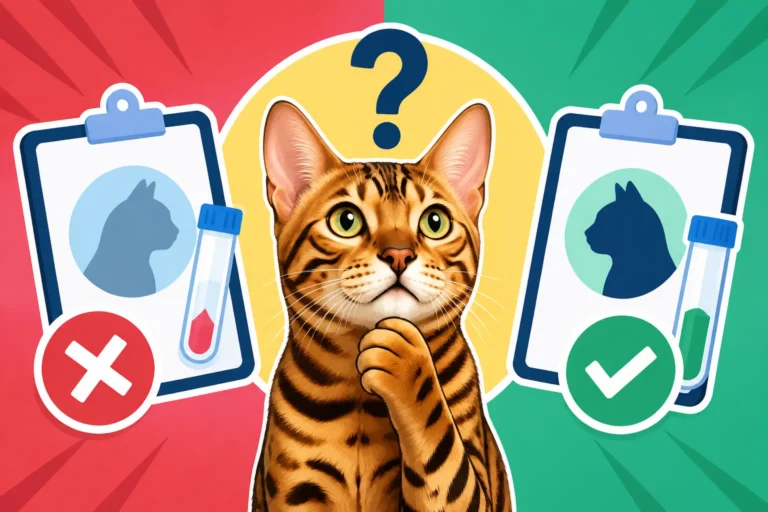
For Bengal cats, regular cardiac screening is the single most important proactive measure against HCM. This is especially true for breeding cats. Breeders should be performing annual echocardiograms on all their breeding animals, ideally with a board-certified veterinary cardiologist. These screenings are vital for identifying any thickening of the heart muscle before it becomes severe or symptomatic. If a cat is found to have HCM, they should immediately be removed from the breeding program to avoid passing on the predisposition. Our guide on Why a Bengal Cat Breeder Must Show an Echo, Not a Gene Test delves deeper into this critical aspect.
For pet Bengal cats, the recommendation for screening can be a bit more nuanced. While annual echos for every pet Bengal might not be financially feasible for all owners, it's definitely something to discuss with your vet, especially if there's any concern or a history of HCM in the cat's lineage. Many cardiologists suggest an initial screening echo around one to two years of age, and then follow-ups as advised. This proactive approach, while an investment, can truly make a difference in catching the disease early. Pet insurance, such as a policy from Healthy Paws, can sometimes help offset the cost of these regular screenings, making it more accessible for owners to ensure their Bengal gets the best preventative cardiac care. Knowing How Often a Bengal Cat Needs an Echo will help you plan these crucial appointments.
Breeder Responsibility and Genetic Counseling
The burden of responsibility for reducing HCM in Bengal cats falls heavily on ethical breeders. They are the first line of defense. A responsible breeder will not only conduct regular echocardiograms on their breeding stock but will also be transparent about the results, providing copies of certifications for both parents. Any cat diagnosed with HCM, regardless of its severity, should be immediately retired from breeding. Furthermore, the offspring and siblings of an affected cat should be monitored very closely, and ideally, not bred, as they carry a higher genetic risk.
Genetic counseling for complex diseases like HCM is challenging due to the lack of a specific gene test for Bengals. However, breeders can still make informed decisions based on pedigree analysis, looking for patterns of HCM in family lines. The goal is always to improve the health of the breed over generations. Breeders dedicated to these principles understand that their commitment to health screening, even when it means making difficult choices about beloved cats, is paramount to the welfare of the Bengal breed. It's a testament to their dedication to the breed's future. For more details on what comprehensive health testing involves, be sure to read What a Bengal Cat Breeder Should Have Tested. Understanding Whether an Affected Bengal Cat Should Be Bred is a moral and ethical question that every responsible breeder must answer honestly.
Here's a quick summary of key aspects of HCM in Bengal cats:
| Aspect | Description |
|---|---|
| What it is | Hypertrophic Cardiomyopathy (HCM) is a disease characterized by the abnormal thickening of the heart muscle, particularly the left ventricle. This thickening makes the heart stiff and less efficient at filling with blood between beats, leading to reduced pumping capacity. |
| Why Bengals are prone | Bengal cats have a genetic predisposition to HCM, meaning it can be inherited. While there's no specific gene test for Bengals, careful breeding practices and regular screening are crucial to minimize risk. |
| Early Signs | Often none. HCM can progress silently for years. Cats are adept at hiding illness. |
| Advanced Signs | Lethargy, reduced activity/play, decreased appetite, hiding. More serious signs include increased respiratory rate, labored breathing (open-mouth breathing is an emergency), coughing, and sudden hind-limb paralysis (saddle thrombus due to blood clots). |
| Diagnosis | Echocardiography (cardiac ultrasound) is the gold standard. A board-certified veterinary cardiologist assesses heart wall thickness, chamber size, and blood flow. X-rays, ECGs, and cardiac biomarker blood tests can provide supplementary information. |
| Treatment Goals | Management of symptoms, improving heart function, and slowing disease progression. There is no cure for HCM. |
| Common Medications | Diuretics (for fluid), beta-blockers or calcium channel blockers (to improve filling/relax heart), blood thinners (to prevent clots), and ACE inhibitors (to reduce blood pressure). The specific regimen is tailored to the individual cat. |
| Lifestyle Adjustments | Stress reduction, moderated exercise, potentially low-sodium diet. Close monitoring of breathing rate at home. Regular vet check-ups. |
| Proactive Measures | Regular echocardiogram screening (especially annual for breeding cats). Responsible breeders remove affected cats and their close relatives from breeding programs. Pet owners should discuss screening with their vet, and consider pet insurance like Healthy Paws to cover diagnostic and treatment costs. |
| Breeder Responsibility | Ethical breeders perform annual cardiac screening by a cardiologist on all breeding stock, provide proof of clear results, and retire affected cats from breeding to reduce the incidence of HCM in future generations. This is especially vital given the absence of a direct gene test for HCM in Bengal cats. |
Disclaimer
The information provided in this guide is for general informational purposes only and does not constitute veterinary medical advice. Always consult with a qualified veterinarian or veterinary cardiologist for any health concerns or before making any decisions about your Bengal cat's care, diet, or treatment. The specific needs of your cat may vary.