Whether a PK Carrier Bengal Cat Gets Sick
It’s perfectly natural to feel a knot of worry in your stomach when you hear that your beloved Bengal cat, or a potential kitten you’re considering, is a "PK carrier." This medical jargon can sound alarming, conjuring images of a sick pet, but the reality for a carrier is often far less dramatic than our anxieties might suggest. This comprehensive guide is here to untangle the science behind Pyruvate Kinase Deficiency and reassure you about what being a PK carrier truly means for your Bengal’s health and happiness, helping you understand the nuances without the fear.
Understanding Pyruvate Kinase Deficiency in Bengal Cats
When we talk about genetic conditions in our feline friends, especially highly active breeds like Bengals, it's easy to get lost in the technical terms. Pyruvate Kinase Deficiency, or PK deficiency, is one such condition that Bengal owners might encounter, primarily through genetic testing. But what does it actually entail, and why is "carrier" status so different from "affected"? Let's dive in.
What Exactly is PK Deficiency?
At its core, PK deficiency is a metabolic disorder that affects a specific enzyme called pyruvate kinase. This enzyme plays a crucial role in the red blood cells, specifically in their energy production. Think of it like a tiny, vital factory within each red blood cell that needs this enzyme to keep running smoothly, processing glucose to create the energy the cell needs to survive. Without enough functional pyruvate kinase, these red blood cells become fragile and prone to premature destruction.
When red blood cells are destroyed too quickly, the body can't replace them fast enough, leading to a condition called hemolytic anemia. This is where the issues truly begin for an affected cat. The red blood cells are essential for carrying oxygen throughout the body, and when their numbers drop, a cat can become lethargic, weak, and generally unwell. You can learn more about Which Enzyme PK Deficiency Removes From a Bengal Cat and its vital role in feline health. It’s a complex process, but understanding this basic function helps to grasp the severity of the condition when it actually manifests.
The Genetics of PK Deficiency: Carrier vs. Affected
This is where the distinction between a "carrier" and an "affected" cat becomes paramount, and it's often the source of much confusion. PK deficiency is inherited in an autosomal recessive pattern. What this means in plain terms is that a cat needs two copies of the defective gene—one from each parent—to actually develop the disease and show symptoms.
A Bengal cat that is a "carrier" for PK deficiency has only one copy of the defective gene and one normal, healthy copy. Because the healthy copy is fully functional, it's usually more than enough to produce all the necessary pyruvate kinase enzyme for normal red blood cell function. Consequently, these carrier cats do not exhibit any signs of the disease. They live completely normal, healthy lives because their bodies are still producing sufficient enzyme to keep their red blood cells robust. The gene is present, yes, but it’s essentially dormant in terms of their personal health. We’ve explored How PK Deficiency Destroys a Bengal Cat's Red Cells in another discussion, which helps illustrate why two copies of the faulty gene are required for this destructive process to begin.
The Reality of Being a PK Carrier Bengal Cat
So, you've been told your Bengal is a PK carrier. Now what? The most important thing to grasp is that this status rarely translates into health problems for the individual cat. It’s a genetic label that has significant implications for breeding, but generally not for the pet's personal well-being.
Do Carrier Cats Show Any Symptoms?
For the vast majority of Bengal cats who are PK carriers, the answer is a resounding no. They simply don't show symptoms. Think of it this way: if you have one working headlight on your car and one burnt out, you can still drive safely at night, albeit perhaps with a bit less illumination than two headlights would provide. But if both are burnt out, you're in trouble. For a PK carrier, that one healthy gene copy is like a perfectly functioning headlight, providing all the enzymatic light needed for their red blood cells.
Owners often scrutinize their cats for subtle signs once they hear the "carrier" label. They might wonder if a slightly less energetic day is a symptom, or if a minor digestive upset is related. The truth is, these are normal fluctuations in any cat's life. A true PK carrier won't experience the chronic anemia, lethargy, or weakness that characterize an affected cat. Their red blood cells are functioning just fine, not being prematurely destroyed due to enzyme deficiency. It’s a relief to know that your furry friend isn't battling an invisible illness just because of this genetic marker.
Is a PK Carrier Bengal Cat as Healthy as a Non-Carrier?
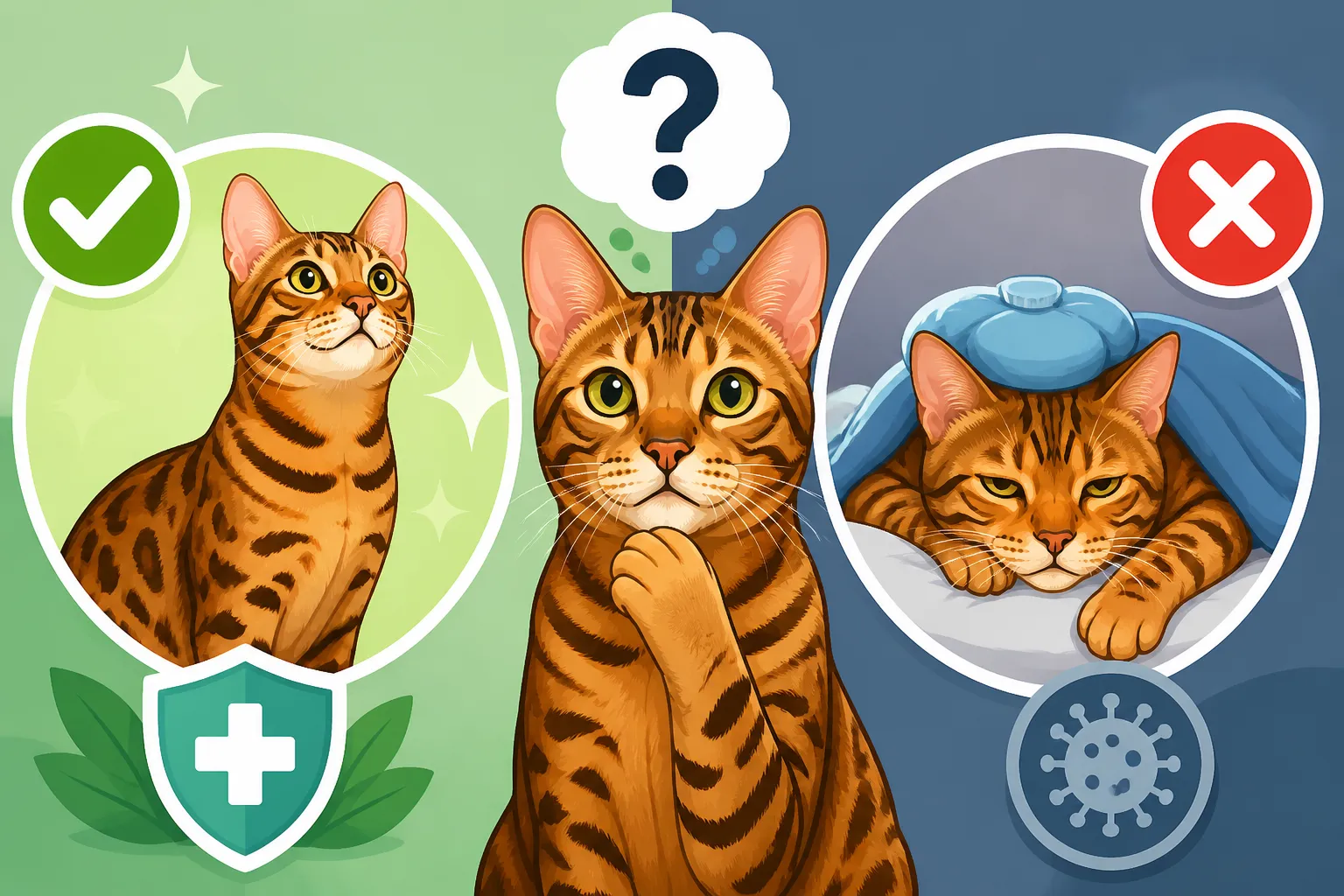
Absolutely, yes! A Bengal cat carrying one copy of the PK deficiency gene is, from a health perspective, indistinguishable from a Bengal cat who has two normal copies of the gene. Their lifespan is typically normal, their energy levels are on par with the breed's famously high activity levels, and their overall quality of life is not compromised by this carrier status.
This is a crucial point for potential owners to understand. When you bring a Bengal cat into your home, whether they are a PK carrier or not, you are getting a cat with the same health prospects, assuming all other factors are equal. The carrier status does not predetermine a shorter life or a predisposition to other illnesses. The focus should always be on the cat’s overall health, a balanced diet, ample enrichment, and regular veterinary care – the same things you’d provide any beloved pet. Many ask How Long a PK Deficient Bengal Cat Lives, and it's important to clarify that this question pertains to affected cats, not carriers, who enjoy a full lifespan.
Breeding Implications and Ethical Considerations
While being a PK carrier doesn't impact an individual Bengal cat's health, it becomes critically important when considering breeding. This is where the genetic status moves from an interesting fact to a significant responsibility.
Why Carrier Status Matters for Breeders
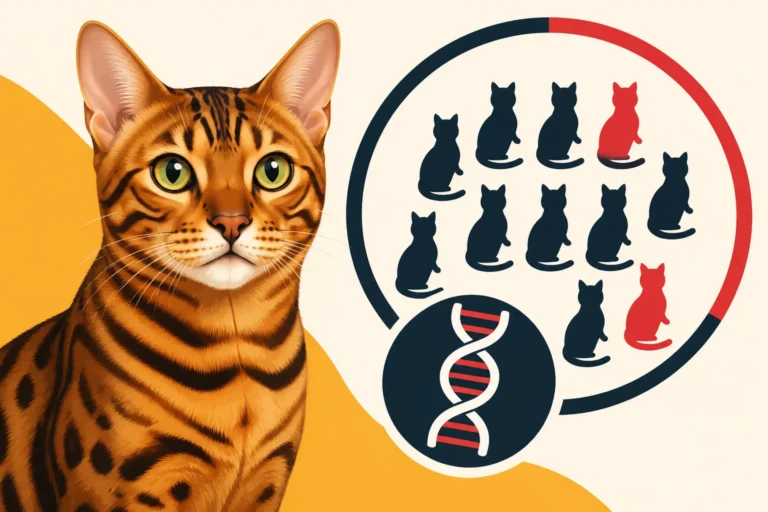
For responsible Bengal cat breeders, knowing the PK deficiency status of their breeding cats is non-negotiable. The concern arises when two PK carriers are bred together. If both parents carry one copy of the defective gene, there's a 25% chance with each kitten that it will inherit two copies of the defective gene and thus be affected by PK deficiency. There’s also a 50% chance the kitten will be a carrier, and a 25% chance it will be completely clear. This is a risk no ethical breeder wants to take.
This is why reputable breeders meticulously plan their pairings. They ensure that at least one parent in any breeding pair is "clear" of the PK deficiency gene (meaning they have two normal copies). This guarantees that no kitten produced from that pairing will ever be affected by the disease, even if the other parent is a carrier. Such careful selection prevents the birth of kittens who would suffer from chronic hemolytic anemia. It's about safeguarding the health of future generations and upholding the integrity of the breed. We delve deeper into this topic in our discussion on Whether a PK Carrier Bengal Cat Can Be Bred, outlining the precise risks and responsible choices.
The Importance of DNA Testing
Given the significant implications for breeding, DNA testing for PK deficiency is paramount. These tests are widely available through specialized veterinary laboratories, such as those that partner with breed clubs or major genetics providers. A simple cheek swab from the cat can provide definitive results, identifying whether a cat is clear, a carrier, or affected.
Prospective Bengal cat owners should always ask to see the PK deficiency test results for both parents of a kitten they are considering. A reputable breeder will have these documents readily available and will be transparent about the genetic status of their breeding stock. This transparency isn't just a sign of a good breeder; it's a reassurance for you that your kitten won't develop this debilitating genetic illness. Understanding Whether a Bengal Cat Kitten Comes PK Tested is key for making an informed decision about your new family member. Furthermore, having this genetic information can be important for future financial planning; many pet insurance providers, like Healthy Paws, recognize the value of proactive health screening in managing a pet's long-term care, even if it's just for carrier status.
Here's a quick comparison of PK Deficiency status:
| Trait | PK Deficiency Clear | PK Deficiency Carrier | PK Deficiency Affected |
|---|---|---|---|
| Gene Copies | Two normal gene copies | One normal, one defective | Two defective gene copies |
| Symptoms | No symptoms | No symptoms | Shows symptoms of anemia |
| Health Impact | Normal, healthy life | Normal, healthy life | Chronic anemia, lethargy |
| Breeding Risk | No risk of affected offspring if bred with another clear or carrier | Risk of affected offspring (25%) if bred with another carrier | Should not be bred |
| Lifespan | Normal lifespan | Normal lifespan | Often shortened lifespan, variable severity |
| Treatment Needed | None | None | Ongoing supportive care, potentially transfusions |
Living with a PK Carrier Bengal Cat
Bringing a PK carrier Bengal into your home truly doesn't require a different approach to their daily care than any other cat. The beauty of modern genetic testing is that it gives us information, but for carriers, that information mostly prevents future problems in breeding rather than dictating current care.
Routine Care and Monitoring for Carriers
If your Bengal cat is a PK carrier, you can breathe a sigh of relief. Your care routine will be exactly the same as for any healthy, happy Bengal. There’s no special diet you need to source, no unusual medications to administer, and no limitations on their famously energetic antics. They still need a high-quality, protein-rich diet, plenty of interactive play, vertical climbing spaces, and lots of love and attention – all the things that make living with a Bengal such a joyful adventure.
Regular veterinary check-ups are always important for any cat, regardless of their genetic status, and your PK carrier Bengal is no exception. These routine visits allow your vet to monitor overall health, administer necessary vaccinations, and catch any general health issues early. It’s comforting to know that their carrier status won’t complicate these visits or necessitate additional tests. Understanding How Often a Bengal Cat Needs a Wellness Exam will help you stay on top of their general health. In the rare instance of unexpected health concerns, having pet insurance like Healthy Paws can provide crucial support, covering a wide range of veterinary costs.
Dispelling Common Misconceptions
One of the biggest misconceptions about being a PK carrier is the fear that it will somehow "progress" into full-blown PK deficiency over time. This simply isn't how recessive genetic conditions work. A carrier cat carries the gene; they don't develop the disease. It's not a ticking time bomb. Their single healthy gene copy will continue to do its job, producing enough of the pyruvate kinase enzyme for their red blood cells to function normally for their entire life.
Another common fear is that carrier cats might be more susceptible to other illnesses or have a weaker immune system. Again, there's no scientific basis for this. PK carrier status is specific to the pyruvate kinase enzyme and red blood cell function; it doesn't broadly impact other physiological systems or make a cat generally frail. The peace of mind that comes with understanding this can truly change how you view your cat's health. The genetic test has given you valuable information, allowing you to be a responsible owner, but it doesn't mean your everyday life with your vibrant Bengal needs to be shadowed by unnecessary worry. You might also be interested in Whether an Owner Should PK Test an Adult Bengal Cat to gain further insights into monitoring your pet’s health.
What if My Bengal Cat is Affected (Not Just a Carrier)?
While this guide focuses on PK carriers, it's vital to understand what PK deficiency looks like in affected Bengal cats, if only to reinforce why carrier status is so different and why responsible breeding is crucial.
Recognizing Signs of PK Deficiency Affected Cats
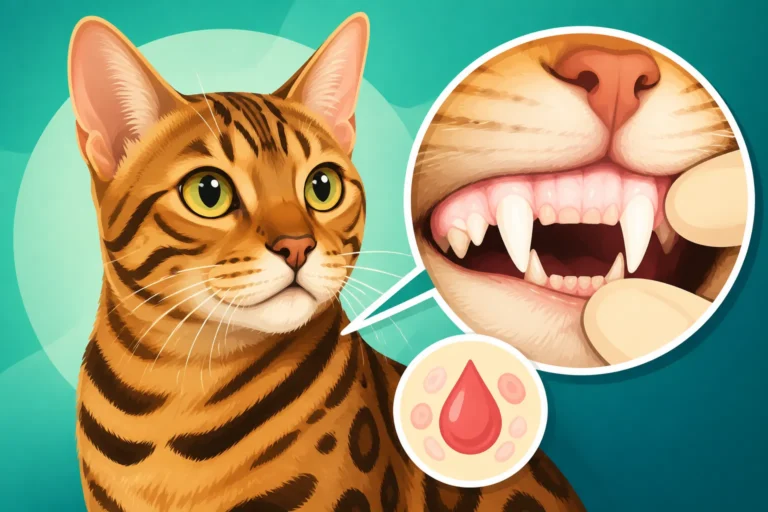
An affected Bengal cat, having inherited two copies of the defective gene, will develop hemolytic anemia, typically starting in early to middle age, though the exact age can vary. This anemia leads to a range of recognizable symptoms. You might notice your cat becoming unusually lethargic, sleeping more, and showing a decreased interest in play, which is particularly striking in such an active breed. They may lose weight, have a poor appetite, and appear generally unwell. A tell-tale sign is pale gums, which are a direct result of the reduced number of red blood cells. In severe cases, you might even observe jaundice, a yellowing of the skin or eyes, as their body struggles to process the broken-down red blood cells.
If you ever see these signs in your Bengal, regardless of their known genetic status, it's absolutely crucial to contact your veterinarian immediately. These symptoms warrant prompt investigation, as they can indicate a variety of serious conditions, including PK deficiency. Recognizing Signs a Bengal Cat Has Hemolytic Anemia quickly can make a significant difference in outcomes. Remember, these are symptoms of an affected cat, not a carrier.
Management and Treatment for Affected Bengal Cats
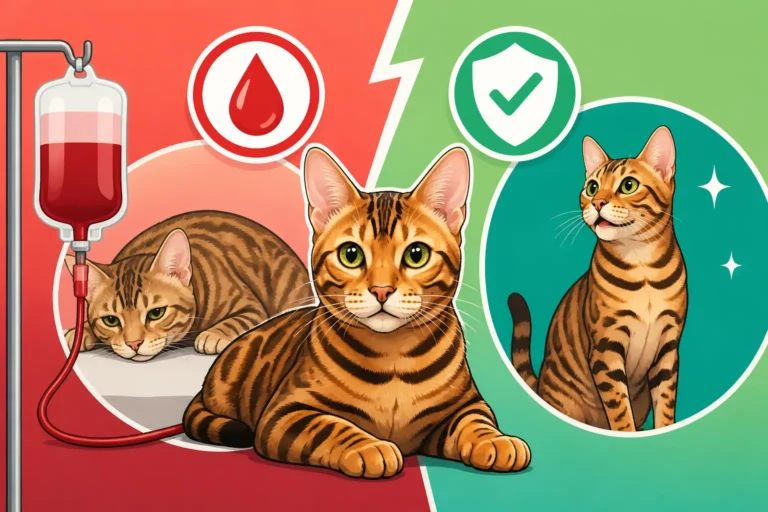
For Bengal cats diagnosed with PK deficiency, management focuses on supportive care to alleviate the symptoms of anemia. There is currently no cure for the genetic defect itself. Treatment often involves medications to stimulate red blood cell production, reduce red blood cell destruction, or manage secondary symptoms. In acute crises, blood transfusions may be necessary to stabilize the cat. Some veterinarians may discuss a splenectomy (removal of the spleen), as the spleen is a major site for red blood cell destruction, which can sometimes improve the cat's quality of life and reduce the severity of anemia, although it's not a cure.
It's a challenging condition for both the cat and the owner, often requiring ongoing veterinary oversight and adjustments to care. The severity can fluctuate, with affected cats experiencing Why a PK Deficient Bengal Cat Has Good Days and Bad. This comprehensive care is why understanding the genetic risk is so vital for breeders. Again, it’s important to reiterate that this level of intervention is specifically for affected cats. Your PK carrier Bengal should never require such intensive treatment for this condition. If, however, your Bengal faces such a diagnosis, pet insurance can be an invaluable resource; reputable providers like Healthy Paws can help manage the substantial veterinary costs associated with ongoing care, transfusions, and specialized treatments for conditions like PK deficiency. For more information, you can read about How a Bengal Cat With PK Deficiency Is Treated.
Disclaimer
The information provided in this guide is for general educational purposes only and should not be considered a substitute for professional veterinary advice. Always consult with a qualified veterinarian for any health concerns or before making any decisions related to your pet's care.