Whether Bengal Cats Are More Prone to FIP
It’s a truly frightening thought, isn't it? As Bengal cat parents, we pour our hearts and souls (and often our wallets!) into these magnificent, energetic creatures, only to be hit with the stark reality that serious health issues can lurk beneath their shiny, wild-looking pelts. Among the most feared diseases is Feline Infectious Peritonitis, or FIP, a condition that has historically been a death sentence for cats. The worry about whether your vibrant Bengal is somehow more susceptible to this devastating illness is a heavy one. This guide aims to shed light on FIP, particularly as it relates to Bengal cats, offering clarity on the risks, symptoms, and the incredible strides made in treatment.
Understanding Feline Infectious Peritonitis (FIP) in Cats
Feline Infectious Peritonitis, or FIP, is one of those veterinary terms that sends a shiver down any cat owner's spine. For decades, it was synonymous with a hopeless prognosis, a progressive and fatal disease that seemed to strike without warning, leaving grieving families in its wake. But what exactly is it, and why does it carry such a fearsome reputation?
What is FIP and Why is it So Feared?
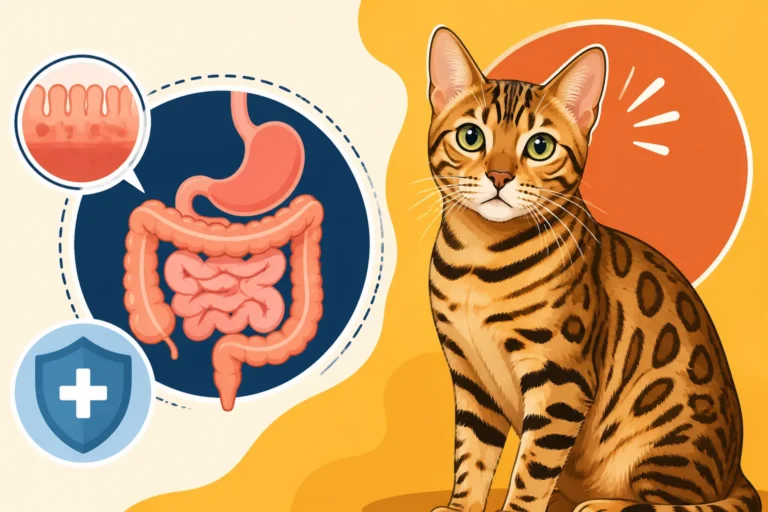
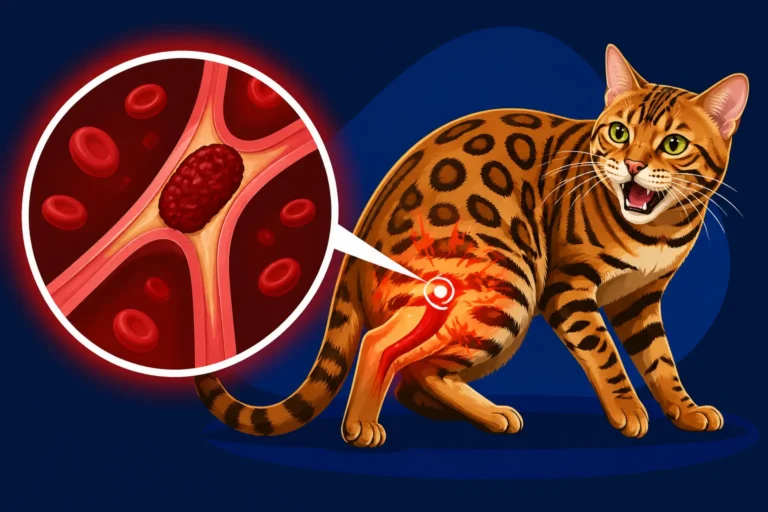
At its core, FIP isn't directly contagious in the way a common cold is. Instead, it arises from a mutation of a much more common and usually benign virus: Feline Coronavirus (FCoV). Most cats that encounter FCoV will either clear it or become asymptomatic carriers, experiencing nothing more than perhaps some mild, transient diarrhea. However, in a small percentage of infected cats, this FCoV mutates within their body, transforming into the FIP-causing virus. Once this mutation occurs, the virus targets and replicates within certain immune cells, spreading throughout the cat's body and causing a severe inflammatory reaction.
This reaction can manifest in two primary forms: the "wet" or effusive form, and the "dry" or non-effusive form. The wet form is characterized by fluid accumulation in the abdomen or chest, leading to a distended belly or difficulty breathing. The dry form is often more insidious, affecting various organs, including the brain, eyes, kidneys, and liver, causing vague neurological symptoms, ocular changes, or organ dysfunction. Both forms lead to lethargy, fever, and a general decline in health. The historical fear of FIP stemmed from its grim prognosis; once a cat developed clinical FIP, there was virtually no effective treatment, and death usually followed within weeks to months.
The Role of Feline Coronavirus (FCoV)
To truly grasp FIP, we must first understand Feline Coronavirus. FCoV is incredibly widespread, especially in multi-cat households, shelters, and catteries. It's an enteric virus, meaning it primarily affects the gut, and it's shed in the feces of infected cats. Transmission often occurs through shared litter boxes, grooming, or contaminated environments. Most cats, particularly kittens, are exposed to FCoV at some point in their lives.
The crucial point is that FCoV itself rarely causes serious illness. It's the mutation of this common virus into the virulent FIP strain that's the problem. This mutation isn't something that can be directly passed from one cat to another. Rather, it's an internal event, influenced by factors unique to each individual cat's immune system. Think of it like this: many of us carry common cold viruses, but only a few might develop pneumonia. It's the body's reaction and internal changes that make the difference. Factors like significant stress (moving, new pets, surgery), or a compromised immune system can sometimes create an environment where the FCoV is more likely to mutate into the FIP strain. This distinction is vital for understanding why FIP is so challenging to prevent and manage.
Are Bengal Cats Genetically Predisposed to FIP?
The question of whether Bengal cats are inherently more prone to FIP is a complex one, often debated among breeders and veterinarians. Given their wild ancestry, many assume they possess a robust "hybrid vigor" that makes them impervious to many common feline ailments. However, the reality, especially concerning FIP, isn't quite so straightforward.
The 'Hybrid Vigor' Argument vs. Breed-Specific Susceptibility
The concept of "hybrid vigor" suggests that offspring from two genetically distinct parents tend to be healthier and more robust than purebreds due to increased genetic diversity. While this can hold true for some traits, it's not a blanket shield against all diseases. When it comes to FIP, the picture is murky. Studies and observations suggest that certain purebred cat breeds, including Bengals, Birman, Ragdolls, Rexes, and Himalayans, might indeed have a higher incidence of FIP compared to the general cat population.
Why might this be the case for Bengals? It's not necessarily that the Bengal gene pool causes the FCoV to mutate more frequently. Instead, it's thought to be more about the way certain breeds, including Bengals, are often bred and housed. The emphasis on maintaining specific aesthetic traits, often involving smaller breeding populations and popular sire lines, can inadvertently reduce genetic diversity within a breed over time. While Bengals are known for being Whether a Bengal Cat Is a Healthy Breed overall, this genetic bottlenecking can sometimes concentrate genes that might make a cat's immune system slightly less effective at containing the FCoV, thus increasing the chance of mutation into FIP. It's less about a direct "FIP gene" and more about overall immune system resilience.
The Impact of Breeding Practices and Cattery Environments
This leads directly to the significant influence of breeding practices and environment. FCoV, the precursor to FIP, spreads most easily in multi-cat environments where hygiene might be challenging to maintain, such as large catteries or shelters. Kittens are particularly vulnerable to exposure and reinfection within these settings.
Responsible breeders understand this risk and strive to manage their catteries to minimize FCoV exposure and stress. This includes:
- Smaller Group Sizes: Reducing the number of cats in a single space lowers the viral load and transmission risk.
- Impeccable Hygiene: Daily cleaning and disinfection of litter boxes, food bowls, and living areas are crucial to break the FCoV transmission cycle.
- Stress Reduction: A calm, stable environment is paramount. Stress, whether from overcrowding, new animals, or constant changes, can suppress a cat's immune system, making them more susceptible to the FCoV mutation.
- Proper Nutrition: A high-quality, balanced diet supports a strong immune system. Bengals, in particular, often have Why a Bengal Cat's Gut Is So Sensitive, so good diet management is key.
When you're looking for a Bengal kitten, asking Which Questions to Ask a Bengal Cat Breeder about their cattery practices, FCoV management, and overall health protocols is absolutely vital. A breeder who openly discusses these challenges and outlines their preventative measures demonstrates a commitment to the health of their lines. The cost of a Bengal cat, such as What a Bengal Cat Costs to Buy in 2026, often reflects the care and health testing invested by a reputable breeder, which in turn helps mitigate these risks.
Common Risk Factors for FIP in Bengal Cats (and All Cats)
While some breeds may have a slightly higher observed incidence of FIP, it's crucial to remember that certain environmental and physiological factors significantly increase the risk for any cat, including your beloved Bengal. Understanding these common risk factors is key to trying to protect your feline friend.
Age and Immune System Vulnerability
One of the most consistent patterns observed with FIP is its prevalence in specific age groups. The vast majority of FIP cases occur in kittens and young cats, typically between three months and two years of age. This vulnerability is primarily due to their developing immune systems. Kittens, whose immune systems are still maturing, are often exposed to FCoV early in life, often through their mothers or in a multi-cat environment. Their immune systems are simply not as robust or experienced at clearing the virus or preventing its mutation as those of adult cats.
On the other end of the spectrum, older cats can also be at increased risk, especially those with weakened immune systems due to other underlying health conditions, chronic diseases, or treatments that suppress immunity (like corticosteroids for inflammatory conditions). It’s a sad reality that while How Long a Bengal Cat Lives on Average can be quite good, unexpected illnesses can cut that short. However, the prime age for FIP diagnosis remains the younger population, when their playful antics abruptly give way to concerning symptoms.
Stress, Overcrowding, and Co-existing Illnesses
Beyond age, environmental factors play a huge, often underestimated, role in the development of FIP. Stress is a powerful immune suppressant in cats, and anything that causes significant stress can create a fertile ground for the FCoV to mutate into the FIP-causing strain.
Consider these scenarios:
- Moving to a New Home: The transition from a breeder's cattery to a new home is a huge stressor for a kitten. New smells, new sounds, new people, and the absence of littermates can all contribute to immune suppression.
- Introduction of New Pets: Bringing a new cat or dog into the household can be highly stressful for a resident Bengal, leading to anxiety and a dip in immune function.
- Surgery or Illness: Any medical procedure, even a routine spay or neuter, can cause temporary stress. More significantly, co-existing illnesses, especially those that weaken the immune system (such as FeLV or FIV, though Bengals are generally tested for these), can increase the risk of FIP.
- Overcrowding: This is a major concern, particularly in situations like shelters, rescues, or large breeding facilities. In overcrowded conditions, FCoV spreads rapidly and continuously, leading to high viral loads. The constant stress of living in close quarters with many other cats further compromises their immune systems, creating a perfect storm for FCoV mutation. This is why a reputable breeder will prioritize spacious, clean, and low-stress environments for their cats.
It’s a cruel irony that the very things we do to make our cats’ lives better—like adopting a new friend or moving to a bigger home—can sometimes inadvertently increase their susceptibility to FIP if their immune system isn't robust enough to handle the change. Keeping an eye on your Bengal cat for signs of How a Bengal Cat Hides Pain or stress is crucial for their overall well-being.
Recognizing the Signs and Getting a Diagnosis
Recognizing FIP can be incredibly challenging, and it's a frustration many cat owners and veterinarians share. The initial symptoms are often vague and can mimic many other common feline ailments, making early, definitive diagnosis a true detective mission.
Differentiating Wet FIP from Dry FIP Symptoms
The first step in even suspecting FIP often comes down to observing changes in your Bengal's behavior and physical condition. The signs can vary significantly depending on whether it's the wet (effusive) or dry (non-effusive) form.
Wet FIP Symptoms:
This form is often more rapid in onset and generally easier to identify due to the tell-tale fluid accumulation:
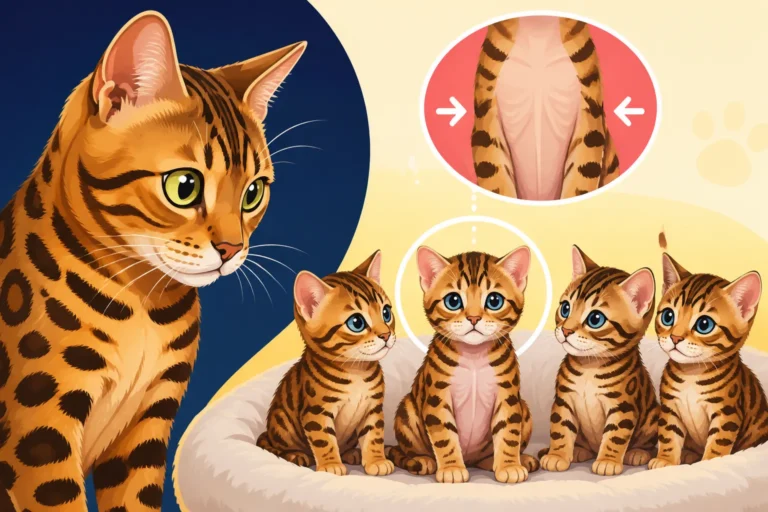
- Abdominal Distension: The most classic sign is a swollen, pot-bellied appearance, often due to fluid accumulating in the abdominal cavity (ascites). This fluid can make the cat look "pregnant" even if they are very thin elsewhere.
- Difficulty Breathing: If fluid accumulates in the chest cavity (pleural effusion), your Bengal might struggle to breathe, showing rapid, shallow breaths or open-mouthed breathing.
- Lethargy and Weakness: A noticeable decrease in energy, less playfulness, and general weakness are common.
- Fever: Persistent or recurring fever that doesn't respond to antibiotics.
- Loss of Appetite and Weight Loss: Your Bengal might become picky or stop eating altogether, leading to progressive weight loss despite the abdominal swelling.
- Dehydration: Sunken eyes, dry gums, and skin tenting can indicate dehydration.
Dry FIP Symptoms:
The dry form is often much harder to spot because the symptoms are less dramatic and more varied, affecting different organ systems:
- Persistent Fever: Like wet FIP, an unresponsive fever is a common sign.
- Weight Loss and Poor Appetite: Gradual wasting away despite eating.
- Lethargy: Reduced activity and engagement.
- Ocular Changes: Inflammation in the eyes, changes in iris color, cloudiness, or even blindness.
- Neurological Signs: If the brain or spinal cord is affected, you might see seizures, loss of coordination, difficulty walking, behavioral changes, or paralysis.
- Organ-Specific Issues: Damage to kidneys, liver, or other organs can lead to specific symptoms related to their dysfunction. For example, kidney involvement might cause increased thirst and urination.
It's vital to remember that many of these symptoms—like lethargy, fever, and weight loss—are non-specific and can point to a myriad of other feline illnesses. This is why a thorough veterinary examination is paramount. If you notice Signs a Bengal Cat Kitten Has FIP, or any of these concerning symptoms, don't hesitate to seek veterinary care immediately.
The Challenging Diagnostic Process
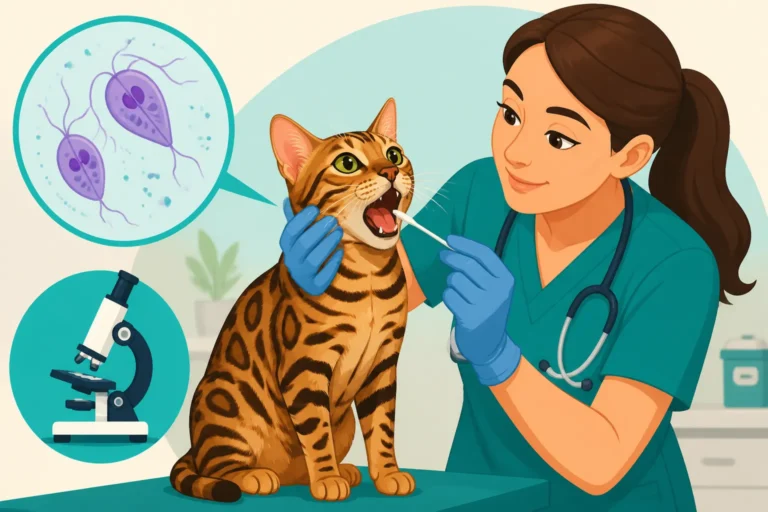
Diagnosing FIP has historically been one of veterinary medicine's greatest frustrations. There is no single, definitive "FIP test" that works in all cases, making it a diagnosis of exclusion and a puzzle pieces approach. Your vet will combine clinical signs, blood work, fluid analysis (if applicable), and sometimes imaging to build a picture.
Here’s what the diagnostic journey often involves:
- Clinical Examination: Your vet will assess your Bengal's overall condition, check for fluid accumulation, listen to their heart and lungs (looking for signs of Signs a Bengal Cat Has Heart Disease which can also cause fluid), and check for any neurological or ocular abnormalities.
- Blood Tests:
- Complete Blood Count (CBC): May show anemia, elevated white blood cells (though not always), or changes in platelet count.
- Biochemistry Panel: Often reveals elevated globulin levels (a type of protein) and a low albumin-to-globulin (A:G) ratio. While not diagnostic on its own, a low A:G ratio is highly suggestive of FIP, especially in conjunction with other signs.
- FCoV Antibody/Antigen Tests: These tests can detect exposure to FCoV, but they cannot differentiate between the common, harmless FCoV and the mutated FIP virus. A positive test merely means the cat has been exposed to FCoV, which is extremely common. A negative test makes FIP highly unlikely, but not impossible.
- Fluid Analysis (for Wet FIP): If fluid is present in the abdomen or chest, a sample will be taken. FIP fluid is typically thick, sticky, yellow, and has a high protein content. Analyzing this fluid for specific characteristics and possibly performing a PCR test on the fluid to detect the FIP virus's genetic material can be very diagnostic.
- Imaging (X-rays, Ultrasound): These can confirm fluid accumulation, assess organ size and texture, and look for masses or other abnormalities that might mimic FIP.
- Biopsy/Histopathology: In some dry FIP cases, a biopsy of affected tissue (e.g., from a lymph node or organ) and subsequent microscopic examination for characteristic inflammatory lesions can provide a definitive diagnosis, but this is invasive and not always feasible.
Your veterinarian might also perform What a Bengal Cat's Yearly Bloodwork Should Cover as part of routine care, which can sometimes give early indicators of something amiss, though rarely FIP specific without other symptoms. It's a challenging road, and getting an accurate diagnosis often requires a highly experienced vet or specialist.
Treatment and Management of FIP in Bengal Cats
For decades, an FIP diagnosis was a heartbreaking pronouncement, a virtually untreatable death sentence. The best veterinarians could offer was palliative care to ease the cat's suffering. However, the last few years have brought about a monumental shift, a true revolution in FIP treatment that has transformed this once-fatal disease into a treatable, and often curable, condition.
The Revolution in FIP Treatment
The game-changer in FIP treatment has been the development and availability of antiviral drugs, most notably GS-441524 and its derivatives. These nucleoside analogs work by inhibiting the FIP virus's ability to replicate, effectively halting the disease progression. While these drugs are not yet officially FDA-approved for FIP in the United States and are often administered off-label, their efficacy has been nothing short of miraculous for countless cats worldwide.
The treatment typically involves:
- Daily Injections or Oral Medication: The drugs are usually administered via daily injections, often for 84 days, though oral forms are also available and increasingly popular for less severe cases or as cats improve.
- High Success Rates: When administered early and consistently, these treatments boast extremely high success rates, often upwards of 80-90%, even in advanced cases. Cats often show dramatic improvement within days of starting treatment, with fevers breaking, appetite returning, and fluid resolving.
- Cost and Availability: The primary challenges with these revolutionary treatments are their cost and accessibility. They can be very expensive, often running into several thousands of dollars for a full course, putting a significant financial strain on owners. Access can also be an issue due to their off-label status, often requiring owners to connect with FIP treatment groups or knowledgeable veterinarians. This is where having comprehensive pet insurance like Healthy Paws could make a profound difference, potentially covering a significant portion of these unexpected and high treatment costs.
The importance of early diagnosis cannot be overstated. The sooner treatment begins after the onset of clinical FIP symptoms, the better the prognosis. This rapid action can literally mean the difference between life and death for your Bengal cat.
Supportive Care and Long-Term Outlook
While the antiviral drugs are the primary treatment, supportive care remains crucial throughout the recovery period. This includes:
- Nutrition: Ensuring your Bengal maintains a good appetite and receives adequate nutrition is vital for healing and immune function. Sometimes, appetite stimulants or even syringe feeding might be necessary in the initial stages.
- Hydration: Maintaining proper hydration, especially if the cat has been suffering from fever or poor appetite, is important.
- Pain Management: If your Bengal is experiencing pain or discomfort, appropriate pain relief will be administered by your vet. How a Bengal Cat Hides Pain makes it essential for observant owners and attentive vets to spot subtle signs.
- Monitoring: Regular veterinary check-ups, blood tests (to monitor A:G ratio and other markers), and sometimes imaging are needed throughout the treatment period and for a follow-up period after the main course is completed to ensure the virus is gone and there are no relapses.
The long-term outlook for Bengal cats (and all cats) treated successfully for FIP is generally excellent. Many cats go on to live full, healthy lives, with no lasting effects from the disease. However, it's a journey that requires significant commitment, resources, and close collaboration with a veterinarian experienced in FIP treatment. While the question of How long a PK Deficient Bengal Cat Lives or What Most Bengal Cats Die Of has historically pointed to much shorter lifespans for certain diseases, FIP has truly broken that mold with these new treatments, offering hope where there was once none.
Preventing FIP in Your Bengal Cat
While the breakthroughs in FIP treatment are truly remarkable, prevention remains a paramount goal for any responsible cat owner, especially those with Bengals. Since FIP stems from a mutation of the common Feline Coronavirus (FCoV), the best approach is to minimize FCoV exposure and reduce factors that could trigger its mutation.
Best Practices for Reducing FCoV Exposure and Stress
The cornerstone of FIP prevention lies in managing the FCoV itself and creating an environment that supports a strong immune system in your Bengal cat.
Here's how to implement best practices:
- Choose a Reputable Breeder: This is perhaps the most critical step. A good breeder prioritizes the health and well-being of their cats. They will:
- Maintain a clean, low-stress cattery environment.
- Avoid overcrowding, which significantly reduces the spread of FCoV.
- Have a strong hygiene protocol, especially for litter boxes.
- Screen their breeding cats for various health conditions, including regular testing for FCoV (though remember, a positive FCoV test doesn't mean FIP, but a negative test indicates a lower risk in the environment).
- Be transparent about any health issues in their lines. This commitment helps ensure you bring home a healthy kitten with a strong start. When asking Which Questions to Ask a Bengal Cat Breeder, always inquire about their FCoV management.
- Maintain a Small, Stable Household: For pet owners, avoiding multi-cat overcrowding is key. The more cats in a household, the higher the likelihood of FCoV exposure and persistent infection. A single-cat household or a small, stable group of cats (ideally, all introduced carefully and from known FCoV-negative backgrounds, if possible) greatly reduces the risk.
- Minimize Stress: Stress is a known immune suppressant. Try to keep your Bengal's environment as stable and predictable as possible.
- Provide plenty of mental and physical enrichment to prevent boredom (which can also be a stressor for highly active Bengals).
- Avoid sudden changes in routine or environment where possible.
- If changes are unavoidable (like moving or introducing a new pet), do so gradually and provide plenty of hiding spots and safe spaces for your Bengal to retreat to.
- Excellent Hygiene at Home: Even with one cat, maintaining clean litter boxes is crucial. FCoV is shed in feces, so scooping litter daily and regular thorough cleaning of litter boxes with pet-safe disinfectants can help prevent reinfection, especially in young kittens. Remember that Chronic Diarrhea Is the Bengal Cat Complaint Nobody Warns About can sometimes be related to FCoV or other GI issues, so good hygiene helps all around.
Vaccinations and Overall Health Management
Beyond managing FCoV exposure, maintaining your Bengal's general health is paramount to giving them the best chance against any disease, including FIP.
- FIP Vaccine: There is an FIP vaccine available, but it's highly controversial and generally not recommended by most veterinary organizations. It's a modified live virus vaccine administered intranasally (up the nose) and is only licensed for use in cats that are FCoV-negative and over 16 weeks of age. Its efficacy has been shown to be limited, and it doesn't offer robust protection against the mutated FIP virus. For these reasons, many vets advise against it, especially considering Whether an Indoor Bengal Cat Needs Every Vaccine (and in many cases, this specific one is often skipped). Always discuss this with your trusted veterinarian.
- Annual Veterinary Check-ups: Regular visits to the vet are essential. These check-ups allow your vet to monitor your Bengal's overall health, catch any subtle changes early, and recommend appropriate preventative care. These visits often include What a Bengal Cat's Yearly Bloodwork Should Cover which can sometimes flag underlying issues before they become serious.
- Balanced Nutrition: A high-quality, species-appropriate diet supports a robust immune system. Discuss your Bengal's specific dietary needs with your vet, especially if they have a sensitive stomach.
- Prompt Treatment of Illnesses: Any illness, even seemingly minor ones, can put stress on your cat's system. Promptly addressing and treating other infections or health issues helps prevent their immune system from becoming compromised.
- Pet Insurance: Given the incredibly high cost of FIP treatment, having comprehensive pet insurance can be a literal lifesaver. Companies like Healthy Paws offer plans that can help alleviate the financial burden of unexpected illnesses and accidents. Knowing you have that safety net can make the difficult decision to pursue expensive, life-saving FIP treatment much easier. It's an investment in peace of mind for you and the health of your Bengal.
By taking these proactive steps, you significantly reduce the risk factors for FIP and bolster your Bengal cat's overall health and well-being, giving them the best chance at a long, vibrant life.
Understanding FIP Symptoms: Wet vs. Dry Forms
| Symptom Category | Wet (Effusive) FIP | Dry (Non-Effusive) FIP |
|---|---|---|
| Fluid Accumulation | Primary characteristic: Distended abdomen (ascites), difficulty breathing (pleural effusion). | Rarely seen: No significant fluid build-up. |
| General Health | Rapid deterioration, severe lethargy, marked weight loss, loss of appetite. | Gradual deterioration, intermittent lethargy, progressive weight loss, variable appetite. |
| Fever | Persistent or recurring high fever, unresponsive to antibiotics. | Persistent or recurring low-grade fever, often fluctuating. |
| Organ Involvement | Fluid in body cavities, sometimes affects liver/kidneys secondarily. | Direct organ damage: Eyes (uveitis, blindness), brain (neurological signs like seizures, ataxia, behavioral changes), kidneys, liver, intestines, lymph nodes. |
| Palpation | "Pot-bellied" appearance, fluid wave detectable in abdomen. | Often vague abdominal discomfort, palpable organ enlargement (e.g., kidneys, mesenteric lymph nodes). |
| Overall Pace | Typically more acute, rapid progression (weeks). | Often more chronic, slower progression (weeks to months). |
Disclaimer
This article is for general informational purposes only and does not constitute professional advice. Laws, prices and regulations vary by location and change over time. Consult a qualified professional for guidance on your specific situation.