How Long a Bengal Cat Lives on Average
Bringing a Bengal cat into your home is an adventure, a whirlwind of energy and intelligence that captivates you from day one. Naturally, as you fall deeper in love with their wild charm and playful antics, one question always tugs at your heart: how long will I have with them? It's a deeply personal worry, wanting to ensure these magnificent companions stay by your side for as many years as possible, and figuring out what’s "normal" can be surprisingly hard amidst all the breed-specific chatter. This guide is here to shed some light on the average lifespan of a Bengal cat and what you can do to maximize their health and happiness through every stage of life.
Understanding the Bengal Cat Lifespan: What's Realistic?
When you’re sharing your life with a Bengal, it's easy to get caught up in their larger-than-life personality and forget they're still domestic cats at heart, albeit with a dash of wild ancestry. The average lifespan of a Bengal cat typically falls between 12 to 16 years, though some, like any other breed, might surprise you and live into their late teens. This range is pretty standard for many domestic cat breeds, but with Bengals, their unique genetic makeup and high-energy lifestyle mean there are particular factors that can swing that needle one way or the other. It's not just about luck; it's about understanding their needs from the very beginning.
Average Age Expectations for Bengal Cats
Thinking about those 12 to 16 years, it really gives you a good chunk of time to build an incredible bond. Compared to some larger dog breeds with shorter lifespans, a decade-plus with your Bengal is a substantial commitment and a wonderful journey. Most reputable breeders aim for healthy, robust kittens that have the best chance at reaching this upper end of the spectrum, carefully selecting breeding pairs to mitigate known genetic issues. However, just like us, individual cats are just that – individuals. Some might be naturally hardier, while others might encounter health challenges earlier in life that can unfortunately shorten their time with you. It’s a reality we all face as pet parents.
When looking at factors, diet, environment, and veterinary care play monumental roles. A Bengal fed a high-quality, protein-rich diet, living in an enriching home with plenty of physical and mental stimulation, and receiving regular preventative vet check-ups is inherently set up for success. Contrast that with a cat who might be fed lower-quality food, isn't getting enough exercise or engagement, or misses routine vet appointments, and you can see how the odds might shift. These aren't just minor details; they are the bedrock of a long and healthy life for your adventurous companion.
Factors Influencing Longevity
Several key elements come into play when we talk about how long a Bengal cat lives. It's a complex tapestry woven from genetics, lifestyle, and environment. From the moment they're born, their genetic lottery begins. Did their parents undergo all the recommended health screenings? Are they carriers for any known diseases? This initial genetic blueprint is a massive starting point, but it's far from the whole story.
Beyond genetics, a Bengal's daily life significantly impacts their longevity. Their diet, for instance, needs to fuel their incredible energy levels and support their digestive system, which can sometimes be more sensitive than other breeds. Regular, intense play sessions are non-negotiable for these active felines, helping them maintain a healthy weight, strong muscles, and a sharp mind. Without adequate exercise, a Bengal can become bored, destructive, and even prone to obesity, all of which chip away at their overall health. Moreover, an enriching environment, complete with climbing opportunities, puzzle toys, and perhaps even a safe outdoor "catio," reduces stress and provides the mental stimulation these intelligent cats crave, contributing to a more fulfilling and potentially longer life. Preventing accidents, like ensuring they can't dart out an open door into traffic, is also a huge factor in their survival.
Common Health Issues That Can Affect Lifespan
It's a tough truth that even the most well-cared-for Bengal can face health hurdles. Being aware of the common issues specific to the breed allows you to be proactive, seek early diagnosis, and potentially mitigate their impact. Many of these issues have genetic components, which is why choosing a reputable breeder is such a critical step when bringing a Bengal into your family. Understanding these challenges isn't about fear; it's about empowerment and ensuring you're ready to provide the best possible care.
Genetic Predispositions
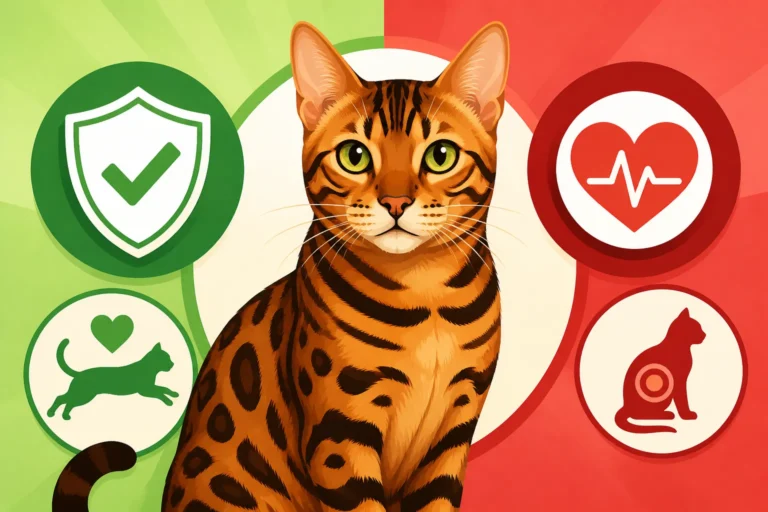
Bengal cats, like many pedigreed breeds, can be prone to certain inherited conditions. One of the most significant concerns for Bengal owners is HCM Is What Kills Bengal Cats Early (Hypertrophic Cardiomyopathy). This is a heart disease that causes the heart muscle to thicken, making it harder for the heart to pump blood effectively. It can progress silently and rapidly, and unfortunately, it's a leading cause of sudden death in seemingly healthy Bengals. Regular cardiac ultrasounds (echocardiograms) by a board-certified veterinary cardiologist are essential for screening, as there isn't a reliable gene test for HCM in Bengals yet, unlike some other breeds.
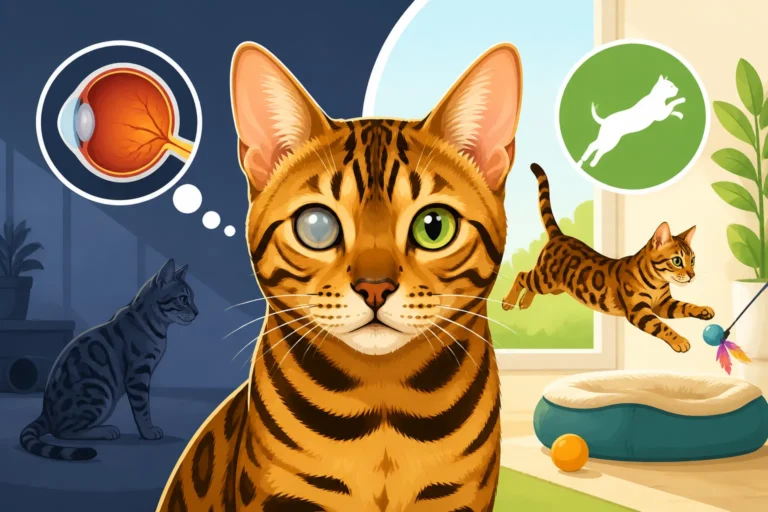
Another genetic condition to be aware of is Pyruvate Kinase Deficiency in a Bengal Cat (PK Deficiency). This is an inherited blood disorder that can lead to anemia. While many carriers never show symptoms, affected cats can experience intermittent episodes of lethargy, pale gums, and jaundice. Fortunately, there's a DNA test for PK Deficiency, allowing breeders to make informed decisions and prevent affected kittens from being born. Similarly, PRA-b Blinds a Bengal Cat by Two and There Is a DNA Test (Progressive Retinal Atrophy, Bengal variant) is another genetic eye condition that can lead to blindness. Again, a DNA test exists, so responsible breeders screen for it to prevent kittens from inheriting two copies of the affected gene. Understanding these genetic risks empowers you to ask the right questions of your breeder and stay vigilant for any signs in your own cat.
Digestive Sensitivities and Chronic Conditions
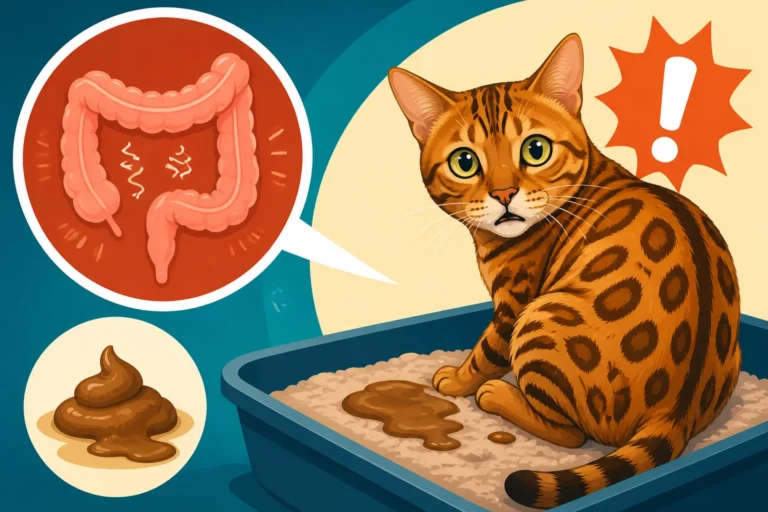
Many Bengal owners will tell you that their cats seem to have particularly sensitive tummies. Chronic Diarrhea Is the Bengal Cat Complaint Nobody Warns About, and it can be a persistent and frustrating issue for both cat and owner. This isn't just a minor inconvenience; chronic gastrointestinal upset can lead to malabsorption of nutrients, weight loss, dehydration, and a general decline in overall health, impacting their long-term well-being. Common culprits include food sensitivities, parasites like Tritrichomonas foetus, or inflammatory bowel disease (IBD). Diagnosing the exact cause often requires patience, dietary trials, and thorough veterinary investigation.
Beyond these common gut issues, Bengals can, like any cat, develop other chronic conditions as they age. Kidney disease, hyperthyroidism, and even certain types of cancer can emerge later in life. While not necessarily breed-specific, their energetic nature might mask early signs of these illnesses, as Bengals are notoriously good at hiding discomfort. This makes regular veterinary check-ups even more important, allowing your vet to catch subtle changes through bloodwork and physical exams before they become severe. Having pet insurance, like a plan from Healthy Paws, can be a huge relief when dealing with the costs associated with diagnosing and managing these long-term health challenges.
Nurturing a Long and Healthy Life for Your Bengal
Knowing the potential pitfalls is one thing, but actively working to ensure your Bengal thrives is another. The good news is that many aspects of their care are within your control, allowing you to significantly influence their quality of life and potentially extend their time with you. It’s about creating a holistic environment that addresses their unique physical, mental, and emotional needs.
Optimal Nutrition and Hydration
A Bengal cat's active metabolism and wild heritage suggest a diet that’s rich in animal protein and moisture. While there's a lot of debate in the cat community about raw versus cooked, wet versus dry, the consensus for Bengals leans heavily towards high-quality, meat-based foods. Look for ingredients where meat is the first listed item, and avoid excessive fillers like corn, wheat, or soy. Many owners find that a predominantly wet food diet, or a carefully balanced raw diet, works best for their Bengals, supporting their muscle mass and providing essential hydration.
Hydration is just as crucial as nutrition. Bengals are often fascinated by water, and this can be a huge advantage. Investing in a good quality pet water fountain can encourage them to drink more, which is vital for kidney health and overall bodily function. Some Bengals even enjoy playing in the sink or shower, and while messy, it’s a sign they’re engaging with water, which is a positive. Ensuring they have multiple water sources around the house, kept fresh and clean, can make a real difference in their hydration levels.
Comprehensive Veterinary Care
Regular veterinary check-ups are the cornerstone of preventative health. For a Bengal, this means more than just annual vaccinations. It means your vet can perform a thorough physical examination, listen to their heart for murmurs (which can be an early sign of HCM), check their dental health, and discuss any behavioral changes you might have noticed. As your Bengal ages, these routine visits will likely include bloodwork and urine tests to monitor organ function, catching issues like kidney disease or hyperthyroidism in their earliest, most treatable stages. You can learn more about How Often a Bengal Cat Needs a Wellness Exam to ensure you're on track.
Don't underestimate the power of early detection. For example, if your vet hears a heart murmur during an annual check-up, it prompts further investigation, potentially leading to an early HCM diagnosis and management plan. This proactive approach can genuinely add years to your cat's life. Discussing a health insurance plan with your vet, especially from providers like Healthy Paws, can also make these crucial preventative and diagnostic tests more accessible without financial strain. It allows you to make decisions based on what’s best for your Bengal, rather than what your wallet dictates.
Enrichment and Mental Stimulation
A bored Bengal is often a destructive or stressed Bengal, and stress can certainly take a toll on their health over time. These cats are incredibly intelligent and need constant mental and physical challenges to thrive. Providing ample vertical space with tall cat trees, wall-mounted shelves, and secure window perches caters to their natural climbing instincts. Puzzle feeders that make them "work" for their food can slow down meal times and engage their brains. Interactive toys, especially wand toys that mimic prey, are essential for daily exercise sessions.
Consider leash training your Bengal for supervised outdoor excursions or investing in a secure "catio" (a cat enclosure). These allow them to experience the stimulation of the outdoors safely, fulfilling their innate curiosity without the risks of free-roaming. A cat wheel can also be an excellent outlet for their boundless energy, offering them a safe way to run and burn off steam. Remember, a happy, well-stimulated Bengal is often a healthier Bengal, less prone to stress-related issues and more resilient overall.
Recognizing the Signs of an Aging Bengal
Just as you watch a Bengal kitten develop, it's equally important to understand the changes that come with age. Your once-acrobatic cat might start to slow down, and their vibrant coat might subtly shift. Being attuned to these signs allows you to adjust their care, ensuring their comfort and dignity in their senior years. The transition into senior cat status can be gradual, sometimes almost imperceptible, but vigilance can help you make appropriate adjustments.
Physical and Behavioral Changes
As your Bengal approaches their golden years, typically around 10-12 years old, you might notice a few shifts. Physically, their coat might not have the same lustrous "glitter" it once did, or their rosettes might soften and become less distinct. They might start to lose a bit of muscle mass, even if their weight remains stable. You might also notice their gait becoming a little stiffer, perhaps struggling to jump to their favorite high perch or hesitating before tackling the stairs. Dental disease is also very common in older cats, which can cause pain and difficulty eating. Understanding Caring for a Bengal Cat Past Ten becomes vital at this stage.
Behaviorally, an older Bengal might become less interested in intense play sessions. They might prefer napping in warm, sunny spots to scaling the cat tree. Their vocalizations might change, perhaps becoming softer or, conversely, more insistent if they're experiencing discomfort or cognitive decline. Some senior Bengals might become a bit more clingy, seeking comfort and reassurance, while others might become more withdrawn. Observing these subtle changes is key, as Bengals are masters at masking pain or illness. If you notice a significant change in their habits, appetite, or litter box use, it's always worth a vet visit to rule out underlying medical issues.
Adapting Their Environment for Comfort
Just like us, older cats appreciate comfort and accessibility. As their joints stiffen and their jumping prowess wanes, consider providing ramps or steps to help them reach their favorite sleeping spots or window sills. Ensure their litter boxes have lower sides for easier access, and consider adding more litter boxes in easily reachable locations, especially if they're starting to experience incontinence or mobility issues. Soft, orthopedic beds can provide much-needed support for aching joints.
Maintaining a consistent routine can also be very comforting for an aging Bengal. While their activity levels may decrease, they still benefit from gentle interaction and predictable mealtimes. Continue with gentle grooming to keep their coat healthy, as they may not be as flexible to groom themselves thoroughly. And don't forget the warmth; older cats often feel the cold more, so ensure they have cozy, draft-free spots to rest. Creating a safe, comfortable, and stimulating environment tailored to their changing needs can make their senior years truly golden.
Ensuring Quality of Life in Senior Years
The goal isn't just about extending life, but about ensuring that every year is lived with comfort, joy, and dignity. As your Bengal enters their twilight years, the focus shifts even more towards managing any chronic conditions, providing palliative care if needed, and cherishing every moment. It's a journey that requires empathy, observation, and open communication with your veterinary team.
Managing Age-Related Health Conditions
As Bengals age, they become more susceptible to conditions like kidney disease, hyperthyroidism, arthritis, and sometimes even cognitive dysfunction, similar to dementia in humans. Regular veterinary check-ups, often twice a year for senior cats, become absolutely vital. These visits allow your vet to closely monitor any developing issues through blood tests, urine analysis, and physical exams. Early detection means earlier intervention, which can significantly slow the progression of many diseases and improve your cat's quality of life. For instance, medication for arthritis can greatly improve mobility, and a special diet can support failing kidneys.
Managing these conditions often means a combination of prescription medications, dietary adjustments, and sometimes even environmental modifications at home. This is where a good pet insurance plan can be invaluable. Healthy Paws, for example, can help cover the ongoing costs of these treatments, allowing you to prioritize your Bengal's comfort and well-being without financial stress. Openly discuss your cat's quality of life with your vet, exploring all available options to keep them comfortable and happy for as long as possible.
The Role of Palliative Care and End-of-Life Decisions
When an older Bengal is facing a terminal illness or severe age-related decline, palliative care becomes paramount. This isn't about curing the disease but about managing pain and discomfort, ensuring their remaining time is as comfortable and stress-free as possible. This might involve pain medications, anti-nausea drugs, subcutaneous fluids for hydration, or even acupuncture. The focus is entirely on maintaining a good quality of life.
The decision of when to say goodbye is arguably the hardest one any pet owner faces. It’s a profoundly personal choice, often guided by your vet’s advice and your intimate understanding of your cat’s daily happiness. Factors to consider include their appetite, mobility, interest in interaction, and ability to control bodily functions. Many owners use a "quality of life scale" to objectively assess their pet's well-being over time. This difficult but compassionate decision ensures that your beloved Bengal doesn't suffer unnecessarily, allowing them to pass peacefully, surrounded by love. It’s the final act of kindness we can offer our cherished companions.
Disclaimer
This article is intended for informational purposes only and does not constitute professional veterinary advice. Always consult with a qualified veterinarian for any health concerns or before making any decisions related to your Bengal cat's care or treatment.