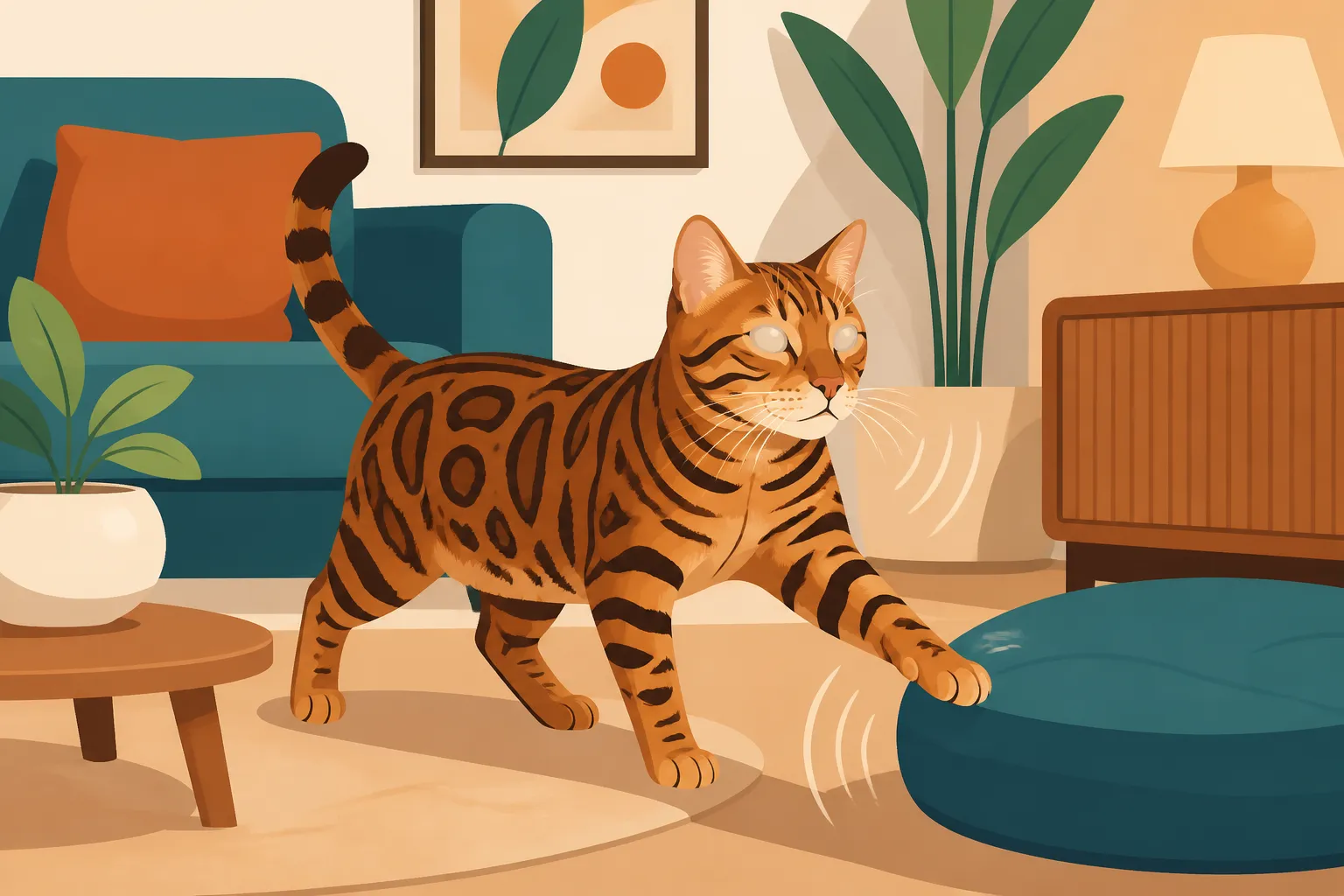
How to Rearrange a Home for a Blind Bengal Cat
The thought of your vibrant, energetic Bengal cat losing their sight can be incredibly daunting, bringing a wave of anxiety about their future and how you'll keep them safe and happy. It’s natural to feel overwhelmed, wondering how to adapt their environment when their world suddenly shifts. This comprehensive guide is designed to empower you with practical, compassionate strategies to rearrange your home, transforming it into a secure and enriching haven where your blind Bengal can continue to thrive independently.
Understanding Your Blind Bengal's Navigational World
When a Bengal cat loses its sight, whether gradually or suddenly, their world fundamentally changes, but it doesn't mean their quality of life diminishes. These incredibly adaptable and intelligent felines rely heavily on other senses that become even more acute with vision loss. It’s not about them living in constant darkness, but about them learning to "see" with their ears, nose, and whiskers.
How a Bengal Cat Adapts to Vision Loss
Bengals, by nature, are creatures of habit and highly attuned to their surroundings, even more so than many other domestic breeds due to their wild ancestry. When their sight fades, their hearing becomes incredibly sharp, picking up subtle sounds you might miss—the hum of the refrigerator, the distant rumble of traffic, or the unique creak of a specific floorboard. Their sense of smell also kicks into overdrive, helping them identify people, other pets, and navigate different rooms based on lingering scents. Think of how a hunter tracks prey; your Bengal is now using a similar, heightened sensory toolkit to navigate its home.
Their highly sensitive whiskers, or vibrissae, are also crucial. These aren't just for looking cute; they’re sophisticated sensory organs that help them detect obstacles and changes in air currents around them. A blind Bengal will use its whiskers to feel its way through narrow spaces, around furniture, and to assess the proximity of objects, essentially creating a mental map of their environment. This amazing adaptability means that while vision is gone, their world is far from silent or still. Understanding How a Blind Bengal Cat Copes can provide further insight into their incredible resilience.
Reading Their Cues and Maintaining Familiarity
Your Bengal will give you cues as they adapt. You might notice them moving more cautiously, perhaps tapping their paws or whiskers against objects, or relying more on your voice. They often stick to the edges of rooms initially, using walls as guides. The most important thing you can do during this transition is to maintain as much familiarity as possible. Sudden changes are unsettling for any cat, but for a blind Bengal, they can be disorienting and terrifying. Their mental map is built on consistency.
Establishing a consistent routine for feeding, playtime, and cuddle sessions helps them feel secure. Your voice becomes a beacon, so speak to them often, especially when approaching. Gentle touches and consistent commands like "step up" or "stop" can guide them. Remember that a Bengal cat's temperament is generally bold and curious, but even the bravest cat needs reassurance and predictability during such a significant change. If their blindness is due to a condition like PRA-b, understanding The Age a Bengal Cat With PRA-b Goes Blind can help you anticipate and prepare for these changes.
Safety First: Creating a Secure Environment
The primary goal when rearranging your home for a blind Bengal is to ensure their safety and build their confidence. This means systematically identifying and eliminating potential hazards while maintaining a consistent and navigable layout.
Eliminating Hazards and Softening Obstacles
Start by walking through your home at your Bengal’s eye level. Seriously, get down on your hands and knees. What do you see? What could be a tripping hazard or a sharp edge?
- Sharp Edges and Corners: Furniture corners, coffee table edges, and fireplace hearths can be dangerous. Consider child-proofing foam protectors or soft blankets draped over sharp edges.
- Loose Rugs and Mats: These can slide and trip your cat. Either remove them or secure them firmly with non-slip pads underneath.
- Clutter and Obstacles: Keep pathways clear. No shoes in the hallway, no bags left on the floor. Every object, no matter how small, becomes a potential collision point.
- Dangling Cords and Wires: Secure all electrical cords out of reach. These are not only tripping hazards but can be tempting to chew, leading to electrical shock.
- Open Doors and Windows: Always ensure exterior doors are securely closed. Consider safety screens or barriers for windows, even if they're typically indoor cats. A blind cat might not sense an open window until it's too late.
Think about padding. A few well-placed cushions or soft throws can turn a potential bump into a harmless nudge, especially in high-traffic areas or around their favorite lounging spots.
Strategic Placement of Essentials
Consistency here is absolutely non-negotiable. Once you decide where your Bengal's food, water, litter boxes, and sleeping areas will be, they must stay there. Moving them even a few inches can completely disorient your cat and force them to re-map their entire environment.
- Food and Water Bowls: Place them in a quiet, low-traffic area where your cat feels safe. Use heavy, non-slip bowls that won't easily move if bumped. A water fountain can be excellent, as the sound of running water can help them locate it.
- Litter Boxes: Your Bengal will rely on memory and scent to find their litter box. Keep them in their usual spots. If you need to add more boxes or change location, do so very gradually, perhaps moving a box just an inch or two each day. Covered boxes might make some cats feel more secure, while others prefer open ones. Ensure easy access with low entry points. Read up on How a Blind Bengal Cat Finds the Litter Box for more detailed advice.
- Sleeping Areas: Keep their favorite beds and blankets in consistent locations. Their own scent will be comforting and help them locate these safe havens.
When choosing these spots, consider minimizing distractions. A blind cat might startle more easily, so a quiet corner away from loud noises or busy household traffic is often best.
Managing Vertical Space
Bengal cats are renowned for their athleticism and love of heights. They crave vertical space, and losing their sight doesn't automatically erase that instinct. However, it does mean you need to rethink how they access and use these elevated spots. The question of Whether a Blind Bengal Cat Should Climb is a valid one, and the answer is usually yes, but with modifications.
- Secure Cat Trees and Shelves: If you have cat trees, ensure they are stable and don't wobble. Position them against a wall for extra support. Consider adding ramps or steps with good traction to make ascents and descents safer. Remove any precarious perches or platforms that could lead to a dangerous fall.
- Blocked Access to Dangerous Heights: Block off access to high, narrow shelves, countertops, or open stairwells that could lead to falls. Baby gates can be incredibly useful for blocking off staircases or certain rooms that aren't yet "blind-cat-proofed."
- "Safe" Heights: Your Bengal can still enjoy vertical space, but focus on sturdy, accessible platforms. You might repurpose a wide, stable bookcase by clearing the lower shelves and adding a comfy bed. The goal is to allow them to indulge their climbing instincts safely, without risking injury.
Navigating the Home: Consistency and Scent Markers
The bedrock of helping a blind Bengal navigate their home is consistency. Their reliance on memory and their remaining senses means a stable environment is paramount.
Maintaining a Consistent Layout
This is the golden rule for living with a blind cat. Once you've established your new, safer layout, stick to it. Every piece of furniture, every litter box, every food bowl must remain in its designated spot. Imagine if your personal roadmap kept changing; it would be impossible to get anywhere confidently.
- No Sudden Furniture Moves: Resist the urge to redecorate or shift items around. Even small changes can throw off your cat's carefully constructed mental map, causing stress and collisions.
- Clear Pathways: Ensure routes to essentials (food, water, litter) are always unobstructed. This includes making sure children or other pets don't leave toys or items in these paths.
- Training and Reinforcement: When initially guiding your Bengal through the adjusted space, use gentle encouragement and positive reinforcement. Reward them for confidently navigating, even short distances.
This consistency builds trust. Your cat learns that their environment is reliable, and they can move through it without fear of unexpected obstacles. This sense of security is vital for their emotional well-being.
Using Scent and Texture for Guidance
Beyond sight, Bengals have an incredibly sophisticated sense of smell and touch. You can leverage these senses to create navigational cues throughout your home.
- Scent Markers: Use specific, cat-safe scents to mark important locations. A tiny drop of lavender essential oil (diluted and used sparingly, never directly on your cat) on a specific rug near the litter box, or a familiar catnip scent near a favorite bed. You can even use different sprays or air fresheners in different rooms (again, cat-safe and not overwhelming) to help distinguish areas. The consistency of these scents is key.
- Textural Changes: Lay down different textured rugs or mats to indicate transitions or significant spots. For example, a sisal mat near their scratching post, a soft sheepskin rug by their favorite napping spot, or a rubber mat under their food bowls. These tactile cues provide a rich tapestry of information for their paws and whiskers.
- Scent Glands: Encourage your Bengal to rub their scent glands (on their cheeks and chin) on furniture and walls. This natural behavior helps them "tag" their territory and reinforce their mental map with their own comforting scent.
Sound Cues and Vocal Communication
Sound becomes a powerful communication tool. Your voice, in particular, will be a guiding light for your blind Bengal.
- Vocalizing Your Presence: Always speak to your cat as you approach them, so you don't startle them. A gentle "Hello, my love, it's me" can prevent them from being surprised.
- Consistent Verbal Cues: Use consistent verbal cues for actions. "Down" for getting off furniture, "food" when you place their bowl, "toy" when you're initiating play. These words, paired with repetition, will help them understand what's happening around them.
- Ambient Sounds: While consistency is important, a completely silent home might make them feel isolated. Gentle background noise, like a radio playing softly, can provide auditory landmarks. If you have other pets, consider putting a small bell on their collar so your Bengal can hear them approaching, avoiding accidental collisions.
Enrichment and Independence for a Blind Bengal
Just because a Bengal cat is blind doesn't mean they stop being an active, curious creature. Their need for mental and physical stimulation remains incredibly high. It’s all about adapting how they engage with their world.
Adapting Playtime and Mental Stimulation
Play is vital for a Bengal's well-being, and for a blind one, it's an important way to relieve stress, exercise, and reinforce their understanding of space.
- Sound-Emitting Toys: Invest in toys with bells, crinkles, or rattles. Balls with bells inside, crinkle balls, or toys that make a rustling sound will engage their heightened hearing.
- Scented Toys: Toys infused with catnip or other cat-attracting scents can be a huge hit. Hide these toys around the house for a "scent hunt," stimulating their natural foraging instincts.
- Interactive Play: Wand toys are still excellent, but instead of relying on visual tracking, drag the toy across the floor, rustle it, or gently tap it against objects so your cat can locate it by sound and vibration. Let them "catch" it frequently to build confidence.
- Puzzle Feeders: These are fantastic for mental stimulation. Use puzzle feeders that require them to use their paws and nose to retrieve treats, rather than visual cues. This taps into their intelligence and keeps them engaged, burning off some of that incredible Bengal energy. For more ideas, explore How Much Enrichment a Bengal Cat Actually Needs.
- Safe Exploration: Continue to allow them to explore. If you have a room that’s perfectly safe and free of hazards, periodically encourage them to explore it. Guide them with your voice and gentle nudges.
Exploring the Outdoors Safely
Many Bengal cats enjoy supervised outdoor experiences, and blindness doesn't have to end this.
- Catios: A secure catio is an ideal solution. It allows your blind Bengal to experience fresh air, new smells, and the sounds of nature without the dangers of free-roaming. Ensure the catio is free of sharp edges and has stable, easy-to-navigate platforms.
- Leash Walking: Leash training can absolutely continue, or even begin, for a blind Bengal. Choose a quiet, familiar area, like your backyard, to start. Your cat will rely on your guidance through the leash and your voice. The familiar scent of their own yard can be comforting. It's truly amazing Whether a Blind Bengal Cat Can Still Be Leash Walked, and many thrive on this controlled outdoor stimulation. Always use a well-fitting harness, never just a collar.
Considering a Companion and General Well-being
Sometimes, a companion can be a wonderful asset for a blind cat, offering both comfort and an additional sense to help them navigate.
- A Familiar Companion: If you already have another pet that your Bengal gets along with, that animal can act as a guide and companion, their scent and movement helping your blind cat feel less alone.
- Introducing a New Companion: If considering a new companion, choose a calm, gentle animal that won't overwhelm your blind Bengal. A kitten or a very mellow adult cat can sometimes be a good match, but introductions must be slow and carefully managed.
- Regular Vet Checks: Ongoing veterinary care is crucial. Regular check-ups allow your vet to monitor any underlying conditions that might have led to blindness, like glaucoma or tumors, or to manage age-related changes. Caring for a Bengal Cat Past Ten often includes increased vigilance for sensory changes. Discuss any changes in behavior or navigation with your vet. Early detection of other issues is always beneficial.
- Pet Insurance: Having pet insurance, such as through Healthy Paws, can provide immense peace of mind. Dealing with a blind cat may involve specialized vet visits, medications, or even unique adaptive equipment, and knowing that a significant portion of these costs could be covered can alleviate financial stress, allowing you to focus on your cat's well-being. It’s always good to be prepared for the unexpected when it comes to pet health. Remember that even a Bengal cat's temperament, generally robust, can be impacted by underlying health issues, so regular monitoring is key. While Which Gene Causes PRA-b in a Bengal Cat is important for understanding the cause of blindness, regular check-ups cover all bases. Owners should also be aware of Signs a Bengal Cat Kitten Is Losing Night Vision for early intervention. It's also vital to learn How a Bengal Cat Hides Pain, as a blind cat might be even more stoic, making subtle signs harder to spot.
Ultimately, your blind Bengal cat can live a full, happy, and remarkably independent life with your thoughtful adjustments and unwavering support. It takes patience, consistency, and a deep understanding of their unique needs, but the bond you share will only strengthen as you navigate this new chapter together. Whether a Bengal Cat With PRA-b Lives a Normal Life largely depends on the care and environment you provide.
Essential Home Adjustment Checklist for a Blind Bengal Cat
Here's a quick reference table to help you systematically approach rearranging your home:
| Area/Item | Adjustment | Why it's Important |
|---|---|---|
| Pathways | Clear all clutter; maintain consistent routes to essentials. | Prevents tripping, builds reliable mental map. |
| Furniture | Pad sharp corners; keep large items in place once set. | Prevents injury, avoids disorientation. |
| Rugs/Mats | Remove loose ones or secure with non-slip backing. | Prevents slips and falls. |
| Cords/Wires | Securely hide or bundle out of reach. | Eliminates tripping hazard and electrocution risk. |
| Stairs/Openings | Use baby gates or barriers for stairwells and dangerous open spaces. | Prevents falls and unsupervised exploration of unsafe areas. |
| Food/Water | Place in consistent, quiet spot; use heavy, non-slip bowls. | Ensures easy access, promotes security. |
| Litter Boxes | Keep in consistent spots; ensure easy, low-entry access. | Crucial for confident elimination without accidents. |
| Sleeping Areas | Maintain consistent placement of beds/blankets. | Provides a comforting, predictable safe space. |
| Vertical Space | Ensure cat trees/shelves are stable; add ramps; block off dangerous heights. | Allows safe climbing and exploration of vertical territory. |
| Scent Markers | Use consistent, cat-safe scents (e.g., specific diffusers, catnip). | Provides olfactory cues for navigation and location identification. |
| Textural Markers | Use different textured mats/rugs for key areas. | Provides tactile cues for distinguishing locations. |
| Sound Cues | Use your voice when approaching; use consistent verbal commands. | Prevents startling, guides behavior, and offers reassurance. |
| Toys | Prioritize sound-emitting and scented toys. | Engages heightened senses for continued play and mental stimulation. |
| Outdoor Access | Consider a secure catio or supervised leash walks in familiar areas. | Allows safe enjoyment of fresh air and new smells. |
Disclaimer
The information provided in this article is for general informational purposes only and is not intended as a substitute for professional veterinary advice. Always consult with a qualified veterinarian regarding your Bengal cat's health, diagnosis, and any treatment options.