Whether a PK Deficient Bengal Cat Needs a Transfusion
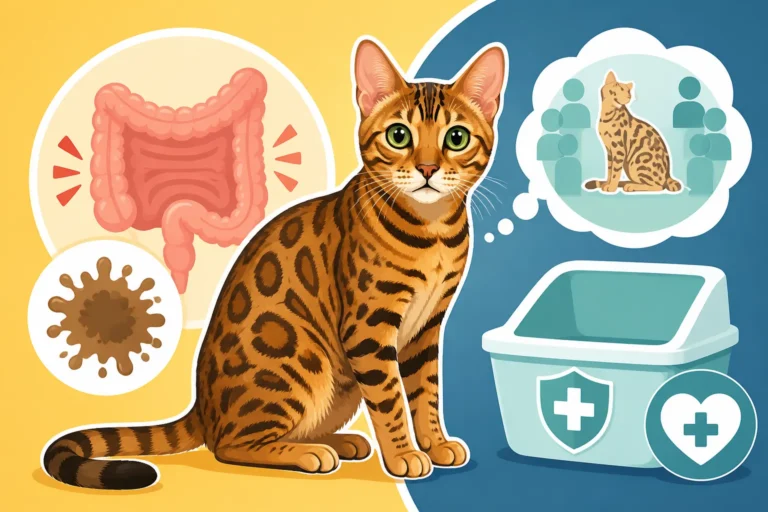
It's incredibly distressing to find out your beautiful, energetic Bengal cat has a genetic condition like Pyruvate Kinase (PK) Deficiency. The initial shock, followed by the worry of managing their health, can be overwhelming. One of the most common and terrifying questions that arises is whether your beloved companion will need a blood transfusion to survive. This comprehensive guide aims to demystify the role of blood transfusions in PK Deficient Bengal cats, helping you understand when they're necessary, what the process entails, and what long-term care looks like.
Understanding Pyruvate Kinase Deficiency in Bengal Cats
Finding out your Bengal has PK Deficiency can feel like a punch to the gut. This isn't just a minor health hiccup; it's a serious genetic condition that affects how your cat's red blood cells function, and it can have profound impacts on their energy and overall well-being. It’s crucial to understand what’s actually happening inside your cat to appreciate why managing it is so complex.
What PK Deficiency Does to a Bengal Cat
At its core, Pyruvate Kinase Deficiency in Bengal cats is a genetic disorder that prevents the proper production of a crucial enzyme called pyruvate kinase. This enzyme is absolutely vital for the metabolism of red blood cells. Without enough of it, these cells can’t produce the energy they need to sustain themselves, leading to a cascade of problems. Think of it like a tiny engine in each red blood cell that suddenly runs out of fuel; it just can't keep going.
The lack of functional pyruvate kinase causes these red blood cells to become fragile and break down prematurely, a process known as hemolysis. This leads to a chronic, often intermittent, form of anemia. Instead of living their full lifespan, these essential cells are destroyed much faster, leaving your cat with a significant shortage of healthy red blood cells. Since red blood cells are responsible for carrying oxygen from the lungs to every tissue and organ in the body, this deficiency can have widespread effects, making your Bengal feel perpetually tired and weak. Understanding Which Enzyme PK Deficiency Removes From a Bengal Cat can help paint a clearer picture of this internal battle.
The consequences of this continuous red blood cell destruction are far-reaching. Your Bengal’s body is constantly trying to produce new red blood cells to compensate, but it’s a losing battle against the accelerated destruction. This chronic anemia can strain vital organs like the heart and kidneys, as they work harder to cope with reduced oxygen supply. It’s a relentless cycle, and it's why monitoring your cat's energy levels and overall demeanor is so critical. The more you know about How PK Deficiency Destroys a Bengal Cat's Red Cells, the better you can understand the day-to-day challenges your feline friend faces.
Signs Your Bengal Cat Might Be Anemic
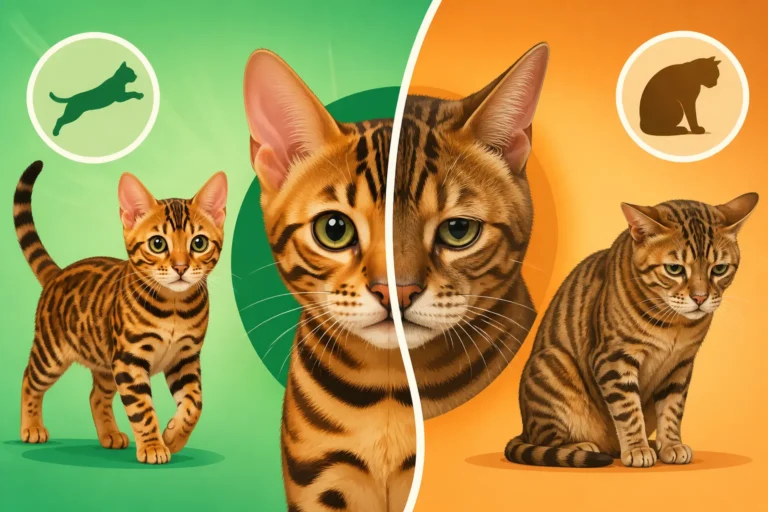
Recognizing the signs of anemia in your PK Deficient Bengal is paramount, as early intervention can make a significant difference. However, it's not always straightforward because the severity of anemia can fluctuate, leading to "good days and bad days" for your cat. One day they might seem relatively normal, and the next, they could be profoundly lethargic, leaving you constantly on edge.
One of the most common and visible indicators of anemia is lethargy and weakness. A Bengal cat, typically a whirlwind of energy, might become unusually quiet, sleep more, or show little interest in playing or interacting. They might move slowly, struggle with jumps they used to make effortlessly, or simply curl up in a quiet spot for extended periods. This isn't just them being lazy; it's a sign their body isn't getting enough oxygen to fuel their usual adventurous spirit. For a full rundown of what to look for, check out our guide on Signs a Bengal Cat Is Anemic.
Another tell-tale sign is a change in the color of their mucous membranes, particularly their gums. Healthy cat gums are usually a vibrant pink. In an anemic cat, these can become noticeably pale, almost white. This is due to the lack of sufficient red blood cells circulating near the surface. You might also notice pale inner eyelids or ear flaps. Additionally, in severe cases, some cats might develop jaundice, a yellowing of the skin, eyes, or gums, caused by the breakdown products of red blood cells. This yellowing, though less common, can indicate significant hemolysis. It's truly heartbreaking to see, and understanding Why a PK Deficient Bengal Cat's Gums Look Pale can help you recognize this critical symptom quickly.
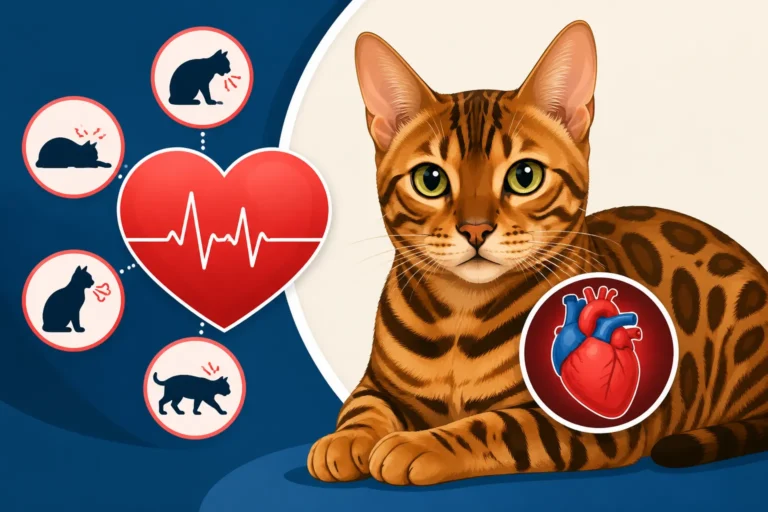
Beyond these physical signs, an anemic Bengal might also exhibit a reduced appetite, weight loss, or even increased respiratory rate as their body tries to compensate for the lack of oxygen. They may also experience abdominal discomfort or tenderness if their spleen is enlarged from working overtime to filter damaged red blood cells. It's a constellation of symptoms, and any significant change in your Bengal's behavior or physical appearance warrants an immediate veterinary visit, especially if you already know they carry the PK Deficiency gene.
When Transfusions Become Necessary for PK Deficient Bengal Cats
The decision to give a blood transfusion to a PK Deficient Bengal cat is never taken lightly. It’s a serious medical procedure, and vets will only recommend it when the cat's health is in critical danger due to severe anemia. Knowing when and why it might be needed can help you prepare for what could be one of the most challenging moments in your cat’s care.
The Role of Blood Transfusions in PK Deficiency Management
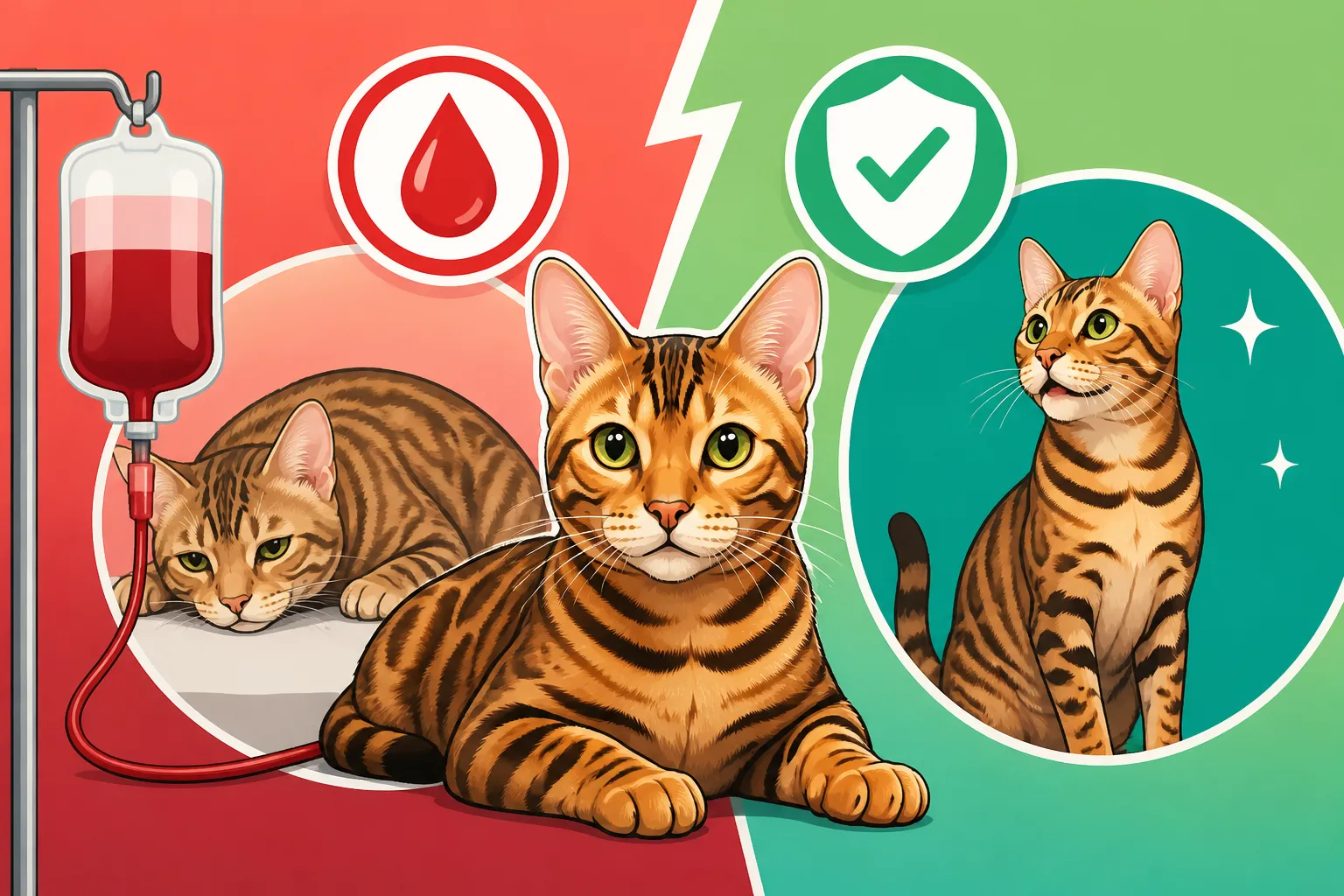
It’s important to understand that a blood transfusion is not a cure for PK Deficiency; it’s a vital supportive measure. Imagine your Bengal’s body as a car running low on gas, and the engine is sputtering. A transfusion is like temporarily filling up the tank to keep the car running, giving it the immediate energy it needs to avoid breaking down completely. The donated red blood cells provide a temporary boost to the cat’s oxygen-carrying capacity, which can pull them back from the brink when their own red blood cell production simply can't keep up.
This temporary infusion of healthy red blood cells can give your Bengal's body a much-needed reprieve. It alleviates the immediate crisis of severe oxygen deprivation, allowing vital organs to function more effectively and giving your cat a chance to stabilize. For a cat that's profoundly weak, struggling to breathe, or on the verge of collapse due to critically low red blood cell counts, a transfusion can be life-saving. It buys time, sometimes just enough for other supportive therapies to begin to have an effect, or for their body to mount its own, albeit limited, response.
The criteria for needing a transfusion are usually quite clear-cut. Vets will look for signs of severe, life-threatening anemia, such as extreme lethargy, profound weakness, difficulty breathing, a rapid heart rate, or pale to white gums. Coupled with this, they’ll rely heavily on diagnostic tests, particularly blood work, to assess the severity of the anemia. This is when objective numbers really matter, beyond just what you can see at home.
Assessing the Severity: When Your Vet Recommends a Transfusion
When your Bengal cat is showing signs of severe anemia, your vet will perform diagnostic tests, primarily focusing on a complete blood count (CBC). The most critical number they’ll be looking at is the Packed Cell Volume (PCV) or hematocrit, which measures the percentage of red blood cells in your cat's blood. A normal PCV for a cat typically ranges from 30% to 45%. If your Bengal's PCV drops below a certain threshold, usually below 15-20%, and they are exhibiting clinical signs of severe anemia, a transfusion becomes a strong recommendation. In some cases, if the cat is collapsing or in critical distress, even a slightly higher PCV might warrant a transfusion if their clinical signs are severe.
Beyond just the numbers, your vet will consider the overall picture. How rapidly did the PCV drop? Is your cat's breathing labored? Are they unresponsive or unable to stand? These clinical observations are just as important as the lab results. For example, a cat with a PCV of 18% that is still eating and relatively alert might be managed with other therapies, whereas a cat with the same PCV that is weak, panting, and struggling to stay conscious will likely need immediate intervention. Understanding How a Vet Confirms PK Deficiency in a Bengal Cat can provide insight into the diagnostic process, which goes far beyond a simple visual check.
The decision is also influenced by the underlying cause and the cat's response to previous treatments. Since PK Deficiency often causes intermittent crises, your vet will want to ensure they've ruled out other concurrent issues. However, when it’s a clear PK Deficiency flare-up leading to critical anemia, the focus shifts to stabilization. While a blood test alone doesn't diagnose the genetic condition, it is vital for assessing the current state of anemia. Learn more about Whether a Blood Test Alone Diagnoses a Bengal Cat and what other tests might be involved. The urgency of the situation means your vet will communicate clearly about the risks and benefits, helping you make an informed decision under immense pressure. This is where having pet insurance like Healthy Paws can truly alleviate some of the financial stress, allowing you to focus on your cat's health rather than the unexpected high costs.
The Transfusion Process and What to Expect
If your Bengal cat needs a blood transfusion, it's natural to feel anxious and a bit overwhelmed. Knowing what to expect during this delicate procedure can help you feel a little more prepared and understand the importance of careful monitoring.
Preparing for a Blood Transfusion
The first step in preparing for a blood transfusion for your Bengal is ensuring a suitable blood donor. In emergency situations, veterinary clinics often rely on their own "in-house" donor cats, who are typically screened for various diseases and blood types. Alternatively, they might source blood products from specialized veterinary blood banks. For your Bengal, the donor cat's blood type is critically important. Cats have different blood types (A, B, and AB), and a mismatch can lead to severe, even fatal, transfusion reactions. Therefore, cross-matching, a procedure that checks for compatibility between the donor and recipient's blood, is always performed before the transfusion begins. This meticulous step helps minimize the risk of a dangerous immune response.
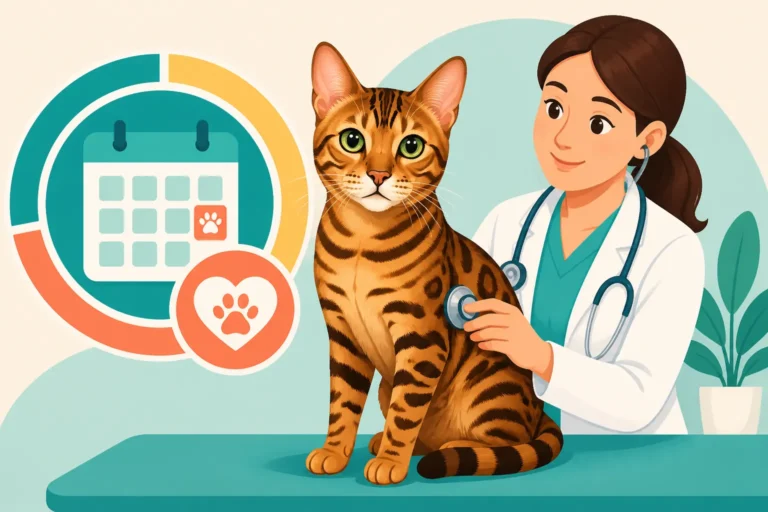
Once compatibility is confirmed, your Bengal will have an intravenous (IV) catheter placed, usually in a front leg. This catheter provides a secure and sterile access point for administering the blood product. Depending on your cat's condition, they might also receive other supportive care, such as intravenous fluids, to help stabilize them before the transfusion starts. Your vet team will aim to keep your cat as calm and comfortable as possible throughout this stressful time, which might involve a cozy, quiet space and gentle handling.
The whole process requires careful planning and execution by the veterinary team. From selecting the donor to ensuring sterility and proper administration, every step is critical for your cat's safety and the success of the transfusion. It's not just a simple IV drip; it's a precisely managed medical intervention designed to deliver life-sustaining components directly into your cat's bloodstream.
During and After the Transfusion
Once preparations are complete, the blood transfusion itself begins. The blood product, which is usually packed red blood cells or whole blood, will be administered slowly through the IV catheter. This slow infusion is vital, as it allows the veterinary team to closely monitor your Bengal for any adverse reactions. These reactions, while uncommon with proper cross-matching, can include fever, vomiting, diarrhea, lethargy, rapid breathing, or even collapse. The team will be constantly observing your cat's vital signs – heart rate, respiratory rate, temperature, and gum color – and will be ready to intervene immediately if any signs of a reaction appear.
Typically, a transfusion can take several hours, and your Bengal will be under continuous observation during this entire period. The immediate benefit of a successful transfusion is often noticeable: a severely anemic cat might show improved energy, better gum color, and more stable breathing within hours. This can be a huge relief, both for your cat and for you. However, it's important to remember that these effects are temporary. The donated red blood cells, while healthy, will eventually be removed from your cat's system, and their own underlying PK Deficiency will continue to destroy red blood cells.
After the transfusion, your Bengal will continue to be monitored closely for a period to ensure no delayed reactions occur and to track their recovery. Follow-up blood tests, especially a repeat PCV, will be performed to assess the effectiveness of the transfusion and determine if your cat's red blood cell count has stabilized. Your vet will also discuss the next steps in your Bengal's long-term care, which might include managing the underlying PK Deficiency with other treatments or simply continuing close observation. It’s a moment-by-moment process, and while the transfusion offers immediate relief, it's just one part of the ongoing journey of managing this condition.
Long-Term Management and Alternatives to Transfusions
While blood transfusions can be life-saving in acute crises for PK Deficient Bengal cats, they are not a long-term solution. The real challenge lies in managing the condition day-to-day and exploring other supportive therapies to maintain your cat’s quality of life and minimize the need for future emergency transfusions.
Supportive Care and Medication for PK Deficient Bengals
For Bengals with PK Deficiency, long-term management focuses heavily on supportive care to help their bodies cope with chronic anemia. This often includes nutritional support, ensuring they receive a high-quality diet that is easily digestible and provides ample energy. Some vets might recommend iron supplements to support red blood cell production, although this must be done carefully under veterinary guidance, as too much iron can be toxic. The goal here is to help the body do its best to keep up, even if it's struggling.
Medications might also be part of the picture, though their effectiveness can vary. Corticosteroids are sometimes used in an attempt to reduce the rate of red blood cell destruction, but their use in PK Deficiency can be controversial and is not universally effective. The decision to use such drugs is always made on a case-by-case basis, weighing the potential benefits against the side effects. It’s all about finding what works best for your individual cat and their specific disease progression. For a deeper dive into the medical interventions, our guide on How a Bengal Cat With PK Deficiency Is Treated offers more detailed information.
In more severe and persistent cases where a cat is experiencing frequent, life-threatening anemic crises despite other treatments, a splenectomy – the surgical removal of the spleen – might be considered. The spleen is an organ that filters blood and removes old or damaged red blood cells. In PK Deficient cats, the spleen can become hyperactive, destroying even more of the already compromised red blood cells. Removing it can sometimes reduce the rate of red blood cell destruction and lessen the severity of anemia, thereby reducing the need for transfusions. However, it’s a major surgery with its own risks and is typically only pursued when other options have been exhausted. Our article, Whether a Spleen Removal Helps a Bengal Cat, explores this option further.
Living with a PK Deficient Bengal Cat: Quality of Life
Living with a Bengal cat diagnosed with PK Deficiency means accepting that they will likely have "good days and bad days." Their energy levels and overall well-being can fluctuate significantly, depending on the current state of their anemia. One week they might be playful and seemingly vibrant, and the next, they could be lethargic and withdrawn. This variability is one of the most challenging aspects for owners, requiring constant vigilance and a deep understanding of your cat's normal behavior. You can learn more about this ebb and flow in our post, Why a PK Deficient Bengal Cat Has Good Days and Bad.
Creating a calm, stress-free environment is crucial for these cats. Any undue stress can potentially exacerbate their condition. This means providing a consistent routine, quiet spaces for rest, and plenty of mental enrichment that doesn’t require excessive physical exertion. While Bengals are known for their boundless energy, a PK Deficient cat might need more gentle play sessions and perhaps fewer high-intensity activities. Focus on puzzle feeders, interactive toys that stimulate their minds, and plenty of cuddles. Providing accessible resources like low-sided litter boxes and easily reachable food and water can also reduce physical strain.
The financial burden of managing a chronic condition like PK Deficiency can also be substantial, especially with the potential for emergency transfusions and ongoing veterinary visits. This is where comprehensive pet insurance can be a game-changer. Companies like Healthy Paws can help cover a significant portion of these unexpected and ongoing costs, allowing you to make medical decisions based on what’s best for your cat, rather than solely on your budget. It provides an invaluable safety net for long-term care. While the lifespan can vary greatly depending on the severity and management, our guide on How Long a PK Deficient Bengal Cat Lives offers insights into what to expect.
The Importance of Genetic Testing and Ethical Breeding
The most effective way to prevent PK Deficiency is through genetic testing and responsible breeding practices. PK Deficiency is an autosomal recessive genetic disorder, meaning a cat must inherit two copies of the defective gene (one from each parent) to be affected. Cats with only one copy of the gene are carriers but do not show symptoms. This is why it’s absolutely vital for Bengal cat breeders to test their breeding stock for the PK Deficiency gene before breeding. This simple DNA test can prevent affected kittens from ever being born.
Reputable breeders will readily provide documentation of genetic testing for both parent cats, proving they are either clear or, at most, carriers. A carrier should only be bred with a cat that is genetically clear to ensure no affected kittens are produced. Our article, What a Bengal Cat Breeder Should Have Tested, highlights the full range of important health checks. By choosing a kitten from health-tested parents, you significantly reduce the risk of bringing home a cat that will suffer from this devastating condition, making the choice to research breeders thoroughly paramount for a new owner. Our pillar article, Pyruvate Kinase Deficiency in a Bengal Cat, goes into greater detail about the condition as a whole.
For owners of adult Bengal cats whose genetic status is unknown, or for those considering breeding, performing a PK Deficiency DNA test on your existing cat is a responsible choice. This is particularly true if you have a rescue Bengal or one from a breeder who didn't provide health clearances. Knowing your cat’s status can inform future breeding decisions (if applicable) and help your vet monitor them more effectively if they are found to be a carrier or, in rare cases, affected but asymptomatic. Even if your Bengal is a beloved pet and not intended for breeding, knowing their genetic predispositions can be incredibly valuable for their long-term health plan, and our guide, Whether an Owner Should PK Test an Adult Bengal Cat, can help you decide. Again, a proactive approach to your cat's health, supported by a good pet insurance plan from a provider like Healthy Paws, can make all the difference in providing them with the best possible life.
Disclaimer
This article is for general informational purposes only and does not constitute professional advice. Laws, prices and regulations vary by location and change over time. Consult a qualified professional for guidance on your specific situation.