Whether a Rescue Bengal Cat Has Been Eye Tested
Bringing a rescue Bengal cat into your home is an incredibly rewarding experience, filled with the promise of love and adventure. However, it often comes with a significant unknown: their health history. Many new owners find themselves wondering if their energetic new companion has had the crucial health screenings specific to the breed, especially eye tests, which can be a real source of anxiety. This guide aims to clear up those uncertainties and equip you with the knowledge to ensure your rescue Bengal's eye health is fully addressed, even without a complete backstory.
The Reality of Rescue Bengal Cats and Health History
Adopting a rescue cat, particularly a Bengal, is a truly wonderful thing. You're giving a deserving animal a second chance, a warm bed, and a loving family. But let's be realistic: when you adopt from a shelter or rescue organization, you're not always getting a full, detailed pedigree with generations of health clearances like you might from a reputable breeder. This lack of information is often the biggest hurdle and a common source of worry for new Bengal owners. You want to do right by your new family member, but where do you even begin when you don't know their past?
Why Eye Testing is Crucial for Bengal Cats
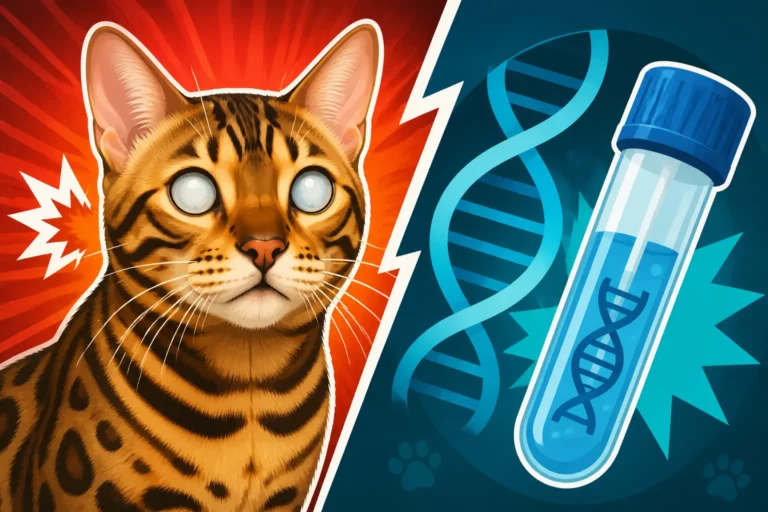
For Bengal cats, eye health isn't just about clear vision; it's about screening for specific genetic conditions that can severely impact their quality of life. The most talked-about condition in our breed is Progressive Retinal Atrophy, specifically the PRA-b variant. This isn't just a general 'cat eye problem'; it's a specific, inherited disease that leads to degeneration of the retina. Essentially, the cells in their eyes that detect light slowly start to die off, ultimately leading to complete blindness.
It's a heartbreaking condition to witness, as your vibrant, active Bengal gradually loses their sight. While it typically manifests later in life, sometimes between one and three years of age, or even earlier for some, the genetic predisposition is present from birth. Knowing if a cat carries this gene, or if they are affected, is vital for managing their health and planning for their future. Many owners wonder if PRA-b Blinds a Bengal Cat by Two and There Is a DNA Test or What PRA-b Does to a Bengal Cat's Sight could affect their new companion. This makes genetic eye testing not just a good idea, but a truly critical step for any Bengal owner, especially when their history is a mystery.
Common Reasons Why Rescue Organizations Might Lack Full Health Records
It’s easy to feel frustrated when a rescue organization can’t provide a complete health history, but it’s rarely due to negligence on their part. The reality is that many rescue Bengals arrive under less-than-ideal circumstances. They might be strays found wandering, picked up from an overcrowded animal control facility, or surrendered by owners who couldn't keep them anymore due to various life changes. In these situations, the previous owners might not have had any genetic testing done, or they simply don't pass along the records they do have.
Imagine a scenario where a cat is found abandoned; there’s no way for the rescue to know its exact age, breed lineage, or certainly any specific health screenings it might have had. They do their best to provide immediate veterinary care, address any acute issues, get them spayed or neutered, and vaccinate them. They might even microchip them. But specialized genetic tests for breed-specific conditions like PRA-b can be expensive and aren't always prioritized in an environment where funds are stretched thin and the focus is on basic survival and rehoming. They’re often relying on their general vet and not necessarily a breed-specific specialist. So, while they can tell you if your rescue Bengal is up-to-date on vaccinations or if they had a recent dental, they might not have the answer to whether Whether a Pet Bengal Cat Needs PRA-b Testing was ever performed.
What to Ask and Look For When Adopting a Rescue Bengal
Navigating the adoption process for a rescue Bengal means being proactive. While you might not get every answer you want, asking the right questions and knowing what to observe can make a world of difference in understanding your new cat's potential health needs. It's about gathering as much information as possible to build a clear picture of their situation.
Key Questions for the Rescue Organization
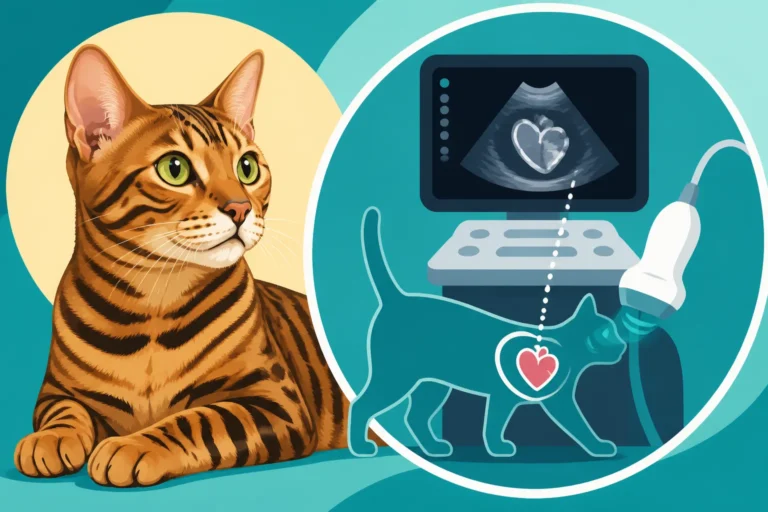
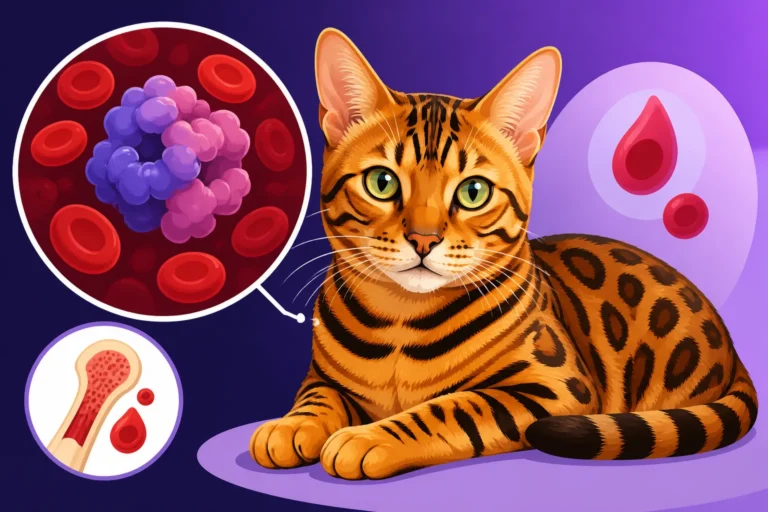
When you're speaking with the rescue organization, don't be shy about asking specific questions regarding health. They might not have all the answers, but their responses will guide your next steps. Start by inquiring if they have any existing veterinary records from the cat's previous owner. Ask if the cat has undergone any specific genetic testing, particularly for PRA-b or Pyruvate Kinase Deficiency (PK Deficiency), which are known Bengal health concerns. While you're at it, you might also ask about heart health, specifically if there's any history of murmurs or if they've ever had an echocardiogram, even though How Long a Clear Bengal Cat Echo Is Good For might not be known if they've not seen a cardiologist.
If the records are incomplete or nonexistent, ask what kind of routine veterinary care the cat has received while in their care. This would include vaccinations, deworming, flea and tick prevention, and any general health check-ups. Understand that "no records" doesn't mean "unhealthy cat," but it certainly means you'll need to take on the responsibility of getting those initial screenings done yourself. Most reputable rescues will be transparent about what they know and don't know, and they'll appreciate your thoroughness as it shows you're serious about providing a good home.
Observational Signs of Potential Eye Issues
Even without official test results, you can learn a lot by simply observing your prospective rescue Bengal. Spend time with them and pay close attention to their eyes and their behavior. Are their eyes clear, bright, and free of discharge? Do they squint or seem sensitive to light? Watch how they navigate their environment. Do they bump into objects, especially in dim lighting? Do they seem hesitant to jump or climb, or do they misjudge distances? These could be subtle clues.
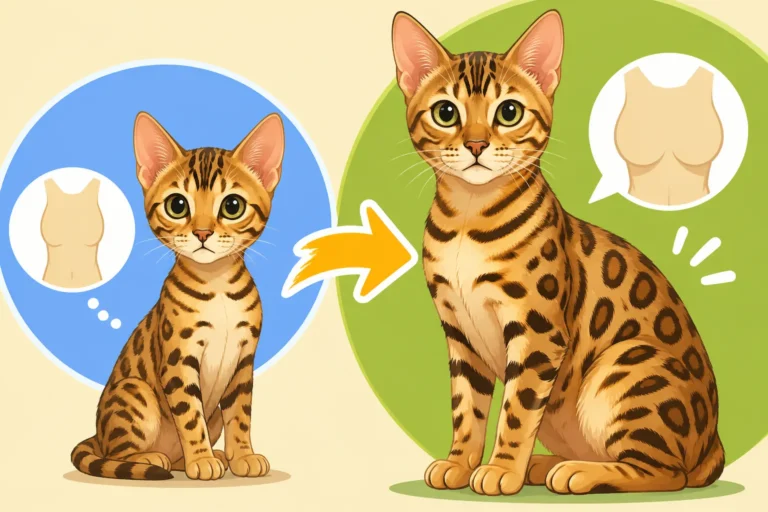
Signs a Bengal Cat Kitten Is Losing Night Vision might manifest as hesitation in dimly lit rooms or an inability to track toys in low light. An adult Bengal might develop a dilated pupil that doesn't constrict properly, or they might seem disoriented in new environments. Observe their overall confidence. Cats are masters at hiding pain and illness, so you'll need a keen eye. If they frequently rub their eyes, if the eyes appear cloudy, or if there's any visible abnormality, those are immediate red flags that warrant veterinary attention. Remember, these observations aren't diagnostic, but they are crucial indicators that further investigation is needed.
The Importance of a Pre-Adoption Vet Visit
Before finalizing any adoption, if the rescue allows it, arrange for an independent veterinary visit for your prospective Bengal. This step is non-negotiable, even if the rescue provides what they believe to be comprehensive records. An independent vet can give an objective assessment of the cat’s overall health, beyond just checking vaccination status. They can perform a thorough physical exam, listen to their heart and lungs, check their teeth, and give their eyes a good look.
During this visit, you can specifically discuss your concerns about breed-specific genetic conditions with your veterinarian. They can examine the cat's eyes with an ophthalmoscope to look for any signs of retinal changes, although definitive PRA-b diagnosis usually requires a DNA test. This visit is your opportunity to establish a baseline of health for your new cat and to get professional advice on any immediate or future concerns. It's also a great time to discuss pet insurance options like Healthy Paws, which can help cover unexpected veterinary costs, including those related to health conditions you might discover post-adoption.
Understanding Eye Testing for Bengal Cats
When it comes to safeguarding your Bengal cat's vision, understanding the different types of eye tests and what their results mean is paramount. It’s not just about getting "an eye test"; it's about getting the right tests that specifically address the genetic predispositions of the Bengal breed. This informed approach allows you to proactively manage their health and plan for any potential challenges.
Specific Eye Tests Relevant to Bengal Cats
For Bengal cats, the primary eye test of concern is the DNA test for Progressive Retinal Atrophy (PRA-b). This is a simple, non-invasive genetic test that you can even do at home with a cheek swab. How the Bengal Cat PRA-b DNA Test Works is quite fascinating: a laboratory analyzes the DNA collected from the swab to identify specific markers associated with the PRA-b gene. The results will typically classify your cat as Clear, Carrier, or Affected. This DNA test is highly accurate for detecting the presence of the gene that causes PRA-b, giving you a definitive answer about their genetic status regarding this specific condition.
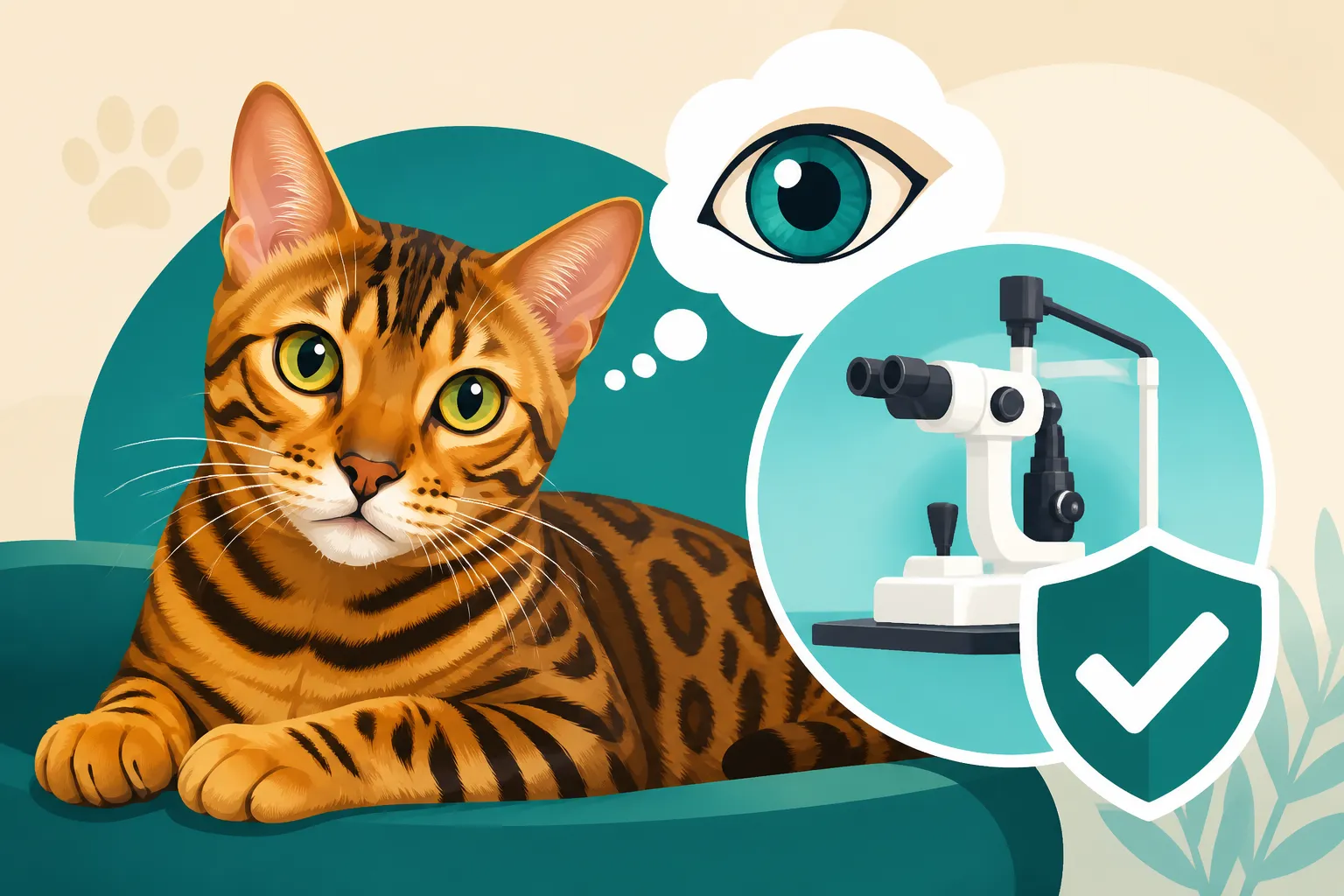
Beyond genetic testing, a comprehensive veterinary ophthalmology exam performed by a board-certified veterinary ophthalmologist is also incredibly valuable. While a regular vet can perform a basic eye exam, an ophthalmologist has specialized equipment and expertise to detect subtle changes in the retina and other eye structures. They can often identify early signs of retinal degeneration even before a cat starts showing obvious symptoms of vision loss. Many people wonder Whether an Eye Exam Finds PRA-b in a Bengal Cat, and while it can't definitively diagnose the gene, it can certainly reveal the effects of the disease if it's already progressing. This specialized exam looks at the overall health of the eye, not just the single genetic marker.
Interpreting Genetic Test Results (Clear, Carrier, Affected)
Once you get those genetic test results back, it’s crucial to understand what they mean for your rescue Bengal. There are typically three possible outcomes for a PRA-b DNA test:
- Clear: This means your Bengal does not carry the gene for PRA-b and cannot develop the condition or pass it on to any offspring (though if it's a rescue, they should already be spayed/neutered, so passing it on isn't usually a concern). This is the best possible outcome for your cat's health regarding PRA-b.
- Carrier: A Bengal cat that is a carrier has one copy of the PRA-b gene but two copies are needed for the cat to be affected by the condition. They will not develop PRA-b themselves and will have normal vision throughout their life. However, if they were to be bred with another carrier, some of their kittens could inherit two copies and become affected. Again, for a pet rescue, the focus is on the cat's individual health, so being a carrier simply means they won't go blind from this specific condition.
- Affected: This result means your Bengal has two copies of the PRA-b gene. They will develop PRA-b and will eventually go blind. The age of onset can vary, but typically The Age a Bengal Cat With PRA-b Goes Blind ranges from around two to seven years old. Receiving an "affected" result is certainly difficult news, but it also gives you the knowledge to prepare and provide the best possible care for your cat as their vision declines. It allows you to make adjustments to your home and routines proactively.
Understanding these results helps you plan for your cat's future, manage any health needs, and even potentially consider genetic counseling if you were ever thinking of breeding (though this is highly unlikely and discouraged for rescue animals).
Proactive Steps for Your Rescue Bengal's Eye Health
Bringing a rescue Bengal home often means taking on a bit more detective work regarding their health. But the good news is that you’re now in charge, and you can take all the necessary steps to ensure their eye health is monitored and maintained. Being proactive is key to providing them with the happiest, healthiest life possible, regardless of their mysterious past.
Arranging Post-Adoption Vet Care and Specific Testing
Once your rescue Bengal is settled into their new home, one of the first appointments you should make is with your trusted veterinarian for a comprehensive check-up. This isn't just a quick wellness visit; it's an opportunity to establish a full health baseline. Discuss your concerns about breed-specific genetic conditions like PRA-b. If the rescue couldn't provide genetic testing results, now is the time to get the PRA-b DNA test done. Your vet can take the simple cheek swab in their office and send it off to a reputable laboratory. Understanding What a Bengal Cat Breeder Should Have Tested can help you advocate for the right tests for your new companion.
Don't shy away from discussing the costs involved. A full genetic health panel, including PRA-b, can seem like an upfront expense. However, compare What a Bengal Cat's DNA Panel Costs against the emotional and financial burden of managing a preventable condition later on without prior knowledge. This is also where pet insurance can be a real lifeline. Companies like Healthy Paws offer various plans that can help cover eligible diagnostic tests, specialist consultations, and treatments. Getting coverage early, before any conditions are diagnosed, is always the best strategy to ensure you’re protected should any health issues arise down the line.
Long-Term Eye Care and Monitoring
Even if your rescue Bengal tests clear for PRA-b, long-term eye care and monitoring remain important for their overall well-being. Regular annual veterinary check-ups are essential, where your vet will always perform a basic eye exam. As your Bengal ages, these regular exams become even more critical to catch any age-related eye conditions or other issues that might not be genetic.
Between vet visits, keep a watchful eye on your cat yourself. Look for any changes in pupil size, cloudiness, redness, discharge, or changes in how they navigate their environment. If you notice any subtle changes in their behavior, such as hesitancy in new places, bumping into furniture, or a reluctance to play in dimmer light, it’s worth a call to your vet. Early detection of any problem, genetic or otherwise, often leads to more effective treatment and better outcomes. Remember, Bengal cats are incredibly active, so good vision is paramount to their quality of life. Thinking about the long game, having pet insurance like Healthy Paws can provide peace of mind for those unexpected specialist visits or ongoing medications, ensuring your Bengal gets the best care throughout their lifespan.
Supporting a Bengal Cat with Vision Issues
If, unfortunately, your rescue Bengal does receive an "affected" diagnosis for PRA-b, or develops other vision issues, it’s important to remember that a blind or vision-impaired cat can still lead a full and happy life. It will require some adjustments from you, but their incredible senses of smell, hearing, and touch will compensate remarkably.
The key is consistency and safety. Avoid rearranging furniture often, as cats with vision loss rely on their memory of their environment. Keep pathways clear and ensure their food, water, and litter boxes are always in the same, easily accessible spots. Ramps or steps can help them safely reach their favorite high perches. Enrichment toys that engage their other senses, like puzzle feeders with strong scents or toys that make noise, become even more important. Learning How a Blind Bengal Cat Copes is truly inspiring; they adapt with incredible resilience. Regular, gentle interaction and verbal cues can help them feel secure and connected. With your love and support, even a Bengal with vision issues can thrive and enjoy many wonderful years with you.
| Feature / Information | What Rescues Typically Provide | What You Should Pursue Post-Adoption |
|---|---|---|
| Basic Health Check | Yes (vaccinations, deworming, spay/neuter, general exam) | Independent vet check, baseline bloodwork, dental assessment |
| Genetic Eye Testing (PRA-b) | Unlikely, unless specifically requested or known from prior owner | HIGHLY RECOMMENDED: DNA test for PRA-b (cheek swab) |
| Specialized Eye Exam | Unlikely, unless obvious issue | Consultation with a veterinary ophthalmologist |
| Previous Owner Records | Sometimes, if surrendered with paperwork | Request any available records, even incomplete ones |
| Behavioral Observations | General notes on temperament, known quirks | Observe for signs of vision impairment, night blindness |
| Pet Insurance | Not typically provided | HIGHLY RECOMMENDED: Enroll early with a provider like Healthy Paws |
| Long-Term Care Plan | General advice on cat care | Discuss a specific health monitoring plan with your vet |
Disclaimer
The information provided in this article is intended for general informational purposes only and does not constitute veterinary advice. Always consult with a qualified veterinarian for any health concerns or before making any decisions related to your Bengal cat's care, diet, or treatment. Genetic conditions and their manifestations can vary, and only a veterinary professional can provide an accurate diagnosis and personalized recommendations.