PRA-b Blinds a Bengal Cat by Two and There Is a DNA Test
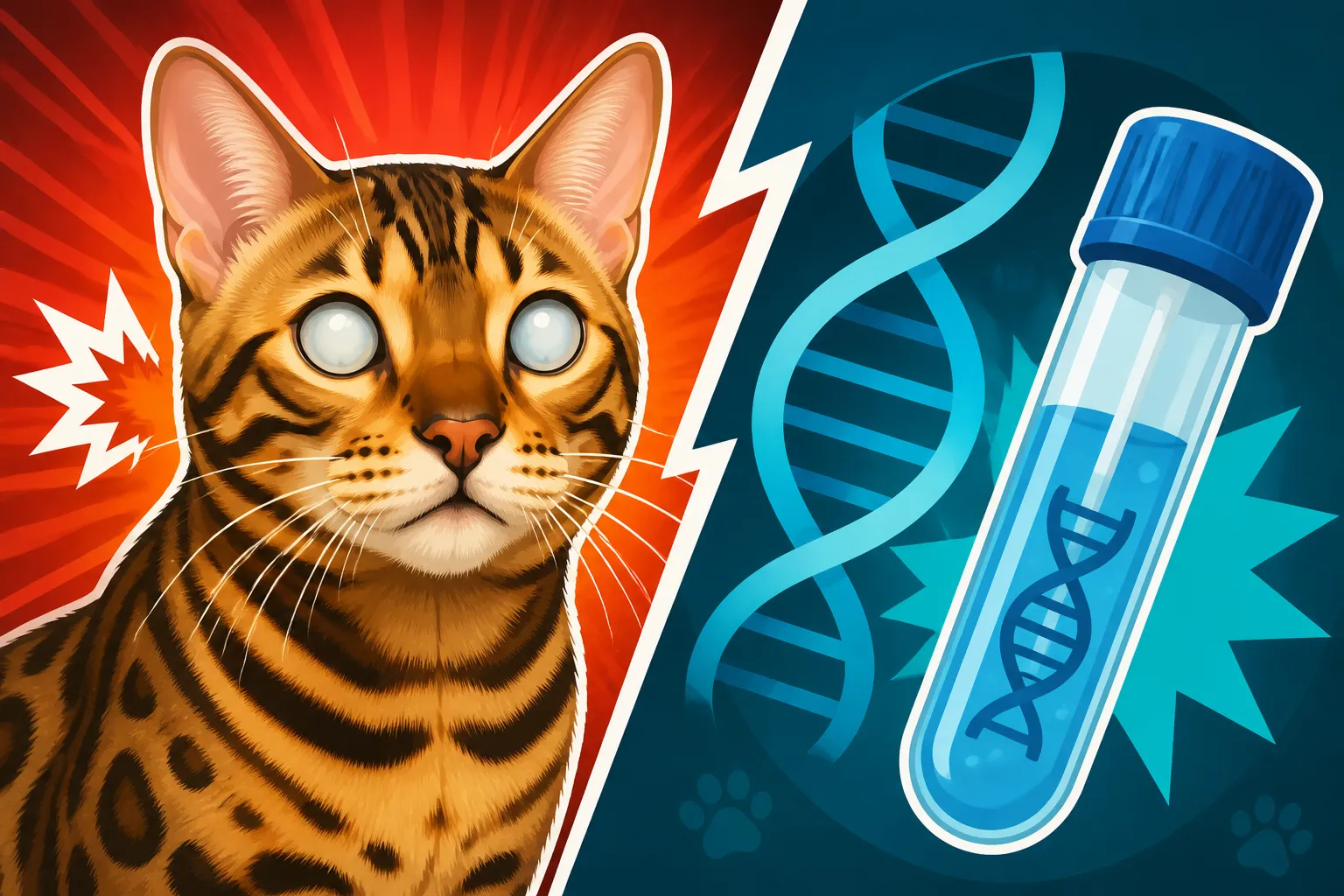
Bringing home a magnificent Bengal cat is an experience filled with excitement, imagining years of playful antics and stunning beauty. But for some, this dream is shadowed by the devastating reality of Progressive Retinal Atrophy (PRA-b), a cruel genetic condition that tragically robs these vibrant felines of their eyesight, often before their second birthday. This guide aims to shed light on PRA-b, its impact, and the critical role of DNA testing in protecting our beloved Bengals from this inheritable blindness.
Understanding PRA-b in Bengal Cats: A Genetic Predicament
The very thought of your energetic, curious Bengal cat losing its sight is a gut punch, isn't it? It’s a frightening prospect, especially when you consider how much they rely on their keen senses to navigate their world. PRA-b isn't just a general eye issue; it's a specific genetic defect that strikes at the heart of their vision. Understanding the mechanics of this disease is the first step toward safeguarding these incredible animals.
What is Progressive Retinal Atrophy PRA-b?
Progressive Retinal Atrophy, or PRA, isn't a single disease but a group of inherited eye disorders found in various breeds, both canine and feline. For Bengal cats, we're talking about a specific variant known as PRA-b. At its core, PRA-b involves the gradual degeneration of the retina, the light-sensitive tissue at the back of the eye that's responsible for capturing images and sending them to the brain. Think of the retina as the film in a camera; if the film degrades, the camera can't capture a clear picture, no matter how perfect the lens.
In Bengals with PRA-b, the cells in the retina—specifically the rods and cones—begin to malfunction and then die off. Rods are crucial for vision in dim light and detecting movement, while cones are responsible for color and sharp, daytime vision. Typically, the rods are affected first, meaning the cat will experience night blindness as an initial symptom. As the disease progresses, the cone cells also deteriorate, leading to complete blindness. This isn't a sudden event, but a steady, relentless decline that can be incredibly distressing to witness in an otherwise healthy and energetic animal.
The Specific Gene Mutation in Bengals
The precise cause of PRA-b in Bengal cats has been identified, and it boils down to a single, specific gene mutation. This mutation is found in the CEP290 gene, a gene known to be involved in the development and function of cilia, which are tiny hair-like structures critical for many cell functions, including those in the photoreceptor cells of the retina. When this gene has a faulty mutation, it directly impacts the health and longevity of these photoreceptor cells.
This CEP290 mutation is inherited in an autosomal recessive manner. What does that mean for you as an owner or prospective owner? It means that a cat needs to inherit two copies of the defective gene—one from each parent—to actually develop the disease and go blind. If a cat inherits only one copy of the mutated gene, it won't go blind itself, but it will be a "carrier." These carriers are perfectly healthy and have normal vision, but they can pass the problematic gene on to their offspring. This is a crucial distinction and explains why responsible breeding practices are so vital to prevent the spread of PRA-b. You can delve deeper into Which Gene Causes PRA-b in a Bengal Cat to understand the molecular specifics.
How Early Degeneration Begins
One of the most tragic aspects of PRA-b in Bengal cats is how early the retinal degeneration can begin. It's not a condition that typically waits for old age; rather, it often starts its insidious work in kittenhood or early adolescence. While the outward signs of vision loss might not be immediately apparent, changes are occurring at a cellular level in the retina long before you notice your Bengal bumping into furniture.
Research indicates that the photoreceptor cells, particularly the rods, begin to show signs of structural abnormalities and dysfunction from a very young age. This means that a seemingly healthy, playful kitten might already be on a path towards blindness. The degeneration is progressive, meaning it continuously worsens over time. This early onset is why it's so heartbreaking; owners often bond with their kittens, only to find their world turning dark just as they're entering their prime. Understanding How Early a Bengal Cat Kitten's Retina Starts to Degenerate can help you appreciate the silent battle these young cats might be fighting.
The Heartbreaking Reality of PRA-b Blindness in Young Bengals
It's one thing to read about a genetic condition; it's another to live through it with your beloved pet. The rapid progression of PRA-b in Bengal cats, leading to complete blindness in their youth, is genuinely devastating. These are cats known for their intelligence, agility, and keen observational skills. To see that taken away from them so young is a profound loss for both the cat and its human family.
Early Signs of Vision Loss in Kittens and Young Cats
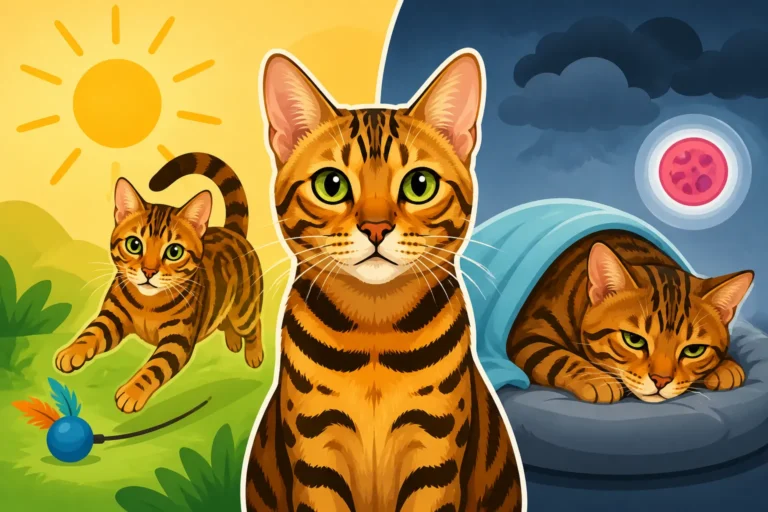
Spotting the initial signs of PRA-b can be tricky, especially since Bengals are incredibly adaptable and can compensate for diminishing vision for quite some time. Often, the earliest indicator is night blindness. Your Bengal might become more hesitant to move around in dimly lit rooms or at dusk. They might start bumping into objects they usually navigate with ease, or become more startled by unexpected movements or sounds from areas they can't quite see. You might notice changes in their play behavior, perhaps less enthusiasm for chasing toys in the evening or a decreased ability to track moving objects.
As the condition progresses and daytime vision begins to decline, you might see more obvious signs. They might hesitate before jumping from heights they once confidently scaled, or they might seem confused in new environments. Sometimes, owners report their cats having dilated pupils, even in bright light, as the eyes try to let in as much light as possible to compensate for the failing retina. Pay close attention to subtle shifts in behavior; your cat isn't trying to be clumsy, it's struggling. If you're concerned, it’s worth reading up on Signs a Bengal Cat Kitten Is Losing Night Vision for specific behaviors to watch for.
The Progression to Full Blindness by Two Years Old
The timeline for PRA-b blindness in Bengal cats is tragically swift. While the initial degeneration might begin in kittenhood, most affected Bengals will experience significant vision impairment and often complete blindness by the age of two years old. This rapid progression means that a cat who was once the epitome of playful energy and sharp perception can transition into full blindness within a short span of months or a little over a year from the first noticeable symptoms.
This fast-paced loss of vision is particularly challenging. Unlike conditions that develop slowly over many years, giving both cat and owner ample time to adjust, PRA-b demands quick adaptation. Owners are left grappling with a young cat whose world is rapidly shrinking. It can be a very disorienting experience for the cat, potentially leading to increased anxiety, clinginess, or changes in their typically outgoing personalities. The critical period for owners to be vigilant is during their Bengal's first couple of years, as this is when the most profound changes typically occur. To understand more about this specific age, refer to The Age a Bengal Cat Is Fully Blind From PRA-b.
Impact on a Bengal Cat's Quality of Life
When a cat goes blind, especially at such a young age, it fundamentally alters their interaction with the world. Bengals are known for their intelligence, curiosity, and incredible athleticism. A blind Bengal will still possess these innate traits, but their ability to express them will be dramatically impacted. Their confidence in exploring their environment may diminish, and they might become more reliant on sound, smell, and touch. This doesn't mean their life is over, far from it, but it certainly changes the dynamics.
The primary frustration for owners often stems from their cat's potential loss of independence and the worry about safety. They might miss jumps, become disoriented in unfamiliar spaces, or be more vulnerable to hazards, even within the home. However, with thoughtful adjustments and a stable routine, many blind Bengals can lead surprisingly full and happy lives. Their other senses sharpen, and they learn to create mental maps of their surroundings. While it's a huge adjustment, the love and bond you share can help them thrive. Thinking about a blind Bengal's ability to live normally, you might find solace in Whether a Bengal Cat With PRA-b Lives a Normal Life.
The Crucial Role of DNA Testing for PRA-b
Given the devastating impact and early onset of PRA-b, prevention and early identification are paramount. This is where the power of modern veterinary science truly shines through with the availability of a reliable DNA test. This test isn't just a diagnostic tool; it's a game-changer for responsible breeding and for giving prospective owners peace of mind.
Why a DNA Test is the Definitive Answer
Before the advent of widespread genetic testing, identifying carriers of recessive genetic diseases like PRA-b was incredibly difficult, if not impossible. The only way to know if a cat was a carrier was to breed it and see if affected offspring were produced—a heartbreaking and irresponsible approach. Now, a simple, non-invasive DNA test provides a definitive answer. It directly identifies the presence or absence of the CEP290 mutation in a cat's genetic code.
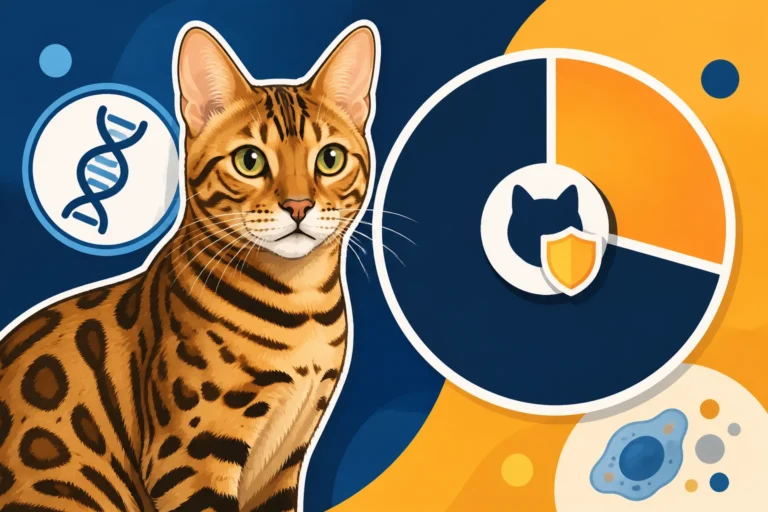
This means there's no guesswork involved. A DNA test can tell you if a cat is completely clear of the gene, if it's a carrier (meaning it has one copy but won't develop the disease), or if it's affected (meaning it has two copies and will develop PRA-b). This certainty is invaluable for breeders who are committed to producing healthy kittens and for owners who want to understand their cat's genetic predisposition. It removes the uncertainty and allows for informed decisions, preventing unnecessary suffering and perpetuation of the disease.
How the Bengal Cat PRA-b DNA Test Works
The process for getting your Bengal cat tested for PRA-b is surprisingly straightforward and typically stress-free for your feline friend. It usually involves a simple cheek swab, similar to what you might do for a human ancestry test. Your veterinarian, or sometimes even you under their guidance, will gently rub a sterile swab along the inside of your cat's cheek to collect epithelial cells, which contain their DNA. This procedure is completely painless and takes only a few seconds.
Once the sample is collected, it's typically sent to a specialized veterinary genetics laboratory. These labs use advanced molecular techniques to isolate the DNA and then analyze it specifically for the CEP290 mutation associated with Bengal cat PRA-b. The results are usually returned within a few weeks, often in the form of a certificate. This certificate will clearly state your cat's genetic status: Clear, Carrier, or Affected. It's a testament to how far veterinary medicine has come that such a vital piece of information can be obtained so easily. For a detailed rundown of the procedure, check out How the Bengal Cat PRA-b DNA Test Works.
Interpreting Test Results: Clear, Carrier, or Affected
Understanding the results of a PRA-b DNA test is crucial, whether you're a breeder or a pet owner. There are three possible outcomes, each with distinct implications:
| Result | Genetic Makeup | Vision Status | Breeding Implications |
|---|---|---|---|
| Clear | Two normal copies of the gene | Normal vision; will never develop PRA-b. | Can be bred with any other cat (Clear, Carrier, Affected) without producing affected offspring. |
| Carrier | One normal, one mutated copy | Normal vision; will never develop PRA-b. | Should only be bred with a "Clear" cat to ensure no affected kittens are produced. Produces 50% Clear, 50% Carrier offspring. |
| Affected | Two mutated copies of the gene | Will develop PRA-b and go blind, usually by age two. | Should never be bred. |
If your Bengal cat tests "Clear," congratulations! They do not carry the gene and will not develop PRA-b. If they are a "Carrier," they have one copy of the gene. This means they will not go blind themselves, but they can pass the gene to their kittens if bred. This highlights the importance of testing both parents before breeding. Finally, if your cat is "Affected," they have two copies of the mutated gene and will develop PRA-b, leading to blindness. In this unfortunate scenario, the focus shifts entirely to providing them with the best quality of life possible as their vision declines. Knowing Whether a PRA-b Carrier Bengal Cat Loses Sight is often a relief for owners of carrier cats.
Breeding Responsibly to Eradicate PRA-b
The existence of a DNA test for PRA-b places a significant responsibility on Bengal cat breeders. It's no longer acceptable to plead ignorance about a cat's genetic status. Responsible breeding practices are the cornerstone of protecting the breed from devastating inherited conditions, and PRA-b is a prime example of where vigilance can make all the difference.
The Genetics of Inheritance: Why Carriers Matter
As we discussed, PRA-b is an autosomal recessive condition. This means that for a Bengal cat to be affected and go blind, it must inherit one copy of the faulty gene from its mother and one copy from its father. Both parents must contribute that problematic gene. This is why "carriers" are so important in the conversation about eradicating the disease. A carrier cat, while perfectly healthy and seeing just fine, harbors one copy of the gene. If two carrier cats are bred together, there's a 25% chance with each kitten that it will inherit two copies of the faulty gene and become affected. There's also a 50% chance it will be a carrier, and a 25% chance it will be clear.
This understanding is critical because carriers are the silent spreaders of the disease. They look and act normal, so without genetic testing, a breeder could unwittingly be perpetuating PRA-b in their lines for generations. This knowledge empowers breeders to make informed decisions, ensuring that no affected kittens are ever born into their catteries.
The Ethical Dilemma of Breeding Carriers
The ethical question for breeders, then, becomes: should a PRA-b carrier Bengal cat be bred at all? Ideally, in a perfect world, only "Clear" cats would be bred to eliminate the gene entirely. However, the reality of breeding programs is more complex. Sometimes, a carrier cat might possess other highly desirable traits—perhaps exceptional temperament, stunning markings, or a rare color—that breeders want to preserve in the gene pool. In such cases, if a breeder chooses to breed a carrier, it must be done with extreme caution and with a strict commitment to preventing affected offspring.
This means that a carrier cat should only be bred to a cat that has been DNA tested and confirmed as "Clear" for PRA-b. By pairing a carrier with a clear cat, all offspring will either be clear or carriers themselves, but none will be affected. Any kittens identified as carriers should then be spayed or neutered as pets, or, if kept for breeding, only bred to clear animals. This meticulous approach prevents the painful outcome of blind kittens while allowing the cautious preservation of other valuable genetic traits within the breed. The question of Whether Two PRA-b Carrier Bengal Cats Should Be Bred is a resounding no from an ethical standpoint.
The Importance of Breeder Transparency
For prospective Bengal cat owners, breeder transparency regarding health testing is not just a preference; it's a non-negotiable requirement. A reputable breeder will not only test all their breeding cats for PRA-b, but they will also be eager and willing to show you the official DNA test certificates for both parents of any kitten you are considering. This isn't something to be hidden or vague about.
When you're speaking with a breeder, don't hesitate to ask specific questions: "Are both parents of this litter PRA-b clear? Can I see the certificates?" A responsible breeder understands your concern and will have these documents readily available, often from reputable testing labs like Optimal Selection, Wisdom Panel, or Canine Genetic Diseases Network (CGDN). They should also be able to explain the implications of the results. If a breeder hedges, says their cats "look fine," or claims they don't test, consider it a significant red flag. You are investing in a living creature, and you deserve full disclosure about its genetic health. For guidance on what to expect, refer to Whether a Breeder Must Show a Bengal Cat's PRA-b Result.
Living With a Blind Bengal Cat: Adaptation and Care
Discovering your Bengal cat is affected by PRA-b and will lose its sight is a difficult moment. However, it's essential to remember that blindness does not equate to a poor quality of life for a cat. Felines are incredibly resilient and adapt remarkably well to vision loss, especially if they lose it gradually and have a consistent, supportive environment. Your role shifts from prevention to providing the best possible adjusted life.
Creating a Safe and Predictable Environment
The most crucial step in caring for a blind Bengal is to create a safe, consistent, and predictable home environment. Once your cat's vision begins to decline, resist the urge to constantly rearrange furniture. Cats create mental maps of their surroundings, and frequent changes can be incredibly disorienting and stressful for a visually impaired cat. Keep food and water bowls, litter boxes, and favorite sleeping spots in the same locations.
Introduce new items slowly and intentionally, allowing your cat to explore them with their other senses. Block off potential hazards like open fireplaces, stairs (until your cat masters them), or cluttered areas. Consider using tactile markers, like different textured mats, near important spots like the litter box or food bowls to help them identify locations. Childproof locks on cabinets, already a good idea for a mischievous Bengal, become even more critical to prevent them from getting into dangerous items they can't see. For more specific advice, How to Rearrange a Home for a Blind Bengal Cat offers practical tips.
Maintaining Enrichment and Activity
Just because a Bengal cat is blind doesn't mean they lose their innate drive for activity and enrichment. In fact, providing stimulating outlets for their energy becomes even more important to prevent boredom and anxiety. You'll need to adapt their play style to rely more on sound, smell, and touch. Toys that crinkle, jingle, or contain catnip are excellent. Puzzle feeders that encourage them to use their nose to find treats are also great.
Engage in interactive play with toys on poles or strings, wiggling them on the floor to create sound cues your cat can follow. Talk to your cat frequently, using your voice to guide them and reassure them of your presence. While traditional leash walks might seem daunting, many blind Bengals still enjoy supervised outdoor time in a secure catio or a quiet, fenced yard where they can explore scents and sounds safely. The key is to never underestimate their intelligence or their desire to play and explore; they just need a little extra help and adaptation from you.
Emotional Support for Both Cat and Owner
Caring for a blind pet can be emotionally challenging for owners, and it's okay to acknowledge those feelings. You might feel sadness, frustration, or even guilt. Remember that you are doing everything you can to provide a loving home. Your emotional state can also impact your cat, so try to remain calm and reassuring. Offer plenty of verbal praise, gentle petting, and consistent routines to build their confidence.
Many owners find immense comfort and support in connecting with online communities or local groups dedicated to caring for blind cats. Sharing experiences, tips, and coping strategies with others who understand can be incredibly beneficial. Organizations like the Blind Cat Rescue & Sanctuary are wonderful resources, showcasing just how full and joyful the lives of blind cats can be. Having pet insurance from a provider like Healthy Paws can also offer some peace of mind by helping to manage ongoing veterinary care and any potential complications that might arise, ensuring you can always put your cat's health first.
Debunking Myths and Misconceptions About Bengal Cat PRA-b
In the age of information, it’s easy for misinformation to spread, especially when it comes to complex health conditions. When you're dealing with a scary diagnosis like PRA-b, you might find yourself searching for answers and coming across a lot of conflicting advice or outdated information. Let's clear up some common myths surrounding Bengal cat PRA-b.
Is PRA-b Treatable?
This is perhaps the most common and heartbreaking misconception: the hope that PRA-b can be treated or cured. Unfortunately, as of now, there is no known treatment, medication, or surgical procedure that can halt the progression of PRA-b or restore vision once it's lost in Bengal cats. The degeneration of the retinal cells is irreversible. While research continues into genetic therapies for various forms of PRA across species, these are largely experimental and not yet available for domestic cats.
Any claims of "cures" or treatments for PRA-b should be met with extreme skepticism. Focus your efforts and resources on providing a safe, enriching environment for your blind Bengal and ensuring their overall health and well-being, rather than pursuing expensive and ultimately ineffective treatments for their eyes. Your veterinarian can help you focus on realistic care strategies. Learning Whether a Bengal Cat's PRA-b Can Be Treated definitively answers this common question.
Does an Eye Exam Find PRA-b?
Another common question is whether a routine eye exam can diagnose PRA-b. While a veterinary ophthalmologist can certainly observe changes in the retina that are consistent with PRA, such as retinal thinning or hyperreflectivity of the tapetum (a reflective layer behind the retina), these findings alone are not definitive for PRA-b. There are other eye conditions that can cause similar-looking retinal changes.
Furthermore, these visible changes usually only become apparent once the disease has already progressed significantly and vision loss is underway. An eye exam cannot identify a cat as a "carrier" of the PRA-b gene before any visible symptoms appear. This is why the DNA test is so critical: it identifies the genetic predisposition before the damage occurs or becomes visible. An ophthalmic exam is useful for assessing current vision and ruling out other conditions, but it's the DNA test that provides the genetic truth. You might be interested in Whether an Eye Exam Finds PRA-b in a Bengal Cat for more context.
The Difference Between PRA-b and Other Feline Eye Conditions
It's easy to lump all eye problems together, but it's important to differentiate PRA-b from other common feline eye conditions. For example, cataracts involve clouding of the lens of the eye, which can be surgically corrected in some cases. Glaucoma is caused by increased pressure within the eye and can lead to blindness if untreated, but it's a different mechanism entirely. Retinal detachments or infections can also cause sudden or gradual vision loss.
PRA-b is specifically a genetic, degenerative disease of the photoreceptor cells in the retina. It's distinct in its genetic basis, its progressive nature, and its lack of treatment. If your Bengal cat is showing any signs of vision changes, it's always important to consult with your veterinarian or a veterinary ophthalmologist to get a proper diagnosis. They can rule out other treatable conditions and confirm if PRA-b is the underlying issue, allowing you to plan for appropriate care.
Preventing PRA-b: What Prospective Owners and Breeders Must Do
Prevention is always better than cure, especially when a cure doesn't exist. For PRA-b in Bengal cats, the power to prevent future generations from suffering lies firmly in the hands of breeders and prospective owners who demand responsible practices. It’s about being informed, asking the right questions, and making ethical choices.
Questions to Ask Your Breeder
When you're looking for a Bengal kitten, you're not just choosing a cute face; you're choosing a lifelong companion whose health and well-being depend on the choices made by their breeder. Therefore, arming yourself with the right questions is vital. Beyond asking about personality and socialization, make sure to specifically inquire about genetic health testing.
Ask if both parent cats have been DNA tested for PRA-b and request to see the official certificates from a reputable genetics lab. A responsible breeder will have these readily available and understand why you're asking. Don't accept excuses like "we don't have problems in our lines" or "we only breed healthy cats," as carriers appear perfectly healthy. Also, ask about the prevalence of PRA-b in the breed generally—understanding How Many Bengal Cats Carry PRA-b can help contextualize your questions. A good breeder will be transparent about their testing protocols and what they're doing to contribute to the health of the Bengal breed.
The Future of Genetic Testing in Bengal Cats
The advancements in genetic testing have already revolutionized how we manage inherited diseases like PRA-b. But the science isn't standing still. Researchers continue to identify new genetic markers for various conditions and refine existing tests. The hope is that with ongoing research, even more comprehensive genetic panels will become available, allowing breeders to screen for a wider array of potential health issues in the Bengal breed.
As technology improves, these tests may become even more accessible, faster, and more affordable, making routine screening an even more ingrained standard in responsible breeding. For the Bengal cat, a breed that has gained immense popularity, the continued focus on genetic health is critical for its long-term well-being. By supporting breeders who utilize these tools, we are contributing to a healthier future for all Bengal cats.
Joining the Community: Support and Resources
Whether you are a prospective owner seeking a healthy kitten or an owner navigating life with a PRA-b affected Bengal, you are not alone. There's a thriving community of Bengal cat enthusiasts, breeders, and owners who share experiences, offer advice, and provide emotional support. Online forums, breed-specific social media groups, and local Bengal cat clubs can be invaluable resources.
These communities can help you find reputable breeders, offer tips for enriching the life of a blind cat, and connect you with veterinary specialists. Organizations dedicated to feline genetic health or those specializing in blind animals are also fantastic sources of information and support. Embracing this community spirit helps ensure that every Bengal cat, whether perfectly sighted or navigating the world without vision, receives the best possible care and lives a life filled with love and happiness.
Disclaimer
This article is intended for informational purposes only and does not constitute professional veterinary advice. Always consult with a qualified veterinarian or veterinary ophthalmologist for any health concerns or before making any decisions about your pet's care.