How Long a PK Deficient Bengal Cat Lives
Discovering that your beloved Bengal cat, or even a prospective kitten, might carry a genetic health condition like Pyruvate Kinase (PK) Deficiency can be incredibly unsettling. The immediate questions that flood your mind often revolve around their quality of life and, heartbreakingly, how long they can truly live. It's a heavy thought, wondering if this energetic, captivating breed will be cut short by something inherited. This guide aims to thoroughly explore the realities of living with a PK deficient Bengal cat, diving deep into what the condition means for their day-to-day life and providing a realistic outlook on their potential lifespan.
Understanding Pyruvate Kinase Deficiency in Bengal Cats
Pyruvate Kinase Deficiency (PKD) is a hereditary metabolic disorder that affects the red blood cells of certain cat breeds, including our beloved Bengals. It's a condition that can throw a real curveball into your pet parenting journey, causing episodic anemia that can be quite frightening when it flares up.
The Role of Pyruvate Kinase and Its Absence
At the heart of PK Deficiency is a crucial enzyme called pyruvate kinase. This enzyme is like a tiny, dedicated worker in your cat's red blood cells, responsible for a vital step in energy production. Specifically, it helps convert glucose into energy, a process absolutely essential for red blood cells to function correctly and survive. When a Bengal cat has PK Deficiency, this enzyme is either completely absent or significantly reduced.
Without enough functional pyruvate kinase, the red blood cells can't produce enough energy to maintain their integrity. Imagine a tiny balloon that constantly needs air to stay inflated; without a consistent supply, it quickly deflates and breaks down. That's essentially what happens to the red blood cells in a PK deficient cat. They become fragile, unable to sustain themselves, and are prematurely destroyed. This destruction of red blood cells leads to hemolytic anemia, which is the hallmark of the disease. This process is exactly how PK Deficiency destroys a Bengal cat's red cells, leading to a host of health problems.
How PK Deficiency is Inherited
The way PK Deficiency is passed down in Bengal cats is through an autosomal recessive genetic pattern. What does that mean for you and your cat? Well, it's a bit like a lottery, but with genes. For a Bengal cat to actually develop the disease, they must inherit two copies of the defective gene—one from each parent.
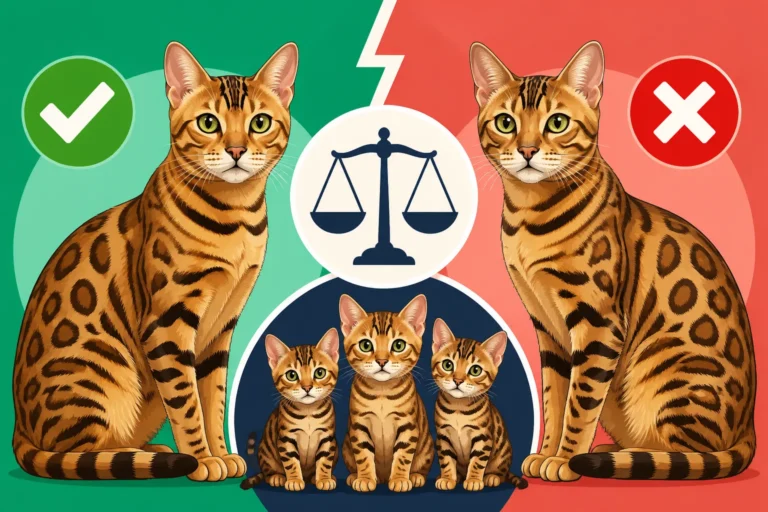
If a cat inherits only one copy of the defective gene and one normal copy, they become a "carrier." These carriers don't show any symptoms of PK Deficiency because their single normal gene produces enough of the enzyme for their red blood cells to function properly. They live perfectly healthy lives, seemingly unaffected. However, if two carriers are bred together, there's a 25% chance with each kitten that it will inherit two copies of the defective gene and thus be affected by PK Deficiency. There's also a 50% chance it will be a carrier, and a 25% chance it will be completely clear. This is why understanding genetics is so important for responsible breeders, as How Many Bengal Cats Carry PK Deficiency is a significant concern for the breed's overall health.
Reputable Bengal cat breeders will typically screen their breeding cats for the PK Deficiency gene to prevent producing affected kittens. This involves a simple DNA test, often done via a cheek swab. Knowing which gene causes PRA-b in a Bengal cat or how many Bengal cats carry PK Deficiency, for instance, helps breeders make informed decisions to safeguard the health of future generations.
Recognizing the Signs and Diagnosing PK Deficiency
One of the trickiest aspects of PK Deficiency is that its symptoms can be quite subtle initially, and then suddenly severe. It's not always a straightforward path, and many owners might miss the early indicators, attributing them to general lethargy or simply a "bad day."
Early and Intermittent Symptoms
The age PK Deficiency shows in a Bengal cat can vary quite a bit, but often symptoms begin to appear between 6 months and 5 years of age. However, some cats may not show signs until much later, or they might have such mild symptoms that they go unnoticed. The most common and defining characteristic is anemia, which can manifest in several ways:
- Lethargy and Weakness: Your normally energetic Bengal might seem unusually tired, less interested in play, or simply sleep more than usual. This is a common sign a Bengal cat is anemic.
- Pale Mucous Membranes: This is often one of the clearest physical indicators. Check their gums; instead of a healthy pink, they might appear very pale, almost white. This is why a PK deficient Bengal cat's gums look pale. The conjunctiva of their eyes (the membrane inside the lower eyelid) might also look pale.
- Loss of Appetite: Anemic cats often feel unwell and may show a decreased interest in food.
- Weight Loss: Over time, if appetite is consistently reduced, weight loss can occur.
- Jaundice: Less common, but sometimes the breakdown of red blood cells can lead to a yellowish tinge in the skin, gums, or eyes, due to bilirubin buildup.
- Spleen Enlargement (Splenomegaly): The spleen is responsible for filtering out old or damaged red blood cells. In PK deficient cats, the spleen can become overworked and noticeably enlarged.
It's important to remember that these symptoms are often episodic. A PK deficient Bengal cat has good days and bad days, meaning your cat might seem perfectly fine for weeks or months, only to suddenly experience a period of severe anemia. This waxing and waning nature can make diagnosis challenging, as a vet might see the cat during a "good" period when bloodwork appears relatively normal.
The Diagnostic Journey
When you notice any of these signs, especially the pale gums or unusual lethargy, a trip to your veterinarian is crucial. They will start with a thorough physical examination and likely recommend some diagnostic tests.
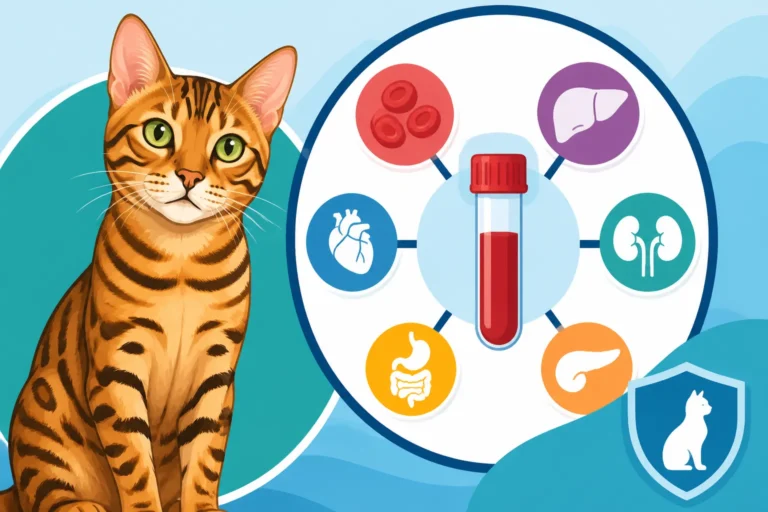
- Complete Blood Count (CBC): This is the first line of defense. A CBC will reveal if your cat is anemic by measuring the number of red blood cells, hemoglobin levels, and other related parameters. However, while a blood test alone diagnoses a Bengal cat's anemia, it doesn't confirm PK Deficiency itself, as anemia can be caused by many things.
- Blood Smear Examination: A closer look at the red blood cells under a microscope can sometimes reveal abnormalities characteristic of hemolytic anemia, such as changes in cell shape or size.
- DNA Test for PK Deficiency: This is the definitive diagnostic tool. A simple cheek swab or blood sample can be sent to a specialized lab to check for the specific genetic mutation responsible for PK Deficiency. This test can identify affected cats, as well as carriers, giving a clear answer. For example, labs like Optimal Selection or Wisdom Panel often offer comprehensive genetic panels for cats, including the PK Deficiency test. This is how a vet confirms PK Deficiency in a Bengal cat with absolute certainty.
Once a diagnosis is confirmed, your vet can then discuss management strategies tailored to your cat's specific needs and the severity of their condition. This genetic knowledge is invaluable for both current care and future breeding decisions.
| Symptom Category | Common Manifestations in PK Deficient Bengals |
|---|---|
| Energy Levels | Lethargy, increased sleeping, reduced playfulness, sudden weakness. |
| Appearance | Pale gums/mucous membranes, jaundice (yellowish skin/eyes), dull coat. |
| Appetite | Decreased interest in food, complete refusal to eat during crises. |
| Weight | Gradual weight loss due to poor appetite. |
| Physical Exam | Enlarged spleen (palpable by vet), increased heart rate, rapid breathing. |
| Behavioral | Hiding, irritability, seeking quiet solitude. |
Managing PK Deficiency and Its Impact on Lifespan
Hearing your Bengal has PK Deficiency can feel like a devastating blow, but it's important to understand that a diagnosis isn't an immediate death sentence. While it's a serious condition that can shorten a cat's life, effective management can significantly improve their quality of life and potentially extend their time with you.
Treatment Options and Supportive Care
Currently, there is no cure for PK Deficiency. The treatment focuses entirely on supportive care and managing the symptoms, particularly the anemia, when it flares up.
- Blood Transfusions: During severe anemic crises, a blood transfusion can be life-saving. This provides the cat with healthy red blood cells, giving their body a chance to recover. While effective, transfusions are not a cure and only provide temporary relief. It’s a critical intervention, but not a routine one, because repeat transfusions can sometimes lead to complications. Understanding whether a PK deficient Bengal cat needs a transfusion is usually decided by the vet based on the severity of the anemia.
- Splenectomy: In some cases, especially if the spleen is severely enlarged and destroying red blood cells at an accelerated rate, surgical removal of the spleen (splenectomy) might be considered. The spleen is a major site for red blood cell destruction, and removing it can sometimes reduce the rate of red blood cell breakdown, thereby lessening the severity of anemia and increasing red blood cell lifespan. However, it's a major surgery with risks, and it doesn't always completely resolve the issue as other organs can take over some of the spleen's functions. Whether a spleen removal helps a Bengal cat is a decision made carefully with your veterinary specialist.
- Medication: While there are no specific medications for PK Deficiency itself, your vet might prescribe corticosteroids to suppress the immune system if there’s an immune-mediated component contributing to red blood cell destruction. Iron supplements are generally not recommended unless a specific iron deficiency is diagnosed, as iron overload can be detrimental.
- Dietary Management: A high-quality, easily digestible diet is important. Some vets might recommend diets rich in antioxidants or supplements like B vitamins to support overall health and red blood cell production, although evidence for their direct impact on PK Deficiency is limited. Keeping your Bengal well-hydrated is also crucial.
- Minimizing Stress: Stress can trigger or worsen anemic episodes. Creating a calm, predictable home environment, providing plenty of enrichment without over-stimulation, and ensuring your cat feels secure can go a long way.
Factors Influencing Lifespan
The lifespan of a PK deficient Bengal cat is highly variable, making it difficult to give a precise number. Some affected cats may unfortunately pass away within a few years of diagnosis due to severe, recurring crises, while others might live into their middle age, or even longer, with careful management. Generally, it's understood that a PK deficient Bengal cat's lifespan is typically shorter than that of an unaffected Bengal, which averages around 12 to 16 years.
Key factors that influence how long a PK deficient Bengal cat lives include:
- Severity of the Disease: Some cats are more severely affected than others, experiencing more frequent and intense anemic episodes.
- Response to Treatment: How well a cat responds to supportive care, such as transfusions or a splenectomy, plays a significant role.
- Proactive Management: Owners who are vigilant about recognizing early signs, seeking prompt veterinary care, and maintaining a low-stress environment tend to see better outcomes.
- Overall Health: Any co-existing health conditions can further complicate the picture and impact prognosis.
- Veterinary Care Access: Regular check-ups with a veterinarian familiar with the condition are essential for monitoring and intervention. It can be a costly journey, and having pet insurance like Healthy Paws can truly alleviate the financial stress, allowing you to focus on getting the best care for your furry friend.
It's a rollercoaster ride, with good days and bad days, as these cats often exhibit periods of seeming health followed by acute crises. The goal is to maximize their comfort and joy during those good days.
Living with a PK Deficient Bengal Cat: Quality of Life and Support
Caring for a Bengal cat with PK Deficiency is a commitment, both emotionally and financially. It means being extra attentive to their needs, understanding their limitations, and celebrating every good day. The focus must always be on maintaining their quality of life.
Ensuring a High Quality of Life
Despite the challenges, many PK deficient Bengal cats can enjoy a good quality of life with dedicated care.
- Regular Veterinary Check-ups: Consistent monitoring is paramount. This allows your vet to track their red blood cell counts, assess their overall health, and intervene quickly if an anemic episode is brewing. These check-ups might be more frequent than for a healthy cat, sometimes every few months, even during periods of stability.
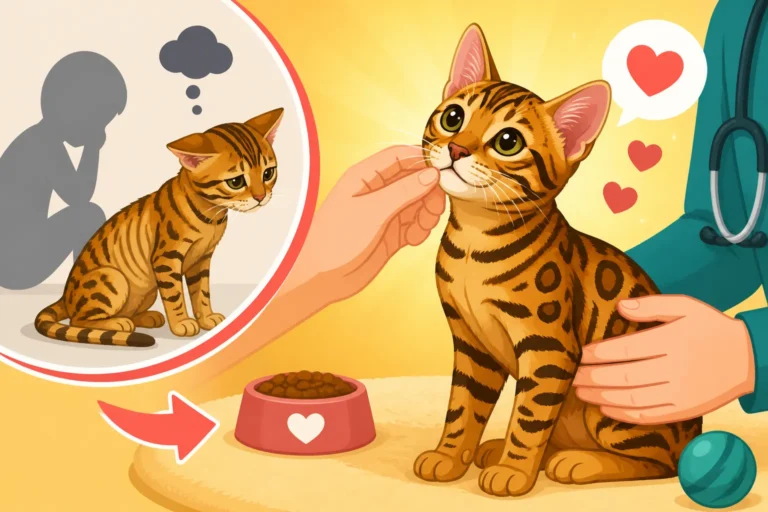
- Observant Ownership: You are your cat's best advocate. Learn to recognize the subtle signs of impending anemia – a slight drop in energy, a paler gum line, a reluctance to play. Early detection can mean quicker intervention and potentially prevent a full-blown crisis. Keep a journal of their energy levels, appetite, and any symptoms to share with your vet.
- Nutrition and Hydration: Ensure they are always eating a high-quality, palatable diet. If they are finicky during anemic periods, work with your vet to find something they will eat. Access to fresh water is also vital; a cat water fountain might encourage them to drink more.
- Enrichment and Play (within limits): Bengals are inherently active and intelligent. While a PK deficient cat might not have the stamina of a healthy one, they still need mental and physical enrichment. Gentle play sessions with wand toys, puzzle feeders, or supervised leash walks (if they enjoy them and are not too anemic) can provide stimulation without overexertion. Ensure they have plenty of vertical space like a sturdy cat tree, even if they can't climb as vigorously as before.
- A Calm Environment: Minimize stressors like loud noises, sudden changes in routine, or aggressive interactions with other pets. Provide safe, quiet spaces where they can retreat and rest undisturbed. A comfortable, warm bed can be a real luxury for an anemic cat who might feel the cold more acutely.
Emotional and Financial Support for Owners
Caring for a cat with a chronic illness can be emotionally draining. It's okay to feel overwhelmed, anxious, or sad.
- Connect with Support Groups: Online forums and social media groups dedicated to Bengal cat health or chronic feline conditions can be invaluable resources. Sharing experiences with others who understand your struggles can provide comfort and practical advice.
- Open Communication with Your Vet: Establish a strong, trusting relationship with your veterinary team. Don't hesitate to ask questions, discuss your concerns, and explore all available options. They are your partners in this journey.
- Financial Planning: Veterinary care for a chronic condition like PK Deficiency can be expensive, especially if multiple transfusions or specialized procedures like splenectomy are needed. This is where pet insurance, such as a comprehensive plan from Healthy Paws, can make a huge difference. By covering a significant portion of unexpected vet bills, it allows you to make treatment decisions based on what's best for your cat, rather than solely on your wallet. For instance, the cost of emergency visits, bloodwork, and potential medications can add up quickly, and having a reliable insurance provider can provide immense peace of mind.
- Self-Care: Remember to take care of yourself too. The emotional toll can be heavy, and you need to recharge to continue providing the best care for your Bengal.
Ultimately, living with a PK deficient Bengal cat means embracing the journey, adapting to their needs, and cherishing the bond you share. While their lifespan might be uncertain, the depth of companionship and love you provide can make every moment count.
Disclaimer
This article provides general information and is not a substitute for professional veterinary advice. If your Bengal cat is showing any signs of illness or you suspect they may have PK Deficiency, please consult with a qualified veterinarian immediately for accurate diagnosis and a personalized treatment plan.