Whether an Owner Should PK Test an Adult Bengal Cat
It’s a common worry for many Bengal cat parents: you’ve brought this magnificent, energetic creature into your home, perhaps as a kitten, and now they’re growing up. You might have heard whispers or read about inherited health issues, and suddenly you’re wondering if you should be testing your adult Bengal for everything under the sun, particularly conditions like Pyruvate Kinase Deficiency (PKD). This guide is here to help you navigate the often confusing world of genetic testing, specifically focusing on whether PK testing is a worthwhile step for your mature Bengal.
Understanding Pyruvate Kinase Deficiency in Bengal Cats
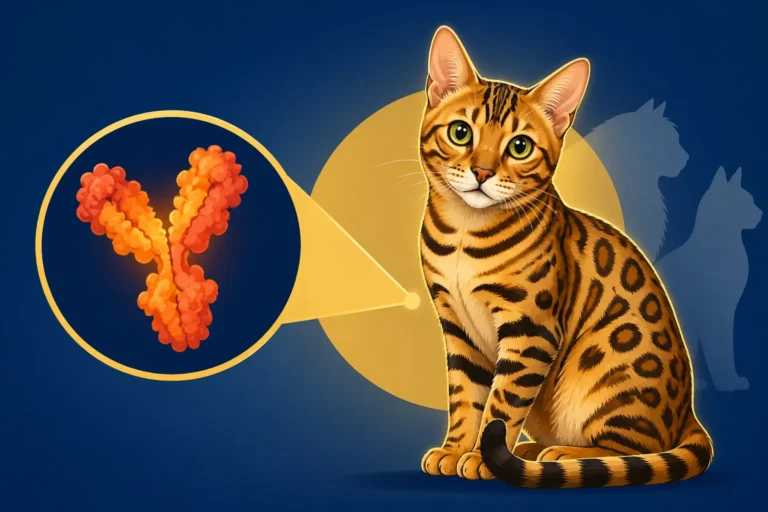
PK Deficiency can sound like a really scary, complicated medical term, and honestly, it is. But let's break it down into what it actually means for your beloved Bengal cat. This is an inherited metabolic disorder that affects the red blood cells, causing them to break down prematurely. When red blood cells, which are vital for carrying oxygen throughout the body, are destroyed too quickly, it leads to anemia.
This isn't just any anemia; it's a chronic, often intermittent, and sometimes severe form called hemolytic anemia. Imagine your cat feeling constantly tired, sluggish, and just not themselves. That's the reality for many cats with this condition. The severity can vary wildly, with some cats experiencing only mild symptoms and living relatively normal lives, while others suffer from severe, life-threatening episodes. It’s definitely something that can impact The Twelve to Sixteen Years a Bengal Cat Gets if not managed.
The frustrating part is that the disease can manifest at any age, though it most commonly appears in young to middle-aged cats, usually between 6 months and 5 years old. This means that even if your Bengal cat has sailed through their kittenhood and early adult years without a hitch, the possibility of symptoms emerging later isn't entirely off the table. Owners might notice signs like lethargy, pale gums – a clear indicator of anemia – or even a distended abdomen due to an enlarged spleen, which is working overtime to remove damaged red blood cells.
How PK Deficiency is Inherited
The way PK Deficiency is passed down through Bengal cat families is pretty straightforward, but it's crucial to understand why it’s such a concern for breeders and owners alike. It’s an autosomal recessive genetic disorder. This means a cat must inherit two copies of the defective gene – one from each parent – to actually develop the disease. If your Bengal inherits only one copy of the defective gene and one normal gene, they won’t get sick. Instead, they become a "carrier."
A carrier cat is completely healthy and shows no symptoms of PK Deficiency whatsoever. They live full, normal lives without ever realizing they carry this genetic secret. The catch, however, is that if two carrier Bengal cats are bred together, there's a 25% chance with each kitten that it will inherit two copies of the faulty gene and thus be affected by the disease. There’s also a 50% chance they’ll be carriers themselves, and a 25% chance they’ll be completely clear. This is why responsible breeders are so diligent about testing their breeding cats, to avoid producing affected kittens.
It's a stark reminder that even with seemingly healthy parents, underlying genetic factors can pop up. This genetic quirk means that How Many Bengal Cats Carry PK Deficiency is a significant statistic within the breed, making testing a vital tool for preventing the spread of the disease. Knowing your cat’s status, even if they’re just a pet, can be incredibly empowering.
The PK Deficiency DNA Test: What it Reveals
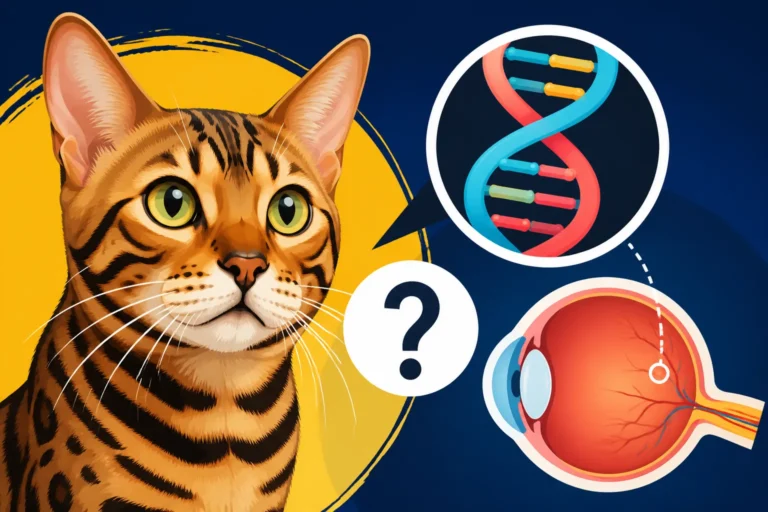
The good news is that there's a very reliable DNA test available for PK Deficiency. Unlike some other health concerns where diagnosis can be a long, drawn-out process of elimination, this one gets right to the genetic heart of the matter. It’s a simple, non-invasive test that can be performed at any age, and it’s the gold standard for determining your Bengal cat's genetic status regarding PK Deficiency.
You might be wondering what exactly this test involves. Typically, it’s done using a buccal swab – essentially, a glorified Q-tip rubbed inside your cat’s cheek to collect some cells. This means no stressful vet visits for blood draws, no sedation, just a quick swab at home or during a routine check-up. The sample is then sent to a specialized veterinary genetics lab for analysis. The results will typically tell you one of three things about your Bengal:
- N/N (Normal/Clear): Your cat does not have the defective gene and cannot pass it on to any offspring.
- N/K (Carrier): Your cat carries one copy of the defective gene but will not develop the disease. They can, however, pass it on to their offspring if bred. Whether a PK Carrier Bengal Cat Gets Sick is a common question, and the answer is usually no.
- K/K (Affected): Your cat has two copies of the defective gene and is, or will be, affected by PK Deficiency.
These results are incredibly definitive. There’s no ambiguity. This clarity is why the DNA test is so valuable, providing a clear picture of your cat's genetic makeup and helping you make informed decisions about their health and future.
Why Test an Adult Bengal Cat?
Okay, so the test is easy and informative, but why bother with an adult Bengal cat, especially if they’ve never shown symptoms and aren't intended for breeding? This is where the decision gets a bit more personal, and there are several compelling reasons why an owner might choose to test their adult Bengal, even a beloved pet.
Firstly, if your adult Bengal starts to exhibit vague symptoms like intermittent lethargy, weakness, or unexplained pale gums, and other common causes have been ruled out, a PK Deficiency test can provide a definitive diagnosis. Imagine the frustration of countless vet visits, blood tests, and expensive procedures, only to be left without a clear answer. Knowing your cat’s genetic status can quickly guide your vet toward appropriate diagnostics or management strategies if symptoms appear. PK Deficiency can explain Signs a Bengal Cat Has Hemolytic Anemia, which is crucial information for a veterinarian.
Secondly, you might have adopted your Bengal from a rescue or a situation where their full genetic history isn't known. Many excellent Bengals come from less-than-ideal breeding backgrounds, or their original owners might not have kept proper records. In such cases, testing your adult cat fills in a significant knowledge gap, giving you peace of mind or, if they are a carrier or affected, allowing you to prepare for potential future health challenges.
Finally, while your cat might be an adult and not currently showing signs, being identified as a carrier could be invaluable if you ever consider breeding them (though this is less common for pet owners, it's a consideration for those who might acquire a breeding quality cat) or if your cat accidentally breeds. Even for non-breeding pets, knowing they are a carrier helps to understand the breed's genetic landscape.
Deciding on PK Testing for Your Adult Bengal Cat
The decision to PK test an adult Bengal cat isn't always straightforward. While the test itself is simple, the implications can be significant, ranging from peace of mind to potential long-term care planning. There are definite advantages and some considerations you'll want to weigh.
The Benefits of Knowing Your Bengal's PK Status
Let’s be honest, we all want to do the best for our pets, and knowledge is power, especially when it comes to health. Testing your adult Bengal for PK Deficiency offers several key advantages that can genuinely improve their well-being and your peace of mind.
Firstly, it provides invaluable prognostic information. If your cat tests K/K (affected), you’ll know they are predisposed to the disease. This means you can be more vigilant for The Age PK Deficiency Shows in a Bengal Cat and any emerging symptoms, allowing for earlier intervention. For instance, if your cat seems unusually tired or their gums look a little pale, you'll know to mention their PK status to your vet immediately. This proactive approach can significantly influence their quality of life. Veterinary care, especially for chronic conditions, can become quite expensive. Having pet insurance like that offered by Healthy Paws might be a smart financial decision, especially if you uncover a genetic predisposition.
Secondly, it helps your veterinarian. If your cat is ever facing an unexplained health issue, particularly one involving anemia, your vet won't be grasping at straws. They can immediately factor in the PK Deficiency status, potentially saving time and money on unnecessary diagnostic tests. This streamlined approach means your cat gets the most targeted care faster, which is always a good thing.
Thirdly, for carriers (N/K), while they won't develop the disease, knowing their status is still helpful. It confirms they are healthy and gives you a deeper understanding of their genetic makeup. This is especially useful if, for some reason, your cat's genetics are ever part of a larger family tree or breed health discussion.
Lastly, and perhaps most importantly, knowing can save lives. Early diagnosis or even just awareness of a genetic predisposition allows for better management. Owners can work with their vets to monitor their cat's red blood cell count, adjust diet, and be prepared for potential crises. Some affected cats might require medications or, in severe cases, even blood transfusions. Understanding How a Bengal Cat With PK Deficiency Is Treated becomes much more manageable when you know what you're up against.
When Testing Might Be Less Critical
While there are clear benefits, not every adult Bengal cat must be PK tested. There are scenarios where the necessity is reduced, and you might decide it’s not the right step for your family and your cat.
If you purchased your Bengal cat from a reputable breeder who provided verifiable health clearances for both parents, including PK Deficiency testing, then your adult cat's status is likely already known. Many responsible breeders will ensure that at least one parent is clear (N/N) before breeding, meaning no affected kittens can be produced. They will often provide you with a certificate for your kitten indicating their projected or actual PK status, whether clear or carrier. If you have these records, testing your adult cat again for PK Deficiency is generally redundant. Always remember to ask Which Questions to Ask a Bengal Cat Breeder when considering a kitten.
Another scenario where testing might be less critical is if your Bengal cat is already quite elderly, has lived a long, healthy life without any signs of anemia, and you have no intention of breeding them. While PK Deficiency can manifest at later ages, it's less common than in younger cats. If they've reached, say, ten years old without any indicators, the likelihood of a sudden, severe onset is reduced, though not impossible. However, even for older cats, it can sometimes be part of a general health workup, especially when managing Caring for a Bengal Cat Past Ten and its associated health changes.
Finally, some owners might simply prefer not to know if their cat is a carrier if it won't impact their cat's health directly. For some, the potential for anxiety or worry about a "what if" scenario might outweigh the benefits of early genetic information if their cat is currently healthy. This is a personal choice, and there's no right or wrong answer, as long as your cat's well-being remains the priority.
Managing Life with a PK Deficient or Carrier Bengal Cat
Regardless of when you test your adult Bengal cat, or what the results reveal, understanding how to manage their health going forward is paramount. Knowledge truly is power here, allowing you to give your beloved companion the best possible care.
Living with an Affected Bengal Cat (K/K)
If your adult Bengal tests K/K, meaning they are affected by PK Deficiency, it can feel like a punch to the gut. It's natural to worry about their future and what this means for their lifespan. The truth is, it varies greatly. Some affected cats experience mild, intermittent anemia and live relatively normal lives, while others can suffer severe, life-threatening crises. However, with careful monitoring and proactive veterinary care, these cats can still have good quality lives.
The key is vigilance. You'll need to work closely with your veterinarian to establish a monitoring plan. This often involves regular blood tests to check their red blood cell count and overall health. Watch for signs of anemia, such as lethargy, weakness, reduced appetite, or unusually pale gums and tongue. If you notice any of these, contact your vet immediately. In some severe episodes, a blood transfusion might be necessary to stabilize your cat. Thankfully, advances in veterinary medicine mean that Whether a PK Deficient Bengal Cat Needs a Transfusion is a treatable scenario, offering affected cats a second chance during crises.
While there's no cure for PK Deficiency, symptomatic treatment focuses on managing the anemia and its complications. This might include corticosteroids to suppress the immune system if it's contributing to red blood cell destruction, or medications to support red blood cell production. Dietary changes, like ensuring a highly nutritious and easily digestible diet, can also be beneficial. It's a journey, but one you don't have to walk alone. Your vet team will be your greatest allies in keeping your affected Bengal comfortable and happy. Having a comprehensive pet insurance plan from a provider like Healthy Paws can really ease the financial burden of managing a chronic condition like PK Deficiency.
What About Carrier Bengal Cats (N/K)?
For adult Bengal cats identified as carriers (N/K), the good news is simple: they will not develop PK Deficiency themselves. They are perfectly healthy cats, and you don’t need to worry about them getting sick from this specific genetic condition. This offers a huge sense of relief for many owners who might have been concerned about their cat's unexplained family history.
The primary implication for a carrier cat arises if they are used for breeding. Since they carry one copy of the defective gene, they can pass it on to their offspring. If a carrier cat is bred with another carrier, there's a risk of producing affected kittens. This is why responsible breeding programs diligently test all breeding stock and avoid pairing two carriers. However, if your carrier Bengal is a beloved pet and not intended for breeding, their carrier status has no impact on their health or daily life. They can continue to thrive, play, and enjoy being a Bengal cat without any special considerations related to PK Deficiency.
This knowledge, even for a pet, can be very reassuring. It clears up any lingering questions about their genetic health and allows you to focus on other aspects of their overall wellness, like ensuring they get enough enrichment or the right diet for a What a Muscular Bengal Cat Should Weigh. Understanding their full genetic profile, even for a healthy carrier, can also be a valuable part of their veterinary record, providing a comprehensive picture of their health.
The Broader Impact on Bengal Cat Health
Beyond your individual cat, understanding PK Deficiency in the Bengal breed contributes to the overall health of future generations. Every owner who tests their cat, whether a pet or breeding animal, helps build a clearer picture of the prevalence of genetic conditions within the breed. This collective effort informs breeders and geneticists, helping them to develop better strategies for reducing the incidence of inherited diseases.
For instance, if you happen to discover your pet Bengal is a carrier and their breeder was unaware, sharing this information (if you feel comfortable) can allow the breeder to adjust their program and prevent future affected litters. It's all part of the continuous effort to ensure that Whether the Bengal Cat Is a Healthy Breed remains true for as many cats as possible. Support for advanced veterinary diagnostics and treatments, often supported by pet insurance providers like Healthy Paws, also plays a critical role in managing these conditions across the entire breed.
| PK Deficiency Test Result | What it Means for Your Adult Bengal | Actionable Steps for Owners |
|---|---|---|
| N/N (Normal/Clear) | Your cat does not have the gene and cannot develop PK Deficiency. No risk to offspring. | Peace of mind. Continue routine care. |
| N/K (Carrier) | Your cat carries one gene but will not get sick. Can pass the gene to offspring. | Peace of mind regarding their health. Avoid breeding with another carrier if applicable. |
| K/K (Affected) | Your cat has two copies of the gene and is at risk or already suffering from PK Deficiency. | Work closely with your vet for monitoring and management of anemia. Be vigilant for symptoms. Consider pet insurance. |
Knowing your Bengal cat's PK status, even as an adult, is a powerful tool in their long-term health plan. It empowers you to be a more informed and proactive pet parent, ensuring your stunning Bengal cat enjoys the healthiest, happiest life possible.
Disclaimer
This article is intended for informational purposes only and does not constitute veterinary advice. Always consult with a qualified veterinarian for any health concerns or before making decisions about your pet's medical care. Genetic testing is a valuable tool, but it should be interpreted in conjunction with a complete veterinary examination and medical history.