How Many Bengal Cats Carry PK Deficiency
Finding out your beloved Bengal cat, or a prospective kitten, might carry a hidden genetic health issue like Pyruvate Kinase Deficiency (PKD) can feel like a punch to the gut. It's a genuine worry for many owners and breeders alike, trying to navigate the complexities of feline genetics to ensure the health and longevity of these magnificent animals. This comprehensive guide aims to demystify PK Deficiency in Bengal cats, focusing specifically on how prevalent carriers are in the breed, what it means for your cat, and how responsible practices can mitigate its impact.
Understanding Pyruvate Kinase Deficiency in Bengal Cats
Pyruvate Kinase Deficiency (PKD) is one of those silent threats that can lurk in a breed's genetic makeup, causing a lot of heartache if not properly understood and managed. For Bengal cat owners, it's crucial to grasp what this condition is, how it affects their cats, and why it’s something responsible breeders test for. It's not always obvious, and that's what makes it so insidious – a cat can carry the gene without ever showing a single symptom.
What PK Deficiency Actually Does to a Bengal Cat
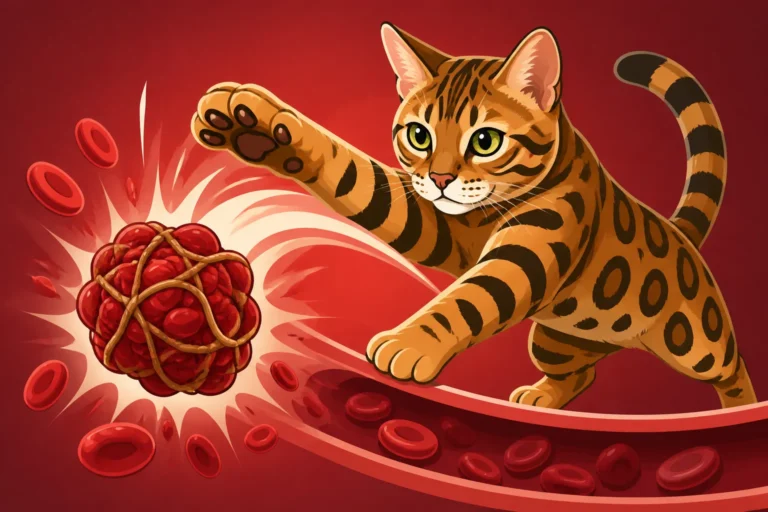
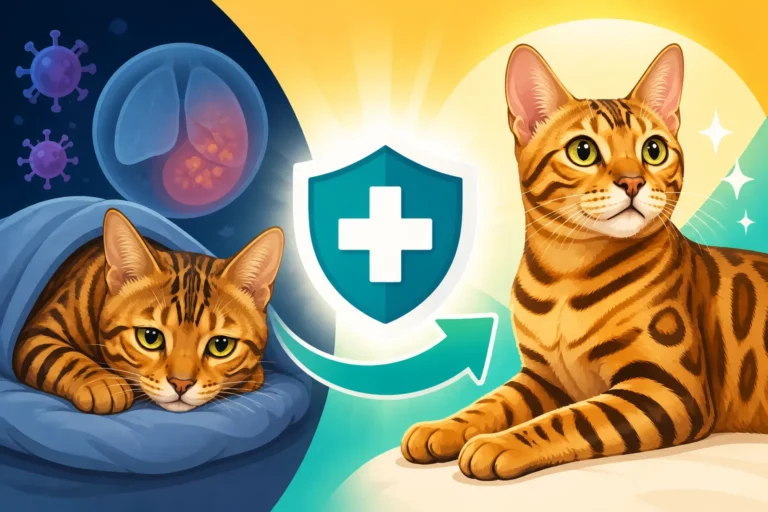
At its core, Pyruvate Kinase Deficiency is a genetic disorder that affects a cat's red blood cells. Think of pyruvate kinase as a tiny, essential enzyme that helps red blood cells produce energy. Without enough of this enzyme, these vital cells become unstable and are destroyed prematurely in the body. This process leads to a type of anemia called hemolytic anemia. The body simply can't replace the red blood cells fast enough, resulting in a chronic, sometimes intermittent, struggle for the cat.
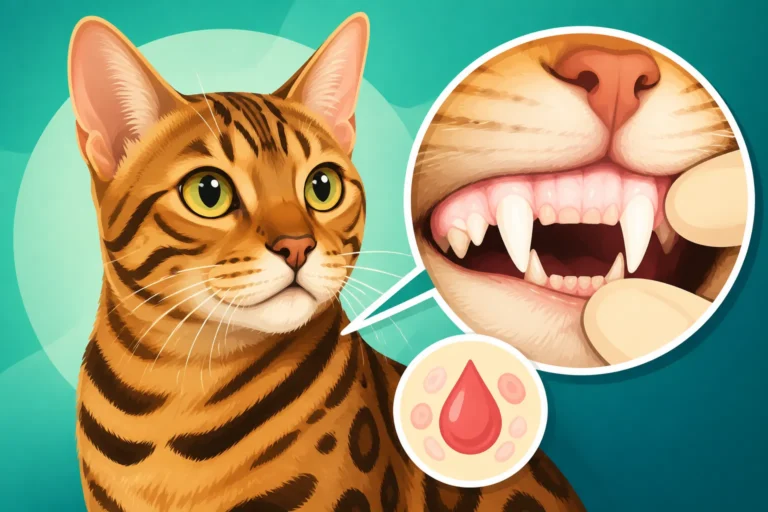
The symptoms can vary widely in severity and onset. Some cats might show signs very young, while others might not present until middle age. Common signs include lethargy, exercise intolerance, loss of appetite, weight loss, and pale gums due to the anemia. Imagine your usually energetic Bengal, who loves to play and explore, suddenly seeming tired after just a few minutes of activity. That drastic change in energy could be a red flag. In severe cases, you might even notice a yellowish tinge to their skin or eyes, indicating jaundice, as the body struggles to process the breakdown products of red blood cells. The course of the disease can be unpredictable; some cats experience "good days and bad," with periods of relative health interspersed with acute anemic crises. If you’re seeing any of these signs, it's vital to get your vet involved quickly to investigate what's going on, especially if you know your Bengal is a carrier. You can learn more about What PK Deficiency Does to a Bengal Cat and its clinical manifestations.
The Genetic Mechanism Behind PK Deficiency
PK Deficiency is an autosomal recessive inherited disorder. This means a cat must inherit two copies of the defective gene—one from each parent—to actually develop the disease. If a cat inherits only one copy of the defective gene and one normal copy, they become a "carrier." These carriers usually do not show any symptoms of the disease themselves because the single healthy gene copy produces enough enzyme for normal red blood cell function. They appear completely healthy and lead normal lives, which is precisely why the gene can quietly spread through a breed without anyone realizing it until an affected kitten is born.
The inheritance pattern is straightforward:
- Clear + Clear = All Clear kittens. No carriers, no affected cats.
- Clear + Carrier = 50% Clear, 50% Carrier kittens. No affected cats.
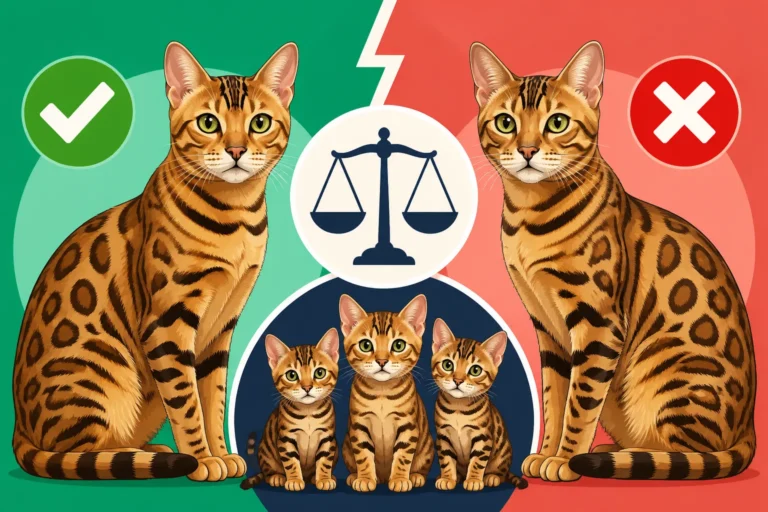
- Carrier + Carrier = 25% Clear, 50% Carrier, 25% Affected kittens. This is where the problem arises. Two seemingly healthy carriers can produce kittens that will suffer from PK Deficiency.
- Clear + Affected = All Carrier kittens.
- Carrier + Affected = 50% Carrier, 50% Affected kittens.
- Affected + Affected = All Affected kittens.
Understanding this mechanism is absolutely vital for breeders who are committed to producing healthy Bengal cats. Testing breeding cats for their PK Deficiency status is the only way to prevent inadvertently producing affected kittens. It’s a simple genetic principle, but its implications for a cat's health are profound.
Unpacking the Prevalence of PK Deficiency Carriers
One of the most common questions from prospective Bengal owners and even seasoned enthusiasts is, "Just how common is this gene in the breed?" It's a valid concern, and knowing the statistics helps put the risk into perspective. While Bengal cats are generally considered a robust and active breed, they, like many purebreds, do have specific genetic predispositions that warrant attention.
How Many Bengal Cats Carry PK Deficiency
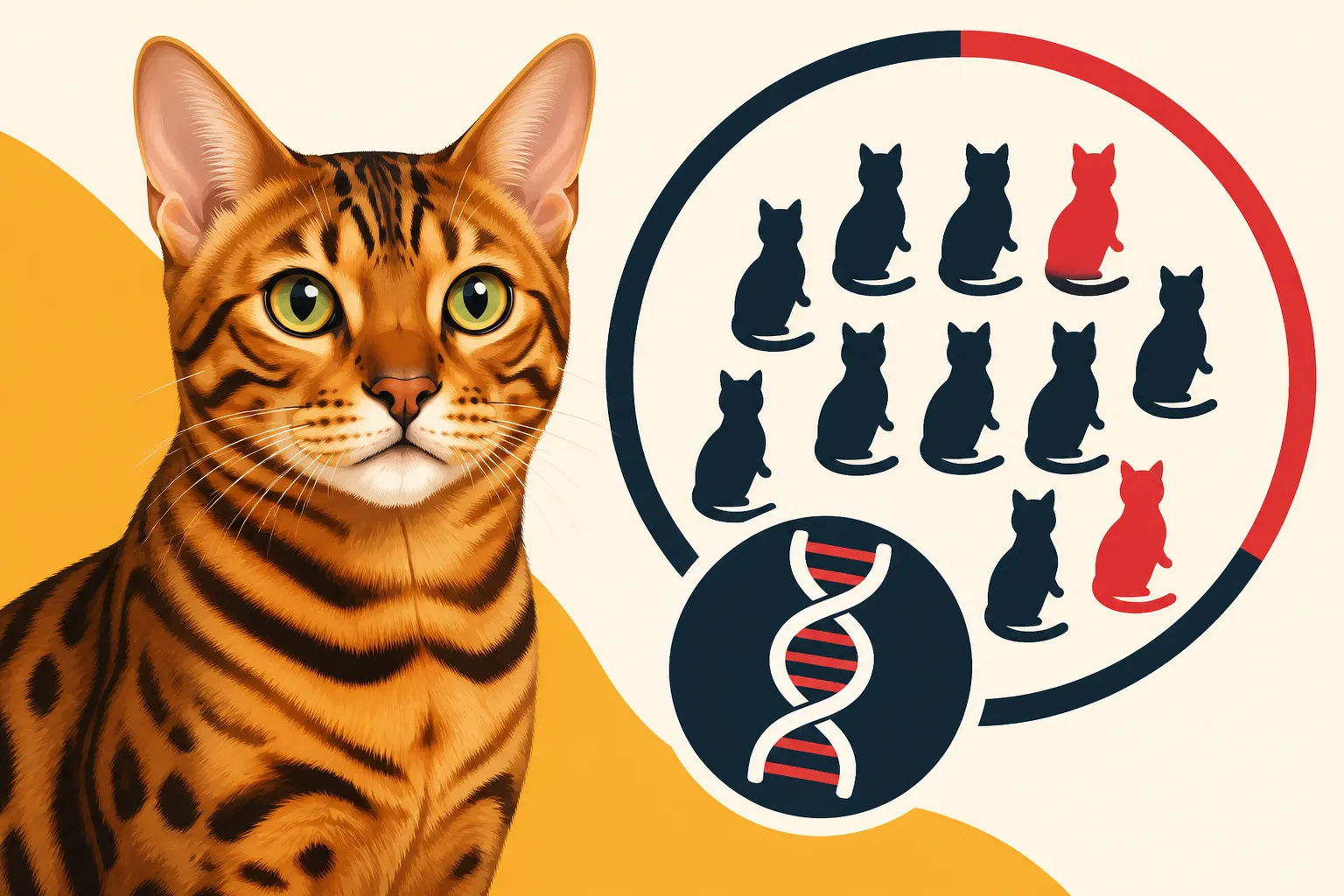
Current research and genetic testing data indicate that the carrier rate for PK Deficiency in the Bengal cat population is significant enough to warrant universal testing for breeding animals. While exact figures can fluctuate depending on the specific study or laboratory, estimates suggest that around 10-20% of Bengal cats are carriers for the PK Deficiency gene. Some older studies or general breed information might even quote slightly higher numbers, but staying within this 10-20% range gives us a good contemporary estimate based on widespread testing. This means that roughly one in every five to ten Bengals could unknowingly be carrying this gene.
This prevalence isn't unique to Bengal cats; the mutation for PK Deficiency is also found in several other breeds, including Abyssinians, Somali, Egyptian Maus, and LaPerms. However, because Bengals have seen a surge in popularity, and breeders are diligent about health testing, we have more robust data for them. This carrier rate highlights why relying solely on a cat's apparent health isn't enough when it comes to breeding. A healthy-looking carrier can still pass on the gene, eventually leading to affected kittens if bred with another carrier. This makes responsible breeding practices, and the willingness of breeders to share test results, absolutely critical. If you're wondering How Many Bengal Cats Carry PK Deficiency, the answer is enough to make proactive testing a necessity.
The Importance of Genetic Testing and Transparency
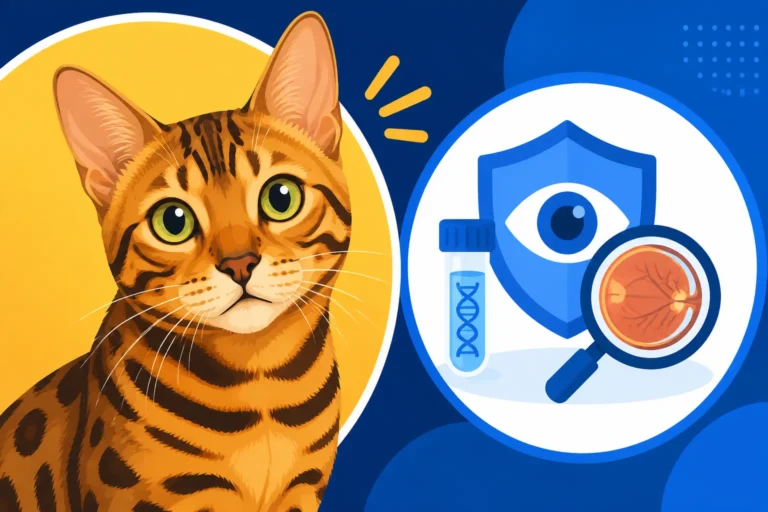
Given the substantial carrier rate, genetic testing for PK Deficiency is not just recommended; it's practically a moral obligation for any Bengal cat breeder. A simple cheek swab can be sent to a specialized laboratory, like UC Davis or Wisdom Panel, to determine a cat's genetic status: clear, carrier, or affected. This test is highly accurate and provides definitive answers, taking away the guesswork.
Transparency from breeders is paramount. When looking for a Bengal kitten, reputable breeders will readily provide documentation of both parents' PK Deficiency test results. They should be able to show certificates proving that their breeding cats are either "clear" or, if they are carriers, that they are only ever bred with "clear" mates to ensure no affected kittens are produced. A breeder who hesitates to show these records, or claims testing isn't necessary, should raise a serious red flag. Don't be shy about asking to see the actual certificates; a photo of a piece of paper isn't enough, you want the official lab result. This kind of due diligence helps you bring home a healthy kitten and supports ethical breeding practices within the Bengal community. The cost of such a test is minimal compared to the potential heartbreak and vet bills associated with an affected kitten. For more on this, consider researching What a Bengal Cat's DNA Panel Costs.
Mitigating Risk Through Responsible Breeding Practices
Knowing the statistics and the inheritance pattern empowers us to make better decisions. For breeders, this translates into stringent testing protocols and careful mating choices. For prospective owners, it means knowing what questions to ask and what documentation to expect.
Preventing the Birth of Affected Bengal Kittens
The primary goal of responsible breeding, when it comes to genetic diseases like PK Deficiency, is to prevent the birth of affected kittens. This is entirely achievable through DNA testing. If a breeder has a carrier cat, they can still responsibly breed that cat, but only if they mate it with a cat that has tested clear. In such a pairing, all kittens will either be clear or carriers, but none will be affected by the disease. This allows valuable genetic lines to continue without producing suffering animals.
A truly responsible breeder goes beyond simply preventing affected kittens. They aim to reduce the carrier rate within their lines over time. This might involve carefully selecting future breeding cats from litters with known carrier parents, prioritizing clear offspring, or making decisions about retiring a carrier from the breeding program once suitable clear replacements are established. It's a long-term commitment to the health of the breed, not just a quick fix. Choosing a Bengal kitten from a breeder who adheres to these high standards is one of the best ways to ensure you're getting a healthy companion. The commitment to health testing goes beyond PK Deficiency; a good breeder will also test for other significant conditions. This article on What a Bengal Cat Breeder Should Have Tested delves deeper into these necessary health screenings.
The Role of Health Certifications and Pedigrees
Health certifications and pedigrees aren't just fancy pieces of paper; they are tangible proof of a breeder's dedication and a cat's genetic lineage. For PK Deficiency, a certified DNA test result from a reputable laboratory like those mentioned earlier is the gold standard. These results explicitly state whether a cat is N/N (Clear), N/PK (Carrier), or PK/PK (Affected).
When you receive a kitten's pedigree, you should be able to trace back generations, and a transparent breeder will have health testing information available for the direct parents and, ideally, grandparents. This isn't just about showing off; it's about providing a clear health history. This is particularly important for conditions like HCM, where there is currently no gene test, and breeders must show regular echocardiograms. An article such as Why a Bengal Cat Breeder Must Show an Echo, Not a Gene Test helps highlight the nuance of different health tests. Good breeders use this information to make informed decisions that safeguard the future health of the breed. It also offers peace of mind to buyers, knowing that their kitten's genetic background has been carefully considered.
| PK Deficiency Genetic Status | Description | Risk of Developing Disease | Breeding Recommendations |
|---|---|---|---|
| N/N (Clear) | Inherited two normal genes. | None | Can be bred with N/N, N/PK, or PK/PK mates. |
| N/PK (Carrier) | Inherited one normal and one mutated gene. | None | Can be bred with N/N mates only to avoid affected offspring. |
| PK/PK (Affected) | Inherited two mutated genes. | High | Should not be bred. May develop severe anemia. |
Caring for a Bengal Cat with PK Deficiency or as a Carrier
Whether you're dealing with a carrier or, in rare cases, an affected Bengal, understanding the implications for their daily life and health management is key. Even if your cat is simply a carrier, it’s good to be aware, and if they are affected, proactive care is paramount.
Supporting an Affected Bengal Cat
If a Bengal cat is unfortunately diagnosed as affected (PK/PK), their care will revolve around managing the chronic hemolytic anemia. This can be a challenging journey, as there is currently no cure for PK Deficiency itself, only symptomatic treatment. Affected cats might experience periods of remission and relapse. Veterinary care typically focuses on supportive measures such as managing anemia with medications like corticosteroids, which suppress the immune system's destruction of red blood cells. In severe crises, blood transfusions might be necessary to stabilize the cat. The aim is to improve their quality of life and prolong their lifespan as much as possible.
Regular veterinary check-ups are crucial to monitor their red blood cell count and overall health. Owners will need to be vigilant for signs of worsening anemia, such as increased lethargy, extreme paleness of gums, or rapid breathing. Nutritional support, a stress-free environment, and limiting strenuous activity are also important aspects of their care. While it can be a demanding situation, many affected cats, with dedicated care, can still live for several years, enjoying periods of good health. Knowing How a Bengal Cat With PK Deficiency Is Treated can help prepare you for what might be involved.
What it Means to Own a PK Deficiency Carrier
For the vast majority of owners whose Bengals are found to be PK Deficiency carriers (N/PK), it usually means very little in terms of their cat's health. As mentioned, carriers typically do not develop the disease themselves because their single healthy gene produces enough pyruvate kinase. They lead perfectly normal, active lives, just like any other healthy Bengal cat. So, if you've adopted a carrier Bengal as a pet, there's generally no need for special medical care or concerns about their well-being related to PK Deficiency. This is good news, as many prospective owners might worry if they discover their pet is a carrier after adoption. The key distinction, as emphasized earlier, is between carrying the gene and being affected by the disease. You can explore Whether a PK Carrier Bengal Cat Gets Sick for further reassurance.
The main implication of owning a carrier Bengal is a responsibility, if you ever considered breeding, to ensure they are only bred with clear mates. However, for a pet Bengal, this isn't a concern since they should be spayed or neutered anyway. It's always a good idea to inform your veterinarian of your cat's carrier status, just to keep it in their records, but it's unlikely to impact routine care. When it comes to managing potential health issues, many pet insurance providers like Healthy Paws offer comprehensive plans that can cover a wide range of unexpected illnesses or accidents, providing peace of mind regardless of carrier status. Knowing your cat's genetic background is valuable information, allowing you to be proactive and informed about their overall health picture.
Financial and Emotional Considerations
Bringing a Bengal cat into your life is a significant commitment, both emotionally and financially. Understanding the potential costs associated with genetic health conditions like PK Deficiency, whether for testing or treatment, is a crucial part of responsible pet ownership.
The Cost of Genetic Testing and Care
Initially, the cost of genetic testing for PK Deficiency is relatively low, typically ranging from $40 to $80 per cat, often included as part of a larger genetic health panel. This small investment upfront can save thousands of dollars and immense emotional distress down the line by preventing the birth of affected kittens. For a comprehensive overview of various tests, refer to Which Tests the Bengal Cat Health Panel Covers. Reputable breeders absorb these costs, and it's reflected in the price of a healthy, well-vetted kitten.
However, if an affected cat does slip through and is diagnosed, the financial burden can become substantial. Treatment for chronic anemia often involves ongoing medication, frequent veterinary visits, blood work, and potentially emergency transfusions. These costs can quickly accumulate, easily reaching hundreds to thousands of dollars over an affected cat's lifetime. Medications like corticosteroids can run $50-$100 per month, and a single blood transfusion can cost upwards of $500 to $1,500, depending on your location and the veterinary clinic. This is where pet insurance, such as plans from Healthy Paws, can be an invaluable asset, helping to offset the significant veterinary expenses associated with managing chronic conditions. While no one wants to imagine their pet falling ill, being prepared for potential costs is a smart move for any Bengal owner.
The Emotional Impact on Owners
Beyond the financial strain, the emotional toll of caring for a cat with a chronic, life-limiting condition like PK Deficiency can be immense. Owners often describe a rollercoaster of emotions, from the initial shock of diagnosis to the daily worries about their cat's health, the fear of relapses, and the heartbreak of watching their beloved companion struggle. The unpredictable nature of the disease, with good days and bad, can also be particularly challenging, making it difficult to plan or even fully relax.
However, for those with carrier cats, the emotional impact is thankfully much lighter. Knowing your cat is a carrier often brings initial concern, but once you understand that they themselves won't get sick, that worry usually subsides. Instead, it becomes a point of awareness. This awareness can actually foster a deeper bond, as you become more attuned to your cat's general health, appreciating their vibrancy even more. It reinforces the importance of supporting ethical breeders and advocating for widespread genetic testing to prevent future suffering. Ultimately, the more informed we are, the better we can care for our Bengal cats, supporting their health and enjoying their incredible companionship. The commitment to The Twelve to Sixteen Years a Bengal Cat Gets is a significant one, and managing health concerns plays a big part in honoring that commitment.
Disclaimer
This article provides general information and is not a substitute for professional veterinary advice. Always consult with a qualified veterinarian for any health concerns or before making any decisions about your Bengal cat's care or breeding.