How Long a Clear Bengal Cat Echo Is Good For
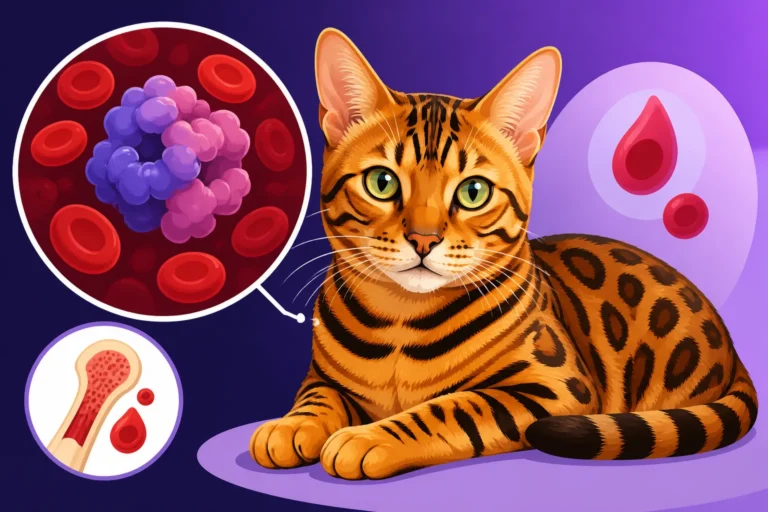
It’s a heartbreaking reality for many Bengal cat owners: the constant worry about hypertrophic cardiomyopathy (HCM). You bring home this beautiful, active, wild-looking companion, only to discover there's a silent threat lurking that can cut their vibrant lives short. Getting that first clear echocardiogram (echo) is a massive relief, but then the question immediately arises: how long does this peace of mind last? You want to know, truly, how long a clear Bengal cat echo is good for, and what steps you need to take to stay ahead of this devastating disease.
Understanding HCM and Why Echos Are Crucial for Bengal Cats
Hypertrophic cardiomyopathy is a scary term, but understanding it is the first step in protecting your beloved Bengal. It’s a common heart condition in felines, and unfortunately, Bengals are disproportionately affected compared to many other breeds. The insidious nature of HCM means that a cat can appear completely healthy one day and be in serious distress the next.
What HCM Does to a Bengal Cat's Heart
HCM is characterized by a thickening of the heart muscle, specifically the walls of the left ventricle, which is the main pumping chamber of the heart. This thickening makes it harder for the heart to pump blood effectively and to relax and fill with blood between beats. Think of it like a muscle-bound bodybuilder whose muscles have gotten so big they can no longer move freely. In a Bengal cat with HCM, this thickened muscle reduces the heart's capacity, leading to potential blood clots, congestive heart failure, and sudden cardiac death. The scary part is that it often progresses without any outward Signs a Bengal Cat Has Heart Disease until it's quite advanced. It's truly what many consider to be a silent killer among Bengal cats.
Why There Is No Bengal Cat HCM Gene Test
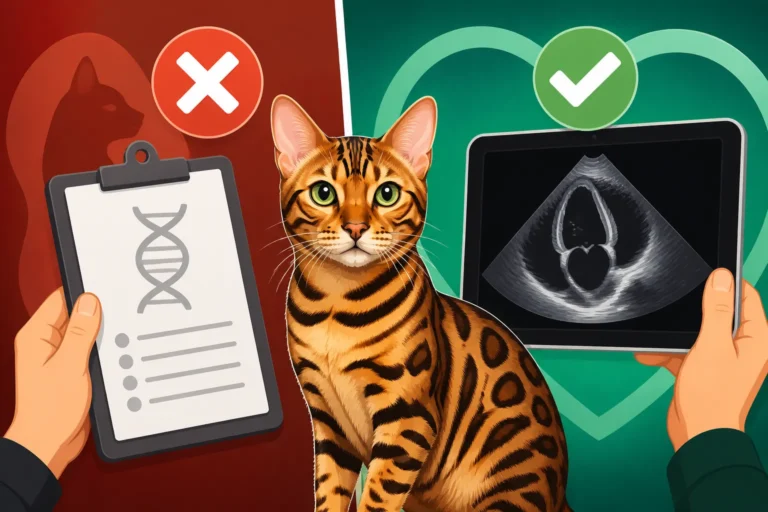
This is a point of huge frustration for Bengal owners and breeders alike. While some breeds, like Maine Coons and Ragdolls, have specific genetic markers identified for HCM that can be tested with a simple swab, the Bengal cat does not. This isn't because researchers haven't looked; it's just that the genetic mechanism for HCM in Bengals is more complex and hasn't been pinpointed to a single, testable gene. This means that a DNA test cannot tell you if your Bengal will develop HCM, or even if they are a carrier. This lack of a genetic test places an even greater emphasis on physical screening methods, primarily the echocardiogram. This is also Why There Is No Bengal Cat HCM Gene Test even though we wish there was.
The Importance of Regular Screening
Given the lack of a genetic test and the silent nature of HCM, regular echocardiograms become the cornerstone of managing this disease in Bengal cats. An echo provides a real-time, detailed ultrasound image of the heart, allowing a veterinary cardiologist to measure the thickness of the heart muscle, assess valve function, and detect any early signs of disease progression. It's the only reliable way to definitively diagnose HCM in a living cat. Without regular screening, you might not know your Bengal has HCM until they're in a crisis, which is a situation no loving pet owner ever wants to face.
Deciphering the Lifespan of a Clear Echo Result
So, your Bengal had an echo, and the news was good: the cardiologist found no signs of HCM. That's a huge sigh of relief! But what does "clear" actually mean in terms of how long you can breathe easy? Unfortunately, it's not a "one and done" situation.
The Standard Recommendation for Echo Frequency
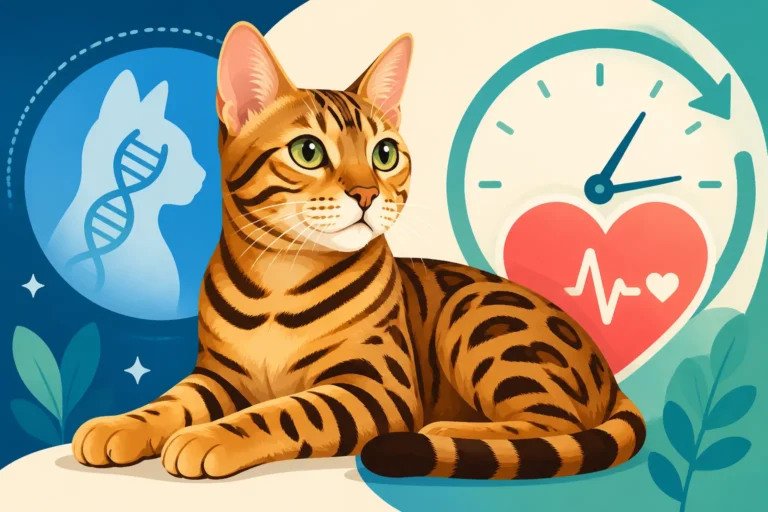
For Bengal cats, especially those being used for breeding or those in higher-risk lines, the general consensus among veterinary cardiologists and breed clubs is that a clear echocardiogram is typically considered valid for 12 to 18 months. This timeframe provides a reasonable balance between detecting the onset or progression of the disease and avoiding excessive, costly screenings.
This means that if your Bengal had a clear echo in January 2024, the recommendation would be to have another screening performed by January to July 2025. It's a continuous process, not a one-time stamp of approval. The goal is to catch any changes as early as possible. Remember, the disease can develop at any age, though it most commonly manifests in middle-aged cats. When a Bengal Cat Should Have Its First Echo often depends on breeder recommendations and the cat's age at acquisition.
Factors That Influence the Re-scan Timeline
While 12-18 months is a good general guideline, several factors might cause your vet or cardiologist to recommend a shorter or slightly longer interval between echoes.
- Age of your Bengal: Younger cats (under a year or two) might get a clear bill of health, but because HCM can develop as they mature, their next echo might be recommended slightly sooner, perhaps at the 12-month mark. Older cats who have had consistently clear echoes may sometimes be extended to 18 months, but annual screening is still safest, especially as part of Caring for a Bengal Cat Past Ten.
- Family History: If your Bengal comes from a line where HCM is known to be prevalent, even with clear parents, your cardiologist might suggest more frequent checks as a precautionary measure. This is a critical piece of information that a responsible breeder should provide.
- Subtle Clinical Signs: If your vet detects any subtle signs during routine physical exams, such as a new heart murmur, even if it's considered "innocent," they might recommend an earlier re-scan. A heart murmur, while not always indicative of HCM, is What a Bengal Cat's Murmur Means and definitely warrants further investigation.
- Breeding Status: Cats intended for breeding purposes often undergo more stringent and frequent screening (typically annually) to minimize the risk of passing on the condition.
The "Normal" Window vs. Individual Risk
It's crucial to understand that a "clear" echo means that at the time of the scan, no detectable thickening or other abnormalities consistent with HCM were present. It's a snapshot in time. It does not guarantee that your Bengal will never develop HCM. The disease can develop slowly, and a heart that looked perfectly normal today might start showing subtle changes a few months down the line. That's why consistent monitoring is so important.
Think of it like getting a clear mammogram or colonoscopy as a human; it's excellent news, but it doesn't mean you'll never develop cancer. It just means you don't have it now. For a Bengal cat, their individual risk profile, including genetics (even without a specific test), lifestyle, and age, dictates the best re-scan schedule. This commitment to ongoing vigilance is a significant part of owning such a special, active breed.
| Bengal Cat's Age/Status | Recommended Echo Frequency (After First Clear Scan) | Notes |
|---|---|---|
| Kitten (under 1 year) | If screened, re-scan by 12-18 months of age | Often not screened this early unless a murmur is detected or family history is strong. |
| Adult (1-5 years) | Every 12-18 months | Standard recommendation for most Bengal cats. |
| Middle-aged (6-9 years) | Annually (every 12 months) | Risk of HCM development can increase with age; annual scans provide optimal monitoring. |
| Senior (10+ years) | Annually (every 12 months) | Continued vigilance is key; other age-related conditions can also impact heart health. |
| Breeding Cat | Annually (every 12 months) | Strict annual screening is essential to identify affected animals and make informed breeding decisions. |
| High-Risk Line | Possibly every 6-12 months | For cats with strong family history of early-onset HCM; consult your cardiologist for personalized advice. |
| New Murmur/Symptoms | Immediately, regardless of last clear scan | Any new signs of heart trouble warrant an urgent re-evaluation. |
What to Look For Even After a Clear Echo
Even with a perfectly clear echo on file, your job as a Bengal cat parent isn't over. These amazing cats are masters of disguise when it comes to illness, a trait inherited from their wild ancestors. They will often hide pain or discomfort until a condition is quite advanced, making it even more important for you to be vigilant.
Subtle Signs a Bengal Cat Has Heart Disease
The earliest signs of heart disease in a Bengal are often incredibly subtle and can be easily missed or attributed to something else. Owners might notice their normally energetic cat being a little less enthusiastic about play, seeming tired sooner than usual. Perhaps they're not jumping as high or running as fast as they once did. Other signs can include:
- Decreased activity or lethargy: Your Bengal might sleep more or seem less interested in their usual antics.
- Changes in breathing: This is critical. Look for increased respiratory rate (breathing faster than normal when at rest or asleep, usually over 30 breaths per minute), panting (which is uncommon in cats unless overheated or stressed), or labored breathing where their abdomen is working harder.
- Loss of appetite or weight loss: Any significant change in eating habits or unexplained weight loss should be a red flag.
- Coughing: While less common in cats than dogs with heart disease, a persistent cough can sometimes be a sign of fluid in the lungs (pulmonary edema) due to heart failure.
- Weakness or collapsing: In severe cases, reduced blood flow can lead to fainting spells or hind limb weakness.
These are not definitive diagnoses, of course, but they are cues that your Bengal's body is trying to tell you something. Don't dismiss these changes; they warrant a call to your veterinarian. Remember, What Most Bengal Cats Die Of is often related to heart issues if not carefully monitored.
When to Get an Emergency Re-scan
Some symptoms go beyond subtle and indicate a genuine emergency, requiring immediate veterinary attention and likely an urgent re-scan. These are signs of acute heart failure or a life-threatening complication.
- Sudden difficulty breathing: This can manifest as open-mouthed breathing, gasping, severe panting, or a bluish tinge to their gums (cyanosis). This needs immediate veterinary care.
- Sudden paralysis of the hind limbs: This is often a sign of a "saddle thrombus," a blood clot that has traveled from the heart and lodged at the base of the aorta, cutting off blood supply to the legs. This is excruciatingly painful and a dire emergency.
- Collapse or unconsciousness: Any sudden collapse warrants immediate veterinary intervention.
- Severe lethargy and weakness: If your Bengal is suddenly profoundly weak, unable to stand, or unresponsive, it's an emergency.
If you observe any of these symptoms, don't wait for your scheduled echo. Get to the nearest emergency veterinary clinic immediately. These situations can deteriorate very quickly, and time is of the essence. Pet insurance providers like Healthy Paws can be a lifesaver in these unexpected, high-cost emergencies, covering a significant portion of the bills.
Partnering with Your Vet for Ongoing Monitoring
Your veterinarian is your primary partner in your Bengal's health journey. Even with clear echoes, regular wellness exams are vital. During these visits, your vet will listen to your cat's heart and lungs, check their pulse, and generally assess their overall health. They can pick up on subtle changes that you might miss, like a faint heart murmur or an abnormal heart rhythm.
Be open and honest with your vet about any changes you've noticed in your Bengal's behavior or activity levels, no matter how minor they seem. Keep a record of your Bengal's echo history, including dates, cardiologist's reports, and any recommendations for future scans. This collaborative approach between you, your primary vet, and a board-certified veterinary cardiologist is truly the best way to safeguard your Bengal's heart health.
Planning for Long-Term Heart Health and Financial Preparedness
Taking care of a Bengal cat's heart health is a long-term commitment that involves not just medical care but also careful planning and financial foresight. It's an investment in the vibrant life of your unique companion.
The Role of a Board-Certified Cardiologist
While your general veterinarian is fantastic for overall health, when it comes to intricate heart conditions like HCM, nothing beats the expertise of a board-certified veterinary cardiologist. These specialists have undergone extensive additional training beyond veterinary school, focusing specifically on animal cardiology. They have the specialized equipment, experience, and knowledge to accurately diagnose, stage, and manage heart disease.
They're the ones who perform the comprehensive echocardiograms, interpret the complex images, and provide the most informed recommendations for monitoring and treatment. If your Bengal needs ongoing monitoring or medication, a cardiologist will be best equipped to manage their care. Many will argue that for Bengals, an echo performed by anyone other than a specialist might not be as reliable or thorough. It's often recommended that How a Bengal Cat's Echo Is Performed by a certified professional for the best results.
Financial Considerations for Ongoing Echoes and Treatment
Let's be realistic: specialized veterinary care for a Bengal cat is not cheap. A single echocardiogram can range from $300 to $700 or more, depending on your location and the clinic. If your Bengal needs annual or biannual echoes over their lifetime, these costs add up significantly. And that's just for screening.
If your Bengal is diagnosed with HCM, treatment can involve medication, follow-up appointments, and potentially emergency care for complications like fluid in the lungs or blood clots. These treatments can be very expensive, especially if they require hospitalization or specialized procedures. This is where pet insurance becomes a real consideration. Companies like Healthy Paws offer various plans that can cover a substantial portion of these veterinary bills, easing the financial burden and allowing you to make medical decisions based on what's best for your cat, not just your wallet. It's wise to look into options like Healthy Paws early in your Bengal's life, before any pre-existing conditions are diagnosed. Understanding What a Bengal Cat's Echo Costs is important for budgeting.
| Item/Service | Estimated Cost Range (USD) | Frequency | Importance for Bengal Owners |
|---|---|---|---|
| Echocardiogram (Specialist) | $300 – $700+ | Annually/Bi-annually | Essential for HCM screening and diagnosis. |
| Routine Vet Check-up | $50 – $150 | Annually | General health monitoring; can detect early signs. |
| HCM Medication (monthly) | $50 – $200+ | Ongoing (if diagnosed) | Manages symptoms, slows progression; crucial for affected cats. |
| Emergency Visit (e.g., heart failure) | $1,000 – $5,000+ | As needed | Critical for acute crises; can involve oxygen, diuretics, hospitalization. |
| Blood Clot Treatment (e.g., Saddle Thrombus) | $1,500 – $7,000+ | As needed | Emergency, complex care for a severe complication; prognosis often guarded. |
| Pet Insurance (monthly premium) | $20 – $60 | Ongoing | Can offset significant costs of testing and treatment; highly recommended. |
Lifestyle Choices to Support Heart Health
While HCM is largely a genetic condition and not directly preventable through lifestyle, supporting your Bengal cat's overall health can contribute to their well-being and potentially help them manage the condition if it develops.
- High-Quality Diet: Provide a balanced, high-protein diet appropriate for an active carnivore. Consult your vet or a veterinary nutritionist for the best food choices. A good diet supports overall organ health.
- Weight Management: Keep your Bengal at a healthy weight. Obesity puts additional strain on the heart and other organs. Regular exercise, which Bengals usually get plenty of, is key here.
- Regular Exercise and Enrichment: Keep your Bengal active and mentally stimulated. This not only burns off their boundless energy but also helps maintain a healthy cardiovascular system. This breed thrives on How Much Enrichment a Bengal Cat Actually Needs.
- Stress Reduction: Minimize stress in their environment. A calm, stable home contributes to overall health.
- Dental Hygiene: Believe it or not, good dental health can impact heart health, as oral bacteria can sometimes enter the bloodstream and affect the heart. Regular dental care is important.
These proactive measures, combined with diligent screening and expert veterinary care, offer the best chance for your Bengal cat to live a long, healthy, and happy life, minimizing the shadow that HCM can cast. It's all part of ensuring that your beautiful Bengal cat lives The Twelve to Sixteen Years a Bengal Cat Gets.
Disclaimer
Please note that this article provides general information and recommendations regarding Bengal cat health and HCM. It is not a substitute for professional veterinary advice. Always consult with a qualified veterinarian or a board-certified veterinary cardiologist for any health concerns or before making any decisions about your pet's medical care.