Signs a Bengal Cat Kitten Has FIP
Discovering that your energetic Bengal kitten isn't quite themselves can be incredibly worrying, especially when the symptoms are vague and hard to pin down. Many dedicated Bengal owners find themselves in a desperate search for answers when their little leopard begins to show subtle signs of illness, often fearing the worst. This comprehensive guide is here to shed light on the often confusing and heartbreaking signs that could indicate Feline Infectious Peritonitis (FIP) in a Bengal kitten, helping you understand what to look for and when to act.
Understanding Feline Infectious Peritonitis (FIP)
Feline Infectious Peritonitis, or FIP, is a complex and often devastating disease that affects cats. It's a cruel twist of fate, starting from a very common and usually benign virus that most cats encounter at some point in their lives. The fear around FIP is completely understandable, given its historically grim prognosis and the rapid progression it can sometimes take, especially in young kittens.
The Viral Culprit: Feline Coronavirus
At its core, FIP begins with the Feline Enteric Coronavirus (FECV). Now, before you panic, it's crucial to understand that FECV is incredibly prevalent in cat populations, particularly in multi-cat households or catteries. Most cats, including our beloved Bengals, will pick up this virus without ever showing serious signs of illness. It typically causes mild gastrointestinal upset, if anything at all, and many cats develop immunity and clear the virus on their own. Think of it like a common cold for humans – annoying, but rarely life-threatening. The virus spreads easily through feces and shared litter boxes, making it hard to avoid entirely.
The Mutation to FIP
The real danger, and the heartbreaking part of FIP, comes when the common FECV mutates within an individual cat's body. This isn't something that happens to every cat exposed to FECV; in fact, it's quite rare. This internal mutation changes the virus into a more virulent form, allowing it to invade and replicate in certain immune cells, specifically macrophages. Once this happens, the cat's own immune system, in its attempt to fight off the infection, actually contributes to the disease's progression. It creates an inflammatory response that leads to the widespread damage seen in FIP. This is why FIP is so challenging – it's less about the initial virus exposure and more about a unique, unpredictable internal change that turns a benign bug into a killer. It’s important to note that the FIP virus itself isn't directly contagious from cat to cat, unlike the initial FECV. The struggle to understand Whether Bengal Cats Are More Prone to FIP is ongoing, but what is clear is that stress and genetics can play a role in a kitten’s susceptibility to this dangerous mutation.
Early and Vague Signs of FIP in Bengal Kittens
One of the most frustrating aspects of FIP, particularly in Bengal kittens, is that the early symptoms are often incredibly non-specific. They can mimic a host of other common kitten ailments, making early diagnosis a true challenge for even the most experienced veterinarians and vigilant owners. This is where your keen observation skills as a Bengal parent become absolutely vital. You know your kitten's normal energy levels and antics better than anyone.
General Malaise and Lethargy
Imagine your typically boisterous Bengal kitten, usually a whirlwind of energy, chasing toys and scaling cat trees, suddenly just… isn't. They're sleeping more than usual, not engaging in play, and generally seem "off." This general malaise and lethargy are often the very first, and most easily dismissed, signs of FIP. It’s not an outright collapse, but a subtle shift. Perhaps they're less enthusiastic about their morning zoomies, or they just don't have the usual spring in their step when you call them for cuddles. This can be particularly confusing because kittens do sleep a lot, but a noticeable increase in sleep or a decrease in playfulness from their baseline is a red flag. Many conditions can cause this, which is why it's so hard to pinpoint FIP initially.
Weight Loss and Poor Growth
Bengal kittens are generally robust and grow quickly, developing that lean, muscular physique we all admire. So, if you notice your kitten isn't gaining weight as expected, or worse, is actually losing weight despite eating, it's a serious concern. This isn't just a kitten being a picky eater; it's a systemic issue. They might look smaller than their littermates, or their once-sleek coat might start to look a bit dull and unkempt due to poor nutrition assimilation. This poor growth, especially in a breed known for its vitality, should prompt immediate veterinary attention. It's easy to attribute it to a finicky palate or stress, but persistent weight issues demand a deeper look.
Intermittent Fever
Another maddeningly vague symptom is an intermittent fever that doesn't respond to typical antibiotics. You might notice your kitten feels warm to the touch, their ears are hot, or they just seem generally uncomfortable. A vet visit might confirm a fever, but then it comes and goes, baffling both you and the veterinary team. This "fever of unknown origin" is a classic, albeit frustrating, indicator in the early stages of FIP. It's the body's inflammatory response to the viral invasion, but without other distinct symptoms, it's hard to distinguish from countless other infections. If your kitten has recurring fevers without a clear cause, and especially if antibiotics aren't helping, FIP needs to be considered.
Loss of Appetite and Dull Coat
A vibrant appetite is usually a hallmark of a healthy Bengal kitten. They’re often food motivated, eager for their next meal or treat. A sudden or gradual loss of appetite, or anorexia, is therefore a significant concern. They might sniff at their food and walk away, or only eat a fraction of what they normally would. This often goes hand-in-hand with a dull, dry, or unkempt coat. Our Bengals are known for their luxurious, pelt-like fur, and a healthy coat reflects their internal well-being. If their glitter starts to fade, or their coat loses its natural sheen, it’s a sign that something is amiss internally. It’s also worth considering if Why a Bengal Cat's Gut Is So Sensitive could contribute to these appetite issues, prompting a different line of investigation. Sometimes, these symptoms are so subtle that we might brush them off as part of a kitten's playful fussiness, but sustained changes warrant attention.
Distinct Forms of FIP and Their Symptoms
FIP doesn't present itself in a single, uniform way. It typically manifests in two main forms: "wet" or effusive FIP, and "dry" or non-effusive FIP. Each form comes with its own set of more specific, and often more alarming, symptoms. It’s also possible for a kitten to experience a mix of both.
The "Wet" (Effusive) Form: Fluid Accumulation
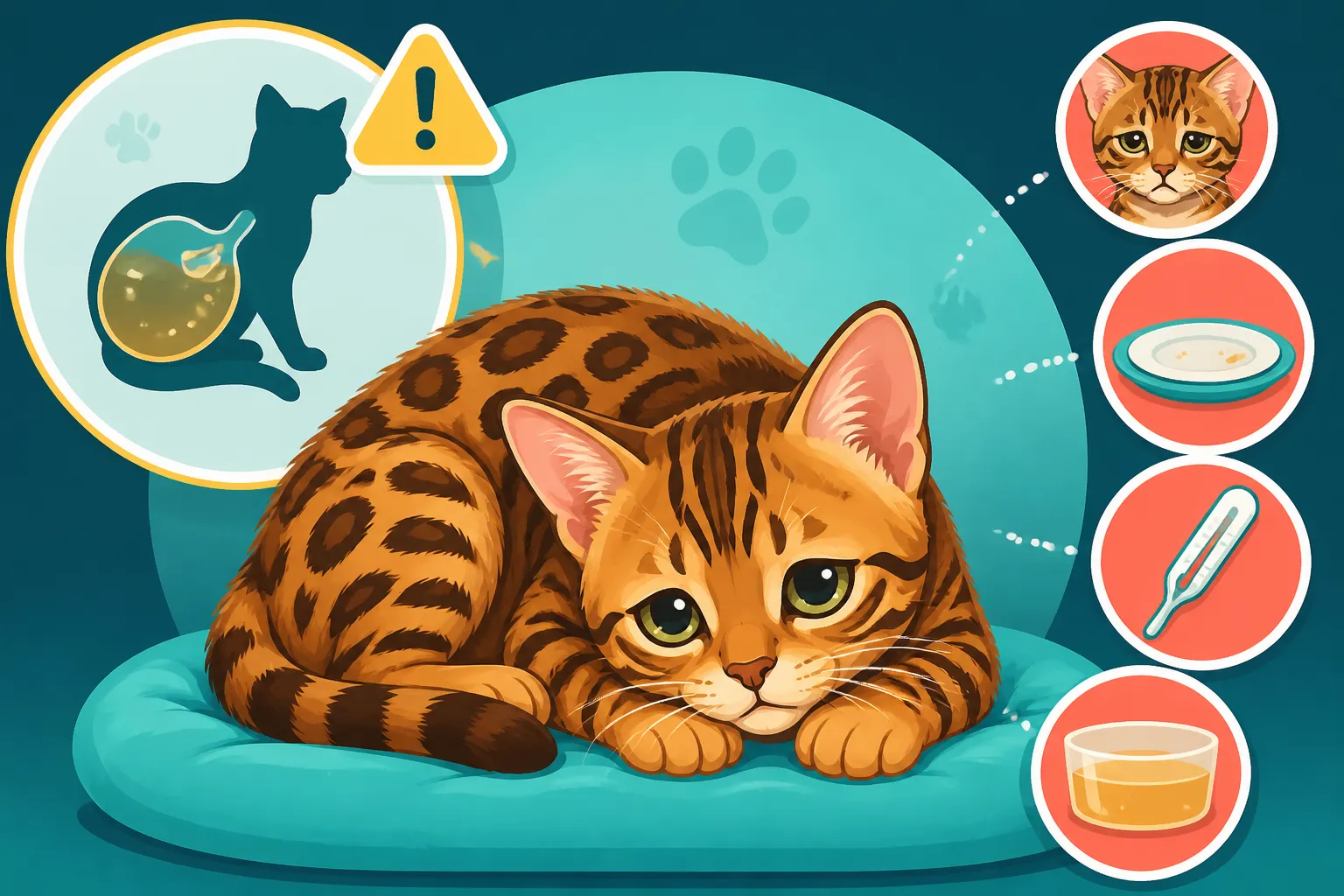
The wet form of FIP is often the most recognizable, mainly due to the tell-tale accumulation of fluid in the body cavities. This fluid is typically yellow, sticky, and rich in protein.
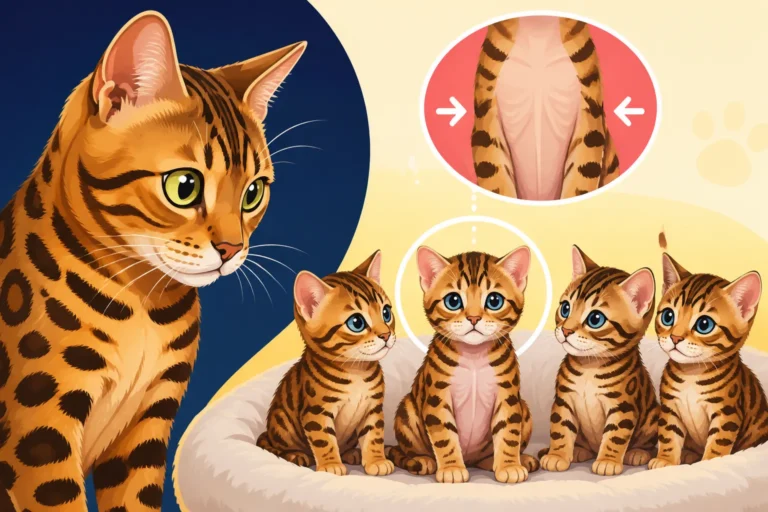
- Abdominal Distension: This is perhaps the most classic sign. Your kitten's belly might look noticeably swollen and pot-bellied, even if the rest of their body is thin. This fluid accumulation makes them look disproportionately large in the abdomen. It can develop quite rapidly, going from a normal-looking belly to a noticeably bloated one in just a few days.
- Difficulty Breathing: If fluid builds up in the chest cavity (pleural effusion), it puts pressure on the lungs, making it very hard for your kitten to breathe. You might notice rapid, shallow breathing, open-mouthed breathing, or even gasping. This is a medical emergency and requires immediate veterinary attention. Keep an eye out for signs a Bengal cat is breathing hard, as this could be a critical symptom.
- Scrotal Swelling: In male kittens, fluid can sometimes accumulate in the scrotum, causing noticeable swelling. This is less common than abdominal or chest fluid but is a distinct sign when present.
The presence of this fluid, confirmed by your vet via a procedure called abdominocentesis or thoracocentesis, is a strong indicator of wet FIP.
The "Dry" (Non-Effusive) Form: Organ Damage
The dry form of FIP is even more insidious than the wet form because it lacks the obvious fluid accumulation. Instead, the virus causes granulomas (inflammatory lesions) to form on and within various internal organs. This means the symptoms are incredibly varied and depend entirely on which organs are affected.
- Kidney or Liver Disease: Granulomas can develop in the kidneys or liver, leading to signs of organ dysfunction. For kidneys, you might notice increased thirst and urination, or even dehydration. For the liver, jaundice (yellowing of the skin, gums, or whites of the eyes) can occur, along with ongoing appetite loss and lethargy.
- Intestinal Lesions: If the intestines are affected, you might see chronic diarrhea or vomiting. This can be confused with other common gastrointestinal issues in kittens, making diagnosis difficult. It’s crucial to track whether a Bengal cat kitten arrives with diarrhea, as this could be a sign of many different underlying issues, including FIP.
- Pancreatitis: Inflammation of the pancreas can lead to severe abdominal pain, vomiting, and refusal to eat. Given that Bengal cats often have sensitive digestive systems, distinguishing this from other causes of digestive upset can be quite challenging.
Because the dry form's symptoms are so diverse and often mimic other diseases, it truly demands a high degree of suspicion from your vet.
Neurological and Ocular FIP Manifestations
Both wet and dry forms of FIP can progress to affect the central nervous system and the eyes, leading to some truly heartbreaking and specific symptoms.
- Neurological Signs: If FIP impacts the brain or spinal cord, you might see a range of neurological issues. This could include uncoordinated movements (ataxia), tremors, seizures, paralysis, or even behavioral changes like aggression or confusion. These signs can be distressing to witness and are often a late-stage manifestation of the disease.
- Ocular Signs: The eyes are also common targets for FIP. You might notice changes like uveitis (inflammation of the eye's middle layer), leading to cloudiness in the eye, changes in iris color, or vision impairment. Retinal detachment can also occur, leading to sudden blindness. The eyes can become painful, and your kitten might squint or avoid bright light. It’s important to remember that these advanced signs can sometimes be the very first clear indicators of FIP, especially in the dry form, surprising owners who might not have noticed the earlier, vague symptoms.
These specific neurological and ocular signs often develop as the disease progresses and are usually indicative of a more advanced stage of FIP.
When to Seek Veterinary Help and Diagnosis
The moment you suspect something isn't right with your Bengal kitten, especially if you're seeing any of the vague or distinct symptoms mentioned, it’s imperative to contact your veterinarian immediately. Time is often of the essence when dealing with potentially serious illnesses like FIP. Don't hesitate or try to wait it out.
The Diagnostic Labyrinth
Diagnosing FIP is notoriously challenging, and this is perhaps one of the most frustrating aspects for owners. There isn't one definitive "FIP test" that can give a clear yes or no answer. Instead, diagnosis relies on a combination of factors:
- Clinical Signs: Your vet will carefully evaluate all the symptoms your kitten is displaying.
- Blood Tests: While not specific for FIP, blood work can show abnormalities consistent with the disease, such as elevated globulins, low albumin, anemia, or an elevated A:G ratio (albumin-to-globulin ratio). A cat showing Signs a Bengal Cat Is Anemic would certainly raise flags for various diseases, including FIP. What a Bengal Cat's Yearly Bloodwork Should Cover will include these key indicators.
- Fluid Analysis: If there's fluid accumulation (wet FIP), analyzing this fluid is a critical diagnostic step. The characteristic yellow, viscous, high-protein fluid with a specific cellular profile is highly suggestive of FIP.
- Imaging: X-rays or ultrasound can help detect fluid in body cavities or identify lesions on internal organs.
- Biopsy: In some cases, a biopsy of affected tissue might be taken for histopathology, which can provide a more definitive diagnosis, though it's an invasive procedure.
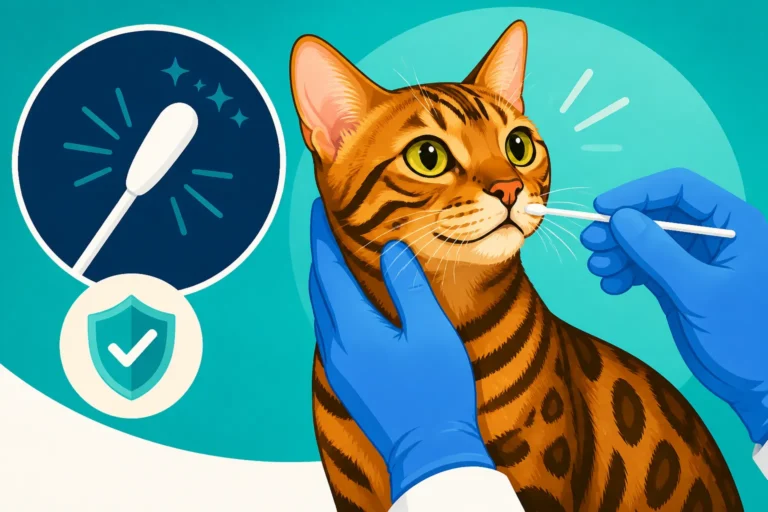
- Coronavirus Antibody/PCR Tests: These tests can detect the presence of feline coronavirus, but they cannot differentiate between the common, benign FECV and the mutated FIP-causing virus. A positive result only tells you your cat has been exposed to or carries feline coronavirus, which is common. A high titer might increase suspicion, but it’s not diagnostic for FIP itself. This ambiguity is why relying solely on a coronavirus test is misleading and causes a lot of confusion.
It's a process of piecing together clues, ruling out other conditions, and assessing the overall clinical picture. This can be emotionally and financially draining, making strong pet insurance from providers like Healthy Paws incredibly valuable for many families during such difficult times.
The Importance of Early Intervention
While FIP was once considered universally fatal, advances in veterinary medicine have brought new hope. Modern antiviral treatments have emerged that can effectively treat and even cure FIP in many cases, especially when started early. This paradigm shift means that recognizing the signs and getting an accurate diagnosis as quickly as possible is more important than ever. The sooner treatment begins, the better the chances of a positive outcome. Ignoring those early, vague signs could mean missing a critical window for intervention. This new reality changes the conversation around Whether FIP in a Bengal Cat Can Be Treated Now, offering a glimmer of hope where there was once none.
Supporting Your Kitten Through Diagnosis
Receiving a potential FIP diagnosis is harrowing. While your vet navigates the diagnostic labyrinth, your role as an owner is to provide the best supportive care possible. Ensure your kitten has a quiet, comfortable space, easy access to food and water (even if they’re not eating much), and minimal stress. Gentle encouragement to eat, offering palatable foods, and maintaining hydration are key. If your kitten is refusing to eat, discuss appetite stimulants or assisted feeding with your vet. This journey can be long and emotionally taxing, and having the financial support that pet insurance, such as a plan from Healthy Paws, can offer, helps ensure you can pursue every diagnostic and treatment option available without undue financial stress. Understanding What Most Bengal Cats Die Of reveals that timely intervention for treatable diseases like FIP can make all the difference.
Wet vs. Dry FIP: A Symptom Comparison
To help differentiate between the two main forms, here’s a quick overview of their defining characteristics:
| Symptom Category | "Wet" (Effusive) FIP | "Dry" (Non-Effusive) FIP |
|---|---|---|
| Defining Feature | Fluid accumulation in body cavities | Granulomas (inflammatory lesions) on internal organs |
| Physical Appearance | Distended abdomen, difficulty breathing (if chest fluid) | Weight loss, poor growth, general malaise, no visible fluid |
| Gastrointestinal | Often less prominent, but can occur | Chronic diarrhea, vomiting, appetite loss (if gut affected) |
| Organ Involvement | Fluid directly impacts organ function | Direct damage/inflammation of kidneys, liver, pancreas, etc. |
| Neurological | Possible, less common as initial sign | Common in later stages, seizures, ataxia, behavioral changes |
| Ocular | Possible, less common as initial sign | Common in later stages, uveitis, vision changes, retinal detachment |
| Progression | Often more rapid and acute | Slower, more chronic, waxing and waning symptoms |
| Diagnosis Helper | Fluid analysis (color, protein, cell count) | Bloodwork (high globulins, A:G ratio), biopsy, imaging |
This table is a simplification, and FIP can present in mixed forms, but it provides a useful framework for understanding the general differences.
Disclaimer
The information provided in this guide is for informational purposes only and does not constitute veterinary medical advice. Always consult with a qualified veterinarian for any health concerns or before making any decisions related to your Bengal cat's health. Early and accurate diagnosis of FIP requires professional veterinary examination and testing.