HCM Is What Kills Bengal Cats Early
It’s a heartbreaking reality that sometimes, our beloved feline companions, especially vibrant and active Bengal cats, can be struck down by serious health conditions far too soon. One of the most insidious and devastating of these is Hypertrophic Cardiomyopathy, or HCM, a silent heart disease that often goes unnoticed until it's critically advanced, tragically cutting short the lives we cherish. This comprehensive guide aims to peel back the layers of HCM in Bengal cats, helping you understand what it is, how to recognize its subtle clues, the diagnostic journey, and what steps you can take to manage and potentially prevent this formidable foe.
Understanding Hypertrophic Cardiomyopathy (HCM) in Bengal Cats
Hypertrophic Cardiomyopathy is a primary disease of the heart muscle, and it's something that, unfortunately, many Bengal cat owners will encounter. It's a condition that strikes at the very core of their vitality, and knowing more about it is your first line of defense.
What Exactly is HCM?
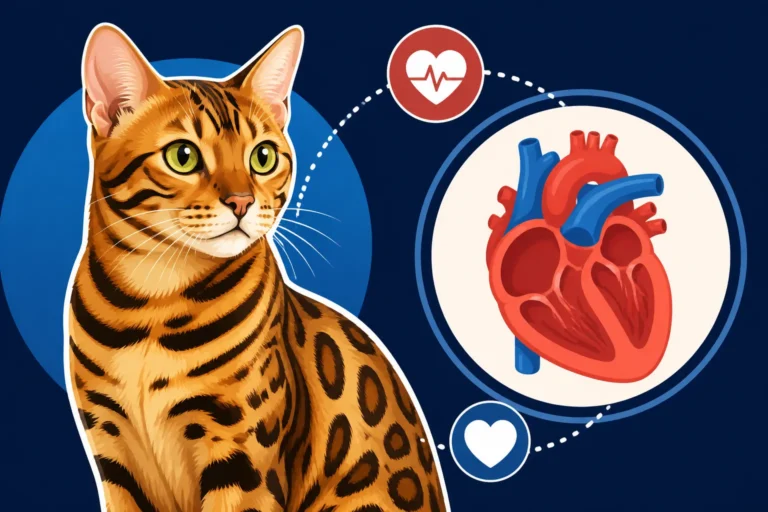
At its most basic, HCM is characterized by an abnormal thickening of the muscular walls of the heart, particularly the left ventricle. Imagine your cat's heart as a beautifully efficient pump, working tirelessly to circulate blood throughout their body. The walls of the ventricles contract to push blood out, and then relax to fill with blood again. In a cat with HCM, these walls become excessively thick, especially the septum (the wall dividing the left and right ventricles) and the free wall of the left ventricle.
This thickening has a domino effect on the heart's function. Firstly, it reduces the size of the internal chamber of the ventricle. Think of it like trying to fill a water balloon that's already half-filled with concrete – there's just less space for the blood. This means the heart can't hold as much blood as it should. Secondly, and perhaps more critically, the thickened muscle becomes stiffer and less pliable, making it incredibly difficult for the heart to relax and fill properly between beats. This impaired relaxation is a hallmark of HCM and prevents the heart from pumping blood efficiently to the rest of the body. Over time, this chronic inefficiency leads to increased pressure within the heart, causing the atria (the upper chambers that receive blood) to enlarge and setting the stage for more serious complications like congestive heart failure and dangerous blood clots. For a deeper dive into the specific changes, understanding What HCM Does to a Bengal Cat's Heart can be incredibly insightful.
Why Bengal Cats Are Prone to HCM
While HCM can affect any cat breed, and even mixed-breed cats, certain breeds, including the Bengal cat, Ragdoll, and Maine Coon, show a higher prevalence, suggesting a genetic predisposition. For Bengal cats, this genetic component is a frustrating reality. Unlike some other breeds where specific gene mutations (like the MYBPC3 gene in Maine Coons) have been identified, the exact genetic markers for HCM in Bengals remain elusive. This makes screening and breeding decisions particularly challenging.
The higher incidence in Bengal cats isn't fully understood, but it's believed to be inherited, meaning it's passed down through generations. This genetic link highlights the critical importance of responsible breeding practices, which we’ll discuss further. Owners often express frustration, wondering how such a vibrant and seemingly healthy cat could be carrying such a silent, deadly condition. It's truly one of the greatest heartbreaks of owning these magnificent felines. This also contributes to the ongoing debate about Whether the Bengal Cat Is a Healthy Breed overall.
The Silent Threat: How HCM Progresses Undetected
One of the most terrifying aspects of HCM is its often asymptomatic nature in its early stages. Your Bengal cat might be running, jumping, and playing with all the energy you expect from the breed, while their heart silently undergoes critical changes. This is why it's often referred to as a "silent killer." Many owners only become aware of the disease when their cat experiences a sudden and severe crisis.
Imagine your cat, seemingly perfectly healthy, suddenly struggling to breathe, collapsing, or exhibiting profound weakness in their hind legs. These are often the first, terrifying signs of advanced HCM, indicating that the heart's function has been severely compromised for some time. This sudden onset of severe symptoms, such as acute congestive heart failure (fluid accumulation in or around the lungs) or arterial thromboembolism (a blood clot, often referred to as "saddle thrombus," that obstructs blood flow to the hind legs), is devastating. The sheer shock and helplessness owners feel when faced with such an emergency, often with no prior warning, is immense. It's a cruel twist that a disease so impactful can remain hidden for so long.
Recognizing the Subtle Signs of HCM in Your Bengal
Because HCM can be so sneaky, knowing what to look for, even the faintest whispers of trouble, can make a huge difference. It's easy to dismiss early symptoms, but with a Bengal, it's always worth paying close attention.
Early, Non-Specific Indicators
Catching HCM early is like trying to spot a chameleon in a jungle – incredibly difficult because the signs are often vague and can easily be attributed to other minor ailments or even normal cat behavior. Your Bengal might show a slight decrease in their usual boundless energy, perhaps playing for shorter periods or spending a bit more time napping. They might hide more often than usual, which for a naturally gregarious Bengal, could be a subtle red flag. You might notice a subtle change in appetite, or they might seem a little more withdrawn.
The problem is, these are common behaviors in any cat having an off day, or simply entering a slightly less rambunctious phase. Many owners, understandably, don't immediately jump to "heart disease" when their cat is just a bit quieter. They might think their cat is just tired after a particularly vigorous play session or reacting to a minor change in the household routine. This makes early detection so challenging and frustrating for dedicated pet parents. It’s important to remember that Bengals are masters at masking illness, a trait inherited from their wild ancestors, making vigilance even more crucial.
More Alarming Symptoms as the Disease Advances
As HCM progresses and the heart's ability to pump blood declines further, the symptoms become more pronounced and alarming. This is often when cats enter the "clinical" phase of the disease, meaning the signs are clear enough to raise serious concern. One of the most common signs of advanced heart failure is difficulty breathing, also known as dyspnea. You might notice your Bengal breathing faster, with more effort, or even breathing through an open mouth, which is a significant emergency in cats. They may also develop a cough, although this is less common in cats than in dogs with heart disease.
Fluid accumulation, characteristic of congestive heart failure, can lead to a distended abdomen if fluid builds up there, or crackling sounds in the lungs if it's pulmonary edema. Another dire complication is hind limb weakness or paralysis, caused by a "saddle thrombus." This is a blood clot that typically forms in the enlarged left atrium and travels down the aorta, lodging where the aorta splits to supply the hind legs. This is excruciatingly painful for the cat and constitutes a veterinary emergency. If you observe any of these severe signs, it’s imperative to seek immediate veterinary care. These are the critical Signs a Bengal Cat Has Heart Disease that should never be ignored.
The Importance of Regular Wellness Checks
Given the subtle nature of early HCM, regular veterinary wellness checks become an indispensable tool in early detection, even if your Bengal seems perfectly healthy. During these routine visits, your vet will perform a thorough physical examination, which includes listening to your cat's heart with a stethoscope. While a stethoscope can’t diagnose HCM definitively, it can detect abnormal heart sounds like murmurs or gallop rhythms. A heart murmur is caused by turbulent blood flow, which can happen if the heart valves aren't closing properly or if the heart muscle itself is thickened, disrupting the smooth flow of blood. A gallop rhythm, on the other hand, indicates a stiffer, less compliant heart.
However, it's vital to understand that not all cats with HCM will have a detectable heart murmur, and conversely, not every cat with a murmur has HCM. Some cats can have significant HCM with no audible murmur, while others might have an innocent murmur that poses no health risk. This is why a murmur, while a good indicator to pursue further diagnostics, isn't a definitive diagnosis in itself. It’s simply a prompt for further investigation. These regular check-ups, even if nothing seems overtly wrong, are your best chance for your vet to pick up on those subtle cues that warrant a closer look.
Diagnosing HCM: Beyond Just a Stethoscope
When your vet suspects HCM based on a murmur, symptoms, or simply a proactive screening, the diagnostic journey begins. This phase is crucial for confirming the disease and assessing its severity.
The Crucial Role of an Echocardiogram
When it comes to diagnosing HCM in cats, the echocardiogram (often just called an "echo") is the undisputed gold standard. This specialized ultrasound of the heart allows a veterinary cardiologist to visualize the heart's structure and function in real-time. It’s non-invasive and provides a wealth of critical information that no other test can.
During an echo, the cardiologist can precisely measure the thickness of the heart muscle walls, assess the size of the heart chambers, evaluate how well the valves are working, and observe blood flow patterns. They can see if the left ventricle is indeed thickened, if the papillary muscles (small muscles that help close the heart valves) are abnormally prominent, or if the mitral valve is being pulled into the thickened outflow tract, obstructing blood flow. This detailed visual assessment is what truly confirms an HCM diagnosis. It's often recommended that these echoes be performed by a board-certified veterinary cardiologist, as they have the specialized training and experience to interpret these complex images accurately. This level of expertise ensures the most reliable diagnosis and staging of the disease. Knowing How a Bengal Cat's Echo Is Performed can help you prepare for the procedure.
Why There Is No Specific Gene Test for Bengal Cat HCM
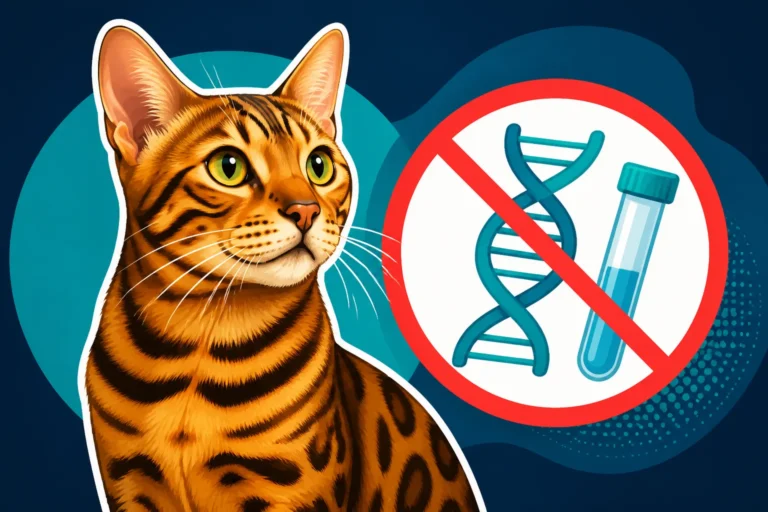
This is perhaps one of the most frustrating aspects of HCM in Bengal cats for breeders and owners alike. Unlike Maine Coons and Ragdolls, where specific gene mutations (MYBPC3) have been identified and commercial DNA tests are available, no such universal genetic test exists for Bengal cats. This means that even with all the advancements in genetic testing, we cannot simply swab a Bengal cat's mouth and determine if they carry the gene for HCM. This is directly addressed in Why There Is No Bengal Cat HCM Gene Test.
The lack of a reliable gene test is a significant barrier to effectively reducing the prevalence of HCM in the Bengal breed through selective breeding. It means that even seemingly healthy parents could be passing on the genetic predisposition without ever showing symptoms themselves. Researchers are actively working to identify the genetic markers responsible for HCM in Bengals, but until that breakthrough happens, the echocardiogram remains the only definitive way to diagnose the condition in individual cats. This places a huge responsibility on breeders to conduct regular echo screenings of their breeding cats, a practice that, while costly and time-consuming, is absolutely essential for the health of the breed.
Additional Diagnostic Tools
While the echocardiogram is paramount, other diagnostic tools can provide supplementary information and help assess the overall health of your Bengal cat, especially if heart failure is suspected. Chest X-rays can be invaluable for evaluating the lungs for fluid accumulation, which is a tell-tale sign of congestive heart failure. They can also provide a general idea of heart size, although not with the precision of an echo.
Blood tests, particularly those that measure cardiac biomarkers such as N-terminal pro-B-type natriuretic peptide (NT-proBNP), can be helpful. Elevated levels of NT-proBNP indicate increased cardiac stretch and stress, suggesting the heart is working harder than it should. While not diagnostic for HCM on its own, it can be a good screening tool or help assess the severity of heart disease. An electrocardiogram (ECG) might also be performed to assess the heart's electrical activity and detect any arrhythmias (irregular heartbeats) that can accompany HCM. These tests, used in conjunction with an echo, help create a complete picture of your cat's cardiac health, allowing your vet to tailor the most effective treatment plan.
Managing and Treating HCM: What You Can Do
Receiving an HCM diagnosis for your Bengal cat can be devastating, but it’s not necessarily a death sentence. While there’s no cure for HCM, there are many ways to manage the disease and significantly improve your cat’s quality of life.
Medical Management: Medications and Their Goals
The primary goal of medical treatment for HCM is to alleviate symptoms, improve heart function, and slow the progression of the disease. The specific medications prescribed will depend on the severity of the HCM, the presence of heart failure, and any other complicating factors. Common medications include beta-blockers, like atenolol, which help slow the heart rate and allow the ventricles more time to fill, reducing the heart’s workload. ACE inhibitors, such as enalapril or benazepril, help dilate blood vessels, reducing blood pressure and making it easier for the heart to pump.
If fluid accumulation (congestive heart failure) is present, diuretics like furosemide are crucial to help the body excrete excess fluid, relieving pressure on the lungs. For cats at high risk of blood clots, especially those with enlarged left atria, anti-clotting medications like clopidogrel (Plavix) are often prescribed. These medications are vital for preventing the devastating complication of saddle thrombus, which causes extreme pain and hind limb paralysis. It's important to remember that these medications are usually lifelong, and adherence to the prescribed regimen is critical. Knowing Which Medication a Bengal Cat With HCM Takes can help you understand the veterinary discussions.
Lifestyle Adjustments to Support Your Bengal
Beyond medication, several lifestyle adjustments can significantly support a Bengal cat with HCM. Firstly, minimizing stress is paramount. Bengals are sensitive to their environment, and stress can increase heart rate and blood pressure, placing additional strain on an already compromised heart. Creating a calm, predictable home environment, with secure resting places and a consistent routine, can be incredibly beneficial.
While Bengals are known for their high energy, strenuous activity should be carefully managed. Your vet will advise on appropriate activity levels, but generally, intense, prolonged play sessions should be curtailed to avoid overexertion. Think gentle, supervised play rather than intense, prolonged chasing. A balanced, high-quality diet, perhaps with lower sodium levels if heart failure is present, might also be recommended. Always consult your vet or a veterinary nutritionist for dietary advice. Regular, gentle interaction and reassurance are also key to their emotional well-being. These simple yet impactful changes can make a world of difference in your cat's comfort and longevity.
Emergency Situations and Prognosis
Despite the best medical management, cats with HCM can still experience acute emergency situations. The most common are acute congestive heart failure, characterized by sudden severe difficulty breathing, and arterial thromboembolism (saddle thrombus), leading to sudden, painful paralysis of the hind limbs. These situations require immediate emergency veterinary care. Treatment for heart failure involves oxygen therapy, strong diuretics, and often other medications to stabilize the heart. For saddle thrombus, immediate pain relief and medication to dissolve or prevent further clots are necessary, though the prognosis for recovery is often guarded.
The prognosis for a Bengal cat diagnosed with HCM varies widely. Some cats can live for several years with good quality of life with appropriate management, while others may decline rapidly despite treatment. Factors influencing prognosis include the severity of the disease at diagnosis, the presence of heart failure, and how well the cat responds to medication. It's a journey that requires constant monitoring and open communication with your veterinary team. Understanding How Long a Bengal Cat Lives After an HCM Diagnosis can help set realistic expectations.
Proactive Steps: Screening and Breeding Considerations
For Bengal cat enthusiasts, whether you're a breeder or a prospective owner, taking proactive steps is crucial in the fight against HCM. This is where we can make a tangible difference.
The Importance of Breeder Screening
Given the genetic predisposition and the lack of a DNA test for Bengal HCM, breeder screening through regular echocardiograms is absolutely non-negotiable for responsible breeders. A reputable Bengal cat breeder will have all their breeding cats, both males and females, scanned annually by a board-certified veterinary cardiologist. They should be transparent about these results and be able to provide documentation, often referred to as "clear" or "negative" certificates, from the cardiologist.
When choosing a Bengal kitten, it's your right, and frankly your responsibility, to ask to see the echo results of both parents. If a breeder cannot or will not provide these, it's a major red flag. This practice is the cornerstone of trying to reduce the incidence of HCM in future generations. Breeders who skip this vital step, either due to cost or ignorance, are inadvertently contributing to the perpetuation of this devastating disease within the breed. It’s imperative to demand transparency. You should always ask Whether a Bengal Cat Breeder Shows Echo Results.
When to Start Screening and How Often
The recommendation for screening Bengal cats is generally to begin around 1 year of age, or sometimes even earlier if there's a family history of early-onset HCM. This initial scan establishes a baseline for your cat's heart health. Because HCM can develop later in life, and its progression can be slow, annual echocardiograms are recommended for all breeding cats. This regular screening allows for early detection of any changes in heart structure that might indicate the onset of HCM.
For pet Bengals, the frequency of screening might be less stringent, but regular discussions with your vet, especially if a murmur is detected, are key. Many veterinary cardiologists recommend that pet Bengal cats also receive an initial echo, particularly if coming from a line where HCM is known. The goal is to catch any thickening of the heart walls before it becomes clinically significant, allowing for earlier intervention and potentially a better prognosis. Understanding When a Bengal Cat Should Have Its First Echo and How Often a Bengal Cat Needs an Echo is crucial for all owners and breeders.
Ethical Breeding Practices and Reducing Risk
Ethical breeding practices are the ultimate defense against the spread of HCM in Bengal cats. Any Bengal cat diagnosed with HCM, regardless of severity, should be immediately removed from a breeding program and spayed or neutered. This applies not only to cats with obvious signs of the disease but also to those with subtle echocardiographic changes indicating early HCM. Furthermore, reputable breeders will also consider removing siblings and parents of affected cats from their breeding lines, even if those individuals appear clear on their own echo scans. This is because, without a gene test, it’s impossible to know which seemingly healthy relatives might be carriers.
This responsible approach, while financially impactful for breeders, is essential for the long-term health and integrity of the Bengal breed. It prioritizes the welfare of the cats over breeding success or monetary gain. While it’s impossible to eradicate HCM entirely without a specific genetic test, rigorous and transparent screening, coupled with ethical breeding decisions, can significantly reduce its prevalence and protect future generations of these magnificent felines.
Here's a quick reference table for recommended screening:
| Category of Bengal Cat | Recommendation | Frequency | Rationale |
|---|---|---|---|
| Breeding Cats | Echocardiogram by Board-Certified Cardiologist | Annually | Essential for early detection and preventing transmission of the genetic predisposition. |
| Pet Kittens | Initial Echocardiogram Recommended (especially if family history) | Once, around 1 year of age | Establishes baseline; crucial if a heart murmur is detected by a general vet. |
| Adult Pet Cats | Consult with Vet; Echocardiogram if Murmur Detected or Symptoms Appear | As advised by vet | General wellness checks are key; echo upon suspicion or at owner's request for peace of mind. |
| Cats Diagnosed with HCM | Regular Echocardiograms & Vet Consults | As advised by Cardiologist | Monitor disease progression, adjust medication, assess quality of life. |
Living with a Bengal Cat Diagnosed with HCM
A diagnosis of HCM can feel overwhelming, but many Bengals live fulfilling lives for years with careful management. Your role as an owner becomes even more critical in providing them with the best possible care.
Creating a Supportive Home Environment
Once your Bengal cat receives an HCM diagnosis, transforming your home into a sanctuary that supports their heart health is paramount. This means more than just administering medication; it involves cultivating an environment that minimizes stress and caters to their changing needs. First, ensure that their essential resources—food, water, and litter boxes—are easily accessible, perhaps on the same level of the house to avoid unnecessary stair climbing, especially if their energy levels are dipping. Providing quiet, elevated perching spots where they can feel safe and observe their surroundings without being disturbed can significantly reduce anxiety.
Maintain a consistent daily routine for feeding, playtime, and medication. Bengals thrive on predictability, and sudden changes can be a source of stress. While they love to play, moderate their activity. Instead of long, vigorous chasing games, opt for shorter, less intense play sessions that still engage their minds without overexerting their hearts. Puzzle feeders can be excellent for mental stimulation without intense physical demands. Remember, their heart is working harder, so any small reduction in their overall stress and physical exertion can contribute positively to their well-being.
Monitoring at Home and When to Seek Urgent Care
As an owner, you become your Bengal's most important observer. Daily monitoring of their behavior, appetite, and breathing patterns is crucial. Keep an eye on their resting respiratory rate—how many breaths they take per minute while asleep or completely relaxed. A normal resting rate is typically between 20-30 breaths per minute. If you notice a sustained increase (e.g., consistently above 35-40 breaths per minute) or any signs of labored breathing, open-mouthed breathing, or coughing, these are urgent indicators of potential heart failure and require immediate veterinary attention.
Also, observe changes in their activity levels, enthusiasm for play, appetite, and any signs of discomfort or pain. Are they suddenly more lethargic than usual? Are they refusing food they normally love? Is there any weakness or lameness in their hind legs, which could indicate a blood clot? Keeping a small journal of these observations can be incredibly helpful for your vet appointments. If you ever feel something is "off" with your Bengal, even if you can't quite pinpoint it, don't hesitate to contact your vet. Trust your instincts; you know your cat best.
Emotional Impact on Owners and Seeking Support
Living with a Bengal cat diagnosed with a chronic, life-limiting condition like HCM takes an immense emotional toll on owners. The constant worry, the meticulous medication schedule, the fear of a sudden crisis, and the financial burden can be overwhelming. It's perfectly normal to feel stressed, anxious, sad, or even angry about the situation. Many owners grapple with feelings of guilt, wondering if they missed early signs or if they could have done something differently. Please know that these feelings are valid and you are not alone.
Seeking support from friends, family, online communities of Bengal cat owners, or even a pet bereavement counselor can be incredibly helpful. Don't be afraid to talk about your feelings. Additionally, the costs associated with diagnosing and managing HCM – from repeated echocardiograms and specialized veterinary visits to daily medications and potential emergency care – can be substantial. This is where investing in comprehensive pet insurance, such as through providers like Healthy Paws, can offer significant financial relief, allowing you to focus on your cat's care rather than worrying about the bills. Understanding the potential financial strain is a key part of preparing for such a diagnosis, and companies like Healthy Paws can truly be a lifesaver in those moments.
What to Expect: The Progression and End Stages
Understanding the potential progression of HCM in your Bengal cat, and recognizing when their quality of life is declining, is one of the hardest parts of this journey.
Understanding the Disease's Trajectory
The trajectory of HCM in Bengal cats is highly individual and can be unpredictable. Some cats may have a slow, insidious progression, where heart changes occur over many years, allowing for long-term management and a good quality of life. For these fortunate individuals, medication can effectively manage symptoms, and they might live close to their expected lifespan of The Twelve to Sixteen Years a Bengal Cat Gets. Their hearts adapt, and with proper care, they continue to thrive.
However, other Bengals might experience a much more rapid and aggressive form of the disease. They could go from a relatively asymptomatic state to acute heart failure or a devastating saddle thrombus within a matter of months, or even weeks. These sudden deteriorations are heartbreaking and often leave owners reeling, especially when there were few, if any, prior warnings. This unpredictability underscores the importance of regular veterinary check-ups and ongoing monitoring, even for cats who seem to be doing well on medication. While we hope for the best, preparing for the worst is a somber but necessary part of managing this condition.
Recognizing Signs of Decline and Suffering
As HCM progresses, there will inevitably come a time when your Bengal's quality of life begins to decline despite all your efforts and medical interventions. Recognizing these signs of suffering is a painful but crucial responsibility. Persistent and worsening labored breathing, even with medication, is a primary indicator. If your cat is constantly panting, struggling to take a breath, or spending most of their time in a "sternal recumbency" (sitting upright, sometimes with elbows splayed, to make breathing easier), they are likely in distress.
Extreme lethargy, loss of interest in food, water, or their favorite activities, and withdrawal are also red flags. Pain, especially from a developing blood clot, can manifest as crying out, restlessness, or an inability to get comfortable. If they lose mobility in their hind limbs due to a saddle thrombus, the pain can be excruciating and unrelenting. These are not just symptoms of illness; they are indicators that your cat is actively suffering. It’s important to distinguish between "having a bad day" and a consistent, irreversible decline in their comfort and well-being. When considering the comprehensive care for older Bengals, you might find more general advice in Caring for a Bengal Cat Past Ten.
Making Difficult Decisions: Quality of Life
One of the most agonizing decisions any pet owner faces is knowing when it's time to say goodbye. With HCM, this decision is often compounded by the suddenness and severity of crises like heart failure or saddle thrombus. While medical interventions can prolong life, there comes a point where the treatments no longer provide comfort or quality of life, but merely extend suffering. This is where honest and empathetic conversations with your veterinarian are paramount.
Your vet can help you assess your Bengal’s overall quality of life, considering factors like pain, appetite, mobility, breathing comfort, and their ability to engage in normal cat behaviors. It's about ensuring your beloved companion has more good days than bad, and that their final days are filled with peace, comfort, and dignity, surrounded by your love. While the choice is agonizing, making the compassionate decision to end their suffering is the ultimate act of love for a cat who has given you so much joy. Remember that organizations like Healthy Paws, while primarily focused on medical costs, also understand the emotional burden and may offer resources to help owners cope with end-of-life decisions, highlighting the all-encompassing nature of pet care.
Disclaimer
This article is intended for informational purposes only and does not constitute veterinary advice. Always consult with a qualified veterinarian or a board-certified veterinary cardiologist regarding any health concerns or before making any decisions about your Bengal cat's care.