Whether FIP in a Bengal Cat Can Be Treated Now
Few things strike fear into the heart of a Bengal cat owner quite like the mention of Feline Infectious Peritonitis (FIP). For years, this diagnosis felt like an immediate death sentence, leaving families feeling helpless and heartbroken. But I'm here to tell you that the landscape has profoundly changed, and this guide will walk you through the incredible advancements in treating FIP, offering a much-needed beacon of hope.
Understanding the Dreaded Feline Infectious Peritonitis FIP in Bengal Cats
For far too long, FIP was a word whispered with despair in veterinary clinics and cat owner forums. It represented a cruel, swiftly progressing disease with virtually no effective treatment. The emotional toll on families was immense, watching their vibrant Bengal cats fade away. To truly appreciate the breakthroughs, it's important to understand what we were up against.
The Viral Culprit: Feline Coronavirus FCoV and Its Mutation
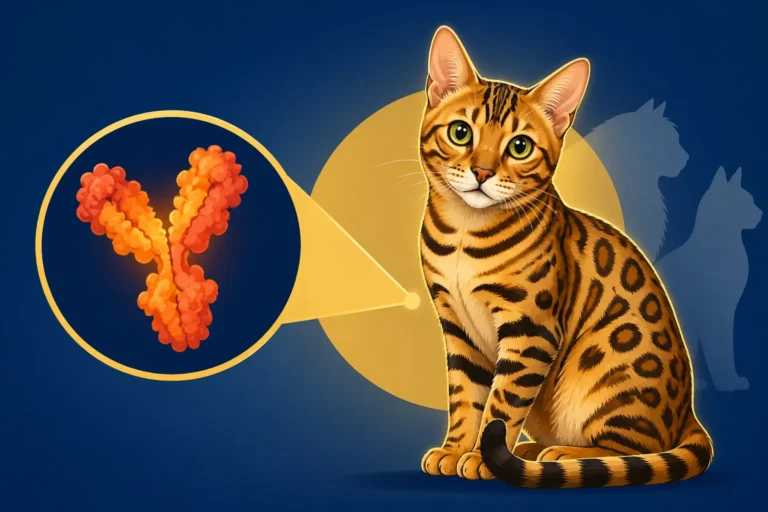
Feline Infectious Peritonitis isn't caused by a direct infection from an external source in the way a cold might be. Instead, it arises from a common, often harmless virus called Feline Coronavirus (FCoV). Many, many cats are exposed to FCoV in their lifetime, especially in multi-cat environments or catteries. For most cats, exposure to FCoV results in mild or no symptoms, perhaps a fleeting bout of diarrhea, and then they recover. They might become carriers, shedding the virus intermittently, but it doesn't progress to FIP.
The real tragedy occurs when, for reasons still not fully understood, this benign FCoV mutates within an individual cat's body. This mutated form is what causes FIP. It's not contagious from one cat to another in its FIP form; rather, it's the underlying, common FCoV that can spread. This mutation transforms the virus into a destructive force, targeting various organs and systems in the cat's body, leading to the devastating symptoms we associate with FIP. This internal mutation makes it particularly insidious, as you can't prevent FIP simply by avoiding contact with FIP-affected cats.
The Heartbreaking Reality of Traditional FIP Diagnosis and Prognosis
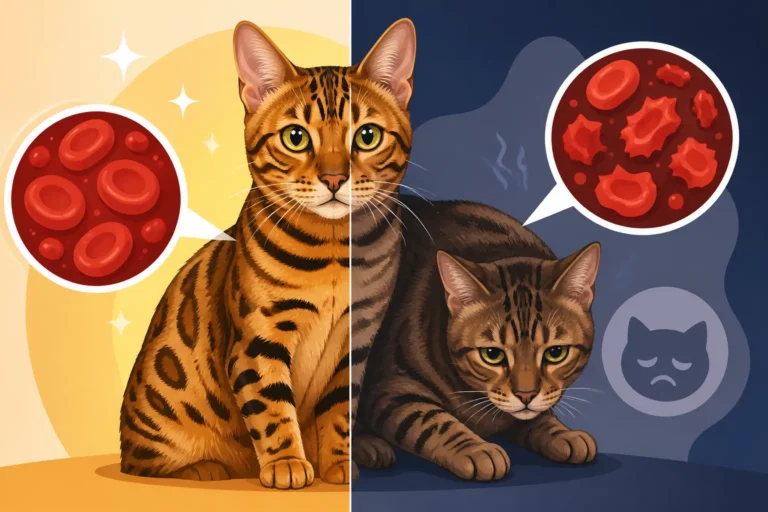
In the past, diagnosing FIP was a complex and often delayed process. Vets relied on a combination of clinical signs, blood tests (like elevated globulin, low albumin), and fluid analysis if effusions (fluid accumulation) were present. Sometimes, the only definitive diagnosis came post-mortem through tissue biopsies. The symptoms themselves are incredibly varied, ranging from fever, lethargy, and loss of appetite to neurological signs, eye inflammation, and the classic "wet" form with abdominal or chest fluid, or the "dry" form with organ granulomas. This variability made early diagnosis incredibly challenging.
The prognosis, once diagnosed, was uniformly grim. Veterinary textbooks and experienced practitioners would tell you there was no cure, only supportive care to manage symptoms for a short time, usually weeks to a few months at best. This reality led to immense suffering for the cats and profound grief for their human companions. Owners were left with an agonizing choice: watch their beloved cat suffer or make the difficult decision for euthanasia to prevent further pain. The lack of options was truly heartbreaking for so many families.
Why Bengal Cats Are Watched for FIP
While FIP can affect any cat breed, there's a general understanding among breeders and veterinarians that certain breeds, including Bengals, might be disproportionately affected or appear to be so due to their prevalence and genetic predisposition. This doesn't mean every Bengal cat will get FIP, but there's a heightened awareness. The intense breeding for popular breeds, sometimes involving larger catteries, can increase the chances of FCoV circulating, which in turn statistically increases the chances of the mutation occurring in susceptible individuals.
Furthermore, young cats, often between three months and two years of age, are more commonly diagnosed with FIP. This is a crucial window for Bengal kittens, as they are often adjusting to new homes and potentially new environmental stressors. Stress, along with genetics and immune system strength, can play a role in whether the FCoV mutates. This is why discussions around Whether Bengal Cats Are More Prone to FIP are common, and why breeders strive to maintain excellent health protocols and advise on ways to keep stress low in their kittens. It's a constant concern that responsible breeders actively work to minimize. You'll often hear discussions about Signs a Bengal Cat Kitten Has FIP specifically because of this younger age vulnerability.
The Game-Changer: GS-441524 and Its Impact on FIP Treatment
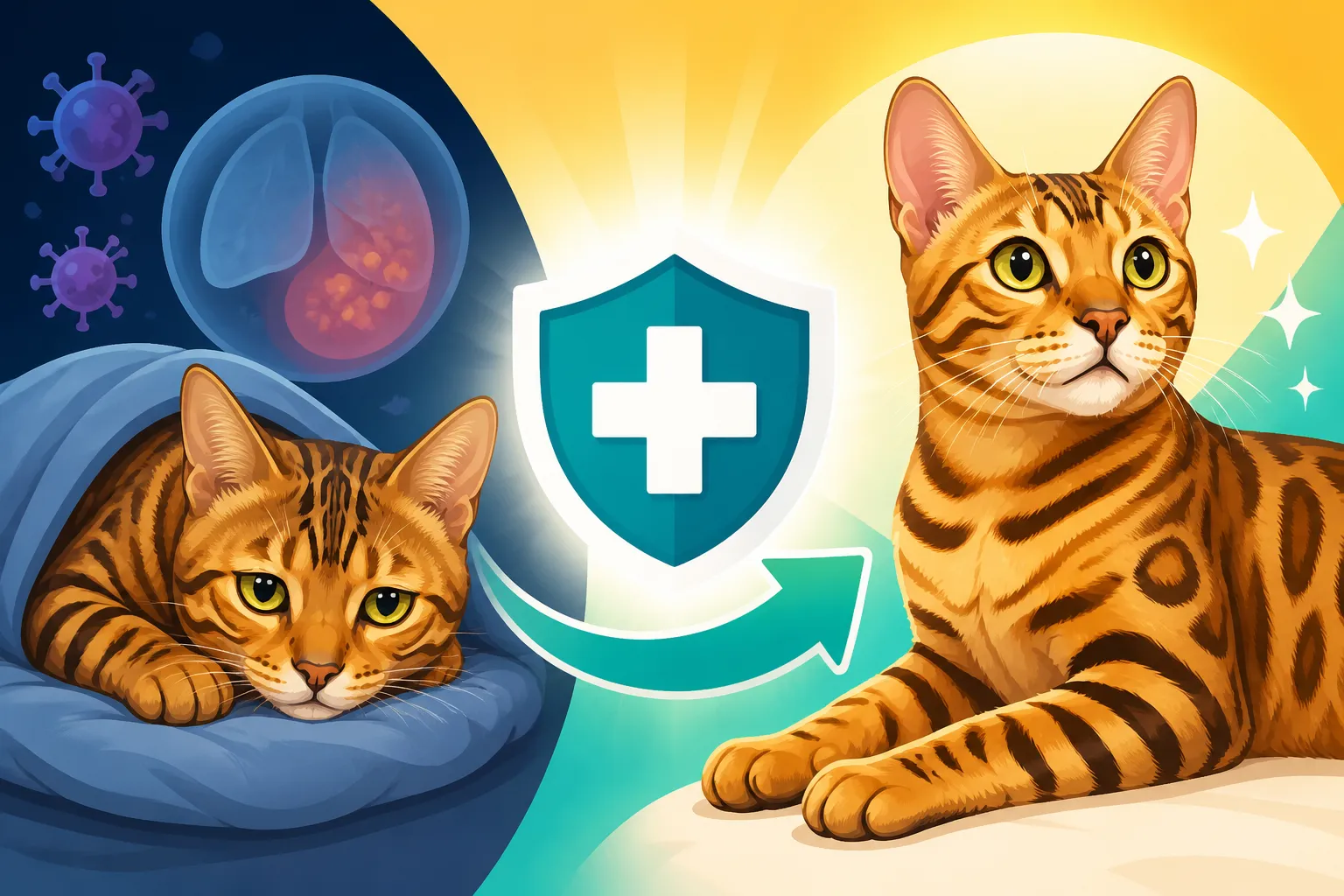
Just when it seemed like FIP would forever remain a death sentence, a scientific breakthrough emerged that has fundamentally altered the prognosis. The advent of specific antiviral medications has transformed FIP from an incurable disease into one with a high success rate, offering a genuine second chance at life for countless cats.
The Scientific Breakthrough: An Antiviral Revolution
The drug that changed everything is GS-441524. Developed by Dr. Niels Pedersen and his team at the University of California, Davis, this nucleoside analog initially showed promise as an antiviral for Ebola. Researchers discovered its incredible efficacy against Feline Infectious Peritonitis during trials, effectively halting the replication of the FIP virus. This was a monumental discovery, a true "aha!" moment that shifted the paradigm from mere supportive care to actual antiviral treatment.
While not yet officially approved by all regulatory bodies worldwide (like the FDA in the U.S. for veterinary use), its widespread use and demonstrable success have been nothing short of miraculous. This situation often leaves pet owners in a tricky spot, navigating a landscape where the best treatment isn't always readily available through traditional, regulated channels. However, the global FIP warrior community, driven by desperation and love, rapidly adopted and distributed this medication, saving thousands of lives and demonstrating its immense potential.
How GS-441524 Works Against the FIP Virus
GS-441524 is an antiviral medication that works by interfering with the FIP virus's ability to replicate. Think of it like a faulty building block for the virus's genetic material (RNA). When the virus tries to build new copies of itself, it incorporates GS-441524 instead of its proper nucleoside. This halts the replication process, effectively stopping the virus in its tracks. By preventing the virus from making more copies, it allows the cat's immune system to start clearing the existing viral load and gives the body a chance to heal from the inflammation and damage FIP causes.
This targeted action is why it's so effective. Unlike previous treatments that could only address symptoms, GS-441524 directly tackles the root cause of the disease. It doesn't kill the virus directly, but it disarms it, making it unable to multiply and spread, which is just as good, if not better. This mechanism means that treatment needs to be consistent and complete to ensure that all viral replication is suppressed, giving the cat the best chance at full recovery.
Success Rates and What Recovery Looks Like
The success rates for GS-441524 treatment are astonishingly high, especially when treatment begins early. Studies and anecdotal evidence from thousands of successfully treated cats worldwide suggest recovery rates upward of 80-90%. This is a complete reversal from the near 0% survival rate prior to its discovery. Cats who were once days or hours from death have bounced back, regaining their appetite, energy, and zest for life.
Recovery isn't instant; it's a journey. Owners typically see improvements in appetite, energy levels, and fever reduction within a few days to a week. Effusions, if present, often start to resolve rapidly. The full course of treatment usually lasts 84 days, and consistent administration is key. After completing the treatment, cats undergo a monitoring period to ensure the virus doesn't resurface. Many cats go on to live full, healthy lives, completely free of FIP. It's truly a miracle drug that has given so many The Twelve to Sixteen Years a Bengal Cat Gets back to them and their families.
Navigating FIP Treatment: What to Expect and How to Administer
Embarking on FIP treatment with GS-441524 is a commitment, requiring diligence, observation, and a strong partnership with your veterinary team. While the drug itself is remarkably effective, the practicalities of administration and monitoring are crucial for success.
Oral vs. Injectable: Choosing the Right Treatment Protocol
GS-441524 is available in two primary forms: injectable and oral. Each has its pros and cons, and the choice often depends on the severity of the FIP, the cat's tolerance, and the owner's ability to administer.
-
Injectable GS-441524: This was the original and, for a long time, the only form available. It's administered once daily via subcutaneous injection, typically in the scruff of the neck.
- Pros: Highly bioavailable, meaning the cat absorbs almost 100% of the drug, making it very effective, especially in critical cases or those with gastrointestinal issues.
- Cons: The injections can be painful, leading to skin lesions, resistance from the cat, and stress for both pet and owner. It often requires two people to administer, and some cats may develop aversion over time.
- Best for: Initial critical phase, neurological or ocular FIP, cats with severe digestive upset, or those who cannot tolerate oral medication.
-
Oral GS-441524: This form became available later and offers a much less invasive option. It's typically given once daily as a pill or capsule.
- Pros: Much easier to administer for most owners, less stressful for the cat, and allows for more independence in care.
- Cons: Bioavailability can be variable, meaning not all of the drug might be absorbed, especially if the cat has digestive issues. Some cats might still resist taking pills.
- Best for: Cats who are stable enough, those transitioning from injectables, or those with less severe forms of FIP.
Many protocols involve starting with injectables for a few weeks to stabilize the cat, then transitioning to oral medication for the remainder of the 84-day course. Your vet and the FIP support community can help guide you in making this important decision.
The Daily Routine: Administering Medication and Monitoring Your Bengal
Once you've decided on the treatment form, a consistent daily routine becomes paramount. This isn't just about giving the medication; it's about meticulous observation and record-keeping.
If using injectables, prepare your supplies: the correct dosage of GS-441524, sterile syringes, needles, and possibly a mild topical anesthetic or calming spray to ease discomfort. Choose a quiet, safe space. Gently scruff your Bengal, lift a fold of skin, and administer the injection swiftly. Reward immediately with a favorite treat or cuddle. Rotate injection sites to minimize irritation.
For oral medication, the process is usually simpler. You might hide the pill in a small amount of Churu, Greenies pill pockets, or use a pill dispenser directly. Bengals are clever, and some will spit out hidden pills, so vigilance is key.
Beyond administration, daily monitoring is crucial. Keep a log of:
- Temperature: Fever is a common FIP symptom; track daily.
- Appetite and Water Intake: Note how much your Bengal is eating and drinking.
- Energy Levels: Is your cat playing, exploring, or still lethargic?
- Stool Consistency: Especially if digestive issues were present.
- Any new symptoms: Such as neurological changes, eye cloudiness, or swelling.
- Weight: Weekly weighing helps track progress and adjust dosing if needed.
Regular vet check-ups are also essential. These appointments often include blood work to monitor organ function and inflammation markers. Your vet can advise on What a Bengal Cat's Yearly Bloodwork Should Cover during this intensive period. It's a demanding routine, but seeing your Bengal regain their sparkle makes every effort worthwhile.
Post-Treatment Monitoring and Relapse Prevention
Completing the 84-day course of GS-441524 is a huge milestone, but the journey doesn't end there. A critical monitoring period follows, typically another 84 days, to ensure that the virus is truly eradicated and there's no relapse.
During this post-treatment observation phase, you'll continue to monitor your Bengal cat for any return of symptoms. Your veterinarian will schedule follow-up blood tests, usually every few weeks initially, to check key indicators like total protein, albumin, globulin, and white blood cell counts. A decreasing globulin level and an improving albumin-to-globulin ratio are positive signs, indicating that the inflammation is subsiding and the body is healing. Sometimes, repeat imaging (like ultrasound) might be recommended, especially if effusions were present.
Relapses, while uncommon, can occur, particularly if the initial treatment dose was too low, the treatment duration was shortened, or if there were compliance issues. If a relapse happens, it typically manifests with a return of previous FIP symptoms, often within the first few weeks or months post-treatment. The good news is that relapses can often be successfully treated with a second, sometimes higher-dose, course of GS-441524.
To further support your Bengal's recovery and overall health, focus on reducing stress, providing a stable environment, and offering a high-quality diet. While FIP itself is not inherited, overall immune health can be influenced by good breeding practices. Discuss with your breeder What a Bengal Cat Breeder Should Have Tested in their lines to ensure the healthiest foundation for your cat. The goal is to support a strong immune system and minimize any factors that could potentially trigger a viral resurgence. It's about providing the best possible environment for your cat to thrive and enjoy their renewed health.
The Financial Reality and Support Systems for FIP Treatment
Let's be real: treating FIP is an investment. It's a testament to the love we have for our feline companions, but it's important to approach it with eyes wide open about the financial commitment. However, the good news is that there are more resources available now than ever before to help families navigate these costs.
The Cost of Hope: Understanding Treatment Expenses
The cost of FIP treatment with GS-441524 can vary significantly based on several factors: the cat's weight (as dosing is weight-dependent), the severity of the FIP (neurological and ocular forms often require higher doses), the brand/source of the medication, and whether you opt for injectable or oral forms. Generally, a full 84-day course can range from $2,000 to upwards of $8,000 or even more for larger cats or complex cases. This estimate often doesn't include the ancillary veterinary costs, such as:
- Initial Diagnosis: Blood tests, imaging (ultrasound, X-rays), fluid analysis.
- Monitoring Vet Visits: Regular check-ups, follow-up blood work during and after treatment.
- Supportive Care: Medications for symptoms like nausea, pain, or appetite stimulation.
- Supplies: Syringes, needles, supplements.
It's a substantial sum, and it’s why many owners in the past simply couldn't afford to fight this battle. However, the price of the medication has come down over time as more suppliers have emerged, making it more accessible to more families. While it can still feel like a monumental expense, compare it to other life-saving treatments for chronic conditions, and you'll find it's often within a similar, albeit high, range.
Pet Insurance and Financial Aid: Exploring Your Options
Facing these costs can feel overwhelming, but several avenues exist to help alleviate the financial burden.
Firstly, pet insurance is a lifesaver for many. If you have a policy in place before an FIP diagnosis, many comprehensive plans, like those offered by Healthy Paws, will cover a significant portion of the treatment costs. However, it's crucial to understand your policy's specifics. Most policies have waiting periods, and pre-existing conditions are typically excluded. Since FIP is a spontaneous mutation, it wouldn't be considered pre-existing unless there was a prior FIP diagnosis. Still, it's worth checking your policy or exploring options like What Insuring a Bengal Cat Costs a Month and Whether Insurance Excludes a Bengal Cat's Inherited Disease before you ever need it. Planning ahead can make all the difference.
Beyond insurance, several financial aid options might be available:
- Veterinary Payment Plans: Many clinics offer payment plans or work with third-party financing like CareCredit.
- Non-profit Organizations: Groups like The Bria Fund, EveryCat Health Foundation, and regional pet aid organizations sometimes offer grants or financial assistance for FIP treatment.
- Crowdfunding: Platforms like GoFundMe are widely used by FIP warrior families to raise funds from their communities.
Don't hesitate to openly discuss costs with your veterinarian. They are often your best resource for understanding options and connecting you with support networks.
The Power of Community: Online Support Groups
Perhaps one of the most incredible developments in the FIP journey is the emergence of robust, international online support groups. These groups, often found on platforms like Facebook (e.g., "FIP Warriors Global"), are invaluable resources. They are run by experienced administrators, many of whom have successfully treated their own cats for FIP.
These communities offer:
- Guidance on Treatment Protocols: While not a substitute for veterinary advice, they can help interpret information, suggest trusted sources for medication, and share best practices for administration.
- Emotional Support: The FIP journey is stressful, and connecting with others who understand the unique challenges and triumphs is incredibly validating.
- Troubleshooting: From injection site reactions to appetite issues, members share advice and solutions.
- Fundraising Tips: Guidance on how to successfully crowdfund or access financial aid.
- Updates on Research: Keeping members informed about the latest developments and trials.
These groups are a lifeline, providing hope, practical advice, and a sense of camaraderie during a challenging time. They exemplify the power of collective action and compassion in the face of a devastating disease. For anyone considering owning a Bengal, or already blessed with one, understanding the full spectrum of care, including the possibility of FIP, can help you appreciate Whether a Bengal Cat Is Worth the Money and the incredible bond you share.
Disclaimer
The information provided in this article is for educational and informational purposes only and does not constitute medical advice. Always consult with a qualified veterinarian for any health concerns or before making any decisions related to your Bengal cat's health or treatment.