What a Charcoal Bengal Cat Costs
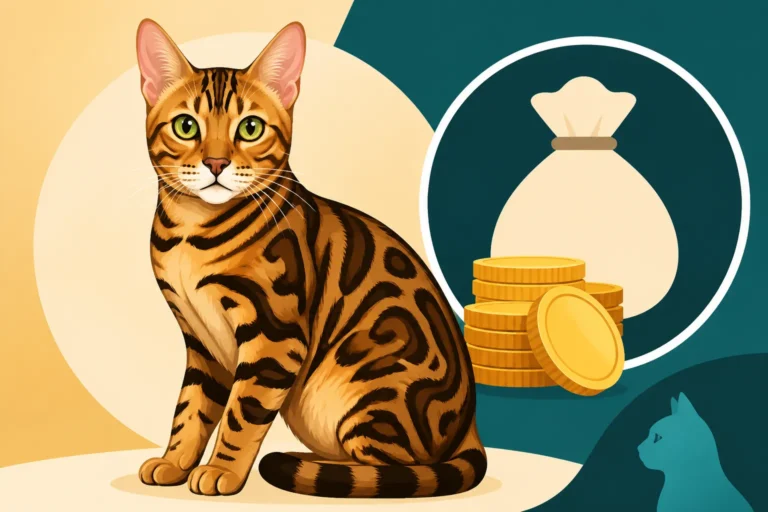
The moment you lay eyes on a Charcoal Bengal Cat, it’s easy to get swept away by their unique, almost primal beauty. But before you fall completely in love and start imagining them climbing your cat trees, it's natural to wonder about the financial commitment involved. People often hear about the "exotic" price tags associated with Bengals and can feel a bit overwhelmed or even disheartened. This guide is here to shed light on what a Charcoal Bengal Cat costs, from the initial purchase to the lifelong care, helping you understand all the factors involved so you can make an informed decision.
Understanding the "Charcoal" in Bengal Cats and Its Price Impact
The "charcoal" in a Charcoal Bengal isn't just a descriptive term; it refers to a specific genetic combination that creates a truly striking appearance. This unique coat type often commands a different price point than other Bengal colors due to its distinctive traits and the genetics required to produce it.
What Makes a Bengal Cat "Charcoal"?
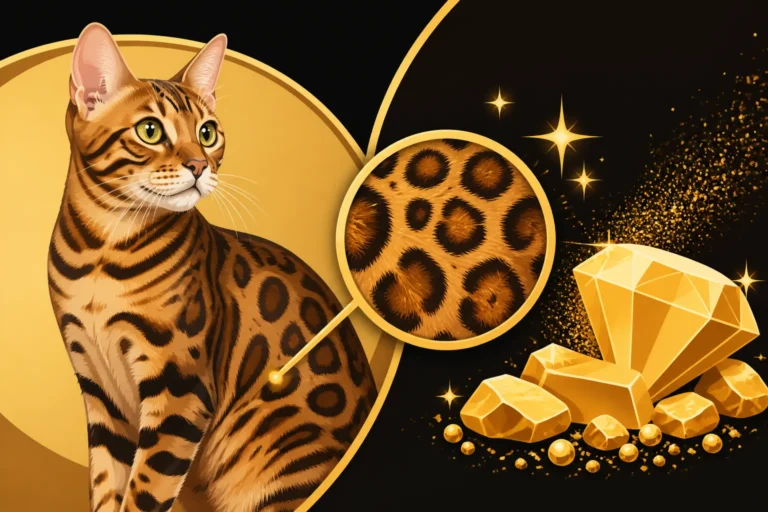
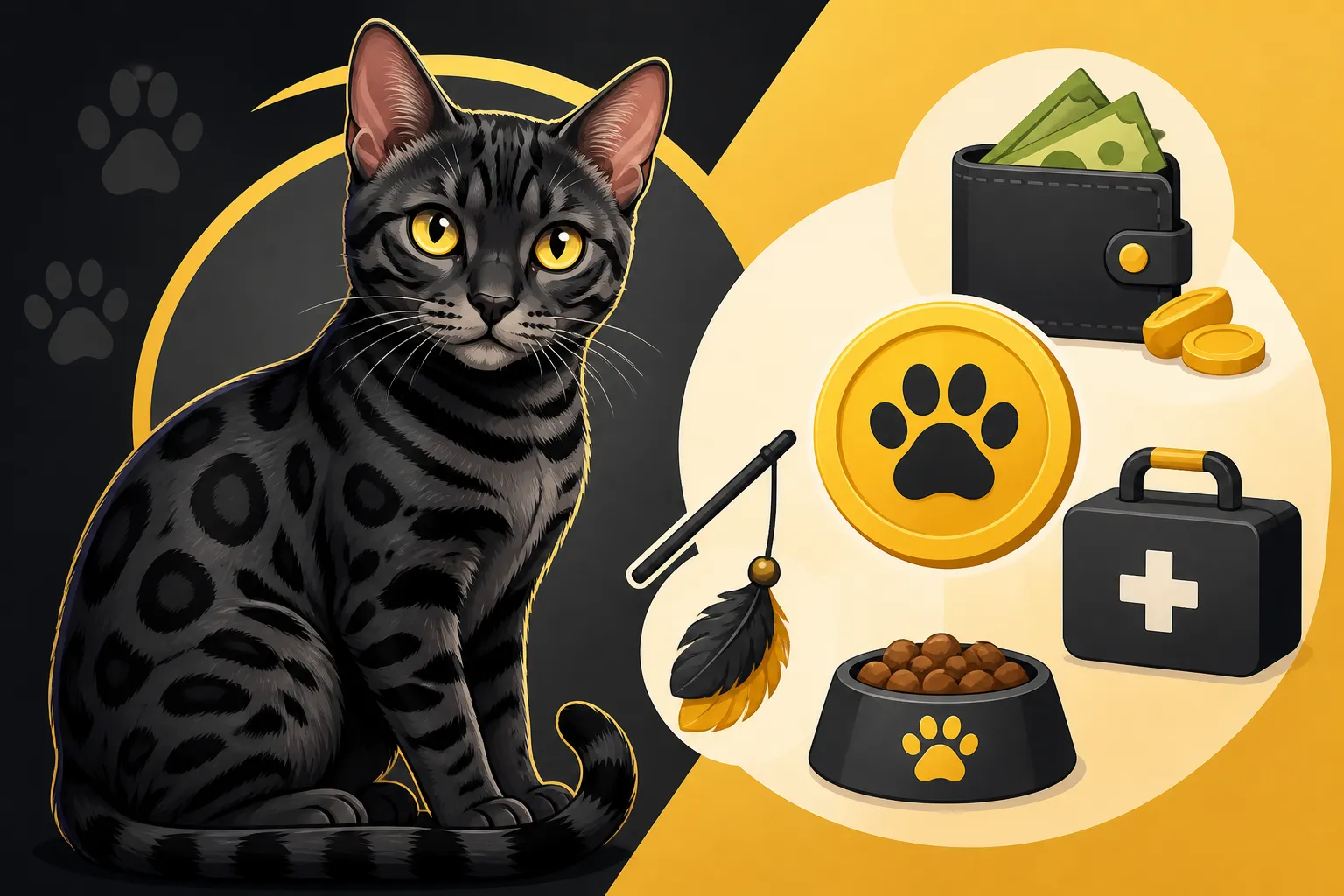
A Charcoal Bengal Cat has a special genetic combination involving the non-agouti gene (a) from the domestic cat and the "apb" (agouti leopard cat variant) gene from the Asian Leopard Cat. When a cat inherits "apb/a" (one from each parent), they become charcoal. This genetic pairing results in a darker, often richer coat, sometimes with a distinctive "Zorro mask" marking on the face and a dark dorsal stripe running down the back. Their rosettes or spots might appear incredibly defined against this darker background, offering a high contrast that's absolutely breathtaking. It's a look that harks back to their wild ancestry even more strongly than other patterns.
The depth of color in a Charcoal Bengal can vary, from a deep, smoky gray to an almost black hue, all while maintaining the vibrant pattern. This isn't just a darker brown; it’s a whole different genetic expression that gives them that "melt-into-the-shadows" kind of appeal. It’s this specific, unique appearance, born from a particular genetic blueprint, that makes them stand out in the Bengal world.
How Charcoal Affects the Initial Purchase Price
Because the charcoal gene combination isn't as common as standard brown or snow varieties, and because it requires specific genetic pairings, breeders often charge a premium for Charcoal Bengal kittens. Producing consistent, high-quality charcoal offspring requires a deep understanding of Bengal genetics and careful breeding programs. Breeders put a lot of time, effort, and financial resources into ensuring their breeding cats carry the correct genetic markers and produce healthy, well-socialized kittens with desirable traits. This specialized knowledge and genetic screening contribute directly to the initial purchase price.
The demand for these strikingly beautiful cats also plays a significant role. Many prospective owners are specifically seeking out the charcoal look, attracted by its exotic flair and intense patterning. High demand for a less common genetic trait naturally pushes prices upwards. Therefore, if you're set on a Charcoal Bengal, be prepared for an investment that might be on the higher end of the typical Bengal price spectrum. When considering what a Bengal Cat costs to buy, you’ll find that certain traits, like charcoal, influence the price significantly.
The Difference Between Charcoal and Other Bengal Colors
While all Bengals are stunning, the charcoal coloration offers a unique aesthetic that sets it apart from more common colors like brown spotted or marbled, or even the various snow points. A standard brown Bengal will have a warm, tawny background, while a Snow Bengal Cat will have a creamy or ivory base. Charcoal Bengals, however, have that distinctive darker, cooler toned background. This high contrast makes their rosettes pop with incredible definition.
This distinct appearance often means a slightly higher price point compared to a brown or seal lynx point Bengal of similar quality. Breeders invest in genetic testing to ensure they are breeding for these specific traits, and this adds to their operational costs. The rarity and visual impact of the charcoal coat mean that it’s often viewed as a more "boutique" or specialized coloration within the breed, directly impacting the final figure on a breeder’s price list. It's not just about aesthetics; it's about the science and breeding expertise behind achieving that look.
Initial Purchase Price: Factors Influencing a Charcoal Bengal's Cost
The price you pay for a Charcoal Bengal Cat isn't just a random number; it's influenced by a multitude of factors, from the breeder's practices to the cat's individual characteristics and even where you live. Understanding these elements can help you gauge if a price is fair and what you're truly getting for your money.
Breeder Reputation and Ethics
A reputable Bengal cat breeder is one of the most crucial factors in determining the initial cost, and for good reason. Ethical breeders invest heavily in the health and well-being of their cats. This includes extensive health testing for common Bengal ailments like HCM Is What Kills Bengal Cats Early, PRA-b Blinds a Bengal Cat by Two and There Is a DNA Test, and Pyruvate Kinase Deficiency in a Bengal Cat. These tests are not cheap, but they are vital for ensuring the kitten you bring home has the best possible start to life. An ethical breeder will readily provide documentation of these tests for both parents and often the kitten itself.
Furthermore, responsible breeders provide a clean, stimulating environment, proper nutrition, early socialization, and often spay/neuter their pet kittens before they go home. They offer ongoing support and have clear contracts. All these practices contribute to a higher initial price, but they drastically reduce the likelihood of costly health or behavioral issues down the line. When you see a breeder asking what seems like a higher price, consider that you are paying for their expertise, their investment in healthy lines, and their dedication to the breed. Conversely, if a deal seems too good to be true, especially for a unique coloration like charcoal, it often is. When considering what a Bengal Cat kitten costs from a breeder, always prioritize reputable sources.
Generation and Pedigree
The generation of a Bengal Cat—denoted by an F-number—and its pedigree also significantly impact the price. For a charcoal Bengal, you’ll typically be looking at SBT (Studbook Tradition) Bengals, which are at least four generations removed from their Asian Leopard Cat ancestor (F4 or higher). These are fully domesticated and eligible for show. The higher the generation number, meaning further removed from the wild ancestor, generally the more predictable the temperament and the more 'domestic' the cat, making them more suitable as family pets.
An SBT Bengal with an excellent pedigree, featuring champions in its lineage and strong, healthy lines, will naturally cost more. This is particularly true for a Charcoal Bengal Cat, as the specific genes for the charcoal trait add another layer of desirability and careful breeding. A kitten that is considered "show quality" – meaning it closely meets the breed standard for conformation and pattern – will be more expensive than a "pet quality" kitten, even if both are charcoal. While the pet quality kitten is still a beautiful, healthy Bengal, it might have a minor trait that disqualifies it from the show ring. You can learn more about how generation influences price by exploring The F1 to F5 Price Ladder for a Bengal Cat.
Geographical Location and Demand
Just like real estate, the cost of a Charcoal Bengal Cat can fluctuate based on geography and local demand. In metropolitan areas or regions with a higher concentration of breeders and an active Bengal enthusiast community, prices might be higher due to increased competition and easier access. Conversely, in more rural areas, prices might be slightly lower, or you might incur additional costs for travel if you have to journey to find a reputable breeder.
Shipping costs, if applicable, would also need to be factored in, although many reputable breeders prefer new owners to pick up their kittens in person to ensure a smooth transition and allow the buyer to see the cattery conditions. Demand within a specific region for particular traits, like the charcoal coloration, can also influence pricing. If charcoal Bengals are particularly sought after in your state or city, breeders might price them accordingly.
| Factor | Impact on Charcoal Bengal Cat Price | Notes |
|---|---|---|
| Genetic Trait (Charcoal) | Higher | Rarity, specific genetic pairing, intense patterning, breeder expertise to achieve. |
| Breeder Reputation | Higher | Extensive health testing, excellent socialization, vet care, guarantees, ethical practices. |
| Generation (SBT) | Varies | Generally higher for SBT (F4+) with strong pedigree; F1-F3 are rarer as pets and often illegal. |
| Quality (Show vs. Pet) | Higher for Show Quality | Show-quality cats meet breed standard more closely; pet-quality are equally loving but have minor flaws. |
| Location & Demand | Varies | Higher in urban areas, high-demand regions; influenced by local competition and transport costs. |
| Included Services | Varies | Neutering/spaying, microchipping, initial vaccinations, deworming, health guarantee. |
Beyond the Purchase: Ongoing Costs of Charcoal Bengal Cat Ownership
The purchase price is just the beginning of your financial journey with a Charcoal Bengal. These active, intelligent, and sometimes sensitive felines have ongoing needs that require a consistent budget. Ignoring these can lead to health problems or behavioral issues, which can end up costing you even more in the long run.
High-Quality Nutrition and Specialized Diets
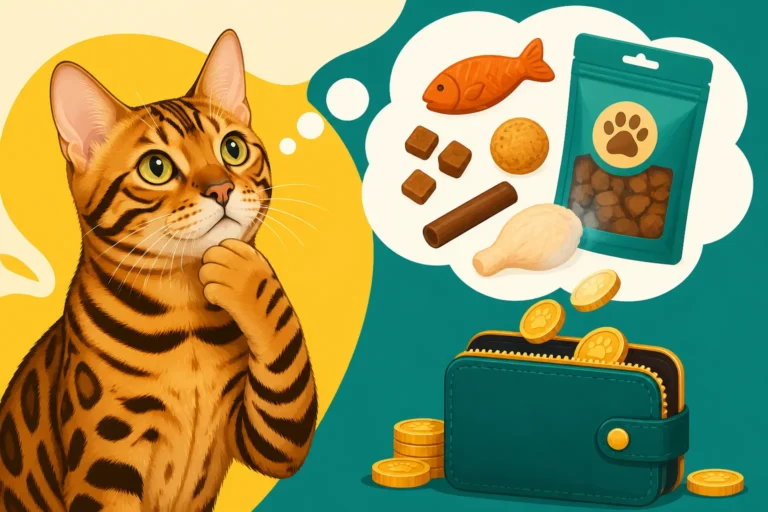
Bengal cats, especially those with their wild ancestry still relatively close, thrive on a high-protein diet that mimics what their bodies are designed to process. This often means higher-quality cat foods, whether it's premium kibble, wet food, or even a raw diet. Many Bengal owners find that their cats do best on foods without a lot of fillers like corn, wheat, or soy. For some Bengals, particularly those prone to a sensitive stomach or Chronic Diarrhea Is the Bengal Cat Complaint Nobody Warns About, a specialized or limited-ingredient diet might be necessary, which can also be more expensive.
Feeding a Bengal Cat Four Generations From a Wild Ancestor requires understanding their unique metabolic needs. Brands like Chewy offer a wide selection of premium and specialized cat foods that cater to these high-protein requirements, often with convenient auto-ship options. Fresh food options are popular with many owners for their Bengals' health and digestion, though they typically come with a higher price tag than conventional supermarket brands. Expect to budget a significant amount monthly for their food to ensure they get the nutrients needed to fuel their boundless energy.
Essential Veterinary Care and Health Testing
Routine veterinary care is crucial for any cat, but for Bengals, it's particularly important to stay on top of regular check-ups, vaccinations, and parasite prevention. Given their breed-specific health concerns, such as HCM Is What Kills Bengal Cats Early or Pyruvate Kinase Deficiency in a Bengal Cat, it's wise to budget for potential additional screening as advised by your vet. While a reputable breeder will have done initial genetic testing on their breeding stock, ongoing monitoring and preventive care are still necessary.
Don't forget the cost of annual wellness exams, dental cleanings (which can become necessary as they age), and emergency funds for unexpected illnesses or injuries. Many Bengal owners opt for pet insurance, like plans offered by Healthy Paws, to help manage these unpredictable veterinary expenses. This can be a huge relief if your cat develops a chronic condition or has an accident, saving you from making difficult financial decisions during a stressful time. Investing in good veterinary care is a testament to Whether the Bengal Cat Is a Healthy Breed and helps ensure they live their full The Twelve to Sixteen Years a Bengal Cat Gets.
Enrichment and Environmental Needs
A Charcoal Bengal Cat's wild heritage isn't just in their looks; it's deeply ingrained in their behavior. These are incredibly active, intelligent, and curious felines that need constant mental and physical stimulation to prevent boredom and destructive behaviors. This means investing in high-quality enrichment items. Think tall, sturdy cat trees that can withstand their athletic climbing, puzzle toys to challenge their minds, and durable wand toys that can stand up to vigorous play sessions. Many Bengal owners also find that a cat wheel is an indispensable tool for burning off excess energy indoors.
For those who want to provide a safe outdoor experience, building or purchasing a Why a Bengal Cat Needs a Catio is a fantastic investment. Catios allow your Bengal to enjoy fresh air and engage with nature without the dangers of free-roaming. All these items—from the basic scratching posts to elaborate catios—add up over time. Skimping on enrichment can lead to a bored Bengal who decides to entertain themselves by climbing your curtains, opening cabinets, or destroying furniture, leading to other costly repairs.
Long-Term Financial Planning for Your Charcoal Bengal
Bringing a Charcoal Bengal Cat into your home is a long-term commitment, both emotionally and financially. Planning for their entire lifespan means thinking beyond the immediate costs and considering future needs and potential challenges.
Preparing for Unexpected Health Issues
No matter how healthy your Bengal starts out, unexpected health issues can arise at any time. A sudden injury, an unforeseen illness, or the development of a chronic condition later in life can lead to substantial veterinary bills. This is where an emergency fund specifically for your pet, or a robust pet insurance policy, becomes invaluable. Some owners find that setting aside a small amount each month into a dedicated savings account helps them prepare, while others prefer the peace of mind that pet insurance provides, knowing a significant portion of unexpected costs could be covered.
It's important to research pet insurance policies carefully, understanding what they cover (and exclude), deductibles, and reimbursement rates. Some policies might have waiting periods for certain conditions or genetic predispositions. While we can’t predict the future, proactive financial planning for health emergencies can greatly reduce stress during already difficult times and ensure your Charcoal Bengal receives the best possible care without delay. This is part of being a responsible owner, safeguarding your cat’s well-being.
Budgeting for a Lifespan of Care
Bengal cats typically live for 12 to 16 years, with some living even longer. This means budgeting for over a decade of food, litter, vet visits, toys, and potential medical treatments. As your Charcoal Bengal ages, their needs may change. Caring for a Bengal Cat Past Ten often involves more frequent vet check-ups, specialized senior diets, and potentially medications for age-related conditions like arthritis or kidney disease. These senior care costs can be considerably higher than those for a young, healthy adult cat.
Creating a realistic long-term budget from the outset can help you prepare. Consider the average monthly costs for food, litter, and routine vet care, then add a buffer for annual vaccinations, flea/tick/worming treatments, and occasional new toys or accessories. Acknowledging that these expenses will evolve over their lifetime will help you avoid financial surprises and ensure you can continue to provide a high quality of life for your beloved companion, from their energetic kitten years to their dignified senior phase.
Comparing Charcoal Bengal Costs to Other Breeds
When considering a Charcoal Bengal, it's helpful to understand how their costs might compare to other cat breeds or even a domestic shorthair. Generally, a purebred cat, especially one with unique genetic traits like the charcoal coloration, will have a higher initial purchase price than a shelter cat or a domestic breed from a backyard breeder. The extensive health testing, breeding expertise, and specific appearance of a Bengal contribute to this.
However, once past the initial purchase, the ongoing costs for a Bengal Cat can be comparable to other active, intelligent cat breeds. Their higher energy levels might mean more spent on durable toys and enrichment, and their high-protein dietary needs might translate to slightly more expensive food. But many owners find these differences negligible when weighed against the joy and unique personality their Bengal brings. The investment is in a highly engaging, interactive, and visually stunning companion. For a deeper dive into the overall expenses, you might find Fifteen Years of a Bengal Cat, Priced Out a useful read.
Is a Charcoal Bengal Cat Worth the Investment?
Ultimately, the decision to bring a Charcoal Bengal Cat into your life comes down to more than just dollars and cents. It's about whether their unique qualities align with your lifestyle and whether you feel the financial commitment is justified by the incredible experience they offer.
The Joys of Owning a Charcoal Bengal
For those who are drawn to their striking looks, intelligent minds, and active personalities, a Charcoal Bengal Cat is an unparalleled companion. Their exotic appearance, with that distinctive dark patterning and often bright eyes, is a constant source of admiration. But beyond their beauty, their playful antics, vocal interactions, and deep affection for their human companions make every day an adventure. They are often described as dog-like in their loyalty and trainability, capable of learning tricks, walking on a leash, and playing fetch.
They become an integral part of the family, constantly engaging and bringing a unique energy to the home. Owners often speak of the strong bond they form with their Bengals, validating the investment in time, effort, and money. The sheer joy and entertainment a Charcoal Bengal brings can often outweigh the financial outlay, making them "worth it" for the right person or family.
Realistic Expectations for Your Budget
It’s crucial to enter into Charcoal Bengal ownership with realistic financial expectations. There are no "hidden costs" if you do your research, but there are definite ongoing expenses that must be accounted for. From the initial price (which, for a charcoal, can be on the higher end of the Bengal spectrum) to the premium food, stimulating toys, annual vet visits, and a potential emergency fund or pet insurance, it all adds up.
If you are prepared for these costs and understand that owning a Charcoal Bengal is a significant long-term financial commitment, then you can truly enjoy the experience without undue stress. Be transparent with yourself about what you can comfortably afford, and ensure you have a buffer for the unexpected. A well-cared-for Charcoal Bengal, provided with the best nutrition, vet care, and enrichment, will reward you with years of vibrant companionship and unforgettable moments.
Disclaimer
This article is for general informational purposes only and does not constitute professional advice. Laws, prices and regulations vary by location and change over time. Consult a qualified professional for guidance on your specific situation.