What Massachusetts Requires for a Bengal Cat
Navigating the specific laws surrounding Bengal cat ownership can feel like untangling a particularly stubborn knot, especially when you're excitedly anticipating bringing one of these magnificent creatures home. Each state, and sometimes even individual cities, has its own set of rules, and what's perfectly fine in one place might require special permits or even be outright banned in another. For those of us in the Bay State, Massachusetts has particular requirements that potential Bengal cat parents absolutely need to understand before making any commitments. This comprehensive guide will walk you through exactly what Massachusetts expects from you as a Bengal cat owner, focusing on how those important generation numbers affect your ability to legally own one.
Understanding Bengal Cat Generations and Massachusetts Law
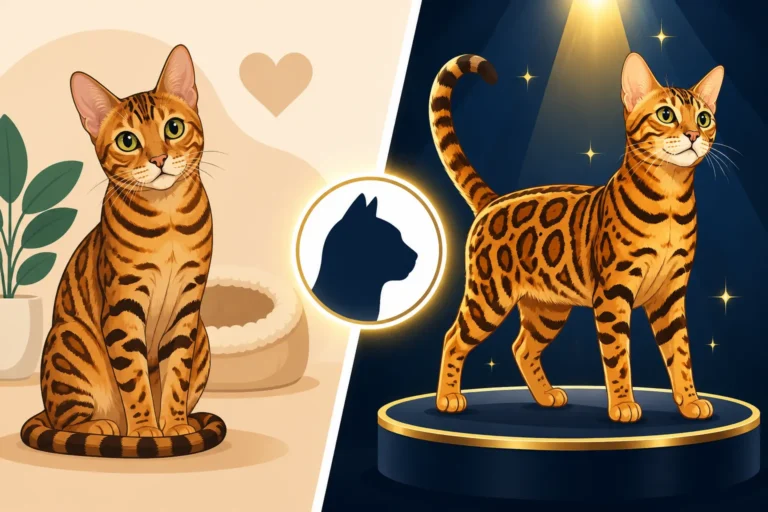
When it comes to Bengal cats, the single most important factor determining legality and any associated regulations is their generation number. This number, often seen as F1, F2, F3, or SBT (Stud Book Traditional, which is F4 and beyond), tells you how many generations removed your cat is from its wild ancestor, the Asian Leopard Cat. The closer to the wild ancestor, the more "wild" DNA and, typically, the more stringent the regulations.
The Filial Generations: F1 to F3
The initial generations of Bengal cats, known as F1, F2, and F3, are typically where most state and local laws draw their lines. An F1 Bengal cat is a direct cross between a domestic cat and an Asian Leopard Cat. An F2 has an F1 parent, and an F3 has an F2 parent. These early generations are often described as having more pronounced wild traits – they can be more challenging to manage, more vocal, and have very specific environmental needs. Because of this, many states classify them as "exotic" or "hybrid" animals and regulate their ownership heavily, if they allow it at all. It's crucial to understand what an F number on a Bengal cat means legally in your state.
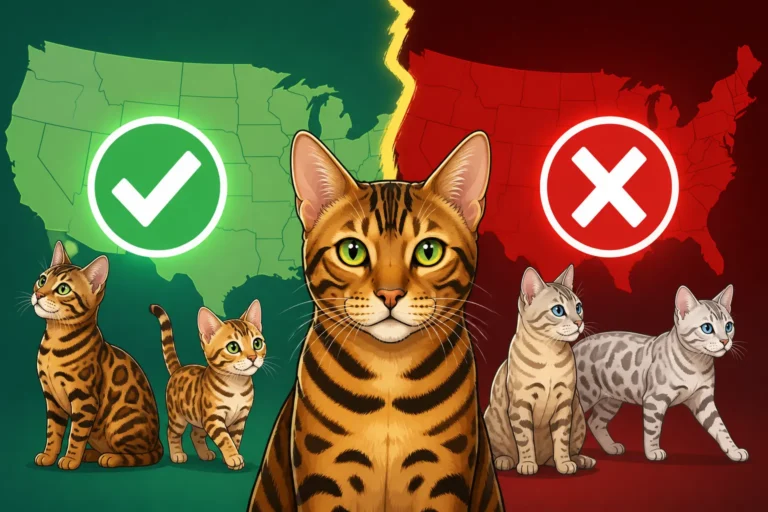
In Massachusetts, the rules for these early generations are quite clear: F1, F2, and F3 Bengal cats are generally prohibited for private ownership without a special permit. The state views these animals as possessing significant wild traits that make them unsuitable for typical domestic pet situations. This isn't just about their temperament; it's also about public safety concerns, potential impact on local wildlife if they escape, and the welfare of the animals themselves. If you're considering an early generation Bengal, you'll need to prepare for a potentially complex and often restrictive application process with the state's wildlife or environmental protection agencies. You can't just buy one and bring it home without going through the proper channels.
SBT Bengal Cats: The Fully Domesticated Line
The good news for many aspiring Bengal cat owners in Massachusetts is that most of the breed falls into the "SBT" category. SBT stands for Stud Book Traditional, and it refers to Bengal cats that are four or more generations (F4, F5, F6, etc.) removed from their Asian Leopard Cat ancestor. By the time a Bengal cat reaches the SBT generation, they are considered fully domesticated, both in temperament and behavior, and are eligible for championship status in cat registries like TICA (The International Cat Association).
In Massachusetts, SBT Bengal cats are generally treated as domestic cats and are legal to own without any special state permits. This means that if you're looking for a Bengal that looks like a miniature leopard but acts like a cuddly, albeit energetic, housecat, an SBT Bengal is likely your best and most straightforward option. They are widely recognized as domestic animals and fall under the same ownership laws as any other cat breed. This distinction is vital, as it allows for responsible ownership of the breed without the complex bureaucratic hurdles associated with early generations. When you're looking at a breeder, always ask for documentation that clearly shows the cat's generation. To ensure you're on the right side of the law, it's always wise to ask a breeder How to Prove Your Bengal Cat's Generation.
Permit Requirements and Compliance in Massachusetts
If you are determined to own an F1, F2, or F3 Bengal cat in Massachusetts, you're looking at a significant process to acquire the necessary permits. This isn't just a simple form; it's a commitment to responsible, regulated ownership.
The Application Process for Early Generations
For early generation Bengal cats (F1-F3), Massachusetts requires a permit from the Division of Fisheries and Wildlife (MassWildlife). This agency is responsible for regulating exotic and hybrid animals within the state, ensuring that their ownership does not pose a risk to public safety, native wildlife, or the welfare of the animal itself. The application process is typically rigorous and involves several steps:
- Understanding the Regulations: Before even applying, you need to thoroughly familiarize yourself with MassWildlife's regulations concerning "Exotic Animals" and "Hybrid Animals." These documents detail the specific conditions under which such animals can be owned.
- Application Submission: You'll need to submit a detailed application, often requiring information about your experience with exotic animals, the specific generation of the Bengal cat you intend to acquire, and detailed plans for its housing and care. This isn't a casual pet ownership application.
- Site Inspection: Expect an inspection of your property by MassWildlife officials. They will assess whether your proposed enclosure and living conditions meet the stringent requirements for housing a hybrid cat. These requirements are usually designed to prevent escape and ensure the animal's welfare, often mimicking conditions suitable for wild animals.
- Permit Fees: There will be associated fees for both the application and the permit itself. These fees can be substantial and are intended to cover the administrative costs of processing applications and conducting inspections. You should be prepared for What an Early Generation Bengal Cat Permit Costs.
- Ongoing Compliance: Obtaining the permit is not a one-time event. You will likely be subject to ongoing inspections and may need to renew your permit periodically, demonstrating continued compliance with all state regulations. This is where What an Inspection for a Bengal Cat Permit Involves becomes a regular part of your ownership journey.
It's vital to remember that these permits are not guaranteed. MassWildlife retains the right to deny permits if they believe the applicant or the proposed living conditions are not adequate. The primary goal is conservation and public safety, not making exotic pet ownership easy.
Consequences of Non-Compliance
Owning an F1-F3 Bengal cat without the proper permits in Massachusetts carries serious legal consequences. These can include:
- Fines: Significant monetary penalties can be levied for illegal possession of a regulated animal.
- Confiscation: The state has the authority to seize your Bengal cat, and once confiscated, it may be difficult or impossible to get the animal back. This is a heartbreaking scenario, but it is a very real possibility if you are found to be in violation of the law. You should be aware of What Happens to a Confiscated Bengal Cat and how this impacts both the animal and the owner.
- Legal Action: In severe cases, you could face criminal charges.
It’s truly not worth the risk, both for your peace of mind and, more importantly, for the welfare of the animal. Always ensure you are fully compliant with all state and local laws before acquiring any Bengal cat, especially those of early generations.
Here's a simplified overview of how generations generally line up with Massachusetts state regulations:
| Bengal Cat Generation | Proximity to Wild Ancestor | Massachusetts State Permit Required | General Classification |
|---|---|---|---|
| F1 | Direct Cross | Yes | Hybrid / Exotic |
| F2 | 1 Generation Removed | Yes | Hybrid / Exotic |
| F3 | 2 Generations Removed | Yes | Hybrid / Exotic |
| F4 (SBT) | 3 Generations Removed | No | Domestic Cat |
| F5+ (SBT) | 4+ Generations Removed | No | Domestic Cat |
Note: This table reflects general state law; local ordinances may vary.
Practical Ownership Considerations Beyond Legality
Even if your Bengal cat is an SBT and therefore legally considered a domestic cat in Massachusetts, there are still practical considerations that differ from owning a typical housecat. These aren't legal requirements, but they are crucial for a happy, healthy Bengal and a harmonious household.
Landlord and Housing Restrictions
While an SBT Bengal cat might be legal at the state level, your landlord might have different ideas. Many rental agreements or homeowner association (HOA) rules have restrictions on specific breeds or types of animals, regardless of their legal status. The exotic appearance of a Bengal cat can sometimes lead to misunderstandings or outright bans.
It’s absolutely essential to check your lease agreement and discuss Bengal cat ownership with your landlord or HOA board before bringing one home. Don't assume that because it's a "domestic cat," it will be accepted like a tabby. The wild look can be a deal-breaker for some. You need to be prepared to answer questions and perhaps even provide documentation from your breeder showing your Bengal's SBT status. Understanding Whether a Landlord Can Refuse a Bengal Cat is key here.
Pet Insurance and Specialized Care
Bengal cats, while generally healthy, are still prone to certain breed-specific health issues like hypertrophic cardiomyopathy (HCM) and pyruvate kinase deficiency (PKDef). Because of their active nature, they might also be more prone to accidents. Investing in pet insurance is a wise decision for any pet owner, but especially for a breed like the Bengal.
When looking for pet insurance, ensure the policy covers breed-specific conditions and doesn't have exclusions for "hybrid" or "exotic" cats if you have an SBT. Many reputable providers, such as Healthy Paws, offer comprehensive coverage for domestic cats, but it's always critical to read the fine print. Don't just assume; confirm that your Bengal's breed is fully covered. Knowing Whether Insurance Covers a Bengal Cat can save you a lot of stress and money down the line.
Food and Supplies
Bengal cats have an incredibly active metabolism and often thrive on high-protein diets that reflect their athletic build. You might find yourself needing to seek out specific brands or types of food to keep them in peak condition and to avoid common digestive issues. Companies like Chewy offer a wide array of high-quality cat foods, including those specifically formulated for active breeds or sensitive stomachs.
Beyond food, Bengals require robust toys and scratching posts that can withstand their vigorous play. They can easily shred lesser-quality items, leading to constant replacement costs. A good, tall cat tree and durable wand toys will be staples in your household.
Responsible Ownership and the Bengal Cat Lifestyle in Massachusetts
Bringing a Bengal cat into your Massachusetts home means more than just complying with laws; it means committing to a lifestyle that caters to their unique needs. These cats are not for the faint of heart, but they are incredibly rewarding companions for the right owner.
Meeting Their Insatiable Need for Activity
One of the most defining traits of a Bengal cat is their high energy level. They are incredibly active, intelligent, and curious. This isn't a cat that will be content to lounge on the sofa all day. Bengals need constant mental and physical stimulation to prevent boredom and destructive behaviors. If you’re not prepared for daily interactive play sessions, puzzle toys, and plenty of vertical space, a Bengal might not be the right fit. It's truly amazing How Active a Bengal Cat Is compared to most other feline companions.
Consider incorporating a cat wheel into your home – many Bengals adore them and will run off their excess energy like tiny wildcats on a treadmill. Investing in sturdy, tall cat trees and shelves will also provide them with the vertical territory they crave. Without adequate outlets for their energy, a bored Bengal can quickly turn to climbing curtains, opening cabinets, or even destroying furniture.
Enriching Their Environment Safely
Given their energetic nature and innate curiosity, creating a stimulating yet safe environment is paramount. While SBT Bengals are permitted as domestic cats in Massachusetts, allowing them to free-roam outdoors unsupervised is generally not recommended, both for their safety and for the protection of local wildlife.
A fantastic solution is a "catio" – an enclosed outdoor space where your Bengal can enjoy fresh air, sunshine, and watch the birds without the risks of escape or predatory behavior. Building or installing a secure catio provides the best of both worlds, giving them safe outdoor access. Many Bengal owners swear by the benefits of a catio; it's truly Why a Catio Is the Answer to a Bengal Cat. For those without catio options, enriching the indoor environment with plenty of toys, scratchers, and vertical climbing structures is essential. It also helps to understand Whether a Bengal Cat Can Be an Indoor Only Cat and how to make that work.
Local Ordinances: Always Double-Check
While Massachusetts state law generally allows SBT Bengal cats without special permits, it's absolutely crucial to remember that local city or town ordinances can sometimes impose additional restrictions. Some municipalities might have their own definitions of "hybrid" animals or specific rules regarding exotic pet ownership that could affect even SBT Bengals, even if it's less common.
Before you bring your Bengal cat home, always contact your local animal control or city clerk's office to inquire about any specific local rules. This extra step ensures you avoid any unforeseen legal troubles and can fully enjoy your new companion without worry. It's a small effort that can prevent a big headache down the road.
Final Thoughts on Bengal Cat Ownership in Massachusetts
Bringing a Bengal cat into your life is a significant decision, and in Massachusetts, it requires careful consideration of state and potentially local laws, especially concerning their generation. While SBT Bengals (F4 and beyond) are generally straightforward to own as domestic cats, the process for F1-F3 generations is highly regulated and demanding.
Beyond legality, remember that Bengals are unique animals with exceptional needs for stimulation, diet, and attention. They are intelligent, vocal, and incredibly active, and thrive best with owners who understand and can meet these needs. If you're prepared for the commitment, a Bengal cat can be an incredibly loyal and engaging member of your family, offering years of lively companionship. Just make sure you've done your homework, checked all the boxes, and are ready for the adventure! Consider the What a Bengal Cat Costs Over Its Lifetime and prepare for these costs.
Disclaimer
This article is for general informational purposes only and does not constitute professional advice. Laws, prices and regulations vary by location and change over time. Consult a qualified professional for guidance on your specific situation.