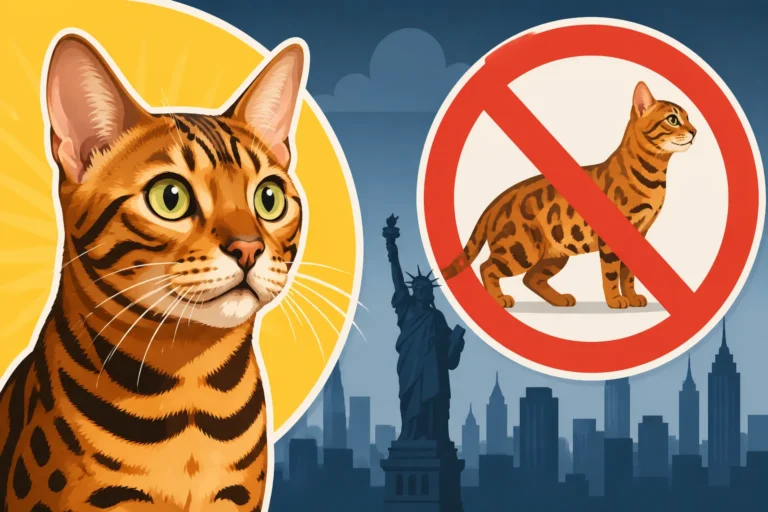
What Connecticut Requires for a Bengal Cat
Thinking of bringing a stunning Bengal cat into your Connecticut home? It's natural to feel a bit overwhelmed by the conflicting information out there regarding their legality. Many aspiring Bengal owners find themselves sifting through state statutes and local ordinances, wondering if their dream cat is even allowed, and what specific hoops they might need to jump through. This can be a really frustrating experience, as nobody wants to fall afoul of the law when all they want is to provide a loving home. This comprehensive guide will help you understand the specific requirements for Bengal cat ownership in Connecticut, how to verify local rules, and what practical steps you need to take to ensure a smooth and legal transition for your new feline friend.
Understanding Bengal Cat Legality in Connecticut
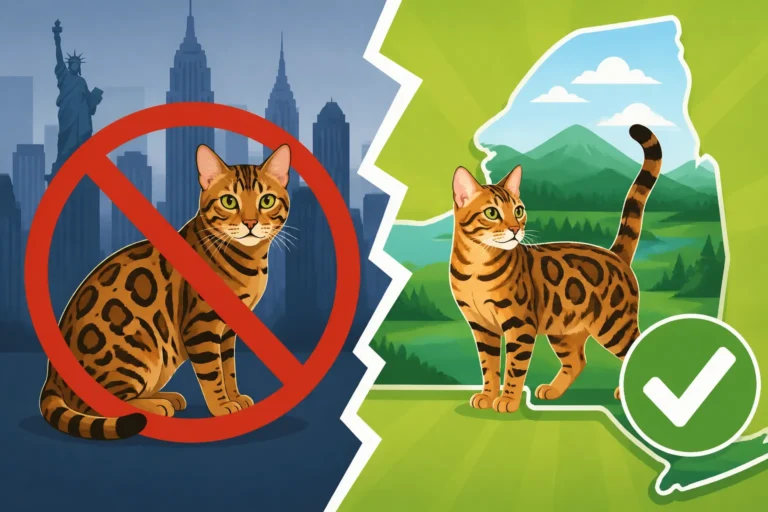
The first hurdle many people encounter when considering a Bengal cat is figuring out the legal landscape. Unlike some states that have outright bans or very strict permitting for all hybrid cat breeds, Connecticut takes a somewhat nuanced approach. The key distinction often lies in the "generation" of the Bengal cat, which refers to how many generations removed the cat is from its wild Asian Leopard Cat (ALC) ancestor. This is often abbreviated with an 'F' number, such as F1, F2, F3, and so on.
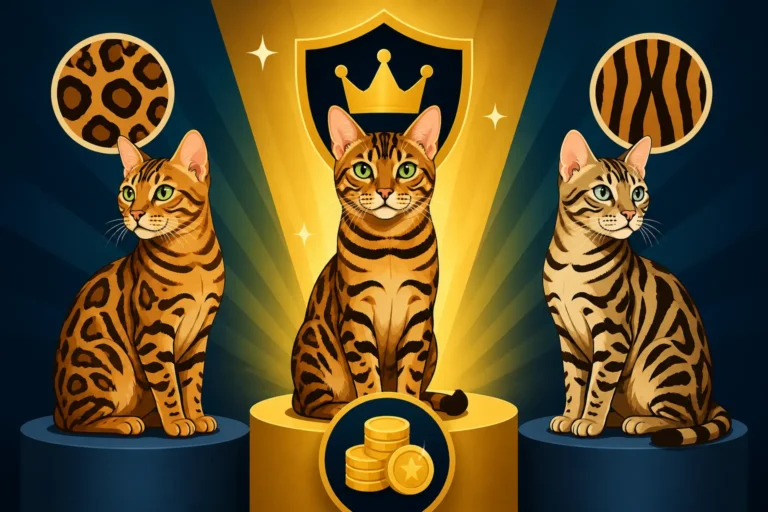
In Connecticut, the primary focus of state law regarding exotic or hybrid animals typically targets those closer to their wild lineage. Generally, this means that later-generation Bengal cats, specifically those classified as SBT (Stud Book Traditional) Bengals, are usually considered domestic cats under state regulations. SBT Bengals are at least four generations removed from their ALC ancestor, making them temperamentally and legally distinct from their earlier generation cousins. Early generation Bengals (F1, F2, F3) are typically the ones that attract more scrutiny due to their closer genetic ties to the Asian Leopard Cat. These earlier generations might be subject to stricter regulations or outright prohibitions. This is a common pattern you see across the country; for instance, some states might draw the line at F4, while others might be stricter. You can learn more about this by reading Which Bengal Cat Generation Most States Draw the Line At.
The good news for most prospective Bengal owners in Connecticut is that if you are looking for a pet-quality SBT Bengal, you are generally in a much clearer legal position. These cats have been bred for domesticity for several generations and are largely accepted as housecats by state animal control statutes. However, it's never wise to just assume. Always verify the most current state statutes or consult with local animal control offices directly, as laws can and do change. The shape of the law is usually around public safety and the potential for wilder traits in earlier generations.
The Filial Generation Divide
Understanding the "F" numbers is paramount when discussing Bengal cat legality. An F1 Bengal is a direct cross between an Asian Leopard Cat and a domestic cat. An F2 has an F1 parent and a domestic parent, and so on. As you move further down the generations, the percentage of wild blood diminishes, and the cats become more consistently domesticated in terms of temperament and behavior.
The state of Connecticut, like many others, focuses its restrictions on these earlier, more "wild" generations. The reasoning is that F1, F2, and F3 Bengals may still retain stronger instincts, larger size, and a more challenging temperament that makes them less suitable for typical household environments. This isn't to say they can't be wonderful companions, but their specific needs and behaviors require a more experienced owner and often, specialized containment or permits. For most families, an SBT Bengal is the most appropriate and legally compliant choice. You might be interested in What an F Number on a Bengal Cat Means Legally for a deeper dive into these classifications.
State Versus Local Jurisdictions
While Connecticut state law generally permits SBT Bengal cats, it’s critical to remember that local ordinances can impose additional restrictions. This is a major point of confusion and frustration for many pet owners, not just Bengal enthusiasts. You might live in a town where the state law is perfectly fine with your SBT Bengal, but the town itself has a specific bylaw concerning "exotic" or "hybrid" cats that could apply to Bengals, regardless of their generation.
It's not uncommon for cities and towns to have their own interpretations or blanket bans on certain breeds, or require specific permits for animals that might be perceived as wild, even if state law doesn't. This patchwork of regulations means that what's legal in Hartford might not be legal in Greenwich, or vice-versa. Therefore, your due diligence must extend beyond just state regulations. We'll delve into navigating these local nuances in the next section, but always start with understanding the state's baseline.
Navigating Local Ordinances Beyond State Law
Once you've got a grasp on Connecticut's state-level guidance, your next crucial step is to investigate your specific city or town ordinances. This is where many prospective Bengal owners get tripped up, assuming that state permission automatically means local permission. That's simply not the case, and ignoring local laws can lead to heartbreaking consequences, like having your beloved cat confiscated. The reality is, Where Bengal Cat Law Is Set, the State or the City is often a combination of both, which makes research essential.
Local animal control, city clerk's office, or municipal code websites are your best friends here. Don't be afraid to make a few phone calls. It's much better to clarify everything upfront than to deal with potential legal issues down the line. When you contact them, be specific: clearly state you are inquiring about a Stud Book Traditional (SBT) Bengal cat, emphasizing its domestic classification. Sometimes the term "Bengal" itself can trigger an automatic assumption of "wild hybrid" in someone unfamiliar with the breed's generations.
Researching Your Town's Specific Rules
Many towns in Connecticut have their municipal codes available online. This is often the quickest way to check for specific prohibitions or requirements. Look for sections related to "dangerous animals," "exotic animals," "wild animals," or "hybrid animals." Pay close attention to definitions. Does the ordinance define "hybrid" in a way that includes SBT Bengals? Does it specify particular generations?
For example, a town might have an ordinance that states "no wild animals or hybrids of wild animals shall be kept as pets within city limits." This could be interpreted broadly or narrowly, depending on who you ask. This is precisely why direct communication with local authorities is so important. You might find that some towns don't explicitly mention Bengal cats at all, but their definitions could still sweep them in. Other towns might be very clear, either permitting or banning them outright. Consider checking the ordinances of several towns in your area if you're flexible about where you live, as this could influence your decision.
The Importance of a Clear Definition
When speaking with local officials, clearly articulate what an SBT Bengal is. Explain that it's many generations removed from its wild ancestor, fully domesticated, and recognized as a domestic breed by major cat registries like TICA (The International Cat Association). Sometimes, providing reputable breed information can help clarify misconceptions. This isn't about arguing, but about respectfully educating and seeking clear guidance.
If a town has a blanket ban on "hybrid cats," you might need to clarify if SBT Bengals fall under that definition. Often, these laws were drafted before the nuances of hybrid breeding, especially for established domestic breeds like the Bengal, were widely understood. Don't be surprised if you need to politely persist to get a definitive answer. It's not always easy, but knowing How to Read Your City Code for a Bengal Cat can empower you.
What to Do If Your Town Has Restrictions
If your specific town does have restrictions on Bengal cats, even SBTs, don't despair immediately.
First, re-read the ordinance carefully. Is there an appeals process? Is there a permit system for which you can apply? How to Apply for an Early Generation Bengal Cat Permit might give you some ideas, even if the permit isn't specifically for early generations. Some towns have a process where you can apply for an exemption or a special permit if you can demonstrate responsible ownership and the cat's domesticated nature. This might involve providing documentation from your breeder, veterinary records, and proof of proper enclosure (like a Why a Catio Is the Answer to a Bengal Cat).
If all else fails and your heart is set on a Bengal, you might need to consider if moving to a neighboring town with more permissive laws is an option. It sounds extreme, but for many Bengal enthusiasts, their cat is a family member worth these considerations. Remember, it's crucial to resolve these legal matters before bringing your Bengal home to avoid any stressful and potentially costly problems down the road. You certainly don't want to find yourself in a situation where you're asking What Happens If You Move With an Illegal Bengal Cat.
Proving Your Bengal Cat's Generation and Compliance
Once you've confirmed that Bengal cats, especially SBTs, are welcome in your Connecticut locale, the next step is ensuring you can prove your cat's generation and compliance if ever questioned. This isn't about anticipating trouble, but about being a responsible owner who has all their ducks in a row. A reputable breeder will provide you with all the necessary documentation, but it's important for you to understand what you're looking for and why it matters.
The most critical piece of documentation for proving your Bengal cat's generation is their pedigree and registration papers from a recognized cat registry, such as The International Cat Association (TICA). TICA specifically recognizes the Bengal cat and meticulously tracks its lineage. These papers will clearly state the cat's generation (e.g., SBT), its parents, and its ancestry. They are essentially your cat's birth certificate and family tree, proving its domestic status.
Breeder Documentation: Your First Line of Defense
When you acquire a Bengal kitten from a breeder, insist on seeing and receiving copies of the parents' pedigrees and the kitten's registration application or certificate. A responsible breeder will be transparent and happy to provide this information. They understand the importance of legal compliance for their kittens' new homes. If a breeder is evasive or cannot provide TICA registration for an SBT Bengal, that should be a major red flag, especially given the legal nuances of hybrid breeds. You should ask Which Questions to Ask a Bengal Cat Breeder.
Here's a breakdown of what that documentation usually looks like:
| Document Type | Purpose | Key Information Provided |
|---|---|---|
| TICA Registration Papers | Official proof of breed and lineage | Cat's name, birthdate, color/pattern, sex, generation (F1, F2, F3, SBT), parents, breeder, and owner information. |
| Pedigree | Detailed family tree for multiple generations | Shows the ancestors up to at least four or five generations, demonstrating the domestic lineage for SBTs. |
| Health Test Certificates | Proof of parental health screening for genetic conditions | Results for PRA-b, PK deficiency, HCM echoes. |
| Spay/Neuter Contract | Agreement for pet-quality cats | Confirms the cat will not be bred and is for companion purposes. |
| Purchase Agreement | Outlines terms of sale, guarantees, and responsibilities | Price, health guarantee, return policy, and other conditions. |
| Microchip Registration | Identification in case of loss | Unique microchip ID number, owner contact details. |
Ensuring you have these documents is not just about legal compliance but also about responsible pet ownership. They verify your cat's identity, health background, and proper breeding practices. This documentation ensures you know exactly what you're getting and can prove it if needed. For more details, you might consult How to Prove Your Bengal Cat's Generation.
Health Records and Veterinary Care
Beyond generation paperwork, maintaining thorough veterinary records is another important aspect of responsible Bengal cat ownership in Connecticut. Your Bengal, like any pet, will require regular check-ups, vaccinations, and preventative care. This also ties into demonstrating that you are providing appropriate care for a domestic animal. A veterinarian who is familiar with Bengals can also attest to your cat's temperament and domesticated nature, should you ever need that support.
Genetic health testing is particularly crucial for Bengals. Responsible breeders will test their breeding cats for common genetic conditions like Pyruvate Kinase Deficiency (PKD) and Progressive Retinal Atrophy (PRA-b), as well as perform regular echocardiograms to screen for Hypertrophic Cardiomyopathy (HCM). While these aren't directly linked to legal generation requirements, they are a hallmark of ethical breeding and responsible ownership. Make sure your breeder provides these results. For example, What a Bengal Cat Breeder Should Have Tested is an excellent resource for understanding these health requirements.
Remember, pet insurance providers like Healthy Paws can offer peace of mind when it comes to unexpected vet bills, which can certainly add up over a Bengal's lifetime. Having a plan in place for your cat's health demonstrates a proactive approach to pet ownership.
Living Responsibly with a Bengal Cat in Connecticut
So, you've done your homework, confirmed your SBT Bengal is legal in your town, and secured all the necessary documentation. Fantastic! Now, the real fun begins: embracing life with this magnificent and active breed in your Connecticut home. Owning a Bengal isn't just about legality; it's about understanding their unique needs and providing an environment where they can thrive. They're not your average couch potato cat, and responsible ownership means catering to their energetic and intelligent nature.
Bengal cats are known for their high energy levels, boundless curiosity, and vocal personalities. They love to climb, explore, and play. This means your home environment needs to be set up to safely accommodate these traits. Think vertical space – tall cat trees, wall shelves, and even enclosed outdoor "catios" are often essential. A bored Bengal can become a destructive Bengal, leading to issues like scratching furniture or getting into places they shouldn't. You'll find a lot of useful information on providing adequate enrichment in The Bengal Cat Is the Most Active Cat You Can Own.
Enrichment and Exercise
One of the biggest requirements for a Bengal cat owner is commitment to their need for mental and physical stimulation. They thrive on interactive play, puzzle toys, and even learning tricks. Daily dedicated play sessions with wand toys are a must. Many Bengals also enjoy playing in water, so don't be surprised if your faucet becomes a favorite watering hole or your shower buddy suddenly has four paws.
Consider investing in a cat wheel, if space allows. Many Bengals absolutely adore running on them, burning off energy in a safe, indoor environment. Leash training is another excellent way to provide enrichment and safe outdoor exploration, especially with Connecticut's beautiful scenery. Imagine taking your Bengal for a walk in a local park (if allowed and safe) – it's a fantastic bonding experience. A Bengal Cat Walks on a Leash can offer guidance on this rewarding activity.
When it comes to feeding, Bengals typically benefit from a high-quality, high-protein diet to fuel their active lifestyles. Foods that focus on natural ingredients and species-appropriate nutrition could be a great fit. You can also explore options from retailers like Chewy for a wide variety of premium foods and treats to keep your Bengal satisfied and healthy.
Socialization and Behavior Management
Bengals are generally social cats and can get along well with respectful children and other pets, including dogs, if properly introduced. However, their high prey drive means small, caged pets like hamsters or birds might not be safe around them. Early socialization is key to ensuring they grow into well-adjusted adults.
They are also incredibly intelligent, which can be a double-edged sword. While they can learn commands and solve complex puzzles, they can also figure out how to open cabinets, doors, and even turn on faucets. "Cat-proofing" your home takes on a whole new meaning with a Bengal! Childproof locks on cabinets, securing valuable items, and being mindful of potential escape routes are all part of the daily routine. A bored Bengal might also become quite vocal, with a range of chirps, trills, and even demanding yowl-like sounds. Understanding The Bengal Cat Voice Is a Demand, Not a Greeting is important for managing expectations.
Long-Term Commitment
Finally, remember that bringing a Bengal cat into your life is a long-term commitment, typically 12 to 16 years. This means ongoing financial responsibility for food, vet care, toys, and enrichment, as well as dedication of your time and energy. While the upfront legal research and initial setup might seem like a lot, the joy and unique companionship a Bengal cat brings make it all worthwhile for the right owner. Ensuring you're compliant with all Connecticut state and local laws is simply the first step in providing a loving, safe, and legal home for your stunning spotted friend.
Disclaimer
This article is for general informational purposes only and does not constitute professional advice. Laws, prices and regulations vary by location and change over time. Consult a qualified professional for guidance on your specific situation.