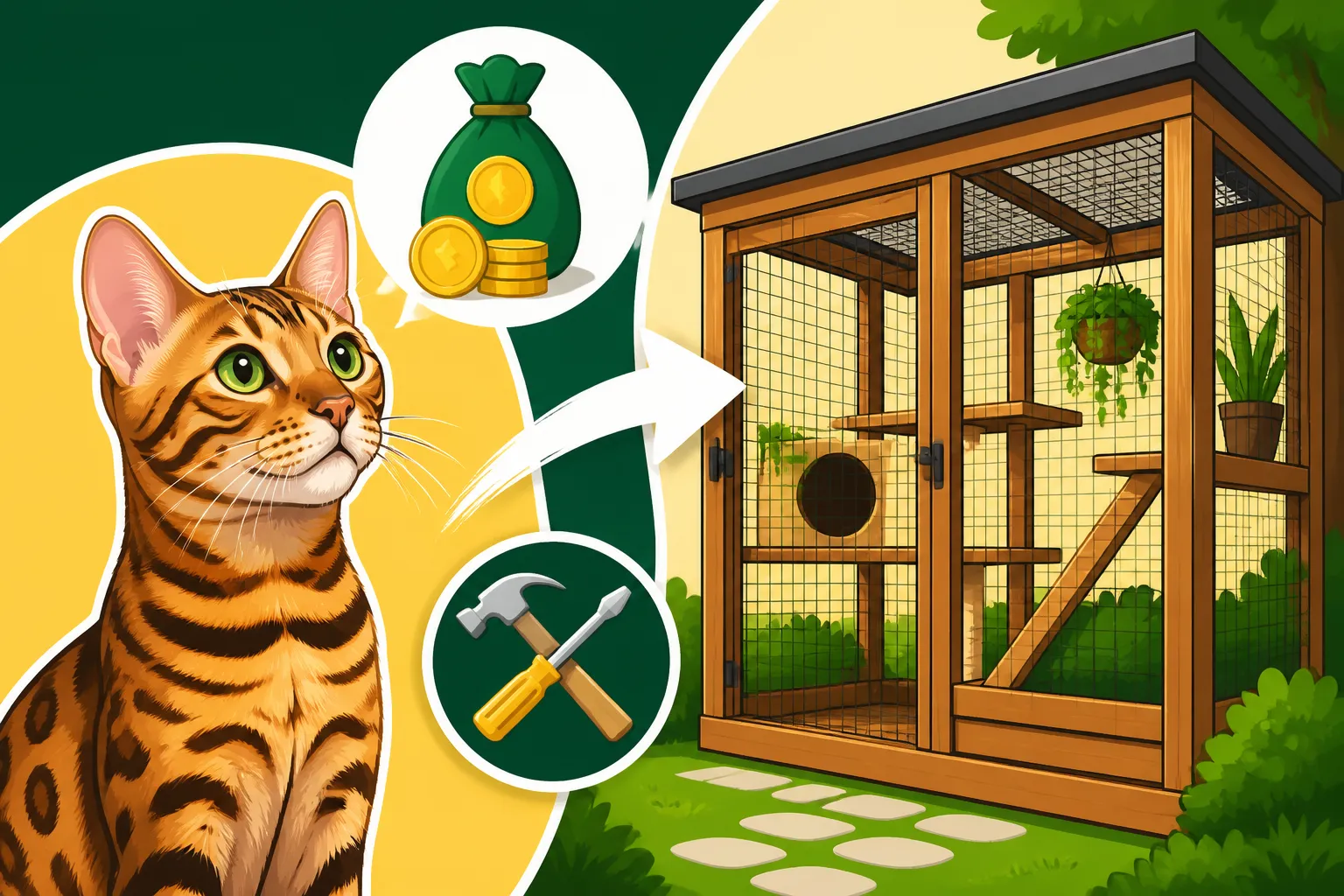
What a Catio Costs to Build for a Bengal Cat
Bengal cats are bundles of energy with an undeniable call to the wild, and while we want them to explore, safety is paramount. The idea of an outdoor enclosure, often called a catio, is a dream for many Bengal owners, offering a secure space for adventure without the inherent dangers of free-roaming. But when you start looking into it, the question quickly becomes: "What does a catio actually cost to build for a Bengal cat?" This guide will break down the various expenses, from materials to labor, to help you budget for creating the purr-fect safe haven for your adventurous feline.
Understanding the Need for a Catio for Your Bengal Cat
The Bengal cat is renowned for its wild ancestry, vibrant personality, and boundless energy. These aren't your average couch potatoes; they are intelligent, curious, and incredibly active animals that thrive on mental and physical stimulation. Many Bengal owners quickly realize that providing enough enrichment purely indoors can be a challenge, leading them to seek safe outdoor solutions. This is where the catio steps in, offering a controlled environment that taps into their innate desires without compromising their safety.
Why Bengal Cats Thrive with Outdoor Access
Imagine a Bengal cat. You probably picture a sleek, muscular animal with a wild gaze, perhaps climbing or exploring. That's because their instincts drive them to do just that. They are natural hunters, climbers, and explorers. A catio provides a designated space where they can exercise these natural behaviors safely. They can feel the sun on their fur, watch birds and squirrels, smell fresh air, and stretch their powerful muscles in ways they might not be able to indoors. This kind of environmental enrichment is crucial for their well-being, helping to prevent boredom and destructive behaviors that can arise from pent-up energy.
Without adequate stimulation, a Bengal cat might start finding their own "adventures" inside your home, which often means climbing curtains, scratching furniture, or attempting to open cabinets and doors. The Bengal Cat Is the Most Active Cat You Can Own, and providing them with an engaging outdoor space directly addresses this need. A catio allows them to observe the world without being part of its dangers, offering them a slice of the wild from the safety of your backyard. It's truly Why a Catio Is the Answer to a Bengal Cat.
Safety Concerns of Free-Roaming Bengal Cats
While the idea of letting your Bengal cat roam freely might seem appealing for their adventurous spirit, the risks far outweigh the benefits. Outdoor environments are full of hazards for domestic cats, especially those as strikingly beautiful and curious as a Bengal. Traffic accidents are a leading cause of injury and death for outdoor cats. Beyond that, there's the danger of encounters with other animals – aggressive dogs, wild predators, or even other cats that carry diseases. Poisoning from chemicals, pesticides, or toxic plants is another serious concern.
Then there's the human element. Sadly, beautiful and distinctive breeds like the Bengal cat are sometimes targets for theft. Furthermore, for a breed with wild ancestry, there can be local ordinances or regulations that restrict or outright ban free-roaming, particularly for earlier generations. Keeping your Bengal safely contained within a catio eliminates these significant risks, giving you peace of mind while allowing your feline friend to enjoy the outdoors. It provides a secure boundary, making you confident that Whether a Bengal Cat Escapes a Catio is largely controlled. This protective measure ensures they live a longer, healthier life, enjoying the fresh air without the constant threat of danger. Whether a Bengal Cat Should Free Roam Outdoors is a debate easily settled when you consider all these factors.
Key Factors Influencing Catio Construction Costs
The price tag on a catio isn't fixed; it varies wildly depending on several crucial decisions you make during the planning stage. Just like building an extension onto your home, the choices you make regarding size, materials, and who does the work will dramatically impact your final expenditure. Understanding these factors upfront can help you align your vision with your budget and avoid any unwelcome surprises.
Size and Complexity of the Design
The most obvious cost driver is the sheer size of the catio. A small window box enclosure for a single cat will naturally cost far less than a sprawling, multi-level sanctuary connected to a cat door. Consider What Size Catio a Bengal Cat Needs based on their activity level and how many cats will use it. Bengal cats love vertical space and room to run, so a larger footprint and multiple platforms are often ideal for them. The more square footage, the more materials, and potentially more labor if you're hiring help.
Beyond size, complexity plays a huge role. Are you envisioning a simple rectangular cage or a custom-designed structure with tunnels, bridges, climbing walls, and integrated plant boxes? A simple, ground-level enclosure with basic wire mesh will be on the lower end of the cost spectrum. Conversely, a multi-story catio built with intricate pathways, multiple access points, and perhaps even integrated into your home's architecture, will escalate costs significantly due to the increased design, material, and construction effort. Think about your Bengal's natural athleticism and desire to climb – a simple box might not cut it for long, so a more complex design often brings better long-term enrichment.
Materials Used for Durability and Aesthetics
The type and quality of materials you choose will have a profound effect on both the cost and the longevity of your catio. For the frame, options range from pressure-treated lumber (a popular choice for its durability and relatively lower cost) to sturdy metal piping (like galvanized steel or aluminum, which are more expensive but offer superior strength and rust resistance). The mesh itself is another critical component. Standard chicken wire is cheap but easily damaged and not always predator-proof. Heavy-gauge welded wire or galvanized steel mesh offers much greater security and durability but comes at a higher price point.
Then there are roofing materials. Do you want simple wire mesh over the top to keep birds out, or a solid roof for shade and protection from rain? Options include polycarbonate panels, corrugated metal, or even shingles to match your home, each with varying costs and installation complexities. Don't forget the flooring: gravel, pavers, synthetic turf, or a concrete slab will each have different material and installation costs. Choosing higher-quality, more durable materials upfront often means a higher initial cost, but it can save you money on repairs and replacements down the line, especially with an active Bengal cat who can be hard on their environment.
DIY vs. Professional Installation
This is often the biggest dividing line in catio costs. Building a catio yourself can save a significant amount on labor, but it requires time, skills, and tools. If you're handy with a saw and a drill, and have experience with basic construction, a DIY approach can be very rewarding and cost-effective. You'll primarily pay for materials, tools (if you don't already own them), and your own sweat equity. However, if you're unsure about construction, don't have the necessary tools, or lack the time, a DIY project can quickly become frustrating, potentially leading to costly mistakes or a less-than-safe enclosure.
Hiring a professional catio builder or a general contractor to construct a custom catio will undoubtedly be more expensive due to labor costs, but it ensures a high-quality, safe, and often more aesthetically pleasing result. Professionals have the experience, tools, and expertise to design and build a structure that meets safety standards and your specific requirements. They can also often source materials more efficiently. The decision between DIY and professional help boils down to your budget, skills, time availability, and the complexity of the catio you envision. A good middle-ground might be purchasing a pre-fabricated catio kit, which offers some cost savings over a custom build while still requiring assembly.
A Detailed Breakdown of Catio Building Expenses
Let's dig into the nitty-gritty of where your money will go when building a catio. It's not just the frame and mesh; there are many components, big and small, that contribute to the overall expenditure. Understanding each category helps in budgeting accurately and making informed decisions.
Material Costs: Framing, Mesh, and Roofing
The raw materials form the backbone of your catio's cost. For the framing, pressure-treated lumber is usually the most budget-friendly option, with costs varying based on the wood type and quantity needed for your design. If you opt for metal framing, such as aluminum or galvanized steel, expect to pay more, but gain in durability and a sleek, modern look. Aluminum is lighter and easier to work with but can be more expensive than steel, which offers immense strength.
The mesh choice is crucial for safety and budget. Basic galvanized hardware cloth, 1/2-inch or 1-inch squares, is a common and relatively affordable option for smaller catios. For larger, more robust structures, or if you have concerns about predators, heavier gauge welded wire mesh is recommended, which will be pricier. Always ensure the mesh is securely attached and durable enough to withstand an active Bengal. For roofing, transparent polycarbonate sheets are popular for letting light in while keeping rain out, ranging from mid to high price points. Metal roofing panels offer maximum durability and shade but can be louder during rain. Tarps are a temporary, inexpensive solution but lack aesthetic appeal and long-term durability.
Consider this table for a general overview of material cost ranges:
| Material Type | Low-End Cost Estimate (per sq. ft. or linear ft.) | High-End Cost Estimate (per sq. ft. or linear ft.) | Notes |
|---|---|---|---|
| Framing | |||
| Pressure-Treated Wood | $2 – $5 per linear foot | $6 – $10+ per linear foot | Depends on size, type, and quality of lumber |
| Aluminum/Steel Tubing | $5 – $10 per linear foot | $15 – $25+ per linear foot | Higher for custom fabrication or thicker gauges |
| Mesh | |||
| Hardware Cloth (1/2") | $1 – $2 per square foot | $3 – $5 per square foot | Basic, good for small openings, but might not withstand determined cats |
| Welded Wire (14-16 ga.) | $2 – $4 per square foot | $6 – $8+ per square foot | Stronger, more durable, better predator protection |
| Roofing | |||
| Polycarbonate Panels | $3 – $7 per square foot | $8 – $15+ per square foot | Clear, good light, various thicknesses |
| Corrugated Metal | $2 – $5 per square foot | $6 – $10+ per square foot | Durable, provides shade, can be noisy in rain |
| Flooring | |||
| Gravel | $0.50 – $1 per square foot | $2 – $3 per square foot | Drainage, can be rough on paws |
| Pavers | $2 – $5 per square foot | $6 – $10+ per square foot | More aesthetic, can get hot |
| Synthetic Turf | $3 – $7 per square foot | $8 – $15+ per square foot | Soft, but needs cleaning |
Note: These are estimates and can vary greatly based on region, supplier, and specific product quality.
Interior Furnishings and Enrichment
Building the enclosure is only part of the story; making it a stimulating environment for your Bengal cat is essential. This is where the fun (and additional costs) come in. Bengals love to climb, jump, and explore, so investing in vertical enrichment is key. This includes shelves, climbing ramps, cat trees, and perches at various heights. You can source these from pet supply retailers or online marketplaces like Chewy, which offers a wide selection of cat furniture. Custom-built shelves, platforms, and bridges can also be created from wood scraps, which can be a cost-effective DIY option.
Don't forget toys! Puzzle feeders, dangling toys, and sturdy scratching posts are all vital for a Bengal cat's enjoyment and to keep them engaged. A sisal-wrapped scratching post or ramp is a must to save your catio's frame from becoming their personal scratching zone. Consider a water fountain, as many Bengal cats are fascinated by running water, and it encourages hydration. All these items contribute to the overall functionality and appeal of your catio, transforming it from a mere cage into a true outdoor adventure zone. Think about What to Put in a Bengal Cat's Catio to ensure it meets their high activity needs. These additions, from a simple hammock to a complex cat tree from Chewy, will enhance their outdoor experience tremendously.
Labor Costs for Professional Builds
If you decide to hire a professional to build your catio, labor costs will be a significant portion of the total expense. This covers the designer's fees, the builder's hourly rates, and any specialized tradespeople if your design is particularly complex (e.g., electricians for lighting or heating elements, landscapers for integrated planting). Labor rates vary widely by geographic location and the builder's experience and reputation.
For a basic, small-to-medium catio, labor might add several hundred to a few thousand dollars on top of material costs. For large, elaborate, or custom-integrated catios, labor could easily run into several thousand dollars or more. This is where getting multiple quotes from different contractors is crucial. Always ask for a detailed breakdown of costs, including materials and labor, and check references to ensure you're hiring a reputable professional. While a higher upfront cost, a professionally built catio offers peace of mind regarding structural integrity, safety, and often, a quicker completion time. This route is often chosen by those who want to ensure their The Twelve to Sixteen Years a Bengal Cat Gets is spent in a truly safe and enriching environment, built to last.
Maximizing Value and Managing Your Catio Budget
Creating a catio for your Bengal doesn't have to break the bank, but it does require careful planning and smart choices. By being strategic with your design, materials, and construction method, you can build a fantastic outdoor space that satisfies your cat's needs without overspending.
Smart Choices for Cost-Effective Catio Builds
One of the best ways to manage costs is to embrace the DIY spirit for as much of the project as possible. If you have some basic carpentry skills, constructing the frame and installing the mesh yourself can save you a substantial amount in labor. Utilize readily available materials like pressure-treated lumber for the frame, which is durable and more affordable than metal. For mesh, look for galvanized welded wire in bulk to get a better price, rather than smaller rolls. Don't be afraid to repurpose or upcycle materials; old wooden pallets can become sturdy platforms, or discarded shelving units can be transformed into climbing structures.
Start with a more modest design and expand later if your budget allows. A simple, securely attached window box catio can provide a great starting point for your Bengal to experience the outdoors. You can then add more modular sections over time. For enrichment, get creative! Instead of expensive cat trees, use tree branches (cleaned and safely secured), sturdy wooden crates, or DIY shelves for climbing. Even simple items from Chewy, like durable hanging toys, can provide hours of entertainment without a huge investment. Remember, it's about providing vertical space, scratching opportunities, and sensory stimulation, which can be achieved through ingenuity as much as through high-end purchases. Consider the value proposition in the long run; a safe catio prevents many vet visits that come with outdoor risks, which can be a significant part of What a Bengal Cat Costs Over Its Lifetime.
Long-Term Benefits Outweighing Initial Investment
While the upfront cost of building a catio might seem like a considerable investment, it's crucial to view it through the lens of long-term benefits for both you and your Bengal cat. Firstly, a catio drastically reduces the risk of accidents, injuries, and exposure to diseases that free-roaming cats face. This means fewer emergency vet visits and lower ongoing medical expenses, saving you money and heartache in the long run. A catio provides a safe, enriching environment that contributes to your Bengal's physical and mental health, potentially extending their lifespan and improving their quality of life. An active Bengal is a happy Bengal, and a catio helps them burn off their immense energy, reducing the likelihood of destructive behaviors indoors. This means less damage to your furniture and home, which can also translate to savings.
Furthermore, a well-built catio can add value to your home. It's a desirable feature for many pet owners and can be a unique selling point if you ever decide to move. For a Bengal cat owner, it transforms a regular backyard into a functional, enriching extension of their pet's living space. The investment pays off in peace of mind, improved cat welfare, and potential property value. It's an investment in your Bengal's happiness and health, providing them with safe access to the enriching outdoors that their wild instincts crave, making it truly worthwhile over Fifteen Years of a Bengal Cat, Priced Out.
Disclaimer
This article is for general informational purposes only and does not constitute professional advice. Laws, prices and regulations vary by location and change over time. Consult a qualified professional for guidance on your specific situation.