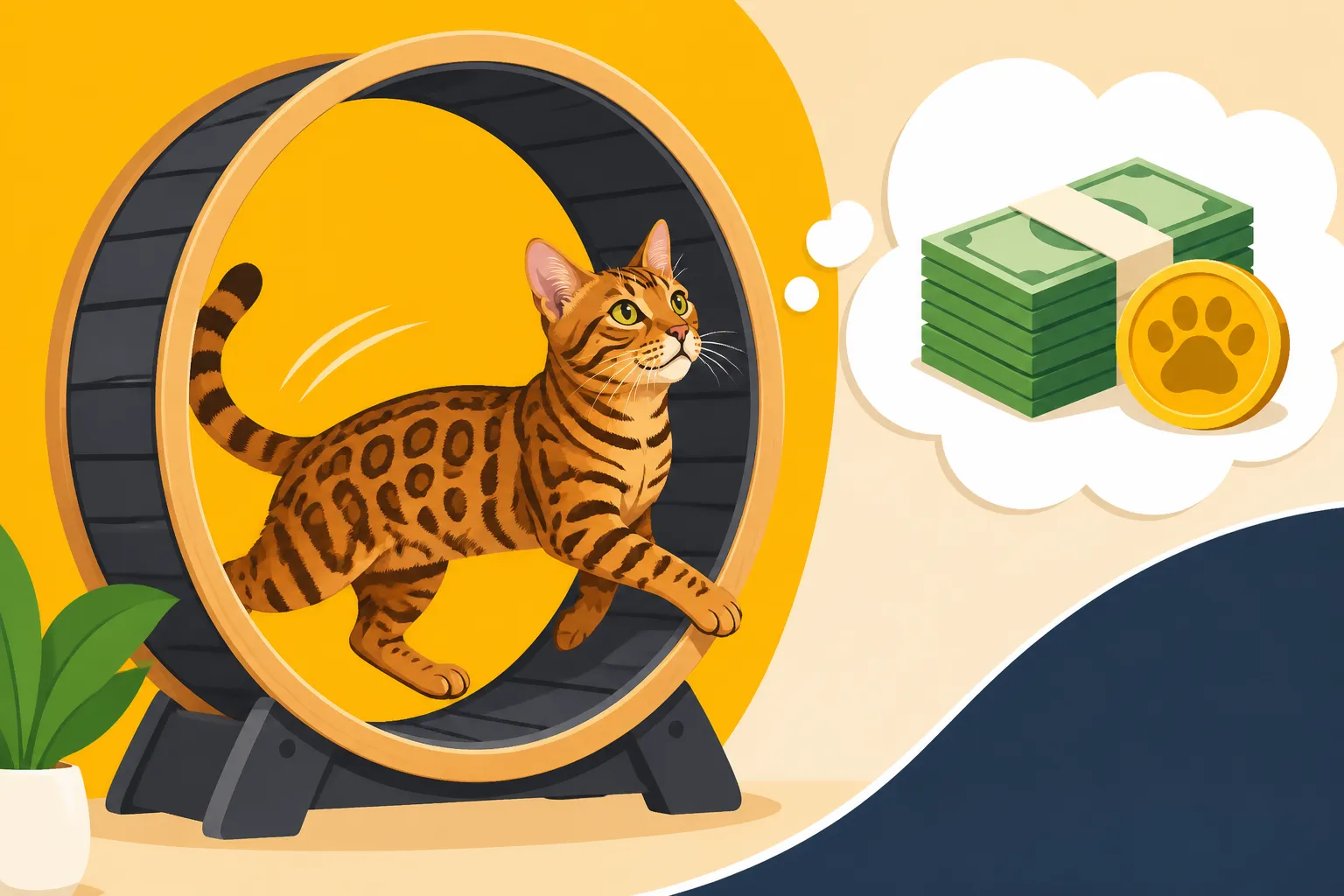
What a Cat Wheel for a Bengal Cat Costs
If you're a Bengal cat owner, or even just thinking about bringing one of these magnificent felines into your home, you've probably already encountered their boundless energy. It's a truth universally acknowledged that a Bengal cat with unspent energy is a force of nature, often leading to zoomies that could rival a racehorse, or worse, mischievous exploration of places you'd rather they didn't go. One of the most talked-about solutions for channeling that incredible drive is the cat wheel, and if you're like most prospective owners, your first thought is likely, "How much is this going to set me back?" This guide will break down the true cost of a cat wheel for your Bengal, beyond just the sticker price.
What is a Cat Wheel and Why Does a Bengal Cat Need One?
Before we dive into the nitty-gritty of pricing, let's talk about what a cat wheel actually is and why it's become such a staple for many Bengal households. Imagine a giant hamster wheel, but designed for a cat – that's essentially a cat wheel. It's an indoor exercise device, typically a large, open circular track that allows your cat to run, walk, and expend energy safely and effectively. It's often free-standing, meaning your cat can hop on and off as they please, setting their own pace.
The "why" for a Bengal cat is pretty straightforward: they are, without a doubt, one of the most active cat breeds you can possibly own. Their wild ancestry, stemming from the Asian Leopard Cat, imbues them with a powerful instinct to run, hunt, and explore. Most domestic cats are content with a few good play sessions a day and plenty of naps, but a Bengal often needs more. Much more. This isn't just about preventing boredom; it's about fulfilling their innate need for intense physical activity that a typical living room or even a spacious home might not naturally provide. A cat wheel offers a continuous, self-directed outlet for that incredible stamina. You can read more about just how much energy they have in How Much Exercise a Bengal Cat Needs a Day.
Fulfilling the Bengal's Instinctive Drive
Bengals aren't just high-energy; they're intelligent and driven. Leaving their physical and mental needs unmet can lead to a host of behavioral issues. Think about it: a sleek, muscular animal bred to run and climb that's confined to a space without adequate outlets. It's a recipe for frustration for both the cat and the owner. A cat wheel can become a primary "hunting ground" where they can sprint, chase phantom prey, and burn off steam, all within the safety of your home. It's a way to replicate some of the vigorous exercise they'd naturally seek in a wild environment.
Beyond the sheer physical exertion, using a cat wheel provides mental stimulation. The act of running, coordinating their movements, and mastering the wheel's momentum engages their minds as well as their bodies. It's a focused activity that can help reduce anxiety or destructive tendencies that often stem from boredom. Many owners report that a Bengal who regularly uses a wheel is a calmer, more contented cat overall, less prone to climbing curtains or terrorizing housemates. It’s truly a remarkable tool for their overall well-being.
Health Benefits Beyond Just Burning Calories
While burning calories is a huge benefit, especially for a breed known for its boundless energy, the advantages of a cat wheel extend further. Regular, vigorous exercise helps maintain a healthy weight, which is crucial for preventing a myriad of health problems as cats age, such as joint issues and diabetes. It strengthens their cardiovascular system and builds lean muscle mass, contributing to their overall vitality and longevity. A well-exercised cat is often a happier cat, and a happy cat is less stressed.
Furthermore, for indoor-only Bengal cats, a wheel provides a vital form of enrichment that can be hard to replicate otherwise. It combats the sedentary lifestyle that many house cats inadvertently fall into. While interactive toys and dedicated playtimes with you are indispensable, the cat wheel offers an additional, independent way for your Bengal to engage their body. It's particularly useful for those times when you're busy or away from home, ensuring they still have an avenue for self-entertainment and exercise. It contributes significantly to The Twelve to Sixteen Years a Bengal Cat Gets by promoting a healthier, more active life.
Factors Influencing the Cost of a Cat Wheel
Now, let's talk numbers – or rather, the various elements that shape the price tag you'll see on a cat wheel. You'll quickly notice that these aren't your average cat toys; they're substantial pieces of equipment, and their cost reflects that. Expect a significant upfront investment, but remember, you're buying a durable piece of fitness equipment, not just a casual plaything.
Size, Materials, and Construction Quality
The most obvious drivers of cost are the size of the wheel and the materials it's made from. You need a wheel that's appropriately sized for your Bengal. They are strong, agile cats, and a wheel that's too small or flimsy won't cut it. A standard housecat might get by with a smaller, more basic model, but a Bengal, known for its long, powerful stride and robust build, needs ample running space and a stable structure. You can research Which Cat Wheel Size a Bengal Cat Needs for more guidance.
- Materials: Cat wheels are typically constructed from wood, high-density plastic, or sometimes a combination of both with metal components for the base and bearings.
- Plastic wheels tend to be on the more budget-friendly side. They are usually lighter, easier to clean, and can be quite durable if made from good quality, heavy-duty plastic. However, cheaper plastic models might feel less stable under a powerful Bengal and may not hold up as well long-term.
- Wooden wheels are generally considered premium. They often feature a more aesthetic design, blending better with home decor, and offer superior stability and durability. Hardwoods or marine-grade plywood are common. These require more intricate manufacturing and often artisanal craftsmanship, which contributes to a higher cost. They can also be heavier, making them a bit more challenging to move.
- Metal components for the axle and base are crucial for smooth, quiet operation and longevity, regardless of the primary material. Poor quality bearings can lead to noise and friction, wearing out faster and requiring replacement.
The construction quality also plays a huge role. A well-built wheel will feature smooth seams, robust fastenings, and a solid, wobble-free base. This is paramount for your cat's safety and your peace of mind. A cheap, poorly constructed wheel could pose a hazard or simply break down quickly under the force of a running Bengal, making it a false economy.
Brand Reputation and Added Features
Just like with any product, the brand behind the cat wheel can significantly impact its price. Established brands with a long track record of producing high-quality pet products often command higher prices, and for good reason. These companies typically invest more in research, development, and testing to ensure their products are safe, durable, and effective. They also tend to offer better customer support and warranties, giving you an extra layer of protection for your investment.
Beyond the basic functionality, many cat wheels come with added features that can increase the cost:
- Traction Surfaces: The running surface often has a textured mat or carpeting to provide grip. Higher-quality, replaceable mats that offer good paw comfort and durability will add to the price. Some even offer different textures to choose from.
- Silent Operation: A significant concern for many owners! Wheels with advanced bearing systems or specific designs to minimize noise will usually be more expensive. You don't want a loud, creaky wheel disrupting your home, especially if your Bengal enjoys their late-night sprints.
- Braking Mechanisms or Safety Locks: Some wheels include features that allow you to lock the wheel in place, which can be useful for training or when you need to prevent your cat from using it.
- Aesthetics and Customization: Premium brands might offer different color options, finishes, or even custom branding, turning the wheel into a statement piece for your home.
- Smart Features: While less common, some innovative models might even integrate with apps to track your cat's activity, though these are certainly at the higher end of the spectrum.
When considering a cat wheel, it’s worth thinking about the long-term value. A more expensive, well-made wheel from a reputable brand might last for many years, proving to be a better investment than a cheaper model that needs frequent repairs or replacement.
Shipping and Assembly Considerations
These are often hidden costs that can take new owners by surprise. Cat wheels are large and heavy items, which means shipping can be substantial. Online retailers like Chewy or specialty pet stores might offer free shipping for larger orders, but always confirm this before you click "buy." If you're purchasing directly from a smaller manufacturer, expect shipping costs to add a notable percentage to the overall price, especially if the wheel is coming from overseas or across the country.
Beyond shipping, consider the assembly process. Some cat wheels arrive fully assembled, which is fantastic but often means higher shipping costs. Others come flat-packed and require significant assembly. While some DIY enthusiasts might enjoy putting together a complex structure, others might find it frustrating. Look for reviews that comment on the ease of assembly. A well-designed wheel will have clear instructions and all the necessary hardware. If you're not handy, or simply short on time, the value of an easily assembled or pre-assembled unit might outweigh a slightly higher price tag. This also means you don't have to worry about accidentally damaging parts during assembly, which could lead to more costs down the line.
Associated Costs Beyond the Initial Purchase
The journey with a cat wheel doesn't always end with the initial purchase. While it's largely a one-time investment, there are other potential costs and considerations that are good to keep in mind, ensuring you have a realistic picture of ownership.
Maintenance and Replacement Parts
Even the most robust cat wheel will require some level of maintenance over its lifespan, and occasionally, replacement parts.
- Traction Pads/Running Mats: The textured surface where your cat runs will eventually show wear and tear, especially with an active Bengal. These pads are usually replaceable and sold separately by manufacturers. The cost will depend on the material and size, but it's a recurring expense you might face every few years, depending on usage.
- Bearings: These crucial components ensure smooth, quiet operation. Over time, especially if the wheel is used heavily, bearings can wear out or become noisy. High-quality wheels often use durable, sealed bearings, but even these may eventually need replacing. The cost for a set of replacement bearings can vary, and you might need a bit of DIY skill to install them, or pay for professional help.
- Cleaning Supplies: Regular cleaning is essential to keep the wheel hygienic and extend its life. This means having appropriate pet-safe cleaning solutions, cloths, and brushes on hand. While these are minor costs, they're part of the ongoing care.
It's a good idea to check if the manufacturer sells replacement parts and what their availability and cost are before you buy a wheel. This ensures you can maintain your investment rather than having to replace the entire unit if a small part fails.
Training Aids and Encouragement
While many Bengals take to a cat wheel with enthusiasm, some might need a little encouragement and training. This can incur minor costs, but it's often essential for successful adoption of the wheel.
- Treats: High-value treats are a fantastic motivator for positive reinforcement training. You'll likely go through quite a few during the initial training phase. Fresh, high-quality treats can truly capture your Bengal's attention and make training a rewarding experience.
- Clicker Training: Many owners find clicker training incredibly effective for teaching new behaviors, including how to use a cat wheel. A simple clicker is an inexpensive tool that yields great results when paired with treats. You can learn more about this in How to Clicker Train a Bengal Cat.
- Interactive Toys: Sometimes, placing a favorite wand toy or laser pointer near the wheel can pique their interest and encourage them to take those first tentative steps. While you might already have these, ensuring you have a good rotation of engaging toys is part of keeping your Bengal stimulated.
The investment in training aids is usually small compared to the wheel itself, but it’s a vital part of ensuring your Bengal actually uses the equipment you've purchased. Patience and consistency are your best friends here!
Long-Term Value and Potential Vet Costs
Considering the long-term value, a cat wheel can be an excellent investment in your Bengal's health and happiness. By providing a consistent outlet for exercise, you're not just preventing boredom-induced mischief; you're actively contributing to their physical well-being. This can potentially save you money in the long run by reducing the likelihood of obesity-related health issues, which can lead to costly veterinary treatments.
However, it's also important to consider the rare but possible scenario of injury. While cat wheels are generally safe when used correctly, an improperly assembled wheel, or one that's too small or flimsy for a powerful Bengal, could theoretically lead to strains or sprains. Ensuring you invest in a quality wheel and properly supervise initial use can mitigate these risks. Still, it's always wise to have a robust pet insurance plan like those offered by Healthy Paws in place for any unexpected veterinary needs throughout your Bengal's life. Prevention is key, but preparedness for unforeseen health concerns is also crucial for responsible pet ownership.
Is a Cat Wheel a Worthwhile Investment for Your Bengal?
So, after considering the various costs and factors, the big question remains: is a cat wheel truly worth the investment for your Bengal cat? For many, the answer is a resounding yes, but it’s not a one-size-fits-all solution. Weighing the pros and cons against your specific Bengal's personality and your household environment is key.
The Benefits: Health, Happiness, and Harmony
The primary benefit, as we’ve discussed, is providing an unparalleled outlet for your Bengal’s immense energy. This isn't just about burning calories; it's about channeling their innate drive in a constructive way. A Bengal that regularly uses a wheel is often a much calmer, happier, and more well-adjusted companion. This can drastically reduce destructive behaviors that stem from boredom or pent-up energy, saving your furniture, sanity, and potentially expensive repair bills down the line. It's a key piece of their enrichment puzzle, as explored in How Much Enrichment a Bengal Cat Actually Needs.
Beyond behavior, the health benefits are significant. Regular cardio helps maintain a lean body mass, strengthens the heart, and keeps joints supple. For an indoor-only cat, this self-directed exercise is invaluable. Many owners report that their Bengals eagerly hop on the wheel multiple times a day, sometimes for extended periods, truly enjoying their personal running track. You'd be surprised by How Long a Bengal Cat Runs on a Wheel once they get going! This leads to a healthier cat, which means fewer vet visits for preventable conditions, contributing to their overall lifespan and quality of life. The peace of mind knowing your active cat is getting the exercise they crave, even when you're busy, is truly priceless.
The Challenges: Cost, Space, and Adoption Rate
Of course, there are downsides to consider. The initial cost is the most significant hurdle. A quality cat wheel is a substantial investment, often comparable to a piece of human exercise equipment. This can be a significant barrier for some budgets. It's important to view it as a long-term investment in your cat's well-being, rather than a disposable toy.
Another practical consideration is space. These wheels are large. You'll need a dedicated area in your home where the wheel can reside permanently without being a tripping hazard or blocking pathways. If you live in a small apartment, finding suitable space can be a challenge. Make sure to measure your available space carefully before committing to a purchase.
Finally, there's the possibility that your Bengal might not take to the wheel immediately, or even at all. While Bengals are generally enthusiastic, individual personalities vary. Some will jump on and start running immediately, while others might need patient, consistent training over several weeks or even months. There's no guarantee that every cat will become a wheel enthusiast, and that's a risk you take with any large pet product. However, with the right approach using high-value treats and positive reinforcement, most Bengals can be encouraged to use it. Don’t get disheartened if they don’t immediately understand it; remember, it’s a new concept for them!
Making an Informed Decision
Ultimately, deciding whether a cat wheel is worth the cost for your Bengal comes down to a few factors: your budget, available space, and your cat's individual needs. If you have an exceptionally high-energy Bengal who constantly demands playtime, or if you're concerned about them becoming overweight or destructive due to lack of activity, a cat wheel can be an incredibly valuable addition to your home. It's a proactive step in managing their unique requirements.
Before making the plunge, do your research thoroughly. Read reviews, watch videos of Bengals using different wheels, and consider the reputation of the manufacturer. Look for wheels that emphasize stability, durability, and quiet operation. Think about purchasing from retailers like Chewy that offer clear return policies, just in case your Bengal is one of the rare few who simply refuse to use it. While the initial outlay is significant, for many Bengal owners, the long-term benefits in terms of their cat's health, behavior, and overall happiness far outweigh the expense. It’s an investment in a calmer household and a healthier, more fulfilled feline companion.
Cat Wheel Cost Considerations Table
To help you visualize the different aspects that influence the cost, here's a general overview of what you might expect for various types of cat wheels. Remember, these are broad categories, and specific brands will have their own pricing structures.
| Feature Category | Lower Cost Range (General Shape) | Mid-Cost Range (General Shape) | Higher Cost Range (General Shape) | Key Characteristics |
|---|---|---|---|---|
| Primary Material | Basic plastic, lighter woods | Durable plastic, quality plywood | Hardwoods, marine-grade plywood, metal accents | Impact on durability, weight, and aesthetics |
| Size & Stability | Smaller diameter, lighter base | Standard Bengal size, sturdy base | Large diameter, heavy-duty, reinforced base | Crucial for Bengal's comfort, safety, and longevity |
| Running Surface | Thin felt or basic carpet | Replaceable, durable carpet/mat | Premium, thick, ergonomic traction pads | Comfort for paws, grip, and replacement frequency |
| Noise Level | Can be audible, basic bearings | Good bearings, quieter operation | High-grade silent bearings, advanced design | Impact on household peace, especially during active use |
| Added Features | Minimal, basic design | Braking mechanism, moderate color options | Custom finishes, smart tracking, advanced safety features | Enhances usability, aesthetics, and user experience |
| Assembly Effort | Moderate to high (flat-packed) | Moderate (clear instructions) | Low (often partially or fully assembled) | Time and effort required after delivery |
| Brand & Warranty | Less known, limited warranty | Reputable brand, standard warranty | Premium brand, extended warranty, excellent support | Confidence in quality and post-purchase assistance |
This table offers a snapshot to guide your research. When you look at an actual product, consider where it falls on this spectrum for each category, and that will give you a clearer idea of its value proposition.
Disclaimer
This article is for general informational purposes only and does not constitute professional advice. Laws, prices and regulations vary by location and change over time. Consult a qualified professional for guidance on your specific situation.