The Bengal Cat Voice Is a Demand, Not a Greeting
One of the biggest eye-openers for new Bengal cat owners is often the sheer volume and unique nature of their vocalizations. If you’re expecting soft, polite meows, you're in for a surprise. Many Bengal owners find themselves utterly baffled, and often frustrated, by what sounds less like a friendly greeting and more like a constant stream of demanding shouts. This guide is here to help you understand why your Bengal talks so much, what they're trying to tell you, and how to manage their insistent chatter without losing your mind.
Understanding the Bengal Cat's Unique Voice
Let's be honest, the Bengal cat doesn't just "meow." They have an entire repertoire of sounds that can be startlingly loud, persistent, and utterly unlike the gentle purrs and chirps you might expect from a typical domestic housecat. It’s part of their wild charm, yes, but it can also be a significant challenge if you're not prepared.
The Volume and Pitch of Bengal Vocalizations
The first thing you'll notice is the sheer volume. When a Bengal decides to voice its opinion, it’s not subtle. Their meows can escalate into piercing yowls or drawn-out cries that echo through your home. Imagine a Siamese, then crank up the intensity and add a touch of primal urgency – that's often the Bengal sound. This isn't just an occasional outburst; for many Bengals, it's a regular feature of their day, especially if they’re seeking attention or expressing discontent. The pitch can vary wildly too, from a high-pitched, almost bird-like chirp to a deep, guttural growl that might make you wonder if there’s a small jungle cat lurking in your living room. It's truly a distinctive characteristic, and one that often catches new owners off guard, leading to those moments of "what have I gotten myself into?"
The Range of Sounds in a Bengal's Repertoire
Beyond the volume, it’s the variety of sounds that truly sets a Bengal apart. They don't just have one or two meows; they have a language. You'll hear distinct chirps and trills, often used to communicate with you or other pets, especially when excited. Then there are the more demanding, almost guttural sounds, sometimes sounding like a deep "prrrrt" or a series of rapid, insistent meows. These are usually the ones that signify they want something, and they want it now. Some Bengals even develop a unique "talking" sound that almost mimics human speech patterns, adding another layer to their already complex vocal communication. It’s like having a tiny, insistent opera singer living with you, constantly improvising new ways to get their point across. Understanding this range is the first step to figuring out what your particular feline friend is trying to convey.
Why Bengal Cats Are So Vocal: The Wild Ancestry Link
It's tempting to think your Bengal is just being dramatic, but their vocal tendencies are deeply rooted in their heritage. These aren't just quirks; they're echoes of their wild ancestors.
The Asian Leopard Cat Influence on Vocalization
Every Bengal cat has the majestic Asian Leopard Cat (ALC) in its family tree. The ALC is a small wild cat known for its diverse and often loud vocalizations in its natural habitat. They use a range of sounds, including growls, hisses, chirps, and even a distinct "churring" sound, to communicate within their territory, with mates, or as a warning. This isn't just a friendly "hello" to a passerby; it's essential for survival and social interaction in the wild. When you bring a Bengal into your home, you're essentially getting a domestic cat with a genetic predisposition for this wider, louder, and more urgent vocal repertoire. Your Bengal's demanding yowl isn't just for show; it's a diluted, domesticated version of an ancient survival instinct that says, "I need something, and I need it now." This connection to their wild side is a key reason Why a Bengal Cat's Voice Sounds Wild.
Early Generations and Vocalization Intensity
It's generally observed that the closer a Bengal cat is to its Asian Leopard Cat ancestor, the more intense and frequent its vocalizations tend to be. Early generation Bengals (F1, F2, F3) are often the most vocal, displaying a broader range of sounds and a more insistent tone. This is because they retain a higher percentage of their wild genes. As the generations progress (F4, SBT, etc.), the vocalizations typically become more refined and closer to what you'd expect from a domestic cat, though still often louder and more demanding than many other breeds. However, even an SBT (Stud Book Tradition) Bengal, many generations removed, can surprise you with a sudden, ear-splitting yowl if they feel ignored or want something desperately. It's a trait that has been selectively bred for its distinctive "wild" appeal, so even if the intensity lessens, the propensity to vocalize remains a strong characteristic of the breed.
The Different Types of Bengal Cat Vocalizations and What They Mean
Learning your Bengal’s language takes time and careful observation. Each sound they make is a piece of a larger puzzle, designed to convey a specific message.
Chirps, Trills, and Happy Sounds
These are often the most endearing Bengal sounds! A chirp or a trill is usually a positive vocalization, often used as a greeting or an invitation. When your Bengal spots a bird outside the window, you might hear a rapid series of chattering chirps – a sign of their excitement and predatory instinct. They might also chirp or trill at you when they enter a room, as if saying, "Hello, I'm here! What are we doing?" or "Come play with me!" It's their way of engaging with you in a friendly, often playful manner. If they're leading you to their food bowl or a favorite toy while chirping, they're inviting you to participate. This is often the sound of a happy, engaged Bengal, and it's a wonderful indicator of their mood. For more on this specific vocalization, check out What a Bengal Cat's Chirp Means.
Yowls, Howls, and the "I Need Attention Now!" Cry
Now, we move into the more challenging territory: the yowls and howls. These are typically the sounds that drive owners to distraction. A Bengal’s yowl is a drawn-out, often high-pitched, mournful sound that can signify a strong demand. It’s not just a casual meow; it's a declaration. If your Bengal is yowling, they are usually trying to communicate something urgent, such as "I'm hungry, feed me immediately!" or "You've been on that computer for too long, pay attention to me!" They might yowl when they're left alone for too long, expressing boredom or loneliness. This insistent vocalization can be particularly prominent if their routine is disrupted, or if they're not getting enough mental and physical stimulation. It's their way of making it absolutely clear that their needs are not being met to their satisfaction. Understanding Why a Bengal Cat Yowls at You is crucial for addressing the underlying cause.
Meows, Chatters, and General Conversation
While we've focused on the more extreme sounds, Bengals also use a variety of "standard" meows, albeit often louder and more expressive than other breeds. These can be short, sharp meows indicating impatience, or longer, drawn-out ones seeking clarification. Their chatter, often accompanied by rapid tail movements, might be a response to a bird, a squirrel, or even just another cat they see through the window, an instinct known as "prey chattering." Sometimes, a Bengal will engage in a seemingly one-sided conversation, meowing repeatedly as they patrol their territory, perhaps airing their grievances to an inanimate object or simply expressing their presence. It's a rich tapestry of sounds, each with its own nuance, and becoming attuned to these variations will greatly enhance your ability to understand your feline companion.
Decoding the Demands: When Your Bengal Cat Needs Something
The demanding nature of a Bengal cat's voice isn't always about being rude; it's about being incredibly effective at getting your attention. They learn very quickly what works.
The Hunger Games: Insistent Food Demands
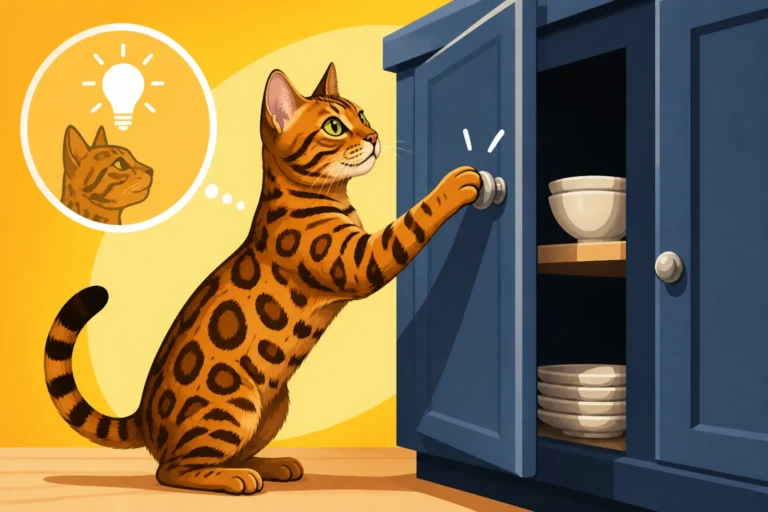
This is probably one of the most common and persistent reasons for vocalization. Bengal cats are active creatures, and they burn a lot of calories. They also tend to be very food-motivated. If their mealtime is approaching, or if they simply believe it should be approaching, they will make it known. The vocalizations can range from persistent meows circling your legs to full-blown, ear-splitting yowls directed squarely at you, often accompanied by frantic pawing at the cupboard where their food is stored. They might even knock things off counters or chew on objects to draw your attention to their empty bowl. It's less a request and more an urgent ultimatum: "My stomach is empty, and this is unacceptable!" Many owners find themselves giving in just for a moment of peace, inadvertently reinforcing the demanding behavior.
The Quest for Attention: "Look at Me!" Vocalizations
Bengals thrive on interaction. They are not content to be ignored. If you're engrossed in a book, watching TV, or, heaven forbid, on a phone call, your Bengal might initiate a vocal campaign to redirect your focus. This can start with softer meows, gradually escalating to louder yowls, and even physically nudging or pawing at you. They might jump on your lap, purr loudly while staring intently into your eyes, and then, if that fails, let out a piercing cry right next to your ear. They understand that quiet behavior often goes unnoticed, but a loud, insistent demand rarely does. This isn't necessarily a sign of neglect; it's simply a testament to their high need for interaction and their cleverness in getting it. If you have a Bengal, you're their favorite form of entertainment, and they expect you to be available. This ties into How Active a Bengal Cat Is and their need for constant engagement.
Environmental Dissatisfaction: "Fix This Now!"
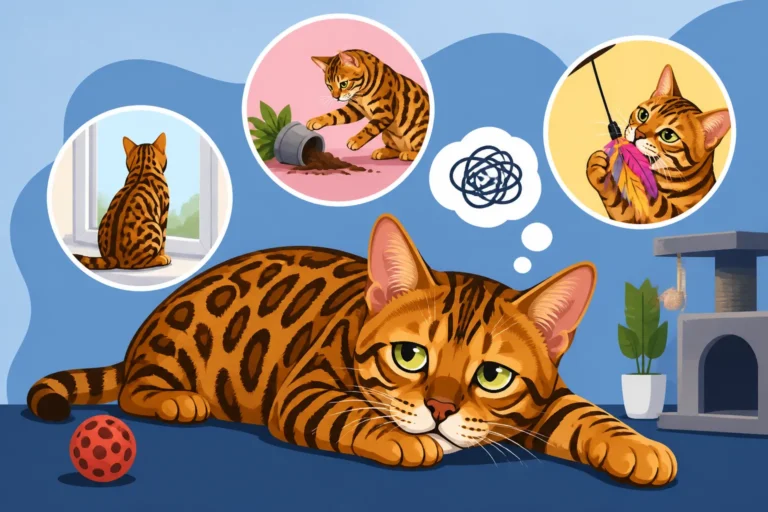
Bengals are incredibly sensitive to their environment and have definite opinions about what's "right" and "wrong." If their litter box isn't clean enough, if their water bowl is too low or not fresh enough, if a door is closed that they feel should be open, or if they simply don't have enough stimulation, they will vocalize their displeasure. A sudden, sharp meow or a series of irritated chirps might indicate they need you to scoop their box. A prolonged yowl by the back door could mean they want access to their catio or window perch. If they're bored, they might wander around the house, vocalizing periodically, almost complaining about the lack of excitement. They're not being finicky; they're communicating their needs and frustrations very directly. This makes it crucial to provide ample enrichment to prevent boredom, which can often manifest as excessive vocalization.
Managing Excessive Vocalization: Strategies for a Quieter Home
While you can't silence a Bengal entirely – nor would you want to, as their unique voice is part of their charm – you can certainly implement strategies to manage truly excessive or demanding vocalizations.
Establishing a Consistent Routine and Boundaries
Cats, especially intelligent and sensitive ones like Bengals, thrive on routine. A predictable schedule for feeding, playtime, and even cuddle sessions can reduce anxiety and the perceived need to vocalize. If your Bengal knows when to expect food, they might be less inclined to demand it an hour early. Consistent meal times, for instance, can help curb those intense hunger yowls.
Beyond routine, establishing clear boundaries is paramount. This means not reinforcing demanding vocalizations. It’s incredibly tough, but if your Bengal yowls for food, wait until they are quiet for a few seconds before putting the food down. The moment they associate silence with getting what they want, rather than noise, you start to turn the tide. The same applies to attention. If they yowl for pets, ignore them until they quiet down, then calmly approach and offer affection. It takes patience and consistency, but it's a vital step. Remember, consistency from everyone in the household is key, or your clever Bengal will just figure out who the weak link is!
Providing Ample Environmental Enrichment
A bored Bengal is a loud Bengal. These cats are incredibly intelligent and energetic, and if their minds and bodies aren't sufficiently stimulated, they will find ways to entertain themselves – often through destructive behavior or incessant vocalization. The Bengal Cat Is the Most Active Cat You Can Own, which means they require a significant amount of mental and physical engagement.
- Interactive Toys: Invest in a variety of toys that encourage active play, like wand toys (which they will inevitably destroy, so keep spares handy!). Toys that dispense treats, available widely on Amazon, can keep them busy and mentally stimulated.
- Vertical Space: Bengals love to climb. Tall cat trees, wall-mounted shelves, and cat "highways" provide essential vertical territory, satisfying their instinct to perch and observe.
- Puzzle Feeders: Instead of just putting food in a bowl, make them work for it. Puzzle feeders challenge their minds and slow down eating, reducing boredom and potentially easing those "I'm hungry" demands. For challenging options, consider looking up Which Puzzle Feeder Beats a Bengal Cat.
- Catios or Supervised Outdoor Access: A secure outdoor enclosure (catio) offers fresh air and new sights and smells without the dangers of free-roaming. If a catio isn't feasible, consider How to Leash Train a Bengal Cat for supervised walks. New experiences tire them out and reduce the need to vocalize out of sheer boredom.
The Power of Ignoring (When Appropriate)
This is perhaps the hardest strategy to implement, especially when your Bengal is giving you an earful, but it's one of the most effective for attention-seeking vocalizations. When your Bengal is demanding attention through incessant meows or yowls, try to ignore them completely. This means no eye contact, no speaking to them, no giving in to their nudges. Turn your back, leave the room, or pretend you don't hear them. The moment they quiet down, even for a few seconds, that's when you reward them with attention.
The tricky part? It often gets worse before it gets better. Your Bengal, used to their tactics working, will likely escalate their efforts when you start ignoring them. They might yowl louder, more persistently, or try new attention-grabbing stunts. This is known as an "extinction burst." You must weather this storm. If you give in even once during an extinction burst, you've inadvertently taught them that if they just try harder and longer, they will get what they want. Consistency is absolutely vital here. This strategy applies primarily to attention-seeking vocalizations, not to cries that might indicate pain, fear, or a genuinely urgent need.
Living with a Vocal Bengal: Embracing Their Personality
While managing demanding vocalizations is important, it's also crucial to accept that a certain level of chattiness is just part of living with a Bengal. They're not a quiet breed, and trying to make them into one will only lead to frustration for both of you.
Accepting Their Chatty Nature
One of the first steps to a harmonious life with a Bengal is acknowledging and accepting their inherent chattiness. This isn't a fluffy Persian or a silent British Shorthair; this is a Bengal, and their voice is a prominent part of their personality. They are intelligent, curious, and want to communicate with you. Once you shift your perspective from "my cat is too loud" to "my cat is communicating with me in their unique Bengal way," you might find some peace. Many Bengal owners eventually come to love their cat's diverse vocalizations, seeing them as a sign of engagement and affection, even if they sometimes border on demanding. It's a testament to their vibrant personalities.
Building a Stronger Bond Through Communication
Instead of seeing their vocalizations as a nuisance, try to view them as an opportunity to deepen your bond. When your Bengal meows at you, engage with them. Talk back in a calm, soothing voice. Pay attention to the subtle cues that accompany their sounds. Do they chirp excitedly when you grab the treat bag? Do they yowl plaintively by the door when you're leaving? Understanding these nuances helps you anticipate their needs and respond proactively, which can sometimes head off the more demanding vocalizations.
Spend dedicated, interactive playtime with your Bengal every day. This satisfies their innate hunting instincts and their need for attention. Use those wand toys, throw soft balls for them to fetch – Bengals are known for their fetching abilities! Engaging with them on their terms, listening to their unique language, and responding thoughtfully fosters trust and strengthens your relationship, making their vocalizations feel less like demands and more like conversations. Consider how How Long a Bengal Cat Can Be Left Alone affects their need for interaction.
When to Worry: Medical Reasons for Increased Vocalization
While Bengal cats are naturally vocal, a sudden or marked increase in vocalizations, especially accompanied by other behavioral changes, should always prompt a visit to the veterinarian. It could be a sign that something is genuinely wrong.
Sudden Changes in Vocalization Patterns
Any abrupt change in your Bengal's vocal habits warrants attention. If a previously quiet cat suddenly becomes extremely vocal, or if a typically chatty Bengal starts making new, unusual sounds, it's a red flag. This could include continuous, distressed meowing, excessive howling at night, or a change in the type of vocalization – for example, a cat who used to chirp now only yowls.
These changes can sometimes indicate pain, discomfort, or an underlying medical issue that your cat is trying to communicate. Since cats are masters at hiding illness, vocalizations might be one of the few outward signs they're unwell. Don't dismiss a sudden shift in their "talking" as mere mischief; it could be their desperate plea for help.
Signs of Pain or Illness
Increased vocalization, particularly if it's persistent, plaintive, or seems to be directed at a specific part of their body, could be a sign of pain. Cats in discomfort might yowl, groan, or meow excessively. Look for other accompanying signs:
- Changes in Appetite or Thirst: Eating less or more, or drinking excessively.
- Changes in Litter Box Habits: Urinating or defecating outside the box, straining, or frequent trips to the box.
- Lethargy or Hiding: Being less active, sleeping more, or seeking secluded spots.
- Aggression or Irritability: Lashing out when touched, or showing unusual irritability.
- Grooming Changes: Over-grooming a specific area, or neglecting grooming entirely.
- Mobility Issues: Limping, difficulty jumping, or stiffness. Conditions like Distal Neuropathy in a Bengal Cat or joint pain could manifest this way.
If you observe any of these symptoms alongside increased vocalization, don't hesitate to contact your vet. A prompt diagnosis can make all the difference. What a Bengal Cat Weighs can also be a subtle indicator; sudden weight loss or gain might signal health issues.
Senior Cat Vocalization and Cognitive Decline
As Bengals enter their golden years (typically around 10-12 years old, as discussed in The Age a Bengal Cat Is Considered Senior), their vocalizations can change. Senior cats, like aging humans, can sometimes experience cognitive decline, leading to disorientation, anxiety, and increased vocalization, particularly at night. They might meow aimlessly, seem confused, or yowl as if lost even in familiar surroundings. This is often referred to as Feline Cognitive Dysfunction Syndrome (FCDS).
Other age-related conditions, such as arthritis, kidney disease, hyperthyroidism, or even failing eyesight or hearing, can also contribute to increased vocalization due to pain, discomfort, or confusion. It's important to schedule regular veterinary check-ups for your senior Bengal to address any underlying medical conditions and to discuss strategies for managing cognitive decline, such as environmental adjustments or dietary supplements.
Training and Enrichment to Redirect Demanding Meows
Beyond simply ignoring unwanted sounds, proactive training and enrichment can channel your Bengal’s energy and intelligence into more desirable behaviors, thus reducing demanding vocalizations.
Clicker Training for Quiet
Clicker training is a fantastic way to communicate clearly with your intelligent Bengal cat. You can actually use it to train for quiet. The process involves rewarding silence. Start by having your clicker and treats ready. When your Bengal is quiet for even a second, click and immediately give a treat. Gradually increase the duration of silence required before the click and treat. You can also pair a cue word like "Quiet" or "Shush" with the click and treat when they are not vocalizing.
This method requires consistency. When your Bengal starts to yowl for attention, ignore them completely. The moment they stop, even for a breath, click and treat. Over time, they will learn that being quiet earns them rewards, while being loud does not. This engages their How Intelligent a Bengal Cat Is mind in a positive way, making them think about how to earn that treat rather than just demanding it.
Puzzle Feeders and Distraction Techniques
As we've touched upon, puzzle feeders are a godsend for Bengals. They make mealtime a challenging and engaging activity, burning mental energy and reducing the chances of boredom-induced vocalizations. Instead of gulping down their food in 30 seconds and then demanding attention, they spend significant time working for their meal. There's a wide range of puzzle feeders available on platforms like Amazon, from simple treat-dispensing balls to more complex multi-stage puzzles. Rotate them regularly to keep your Bengal interested.
Distraction techniques can also be effective. If your Bengal starts to vocalize excessively for attention, instead of directly engaging with them, toss a favorite toy or a crinkle ball a short distance away. This redirects their focus from demanding your attention to a solo play activity. Ensure you have a stash of highly motivating toys easily accessible.
Harness Training and Outings for Mental Stimulation
One of the best ways to combat boredom and excess energy (which often leads to vocalization) is to introduce your Bengal to the great outdoors – safely, of course. Harness training can be a hugely rewarding experience for both you and your Bengal. It provides an incredible amount of mental stimulation from new sights, sounds, and smells. A 15-20 minute supervised walk outside can tire a Bengal out more than an hour of indoor play, simply because of the sheer novelty and sensory input.
Start slowly with the harness inside, rewarding them with treats for wearing it, then progress to short walks in a quiet, secure area. Many Bengals take to leash walking surprisingly well, enjoying the adventure. This not only burns physical energy but also satisfies their innate curiosity and need for exploration, which can significantly reduce the need for demanding vocalizations born from boredom or frustration indoors. For guidance on getting started, refer to How to Leash Train a Bengal Cat. Just make sure the harness is secure; these clever cats can often slip out of standard designs.
| Vocalization Type | Typical Sound | Common Meaning | Action for Owner |
|---|---|---|---|
| Chirp/Trill | Bird-like, soft, rolling | Greeting, excitement, invitation to play/follow, spotting prey | Respond in kind, engage in play, follow them to see what they want. |
| Meow | Varies: sharp, drawn-out, repetitive | General communication, minor request, impatience, "hello" | Assess context: is it food, attention, a door? Engage calmly. |
| Yowl/Howl | Loud, persistent, high-pitched, mournful | Urgent demand (food, attention), boredom, loneliness, distress, pain | Ignore attention-seeking. Check for genuine needs (food, water, litter). If new/distressed, vet check. |
| Chatter | Rapid, staccato, teeth-chattering | Excitement at prey (out of reach), frustration, focused predatory instinct | Observe, provide alternative indoor "prey" toys. |
| Growl/Hiss | Low, guttural growl; sharp hiss | Warning, fear, aggression, pain, irritation | Back off, identify source of distress, ensure safety. Vet if pain suspected. |
Disclaimer
This article is for general informational purposes only and does not constitute professional advice. Laws, prices and regulations vary by location and change over time. Consult a qualified professional for guidance on your specific situation.