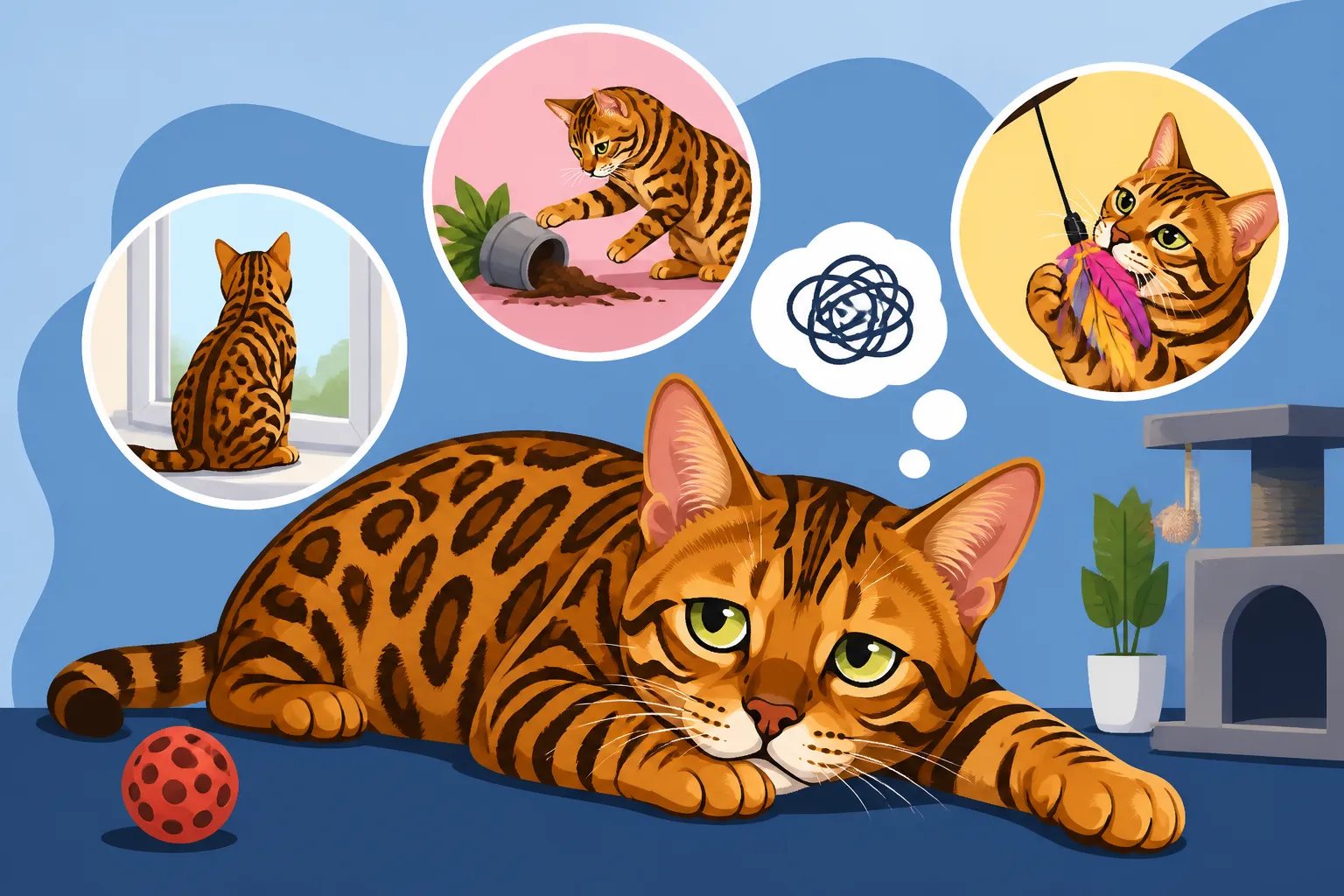
Signs a Bengal Cat Is Bored
It’s a common frustration for Bengal cat owners: you come home to a shredded toilet roll, a cascade of spices from the kitchen cabinet, or a frantic yowl that seems to erupt from nowhere. When your otherwise magnificent Bengal starts acting out, it's easy to feel like they're just being "naughty," but more often than not, these behaviors are flashing red lights, signs your incredibly intelligent and active companion is simply bored. This guide is here to help you decipher those signals and understand what your Bengal is trying to tell you.
Recognizing the Subtle Cues: Early Signs of Boredom in Your Bengal
Bengal cats are not your average couch potatoes. Their wild ancestry means they come hard-wired with an incredible amount of energy and curiosity. When that natural drive isn't adequately channeled, it can manifest in ways that might seem perplexing or even irritating to us. Learning to spot these early, often subtle, signs of boredom can help you intervene before things escalate.
Excessive Vocalization: The Demand Chirps and Yowls
One of the first things you'll notice with a bored Bengal is a ramp-up in their already impressive vocal repertoire. They aren't just meowing; they're communicating with a rich vocabulary that goes far beyond a polite greeting. You might hear incessant chirps, a rapid-fire series of trills that sound almost like an insistent bird, often accompanied by them staring directly at you, then at a toy, then back at you. This isn't just them saying hello; it's a direct demand for interaction, a plea to fill the void.
Then there are the yowls. These aren't the soft, gentle purrs or contented murmurs of a sleepy housecat. A bored Bengal's yowl can be deep, resonant, and almost mournful, echoing through the house as they wander from room to room. It's a sound that seems to carry a touch of their wild heritage, an urgent call that can grate on your nerves if you don't understand its underlying message: "I'm bored! Entertain me!" They're not trying to be annoying; they're simply trying to get your attention in the most effective way they know how. If you’ve ever wondered why your Bengal's voice sounds like a wild creature, you're hearing it when they are desperate for stimulation. This distinct form of communication is a hallmark of the breed, a constant reminder that The Bengal Cat Voice Is a Demand, Not a Greeting.
Destructive Chewing and Scratching: Targeting Your Valuables
Another classic sign of an under-stimulated Bengal is when they start redecorating your home with their teeth and claws. It’s not necessarily malice; it’s an outlet for restless energy and a need for tactile stimulation. You might find corners of furniture frayed, houseplants decimated, or even electrical cords suspiciously chewed. They aren’t doing it to spite you, but because their minds and bodies are craving something, anything, to engage with. If their environment doesn't offer enough appropriate outlets, your favorite leather armchair or the new rug becomes fair game.
This destructive behavior often targets items that hold particular interest or value to you, simply because those items are often novel or present a challenging texture. They might obsessively scratch at the same spot on the sofa, even if they have numerous scratching posts available. The problem isn't the lack of a scratching post, but the lack of engagement. They need a challenge, a task, something to mentally conquer. If you find yourself constantly asking What a Bored Bengal Cat Chews or What a Bored Bengal Cat Destroys, it's time to re-evaluate their daily enrichment routine. Investing in super durable, interactive toys can help redirect this energy; you can often find a wide array of options on platforms like Amazon, designed specifically for active breeds.
Obsessive Grooming or Lack Thereof: Changes in Coat Care
A less obvious, but equally significant, sign of boredom or stress in a Bengal is a change in their grooming habits. A normally fastidious cat might suddenly become obsessive, constantly licking at a particular spot on their fur until it's thin, matted, or even bald. This is known as psychogenic alopecia, and it's their way of coping with anxiety and under-stimulation. The repetitive motion of licking can be self-soothing, a desperate attempt to regulate their internal state when their external world isn't providing enough interesting input. It's heartbreaking to see them essentially pull out their own fur because they're so utterly bored.
Conversely, a bored or depressed Bengal might entirely neglect their grooming. Their sleek, glittering pelt, which usually requires minimal effort to maintain, might start to look dull, greasy, or disheveled. They might not bother to clean themselves after using the litter box, leading to unpleasant smells and matted fur around their hindquarters. While Bengal cats generally need almost no grooming from their owners, a sudden downturn in self-care should raise a red flag. It indicates a deeper emotional or psychological issue at play, and boredom can be a primary culprit, robbing them of the motivation to engage even in their most basic instincts.
Escalating Behaviors: When Boredom Becomes a Problem
When those subtle cues are missed, or the underlying boredom isn't addressed, a Bengal cat's behaviors can escalate from minor annoyances to significant problems. These are the actions that often lead owners to feel frustrated and overwhelmed, but understanding them as calls for help can change everything.
Counter Surfing and Cabinet Raiding: The Household Explorer
Bengal cats are incredibly clever, and when they’re bored, they turn their intelligence towards exploring every nook and cranny of your home. This often means becoming adept counter surfers and master cabinet raiders. They're not doing it to be "bad"; they're simply following their instinct to investigate, to find new scents, textures, and perhaps a hidden treat. You might come home to find every kitchen cupboard ajar, an entire roll of paper towels unspooled, or even your pantry goods scattered across the floor. They learn quickly, observing how you open doors and cabinets, and then mimicking those actions with surprising dexterity. You might be shocked at How a Bengal Cat Opens a Door, or even How a Bengal Cat Opens Cabinets, Doors and Drawers.
This is where your cat-proofing skills will be truly tested. What works for a typical housecat often doesn't stand a chance against a determined Bengal. They'll scale shelves, balance precariously on narrow ledges, and use their paws like tiny, intelligent hands to manipulate latches. If you’re constantly battling to How to Keep a Bengal Cat Off the Counter or out of your cupboards, it's a clear sign they need more appropriate mental stimulation. Child-proof locks on cabinets, the kind you might find on Amazon, can be a temporary deterrent, but the real solution lies in providing equally engaging, approved activities.
Aggression or Rough Play: Misdirected Energy
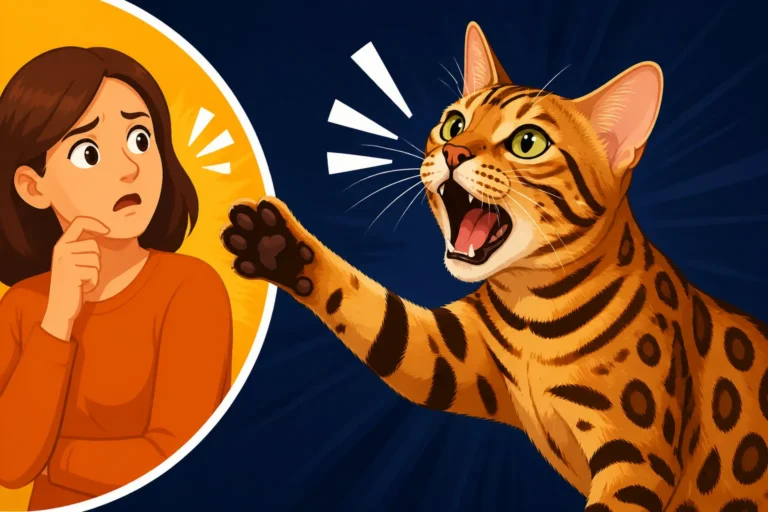
A bored Bengal cat with an excess of unspent energy can easily redirect that intensity into rough play or even aggression. This isn't necessarily a sign of a "mean" cat, but rather a cat who hasn't learned appropriate outlets for their powerful hunting instincts and high energy levels. You might find them ambushing your ankles from around corners, pouncing on your hands or feet with full force during petting, or engaging in overly rough play with other household pets, sometimes to the point of causing stress or injury. They simply don't know what else to do with all that pent-up drive.
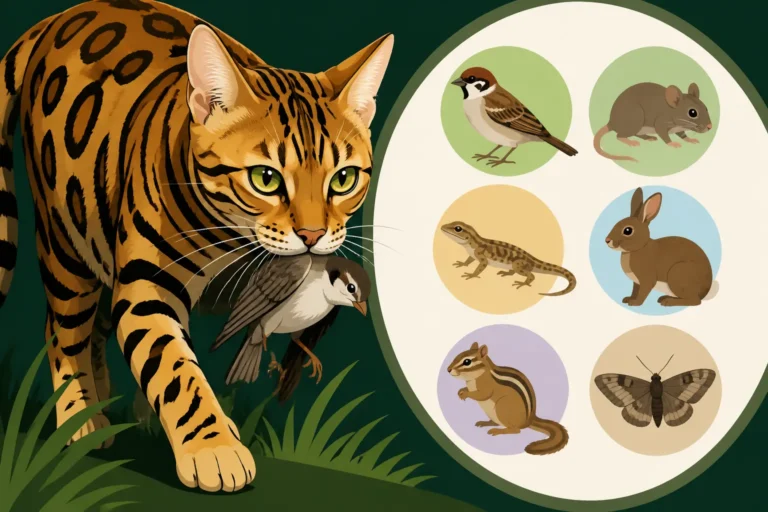
These behaviors stem from their need to "hunt" and "play" as their wild ancestors would. If there aren't enough interactive play sessions with wand toys that mimic prey, or if they don't have enough opportunities for vigorous exercise, they will seek out alternatives. A hand becomes a bunny, a foot becomes a squirrel, and an unsuspecting older cat becomes a rival. Understanding How Active a Bengal Cat Is is crucial here; they need daily, intense play sessions that truly tire them out, both physically and mentally. This isn't about punishment, but redirection and providing a suitable "prey" for their instincts.
Litter Box Issues: A Cry for Help
While litter box problems can certainly indicate underlying medical issues – and a vet check should always be your first step – they can also be a significant sign of stress and boredom in a Bengal cat. If your Bengal, who has always been meticulous about using their litter box, suddenly starts eliminating outside of it, consider their environment and emotional state. A cat feeling anxious or under-stimulated might develop an aversion to their box or start marking territory in other areas of the house as a way to cope with their distress.
This isn't about spite; it's often a desperate attempt to communicate discomfort or assert control in an environment where they feel powerless or unengaged. Perhaps their box isn't clean enough (Bengal cats can be quite particular), or they feel vulnerable while using it, or the act of eliminating outside the box is simply another way to get your attention, even negative attention. Why One Box Is Never Enough for a Bengal Cat becomes especially pertinent here, as access to multiple, clean, private options can sometimes alleviate stress. If medical causes have been ruled out, look at the boredom factor, and how you can make their living space more stimulating and less stressful.
The Impact on Their Health: Physical and Emotional Toll
The consequences of chronic boredom in a highly intelligent and active breed like the Bengal cat extend far beyond behavioral annoyances. Prolonged under-stimulation can take a real toll on their overall health, both physically and emotionally, leading to issues that can be difficult to diagnose if you're not aware of the connection.
Stress-Related Illnesses: When Their Mind Affects Their Body
Just like humans, cats can suffer from stress-related illnesses, and chronic boredom is a significant stressor for a Bengal. When a Bengal cat is constantly under-stimulated, their body releases stress hormones, which can have a cascading negative effect on various bodily systems. This can manifest as recurring digestive issues, even if their diet hasn't changed. Loose stools, vomiting, or a sensitive stomach can all be exacerbated by stress. Bengal cats are already prone to sensitive digestive systems – you might have noticed Why a Bengal Cat's Gut Is So Sensitive – and boredom only amplifies this vulnerability.
Beyond digestive upset, chronic stress can also suppress their immune system, making them more susceptible to infections or slower to recover from minor ailments. You might notice them getting more frequent sniffles, skin irritations, or generally just seeming "off." It’s a vicious cycle: the boredom causes stress, the stress causes physical symptoms, and the physical symptoms can further reduce their desire or ability to engage, creating even more boredom. Addressing the root cause of boredom is therefore not just about their happiness, but about their fundamental well-being.
Weight Changes: Too Much or Too Little
Boredom can dramatically impact a Bengal cat's appetite and, consequently, their weight. Some Bengals, much like some people, might turn to food as a coping mechanism. If there’s nothing else exciting happening, the act of eating, even if they’re not truly hungry, provides a momentary distraction and a hit of dopamine. This can lead to rapid weight gain, putting them at risk for obesity and related health problems like diabetes or joint issues, which are especially problematic for such an athletic breed. You might think they're just getting a bit fluffy, but it could be a sign of a deeper, unaddressed need for stimulation.
On the other end of the spectrum, a severely bored or depressed Bengal might lose interest in food entirely. If they feel listless and unengaged, the joy of eating can diminish. This can lead to unhealthy weight loss, muscle atrophy, and nutritional deficiencies. It’s a concerning symptom, as it indicates a profound level of disinterest in their environment. Monitoring your Bengal’s weight is always important, but sudden or unexplained fluctuations, whether up or down, especially when paired with other behavioral changes, should prompt you to consider boredom as a potential factor.
Changes in Sleep Patterns: Restless Nights, Sleepy Days
While cats are naturally crepuscular (most active at dawn and dusk), a bored Bengal's sleep patterns can become significantly disrupted. During the day, they might appear overly sleepy, lounging around lethargically and showing little interest in play, almost as if they're conserving energy. This isn't true relaxation; it's often a symptom of under-stimulation, a resignation to the lack of excitement. They might spend hours gazing out a window, seemingly content, but actually just watching the world go by because their own world offers nothing compelling.
Then, when night falls, their suppressed energy bursts forth. You might find them pacing restlessly, yowling, or engaging in intense bursts of play that disturb your sleep. They haven't had enough appropriate activity during the day, so their natural energy reserves spill over into the quiet hours. This can be incredibly disruptive for you and, ultimately, unhealthy for your cat. A well-exercised and mentally stimulated Bengal will generally settle into a more regular rhythm, saving their intense bursts of activity for designated playtimes rather than midnight zoomies fueled by daytime boredom.
Proactive Solutions: Keeping Your Bengal Engaged
The good news is that recognizing the signs of boredom is the first step towards creating a more fulfilling life for your Bengal. Because they are so intelligent and active, they thrive on consistent enrichment and mental challenges. It’s all about providing outlets that tap into their natural instincts and keep their clever minds occupied.
Interactive Play and Enrichment: More Than Just Toys
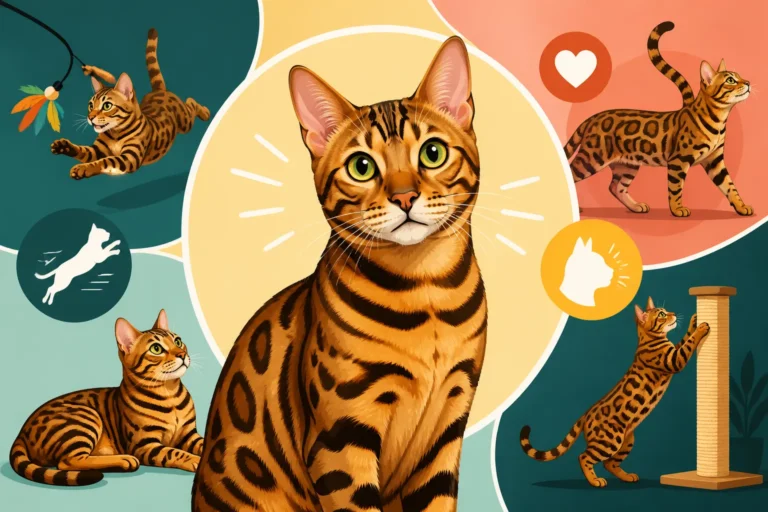
For a Bengal, interactive play isn't just a fun pastime; it's a fundamental need. Think beyond simply scattering a few toy mice on the floor. Dedicated play sessions, multiple times a day, are essential. Invest in sturdy wand toys with feathers or attachments that mimic prey animals. Move the toy like a bird fluttering, a mouse scurrying, or an insect buzzing, encouraging your Bengal to stalk, pounce, and "kill" their prey. These sessions should be vigorous enough to genuinely tire them out.
Beyond wand toys, puzzle feeders are an absolute must. Bengal cats love a challenge, and puzzle feeders require them to use their brains and paws to extract treats or kibble. This taps into their foraging instincts and provides mental stimulation that can last for significant periods. There are many different levels of difficulty, from simple balls that dispense food to complex mazes. Finding Which Puzzle Feeder Beats a Bengal Cat can be a fun challenge for both of you! You can find an incredible variety of innovative puzzle feeders on Amazon that are designed to keep intelligent cats engaged. Rotating their toys regularly also keeps things fresh and exciting, preventing them from becoming bored with the same old objects.
Vertical Space and Catios: Expanding Their World
Bengal cats are natural climbers and observers. They thrive on vertical space, which allows them to survey their territory from a high vantage point, feeling safe and in control. If your home primarily offers horizontal surfaces, your Bengal is likely feeling constrained. Install tall, sturdy cat trees that reach near the ceiling, or even better, create cat shelves or "cat superhighways" along your walls. These provide not just exercise but also mental enrichment as they navigate their elevated world. Consider How Much Vertical Space a Bengal Cat Needs when planning your home environment.
For those Bengals who constantly yearn for the outdoors, a catio (a secure outdoor enclosure) is arguably one of the best investments you can make. It allows them to experience fresh air, sunshine, and the stimulating sights, sounds, and smells of nature, all while remaining safe from predators, traffic, and escaping. A catio directly addresses their wild instincts, providing a safe "territory" to explore, climb, and observe. It’s a game-changer for many owners and for cats who feel cooped up. Indeed, for many, Why a Catio Is the Answer to a Bengal Cat is self-evident once they see their cat thrive in such a space.
Training and Mental Challenges: Engaging Their Clever Minds
Bengal cats are incredibly intelligent and eager to learn, which makes training a fantastic way to combat boredom and strengthen your bond. Forget the notion that only dogs can be trained; Bengals excel at it! Clicker training is particularly effective, as it provides clear, positive reinforcement. You can teach them a wide array of tricks, from sitting and staying to high-fives and even fetching. The mental effort involved in learning and performing these commands is just as tiring, if not more so, than physical exercise. How Clever a Bengal Cat Is means they pick up on things quickly, and you'll be amazed at what they can achieve.
Leash training is another excellent way to provide mental and physical enrichment. Not every Bengal will take to it, but many absolutely adore exploring the outdoors on a harness and leash. It offers a structured way for them to experience new environments, smells, and sights, which can be incredibly stimulating. Start slow, get a proper-fitting harness, and make it a positive experience. You’ll find detailed guides on How to Leash Train a Bengal Cat that can help you get started. Think of it as opening up a whole new world for them, transforming mundane walks into exciting adventures. For stimulating new training tools or durable harnesses, Amazon offers a wide selection perfect for your clever Bengal.
Disclaimer
This article is for general informational purposes only and does not constitute professional advice. Laws, prices and regulations vary by location and change over time. Consult a qualified professional for guidance on your specific situation.