Why a Bengal Cat Yowls at You
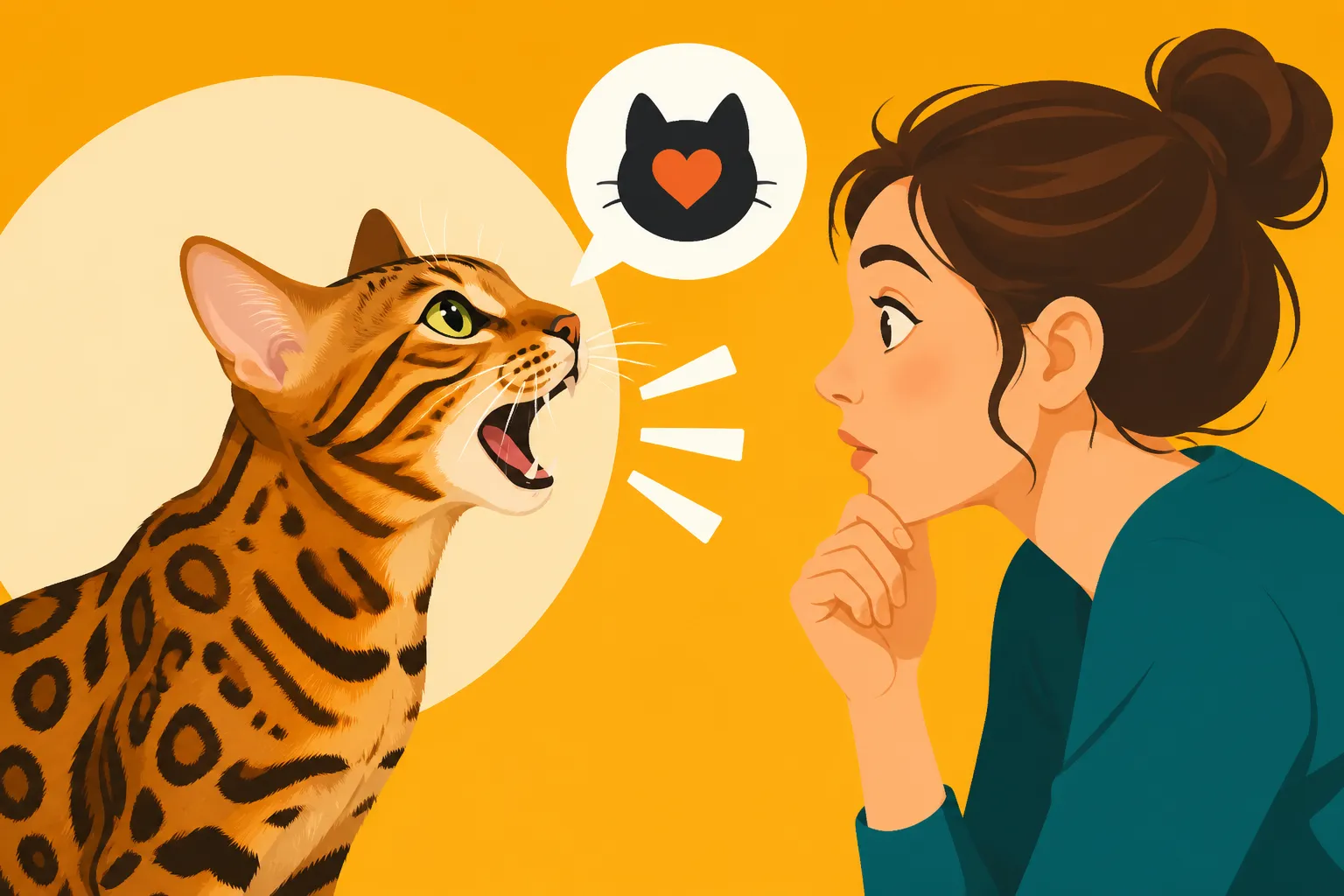
That distinctive, wild-sounding yowl from your Bengal cat can be startling, demanding, and sometimes downright frustrating, leaving you wondering if they're trying to tell you something important or just being dramatic. Many Bengal owners experience this unique vocalization, often feeling at a loss for how to interpret it or, more importantly, how to address it. This comprehensive guide aims to demystify the Bengal yowl, helping you understand its roots, decipher its meaning, and implement effective strategies to ensure both you and your striped companion can live in harmony.
Understanding the Bengal Cat's Unique Vocal Repertoire
Bengal cats are not your average quiet housecats. Anyone who has lived with one will tell you that their vocalizations are a world apart from the gentle meows and purrs you might expect. This isn't a flaw; it's a fundamental part of their charm and their heritage. They are built differently, both physically and vocally, and recognizing this is the first step in understanding their calls.
The Wild Ancestry of the Bengal's Voice
To truly grasp why your Bengal yowls, you have to look back at their lineage. The Bengal cat breed originated from a cross between a domestic cat and the Asian Leopard Cat (ALC). While many generations removed, that wild blood still flows, influencing everything from their striking appearance to their energetic personality, and yes, their vocal range. The Asian Leopard Cat, like many wild felines, uses a variety of vocalizations for communication in the wild – territory marking, calling mates, warning off rivals, or signaling to their young. These are not the soft "mews" designed for human interaction but rather more primal, intense sounds.
When your Bengal lets out a deep, resonant yowl, it's often an echo of these ancestral communication methods. It's a loud, far-reaching sound designed to get attention, whether from a perceived rival or a potential mate. This means that while your Bengal is a beloved pet, their instincts still drive them to communicate in ways that can seem incredibly intense to us. It's a powerful sound that certainly isn't going to be ignored, which is often exactly their intention. Why a Bengal Cat's Voice Sounds Wild might help you further appreciate this unique trait.
Beyond the Gentle Purr: Chirps, Trills, and Yowls
While the yowl is often what gets our attention, Bengals have a full symphony of sounds. They chirp when they spot a bird outside the window, trill as a greeting when you walk in the door, and will certainly purr with contentment when snuggling. These varied sounds showcase their highly communicative nature. The purr is usually a sign of happiness, and a chirp often indicates excitement or interest. Trills are generally friendly, welcoming sounds, often used by a queen with her kittens.
The yowl, however, stands out. It's usually louder, longer, and more insistent than other vocalizations. It can escalate quickly from a mild complaint to a full-blown opera if their needs aren't met or understood. Think of it as their "emergency broadcast" or their "loudhailer" when they feel particularly strongly about something. It’s distinct, and once you learn to recognize it, you'll start to differentiate it from their other, less urgent calls. You might even find yourself curious about What a Bengal Cat's Chirrup Means and how it differs from a yowl.
Is My Bengal Just Chatty, or Is This Excessive?
This is the million-dollar question for many Bengal owners. It's true that Bengals are known for being more vocal than many domestic breeds. A truly "quiet" Bengal is a rarity. They love to "talk" to you, expressing their opinions, observations, and desires through various sounds. So, a certain level of vocalization is entirely normal and expected.
However, there's a line between being a chatty companion and excessive, attention-seeking, or distress-driven yowling. If your Bengal's yowling is constant, disruptive, seems frantic, or occurs at unusual times (like repeatedly throughout the night, see Why a Bengal Cat Yowls at Night), it might be considered excessive. It’s about context and intensity. A Bengal that chatters happily while playing is normal; one that yowls incessantly at a closed-door for an hour might be trying to tell you something more. Keep an eye on the circumstances surrounding the yowls, as this will be your primary clue.
Decoding the "Why": Common Reasons for Bengal Yowls
When your Bengal cat yowls, it's almost always a form of communication. They are trying to tell you something, and it's our job as their human companions to figure out what that is. Often, the reasons are straightforward, if a bit demanding!
The Demand Yowl: "Feed Me Now!" and "Play with Me!"
Let's be honest, many Bengal yowls fall into this category. These cats are intelligent, assertive, and they know what they want. If they believe it's dinner time, even if it's thirty minutes early, they will let you know with a persistent, escalating yowl. This isn't just a gentle reminder; it's a full-on, "My bowl is empty and I might starve!" declaration. They will follow you from room to room, weave around your legs, and keep up the vocal onslaught until their demands are met. How to Stop a Bengal Cat Demanding can be a real challenge for owners facing this daily routine.
Similarly, a Bengal that isn't getting enough mental and physical stimulation will often yowl to initiate play. These are highly active cats, and if they have energy to burn, they will find a way to get your attention. A sudden, sharp yowl followed by them batting at a toy or running to their cat wheel might be their way of saying, "Okay, human, playtime starts now!" They are incredibly smart and quickly learn that yowling gets a response from you, whether it's feeding them, playing with them, or simply acknowledging their presence.
The "I'm Bored and Destructive" Yowl
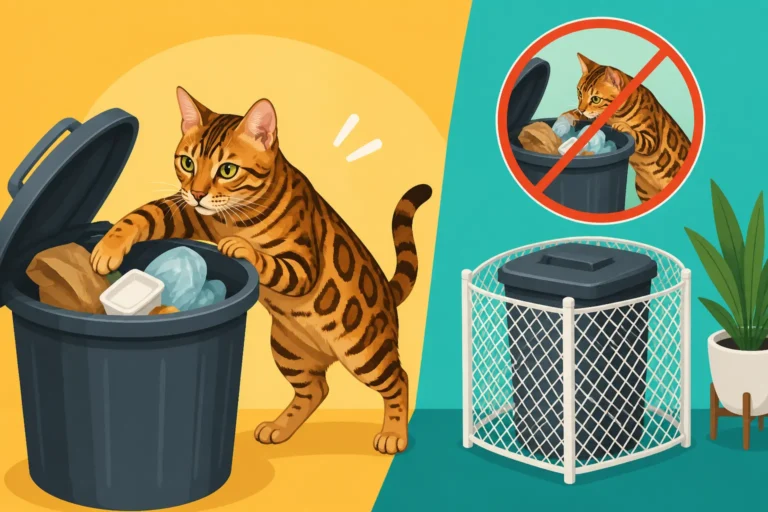
A bored Bengal cat is a recipe for trouble, and yowling is often one of the first signs. These cats crave stimulation, and if they aren't getting it, they will actively seek it out, often in ways you won't appreciate. A yowl might be their frustration boiling over, signaling that their environment isn't engaging enough. This can quickly escalate to destructive behaviors like scratching furniture, knocking things off shelves, or even raiding cabinets. Signs a Bengal Cat Is Bored often include these vocalizations before the true chaos begins.
Imagine a scenario: you're engrossed in a book, and your Bengal, having already explored every corner of the house and batted at all their toys, approaches you with a low, rumbling yowl that gradually increases in volume. They might then stalk off to the nearest prohibited surface, like a bookshelf, and knock a trinket off, looking back at you as if to say, "See? Now you're paying attention!" This is their way of forcing interaction and mental engagement when they feel neglected or under-stimulated. They don't just sit and wait; they make things happen. Providing ample enrichment, perhaps with interactive toys found on Amazon, can sometimes divert these bored yowls.
The "My Litter Box is Unacceptable" Yowl
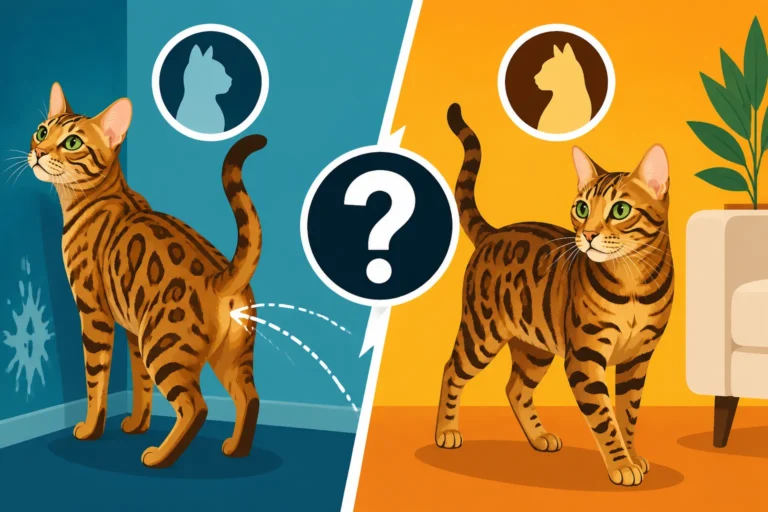
This is a critical yowl to pay attention to, as it can indicate both behavioral and health issues. Bengals are generally fastidious creatures. If their litter box isn't clean enough, big enough, or if they dislike the type of litter, they will often voice their displeasure. A yowl might accompany repeated trips to the box without actually using it, or pacing around it with an agitated demeanor. They're telling you, "This facility is not up to my exacting standards, and I refuse to use it!"
Sometimes, the yowl might happen after they've used the box, or even if they go outside the box. This could point to discomfort or pain during urination or defecation. It's not just a complaint about cleanliness; it could be a cry for help. A Bengal with an upset stomach or urinary tract issue will associate the pain with the litter box and might yowl in anticipation or during the act. Always rule out medical reasons if a cat is showing any litter box aversion. Why a Bengal Cat's Gut Is So Sensitive means they can be particularly prone to digestive upsets that affect their litter box habits.
The Social Yowl: Seeking Company and Attention
Bengals are incredibly social and attached to their people. They often follow you from room to room, supervise your activities, and generally want to be involved in whatever you're doing. If they feel lonely, excluded, or simply want to demand your full and undivided attention, a yowl is a highly effective tool. This isn't necessarily a "demand" for food or play, but a pure bid for your presence and affection.
For example, if you've been working at your desk for an hour without interaction, your Bengal might jump onto your lap, push their head under your hand for pets, and then, if you stop, let out a deep yowl. They are reminding you that they are there, and they expect cuddles and conversation. This can be especially true if they are an only cat, or if their favorite human has been away for a while. They genuinely miss you and aren't afraid to vocalize their feelings. It highlights how much The Bengal Cat Is the Most Active Cat You Can Own also means they are one of the most socially interactive.
When Yowling Signals Trouble: Health Concerns to Watch For
While many yowls are behavioral, it's crucial never to dismiss persistent or unusual vocalizations. Cats, especially Bengals with their strong instincts, are masters at hiding pain and illness. A sudden increase in yowling, or a change in the type of yowl, could be the only sign that something is seriously wrong.
Pain and Discomfort: Hidden Ailments
A cat in pain might yowl to express their distress. This pain could be anything from a hidden injury to an internal ailment that isn't immediately obvious. Bengals are notoriously stoic, often masking their discomfort until it becomes severe. If your Bengal starts yowling when you pick them up, or if they yowl when trying to move, jump, or use the litter box, pain is a strong possibility.
Conditions like arthritis (especially in older Bengals), dental disease, urinary tract infections, or even abdominal pain can manifest as increased vocalization. If the yowling is accompanied by other subtle changes like hiding, lethargy, decreased appetite, or changes in grooming habits, it's a definite red flag. A trip to the vet for a thorough check-up is warranted to rule out any underlying medical issues. Early detection is key, as conditions like HCM Is What Kills Bengal Cats Early can sometimes present with subtle behavioral changes, though typically not yowling directly.
Age-Related Changes and Cognitive Decline
As Bengals enter their senior years, typically around The Age a Bengal Cat Is Considered Senior, their behavior can change, and this includes vocalizations. Older cats can sometimes develop Feline Cognitive Dysfunction (FCD), which is similar to dementia in humans. Cats with FCD often become disoriented, especially at night, and may yowl loudly as they wander, seemingly confused about where they are or what they are doing. This can be heartbreaking to witness, as they seem to genuinely be in distress.
Other age-related issues, such as declining hearing or eyesight, can also lead to increased yowling. A cat with poor vision might yowl if they bump into something or feel lost in a familiar environment. Older cats may also feel colder more easily, or experience increased anxiety, leading them to vocalize more often. These yowls are often not for attention, but rather a manifestation of their confusion, discomfort, or dwindling senses. It's a sad but real possibility for our cherished senior Bengals.
Hormonal Calls: Unneutered/Unspayed Bengal Yowls
If your Bengal cat is not spayed or neutered, their yowling can almost certainly be attributed to hormonal drives. Intact female Bengals (queens) will yowl incessantly when they are in heat, attempting to attract a male. This is a loud, persistent, and often frantic yowl, accompanied by rolling, rubbing, and presenting behaviors. It's a primal call designed to be heard by potential mates from a distance.
Likewise, unneutered male Bengals (studs) will yowl in response to the scent of a female in heat, or to mark their territory, especially if they perceive other males nearby. This can be extremely frustrating for owners, as the yowling can be relentless and deeply disturbing. This type of yowling usually stops once the cat is spayed or neutered, which is why most reputable breeders require pet Bengals to be altered. If you're struggling with this, consider discussing sterilization with your vet.
| Type of Yowl | Common Causes | Urgency | Typical Accompanying Behaviors |
|---|---|---|---|
| Demand Yowl | Hunger, thirst, desire for play/attention | Low-Med | Following you, pawing, staring, leading you to food/toys |
| Boredom Yowl | Lack of stimulation, loneliness | Low-Med | Destructive behavior, pacing, excessive grooming, seeking interaction |
| Discomfort Yowl | Dirty litter box, dislike of litter | Low | Pacing around box, digging excessively, hesitant to enter, sometimes eliminating outside box |
| Social Yowl | Desire for company, greeting, seeking affection | Low | Rubbing, head bunting, jumping on lap, following you |
| Pain Yowl | Injury, illness, chronic pain | High | Hiding, lethargy, reduced appetite, aggression when touched, difficulty moving, changes in litter box use |
| Confusion Yowl | Age-related cognitive decline, disorientation | High | Wandering aimlessly, staring blankly, getting "lost" in familiar places, especially at night |
| Hormonal Yowl | Heat (females), scent of female (males) | High | Rolling, rubbing, presenting, spraying (males), intense restlessness |
Strategies to Quiet the Yowl: Practical Solutions for Owners
Once you've tried to decipher the meaning behind your Bengal's yowl, it's time to implement strategies to address it. Remember, these cats are intelligent and persistent, so consistency and patience are your best friends.
Enriching Their Environment to Combat Boredom
As we've established, a bored Bengal is a vocal Bengal. The single most effective way to reduce demand yowling for attention or general frustration yowling is to provide a stimulating environment. This means more than just a few toys scattered on the floor. Bengals need vertical space, opportunities to hunt and explore, and plenty of engaging activities.
Consider investing in tall cat trees and wall-mounted shelves to give them climbing opportunities. Puzzle feeders, which you can find readily on Amazon, are excellent for mental stimulation, forcing them to "hunt" for their food rather than just eating from a bowl. A cat wheel can provide an outlet for their immense energy, allowing them to run to their heart's content without tearing up your house. Daily dedicated play sessions with wand toys are also crucial. Aim for at least two to three vigorous sessions a day. Remember, How Much Enrichment a Bengal Cat Actually Needs is probably more than you think!
Establishing Routines and Predicting Needs
Bengals thrive on routine. They are creatures of habit and will often yowl if their schedule is disrupted or if they perceive that a routine event (like feeding time) is delayed. By establishing a predictable routine for meals, play, and even cuddle times, you can help reduce anticipatory yowls. For example, if you feed your Bengal at 7 AM and 6 PM sharp every day, they will learn this schedule and be less likely to yowl for food an hour early.
Predicting their needs also involves making sure their essentials are always met. Fresh water should always be available, perhaps in a cat water fountain they enjoy playing with. Their litter box should be scooped daily, if not twice daily. By proactively addressing these basic needs, you remove common triggers for their complaints. Sometimes, a yowl is simply their way of reminding you of something you might have overlooked amidst your busy schedule.
Medical Check-ups and Professional Guidance
If you suspect your Bengal's yowling is due to pain, illness, or age-related cognitive decline, a visit to the veterinarian is non-negotiable. Don't try to diagnose your cat yourself; only a qualified professional can perform the necessary tests and provide an accurate diagnosis and treatment plan. Your vet might suggest bloodwork, urinalysis, X-rays, or other diagnostics depending on their initial assessment.
For older Bengals exhibiting signs of FCD, your vet might recommend dietary changes, supplements, or even medications that can help manage the symptoms and improve their quality of life. Sometimes, pheromone diffusers (like Feliway, also available on Amazon) can also help reduce anxiety-related yowling by creating a calming environment. Remember, early intervention can make a significant difference. Regular wellness exams are crucial for all cats, but especially for Bengals, to catch potential issues early. How Often a Bengal Cat Needs a Wellness Exam often surprises new owners.
Behavioral Modification and Training Techniques
While you can't stop a Bengal from being vocal entirely, you can certainly train them to reduce excessive or demanding yowling. The key is to avoid inadvertently rewarding the undesirable behavior. If your Bengal yowls for food and you immediately fill their bowl, you've just taught them that yowling works.
Instead, try these techniques:
- Ignore the Yowl (if non-urgent): If your Bengal is yowling for attention or food and you've already ruled out urgent needs, completely ignore them. Do not make eye contact, do not speak to them, do not move. Wait until there is a moment of silence – even a second – then reward that silence with attention or by fulfilling their demand. They will slowly learn that quiet behavior gets results, not frantic yowling.
- Redirect: If they are yowling out of boredom, redirect their energy. Instead of immediately playing with them, toss a favorite toy for them to chase, or activate a puzzle feeder. This teaches them to engage with their environment rather than demanding your direct intervention.
- Clicker Training: Bengals are incredibly intelligent and respond well to clicker training. You can use it to teach them to be quiet on command or to perform alternative, more acceptable behaviors when they feel vocal. How Intelligent a Bengal Cat Is means they pick up on these cues quickly.
- Scheduled Interactions: Instead of waiting for them to yowl for attention, schedule regular, predictable play and cuddle times. Initiate these interactions when they are quiet and calm, reinforcing that calm behavior leads to positive experiences.
Living with a Vocal Bengal: Managing Expectations and Building Bonds
Adopting a Bengal cat means embracing their unique traits, and their vocal nature is definitely one of them. While you can manage excessive yowling, you'll likely never have a completely silent Bengal, and that's okay!
Accepting Their Unique Personality
Part of the joy of owning a Bengal is their distinct personality. They are not subtle, shy creatures. They are bold, curious, and expressive. Their yowls, chirps, and trills are all part of their individual charm. Once you understand that some level of vocalization is simply "being a Bengal," you can learn to appreciate it as a form of communication rather than just noise.
Think of it as having a chatty roommate or a friend who loves to tell stories. Sometimes it's a bit much, but often, it's endearing. Learning their different vocalizations can actually deepen your bond, as you become more attuned to their moods and needs. This deep connection is one of the many reasons Whether a Bengal Cat Is Worth the Money to so many owners.
The Importance of Patience and Consistency
Dealing with a vocal Bengal, especially one that uses yowling for demanding attention, requires immense patience and unwavering consistency. It's easy to give in to their demands just to make them stop, but this only reinforces the behavior. Every time you give in, you erase a dozen times you tried to ignore it. Everyone in the household needs to be on the same page with the training methods to ensure success.
Remember that behavioral changes take time. Don't expect immediate results. There will be days when you feel like you're making progress, and days when it feels like you're back to square one. Stay calm, stay consistent, and continue to provide a loving, stimulating, and predictable environment. Your Bengal will eventually learn the rules, and you'll find a harmonious balance that works for both of you. And who knows, one day, you might even miss their particular brand of vocal enthusiasm when things get a little too quiet.
Disclaimer
This article is for general informational purposes only and does not constitute professional advice. Laws, prices and regulations vary by location and change over time. Consult a qualified professional for guidance on your specific situation.